Tag: UV Printing

  • What Is UV Printing? Explore One of Today’s Leading Printing Technologies

    What Is UV Printing? Explore One of Today’s Leading Printing Technologies

     In the printing industry, which technology is leading the way in durability and visual appeal across a wide range of materials? The answer is UV printing – an innovative solution that offers outstanding advantages over traditional printing methods. Not only does it deliver vibrant colors and sharp image quality, but UV printing also proves to be the most powerful option for printing on rigid surfaces such as acrylic, glass, wood, metal, plastic, and signage. This article will help you better understand UV printing technology and why it has become the top choice for products that require long-lasting durability and premium quality.
    What Is UV Printing

    What Is UV Printing Technology?

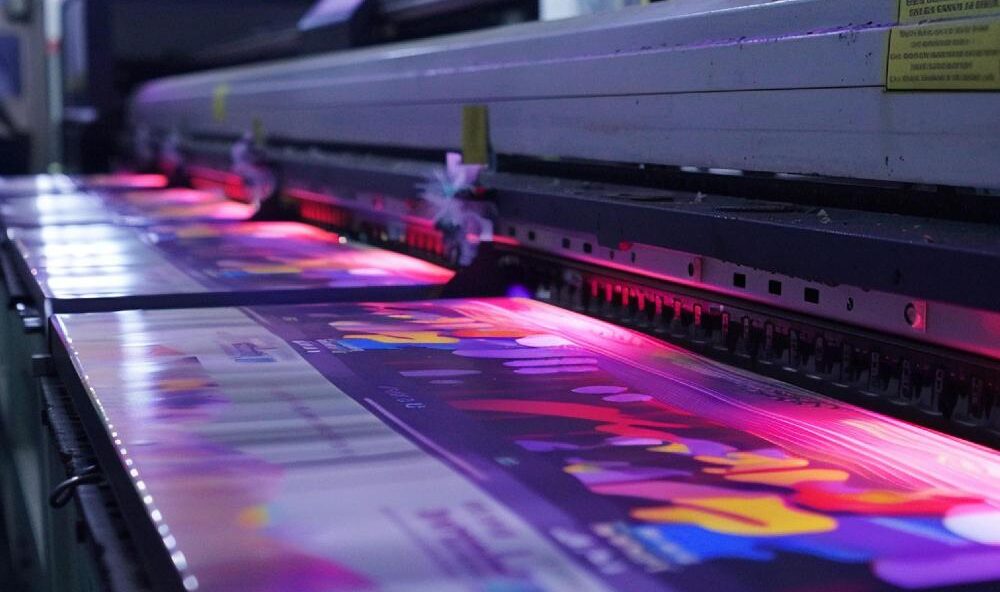
    UV printing technology is a direct printing method that uses specialized UV ink combined with ultraviolet (UV) light to instantly cure the ink during the printing process. Thanks to this immediate curing mechanism, the ink adheres firmly to the material’s surface without smudging, blurring, or soaking deeply into the substrate like traditional printing methods.

    One of the standout features of UV printing technology is its ability to produce sharp images, vibrant colors, and high durability on a wide variety of materials. In addition to being widely used on rigid surfaces such as acrylic, glass, wood, metal, plastic, and mica, UV printing is also popular in the fields of décor, advertising, personalized gifts, and tech accessory manufacturing.

    Moreover, this technology allows for unique 3D embossed printing effects, adding depth and enhancing the visual appeal of products. With excellent color durability, water resistance, and scratch resistance, UV printing is becoming a modern printing trend increasingly preferred by businesses and manufacturing workshops.

    Outstanding Advantages of UV Printing Technology

    UV printing technology is increasingly being widely applied in the modern printing industry thanks to its ability to produce sharp images, high durability, and compatibility with a wide range of materials. Compared to traditional printing methods, UV printing offers many superior advantages in both product quality and production efficiency. Below are the key benefits of UV printing technology that you should know:

    High Color Durability and Excellent Scratch Resistance

    UV ink adheres firmly to material surfaces thanks to its instant curing process using ultraviolet light. This helps printed designs resist peeling, scratching, and water damage. UV-printed products also maintain their colors for a long time, making them suitable for both indoor and outdoor environments.

    Sharp Images and Vibrant Colors

    One of the biggest advantages of UV printing technology is its ability to reproduce highly detailed images. Printed colors appear brighter, sharper, and more consistent compared to many conventional printing inks, making products look more professional and visually appealing.

    Compatible with Various Materials

    UV printing technology can be applied to a wide range of materials, including glass, acrylic, wood, metal, plastic, leather, canvas, ceramic tiles, and many other surfaces. This is a major advantage that allows businesses to expand their product offerings and meet diverse printing demands.

    Unique 3D Embossed Printing Effects

    Thanks to its ability to layer multiple ink coatings, UV printing can create 3D embossed effects, adding depth and a more realistic feel to images. When touching the surface, users can clearly feel the raised texture of the design, which enhances the product’s aesthetic value.

    Fast Drying Speed for Optimized Production Processes

    Unlike traditional printing technologies that require natural drying time or heat drying, UV ink cures instantly under UV light. This significantly shortens production time, minimizes ink smudging, and improves overall operational efficiency.

    More Environmentally Friendly

    UV ink minimizes the release of solvents and chemical odors during the printing process. As a result, this technology is considered safer for users and more environmentally friendly compared to some traditional types of printing ink.

    Thanks to these outstanding advantages, UV printing technology is becoming a popular choice across various industries, including advertising, interior decoration, personalized gifts, tech accessories, and fashion production.

    Disadvantages of UV Printing to Consider

    Although UV printing offers many outstanding advantages in terms of durability, aesthetics, and versatility, this technology still has certain limitations that users should consider before making a choice. Understanding these drawbacks will help you more accurately evaluate whether UV printing is suitable for your specific needs.

    Relatively High Investment and Production Costs

    One of the biggest limitations of UV printing technology is its relatively high initial investment cost. Modern UV printers, UV lamp systems, and specialized UV inks are generally more expensive than many traditional printing technologies. As a result, production costs are often higher as well, especially for small-volume orders or businesses with limited budgets.

    Difficult to Modify After Completion

    UV ink cures almost instantly under ultraviolet light, allowing prints to adhere firmly and achieve high durability. However, this is also a drawback when printing errors occur. Once the print is completed, removing or correcting mistakes is nearly impossible, and in many cases, the entire printing process must be redone from the beginning.

    Limitations on Highly Flexible Materials

    Because UV ink forms a relatively rigid and thick layer, small cracks may appear if the printed product is frequently stretched, folded, or subjected to strong impact. For this reason, UV printing is generally more suitable for stable materials such as glass, acrylic, metal, leather, canvas, or rigid plastic rather than overly soft or highly elastic materials.

    Requires Advanced Technical Skills

    To ensure consistent print quality, UV printing technology requires operators to have technical knowledge and experience in machine calibration, ink control, and material surface preparation. Improper setup may lead to issues such as color inconsistencies, poor ink adhesion, or reduced image sharpness.

    Despite these limitations, UV printing remains a worthwhile option for businesses and individuals who prioritize high print quality, excellent durability, and superior aesthetics for their products.

    What Industries Is UV Printing Used In?

    Thanks to its ability to print directly on a wide range of materials, along with excellent color durability and outstanding aesthetics, UV printing technology is increasingly being applied across various industries. From advertising and interior decoration to personalized gifts and tech accessories, UV printing offers a high-quality and flexible printing solution.

    Advertising Industry

    Advertising is the most common field for UV printing applications. This method is widely used to produce company signage, directional signs, lightboxes, standees, and many other outdoor advertising products. Thanks to its water resistance, fade resistance, and ability to withstand harsh weather conditions, UV-printed products can maintain both durability and visual appeal over time.

    Interior and Exterior Decoration

    In the décor industry, UV printing technology is used to print directly on glass, wood, acrylic, ceramic tiles, stone, and metal. This makes it possible to create products such as glass artwork, kitchen backsplash glass panels, wall art, decorative partitions, and customized interior details with a modern and personalized style.

    Personalized Gifts

    UV printing is a popular choice for gift customization due to its ability to create sharp images and unique embossed effects. Products such as tumblers, keychains, pens, gift boxes, photo frames, and wooden souvenirs can all utilize this technology to enhance aesthetic value and exclusivity.

    Tech Accessories

    Many tech accessories today are produced using UV printing technology, including phone cases, laptop covers, plastic cards, USB drives, and personal electronic devices. The printed designs offer strong adhesion, reduced peeling, and long-lasting color retention even with frequent use.

    Fashion and Personal Accessories

    In addition to rigid materials, UV printing can also be applied to leather, canvas, and certain compatible materials for producing wallets, handbags, shoes, and fashion accessories. This technology helps create unique, sharp, and durable designs.

    With its flexibility, wide range of applications, and superior print quality, UV printing technology is becoming a preferred choice for many businesses in manufacturing, advertising, and product design industries.

    Popular Types of UV Printing Technology Today

    What Is UV Printing

    Currently, based on material characteristics and practical usage needs, UV printing technology is commonly divided into three main types: flatbed UV printing, roll-to-roll UV printing, and hybrid UV printing. Each type of UV printer is designed to suit specific material groups and production purposes, helping businesses optimize printing efficiency as well as operational costs.

    Flatbed UV Printing

    Flatbed UV printing is currently the most widely used type of UV printing technology. This method is suitable for rigid or flat-surfaced materials such as glass, acrylic, wood, metal, rigid plastic, and ceramic tiles.

    During the printing process, the material is fixed securely on the printing bed, while the printhead moves across the surface to spray ink directly onto the material and instantly cure it with UV light. Thanks to its sharp print quality, high durability, and excellent stability, flatbed UV printing is commonly used in the production of advertising signage, decorative artwork, directional signs, and interior décor products.

    Roll-to-Roll UV Printing

    Unlike flatbed UV printing, roll-to-roll UV printing is specifically designed for flexible or rollable materials such as stickers, banners, canvas, film, and other roll-based advertising materials.

    With this technology, the material continuously moves through a roller system while the printhead sprays ink directly onto the surface. Thanks to its continuous operating mechanism, roll-to-roll UV printing is ideal for high-volume production, fast printing speeds, and cost optimization. This makes it a popular choice for outdoor advertising, backdrops, banners, and decorative decals.

    Hybrid UV Printing

    Hybrid UV printing is a type of printer that combines the features of both flatbed UV printing and roll-to-roll UV printing in a single machine. This allows the printer to handle both rigid and flexible materials efficiently, meeting a wide variety of production needs.

    Thanks to its versatility, hybrid UV printers are often suitable for printing workshops looking to optimize workspace, reduce the cost of investing in multiple machines, and expand their product range. It is considered a balanced solution in terms of performance, flexibility, and long-term business growth potential.

    Choosing the right UV printing technology depends on the printing materials, production scale, and business goals of each company. Understanding the characteristics of each printer type will help optimize operational efficiency and improve final product quality.

    Comparison Between UV Printing and Traditional Printing (Offset & Digital Printing)

    To understand why UV printing technology is often more expensive than traditional printing methods, it is important to look at the differences in print quality, durability, application versatility, and production processes. Compared to offset printing or digital printing, UV printing offers several superior advantages, especially for products that require high aesthetics and long-lasting durability.

    Ink Drying Mechanism

    The biggest difference between UV printing and traditional printing lies in the ink drying process. With offset printing or digital printing, the ink usually requires time to dry naturally or relies on heat to evaporate solvents.

    In contrast, UV printing technology uses ultraviolet light to cure the ink almost instantly after printing. This helps minimize issues such as smudging, ink bleeding, or image distortion while maintaining sharper and more precise print quality.

    Durability and Resistance

    Traditional prints are generally more suitable for indoor environments or short-term products. When exposed to sunlight, humidity, or physical impact for extended periods, the printed images may fade or peel over time.

    On the other hand, UV ink offers strong adhesion, water resistance, scratch resistance, and better durability under harsh environmental conditions. This is why UV printing is often preferred for outdoor advertising signs, signage boards, and products that require long-lasting performance.

    Material Compatibility

    Offset printing and digital printing are mainly used on paper, decals, or certain compatible fabrics, which makes their application range relatively limited.

    Meanwhile, UV printing technology can print directly on a wide variety of materials, including glass, acrylic, wood, metal, leather, plastic, ceramic tiles, and canvas. This versatility allows businesses to easily expand their product offerings and create more unique designs.

    Aesthetic Quality of Finished Products

    One of the standout advantages of UV printing is its ability to produce sharp images, vibrant colors, and unique 3D embossed effects. Thanks to multi-layer ink printing technology, UV-printed products offer greater depth and a higher-quality finish compared to traditional printing methods.

    Meanwhile, offset printing and digital printing are generally more suitable for basic printing needs and provide limited support for special surface effects.

    Safety and Environmental Friendliness

    Compared to some traditional inks, UV ink minimizes the release of solvents and chemical odors during the printing process. This helps create a cleaner working environment and provides a safer experience for users.

    Thanks to these advantages, UV printing technology is increasingly being widely applied in advertising, interior decoration, personalized gifts, and tech accessory production.

    Should You Choose UV Printing or Traditional Printing?

    Choosing the right printing technology depends on your intended use and budget.

    If your priority is cost optimization, large-volume printing on paper, or short-term products, offset printing or digital printing would be more suitable options.

    If you prioritize high durability, sharp image quality, and the ability to print on a wide range of materials, UV printing is a solution worth considering.

    Overall, although UV printing comes with higher initial costs, it is still considered an effective choice for products that require durability, aesthetic appeal, and long-term versatility.

    It is clear that UV printing technology is increasingly strengthening its position in the printing industry thanks to its ability to produce sharp, fade-resistant prints and its flexible application across various materials. Compared to traditional printing methods, UV printing not only stands out for its visual quality but also effectively meets the demand for highly durable products with strict quality requirements.

    Although the initial investment cost may be higher, in terms of long-term value, UV printing remains a worthwhile solution for businesses and individuals seeking a modern, professional, and high-quality printing method.

    Hopefully, this article has helped you gain a better understanding of what UV printing is, its key advantages, potential limitations, and practical applications. If you are looking for a durable, sharp, and versatile printing solution for different materials, UV printing is definitely an option worth considering.

  • UV vs DTG: What POD Sellers Must Know

    UV vs DTG: What POD Sellers Must Know

    In the Print on Demand industry, printing technology not only determines product quality but also directly impacts conversion rates, customer satisfaction, and a seller’s ability to scale. The two most widely used technologies today are UV Printing and DTG (Direct to Garment), each with its own operating principles, suitable materials, and completely different output characteristics. Understanding the differences between UV and DTG allows sellers to choose the right products, optimize their designs, reduce refund risks, and build a more effective sales strategy. This article provides a comprehensive, detailed, and practical overview to help POD sellers make the right decisions for each campaign.

    UV Printing

    Why Do POD Sellers Need to Understand the Differences Between UV and DTG?

    Many new sellers often make the mistake of assuming that “printing is all the same.” However, choosing the wrong printing technology for a design or material not only reduces the customer experience but can also lead to significant revenue loss. Below are four key reasons why you must clearly distinguish between these two technologies.

    Design Accuracy When Printed on the Final Product

    Each printing technology has its own strengths in how it processes and reproduces visual elements. If you do not understand these differences, the actual product will never achieve the visual quality you expect.

    • For DTG printing: This is the optimal choice for full-color designs, portraits, and artwork with soft gradients. DTG allows the ink to penetrate the cotton fibers, resulting in a smooth finish and natural color transitions.
    • For UV printing: This technology uses ultraviolet light to cure the ink instantly on the surface. As a result, UV excels at rendering fine lines, thin strokes, and small details that require high sharpness, especially on hard materials such as acrylic or wood.

    Optimizing Customer Experience and Reviews

    One of the most common reasons customers request a refund is: “The colors look darker/lighter in real life than on the website image.” The root cause lies in the color gamut and the way each printing technology renders colors differently.

    • DTG tends to settle into the fabric, creating a natural or slightly vintage look, but sometimes appearing less vibrant than what is shown on screen.
    • UV, on the other hand, creates a layer of ink that sits on the surface, producing extremely bright, glossy colors with strong contrast.

    If you use a mockup designed to reflect DTG output but fulfill the order using UV printing (or vice versa), customers will feel visually misled the moment they open the package.

    Optimizing Advertising Costs and Increasing Conversion Rates

    Choosing the wrong material for a printing technology is a basic yet costly technical mistake.

    • DTG requires apparel products with a high cotton content because cotton allows water-based ink to bond well and maintain color durability after multiple washes.
    • UV printing, on the other hand, needs a hard, flat surface (such as plastic, metal, wood, or acrylic) so the ink can adhere properly after being cured under UV light.

    Attempting to use UV printing on soft T-shirts, or applying DTG on non-absorbent surfaces, will cause the print to peel, crack, or fade quickly after only a short period of use.

    Critical Risks When Scaling Campaigns

    A lack of understanding about printing technologies becomes painfully obvious once you start scaling campaigns.

    • Imagine running a T-shirt campaign using DTG-style mockups (soft, blended, fabric-integrated prints), but your fulfillment partner produces the orders using large-area decal or UV printing, which creates a stiff, heavy print. Customers will complain immediately.
    • Conversely, if you are scaling ornament campaigns with designs built around DTG-style gradients or complex color transitions but the products are printed using UV, the final output will lack depth and the sharp detail required for a premium finish.

    Overview of UV Printing Technology

    UV vs DTG: What POD Sellers Must Know

    In the modern Print on Demand (POD) industry, while DTG printing dominates the apparel segment, UV Printing has become the leading technology in the gift and decor categories. So how does this technology work, and why is it so important for sellers?

    What Is UV Printing and How Is It Used in POD?

    UV Printing (Ultraviolet Printing) is a technology that sprays ink directly onto the surface of a hard material. Its key distinction lies in the drying mechanism: immediately after the ink is applied, ultraviolet (UV) light cures the ink on the spot. This process allows the ink to adhere tightly to the material, prevents smudging, and produces exceptionally sharp print quality.

    If you are selling hard goods, UV printing is the mandatory standard. It is the most widely used technology for producing best-selling POD products such as:

    • Acrylic/Wooden Ornaments: Christmas tree decorations made from acrylic or wood.
    • Acrylic Keychains: Custom-printed keychains.
    • Suncatchers & Glass Ornaments: Light-catching and glass-like decorative items.
    • Home Decor: Nameplates, standees, and various desk or home gift items.

    Outstanding Advantages of UV Printing

    Why is UV printing so widely favored by both production facilities and POD sellers? The answer lies in its five major strengths:

    • Exceptional sharpness: Because the ink is cured instantly, it does not smudge or bleed. This allows UV printing to reproduce fine strokes, detailed icons, and small text with outstanding clarity.
    • Bright and vibrant colors: UV light “locks” the ink on the surface, preserving high saturation, vivid tones, and minimizing the dulling that often occurs with traditional heat-based printing methods.
    • The “king” of hard surfaces: This is UV printing’s greatest strength. Most flat, rigid materials acrylic, wood, glass, metal, and PVC can be printed with UV effortlessly and with high fidelity.
    • Unique visual effects: For transparent acrylic products, UV printing allows the creation of layered colors, depth effects, and light-passing aesthetics (as seen in suncatchers), enhancing the product’s overall visual appeal.
    • Impressive durability: UV prints are resistant to water, sunlight (UV exposure), and scratches. This makes them ideal for long-distance shipping, as the print surface is far less prone to damage.

    Limitations Sellers Should Be Aware Of

    Despite its strengths, UV printing is not a “magic solution” for every type of product. Sellers need to understand its limitations to avoid choosing the wrong technology.

    • Not suitable for fabrics: UV printing cannot be used on T-shirts, hoodies, or any soft, stretchable surfaces. When applied to fabric, the hardened ink layer will crack immediately as the material flexes. (This is where DTG excels.)
    • Challenges with complex gradients: When processing real-human portraits or ultra-smooth gradient transitions, UV printing may produce slight dot patterns or visual “noise,” resulting in less natural color blending compared to DTG.
    • Perceptible ink thickness: Because UV ink sits on top of the material rather than absorbing into it, customers may feel a slight texture or raised thickness when touching the printed surface. However, for many decor products, this embossed-like effect can actually enhance the premium feel.

    Overview of DTG Printing Technology

    Tổng quan về công nghệ in DTG

    Understanding DTG does not only help sellers choose the right product lines but also allows them to optimize print quality to satisfy even the most demanding customers.

    What Is DTG Printing?

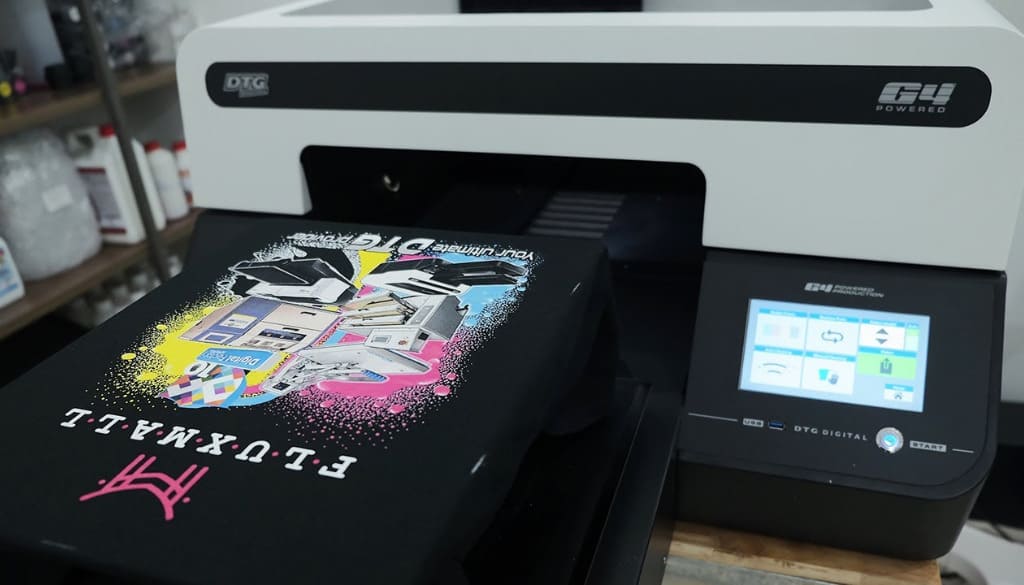
    DTG (Direct-to-Garment) is a digital printing method that uses specialized inkjet technology to apply water-based, eco-friendly ink directly onto the surface of the fabric. Unlike decal or DTF (Direct-to-Film) printing, which creates a thick plastic-like layer on top of the garment, DTG ink penetrates deep into the fibers. This integration allows the print to become part of the fabric itself, resulting in a soft, natural feel.

    Because of this characteristic, DTG is the most popular choice for producing core POD apparel lines such as:

    • T-shirts (Unisex, Ladies)
    • Hoodies and Sweatshirts
    • Long-sleeve shirts
    • Youth shirts

    Outstanding Advantages That Make DTG the Dominant Technology in Apparel

    Why do most major POD platforms (Printful, Printify, Merchize, and others) prioritize DTG for T-shirts?

    • Exceptional color and detail reproduction: DTG is a master at handling complex color transitions. It excels in rendering shadows, textures, and smooth gradients. This makes DTG the only truly reliable choice for portrait designs, anime artwork, or vintage-style graphics.
    • Comfortable, soft hand feel: Because the ink absorbs into the fabric rather than sitting on top of it, the printed area does not feel heavy or suffocating. The garment remains breathable, making DTG ideal for warm and humid climates.
    • Optimized for personalization: DTG does not require screens or setup time like screen printing. Its fast, flexible workflow allows each shirt to be printed with a different design (such as personalized names) without increasing production cost.
    • Perfect compatibility with cotton: The higher the cotton content, the better DTG ink adheres and the more vibrant the colors appear.

    Limitations Sellers Must Understand to Avoid Bad Reviews

    Although DTG is highly advanced, it still comes with technical constraints that sellers need to consider when preparing design files and selecting base products.

    • Strict requirements for design files: To achieve a sharp, high-quality print, the design file must be 300 DPI at the actual print size. If you enlarge a small image without proper upscaling, the print will immediately appear pixelated and blurry on the shirt.
    • Dependent on fabric composition: DTG is designed specifically for cotton. When printed on 100% polyester or fabric with a high synthetic content, the ink cannot properly absorb, resulting in faded colors that may wash out easily.
    • Challenges with dark garments (White Ink Underbase): When printing on black or dark-colored shirts, the printer must lay down a white underbase before applying the colored inks to ensure accurate color reproduction. This process increases production cost for dark garments and creates a print layer that feels slightly thicker compared to prints on light-colored shirts.

    UV vs DTG: The Core Differences Every Seller Must Know

    This is the most crucial section to help you define your product strategy. We will compare the two technologies across five essential criteria.

    Printing Materials

    • UV Printing: Known as the “King of Hard Materials,” UV can print on almost anything: plastic, wood, glass, metal, leather, ceramic, and more. However, UV is incompatible with soft or stretchable materials.
      • The reason is simple: once cured, UV ink becomes a hard plastic-like layer. If you print UV on a T-shirt, any stretching or folding of the fabric will cause the print to crack immediately.
    • DTG Printing: Considered the “Queen of Fabrics,” DTG is made for cotton fibers. Because the water-based ink absorbs into the fabric, the print can withstand stretching, folding, and movement without cracking or breaking.
    • Takeaway for Sellers: Never request UV printing on standard T-shirts, and you cannot use a DTG machine to print on phone cases or other hard surfaces.

    Durability

    • Physical durability (Scratch/Impact resistance):
      • UV printing is the clear winner. Once cured, UV ink forms a hardened layer that offers excellent resistance to scratches, water, and UV sunlight. A UV-printed outdoor sign can withstand rain and sun exposure for years without fading. A UV-printed ornament can last for decades.
      •  DTG, on the other hand, cannot withstand strong friction because the ink is absorbed into fabric fibers.
    • Wash durability (Wash fastness):
      • DTG is designed to endure washing. Over time (typically after 30–50 wash cycles), DTG prints will naturally fade evenly, similar to how denim gradually lightens with use.
      • UV printing, however, will fail immediately if used on fabric one wash is enough to ruin it. On hard goods like tumblers or ceramic surfaces, modern UV printing can withstand hand-washing, but it is not recommended for high-heat dishwashers, as extreme temperatures may cause the cured ink layer to detach.

    Color Vibrancy and Visual Output

    • UV Printing: UV produces brighter, glossier, and more eye-catching colors. Because the ink sits on the surface rather than being absorbed, the material does not “mute” the tones. Blacks printed with UV are deep and solid, whites are crisp and bright, and overall saturation is significantly higher. UV printing can also apply a varnish (gloss) layer to create selective highlights for an elevated visual effect.
    • DTG Printing: DTG colors tend to be softer, more natural, and more harmonious. On dark garments, the white underbase allows colors to remain vibrant, though DTG will never achieve the glossy finish that UV provides. DTG excels in high-resolution detail reproduction, making it ideal for smoke effects, smooth gradients, or photorealistic images.

    Speed and Fulfillment Efficiency

    • UV Printing: UV is extremely fast because most materials do not require pretreatment, and the ink cures instantly without additional heat drying. Once printed, the product can be packaged immediately. This is a substantial advantage during Q4 when fulfillment speed is critical.
    • DTG Printing: DTG is slightly slower due to its multi-step workflow: pretreatment, heat press, printing, and curing. However, modern industrial DTG printers such as Kornit or Brother machines used by major production facilities have significantly improved throughput, making DTG increasingly efficient for high-volume fulfillment.

    Cost and Base Price

    • UV ink: More expensive than water-based inks. DTG ink: Slightly cheaper, but the overall process is more costly due to labor (pretreating garments) and heat-press equipment depreciation.
    • However, when looking at total product base cost in POD:
      • UV-printed products (ornaments, keychains) are typically small in size, which results in lower print costs and higher profit margins.
      • DTG-printed products (T-shirts, hoodies) have a larger print area, which increases printing costs, but the higher sales volume of apparel compensates for the lower margin per unit.

    Which Technology Should POD Sellers Choose? The Perfect Combination Strategy

    The answer is not choosing one over the other, but choosing the right tool for the right purpose. A successful POD seller a true “Top Seller” typically diversifies their product catalog and leverages multiple printing technologies strategically.

    When Should You Focus on UV-Printed Products?

    • Q4 Holiday Season: This is the prime market for UV printing.
      • Ceramic Ornaments: The number-one keepsake during Christmas. UV printing ensures family photos, names, and details remain sharp and beautiful for many years.
      • Personalized Gifts: Keychains, Spotify plaques, acrylic keepsakes, and commemorative items. Customers buying gifts often prioritize a luxurious, glossy appearance something UV printing delivers exceptionally well.
    • Selling on Amazon or Etsy Handmade: UV-printed hard goods typically have lower return rates because they avoid common apparel issues like sizing problems and inconsistencies in print quality. As a result, they generate fewer customer complaints and refunds.

    When Should You Focus on DTG-Printed Products?

    • Building a fashion brand (Streetwear): If you want to sell designer T-shirts or stylish hoodies, DTG is the only printing method that delivers the quality and feel expected from real fashion labels.
    • Year-round selling (Evergreen): T-shirts fulfill a basic, nonstop demand. You can sell apparel all year long from Mother’s Day and Father’s Day to Halloween and the 4th of July.
    • Complex designs: If your artwork includes heavy gradients, transparency effects, intricate textures, or detailed fur patterns, DTG will reproduce these elements on fabric with exceptional accuracy.

    Printing technology is a core factor that determines product quality and customer satisfaction in the POD industry. Understanding the differences between UV Printing and DTG Printing allows sellers to choose the right product lines, optimize their designs, and avoid common issues such as color mismatch, loss of detail, or outputs that do not match the mockup. UV is best suited for hard-surface products like acrylics, ornaments, and suncatchers, while DTG remains the gold standard for T-shirts, hoodies, and sweatshirts. Selecting the correct printing method not only enhances product quality but also improves conversion rates, reduces refunds, and elevates the overall shopping experience for U.S. customers.

    To operate efficiently and maintain consistent quality, sellers should prioritize products fulfilled directly in the United States with a clear, reliable quality control process. FlashShip provides modern UV and DTG printing systems, fast processing speeds, and high stability helping sellers confidently scale their stores and grow revenue year-round. If you are looking for a high-quality fulfillment solution for the U.S. market, explore the product lines and printing technologies offered by FlashShip to achieve the best possible results.