As consumers increasingly prioritize sustainable values, eco-friendly Print on Demand (POD) has become an inevitable trend in the e-commerce industry. Adopting a sustainable production strategy not only helps sellers reduce operating costs but also enhances brand value, improves customer experience, and increases conversion rates.
This article explores the key benefits of sustainable POD models and explains why sustainability is a long-term strategic direction for modern POD sellers.
What Do “Sustainability” and “Eco-Friendly” Mean in the POD Industry?
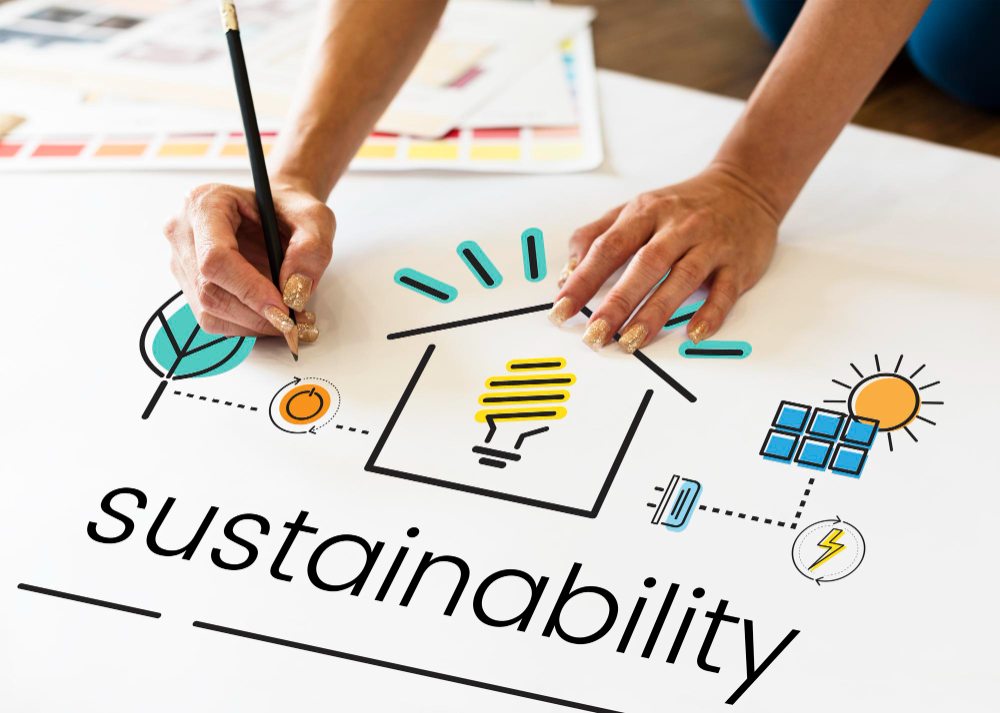
To fully understand the role of sustainability in Print on Demand (POD), it is important to clearly distinguish between the concepts of Sustainability and Eco-Friendly within this business model. While closely related, each focuses on a different aspect of responsible production and long-term value creation.
Sustainability
In the POD industry, sustainability goes far beyond the final product. It encompasses the entire operational process, from sourcing and production to fulfillment and long-term business impact. At its core, sustainability means meeting current market demands without compromising the ability of future generations to meet theirs. Key elements of sustainability in POD include:
- Responsible production: Products are printed only after an order is placed. This on-demand model naturally reduces overproduction and eliminates excess inventory, making POD inherently more sustainable than traditional mass production.
- Ethical labor practices: Sustainable POD businesses prioritize fair wages, safe working environments, and ethical treatment of workers involved in garment manufacturing and printing.
- Long-lasting quality: Sustainability also means producing durable, well-made items that are designed to last. These products move away from fast fashion trends that encourage short-term use and frequent disposal.
Together, these practices help create a resilient business model that balances profitability with responsibility.
Eco-Friendly
Eco-friendly practices focus specifically on the physical and environmental attributes of POD products. This aspect addresses how materials are sourced, processed, and delivered with minimal environmental harm. Common eco-friendly practices include:
- Materials: Using organic cotton, recycled polyester, FSC-certified wood, or water-based inks that are free from toxic chemicals and safer for both users and ecosystems.
- Packaging: Applying biodegradable bags and recycled paper boxes while minimizing single-use plastics during fulfillment and shipping.
When combined, sustainability and eco-friendly practices form a strong foundation for responsible POD businesses that align with modern consumer expectations and long-term environmental goals.
Why Is Sustainability Becoming an Inevitable Trend in POD?
A global shift toward conscious consumption is accelerating and fundamentally changing how people make purchasing decisions. Modern buyers, especially Gen Z and Millennials, are no longer passive shoppers focused only on price or appearance. Instead, they have become informed and responsible consumers who care deeply about the values behind the brands they support. Questions like “Is this product attractive?” or “Is it cheap?” are no longer enough. Today’s consumers want to understand the broader impact of their choices.
They now ask more meaningful and value-driven questions, including:
- Product origin: What materials are used to make this product? Are they responsibly sourced? Does the production process waste large amounts of water or contribute to environmental pollution during manufacturing and printing?
- Environmental impact: Are the inks used in printing toxic or water-based and safe for both people and ecosystems? Is the packaging recyclable or biodegradable, or does it rely heavily on single-use plastics that increase long-term waste?
- Social responsibility: Does the brand support ethical values, fair labor practices, and environmental protection initiatives? Is sustainability embedded in the brand’s mission, or is it simply a surface-level marketing claim?
This shift in mindset is not just ideological, it is backed by strong data. According to global market research, more than 60% of consumers are willing to pay a premium for eco-friendly and responsibly produced products. For Print on Demand sellers, this creates a clear and measurable opportunity. Rather than competing solely on price, POD sellers on platforms like FlashShip can improve profit margins by delivering sustainable value, building trust, and aligning their brands with the expectations of today’s conscious consumers.
Pressure from E-Commerce Platforms and Market Regulations
Sustainability is no longer driven solely by consumer demand. Major e-commerce platforms, advertising networks, and regulatory bodies are increasingly tightening environmental standards, placing new pressure on Print on Demand (POD) sellers to adapt. These changes directly affect product visibility, operational costs, and long-term business viability.
Key areas of impact include:
- Algorithm priority: Search and recommendation algorithms are increasingly designed to favor products with sustainable attributes. Eco-friendly listings often receive higher quality scores, better rankings, and greater exposure to high-intent shoppers. In contrast, products that lack transparency or sustainability signals may struggle to achieve consistent visibility, regardless of pricing.
- Supply chain transparency: E-commerce platforms now encourage sellers to clearly disclose material sourcing and production methods. Working with reputable fulfillment partners like FlashShip, known for waste reduction and process optimization, provides a significant advantage by supporting transparent and responsible operations.
- Long-term compliance: Environmental regulations are tightening globally. Policies such as carbon taxes, already being introduced in regions like the EU, are increasing operating costs for businesses that rely on low-cost, environmentally harmful models. Sellers who fail to adapt risk shrinking margins and reduced scalability.
Together, these pressures make sustainability a strategic requirement rather than an optional enhancement for modern POD businesses.
Why Do Consumers Prefer Eco-Friendly POD Products?

The rise of green consumption is not a short-term trend, it reflects a fundamental shift in global awareness. In the creative-driven POD industry, combining personalization with environmental responsibility creates strong customer appeal.
Emotional Value and Ethical Satisfaction
Today’s consumers do not purchase products solely for functional use. Instead, they buy to feel that they are making responsible and meaningful choices. When selecting a T-shirt made from organic cotton or a tote bag produced from recycled materials, customers experience a sense of positive contribution. They feel that, through their purchase, they are supporting environmental protection and more responsible production practices. Eco-friendly POD products offer several emotional benefits:
- Emotional fulfillment: Sustainable products provide a sense of purpose, responsibility, and pride that mass-produced items often lack. Buyers feel good knowing their purchase aligns with their personal values.
- Emotional connection: For gifts, ethical value becomes even more important. Customers are not simply giving a product, they are sharing a message of care, awareness, and conscious living. In this way, a POD product becomes a carrier of values, not just merchandise.
Stronger Brand Trust
In a POD market heavily dominated by price competition, sustainability acts as a powerful credibility signal. Brands that commit to sustainable practices are often perceived as more professional, reliable, and trustworthy. This perception directly influences long-term customer relationships. Sustainability strengthens brand trust in several key ways:
- Product quality: Sustainable materials such as premium recycled fibers or water-based inks are typically safer, more durable, and healthier for long-term use.
- Corporate social responsibility: Transparency around sourcing, production, and environmental impact builds trust, increases customer retention, and encourages long-term loyalty, an advantage that price-driven sellers often struggle to achieve.
Shifts in Global Buying Behavior
This growing preference is supported by strong market data. Recent reports from platforms like Amazon and Etsy show that eco-friendly gift categories are growing at twice the rate of conventional products. Gen Z consumers, in particular, are willing to pay 15–25% more for:
- Transparency: Products that clearly demonstrate they do not harm oceans, forests, or ecosystems.
- Mission-driven brands: Small businesses with a clear environmental mission and responsible values are more likely to earn long-term consumer support.
POD & Sustainability: A Powerful Competitive Advantage
In an increasingly competitive e-commerce environment, building a sustainable competitive advantage has become essential for long-term growth. For Print on Demand (POD) sellers, combining on-demand production with sustainability is not simply a trend, it is a strategic business approach that optimizes operational efficiency while strengthening brand positioning. This combination allows sellers to reduce waste, control costs, and differentiate themselves in a crowded marketplace where price competition alone is no longer enough.
Eliminating Waste in Production
One of the most significant advantages of POD compared to traditional mass production is precise control over supply. Instead of producing large quantities in advance, POD operates on a demand-driven model that directly aligns production with real customer needs. Key benefits include:
- On-demand production: Products are created only after payment is confirmed, completely eliminating deadstock and unsold inventory.
- Reduced excess risk: Sellers no longer need to forecast demand, store inventory, or heavily discount outdated designs, significantly reducing financial risk.
- Lower waste: Producing exact quantities minimizes wasted fabric, ink, and packaging materials, directly contributing to environmental protection while also lowering production costs.
This efficiency not only supports sustainability goals but also creates a more flexible and resilient business model.
Optimized Supply Chain and Fulfillment
When POD is combined with a professional fulfillment network like FlashShip, sustainability benefits extend beyond production into logistics and delivery. An optimized supply chain plays a critical role in reducing environmental impact while improving operational performance. This optimization delivers several advantages:
- Reduced carbon footprint: Strategically located fulfillment centers closer to end customers shorten shipping distances, leading to lower CO₂ emissions and reduced reliance on long-haul transportation.
- Faster delivery: Localized fulfillment enables quicker order processing and shipping, improving customer experience while remaining environmentally responsible, especially important for personalized items and time-sensitive gifts.
By streamlining logistics, POD sellers can meet modern consumer expectations for speed without sacrificing sustainability.
Long-Term Brand Equity and Loyal Communities
Beyond cost and efficiency, sustainability delivers one of the most valuable assets in e-commerce: brand equity. In a market saturated with similar products, consumers gravitate toward brands that represent clear values and long-term commitment.
Sustainability strengthens brand equity through:
- Higher credibility: POD stores that consistently use recycled materials and non-toxic printing methods earn greater consumer trust and perceived professionalism.
- Customer retention: Buyers are not just purchasing products, they are supporting shared values, increasing emotional attachment and repeat purchase rates.
- Organic word-of-mouth: Eco-friendly POD products naturally perform well on social platforms like TikTok and Instagram, helping sellers reach new audiences with lower customer acquisition costs.
Together, POD and sustainability form a powerful foundation for scalable, resilient, and future-ready e-commerce businesses.
Key Eco-Friendly Trends in the POD Industry
To stand out in the increasingly competitive sustainable niche, Print on Demand (POD) sellers must stay updated with the product and process trends that are shaping the future of the industry. Eco-friendly practices are no longer optional add-ons; they have become key differentiators that influence customer trust, conversion rates, and long-term brand growth.
Sustainable and Recycled Materials
One of the most important shifts in the POD industry is the growing use of environmentally responsible materials. Successful sellers are actively transitioning to inputs that reduce environmental impact while maintaining product quality, including:
- Organic cotton: Grown without harmful chemicals, organic cotton is safer for the skin, biodegradable, and requires fewer synthetic inputs, making it a preferred choice for sustainable apparel.
- Recycled polyester: By transforming plastic waste into durable fabrics, recycled polyester helps reduce landfill waste and supports circular fashion models.
- Water-based inks: Free from toxic solvents, these inks produce softer, more breathable prints while significantly lowering environmental and health risks during production.
Minimalist Design – “Less Is More”
Design trends are also evolving to support sustainability. In 2025, efficiency and intentional design are becoming central themes in POD product development. Sellers are increasingly focusing on:
- Reduced ink coverage through clean lines and refined typography, which minimizes ink usage without compromising visual appeal.
- Message-driven designs that promote sustainability, environmental awareness, and mindful living, adding emotional value to the product.
- Optimized print areas that shorten production time and reduce energy consumption during printing.
The Green Packaging Movement
Packaging has become a critical part of the eco-friendly customer experience, as it is the first physical touchpoint after delivery. Key trends include:
- Biodegradable bags and recycled paper packaging are easier for customers to dispose of responsibly.
- Minimalist packaging designs that protect products effectively while eliminating unnecessary layers and excess materials.
Together, these trends help POD sellers reduce environmental impact while delivering modern, value-driven products that resonate with conscious consumers.
Benefits of Adopting a Sustainable POD Model
In a highly competitive e-commerce landscape, sustainable POD is no longer optional, it is a strategic advantage.
First, it significantly enhances brand value. Consumers trust brands that demonstrate transparency, responsibility, and environmental awareness, laying the foundation for long-term relationships.
Second, sustainability allows sellers to attract high-value customers who are less price-sensitive and more loyal. These customers are willing to pay more and return more frequently.
Third, sustainable POD reduces production errors and return rates by emphasizing quality control and demand-based manufacturing. This optimizes operational costs and improves customer satisfaction.
Finally, sustainable POD increases conversion rates and average order value. When customers recognize positive brand impact, they are more likely to spend more and stay loyal, creating a strong foundation for scalable, long-term growth.
In an increasingly competitive market, sustainable POD is not only a differentiator but also a growth foundation. As consumers continue to prioritize environmental responsibility, social values, and product quality, brands that invest in transparent, eco-friendly, and efficient production will earn lasting trust.
With the support of modern fulfillment solutions like FlashShip, POD sellers can optimize costs, elevate customer experience, and achieve consistent conversion growth. In the long run, sustainability is not just a smart choice; it is a core competitive advantage in the evolving POD industry.