Tag: Print on Demand products

  • POD Upsell Strategy: Are Bookmarks the Key to Higher AOV?

    POD Upsell Strategy: Are Bookmarks the Key to Higher AOV?

    In the context of rising advertising costs and intensifying competition across platforms like Etsy, Amazon, and TikTok Shop, optimizing Average Order Value (AOV) has become a critical factor for Print on Demand sellers. Upselling is no longer optional it is a must-have strategy to maintain profitability and scale sustainably.

    Among compact and easy-to-implement products, bookmarks are emerging as a promising option. But are bookmarks truly an effective upsell product for POD, or just an “add-on” with little real impact? This article will help you understand their potential and how to leverage them effectively.

    POD Upsell Strategy Are Bookmarks the Key to Higher AOV

    What Is a Bookmark in POD? An Overview of a “Small but Mighty” Product

    Within the Print on Demand ecosystem, alongside popular items like T-shirts and mugs, bookmarks are emerging as a highly promising niche product. To implement an effective business strategy, sellers must first understand the nature and key product variations of this item.

    What is a bookmark in the Print on Demand model?

    In POD, a bookmark is more than just a simple page marker. It is a personalized accessory produced based on actual customer orders. Typically, bookmarks come in standard sizes ranging from 2×6 inches to 2×8 inches, making them suitable for most book formats.

    The core difference between POD bookmarks and mass-produced bookmarks sold in bookstores lies in their uniqueness. With the POD model, customers (or sellers) can:

    • Maximize personalization: Print names, personal images, or inspirational quotes that reflect individual identity.
    • Target deep niches: Focus on specific communities such as pet lovers, book enthusiasts, or themes like spirituality and zodiac signs.
    • Use diverse materials: Beyond paper, POD bookmarks can be made from a variety of more durable and premium materials. 

    Popular Types of Bookmarks in POD Today

    Depending on brand positioning and target customers, sellers can choose from the following material options to add to their store:

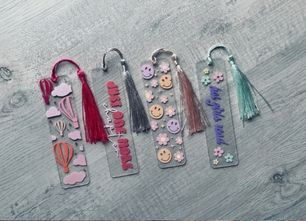
    • Acrylic Bookmark: This is a best-seller thanks to its modern and elegant appearance. Acrylic allows for high-resolution printing and can create eye-catching 3D effects. It is especially suitable for printing family photos or pet images.
    • Wooden Bookmark: Known for its vintage and handcrafted feel. Wooden bookmarks are favored by book lovers for their rustic charm, warmth, and strong emotional value, making them ideal as gifts for special occasions.
    • Metal/Premium Bookmark: This is the high-end segment, typically made from aluminum or stainless steel. Although more expensive, these bookmarks offer near-lifetime durability and are often chosen as luxury gifts or meaningful keepsakes.

    Why Are Bookmarks a “Promising Candidate” for POD Sellers?

    The reasons bookmarks are highly recommended lie in their strong alignment with the nature of the Print on Demand industry:

    • Low production cost (base cost): Makes it easier for sellers to price competitively and run promotions.
    • Simple design requirements: With a small surface area, sellers don’t need to invest excessive time in complex mockups or designs.
    • Fast and efficient shipping: Lightweight, compact, and non-fragile, reducing shipping risks and optimizing delivery costs.
    • Perfect for personalization trends: Easily customized with names or special dates, appealing strongly to Western customers who value personalized products.

    Why Are Bookmarks Considered a High-Potential Upsell Product for POD Sellers?

    In a POD business strategy, finding a product that can increase order value without creating friction for customers is a real challenge. Bookmarks offer a near-perfect solution. Below are five core reasons why this small item can become a powerful profit-driving engine for your store.

    Low Cost

    The golden rule of upselling is simple: the add-on product must be affordable enough that customers don’t hesitate. Bookmarks meet this requirement perfectly.

    • Base cost: Typically ranges from $3 to $5
    • Retail price: Around $9 to $15

    When customers are already willing to spend $25 to $40 on a main product like a hoodie or canvas, adding a small extra amount for a cute bookmark becomes an effortless decision. It creates almost no friction during checkout, allowing you to generate additional net profit per order naturally.

    Sustainably Increasing AOV (Average Order Value)

    A common mistake many sellers make with upselling is offering products that are too expensive, which can make customers feel overwhelmed and abandon their carts. Bookmarks, however, are different:

    • No hesitation required: Customers don’t need to check size charts or worry about fabric quality
    • Optimized conversion rate: As a small complementary item, it doesn’t prolong the checkout process

    For sellers scaling ads, even a modest AOV increase of $5 to $7 from bookmarks can significantly improve ROAS, making advertising campaigns more efficient and profitable.

    The Power of Personalization and Emotion

    In the POD industry, emotion is what drives sales. Bookmarks are a “small but emotional” product compact in size but rich in meaning. Their personalization potential is highly flexible:

    • Printing images of beloved pets
    • Adding names or special milestone dates
    • Including motivational quotes for every reading moment

    Highly personalized products tend to achieve significantly higher conversion rates than mass-produced items. They also increase customer retention, as buyers are more satisfied with the emotional value and overall experience.

    Adaptability Across Multiple Niches

    One of the biggest advantages of bookmarks is their versatility. Sellers don’t need to develop new products for each niche they can simply repurpose existing designs for bookmarks:

    • Book lovers: Quotes about the love of reading
    • Teachers / Mom & Family: Meaningful gifts for teachers or loved ones
    • Pets: Cute dog and cat designs
    • Spiritual / Quotes: Inspirational or philosophical messages

    By leveraging winning niches, sellers can save design time and scale quickly across their entire store.

    Optimizing Operational Costs and Risks

    From an operational perspective, bookmarks are one of the most “low-maintenance” products in the POD catalog:

    • Highly durable: Not fragile like ceramic mugs and not prone to wrinkles like apparel
    • Simple packaging: Can be shipped in a small envelope or included with the main package
    • Low refund rate: Minimal technical issues or size-related errors due to its simplicity

    With these advantages, bookmarks truly act as a “secret weapon” that any POD seller aiming to optimize profits should not overlook.

    When Are Bookmarks Not a Good Upsell Option for Sellers?

    Although bookmarks are considered a promising upsell product, there is no one-size-fits-all formula in the POD business. Applying bookmarks as an upsell mechanically, without considering the specific context, can make them invisible to customers or even dilute your sales funnel. Below are common mistakes that can cause this strategy to fail.

    Complete Misalignment with the Main Product and Niche

    The core principle of upselling is relevance. Customers are only willing to spend more when the additional product enhances the value of the main item or aligns with their interests at that moment.

    For example, if you are selling gym tank tops or products targeted at technical or mechanical audiences, offering a bookmark as an upsell may feel irrelevant. Without a clear connection in usage or interest, customers will not perceive any added value, resulting in near-zero add-to-cart rates.

    This not only wastes valuable display space but can also disrupt the customer’s buying journey.

    Unattractive Design with No Clear Hook

    Because bookmarks have a relatively small printable area, any design flaw becomes highly noticeable. Ineffective bookmarks often suffer from issues such as dull visuals, unclear layouts, or a lack of personalization.

    In the POD industry, if a small product like a bookmark lacks a strong “hook” (emotional trigger) or does not reflect the buyer’s personal identity, it will be perceived as a cheap souvenir and quickly ignored.

    Poor Upsell Placement Strategy

    Execution plays a decisive role in up to 50% of success. Many sellers make the mistake of placing upsell offers too late in the customer journey or failing to highlight the benefits of adding the product.

    If you don’t create a sense of urgency or make the offer visually compelling at key touchpoints such as the product page or cart customers will simply skip it and proceed to checkout with only the main item.

    Ineffective Pricing Strategy

    Pricing is a double-edged sword in upselling. If the price is too low, customers may question the product’s quality and feel it’s not worth adding to their order. On the other hand, if the price is too high, it creates a financial barrier and eliminates impulse buying behavior.

    The sweet spot for a POD bookmark typically ranges from $9.99 to $14.99. Pricing beyond this range without a clear upgrade in material or value proposition can reduce the product’s competitiveness.

    Misalignment with Brand Positioning

    For POD brands targeting the premium segment, offering low-cost paper or plastic bookmarks as add-ons can dilute the overall perceived value of the brand. In such cases, if sellers still want to implement this strategy, they must invest in higher-end options such as laser-engraved metal bookmarks or leather bookmarks.

    If the product quality cannot match the brand’s positioning, it is wiser to skip this item and focus on other premium add-on products instead.

    How to Effectively Implement Bookmark Upselling for POD Sellers

    After understanding the potential of bookmarks, the next and most crucial step is turning theory into real profit. To make this small product truly generate revenue, sellers need a well-structured strategy that aligns with customer psychology and the buying journey.

    Smart Bundle Strategy and Design Synchronization

    Instead of presenting bookmarks as standalone products, leverage a bundle strategy. Combining bookmarks with core items like T-shirts, mugs, or canvas prints creates a more complete product set. An effective approach is to offer promotions such as: Buy any two items and get a bookmark at a special price.

    The real power lies in synchronized personalization. For example, if a customer orders a T-shirt featuring their pet along with its name, suggesting a bookmark with the same design style and the pet’s name creates the feeling of a unique, personalized gift set made just for them. This not only increases order value but also enhances customer satisfaction.

    Optimizing Upsell Touchpoints in the Customer Journey

    Sellers need to present offers at the right moments. There are three key touchpoints to implement upselling effectively:

    • Product page: Use add-on features to display upsell options right below the “Add to Cart” button.
    • Cart page: Encourage customers to complete their set (e.g., Complete your set) to unlock discounts or qualify for free shipping.
    • Post-purchase upsell: Use apps to offer a limited-time discount (e.g., within 10 minutes after checkout). At this stage, customers are in a heightened emotional state and more likely to make additional purchases.

    Investing in Real Visuals and Storytelling

    In the POD market of 2026, basic mockups are no longer persuasive enough to convince customers. To build trust, sellers should use real images, close-up product videos, or lifestyle photos in cozy reading settings. Authentic visuals help customers clearly understand the product’s material and size.

    Beyond visuals, storytelling is key. Instead of focusing solely on features, highlight emotional value for example: A small companion that stays with you through every chapter, or A memory you can hold onto. When a product carries a story, conversion rates improve significantly.

    Finally, position bookmarks as a stepping stone within your AOV value ladder, combining them with other products to maximize revenue per visitor.

    Bookmarks may not be a “hero product” that drives explosive revenue overnight, but they are one of the smartest, most stable, and easiest upsell options to implement in the Print on Demand model. With low costs, high personalization potential, and flexibility across multiple niches, bookmarks can effectively help sellers increase AOV without negatively impacting conversion rates.

    However, the effectiveness of bookmarks does not lie in the product itself, but in how you implement them from choosing the right niche and creating compelling designs to placing upsell offers at the right moments in the customer journey. When positioned correctly within your sales strategy, bookmarks act as a “small but essential piece” that helps optimize overall revenue.

    In an increasingly competitive POD market, successful sellers don’t just focus on core products they also leverage upsell opportunities to maximize the value of each order. And bookmarks, when used strategically, can become an indispensable part of your sustainable growth system.

  • America 250 POD: Why Sellers Should Start Preparing as Early as March

    America 250 POD: Why Sellers Should Start Preparing as Early as March

    America 250 POD is quickly becoming a trending keyword within the Print on Demand seller community as the United States prepares to celebrate its 250th Independence anniversary in 2026. This is not only a historically significant event, but also a massive sales season, with consumer demand expected to surge across the entire U.S. market.

    However, not every seller will be able to capitalize on this opportunity, especially those who start too late. So why should POD sellers begin preparing as early as March to get ahead of the America 250 trend and maximize revenue? This article will walk you through the strategy, timeline, and execution plan needed to ensure you don’t miss out on one of the most important growth periods of the year.

    America 250 POD Why Sellers Should Start Preparing as Early as March

    What Is America 250? Why Is It a “Once-in-a-Century” Opportunity for POD Sellers?

    The Concept of America 250

    America 250 refers to the celebration of the 250th anniversary of the signing of the United States Declaration of Independence (1776–2026). This is far more than a typical Fourth of July holiday. It marks the nation’s Semiquincentennial, a historic milestone of national significance, with billions of dollars invested by the U.S. government to promote and organize celebrations across all 50 states.

    Why Is This a “Gold Mine” for POD Sellers?

    1. A Surge in National Pride: Americans are well known for their strong sense of patriotism. As the 250th milestone approaches, the demand for self-expression through apparel and home décor is expected to skyrocket, potentially increasing 5–10 times compared to previous years.
    2. Massive Consumer Spending: According to market reports, major national celebrations in the U.S. are consistently accompanied by waves of spending on gifts, home goods, and coordinated outfits.
    3. Long-Term Trend Effect: Unlike short-lived trends, America 250 is expected to sustain momentum from mid-2025 through the end of 2026. Starting early means you are building a long-term “revenue engine” rather than chasing a temporary spike.

    America 250: Why This Is an Unmissable “Gold Mine” for POD Sellers

    In the POD business landscape, choosing the right timing and market can account for up to 80% of success. America 250 is not just a holiday, but a global economic phenomenon. Below are three core reasons that explain the powerful appeal of this “mega trend.”

    A Surge in Demand for Patriotic Products

    American consumers are well known for their strong sense of national pride. During major “National Pride” occasions, they are willing to spend generously on products that reflect their personal identity. Popular POD items include:

    • T-shirts featuring the American flag: Stylized or vintage-inspired designs
    • Products with patriotic slogans: Inspirational quotes about freedom and history
    • Historically themed gifts: Home décor items or mugs featuring the Founding Fathers

    With the 250th anniversary milestone, this demand is expected to go far beyond normal levels, potentially creating an unprecedented shopping boom in the history of eCommerce.

    A Once-in-a-Lifetime Event

    Unlike the annual Independence Day on July 4th, America 250 (the Semiquincentennial) marks a 250-year historical milestone an event that most people may only witness once in their lifetime. This “limited” and “unique” nature leads to:

    • Explosive consumer spending: Customers become less price-sensitive when it comes to commemorative products.
    • Willingness to pay for meaningful value: Buyers prioritize collectible or highly personalized items.
    • Amplified media effect: Major brands and the U.S. government will invest billions of dollars in marketing, allowing POD sellers to ride the wave of massive demand without having to spend heavily on demand generation.

    A Record-Breaking Sales Window

    Typically, holidays like Halloween or Christmas generate peak demand for only about a month. However, America 250 offers an exceptionally long sales cycle, starting to gain traction in April, peaking in July, and even extending its momentum through the end of 2026.

    This extended window provides significant advantages for sellers:

    • Ample time for A/B testing: You can experiment with multiple designs to identify winning products.
    • Sustainable scaling opportunities: Once you find a winning design, you can scale ads continuously for months instead of just a few short weeks.
    • Long-term brand building: This is the perfect opportunity to position your store as a go-to destination for patriotic products and build a loyal customer base for future seasons. 

    Why March Is the “Golden Timing” for POD Sellers to Launch Their America 250 Campaign

    In the Print on Demand business, the difference between a seller who reaches thousands of orders and one who fails often comes down to timing. For a once-in-a-generation event like America 250, starting preparation in March is no longer optional it is essential to capture and dominate the market.

    The Golden Window for Testing (A/B Testing) Designs and Products

    In the POD world, the idea that “uploading means selling” is just a myth. Finding a winning product requires a serious testing process:

    • Test multiple niches: From retro 1776 styles to modern 2026 concepts
    • Test design styles: Between minimalism and maximalism, which resonates more with customers this year?
    • Optimize pricing and mockups: Find the right balance between profitability and conversion

    If you wait until May to start, you’ll be at a disadvantage, lacking sufficient data to identify winning designs. This often leads to wasted ad spend on underperforming products.

    Building Trust and Optimizing SEO for Listings

    Algorithms on platforms like Amazon, Etsy, and Google do not rank your products at the top instantly. A listing needs time to be indexed and to build credibility.

    • Launch products in March: By the peak season in May–June, your listings will already have stable impressions and click data
    • Gain a competitive edge: While latecomers rush to publish listings close to the holiday and pay high ad costs to rank, you can secure top positions organically with strong SEO performance and listing quality 

    Collecting Ad Data to Scale Effectively

    Advertising runs on data, not intuition. You typically need at least 2–4 weeks for the learning phase, where algorithms optimize your audience targeting and creatives. Starting in March allows you to build a solid data foundation, so you can confidently scale your budget 5x or even 10x in June without worrying about campaign instability or wasted conversion costs.

    Avoiding Cost Surges and Intense Competition

    As the Fourth of July approaches, the POD market becomes increasingly competitive:

    • CPM (Cost per Mille) skyrockets: Thousands of major brands pour money into marketing
    • Market saturation: Customers are overwhelmed by a flood of similar ads

    By having a stable listing system and an established customer base from as early as March, you can maintain a healthy ROAS (Return on Ad Spend) despite market fluctuations and rising competition.

    Control Your Fulfillment System – Avoid the “Order Collapse” Disaster

    A critical mistake many sellers make is scaling too quickly without validating their production capacity. On strict platforms like TikTok Shop and Amazon:

    • Shipping & SLA compliance: Even a 1–2 day delay during peak season can lead to permanent store suspension
    • Quality control: Starting early allows you to choose a reliable fulfillment partner (such as FlashShip), test fabric quality, print results, and packing speed

    Conclusion: March is the turning point that determines whether you lead the trend or chase it. Don’t let this once-in-a-generation opportunity slip away simply due to late preparation.

    The Golden Roadmap: A Proven Timeline to Fully Capitalize on the America 250 Mega Event

    In the POD business, success is not determined by design alone, but by speed and timing. To conquer the 250-year milestone of U.S. history, you need a well-structured action plan from the very beginning. Below is a practical timeline to help you optimize cash flow and unlock explosive sales growth.

    March: Research & Foundation Setup Phase

    This is the “golden” period to build the framework for your entire campaign. Instead of rushing for sales, focus on:

    • In-depth niche research: Analyze potential segments such as Patriotic themes, Veterans, Family, or Humor elements tied to the 250th celebration
    • Competitor analysis: Use spy tools on Etsy and Amazon to identify emerging design trends
    • Design concept development: Define the core visual style for your store

    Goal: Set a clear direction and prepare a high-quality content pipeline.

    April: Product Testing Phase – “Testing the Waters”

    April is when you start entering the market to measure real customer response:

    • Launch listings at scale: Publish all prepared designs across your store
    • Run low-budget ads: Test campaigns to gather data on click-through rate (CTR) and conversion rate (CR)

    Goal: Identify winning designs those that truly resonate with U.S. customers so you can focus your resources effectively.

    May: Controlled Scaling – Accelerating Toward the Finish Line

    With data gathered from April, this is the time to hit the gas:

    • Increase ad budgets: Allocate more spend to designs that performed well during testing
    • Replicate winning designs: Expand successful concepts across other product lines such as mugs, flags, or hoodies
    • Optimize conversion rate: Refine product descriptions and mockups to drive faster purchasing decisions

    June – July: Peak Season – Harvest Time

    This is when U.S. consumer demand reaches its peak leading up to the big celebration:

    • Scale ads aggressively: Maximize your ad budget to capture as much market share as possible
    • Apply upsell & bundle strategies: Encourage customers to purchase in sets (e.g., family bundles) or add complementary items to increase average order value (AOV)

    Goal: Maximize revenue while ensuring smooth fulfillment operations with a reliable partner like FlashShip.

    Recommended POD Product Categories to Dominate America 250

    To succeed in the America 250 campaign, product selection is just as important as design. Below are three core product categories that every POD seller should include in their store to effectively capture market demand and maximize sales.

    Apparel – The “Undisputed King” of Every Campaign

    Apparel consistently remains the highest-demand category, as Americans love wearing designs that express national pride during parades and backyard BBQs.

    • Patriotic T-shirts: Focus on 100% cotton tees with vintage 1776 styles or modern designs celebrating the 2026 milestone
    • Summer tank tops: With peak demand in July, tank tops are perfect for outdoor activities
    • Lightweight hoodies: Ideal for evening fireworks when temperatures cool down

    Why choose this category? Apparel is easy to scale, ideal for A/B testing, and offers the broadest customer base.

    Home Décor – The AOV Boosting Strategy

    Don’t stop at apparel. Americans allocate a significant budget to decorating their homes during major events like the Semiquincentennial. This product category can significantly increase your profit margins:

    • Wooden Signs & Yard Signs: Items featuring “America 250th Anniversary” messaging are must-haves for front yards and home entrances
    • Canvas & Acrylic Décor: Wall art inspired by historical themes, such as the original 13 colonies or the American eagle

    Advantages: The average order value (AOV) for home décor is typically 30%–50% higher than apparel, making it ideal for ad campaigns targeting homeowners.

    Small Items – The “Secret Weapon” for Profit Optimization (Upsell)

    Small but powerful, these products help you maximize store traffic without significantly increasing marketing costs:

    • Keychains & Magnets: Compact, affordable, and highly symbolic souvenir items
    • Car Ornaments: Hanging car accessories featuring flag elements or stylized “250” designs

    Winning strategy: Apply bundling techniques. For example, offer a free keychain for orders over $50 or upsell a magnet at checkout. This approach helps you maximize profit per customer effectively.

    Critical Mistakes That Cause Sellers to Miss the 250-Year “Golden Season”

    Despite the massive market opportunity, many sellers still fail due to the following mistakes:

    • Copyright infringement: Although “America 250” is a public event, official logos from the commemorative committee may be trademarked. Instead, create designs based on universal symbols such as the American eagle, the Liberty Bell, or the Founding Fathers.
    • Overly generic designs: Simply copying and pasting designs from 2024 will not capture attention. America 250 demands fresh, refined, and collectible concepts.
    • Ignoring personalization: Personalization is a key trend in POD. A shirt featuring a family name along with “Celebrating 250 Years of Freedom” will significantly outperform a generic, pre-made design.
    • Choosing low-quality fulfillment: U.S. customers have high expectations for fabric quality and shipping speed during peak seasons. Cutting costs by choosing unreliable production partners can lead to high refund rates and damage your store reputation.

    America 250 POD is not just a commemorative event, but also a rare revenue growth opportunity for Print on Demand sellers in 2026. With its massive scale, surging market demand, and extended sales window, sellers who prepare early will gain a significant advantage in product readiness, data insights, and scaling capability.

    Starting as early as March not only gives you enough time to research, test, and optimize, but also builds a solid foundation for breakout performance during the peak season. In contrast, late starters will face higher advertising costs, intense competition, and greater operational risks.

    If you are looking for a strong growth opportunity in 2026, America 250 is a moment you simply cannot afford to miss. Start today, build a well-structured strategy, and prepare thoroughly to capture the market when the peak season arrives.

  • POD Easter: Why Do Sellers Easily Lose Orders If They Prepare Too Late?

    POD Easter: Why Do Sellers Easily Lose Orders If They Prepare Too Late?

    Easter is one of the most important holiday seasons in the U.S. market, closely tied to family- and child-focused shopping behavior, yet it is often underestimated or prepared for too late by POD sellers. As Easter buyers prioritize delivery speed and product availability over complex designs, delays in listing launches, advertising, and fulfillment cause many sellers to lose orders even while demand remains strong. This article analyzes Easter consumer behavior in the U.S., explains why POD sellers miss revenue opportunities when they prepare too late, highlights the most suitable product categories, and outlines the key elements that must be ready early to successfully capture the Easter season.

    Easter day

    Overview of Easter and Consumer Behavior in the U.S. Market

    Easter is one of the most important religious holidays in the United States, deeply rooted in Christianity and associated with themes of family, togetherness, and renewal. In modern society, however, Easter extends beyond its religious significance and has become a well-established consumer season, especially among families with young children.

    In the U.S., Easter is commonly associated with activities such as Easter egg hunts, church services, family gatherings, school events, and casual at-home celebrations. As a result, purchasing behavior is heavily concentrated on family-oriented products, children’s items, and spring-themed merchandise.

    One of Easter’s defining characteristics is its short yet highly concentrated shopping window. Buyers typically begin purchasing two to three weeks before Easter, with peak demand occurring in the final 7–10 days. Unlike Christmas, where shopping spans several months, Easter is a “fast-in, fast-out” season. This makes timing far more critical than product complexity.

    From an aesthetic standpoint, Easter has a very distinct visual language: pastel tones, bright colors, a springtime feel, and symbols such as bunnies, eggs, flowers, along with family- and child-friendly messaging. Easter buyers are not looking for bold individuality or controversial statements; instead, they favor cute, gentle, and safe designs.

    These factors make Easter a stable selling season for POD, but they also explain why sellers easily lose orders if they fail to prepare at the right time.

    Why Do POD Sellers Easily Lose Orders If They Prepare Too Late?

    In the Print on Demand (POD) business, timing is just as critical as design quality. For a highly time-sensitive holiday like Easter, late preparation doesn’t just mean missing potential revenue it also directly drives up operational costs. Below are four core reasons why sellers who prepare too late often fail.

    Missing the Platform Algorithm’s “Golden Window”

    On major platforms such as Amazon, Etsy, or TikTok Shop, algorithms do not favor late entrants. A new listing needs time to be indexed, rank for keywords, and accumulate engagement signals such as clicks and add-to-cart actions.

    If you wait until the Easter buzz is already in full swing to start uploading products, your listings will be buried beneath thousands of competitors that were optimized three to four weeks earlier. Without sales history, your products have virtually no chance of reaching the first page, resulting in near-zero organic visibility.

    Advertising Budget Pressure and Lack of Optimization Data

    Late preparation means being forced into a costly “burn money” race to catch up with the market.

    • Soaring CPMs: When all sellers pour ad spend in at the same time, bidding competition drives advertising costs sharply higher.
    • Insufficient time for A/B testing: Sellers who prepare early have two weeks to eliminate underperforming designs. In contrast, late starters are forced to push budget into unproven designs, increasing the risk of ad account burnout while conversion rates (CR) remain extremely low.

    Fulfillment Lead Time Risks and the “Must-Arrive-Before-the-Holiday” Mindset

    Easter buyers have a very clear psychological expectation: the product must arrive before the holiday. Customers purchasing Easter bunny shirts or egg-hunting bags have no use for them after March 17.

    When you prepare late, you eliminate your own safety buffer. A minor shipping delay or a production backlog at the print facility can easily cause orders to miss the delivery deadline. The result is a sharp increase in refunds, and worse, one-star reviews about shipping speed that can severely damage your store’s long-term credibility.

    Weaker Customer Trust Near the Holiday

    As the holiday approaches, customer purchase criteria shift from “the best design” to “the product most likely to arrive on time.” Listings prepared early often already have positive reviews and a stable sales history, creating strong buyer confidence. In contrast, late-entry listings are perceived as less trustworthy. No matter how strong your design is, customers are unlikely to risk an important holiday on a store that has yet to establish credibility.

    Top POD Product Categories That Drive the Highest Sales During Easter

    Easter is not only a religious holiday but also a symbol of new beginnings and family togetherness in the U.S. and EU markets. For POD sellers, this is a “golden” period to push family- and child-oriented product lines. Below are product suggestions to help you maximize profitability during the Easter season.

    Apparel

    Apparel consistently accounts for the largest share of consumer spending during Easter. What makes this season unique is the strong demand for family matching sets:

    • Family matching T-shirts: Coordinated T-shirt sets for parents and children are a true “goldmine” for sellers. Customers often purchase in bundles of 3–5 items, significantly boosting average order value (AOV).
    • Baby onesies & kids’ T-shirts: Children are at the heart of the Easter celebration. Baby onesies and kids’ shirts featuring bunny ears, colorful eggs, or baby chicks consistently achieve very high conversion rates (CR).
    • Design approach: Prioritize bright, cheerful styles using pastel color palettes (soft pink, light blue, lemon yellow) and playful messaging. Avoid overly complex designs or deep personalization that could slow down production.

    Products for Schools and Extracurricular Activities

    In the U.S., Easter is closely tied to community activities such as Easter egg hunts, school performances, and internal company events.

    • Tote bags: A cute printed tote bag is not only a fashion accessory but also a practical “egg basket” for children during Easter egg hunts.
    • Class or group T-shirts: Simple designs with playful, team-oriented slogans attract bulk orders from teachers or parents purchasing for entire classes.

    Lightweight Home Decor and Upsell Gifts

    In addition to apparel, demand for spring-themed home decoration rises significantly during Easter. Sellers should take advantage of products with low base costs and fast production times:

    • Pillows & posters: Small, charming decor items that bring a spring vibe and refresh living spaces quickly.
    • Mugs & ornaments: These are ideal “satellite” products for upsell campaigns. A cute bunny-themed mug added to a T-shirt order makes a compact yet meaningful gift.

    Key Elements Sellers Must Prepare Early for Easter POD

    Easter day

    Timeline planning: “One second late, one season lost”

    Timing determines up to 50% of a successful Easter campaign.

    • Preparation phase (6–8 weeks before Easter): This is the “golden window” for researching trends, selecting niches, and finalizing design collections.
    • Activation phase (3–4 weeks before Easter): All listings should be live so that Amazon, Etsy, and TikTok Shop algorithms have sufficient time to index them and gather user signals. Launching early allows ads to collect data and be optimized before entering the peak buying period.

    Choosing “Operationally Safe” Product Categories

    During peak seasons, the biggest risk lies in production bottlenecks. Smart sellers prioritize:

    • Short lead-time products: Focus on core apparel items (T-shirts, hoodies) or tote bags with fast and streamlined printing processes.
    • Stable base costs: Choose fulfillment partners with abundant inventory and minimal price fluctuations to protect profit margins.
    • Reduced complexity: Avoid heavily personalized products or items with too many size and color variations, which are harder to control and more prone to errors and returns.

    Images and Mockups: Awakening the “Spring Vibe”

    Easter buyers purchase based on emotion. Therefore, product visuals must clearly convey the spirit of spring:

    • Primary color palette: Use soft pastel tones such as mint green, blush pink, and light yellow.
    • Context and setting: Mockups should reflect family togetherness, children at play, or bright outdoor spring activities. A well-curated mockup set infused with festive “spring energy” can significantly increase click-through rates (CTR) compared to plain white-background images.

    Aligning Marketing and Fulfillment

    A classic mistake is pushing marketing aggressively while production is not fully prepared.

    • SLA control: Before increasing ad spend, sellers must confirm the production capacity of their fulfillment partners to ensure orders are delivered before the holiday.
    • Customer experience: For Easter, meeting promised delivery timelines (estimated delivery dates) is more important than launching hundreds of designs that cannot be shipped on time.

    Common Mistakes That Cause Sellers to Fail During the Easter Season

    Easter is an ideal opportunity to drive revenue growth in Q1, but it can also become a “budget graveyard” if sellers make systematic mistakes. Below are the four most common reasons why Easter campaigns fail so badly.

    The “Secondary Holiday” Mindset

    The biggest mistake is underestimating the scale of Easter and allocating all resources to other holidays such as Valentine’s Day or Mother’s Day.

    • Reality: Easter features very clear consumer behavior, with strong demand for family matching outfits and children’s gifts.
    • Consequence: Treating Easter as a lesser season causes sellers to overlook a market with low copyright risk and high stability, unintentionally handing market share to more agile and forward-thinking competitors.

    “Last-Minute Scramble” Preparation

    In the POD industry, delivery timing is a matter of survival. Many sellers only start uploading products and running ads when the holiday is already approaching.

    Consequences: Listings don’t have enough time to gain organic ranking or collect data for ad optimization (A/B testing). More critically, late preparation makes it impossible to guarantee delivery dates. When customers see that products won’t arrive before the holiday, they leave immediately resulting in traffic without conversions.

    Misaligned Concept

    A common mistake is applying Valentine’s Day design thinking (romantic, intense) or Christmas aesthetics (flashy, elaborate) to Easter.

    • Customer mindset: Easter buyers are looking for light, fresh, and family-oriented vibes.
    • The mistake: Using overly bold colors or excessively personalized messages. Easter is about family, children, and springtime energy. Designs that lack subtlety, avoid pastel color palettes, or fail to incorporate signature symbols (bunnies, eggs, flowers) struggle to connect emotionally with buyers.

    Loss of Operational and Fulfillment Control

    Many sellers focus excessively on marketing while neglecting back-end operations.

    • Risk: Aggressively increasing ad spend while the fulfillment provider (print facility) is overloaded or facing material shortages.
    • Consequences: Orders miss SLA commitments and arrive after the holiday, triggering waves of refund requests and one-star reviews. This not only causes immediate financial losses but also severely damages store credibility on platforms such as Etsy and Amazon.

    Easter is not a season for POD sellers to chase trends or wait until the last minute to launch. It is a selling season that requires early preparation, a deep understanding of consumer behavior, and tight operational control. When Easter buyers prioritize on-time delivery, safe designs, and a stable shopping experience, late preparation almost always means losing competitive advantage even while market demand remains strong.

    For POD sellers aiming for sustainable growth in the U.S. market, Easter is not just an opportunity for short-term revenue but also a critical stepping stone to build data, store credibility, and readiness for upcoming peak seasons such as Mother’s Day or summer sales. Preparing early, choosing the right products, and aligning marketing with fulfillment are the key factors that help sellers avoid losing orders and fully capitalize on the Easter season in POD.

  • Post-Q4 Strategy: What POD Sellers Should Sell to Sustain Revenue

    Post-Q4 Strategy: What POD Sellers Should Sell to Sustain Revenue

    After Q4 comes to an end, many POD sellers experience declining revenue, reduced advertising efficiency, and uncertainty about which products to continue selling in order to maintain cash flow. However, in reality, the POD market does not “cool down” after Q4 it enters a new demand cycle in which buyers place greater emphasis on products that serve personal needs, lifestyle preferences, and long-term emotional value.

    Choosing the right product categories and niches after Q4 allows sellers to stabilize revenue, optimize operational costs, and build a sustainable growth foundation for upcoming sales seasons. This article will analyze the post-Q4 POD market and suggest key product groups that sellers should prioritize to maintain consistent and effective revenue.

    POD Sellers

    What Is Really Happening in the POD Market After Q4?

    The post-Q4 period is often described as a challenging “cool-down phase” for POD sellers. As the lights of the Christmas season fade, revenue charts across platforms such as Amazon, Etsy, and Shopify often begin to trend downward. So what is actually happening in the market during this time?

    Why Does POD Revenue Often Drop Sharply After Q4?

    The decline in revenue after December 31 is not random. It stems from rapid shifts in consumer behavior especially in the U.S. and European markets:

    • Spending fatigue: After an intense shopping season from Black Friday through Christmas, consumer budgets are often depleted. Shoppers have just gone through heavy spending on gifts, luxury travel, and costly holiday celebrations.
    • The disappearance of gift-buying motivation: Q4 is largely driven by the need to “buy for others.” Once major holidays pass, the pressure to give gifts fades, causing traditional gift-oriented products to experience a sharp slowdown in orders.
    • Volatile advertising performance: While CPMs (cost per thousand impressions) may drop slightly, conversion rates (CR) often fall sharply as buyers lose their impulse-buying mindset.

    Most sellers fail during this period because they continue using a holiday-season sales mindset trying to push seasonal, gift-driven products into a market context that has fundamentally changed.

    A New Demand Cycle: Shifting from “Gifting” to “Personal Needs”

    The POD market does not disappear after Q4 it simply transitions into a new operating logic. This period marks a shift from gifting to self-purchase behavior.

    At this stage, buyers are no longer searching for sparkling items to place under the Christmas tree. Instead, they focus on:

    • Personal identity: Products that express individuality, personal interests, or pride in one’s profession or community.
    • Lifestyle and habits: Items that support New Year goals, such as gym apparel, insulated tumblers, or planning notebooks.
    • Long-term utility: Rather than impulse-driven purchases, customers prioritize products with practical, everyday value.

    While order volume may be lower than the December peak, post-Q4 buyers tend to shop with much clearer intent. This is the “golden window” for sellers to refine their customer base, focus on design quality, and build a stable, long-term revenue foundation for the year ahead.

    The “Golden Rules” for Choosing Breakthrough POD Products After Q4

    POD Sellers

    After the year-end shopping frenzy, the Print-on-Demand market enters a much more selective phase. To avoid falling into an “order drought,” sellers must completely shift their product-selection mindset. Instead of chasing short-term waves, apply the three core principles below to build a store with stable and sustainable revenue.

    Prioritize Year-Round Selling Products (Evergreen Products)

    Evergreen products are the backbone of every successful POD store. Unlike seasonal items that only spike for a few weeks, evergreen products are not tied to major holidays and do not require “perfect timing” to sell. They are the key to maintaining consistent cash flow even during the market’s slower months.

    Key Characteristics of High-Potential Evergreen Products

    • Year-round demand: Regardless of whether it’s summer or winter, usage demand remains consistent (e.g., ceramic mugs, basic T-shirts, doormats).
    • Broad customer base: Products appeal to a wide range of buyers from office workers and pet lovers to various interest-based communities.
    • Timeless relevance: Designs centered on themes like professional pride or family love remain valuable for years, helping sellers avoid the constant need to re-optimize listings.

    Focusing on evergreen products reduces the pressure of managing a large, constantly changing design inventory and allows machine-learning-driven ad campaigns on platforms like Facebook and Google to optimize more effectively over time.

    Prioritize Emotional Value and Personal Identity Over Trends

    After Q4, Western consumers tend to tighten their budgets and become more selective in their purchasing decisions. They are no longer strongly influenced by messages such as “Countdown Sale” or “70% Off” if the product fails to genuinely connect on an emotional level.

    Post-holiday buyers purchase products for the following reasons:

    • Emotional resonance (identity): They see their own story, personality, or life values reflected in the product.
    • Self-expression: Products that serve as statements of lifestyle or personal pride are far more compelling than purely decorative items with little meaning.
    • Long-term emotional value: Personalized products featuring names or images of loved ones are deeply cherished, and customers are willing to pay a premium for them.

    During this period, products built around hobby niches, professional niches, or family-based niches hold a clear competitive advantage over purely seasonal or trend-driven decorative products.

    Choose Products That Are Easy to Operate and Optimize Your System

    After an intense peak season filled with operational and customer support pressure, the beginning of the year is the ideal time for sellers to “clean up” and streamline their business operations. The key principle during this phase is to prioritize simplicity and stability.

    Sellers should avoid product groups that involve:

    • Too many variants: Excessive sizes, colors, or complex styles increase the risk of production errors and lead to higher return rates.
    • Complex fulfillment requirements: Fragile products, long production times, or complicated packaging processes consume significant support resources.
    • Heavy dependence on paid ads: Products that are only profitable with large ad budgets become extremely risky when CPMs fluctuate at the start of the year.

    Instead, Focus On:

    • Simple products: Products with clear structures that are easy to mock up and print, such as tumblers, posters, and hoodies.
    • SEO-friendly listings: Choose products with stable search keywords to leverage organic traffic.
    • A slow, controlled scaling strategy: This is the time to start with small tests, optimize conversion rates (CR) and profit margins before committing larger budgets for upcoming peak seasons like Valentine’s Day or Mother’s Day.

    Top POD Product Groups That Help Maintain Stable Revenue After Q4

    Design Trends,

    As January begins and gifting-driven campaigns cool down, POD sellers need to shift their focus toward product groups with strong self-sustaining demand. Below are four “golden” product categories that can help maintain revenue and retain customers during this period.

    Core Apparel

    Regardless of how trends evolve, apparel products such as T-shirts, hoodies, and sweatshirts remain the backbone of the Print-on-Demand industry. After Q4, apparel no longer serves as a gift under the Christmas tree it becomes a product customers purchase to meet their everyday wearing needs.

    Why does apparel continue to sell well after Q4?

    • Self-reward motivation: Customers tend to buy new clothing to start the new year with a fresh look.
    • High personalization potential: Apparel easily incorporates messages related to professions, hobbies, or personal beliefs.
    • Upsell opportunities: Customers who purchase a T-shirt are often inclined to buy a hoodie or sweatshirt from the same collection if the design is compelling.

    To succeed with apparel in Q1, sellers should prioritize minimalist designs, affirmation-style quotes, or lifestyle-related messages. Neutral, easy-to-style color palettes are generally preferred over the bright, festive colors associated with the holiday season.

    Light Personalization Products

    After the peak season’s complex personalization trends during Christmas (such as face swaps, hairstyle selection, or skin tone customization), post-Q4 customers tend to prefer more subtle and refined options. This is where light personalization takes the spotlight.

    Effective forms of light personalization include:

    • Names or initials: Adding a customer’s name in a subtle corner of the product.
    • Roles or titles: Designs tailored to identities such as “Dog Mom,” “Proud Nurse,” or “Best Dad 2025.”
    • Milestone years: Highlighting important personal milestones or commemorative dates.

    The key advantage of this category is a significantly higher conversion rate (CR) compared to mass-market products, while carrying much lower risk of errors than complex customization requests. These products are perfect as small self-reward purchases or meaningful birthday gifts for loved ones in the early months of the year.

    Home & Decor

    January marks a strong wave of home decluttering and living space refreshment. The “New Year, New Me” mindset encourages consumers to change their surroundings in search of positive energy.

    Key décor products include:

    • Posters & canvas prints: Focus on wall art designs featuring motivational messages, mindfulness quotes, or minimalist artistic styles.
    • Positive messaging: Visuals that evoke calmness and relaxation help customers feel refreshed after a noisy holiday season.

    This product group is particularly well-suited for niches related to meditation, yoga, working from home (home offices), or mental wellness trends that consistently surge at the beginning of the year.

    Mid-Priced Accessories

    After heavy spending during Q4, buyers tend to become more price-sensitive. Products in the low-to-mid price range (under $30) help lower psychological purchase barriers.

    “Small but powerful” accessory categories include:

    • Mugs & tumblers: Essential items for office workers returning to their daily routines.
    • Keychains & phone grips: Small, affordable add-ons that are easy to upsell alongside apparel orders.
    • Insulated tumblers: Particularly strong sellers within early-year health and fitness niches.

    This accessory group not only helps maintain steady store traffic but also serves as an excellent way to test new niches with lower advertising costs before committing larger budgets to upcoming peak seasons such as Valentine’s Day or Mother’s Day.

    POD Niches That Perform Well After Q4: Leveraging the Power of Communities

    Choosing the right niche is a critical survival factor for POD sellers in the early months of the year. As Christmas and New Year–related themes become saturated, this is the time to return to core values focusing on consumer identity and lifestyle. Below are three niche groups that show the strongest momentum after Q4.

    Identity & Lifestyle Niches

    If Q4 is the season of giving, then the post-Q4 period becomes the season of self-affirmation. Customer mindset shifts from the question “What should I give?” to “Who am I?” They seek products that express their profession, personal interests, and sense of pride.

    High-Potential Niches Within This Group Include:

    • Professional pride: Professions with strong community identity such as nurses, teachers, truck drivers, or engineers consistently generate stable demand. A hoodie with a quote like “Proud Nurse” or a mug labeled “Teacher Life” are classic evergreen products that help sellers maintain reliable cash flow.
    • Hobbies: January marks the return of active clubs and communities. Niches related to gym, golf, fishing, or gaming are especially easy to scale due to clearly defined audiences and high customer loyalty.
    • Pet lovers: This is a truly “evergreen” niche. Pet owners never stop spending on products featuring their beloved companions regardless of the season.

    The strength of identity-based niches lies in their high personalization potential, enabling sellers to boost conversion rates through deep emotional connection with buyers.

    Self-Care & Motivation Niches

    The beginning of the year (Q1) is closely associated with the “New Year’s Resolution” movement. After an energy-draining holiday season, customers tend to place greater emphasis on mental well-being and actively seek motivation to achieve new goals.

    Design themes to focus on include:

    • Mental health: Designs that convey positivity, empathy, and emotional support. This niche is experiencing rapid global growth.
    • Self-love: Quotes that encourage confidence and self-appreciation.
    • Positive mindset: Particularly effective for products such as canvas art, office posters, or everyday T-shirts.

    When operating in this niche, prioritize minimalist designs, elegant typography, and calming color palettes to create a sense of peace and relaxation exactly what customers are looking for after a noisy holiday season.

    Family & Relationship Niches

    Although the pressure to buy gifts fades after the Christmas season, the need to express family love never disappears. The biggest shift in family-focused niches after Q4 is the transition from holiday-driven themes to everyday life.

    Key characteristics of family niches during this period include:

    • Long-lasting relationships: Designs emphasize enduring bonds between spouses, parents and children, or grandparents and grandchildren. Instead of Santa-themed imagery, focus on timeless symbols such as the Tree of Life, clasped hands, or personalized names.
    • Pets as family members: The trend of treating pets as official members of the family continues to grow. Products like “Dog Dad” or “Cat Mom” sell consistently year-round because they fulfill both identity and relationship needs.
    • Birthday and anniversary gifts: January and February still include many birthdays and wedding anniversaries. Milestone-based products remain top choices for buyers during this time.

    What Should Sellers Avoid Selling Immediately After Q4 to Protect Profit Margins?

    Knowing which products to sell is not enough a savvy POD seller must also recognize the “budget black holes” to avoid right after the holiday season. Choosing the wrong product categories during this sensitive period can quickly burn through the profits accumulated during Q4.

    Products That Are Entirely Dependent on Holiday Seasons

    One of the most common mistakes new sellers make is trying to “squeeze out” remaining orders from Christmas-only or holiday-specific designs. After December 25, visuals such as Christmas trees, Santa Claus, or New Year–specific quotes (e.g., “Happy New Year 2024”) lose almost all conversion value. If these listings are not updated to more neutral themes or transitioned to the next season (such as Valentine’s Day), they will only clutter the store and waste advertising budget.

    Low-Margin Products That Require High Volume to Be Profitable

    After Q4, the market enters a “cool-down” phase. Organic traffic drops significantly, and advertising costs (CPM) often fluctuate unpredictably. Products with thin profit margins that rely on extremely high sales volume to generate profit quickly become a burden.

    In an environment where buyers are tightening their spending and are less likely to make large impulse purchases, aggressively scaling low-margin products often leads to burning ad spend without generating real profit.

    Short-Term Trends Without Verified Data

    The early months of the year are not the time to “gamble” on short-lived trends that lack supporting data. Instead of taking risks on intuition-driven designs, sellers should prioritize:

    • Proven data: Reuse winning niches from previous years.
    • Tested products: Focus on products that have already demonstrated stable fulfillment performance within the FlashShip system.
    • Long-term design logic: Invest in evergreen designs that can sell consistently throughout Q1 without becoming outdated.

    After Q4, the Print-on-Demand market does not enter a downturn; instead, it transitions into a more stable and sustainable purchasing cycle. POD sellers who want to maintain revenue must shift their mindset from chasing peak-season spikes to selecting evergreen product groups, niches with recurring demand, and products that are easy to operate over the long term.

    Focusing on core apparel, light personalization products, emotionally driven home décor, and lifestyle- and identity-based niches enables sellers to maintain consistent cash flow after Q4. When the right product strategy is combined with a stable fulfillment system, sellers can turn the post-Q4 period into a strong growth foundation for the remaining sales seasons of the year.

  • Black Friday 2025: Boost Your Sales with the Top-Selling POD Products

    Black Friday 2025: Boost Your Sales with the Top-Selling POD Products

    In the Print on Demand (POD) industry, Black Friday is not just another big sales day it’s a turning point that can skyrocket a seller’s annual revenue to an entirely new level. However, many sellers find themselves launching massive campaigns and offering deep discounts, only to be disappointed by underwhelming results. The reason? Choosing the wrong products or creating designs that don’t resonate with U.S. customers.

    So, which products are currently in the highest demand? Which ones should be prioritized to maximize profit margins while ensuring fast Fulfillment within the U.S.?

    This article will break down the key Black Friday 2025 trends, highlight the top-performing POD products, and provide actionable insights on how sellers can apply these strategies effectively together with FlashShip, your trusted U.S. Fulfillment partner.

    Black Friday 2025

    Black Friday 2025 Consumer Trends/h2>

    Understanding what customers truly want is the key to winning. Black Friday is no longer just a price war  it’s a battle of value, experience, and speed. The 2025 sales season reveals five clear trends that every POD seller should keep in mind.

    Consumers Are Becoming Smarter Deal Hunters

    Real value takes center stage: Smart shopping in an era of inflation

    With the global economy tightening, consumers are becoming more cautious. They no longer spend impulsively instead, they plan ahead, compare prices, and look for genuine value.

    • What do the numbers say? According to the National Retail Federation (NRF), more than 70% of shoppers cite “price and promotions” as the most influential factors in their purchasing decisions. However, “value” doesn’t just mean “cheap.”
    • Strategy for POD sellers: Don’t simply offer a 10% discount on a single T-shirt. Instead, create perceived value offer product bundles (e.g., buy 1 hoodie, get 1 tote bag), launch exclusive limited-time designs (available only for 24 hours), or run “buy 2, get 1 free” deals. These tactics make customers feel like they’ve scored a valuable win, not just another discounted purchase.

    Personalization Trend

    Amid a sea of discounted products, shoppers are increasingly willing to pay more for items that carry a personal touch. This is the ultimate advantage that POD sellers possess.

    • What do the numbers say? A study by McKinsey & Company found that 71% of consumers expect companies to deliver personalized interactions, and 76% feel disappointed when this expectation isn’t met.
    • Strategy for POD sellers: This is your goldmine. Integrate personalization options that let customers add their name, anniversary date, pet photo, or custom character features. Products like “Our First Christmas 2025” ornaments or T-shirts featuring custom family or pet illustrations will easily outperform generic competitors.

    Fulfillment Speed: The “Deal-Breaking” Factor

    Black Friday 2025 shoppers are extremely impatient. Even the best deals will fail if delivery takes 3–4 weeks a common issue for sellers fulfilling from Asia resulting in a high cart abandonment rate.

    • What do the numbers say? According to Baymard Institute, slow delivery times consistently rank among the top five reasons for cart abandonment. More than 48% of shoppers have abandoned their carts because of high shipping costs or long delivery times.
    • Strategy for POD sellers: This is where FlashShip sellers have a massive advantage. Highlight your “Made in USA” and “Lightning-Fast Fulfillment” benefits. Promising “Delivery Before Christmas” is no longer just a commitment it’s a core marketing strategy that drives trust and conversions.

    “Black November”: The Sales Season Starts Earlier Than Ever

    Don’t wait until November 28 retail giants like Amazon and Walmart are now launching their sales as early as mid-November. Consumers, too, are developing the habit of shopping earlier to avoid out-of-stock items and shipping delays.

    • What do the numbers say? According to Adobe Analytics, in recent years, more than 50% of total holiday spending has occurred before Cyber Week (Thanksgiving week) even begins.
    • Strategy for POD sellers: Start your Pre-Black Friday campaigns as early as the beginning of November. Create a sense of urgency with “Early Bird Deals” to drive early revenue and warm up your ad pixel before the big rush.

    Sustainability as a Differentiator

    A growing segment of consumers, especially Gen Z, is becoming increasingly conscious about sustainability and eco-friendly products.

    • What do the numbers say? A survey by PwC revealed that over 60% of consumers particularly Gen Z, say that Environmental & Social (ESG) factors influence their purchasing decisions.
    • Strategy for POD sellers: This is your opportunity to position your brand as premium. If you’re using eco-friendly blanks such as organic cotton T-shirts or Bella+Canvas products, and eco-conscious inks, make sure to communicate that clearly. These details can become a powerful trust signal,  helping your brand stand out and build long-term credibility, even during aggressive sales seasons.

    Top “Best-Selling” POD Products for Black Friday 2025

    Black Friday

    Not every product is destined to be a star performer during Black Friday. Below are the five core product categories that FlashShip predicts will generate massive sales for POD sellers based on trend data and the surge in year-end gift demand.

    T-Shirts

    T-shirts are the evergreen product of the POD industry. During Black Friday, they become the go-to gift affordable, versatile, and universally appealing.

    Why they’re hot: Customers tend to buy T-shirts in bulk (3–5 pieces at a time) when they find a great deal. This makes T-shirts the perfect product for upselling and cross-selling strategies.

    Design Trends for 2025:

    • Minimalist Typography: Inspirational quotes, witty humor, or trendy social media phrases.
    • Niche-Based Designs: Target specific interest groups such as Book Lovers, Gamers, or Plant Moms.
    • Retro/Vintage Style: 80s–90s-inspired aesthetics with nostalgic fonts and muted color palettes.

    Sweatshirts & Hoodies

    When Black Friday arrives, it coincides perfectly with the cold weather across the U.S. and Europe. Sweatshirts and hoodies aren’t just fashion items they’re seasonal essentials. These products typically offer a higher Average Order Value (AOV) and some of the best profit margins in the POD industry.

    Why they’re hot: The feeling of “coziness” is the ultimate keyword for Q4. Shoppers are looking for warmth and comfort, and hoodies or sweatshirts embody exactly that making them perfect Christmas gifts.

    Design Trends for 2025:

    • Minimalist Holiday: Subtle Christmas or Thanksgiving designs — a small quote or embroidered icon on the left chest. Many U.S. shoppers love this clean, elegant style.
    • Family Themes: Matching couple or family sets “Hubby” & “Wifey”, or “Mama Bear,” “Papa Bear,” “Baby Bear.”
    • Nature-Inspired Art: Leaf, floral, or mountain line-art illustrations with simple, aesthetic outlines.

    Christmas Ornaments

    This is a must-have product in every POD store during Q4. Ornaments hold deep sentimental value American families traditionally buy at least one new ornament each year as part of their holiday tradition.

    Why they’re hot: This is the market of personalization. Customers don’t buy an ornament they buy a memory.

    Design Trends for 2025:

    • Full Personalization: “Our First Christmas 2025” (for newlyweds), “Baby’s First Christmas” (for newborns), or “Our New Home” (for new homeowners).
    • Pet Ornaments: Designs featuring customers’ pets’ photos or names an incredibly popular and emotional niche.
    • Occupation-Themed Ornaments: For doctors, nurses, teachers, firefighters, and more allowing customers to celebrate their profession or that of a loved one.

    Tote Bags

    Tote bags have evolved far beyond their original role as simple “shopping bags” — they’ve become a true fashion accessory. With the growing sustainability movement and the shift away from plastic bags, tote bags are now more popular than ever.

    Why they’re hot: They offer high profit margins according to TrueProfit, margins can reach up to 55%. The large, flat print area allows sellers to get creative with complex and detailed designs.

    Design Trends for 2025:

    • Abstract Art: Modern shapes, color blocks, and minimalist geometric patterns.
    • Floral/Botanical Motifs: Especially “Birth Flower” designs (flowers representing birth months), which are trending strongly.
    • Inspirational or Humorous Quotes: Phrases customers want to “show off” to the world.

    Ceramic Mugs

    Just like T-shirts, mugs are an evergreen product but during Black Friday, they become one of the most popular and “safe” gift options for coworkers, friends, and family.

    Why they’re hot: They’re affordable, easy to personalize, and universally useful with excellent profit potential.

    Design Trends for 2025:

    • Zodiac & Birth Flower: Combining astrological signs with the recipient’s birth-month flower.
    • Pet Lover Mugs: Custom pet portraits with fun captions like “Best Dog Dad Ever.”
    • Occupation-Themed Mugs: Designs like “World’s Best Teacher” or “This Is What an Awesome Nurse Looks Like.”

    Top 5 Design Niches Set to Explode This Black Friday 2025

    Black Friday 2025 POD

    Having the right product isn’t enough you need on-trend designs that instantly grab attention. Below are five design niches that FlashShip predicts will drive a surge of orders during this year’s Black Friday season.

    Family & Personalization Niche

    As mentioned earlier, this is the golden niche of Q4. Shoppers are looking for gifts that express love and connection.

    Design Ideas:

    • Personalized family hoodies or sweatshirts with custom names or nicknames.
    • Ornaments celebrating milestones in 2025 weddings, new babies, new homes.
    • Matching couple or best-friend designs like “Better Together” or “Peanut Butter & Jelly.”

    Pet Niche

    Americans spend billions of dollars every year on their pets, treating them as true family members. The holiday season is their favorite time to celebrate and show off that love.

    Design Ideas:

    • “Thanksgiving Cats”  funny cat illustrations next to a turkey.
    • “Dog Mom / Dog Dad” designs featuring customizable breeds (Poodle, Corgi, Husky, etc.).
    • Pet Memorial Ornaments featuring the name or portrait of a beloved pet that has passed away. This emotional niche delivers exceptionally high engagement and conversion rates.

    Hobby & Occupation Niche

    This strategy focuses on micro-niches to avoid direct competition. The key is to target passionate communities with shared interests.

    Design Ideas:

    • Book Lovers: “All Booked for Christmas” perfect for avid readers.
    • Gardeners: “Garden Mama” or “Plantaholic.”
    • Occupations (especially hard-working jobs):
      • “My Favorite Turkeys Call Me Teacher”  a playful Thanksgiving design for teachers.
      • “Nurse Fuel”  a witty coffee mug design for nurses.

    Minimalist Holiday Niche

    Not everyone enjoys flashy Christmas designs filled with reindeer and Santa Claus. Young shoppers and minimalists prefer simple, elegant aesthetics.

    Design Ideas:

    • A small handwritten “Merry” or “Noel” script printed on the chest.
    • A single mistletoe branch or snowflake in line-art style.
    • Neutral color palettes beige, gray, or olive green instead of traditional red and green tones.

    Humor & Sarcasm Niche

    Black Friday and the holiday season are full of joy, family gatherings and a bit of chaos. Funny, relatable designs always find their audience.

    Design Ideas:

    • Anti-social theme: “It’s Too Peopley Outside.”
    • Thanksgiving theme: “Cool Turkey with Sunglasses” or “Eat Pizza” (instead of turkey).
    • Christmas theme: “I’m Only a Morning Person on Dec 25th.”

    Understanding and capturing the right consumer trends, choosing the most suitable POD products, and ensuring fast Fulfillment are the three key factors that will help sellers break revenue records this Black Friday 2025.

    As U.S. shoppers increasingly favor personalized, high-quality products with fast delivery, partnering with a reliable Fulfillment provider with U.S.-based production gives you an undeniable competitive edge.

    Contact FlashShip today at (+84) 943 024 337 or visit https://flashship.net for detailed consultation and start your Black Friday 2025 campaign with confidence where every product not only drives profit but also elevates your POD brand across the U.S. market.