Tag: Print on Demand

  • How to Double Conversion Rates for Valentine’s Day POD Products

    How to Double Conversion Rates for Valentine’s Day POD Products

    During the Valentine’s season when emotions strongly influence purchasing decisions conversion optimization depends not only on advertising or product design, but also on the quality of fulfillment. A stable production and delivery process ensures that products reach customers on time and meet quality expectations, thereby building trust and increasing repeat purchase rates. This article will analyze the critical role of fulfillment in enhancing customer experience and helping sellers double their conversion rates for Valentine’s Print-on-Demand products.

    Valentine POD

    Why Is Valentine’s Day a “Gold Mine” for the Print-on-Demand Industry?

    Valentine’s Day is not merely a holiday; it is a peak season driven by emotions, when consumers are willing to spend to express love, care, and personal connection. For the Print-on-Demand (POD) industry, this represents a true “golden window” for revenue growth. While many other sales periods focus on functional value or deep discounts, Valentine’s Day operates on a fundamentally different driver: emotion.

    Emotion-Driven Purchasing Behavior

    Unlike typical shopping occasions, consumer behavior during Valentine’s Day is highly emotional. This emotional intensity is a key factor behind the impressive conversion rates seen across POD stores.

    • Meaning over price: Shoppers are not looking for the cheapest product; they are searching for the most meaningful gift. A standard T-shirt or ceramic mug priced at $15 can become priceless once personalized with emotional or personal elements.
    • Faster purchase decisions: When a design truly resonates with the buyer’s feelings or evokes a shared memory, purchasing decisions are often made quickly, with far less price comparison than in categories like electronics or home appliances.

    The Absolute Power of Personalization

    The biggest reason Valentine’s Day becomes a “gold mine” for POD is the power of personalization. In love, uniqueness is deeply valued. Customers consistently prioritize products that allow them to add:

    • Their partner’s name or a personal nickname
    • An anniversary date, such as the day they first met or their wedding day
    • Intimate messages or “inside jokes” that only the two of them understand

    According to data from major eCommerce platforms, personalized gift products achieve conversion rates that are 25–40% higher than average during the Valentine’s season an aspirational benchmark that every seller aims to reach.

    A Massive and Diverse Customer Base

    Valentine’s Day should not be limited to romantic couples alone. This “gold mine” is far broader, driven by modern gifting trends:

    • Galentine’s Day: The trend of close friends exchanging gifts with one another is growing rapidly.
    • Pet parents: Many people consider their pets their “valentines” and love purchasing gifts featuring images of their dogs or cats.
    • Self-love: Modern consumers, especially women are increasingly buying gifts for themselves as a way to celebrate self-worth and personal empowerment.

    Attractive Profit Margins

    Because customers are willing to pay for uniqueness and emotional value, POD sellers can apply premium pricing to Valentine’s Day products. When combined with FlashShip’s optimized fulfillment system, sellers can maximize profit per order thanks to fast production times and competitive shipping costs.

    In short, Valentine’s Day is not just a holiday it is a strategic business opportunity. If you know how to leverage personalization and tap into the customer’s “buy with the heart” mindset, doubling your conversion rate is well within reach.

    Understanding Valentine’s Purchasing Behavior – The Foundation of Every Conversion Strategy

    In the POD business, having an attractive design is only a necessary condition. To achieve the sufficient condition getting customers to click “Checkout” you must deeply understand the behavioral psychology behind each purchase. To increase your conversion rate (CR), the first step is knowing what buyers are truly searching for among millions of available options.

    Valentine’s Shoppers Buy with Emotion, Not Logic

    This is an unchanging rule of the Valentine’s season. Unlike major sales periods such as Black Friday (bargain hunting) or Back to School (essential purchases), Valentine’s shoppers are not primarily driven by savings. They enter the buying journey with a passionate heart and a subtle pressure to delight their loved ones.

    • Searching for personal meaning: A successful Valentine’s gift is not valued by its material worth, but by the depth of its message. Customers long for products that can speak on their behalf such as a star map from the day they first met or a T-shirt printed with an inside joke shared only between two people.
    • Desire for uniqueness: Buyers want the recipient to feel truly “one of a kind.” This is why customization features on FlashShip consistently deliver exceptionally high conversion rates.
    • Experience over price: Customers are often willing to spend an extra $5–$10 for premium gift packaging or an add-on greeting card service. For them, a flawless gifting experience matters more than saving a few extra dollars.

    Segmenting Target Customer Groups During the Valentine’s Season

    To optimize advertising messages and increase checkout rates, you need to accurately “read” each core customer segment. Every group has its own pain points and desires:

    • New couples: This group is highly enthusiastic. They look for symbolic, romantic gifts that clearly express connection such as matching T-shirts or couple bracelets. Your products need to feel trendy, eye-catching, and emotionally exciting.
    • Married couples: They prioritize long-term values, family memories, and a sense of warmth. Home décor gifts such as canvas prints or blankets featuring family photos or wedding dates are often top choices.
    • Long-distance relationships: This is a highly loyal customer segment for the POD industry. Their main pain point is physical distance. Products like “Hug This Pillow Until You Can Hug Me” or items featuring maps that connect two cities consistently have strong emotional appeal.
    • Self-love buyers: Don’t overlook Gen Z and proudly single consumers. They purchase gifts to affirm their self-worth or to spoil their pets (pet parents). Messaging around “Treat Yourself” is the key to unlocking this rapidly growing audience.

    Common Mistakes That Lead to Low Valentine Conversion Rates

    Valentine POD

    In the POD business, the Valentine’s season is an intense race of customer understanding. Many sellers pour thousands of dollars into advertising, yet their conversion rates (CR) remain disappointingly low. Why do customers visit a store only to leave without placing an order?

    Overly Generic Designs

    One of the biggest mistakes many sellers make is relying on “plug-and-play” designs from free stock libraries.

    • Lack of emotion: Simple heart icons or overused phrases like “I Love You” are no longer compelling. Today’s customers look for more niche, emotionally resonant designs that reflect personality or a specific shared memory.
    • No storytelling: A design without storytelling feels lifeless. If your product fails to evoke romance, humor, or appreciation, customers will quickly scroll past and move on to another store that invests more thoughtfully in concept and meaning.

    Ignoring Personalization

    Valentine’s Day is a time when both the “I” and the “We” are celebrated. Failing to integrate personalization features means you are effectively closing the door to massive revenue potential.

    • Mass-market products: If your product does not allow customers to enter names, anniversary dates, or upload personal photos, it becomes just another consumer item not a meaningful gift.
    • Loss of uniqueness: Customers choose POD because they want something “one of a kind.” A store that fails to highlight the idea of “made exclusively for them” will struggle to convince buyers to spend especially for a highly emotional occasion like February 14th.

    Overly Technical, Emotionless Product Descriptions

    Many sellers focus solely on writing details like: “100% cotton T-shirt, digital printing, sizes S–XXL.” While technical specifications are necessary, they are not what drive checkout decisions.

    • Lack of emotional content: You are selling a gift of love, not a piece of fabric. Instead of talking only about materials, describe how the gift might move the recipient to tears or brighten their living space.
    • Missing storytelling: Without guiding customers through the context of how the gift will be used or experienced, it becomes difficult for them to visualize its true value.

    Lack of Transparency Around Shipping Time

    This is the “black hole” that causes customers to abandon their carts at the final moment.

    • Fear of late delivery: Valentine’s Day has a fixed deadline. Once February 14th has passed, a gift loses up to 90% of its value. If your store does not clearly state something like “Delivered within 5–7 days guaranteed to arrive before Valentine’s Day,” customers will be reluctant to take the risk.
    • Lack of commitment: When shoppers cannot see a clear and reliable shipping timeline, anxiety quickly outweighs trust, leading them to leave without completing the purchase.

    A Strategy to Double Conversion Rates for Valentine’s POD Products

    To achieve a sales breakthrough during the Valentine’s season, sellers cannot rely on luck or advertising budgets alone. You need a structured, psychology-driven approach that directly targets customer mindset. Below are the four core pillars that can help you double the conversion rate (CR) for your POD products.

    Sell the Emotion First – Sell the Product Second

    The most common mistake sellers make is focusing too heavily on features. Remember: during Valentine’s Day, customers are not buying an item—they are buying a way to express love.

    Ask yourself: “What does the customer want to say through this gift?” Instead of dry descriptions like “High-quality printed T-shirt, double-sided print, fade-resistant,” transform your messaging into an emotional whisper: “A small gift that helps you express love in the most meaningful way so that every time they wear it, they feel your warmth close to them.”

    When you successfully sell emotion, price resistance disappears entirely.

    Personalization Is the Golden Key

    In the POD industry, personalization is not just a feature it is the soul of Valentine’s Day products. Real-world studies show that products with personalization elements can increase conversion rates by 30–50% compared to mass-market items.

    Optimize Images & Mockups for the Valentine’s Context

    Images are not just for illustration they must tell a love story. Avoid cold, plain white-background mockups. Instead:

    • Use warm settings: Place the product in soft, golden lighting, next to a bouquet of roses or a glass of wine.
    • Show real emotions: Prioritize mockups featuring real people exchanging gifts, smiling, or embracing. Customers need to see the happiness your product creates before deciding to buy.
    • Avoid an overly technical look: Keep mockups as natural as possible, and avoid heavy-handed Photoshop edits that strip away authenticity.

    Optimize Product Descriptions with a Storytelling Approach

    A high-converting, SEO-friendly product description should follow a storytelling structure:

    • Open with emotion: Evoke a sweet memory or a heartfelt feeling.
    • Present a relatable situation: “Are you struggling to find a unique gift for your two-year anniversary?”
    • Introduce the product as the solution: Explain how your product solves that concern and creates something truly special.
    • End with a gentle call to action (CTA): Don’t push invite. “Let us help you create a Valentine’s season that will never be forgotten.”

    Optimizing the Shopping Experience to Increase Checkout Rates

    In online business especially within the Print-on-Demand (POD) industry the shopping experience (User Experience) is the final “push” that determines whether a customer completes payment or abandons the cart. No matter how beautiful your designs or how aggressive your marketing is, a complicated purchasing process will quickly drain customer patience. To increase checkout rates during the Valentine’s season, focus on optimizing the following three core pillars of user experience.

    Optimizing Page Load Speed and User Interface

    During the Valentine’s peak season, traffic surges dramatically. If your website takes more than 3 seconds to load, you risk losing at least 40% of potential customers to competitors.

    • Mobile-first experience: Over 80% of Valentine’s orders are placed via smartphones, often during lunch breaks or while browsing social media. Your FlashShip store interface must display flawlessly across all screen sizes, with sharp product images that are carefully optimized for fast loading.
    • Clear call-to-action (CTA) buttons: “Add to Cart” or “Buy Now” buttons should use eye-catching colors (such as red or deep pink to match the Valentine’s vibe) and be large enough for easy thumb interaction on mobile devices.

    Transparent Production and Shipping Timelines

    The biggest fear for Valentine’s gift buyers is that their gift will arrive after the holiday. Once customers begin to doubt delivery timing, they will never proceed to checkout.

    • Clearly state the cut-off date: Communicate the final order date to guarantee delivery before February 14th. For example: “Order by February 5 to receive your gift in time for Valentine’s Day.” This not only builds transparency but also creates a sense of urgency that encourages earlier purchases.
    • Display estimated delivery time: On the product page, integrate a countdown or a delivery estimate based on the customer’s location. With FlashShip’s professional fulfillment system, providing accurate shipping information helps you build absolute trust with buyers.

    Reducing Friction at Checkout (Checkout Optimization)

    The checkout stage is where cart abandonment occurs most frequently. To address this, you need to make the process as smooth and frictionless as possible.

    • Streamlined checkout flow: Fewer steps are better. Remove unnecessary fields and aim for a one-page checkout experience to significantly increase completion rates.
    • Multiple payment options: Integrate widely used methods such as PayPal, Stripe, and major credit cards. Customers feel more confident when they can pay using familiar options.
    • Clear return and reprint policies: With personalized POD products, customers often worry about printing errors. Clearly display policies such as “100% refund or free reprint if the product is defective.” When perceived risk is reduced to zero, customers have no reason to say no.

    Optimizing the shopping experience is not just a technical task it is a way to show respect for your customers’ time and emotions. Let FlashShip support you with fast, reliable fulfillment so every promise you make to your customers becomes reality.

    In an increasingly competitive POD market, revenue growth depends not only on attractive products or strong advertising strategies, but also on the ability to optimize the entire customer journey especially fulfillment. A stable production process, on-time delivery, and consistent quality are the key factors that enhance customer experience, reduce return rates, and drive sustainable conversion growth.

    For Valentine’s POD products where emotion and timing are critical choosing a reliable fulfillment partner like FlashShip allows sellers to focus confidently on creativity and marketing, while operations are optimized from start to finish. When customers receive products that meet expectations and arrive at the right moment, they not only return for repeat purchases but also become the most powerful channel for brand advocacy.

    If you are looking for a solution to boost conversion rates, optimize the shopping experience, and build a sustainable growth foundation for your POD store, FlashShip is the partner that helps turn every order into a long-term growth opportunity.
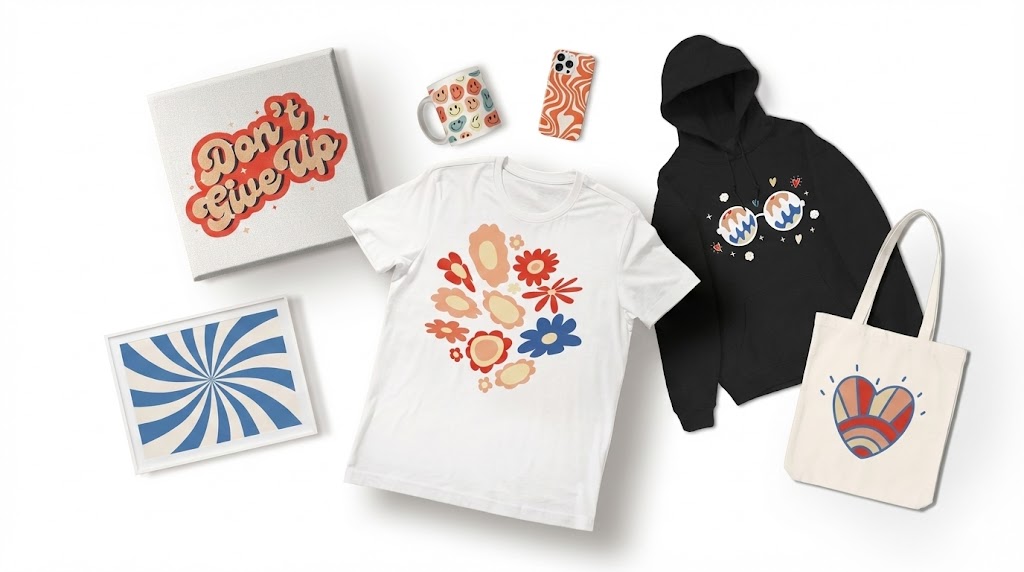
  • Niche POD 2026: What Will Drive the Market After the Q4 Peak?

    Niche POD 2026: What Will Drive the Market After the Q4 Peak?

    After Q4 comes to a close, the U.S. Print-on-Demand market does not slow down. Instead, it enters a new growth cycle driven by rising demand for personalization, emotional gifting, and early-year niche opportunities. Valentine’s Day, Easter, and Mother’s Day emerge as three key growth drivers shaping buyer behavior, making the period from January to May a golden window for sellers looking to discover new niches and maintain stable revenue after the holiday season. This article will help you gain deeper insights into consumer trends, market signals, and the most promising niche segments expected to shape 2026 empowering POD sellers to seize opportunities early and build a long-term sales strategy from the very beginning of the year.

    Niche POD 2026

    Overview of the POD Market After Q4

    Q4 has always been considered the biggest “hot zone” of the year for the U.S. Print on Demand (POD) market. This period accounts for a large share of sellers’ annual revenue, driven by strong shopping demand from Halloween, Black Friday, and Cyber Monday through Christmas. However, once Q4 comes to an end, the market does not “cool down” as many sellers assume. On the contrary, this is when the market begins entering a new shopping cycle, where early-year niches rise and play a critical role in shaping growth strategies for 2026.

    The shift in demand after Q4 is driven by multiple factors, including American consumers’ self-reward behavior, increased gifting needs for Valentine’s Day, preparation for family-related occasions, and most notably the accelerating trend toward personalization. Looking ahead to 2026, niches centered around relationships, family, pets, home décor, and emotionally meaningful products are expected to experience strong growth.

    For POD sellers, understanding post-Q4 demand dynamics is not only key to maintaining early-year sales but also to building a long-term competitive advantage. In practice, those who identify and enter emerging niches first are often the ones who capture the greatest rewards.

    The POD Demand Cycle: From Q4 to Valentine’s Day and Early-Year Occasions

    After Q4, the U.S. POD market enters a critical transition phase. Rather than slowing down, buyer demand shifts toward different gift categories for early-year occasions, with a strong focus on:

    Valentine’s Day – The First Revenue Peak of 2026

    As soon as Christmas decorations come down, Valentine’s Day quickly takes center stage. According to data from Google Trends and Etsy, starting from the first week of January, search volumes for keywords such as “personalized gifts for him/her,” “couple anniversary gifts,” and “custom love plaque” begin to rise sharply. Valentine’s Day acts as the “starting signal” that reactivates consumer shopping behavior at the beginning of the year.

    The product categories driving revenue during this period (winning products) include:

    • Apparel: Couple shirts and hoodies/sweatshirts featuring minimalist or retro-inspired designs.
    • Home Décor & Sentimental Gifts: This is when products such as acrylic plaques, photo ornaments (for home or car décor), and love-themed suncatchers gain strong traction.
    • Bedding: Personalized blankets featuring couples or family imagery are high-ticket items that perform exceptionally well during the colder weather in February.

    Success during Valentine’s Day not only generates immediate revenue but also allows sellers to test designs and niches in preparation for upcoming major sales events later in the year.

    The “Self-Gifting” Phase and Home Refresh Trend

    After the holiday season, American consumers shift their focus back to themselves. A significant amount of cash and gift cards received during Christmas is typically spent in January and February. During this period, shopping behavior transitions toward the following trends:

    • Home Refresh: Replacing Christmas décor with evergreen, year-round products such as suncatchers, canvas prints, and artistic posters.
    • Self-Love: Purchasing items that promote self-encouragement, emotional healing, or the celebration of personal milestones. This creates strong opportunities for sellers to expand into hobby-based niches, pet-related products, and mental health focused themes.

    The Domino Effect: Valentine’s Day → Easter → Mother’s Day

    From February to May represents the second “golden period” of the year, characterized by a continuous rotation of niches:

    • After Valentine’s Day comes Easter: Demand shifts toward family-oriented, children’s, and religious niches, with bright pastel color palettes taking center stage.
    • Mother’s Day peak (May): This is the second-largest shopping event of the year, second only to Q4. Emotional products that perform well during Valentine’s Day can be easily scaled and optimized for Mother’s Day campaigns.
    • Graduation Season: A niche focused on schools, professions, and family pride, offering strong opportunities for personalized and commemorative products.

    U.S. Consumer Behavior Trends in 2026 Shaping Niche Formation

    As the market enters 2026, the U.S. Print-on-Demand landscape is being influenced by significant shifts in consumer behavior. Below are the key factors driving niche development:

    Personalization: From an “Option” to a Mandatory Standard

    In the past, personalization was considered an added feature. By 2026, however, it has become the default standard. U.S. consumers are increasingly indifferent to mass-produced designs and instead crave uniqueness and individuality. This behavioral shift is generating strong demand for high-detail, high-precision niche segments, including:

    • Family & Baby: Products featuring birth statistics, family records, or milestone details.
    • Pet Personalization: Beyond generic dog or cat illustrations, customers now expect designs that accurately reflect their own pets’ real photos.
    • Deep Customization: Customizable skin tones, hairstyles, and body types that allow the characters in the design to closely resemble real-life individuals.

    For sellers, this means one thing: the more deeply customers can interact with and personalize a product’s design, the higher the conversion rate (CR) that product is likely to achieve.

    The Rise of the “New Neutrals” Aesthetic & Pantone Cloud Dancer

    In 2026, Pantone has named Cloud Dancer, a soft creamy white, as the color of the year. This choice reflects a broader shift in consumer psychology toward simplicity, healing, and understated luxury often referred to as quiet luxury. This aesthetic transition has a strong impact on both niche selection and design strategy:

    • Home Décor: Consumers increasingly favor décor products such as canvas prints and acrylic plaques in neutral tones that blend seamlessly with modern interiors, rather than overly vibrant or flashy colors.
    • Design Style: Line art and minimalist typography are expected to dominate. Sentimental and memory-driven niches are likely to outperform bold, aggressive designs during the Q1–Q2 period.

    Gen Z and Millennials: The Generations Driving the Gifting Market

    These two demographic groups currently hold the primary purchasing power across social commerce platforms such as TikTok Shop, Instagram, and Etsy. Their consumer behavior is characterized by the following key traits:

    • Emotion-Driven Decisions: They are highly susceptible to impulse purchases when a product resonates emotionally or aligns with trending social narratives.
    • Viral-Friendly Products: They favor small, visually appealing items that are easy to showcase on social media, such as suncatchers, keychains, and acrylic plaques.
    • Expanded Gifting Circles: They purchase gifts not only for romantic partners but also for friends (Galentine’s), coworkers, and pets creating fertile ground for the rapid growth of micro-niches.

    The Rise of the “Memory Gifting” Trend

    In an increasingly fast-paced digital world, American consumers place greater value on tangible, physical products that help preserve meaningful moments. This demand is turning the following product categories into evergreen niches that perform consistently throughout the year:

    • Baby Birth & Milestones: Products that capture newborn moments and early-life milestones.
    • Memorial Gifts: Items created to honor and remember loved ones or pets who have passed away (often associated with the “Rainbow Bridge” theme).
    • Family Moments: Photo-based products that commemorate family gatherings and shared memories.

    Key Niche Segments Expected to Lead the POD Market in 2026

    Based on consumer behavior patterns, trend data, and the early-year event cycle, the following niches are expected to play a leading role in shaping the POD market in 2026:

    Group 1: “Extended Valentine” – Beyond Romantic Couples

    Niche POD 2026

    Valentine’s Day 2026 (February 14) falls on a Saturday, creating strong purchasing momentum. However, sellers should not limit their focus to romantic couples alone. Instead, consider expanding into the following sub-niches:

    • Galentine’s Day (February 13): A niche celebrating female friendships.
      • Key Products: Group shirts, wine glasses, tote bags.
      • Messaging: “Ovaries before Brovaries,” “Girls Trip 2026.”
    • Anti-Valentine: A playful niche for happy singles.
      • Messaging: “Ew, People,” “My Cat Is My Valentine.”
    • Adult Humor: Bold, humorous, and slightly edgy designs (often referred to as Naughty Valentine) targeting long-term couples and married audiences. Personalized underwear and scented candles with humorous labels are currently trending strongly in this segment.

    Group 2: U.S. Politics – The Midterm Election Year

    The United States will hold its midterm elections in 2026. Political momentum is expected to build early in the year, driven by primary election campaigns and increasing public debate.

    • Key Characteristic: This is a high-passion niche. Buyers are highly motivated to express their political views and personal stances.
    • Strategic Directions:
      • Support or opposition toward political ideologies and factions (left wing vs. right wing).
      • Hot-button social issues such as women’s rights, environmental protection, and gun control.
    • Important Note: Sellers must carefully review trademark regulations and advertising policies. However, for organic sales on platforms like Etsy and Amazon, this niche can represent a highly lucrative opportunity when executed correctly.

    Group 3: Hobbies & New Year’s Resolutions

    January and February are when many people begin new hobbies and commit to fresh personal goals.

    • Pickleball: As the fastest-growing sport in the United States, pickleball shows no signs of slowing down. Demand remains strong for personalized training apparel, baseball caps, and custom paddle bags.
    • BookTok (The Book-Loving Community): TikTok has transformed reading into a lifestyle. Products related to “smutty books” and “romantasy” (romance + fantasy) genres are performing exceptionally well.
      • Products: Oversized T-shirts, book tote bags, bookmarks, and insulated tumblers.
    • Gardening & Plant Mom: With spring approaching in March, plant lovers begin shopping for gardening tools and decorative items as early as February.

    Group 4: Professions – An Evergreen Goldmine

    Professional niches are consistently stable and easy to target. In early 2026, sellers should focus on industries with key events occurring during the spring season:

    • Nurses & Healthcare: Nurses Week takes place in May, but hospitals and individuals often begin ordering team shirts and gifts as early as February and March.
    • Teachers: Preparation for the “100 Days of School” celebration (typically held in January or February, depending on the state) creates strong demand. Elementary school teachers frequently purchase themed shirts to celebrate students’ 100th day of learning.
    • Tax Accountants: U.S. tax season runs from January through April. Accountants face high workloads during this period and often enjoy humorous, profession-themed gifts as stress relievers (e.g., mugs printed with “Be nice to me, I do your taxes”).

    Group 5: Black History Month (February)

    February is recognized as Black History Month in the United States.

    • Niche: The African American community.
    • Design Direction: Designs that celebrate culture, feature quotes from influential Black leaders, embrace Afro-centric aesthetics, and themes such as “Melanin Poppin.”
    • Important Note: This niche requires a high level of cultural respect and deep understanding. Sellers should approach it with care and cultural sensitivity.

    Market Signals Sellers Should Watch to “Spot” Emerging Niches

    How can you identify which niches are about to rise in 2026? Don’t guess follow the data.

    TikTok Creative Center & Hashtag Challenges

    Monitor the “Trends” section in TikTok Creative Center. If you notice an emerging hashtag (e.g., #CoquetteAesthetic, #MobWifeAesthetic) starting to gain rapid view growth, immediately research its visual style and apply those aesthetics to apparel or drinkware designs.

    Pinterest Predicts 2026

    Pinterest releases its annual trend forecast report toward the end of each year. This report is often considered a “design bible” for creatives. If Pinterest predicts that a trend such as “Jellyfish Décor” will take off, trust the signal and immediately start developing ocean- or jellyfish-inspired designs.

    Movies and Pop Culture

    Which blockbuster movies or Netflix series will be released in 2026? (e.g., Marvel films, Disney productions, or game-adapted series.) While sellers cannot create products that directly infringe on trademarks, they can still develop “inspired-by” designs or quotes that align with the broader themes and aesthetics of those releases.

    Tracking Competitors via the Ad Library

    Go to the Facebook Ad Library, enter broad keywords such as “T-shirt” or “Gift for her,” and filter results by date (e.g., the last 7 days). Identify creatives that are actively running ads and have multiple variations these are strong indicators of current market demand.

    As the market enters 2026, the U.S. Print-on-Demand industry continues to be driven by personalization, emotional value, and shifting early-year gifting occasions. From Valentine’s Day and Easter to Mother’s Day, consumers are no longer searching solely for visually appealing products they are looking for designs that express affection, preserve memories, and reflect personal identity. For this reason, niches centered around couples, family, pets, home décor, and name personalization are expected to play a dominant role throughout the early 2026 cycle.

    For POD sellers, closely monitoring market signals, keeping pace with evolving aesthetic trends, and selecting the right products at the right time will create a clear competitive advantage. While Q4 may come to an end, opportunities never truly stop. The year 2026 opens a new and promising journey for sellers who prepare early, optimize their product portfolios, and position themselves ahead of the market before demand fully takes off.

  • Best POD Products to Boost Your Sales This Valentine’s Day 2026

    Best POD Products to Boost Your Sales This Valentine’s Day 2026

    Valentine’s Day 2026 is expected to be one of the most explosive shopping seasons in the U.S. market, especially for POD products. The demand for personalized gifts continues to rise sharply as consumer behavior shifts toward emotionally meaningful items that can be customized for each relationship. This presents a strong opportunity for sellers to expand their product lineup, increase conversion rates, and accelerate revenue growth early in the year. This article highlights the top POD products to sell for Valentine’s Day 2026, the key criteria for selecting the right items, and strategic recommendations to help sellers optimize their stores and stay ahead of the competition during this major gifting season.

    valentine 2026

    Why Valentine’s Day 2026 Is a “Golden Season” for POD Sellers

    Valentine’s Day has always been one of the strongest consumer-spending holidays in the United States, ranking just below Christmas and Mother’s Day. As we enter 2026, the market is experiencing notable shifts in buying behavior, design trends, and the demand for personalized products creating a significant opportunity for POD sellers to capture growth and expand their revenue during this peak season.

    A Record Surge in Personalized Gift Demand

    In the 2026 shopping landscape, U.S. consumers are gradually turning away from mass-produced gifts commonly found in retail stores. Instead, they are seeking products that carry stronger personal meaning and emotional value. According to reputable e-commerce reports, POD products that offer customization options such as personal names, anniversaries, messages, or uploaded photos of couples and pets consistently achieve conversion rates 20–30% higher than non-personalized items. POD is the only model that can fulfill this demand for unique, one-of-a-kind gifts at an affordable cost, giving sellers a clear advantage in winning customers’ hearts.

    Strong Consumer Spending on Emotional and Diverse Relationship-Based Gifts

    The idea that Valentine’s Day is only for romantic couples has become outdated. In the U.S. and EU markets, February 14 has evolved into a celebration of all kinds of relationships. This creates an opportunity for POD sellers to scale into multiple promising niches, including:

    • Galentine’s Day: Women buying gifts for their best friends.
    • Family Love: Parents buying for children, and children showing appreciation to their parents.
    • Pet Lovers: A massive and fast-growing segment where customers are willing to spend generously on shirts, mugs, and personalized items featuring their pets.
    • Self-Love: A rising trend in which single individuals purchase gifts to reward themselves.

    By diversifying customer segments, sellers avoid relying on a single niche and can maximize revenue across the same store.

    A Growth Catalyst for Q1/2026

    Valentine’s Day falls in the middle of Q1, making it a prime opportunity for sellers to maintain momentum after the year-end holiday season.

    • Kickstart revenue: It helps eliminate the “post–New Year slowdown” and quickly revive sales activity.
    • Test niches and designs: This period is ideal for experimenting with new design concepts. Winning designs from Valentine’s Day can easily be adapted and redesigned to continue selling well for upcoming occasions like Mother’s Day and Father’s Day.
    • Leverage existing customer data: The large customer base accumulated during Q4 2025 becomes valuable fuel for targeted email marketing and remarketing campaigns for Valentine’s Day.

    A Significant Competitive Advantage When Fulfilling in the United States

    Valentine’s Day is an extremely time-sensitive holiday. No customer wants to receive a February 14 gift on February 15. For this reason, shipping time becomes a critical factor that directly influences purchasing decisions. Sellers who work with fulfillment partners that operate production facilities in the U.S. (such as FlashShip) gain a substantial competitive edge:

    • Shortened delivery times of only 2–5 business days.
    • Increased buyer trust and reduced cart abandonment during peak shopping days.
    • Elimination of common risks such as customs delays or international shipping bottlenecks often seen with low-cost overseas logistics.

    Criteria for Choosing POD Products That Sell Well for Valentine’s Day 2026

    Not every product is suitable for Valentine’s Day. To optimize conversion rates, sellers should base their selection on the following five strategic criteria:

    Aligns With Gift-Giving Needs

    Valentine’s Day is a season of giving. Customers are not buying for themselves they are buying to give to someone special. Therefore, a winning product must effectively address the gifting needs of various recipient groups. Do not limit your focus to just couple gifts. Market data shows that over 80% of Valentine’s purchasing behavior in the U.S. revolves around these segments:

    • Families (spouses, children gifting parents).
    • Pet lovers (customers who love to buy gifts featuring their pets).
    • Best friends or roommates.
    • Coworkers.

    The more audiences a product can serve (multi-niche), the greater the opportunity to scale campaigns and increase conversions.

    Deep Personalization Capabilities

    In 2026, personalization is no longer just a trend it is a required standard. The ability to customize a product is the key to triggering customer emotion, which leads to faster “Add to Cart” decisions. The most compelling customization features include:

    • Photo upload: Real couple photos or pet photos.
    • Text customization: Names, anniversaries, geographic coordinates, meaningful messages.
    • Character customization: Selecting cartoon or chibi-style characters that resemble real appearance (skin tone, hairstyle, etc.).

    Products that support these features transform a simple item into a one-of-a-kind gift, making customers perceive the product as far more valuable than its actual price.

    Optimized Base Cost

    Although customers are willing to spend more during the holidays, sellers still need to manage their financial strategy carefully. Valentine’s Day is a period when advertising costs (CPM, CPC) typically rise. Choosing products with a reasonable base cost and high quality allows sellers to:

    • Easily set competitive retail prices.
    • Maintain a safe profit margin to offset ad losses during the testing phase.
    • Confidently scale budgets once a winning design is identified.

    Versatility and Year-Round Sales Potential

    A smart product is one that does not “expire” after February 14. Sellers should prioritize product lines with a long lifecycle that can be easily redesigned for other major occasions throughout the year, such as:

    • Anniversary
    • Birthday
    • Wedding or Engagement
    • Christmas and Mother’s Day

    This allows sellers to reuse assets such as mockups and store setups while maintaining steady, evergreen revenue year-round.

    Optimized for Fast U.S. Shipping

    This is a critical factor. Valentine’s Day has a strict deadline, and customers often shop at the very last minute. Products that are small, lightweight, easy to package, and fulfilled within the United States provide key advantages:

    • Significantly shorter delivery times (2–5 business days).
    • Lower shipping costs.
    • Reduced risk of disputes or chargebacks caused by late deliveries one of the biggest concerns for sellers during any holiday season.

    Top Best-Selling POD Products for Valentine’s Day 2026

    Below is a list of products predicted to be the hottest for Valentine’s Day 2026, based on U.S. buyer data, 2026 design trends, and holiday shopping behavior.

    Category 1: Home Decor – Meaningful Keepsake Gifts

    Glass Ornament POD

    Acrylic Plaque

    This has been a rising star over the past two years and is expected to remain a dominant product throughout 2026.

    Why it sells well: Its transparent, modern, and premium look resembles glass but is lighter and more durable.

    Design ideas:

    • Song Plaque: A music-player style layout featuring the couple’s favorite song along with their photo.
    • Map Plaque: A heart-shaped map showing the couple’s significant geographic location.
    • Calendar Plaque: A calendar-style design highlighting the special date of their relationship.

    Sales tip: Offer an LED wooden base as an add-on. The LED light makes the acrylic plaque shine beautifully at night and significantly increases the average order value (AOV).

    Custom Canvas & Poster

    Although considered classic products, their demand has never declined.

    2026 Trends:

    • Star Map: “What did the night sky look like when you said yes?”
    • Street Map: A city map combined with the initials of the couple’s names.
    • Watercolor Portrait: Transforming a real photo into an artistic watercolor-style illustration.

    Pillow & Blanket

    Perfect for couples who live together or are in long-distance relationships (a warm, comforting gift).

    Design ideas:  “Reserved for [Name]”, “Hug this pillow until you can hug me

    Category 2: Apparel – Couple Fashion (But with Subtlety)

    It’s time to stop selling outdated “King & Queen” shirts. Valentine’s Day 2026 is all about subtle, sophisticated couple looks.

    Embroidered Sweatshirt/Hoodie

    Embroidery creates a high-end, durable feel compared to standard printing.

    Design ideas:

    • Roman numeral date embroidered on the sleeve.
    • Small initials embroidered on the left chest.
    • Minimalist line-art embroidery converted from a real couple photo.

    Target audience: Gen Z, who are highly drawn to this minimalist aesthetic on TikTok.

    Unisex T-Shirt (Retro 90s Style)

    Design idea: Bootleg Rap Tee. Create a design using the partner’s photo in the style of a 90s rap poster. This trend is extremely humorous and very popular among men buying gifts for their girlfriends.

    Underwear

    This is a highly profitable “dark horse” niche.

    • Design idea: Men’s boxers printed all over with the girlfriend’s face.
    • Why it sells well: It’s funny, personal, inexpensive, and perfect as a playful gag gift, yet still practical.

    Category 3: Jewelry & Accessories – Small Gifts with Big Meaning

    Message Card Jewelry

    This is one of the most powerful POD “weapons” during holiday seasons. A necklace or bracelet is paired with a premium gift box and a message card featuring a heartfelt note.

    • Advantages: Low base cost, high selling price (thanks to emotional value), and inexpensive, fast shipping.
    • Niches:  “To My Wife,” “To My Soulmate,” “To My Girlfriend.”

    Couple Keychains

    A low-cost product that works extremely well for upsells.

    Design ideas: Puzzle piece keychains, Spotify code designs (scannable to play a song), anniversary date as a license plate graphic.

    Category 4: Drinkware – Love-Themed Cups

    Color-Changing Mug

    • How it works: The mug appears black, but when hot water is poured in, the hidden image or message reveals itself.
    • Marketing idea: Create a TikTok video pouring hot water into the mug to reveal the message “Will you marry me?” or a funny photo of the partner. This type of content goes viral very quickly.

    Tumbler

    Perfect for couples who enjoy traveling or camping.

    Valentine’s Day 2026 is expected to remain one of the most important shopping seasons for the U.S. POD market, where demand for personalized gifts continues to grow and consumer behavior increasingly favors products with emotional value. Choosing the right product categories, staying ahead of design trends, and optimizing the shopping experience will help sellers boost conversion rates and achieve sustainable revenue growth. Product lines such as couple apparel, mugs, ornaments, suncatchers, acrylic plaques, keychains, and blankets all hold strong potential and are well-suited to become core offerings for the upcoming Valentine season.

    To fully seize this opportunity, sellers should begin preparing from late December, finalize their product lineup, refine mockups, and ensure a stable fulfillment workflow. Starting operations early will help secure a competitive advantage and maximize performance for Valentine’s Day 2026.

  • Ornaments: The Trending Product Dominating Q4

    Ornaments: The Trending Product Dominating Q4

    As the U.S. e-commerce market enters Q4 the highest-spending period of the yearbornaments have quickly become a top-performing product thanks to soaring demand for decoration, gifting, and personalization. With steady growth, strong profit margins, and the ability to expand into hundreds of design niches, ornaments are considered the “revenue star” for every POD seller during the holiday season.

    From market analysis and consumer trends to sales strategy and U.S. fulfillment, this article helps sellers understand why ornaments dominate Q4 and how to fully capitalize on the scaling opportunities of the peak season.

    Ornament

    Why Ornaments Have Become the “Revenue Star” of Q4

    In the fiercely competitive year-end e-commerce landscape, ornaments consistently maintain their position as the winning product that delivers exceptional profit for POD sellers. This strong appeal is not accidental it comes from three core factors shaping the U.S. market:

    The Holiday Season Is the “Golden Spending Period” for Americans

    According to data from the National Retail Federation (NRF), more than 88% of U.S. households spend significantly on home decoration during November and December. Ornaments are no longer limited to Christmas trees they have “taken over” every space, from fireplaces and bookshelves to living rooms. The habit of buying new themed decorations each year keeps the demand for ornaments consistently at its peak, creating a massive and sustainable market that every seller wants to tap into.

    Ornaments Sell “Memories” and “Emotions”

    Unlike fast-moving consumer goods, ornaments are symbols of personal memories. Customers buy ornaments to mark meaningful milestones such as Baby’s First Christmas, First Home, wedding anniversaries, or in remembrance of loved ones and pets who have passed away. Personalization transforms each ornament into a priceless keepsake tied to family bonding and holiday sentiment. This emotional value is the strongest driver behind customers’ quick purchase decisions, resulting in exceptionally high conversion rates.

    A Product “Born to Go Viral” on Social Media

    With warm, visually appealing aesthetics, ornaments are the perfect content material for visual-driven platforms like TikTok, Pinterest, and Instagram. Videos of Christmas tree decorating, gift unboxing, or family moments featuring ornaments consistently generate massive organic reach.

    This makes ornament campaigns in Q4 perform exceptionally well, often achieving high ROAS, strong CTR, and far more efficient customer acquisition costs compared to other niches.

    Ornament Market Overview: Fast-Growing and Highly Sustainable

    Ornament

    To understand why ornaments are considered a “goldmine” for POD sellers, we need to look at the telling numbers that reflect the scale and long-term growth potential of this category within today’s e-commerce landscape.

    A Massive Market With Steady, Long-Term Growth

    The holiday decoration market is not a temporary trend it is a solid multi-billion-dollar industry. Data from Statista and the NRF shows that this category in the U.S. reached $6.7 billion in 2024, with experts predicting continued stable growth through 2025–2026.

    Most notably, the personalized ornament niche has been experiencing a remarkable surge, with an average annual growth rate of 35–50% on major e-commerce platforms such as Etsy and Amazon Handmade (2020–2024). This clearly indicates that the demand for unique, custom-made holiday decor is rapidly outpacing mass-market products.

    The U.S. Accounts for Over 70% of Global Demand

    With a strong holiday culture and a deeply rooted tradition of year-end gifting, American consumers account for more than 70% of global ornament demand. This makes the U.S. both a high-potential and highly competitive market.

    However, where there is risk, there is opportunity: the U.S. is also the place where POD sellers can scale revenue the fastest as long as they solve two essential factors: fast shipping and premium product quality.

    The Rise of the Personalization Trend

    Personalization is no longer an option, it has become the standard of the POD industry. The combination of advanced UV printing technology and the growing desire to preserve meaningful memories has turned personalized ornaments into a core product category.

    American consumers strongly favor ornament designs featuring names, family photos, milestone dates, or pet images. This diverse demand opens endless opportunities for new design ideas, allowing sellers to continuously expand into fresh niches without worrying about market saturation.

    Why Ornaments Dominate the Christmas Season: The Ultimate Profit-Optimization Product

    Ornament

    In Q4 POD business strategies, ornaments are not just decorative items they are a profit-optimized solution that strikes the perfect balance between cost, demand, and operational efficiency. Below are the four core reasons why ornaments have become the go-to “revenue weapon” for every seller:

    Reasonable Pricing – A Product Customers Can Buy Without Thinking Twice

    With an average retail price ranging from $9 to $18, ornaments fall perfectly into the e-commerce “sweet spot.” This is the price range where customers are willing to make quick impulse purchases without overthinking like they would with higher-priced items. More importantly, ornaments have a natural “collectible” appeal; customers rarely buy just one. They often purchase in combos or in larger quantities to gift coworkers, entire families, or to build yearly keepsake collections. This allows sellers to easily increase Average Order Value (AOV) through upsell and bundle strategies.

    Unlimited Design Scalability Across Hundreds of Niches

    Ornaments are the king of flexibility. With just a single base design file, sellers can scale into hundreds of variations in no time. From broad niches like Family, Pets, and Couples to specialized professions such as Nurses, Teachers, and Firefighters, ornaments can fit them all. This advantage enables sellers to cover the market rapidly, minimize design time and cost, and significantly increase the chances of discovering “winning campaigns” in a short period.

    Solving the Logistics Challenge: Low Cost, Lightning-Fast Speed

    Amid the shipping congestion nightmare of Q4, the “small – light – durable” nature of ornaments becomes a lifesaver. Their shipping cost is significantly lower than bulkier products such as hoodies, blankets, or canvas prints. Even more importantly, when using U.S.-based fulfillment services (such as FlashShip), delivery times are dramatically shortened to just 2–7 days. Fast shipping is a key factor that boosts conversion rates and helps maintain strong account health on strict platforms like Etsy, Amazon, and TikTok Shop.

    Beyond Christmas: A Wide Customer Base and Year-Round Demand

    Although ornaments explode in popularity during Q4, their lifecycle is far from seasonal. They continue to sell well all year as keepsake gifts. Occasions such as birthdays, weddings (Wedding Ornaments), housewarmings (New Home), and especially the Memorial niche maintain stable demand across all four seasons. This allows sellers to keep cash flow steady and avoid relying solely on holiday-driven sales.

    Top Ornament Trends Dominating Q4

    To win the year-end shopping season, understanding the exact “taste” of your customers is essential. Below are the 7 ornament categories predicted to take over the market, helping POD sellers maximize conversion rates (CR) and increase order value.

    Personalized Family Ornaments – The “King” of Q4 Sales

    No matter how trends change, family-themed products always hold the crown. Customers crave connection, and nothing captures that better than an ornament personalized with each family member’s name from grandparents and parents to children. “Custom Character” designs that allow buyers to choose skin tones, hairstyles, and outfits are currently top performers. Keywords like “Family Reunion” or “Family of [Year]” consistently rank among the most searched terms.

    Pet Ornaments – The Goldmine for Pet Lovers

    With more than 66% of U.S. households owning pets, this is a billion-dollar niche no seller should overlook.

    • Pet Portraits: Dog and cat illustrations recreated in watercolor or cartoon style.
    • Pet Memorial: Angel wings, rainbow bridge elements, and memorial quotes designs that honor a beloved pet resonate deeply with customers and generate stable revenue year-round, not just during Christmas.

    Couple Ornaments – Celebrating Milestones of Love

    Q4 is also the season of weddings and anniversaries. Newlyweds (Just Married) and engaged couples are highly drawn to “First Christmas Together” ornaments. This audience tends to be very loyal many return the following year to continue building their annual keepsake collection.

    Baby Ornaments – The First Treasured Keepsake

    “Baby’s First Christmas” is a true money-making keyword. Parents and grandparents are willing to spend generously to preserve a baby’s very first holiday moment. Designs featuring birth stats, ultrasound images, or baby footprints on premium ceramic materials typically achieve exceptionally high conversion rates.

    Hobby Ornaments – Personalized by Passion

    When shoppers run out of gift ideas, they often fall back on the recipient’s hobbies. Niches such as Camping, Fishing, Reading, and Golf consistently perform well. Notably, the rise of Pickleball is creating a new wave of demand. Ornaments that tap into personal pride in one’s hobbies are considered highly scalable and maintain stable performance.

    Holiday Humor Ornaments – The Viral Weapon

    Never underestimate the power of humor. Ornaments featuring funny quotes, sarcastic sayings, or trending TikTok/Instagram memes are one of the fastest ways to attract Gen Z shoppers and generate massive organic traffic on social media.

    Minimalist Scandinavian Ornaments – A Refined Aesthetic

    Alongside vibrant designs, a large segment of modern U.S. consumers is shifting toward minimalist and Scandinavian aesthetics. Ornaments with neutral tones (white, beige, natural wood), simple patterns, and elegant thin fonts are expected to remain dominant in 2025 home décor trends perfect for shoppers who appreciate refined, understated beauty.

    Marketing & Sales Strategy for Ornaments: The Blueprint for Scaling to Thousands of Orders

    To turn ornament designs into a true “money-making machine” during Q4, sellers need a well-structured, practical strategy from research to logistics execution. Below is the essential 6-step roadmap you shouldn’t overlook:

    Research Your Niches & Elevate Your Visuals

    Success starts with choosing the right niche. Don’t spread yourself too thin focus on the three “power pillars” with the strongest scaling potential: Family, Pets, and Hobbies. Use tools like Pinterest Trends or Etsy Search to identify the keywords customers are actively searching for. However, great products still need high-quality visuals. A strong media set including warm lifestyle photos, close-up material shots, and 360-degree videos is essential for capturing customer attention. Pro tip: Take advantage of FlashShip’s professional studio photography service to get e-commerce–ready images that instantly boost CTR and conversions.

    Optimize SEO & Hit the “Golden Timing” for Ads

    On marketplaces like Etsy and Amazon, keywords are king. Your listings must include high-value terms such as “personalized ornament,” “custom Christmas ornament,” and “family ornament 2025.” At the same time, follow a disciplined advertising schedule: test designs from August–September, and scale budgets aggressively from October to December 15. Adjusting ad spend based on each platform’s cut-off dates will help you avoid refund risks and maximize profit.

    Increase AOV and Leverage U.S. Fulfillment Advantages

    Don’t let customers leave with just one item. Cross-sell ornaments with mugs, blankets, or sell them in sets to maximize revenue.

    And finally, the true “secret weapon” for competing head-to-head with local U.S. sellers is U.S.-based fulfillment. FlashShip’s consistent 2-7 day delivery not only reduces cancellation rates but also protects your account health during the most intense pre-Christmas period.

    In an increasingly competitive POD market where shipping speed has become a decisive factor for conversion ornaments present a clear opportunity for sellers looking to accelerate revenue growth in Q4. With rising demand for personalization, strong profit margins, and the ability to scale across multiple niches, this is a product line every POD seller should adopt early to secure an advantage during the holiday season.

    When combined with U.S.-based fulfillment, FlashShip’s three-step QC process, and modern printing technology, sellers can remain confident in product quality, delivery speed, and end-customer experience.

    If you need detailed consultation on U.S. fulfillment, contact FlashShip at (+84) 943 024 337 for prompt support. FlashShip is ready to accompany you in scaling your Q4 revenue and throughout 2025–2026.

  • FlashShip Studio Test Print & Product Photography for POD Sellers

    FlashShip Studio Test Print & Product Photography for POD Sellers

    As the e-commerce market enters its year-end peak season, preparation speed and the quality of media content have become critical factors determining whether POD sellers can break through their revenue targets. The demand for real product photos, real videos, and studio-grade media is rising sharply, especially on highly competitive platforms such as Etsy, Amazon, Shopify, and TikTok Shop.

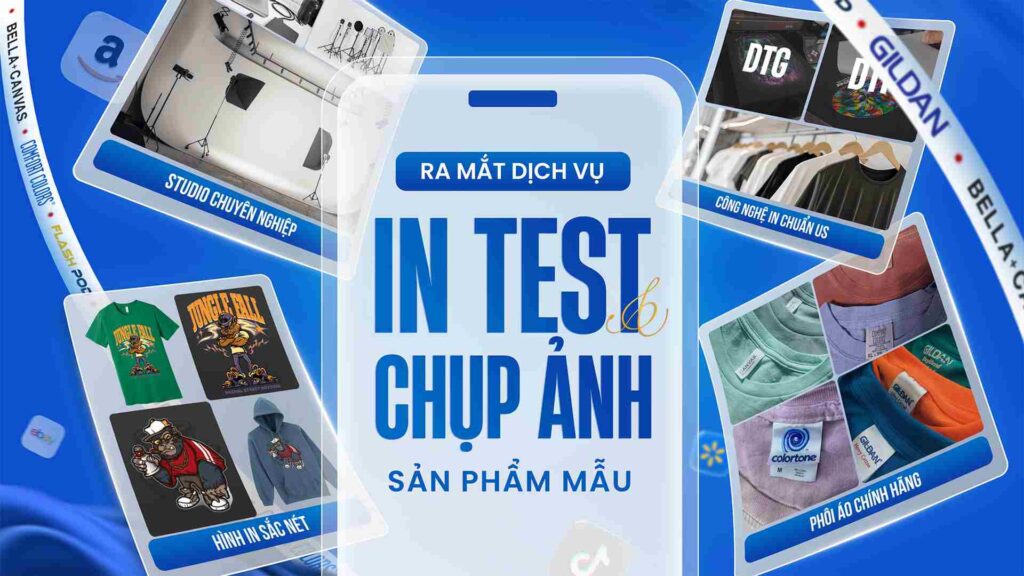
    To help the seller community prepare effectively for the year-end sale season, FlashShip officially launches its Studio-Standard Test Print & Product Shooting Service, providing a complete, end-to-end solution from printing test samples to producing professional product photos and videos. This is not just an additional feature, but an essential part of FlashShip’s strategy to fully support sellers during a period in which every decision can directly impact revenue.

    FlashShip Studio

    The Year-End Sale Pressure and the Media Challenge for POD Sellers

    The year-end sale season especially the stretch from Black Friday to Christmas is widely regarded as the golden period of the POD industry. However, alongside the opportunities come significant pressures:

    • Preparation time is extremely tight, as dozens or even hundreds of new designs must be test-printed, color-checked, and evaluated for print quality.
    • E-commerce platforms increasingly prioritize real product photos and real videos to assess product credibility and reduce customer complaints.
    • Click-through rates (CTR) and conversion rates have become a fiercely competitive battleground, as customers are constantly surrounded by ads from countless brands.
    • Advertising costs rise sharply during peak season, forcing sellers to optimize every element of their content especially product images and videos.

    In this context, having a high-quality media set accurate in color, true to the fabric texture, visually appealing, and capable of conveying the essence of the design becomes a critical factor that helps a product stand out among thousands of options. However, not every seller has the time, equipment, or skills to handle test printing, create proper setups, adjust lighting, and produce photos or videos at a professional standard.

    FlashShip’s Studio-Standard Test Print & Product Shooting Service was created to address these exact challenges.

    FlashShip’s Test Print & Product Shooting Service: Optimized From Workflow to Quality

    FlashShip developed this service with a simple philosophy: sellers only need to send their design files everything else is handled by FlashShip’s operations team and professional studio.

    Save Time and Eliminate the Complexity of Self Test-Printing

    For many sellers especially during peak season self test-printing becomes a significant burden. From preparing files, adjusting dimensions, and managing color correction to operating the printer, every step consumes valuable time and carries the risk of errors.

    With FlashShip’s service, this entire workflow is optimized:

    • Designs are test-printed on the same standard printing system used for real customer orders.
    • Colors are calibrated according to FlashShip’s production standards, ensuring the test print closely matches the final fulfilled product.
    • Sellers no longer need to spend time on technical tasks, troubleshoot printing errors, or worry about additional costs caused by failed tests.

    During the year-end sale season, when every day represents a new revenue opportunity, shortening preparation time becomes a major competitive advantage.

    Studio-Grade Media: Clear, Bright, and True to the Product

    In reality, a beautiful design alone is not enough to drive sales if the product images fail to convey that value. Customers only see what appears on their screens: lighting, color accuracy, garment form, fabric texture, and how the design actually looks on the product.

    FlashShip’s shooting service is built to strict studio standards:

    • Lighting is controlled and consistent, minimizing harsh shadows and color distortion.
    • Backgrounds are selected to match various styles from minimalist and modern to festive or lifestyle-oriented.
    • Images clearly showcase the garment’s form, print placement, detail sharpness, and overall color representation.
    • Videos focus on close-up angles that highlight fabric texture, print coverage, and the look and feel when the product is worn or handled.

    The resulting media is created to help customers see the “real product,” not just a mockup. This significantly increases trust and sets sellers apart from listings that rely solely on simulated or digitally generated imagery.

    Optimize Holiday Campaign Performance: Real Media Boosts CTR and Conversion

    Advertising platforms and e-commerce marketplaces increasingly prioritize authentic content. In practice, product photos and videos captured from real items typically deliver:

    • Higher click-through rates compared to mockups or digitally rendered images.
    • Better conversion rates because customers trust the authenticity and quality of the product.
    • Fewer complaints, refunds, and negative reviews, as customer expectations align more closely with what they actually receive.

    With the advantage of media produced directly from FlashShip’s garment blanks and printing lines, sellers gain an additional layer of quality assurance. What customers see in the photos and videos closely matches the product that arrives at their doorstep, enhancing their shopping experience and strengthening the seller’s brand credibility.

    FlashShip-Speed Efficiency: Prioritized Media Processing During Peak Season

    Another key strength of this service is its speed. FlashShip understands that a one-day delay in media production means a one-day delay in bringing a product to market and during peak season, that can cost sellers valuable opportunities.

    For this reason, the Test Print & Product Shooting Service is designed with a priority workflow:

    • Test print requests are received and processed promptly.
    • The shooting and post-production process is optimized to minimize turnaround time.
    • Sellers receive their completed media sets early, allowing them to launch ad campaigns, update listings, or introduce new collections without delay.

    This consistency in processing speed enables sellers to plan more effectively, from the moment they submit their design files to the moment they begin running campaigns.

    Helping Sellers Focus on Selling Instead of Getting Lost in Preparation Work

    One of the core values of this service lies in the fact that FlashShip enables sellers to return to their most essential role: building strategy and driving sales.

    Instead of breaking their time into dozens of technical and operational tasks, sellers can:

    • Focus on developing seasonal, event-based, or niche-specific design concepts.
    • Optimize ad content, short-form video scripts, and brand messaging.
    • Monitor and adjust advertising campaigns based on real performance data.
    • Build long-term brand equity instead of getting stuck in small, time-consuming tasks.

    With the Test Print & Product Shooting Service, FlashShip acts as a behind-the-scenes operations partner, ensuring that all foundational product and media assets are prepared carefully, consistently, and on schedule.

    Limited Slots and Media Support Incentives for Early Registrations

    Due to the nature of the year-end peak season, the volume of test print and product shooting requests increases significantly. To maintain service quality and processing speed, FlashShip is offering a limited number of slots for the Test Print & Product Shooting Service during this period.

    Sellers who register early will benefit from:

    • Priority scheduling for test printing and product shooting.
    • Receiving their media on time or even earlier than expected crucial for late-Q4 marketing campaigns.
    • Opportunities to receive free media support or significant discounts during the service launch period.

    This policy is designed to give early-prepared sellers the best possible advantage, allowing them to stay ahead of the market and fully capture revenue opportunities in the year-end sale season.

    FlashShip as a Trusted Operational Partner for POD Sellers

    The Test Print & Product Shooting Service is not an isolated initiative, but part of the broader service ecosystem FlashShip is building for the POD seller community.

    Across past sale seasons, FlashShip has been recognized for:

    • A stable, high-speed printing and fulfillment system.
    • Transparent order processing with clearly defined operational metrics.
    • High-quality garment blanks that meet the strict expectations of U.S. customers.
    • A support team that is always ready to communicate, assist, and provide solutions for sellers.

    The addition of the studio-grade Test Print & Product Shooting Service reflects FlashShip’s clear direction: not merely functioning as a fulfillment provider, but becoming a long-term partner that supports sellers throughout their entire business journey from design ideation to final product and marketing execution.

    In the year-end revenue race, having a good product, a reasonable price, and the right strategy are all important. However, these factors only truly generate impact when they are communicated through compelling images and videos.

    FlashShip’s Studio-Standard Test Print & Product Shooting Service was launched with a clear objective: to help sellers shorten their preparation time, elevate media quality, and strengthen their competitiveness on e-commerce platforms during the peak season.

    Sellers who are interested can contact FlashShip directly to reserve a slot and receive detailed consultation on the workflow, turnaround time, and media support policy available during the service launch period. Slots during peak season are always limited, and early preparation is often the deciding factor between merely participating in the sale season and truly breaking through in revenue.

    Registration link: https://tinyurl.com/intestspao

  • Cyber Monday 2025: The Revenue Boost Every POD Seller Must Seize!

    Cyber Monday 2025: The Revenue Boost Every POD Seller Must Seize!

    The Q4 race is a series of high-stakes events, and Black Friday is merely the opening shot. Immediately after, Cyber Monday emerges as a strategic acceleration point before the final Christmas sprint. According to Adobe Analytics, U.S. Cyber Monday sales in 2024 reached over $12.4 billion, up 9.6% year-over-year, making it the largest online shopping day in history. With the rapid growth of e-commerce and the surging demand for personalized gifts, Cyber Monday 2025 promises to be a goldmine every POD seller can’t afford to miss.

    In this article, we’ll take you through how to leverage Cyber Monday to maximize your year-end revenue from market insights and product trends to design ideas and smart pricing strategies tailored specifically for POD sellers.

    Cyber Monday 2025

    What Is Cyber Monday and Why Is It More “Profitable” Than You Think?

    Understanding the true nature of Cyber Monday is the first key to unlocking its hidden potential. Don’t think of it as merely the “leftover” from Black Friday.

    When Is Cyber Monday 2025?

    Traditionally, Cyber Monday always falls on the first Monday immediately after Thanksgiving and Black Friday in the United States. In 2025, Cyber Monday will officially take place on Monday, December 1, 2025.

    The term “Cyber Monday” was coined in 2005 by the National Retail Federation (NRF) to describe the surge in online sales that occurs on this day. Its origins date back to the time when consumers returned to their offices after the Thanksgiving holiday and continued shopping online from their work computers.

    Today, with the rise of smartphones and mobile shopping, Cyber Monday has evolved into a true e-commerce giant, breaking revenue records year after year.

    The Critical Difference Between Black Friday and Cyber Monday

    Cyber Monday & Black Friday

    Many sellers group “Black Friday” and “Cyber Monday” together as one big event often referred to as BFCM. From a marketing perspective, that’s not entirely wrong. However, from a strategic standpoint, they must be treated separately. For POD sellers, understanding the distinction can be the difference between success and failure.

    Factor Black Friday Cyber Monday
    Nature Focuses on “doorbuster” and “shock” deals. Focuses on curated, intentional online deals.
    Customer Behavior Impulsive, chaotic, and willing to “fight” (both online and offline) for the best bargains. More deliberate and analytical customers compare prices, look for specific items, and shop online via desktop or mobile.
    Sales Platforms Omnichannel: major retailers (Walmart, Target) compete both in stores and online. Almost entirely e-commerce: the playground for online brands and small sellers.
    Main Product Categories Big electronics (TVs, laptops), home appliances. Fashion, small electronics, toys, and especially niche or personalized products.
    Significance for POD Difficult to compete directly with retail giants on price or ad spend. The home turf for POD sellers where customers actively seek uniqueness and personalization that only you can offer.

    Why Should POD Sellers “Go All In” on Cyber Monday?

    If the comparison table above isn’t convincing enough, here are four reasons why you should go all out for December 1, 2025:

    It’s Your Home Turf: Cyber Monday is the holiday of e-commerce. You’re not competing with thousands of people lining up outside Best Buy you’re competing entirely online, where POD products hold a decisive advantage in uniqueness and customization.

    The “Last Train” Psychology: FOMO (Fear of Missing Out) peaks on this day. Customers know Cyber Monday is the last major discount wave before Christmas, so they make faster, more decisive purchase decisions. They don’t want to wait until mid-December to pay full price or risk late delivery.

    Higher-Quality Buyers: Cyber Monday shoppers usually have a clear buying intent. They’re not just browsing for 99-cent deals they’re actively searching for meaningful Christmas gifts for family and friends: a hoodie printed with their dog’s photo, a cozy pillow set with heartfelt messages, or a pair of matching mugs for their parents. That’s exactly what POD sellers offer.

    The “Golden Boost” for AOV (Average Order Value): Since customers are shopping for gifts, they rarely buy just one item. They buy for multiple people. This creates a golden opportunity for bundles and cross-sells. Instead of selling one shirt, sell a 3-piece family set. Instead of one mug, offer a mug-and-blanket combo.

    Cyber Monday isn’t the leftover of Black Friday it’s an entirely different battlefield, and it’s the one POD sellers were born to win.

    POD Product Trends That Will Set Cyber Monday 2025 on Fire

    Cyber Monday POD

    Knowing when to sell is good. Knowing what to sell is everything. Below are the POD product categories projected to explode during Cyber Monday 2025, especially as shoppers go all-in on their Christmas gift hunt.

    Apparel

    Apparel has always been the king of POD. But on Cyber Monday, the focus shifts toward warmth, emotion, and giftability.
    Hoodies & Sweatshirts: These are the official “uniforms” of winter. Expect a sharp rise in cozy, family-themed, nostalgic, and humorous designs.

    Matching Pajamas (Family/Couple PJs): A true goldmine. Designs like “Our First Christmas Together 2025”, “The [Family Name] Family”, or customizable plaid Christmas patterns (with pet names or family photos) will sell like crazy.

    T-Shirts (Niche-Focused): Don’t overlook the classic tee, but focus on specific gifting niches “Dad”, “Mom”, “Grandpa”, or hobby-driven gifts (golf, fishing, reading) paired with clever quotes and witty designs.

    Home Decor

    During the holidays, everyone wants to make their homes feel warmer and more personal.

    Personalized Blankets (Sherpa Fleece, Fuzzy, or Plush): Especially Sherpa fleece blankets. Designs that let customers upload family or pet photos, or print heartfelt messages and handwritten letters, become priceless keepsakes.

    Canvas & Posters: Focus on high-end personalization ideas such as:

    • Star Maps: “The Day We Met”, “The Day You Were Born”.
    • Custom Portraits: Turn family or pet photos into art (watercolor, cartoon, or minimalist styles).
    • Word Art: Family member names beautifully integrated into one cohesive design.

    Christmas Ornaments: Small but mighty. Ornaments consistently drive massive Q4 sales. Target key life milestones such as “Our First Christmas in Our New Home 2025”, “Baby’s First Christmas”, or “Just Married 2025”.

    Drinkware

    Drinkware remains a safe and universally loved gift perfect for colleagues, friends, or as thoughtful stocking stuffers.

    Mugs: Timeless bestsellers. Funny quotes about work, coffee, or subtle Christmas-themed designs always perform well. Consider color-changing (magic) mugs for an extra twist.

    Tumblers: Still one of the hottest categories. Functional and stylish, tumblers appeal to nearly everyone. Laser-engraved personalization and minimalist aesthetics continue to dominate this segment.

    Smart Pricing and Discount Strategies for Cyber Monday

    This is the backbone of your campaign. You can’t simply hang a “20% OFF” sign and expect revenue to explode you need a strategy.

    “Free Shipping” – The Strongest Customer Magnet

    • This is no longer a “perk”; it’s an expectation. Studies show that 70–80% of shoppers abandon their carts due to unexpected shipping fees.
    • Strategy: Don’t offer free shipping on every order. Set a threshold instead. Example: “Free shipping on orders over $75.”
    • Why it works: If your average order value (AOV) is $50, customers are likely to add another item (e.g., a $25 mug) to reach the threshold. You increase AOV and make the customer feel rewarded.

    Tiered Pricing Strategy

    Encourage larger purchases by offering deeper discounts for higher order quantities. How to do it:

    • Buy 2 items → Get 15% off
    • Buy 3 items → Get 20% off
    • Buy 4 or more → Get 25% off + Free Shipping
    •  Psychology: Customers feel they’re getting a better deal the more they buy — a proven way to raise AOV effectively.

    Leverage FOMO (Fear of Missing Out)

    Cyber Monday thrives on urgency – use that to your advantage. Flash Sales: “Special Offer: 40% off Hoodies – For the next 3 hours only!” Divide Cyber Monday into 4–5 flash sale waves across different collections. Countdown Timers: “Offer ends in… 02:45:10.” Display countdowns on banners, emails, and product pages. Stock Counters: “Only 30 left at this price!”  For POD, try: “Only 50 slots available at this price.”

    Gift With Purchase (GWP)

    • Sometimes, a free gift works better than a discount.
    • How to do it: “For every order over $100, receive a free Sticker Set or Christmas Ornament.”
    • Benefit: You use a low-cost item (with high perceived value) to push customers past your target spending threshold.

    Smart Upsell & Cross-Sell

    • Never let customers check out with just one item.
    • Cross-sell (on product pages): “Customers who bought this shirt also purchased this mug.”  “Completing your family PJ set? Add one for Dad/Mom/Kids.”
    •  Upsell (in the cart): “Add this item for just $9.99 (Save 50%)!” “Upgrade to express shipping for only $5!”

    Comprehensive “Lock and Load” Checklist Before G

    Cyber Monday 2025 (2)

    Victory doesn’t come from luck it comes from preparation. Below is FlashShip’s complete checklist to ensure you don’t miss a single detail before Cyber Monday.

    Optimize Your “Battlefield” (Website & Listings)

    • Page Speed: Customers will leave if your website takes more than three seconds to load. Test and optimize immediately.
    • Banners and Pop-ups: Design clear, eye-catching Cyber Monday banners. Use exit-intent pop-ups (which appear when customers are about to leave) to capture attention with a last-minute discount code.
    • Mockups: Ensure you have high-quality, diverse mockups—both studio shots and lifestyle images showing real people wearing or using the product.
    • Product Descriptions: Rewrite your descriptions. Focus on emotion and the value of gifting, not just the material.
    • Don’t write: “Hoodie made from 50% cotton.”
    •  Instead, write: “Imagine your mom’s smile when she unwraps this warm, personalized hoodie. It’s not just a gift it’s a hug.”

    Prepare Your “Ammunition” for Marketing (Email & Ads)

    Email marketing reigns supreme on Cyber Monday. Your email list is your money-maker.

    The “Storm” Email Sequence:

    • Email 1 (3 days before): Teaser. “Cyber Monday’s Biggest Deals Are Coming.” Give subscribers an early glimpse of featured products.
    • Email 2 (Cyber Monday Morning – 6 AM): Deals Are LIVE! Send discount codes and direct shopping links.
    • Email 3 (Midday – 12 PM): Flash Sale Alert! Announce that best-sellers are “selling out fast” to create urgency.
    • Email 4 (Evening – 8 PM): LAST CHANCE! Remind customers that offers end in 4 hours this is your final revenue push.

    Advertising (Ads):

    •  Prepare all ad creatives images, videos, and copy well in advance.
    •  Increase your ad budget by at least 3–5 times on this day.
    •  Focus heavily on retargeting shoppers who added items to their carts during Black Friday but didn’t complete their purchases.

    “Inventory Check” with Your Fulfillment Partner (FlashShip)

    This is a critical step that many sellers overlook. Don’t let Cyber Monday turn into a Cyber Nightmare. A successful marketing campaign means nothing if fulfillment fails.

    Confirm Cut-off Dates:

    • Reach out to your fulfillment partner and ask: “What’s the latest date I can submit orders to ensure delivery before Christmas?”
    • Display this date clearly on your website for example: “Order by December 10 to receive your package before Christmas.” This builds trust and drives conversions.

    Communicate Your “Hero” Products: Inform your fulfillment partner which items you plan to push heavily (e.g., Hoodie X, Mug Y). This helps them prepare blanks, inks, and production schedules in advance  preventing stockouts or production delays.

    Check Processing Capacity: Make sure your partner can handle the surge in order volume.

    Understanding and leveraging the right timing, choosing suitable POD products, and adopting flexible pricing strategies are the three key factors that help sellers boost their revenue during Cyber Monday 2025. As U.S. consumers increasingly prioritize personalized gifts, exclusive designs, and fast delivery, partnering with a trusted U.S.-based fulfillment provider will become a sustainable competitive advantage for every POD store.

    Contact FlashShip today via hotline (+84) 943 024 337 or visit https://flashship.net for detailed consultation and to kickstart your Cyber Monday 2025 campaign where every product not only drives profit but also elevates your POD brand in the U.S. market.

  • Gildan, Bella+Canvas, Comfort Colors – Which Blank Sells Best?

    Gildan, Bella+Canvas, Comfort Colors – Which Blank Sells Best?

    When it comes to POD blank apparel, the three names Gildan, Bella+Canvas, and Comfort Colors have practically become the “power trio” dominating the market. Each brand brings its own strengths from pricing, fabric quality, and fit, to print compatibility and target customer segments.

    So, which blank performs best for POD sellers? This article will take you through each brand in detail, comparing key factors to help you choose the most suitable “secret weapon” for your Print on Demand journey.

    Gildan, Bella+Canvas, Comfort Colors

    Gildan – The “Price King” of the POD World

    In the vast universe of Print on Demand (POD) blanks, there’s one name that every seller from beginners to seasoned veterans can’t ignore: Gildan. It’s the undisputed “king” when it comes to affordability, popularity, and business efficiency.

    Brand Overview

    Founded in 1984 in Canada, Gildan has grown from a small family business into the world’s largest blank apparel manufacturer. With a production scale reaching hundreds of millions of garments each year, Gildan truly stands as the backbone of the printing and apparel industry.

    From T-shirts and hoodies to sweatshirts, Gildan dominates nearly every Print on Demand (POD) fulfillment facility worldwide. This dominance stems from a simple winning formula: low cost, easy to print, and always in stock. For POD sellers, these three factors translate into optimized costs, minimized risks, and nearly unlimited scalability for every campaign.

    Key Advantages of Gildan

    Gildan

    Gildan’s strategy focuses on efficiency and that translates directly into competitive advantages for POD sellers:

    • Lowest Base Cost in the Market: This is Gildan’s absolute edge. It offers the highest profit margin potential, making it the perfect choice for sellers who want to test new designs with minimal risk or run large-scale advertising campaigns targeting mass markets.
    • Basic Fit – Easy to Sell, Easy to Style: Gildan specializes in the classic fit. While it may not be the trendiest silhouette, it’s safe, unisex, and ideal for niches like event shirts, charity tees, team uniforms, or gift shops.
    • Consistent Print Durability: The fabric surface especially on the Heavy Cotton line is tightly woven and absorbs ink effectively. This ensures DTG and DTF prints have vibrant colors and long-lasting durability, even after multiple washes.
    • Extremely Strong Supply Chain: Gildan almost never runs out of stock. This supply stability is crucial, especially during the Q4 sales season. Large fulfillment centers like FlashShip’s Texas Hub maintain significant Gildan inventory, ensuring your campaigns never face disruptions.

    Limitations to Consider

    To achieve its competitive pricing, Gildan inevitably makes a few trade-offs:

    • Fabric May Feel Slightly Stiff:  Compared to premium brands like Bella+Canvas, Gildan fabrics (especially the Gildan 5000) tend to feel rougher and more rigid rather than soft and smooth.
    • Traditional “Boxy” Fit: Many of Gildan’s core products are made using tubular construction (no side seams), which gives the shirts a boxy silhouette that doesn’t particularly flatter the body shape.
    • Wearing Experience: For more discerning customers or those accustomed to premium apparel, Gildan may not deliver that “wow” level of softness and comfort.

    Best-Selling Models

    Gildan offers an extensive product catalog, but here are the four “workhorses” trusted by every POD seller:

    Blank Model Product Type Key Features
    Gildan 5000 Unisex T-Shirt The industry’s true “workhorse.” Lowest cost, standard fit, easy to print, and highly durable.
    Gildan 5000L Women’s T-Shirt Specifically tailored for women with a light, feminine slim-fit cut.
    Gildan 18000 Sweatshirt The “national favorite” fleece blank for fall and winter. Ideal for both front and back prints.
    Gildan 18500 Hoodie The #1 choice for every Q4 campaign. Exceptional base cost for a hoodie.

    When Should You Choose Gildan?

    Gildan is the best-selling choice for you if any of the following apply:

    • When testing new designs or running trend- or meme-based campaigns.
    • When you need competitive pricing to maximize profit in mass-market sales.
    • When your target customers care more about the design or message than premium fabric quality.
    • When you’re just starting out on platforms like Etsy, Amazon, or a new Shopify store, and need a safe, high-margin blank to begin with.

    Bella+Canvas – The “Star” of the Premium & Eco-Friendly Segment

    Bella+Canvas

    If Gildan represents accessibility and profit optimization, then Bella+Canvas (B+C) stands as the symbol of quality, style, and progressive thinking. This is the blank apparel line for sellers who aim to build a real brand not just sell printed T-shirts.

    Brand Overview

    Born in Los Angeles, USA one of the world’s fashion and creative capitals Bella+Canvas operates under a simple yet powerful philosophy: “Be Different”. It all began with one fundamental question:

    “Why can’t Print-on-Demand T-shirts be as soft and well-fitted as retail fashion tees?”

    That question sparked a revolution. Bella+Canvas doesn’t compete on price it competes on experience. The brand focuses on perfection in every detail: modern retail fit silhouettes, silky-soft fabrics, a strong commitment to eco-friendly production, and flawlessly smooth print surfaces. Choosing Bella+Canvas means you’re not just selling a T-shirt you’re selling a fashion product.

    Key Advantages

    • Premium Fabric Quality: This is where Bella+Canvas truly shines. The brand exclusively uses 100% Airlume combed and ring-spun cotton. “Combed” means the cotton fibers have been meticulously refined to remove impurities and short strands, leaving only the longest and finest fibers. “Ring-spun” refers to a spinning process that makes the yarn significantly softer, smoother, and more durable. The result is a T-shirt that feels exceptionally soft, lightweight, breathable, and gentle on the skin.
    • Modern Slim Fit: Unlike Gildan’s boxy silhouette, B+C’s core products (such as the 3001) are side-seamed, giving them a well-structured shape that fits snugly and flatters the wearer’s figure. This is a key selling point for younger, fashion-conscious U.S. consumers especially women.
    • Eco-Friendly Manufacturing: This is an invaluable brand story sellers can leverage. Bella+Canvas proudly upholds its “No Sweatshops – Eco-Friendly” commitment. Their California-based facilities meet “green” manufacturing standards, using dyeing processes that save up to seven times more water and operate with solar energy. Selling B+C means offering not just a T-shirt—but an ethical, sustainable product.
    • Outstanding Printability: The tightly woven, smooth surface of B+C fabrics provides the perfect canvas for DTG printing. It allows inks to adhere beautifully, resulting in vibrant colors, crisp details, and a soft-hand feel that few other blanks can match.

    Limitations

    • High Base Price: Quality comes at a cost. The base price of Bella+Canvas products is typically 1.5 to 2 times higher than that of Gildan.
    • Profit Margin Considerations: If you try to sell Bella+Canvas at Gildan-level pricing, your profit margin will shrink significantly. To make B+C work, you need to position your store as a premium brand and price your products accordingly.
    • Slim Fit Form: While it’s a major advantage for fashion-forward customers, the fitted silhouette may not appeal to buyers who prefer loose, oversized, or more relaxed styles, especially those with larger body types.

    Best-Selling Models

    Bella+Canvas offers a wide and diverse catalog, but these are its core “workhorse” products trusted by most POD sellers:

    Blank Model Product Type Key Features
    Bella+Canvas 3001 Unisex T-Shirt The POD “legend” ultra-soft, smooth texture, modern retail fit, and consistently the best-seller.
    Bella+Canvas 6400 Women’s T-Shirt Relaxed-fit silhouette for women with a gentle shape and lightweight, breathable fabric.
    Bella+Canvas 3501 Long Sleeve Tee Ideal for cooler seasons, with fitted cuffs and the same soft-hand cotton texture.
    Bella+Canvas 3739 Unisex Hoodie Premium hoodie made from ultra-soft sponge fleece (poly-cotton blend) with a flattering fit.

    When Should You Choose Bella+Canvas?

    Choose Bella+Canvas when your strategy is to build a sustainable, long-term brand.

    • When you want to position your store as a premium brand on platforms like Etsy or Shopify.
    • When your target audience includes women, younger customers, fashion enthusiasts, and buyers who are willing to pay more for a high-end experience.
    • When your goal is to maximize repeat purchases and earn 5-star reviews with comments like “super soft fabric” or “great fit.”

    Comfort Colors – The Icon of Vintage & Streetwear Style

    Comfort Colors

    If Bella+Canvas represents premium fashion, then Comfort Colors embodies personality and character. It’s the brand that has been making waves and completely dominating the vintage, retro, and streetwear niche markets. For Gen Z in the U.S., this isn’t just a blank it’s a vibe.

    Brand Overview

    Comfort Colors (often referred to by its flagship model, C1717) has become a cult favorite among American youth and Etsy sellers alike. Rather than competing on softness or slim-fit cuts, Comfort Colors has paved its own path.

    The brand’s defining and exclusive feature lies in its “Garment-Dye” technology. Instead of dyeing the yarn before fabric production, Comfort Colors first completes the entire garment in white, then submerges the finished piece into dye baths and washes it. This process creates naturally faded, uneven tones that exude a distinct retro aesthetic a look no other dyeing technique can truly replicate.

    Key Advantages

    • Unique Vintage Color Palette: This is Comfort Colors’ greatest strength. Its exclusive color range includes irresistibly popular shades like Pepper (charcoal gray), Chalky Mint (mint green), Blue Jean (washed denim), and Ivory (off-white). These naturally faded tones are extremely popular in streetwear, aesthetic, and coastal fashion trends.
    • Thick, Substantial Fabric: Unlike Bella+Canvas (4.2 oz), the C1717 boasts a 6.1 oz heavyweight fabric. It feels solid, durable, and substantial in hand. Made from 100% ring-spun cotton (same as B+C), it remains soft and comfortable despite its thickness.
    • Fashion “Vibe” Appeal: Customers don’t buy the C1717 just to wear they buy it to express personality and lifestyle. It’s the perfect canvas for retro typography, vintage graphics, or outdoor/nature-inspired designs.
    • Highly Trending Across Platforms: This blank is dominating trends on Etsy, Shopify, and especially TikTok. Younger buyers actively search for designs specifically printed on Comfort Colors blanks.

    Limitations

    • Highest Base Cost: Comfort Colors is among the most expensive blanks – often equal to or higher than Bella+Canvas. You’ll need to confidently price your products in the premium+ range ($30–$45).
    • Design Compatibility Limits: The unique muted tones can also be restrictive. These “dusty” vintage hues don’t pair well with bright, cartoonish, or high-saturation designs that require a pure white background.
    • Fit Variation: Because of the garment-dye and wash process, minor size variations can occur between batches. However, many sellers see this as part of the garment’s authentic vintage charm.

    Best-Selling Models

    The C1717 model is the undisputed “king,” but the brand also offers other products that share the same DNA:

    Blank Model Product Type Key Features
    Comfort Colors 1717 Unisex Tee Absolute best-seller. Vintage-washed tones, heavyweight 6.1 oz fabric, extremely durable.
    Comfort Colors 1566 Sweatshirt Classic crewneck sweatshirt. Thick fabric, relaxed fit, retains the signature garment-dyed aesthetic.
    Comfort Colors 4410 Tank Top Perfect for streetwear, outdoor, and summer-themed designs.

    When Should You Choose Comfort Colors?

    Choose Comfort Colors when you want to sell a style, not just a product.

    • When you’re targeting vintage, retro, streetwear, outdoor, or lifestyle niches (e.g., beachwear, camping, or aesthetic quote tees).
    • When you want to create a distinct identity for your store and increase your average order value (AOV).
    • When your target customers are Gen Z shoppers in the U.S. those who love individuality, authenticity, and follow TikTok/Pinterest trends.

    Overall Comparison: Quick Evaluation of the Three Leading Brands

    To give you a clear and direct overview, here’s a head-to-head comparison between the three core models: Gildan 5000, Bella+Canvas 3001, and Comfort Colors C1717.

    Criteria Gildan 5000 (The Workhorse) Bella+Canvas 3001 (The Premium) Comfort Colors 1717 (The Trendsetter)
    Main Model Heavy Cotton™ T-Shirt Unisex Jersey T-Shirt Garment-Dyed Heavyweight T-Shirt
    Material 100% Cotton (Standard, Open-End) 100% Airlume Combed & Ring-Spun Cotton 100% Ring-Spun Cotton (Garment-Dyed)
    Fabric Feel Firm, sturdy, and “reliable” Ultra-soft, smooth, lightweight, breathable Thick, substantial, with a “lived-in” feel
    Fit Style Classic Fit (Boxy, Tubular) Retail Fit (Modern, Side-Seamed) Relaxed Fit (Loose, Comfortable)
    Fabric Weight 5.3 oz (Medium-Heavy) 4.2 oz (Light) 6.1 oz (Heavyweight)
    Base Cost $ (Lowest) $$ (Moderate) $$$ (Highest)
    Profit Margin Highest Medium–High High (if priced correctly)
    DTG Printability Good (Vivid colors) Excellent (Sharp, detailed prints) Very Good (Unique vintage tones)
    Brand Positioning Mass market, budget-friendly, profit-focused Premium, fashion-oriented, brand-building Trendy, niche-focused, vintage & premium+
    Target Audience Price-sensitive buyers, event apparel Fashion enthusiasts, women, millennials Gen Z, students, trend followers
    Key Takeaway Choose for PROFIT Choose for BRANDING Choose for TRENDS

    Which Blank Should POD Sellers Choose?

    After breaking down Gildan, Bella+Canvas, and Comfort Colors in detail, the answer isn’t “Which blank is the best?” it’s “Which blank is the best fit for YOU.” Here’s a quick guide to help you make the right decision:

    For Beginner Sellers

    Top Choice: Gildan (e.g., Gildan 5000, Gildan 18000)

    For new sellers, the top priority is to minimize risk and maximize profit margin. Gildan is the perfect starting point thanks to its lowest base cost in the market.

    You can confidently launch multiple campaigns to test markets, validate design ideas, and identify your “golden niche” without worrying about budget burn.

    Once you’ve built a stable cash flow and understand your target audience, consider expanding into premium lines like Bella+Canvas or Comfort Colors to elevate your brand value and customer experience.

    For Brand-Focused Sellers (Brand Builders)

    Top Choice: Bella+Canvas (e.g., B+C 3001)

    If your goal is to build a sustainable love brand, Bella+Canvas is your strategic weapon. When positioning your store around fashion, lifestyle, minimalism, or eco-friendly values, fabric quality and wearing experience become the ultimate differentiators.

    A Bella+Canvas T-shirt with its ultra-soft texture, modern retail-fit silhouette, and authentic “green” brand story can easily earn you countless 5-star reviews. This is one of the most effective ways to boost repeat purchase rates and build a loyal customer base willing to pay premium prices.

    For Creative or Niche-Oriented Sellers (Niche/Creative Sellers)

    Top Choice: Comfort Colors (e.g., C1717)

    Comfort Colors is the “goldmine” for sellers with strong aesthetic instincts and a deep understanding of U.S. youth culture. If your store focuses on vintage, streetwear, outdoor, or typography-inspired designs, this blank is truly irreplaceable.

    Designs such as “Retro Hiking Club,” “Sunset Lovers,” or “Coastal Mood” paired with the signature garment-dyed tones of the C1717 create high-trend products that allow you to price at a premium and stand out effortlessly on platforms like Etsy and TikTok.

    Smart Strategies for POD Sellers in 2025

    Professional sellers don’t rely on just one blank they combine all three strategically:

    • Diversify Your Catalog: Use Gildan 5000 for low-cost testing campaigns, Bella+Canvas 3001 for your main best-selling designs, and Comfort Colors 1717 for premium niche collections.
    • Increase AOV Through Upselling: Add an upgrade option that allows customers to “upgrade” to Bella+Canvas or Comfort Colors blanks for an additional +$3–$5. This strategy both increases profit margins and satisfies more quality-conscious customers.
    • Optimize Operational Costs: Choose a fulfillment partner (such as FlashShip.net) that stocks all three blank lines in the same warehouse. This helps you avoid split shipments, reduce logistics costs, and ensure that every product in an order is shipped out together, saving time, money, and improving the buyer experience.

    In the rapidly growing Print on Demand (POD) industry, choosing the right blank apparel doesn’t just impact product quality it also determines customer experience and overall business performance.

    Gildan, Bella+Canvas, and Comfort Colors each bring their own strengths:

    • Gildan is ideal for cost-optimized, high-volume campaigns.
    • Bella+Canvas suits brands focused on quality and sustainability.
    • Comfort Colors is the perfect choice for shops pursuing vintage or niche fashion aesthetics.

    There is no single “best” blank for everyone only the one that best aligns with your business strategy. What truly matters is understanding your target audience, defining your brand positioning, and choosing a reliable fulfillment partner who ensures print quality, fast turnaround, and excellent post-purchase service. FlashShip is proud to be a U.S.-standard fulfillment partner, offering a full range of Gildan, Bella+Canvas, and Comfort Colors blanks to meet every production and domestic shipping need. If you’re looking for a smart, scalable, and high-profit POD fulfillment solution for the U.S. market, contact FlashShip today to begin your journey toward sustainable and profitable POD success.

  • Organic Cotton T-Shirts – The Sustainable and Profitable POD Trend

    Organic Cotton T-Shirts – The Sustainable and Profitable POD Trend

    As global consumers become increasingly conscious of environmental protection and sustainability, organic cotton T-shirts are emerging as the top choice for fashion brands and the Print on Demand (POD) community. Beyond offering comfort and skin-friendly softness, this product line helps sellers establish a green brand identity, enhance product value, and achieve sustainable profit growth in 2025.

    This article will help you understand what organic cotton T-shirts are, why the “green movement” is dominating the fashion and Print on Demand industries, and which top-quality blank brands sellers should choose to stay ahead in the global sustainability wave.

    Organic Cotton

    What Are Organic Cotton T-Shirts and Why Are They Popular in the POD Industry?

    Before diving into profitability, it’s important to understand: what does “organic cotton” actually mean? And why is it completely different from the conventional cotton we’re all familiar with?

    What Is Organic Cotton?

    Cotton

    Organic cotton is a type of cotton grown without the use of synthetic chemicals, pesticides, or genetically modified seeds (GMO – Genetically Modified Organisms). Instead, farmers rely on natural fertilizers, crop rotation, and sustainable water management practices to protect the soil, the environment, and human health. The production process of organic cotton is strictly monitored by international organizations such as GOTS (Global Organic Textile Standard), ensuring that the product is not only “green” but also “clean” at every stage.

    How Is Organic Cotton Different from Regular Cotton?

    In the Print on Demand (POD) industry where each product is made to order and represents the seller’s brand the quality of the blank shirt plays a crucial role. Organic cotton offers:

    • A smoother fabric surface, making DTG (Direct to Garment) and DTF (Direct to Film) prints sharper and more vibrant.
    • A premium wearing experience buyers can instantly feel the difference upon touch.
    • Stronger brand value when you promote “Eco-friendly & Made with Organic Cotton,” customers perceive your shop as responsible and professional.

    For customers, the difference might simply be “a softer feel.” But for the planet and for your brand story the difference is monumental.

    Criteria Regular Cotton Organic Cotton
    Farming Method Uses chemicals and pesticides No chemicals, natural farming
    Environmental Impact Pollutes soil & water Reduces 90% of water use & 60% of carbon emissions
    Softness & Breathability Fairly good Softer, more breathable, skin-friendly
    Durability & Print Quality Fades after a few washes Retains color and shape longer
    Price Lower Higher by ~15–25%

    With its superior quality and environmental friendliness, organic cotton T-shirts are not only favored by consumers but also serve as a powerful branding tool that helps POD sellers position themselves in the premium market segment.

    Why Should POD Sellers Care? “Is the Print Quality Good Enough?

    This is the most important question every POD seller asks: How good is the print quality?

    The good news is: DTG (Direct-to-Garment) print quality on organic cotton T-shirts is not only good it’s exceptional.

    Most high-end organic cotton blanks are made from ringspun cotton, which goes through an extra refining process that produces longer, smoother, and tighter fibers. The result is an ultra-flat surface perfect for DTG ink adhesion.

    • Smooth surface: Allows ink to absorb evenly, preventing blotches or inconsistencies.
    • Vivid colors: Prints appear more vibrant, detailed, and true-to-color compared to coarse or loosely woven fabrics.
    • Print durability: Stronger fibers (untreated by harsh chemicals) retain color longer after washing, reducing cracking or fading.

    The “Green Movement” in Fashion and POD

    Sustainable Fashion – From a Niche Trend to a Market Standard

    Just a few years ago, “sustainable fashion” was considered a niche concept – a trend reserved for a small group of environmentally conscious consumers. But by 2025, it has evolved into a market standard that every brand must strive to achieve.

    Industry giants like Nike and Adidas now regularly publish transparent supply chain reports and launch collections made from recycled materials. Within the Print on Demand (POD) sector, providers are rapidly expanding their organic blank apparel lines, adopting eco-friendly inks, and optimizing logistics to reduce carbon emissions.

    This global transformation is being driven by three key factors:

    • Policies and Regulations: Major markets like the United States and especially the European Union (EU) are tightening environmental regulations, requiring brands to disclose supply chain transparency and take action against “greenwashing.”
    • Consumer Pressure: Generation Z, the dominant buying force in the POD industry, is leading this change. They actively seek and are willing to pay more for products with eco-friendly certifications, GOTS (Global Organic Textile Standard), or Fair Trade approval.
    • Printing Technology Breakthroughs: Modern technologies such as DTG (Direct to Garment) and DTF (Direct to Film) printing use water-based inks that are non-toxic and safe for both wearers and the environment. These processes minimize ink and water waste, aligning perfectly with the “zero waste” manufacturing model.

    POD – The Perfect Intersection of Creativity and Sustainability

    By nature, the Print on Demand model already carries a more sustainable DNA compared to traditional fast fashion.

    • Zero-Waste Production: The biggest advantage of POD is that it produces only what is ordered, no overproduction, no unsold inventory. Every item is made on demand.
    • Reduced Textile Waste: The model eliminates the massive waste problem caused by unsold or outdated seasonal collections typical in traditional fashion.
    • Optimized Shipping: Global fulfillment networks (such as FlashShip’s partner network) allow orders to be produced and shipped from the facility closest to the end customer, significantly reducing CO₂ emissions from long-distance transport.

    When you combine this on-demand manufacturing advantage with sustainable materials like organic cotton T-shirts, you get the perfect product: unique in design, ethical in value, and powerful in brand storytelling. POD sellers can now confidently deliver products that are not only creative but also carry a sustainable mission, resonating deeply with the modern consumer mindset.

    The U.S. Market: A “Fertile Ground” for Sustainable POD Products

    Nowhere else in the world are ethical values more appreciated and more willingly paid for than in the United States.

    The numbers speak for themselves. According to Statista (2025), the size of the sustainable fashion market in the U.S. has surged to $12.4 billion, marking an astonishing growth of over 80% compared to 2020.

    Even more important for POD sellers, an analysis across major e-commerce platforms such as Etsy, Amazon Handmade, and Shopify reveals that products labeled “organic,” “eco-friendly,” or “sustainable cotton” achieve a 27% higher conversion rate on average.

    In other words, American consumers don’t just say they prefer sustainable products they’re actively searching for them and are more likely to click “Buy Now” when they see those eco labels.

    The “Green Friday” movement replacing the traditional “Black Friday” with mindful, responsible shopping is also gaining momentum across the U.S. market. For POD sellers, this presents an extraordinary opportunity to strengthen brand positioning. Instead of competing solely on price, compete on value. And in this new era of conscious commerce, organic cotton T-shirts are your most powerful weapon in that race.

    Key Advantages of Organic Cotton T-Shirts in the POD Model

    T-Shirts

    Switching to organic cotton T-shirts isn’t an expense it’s an investment. While the base cost may be slightly higher, the ROI (Return on Investment) is far superior. Here’s what you actually gain:

    Unlocking the Premium Customer Segment

    Step out of the crowded “$19.99 T-shirt trap.” When you sell organic cotton apparel, you’re targeting a completely different customer group:

    • They have higher income levels.
    • They shop with intention, not impulse.
    • They value quality and ethical standards.

    Niches such as Yoga & Meditation, Eco-living, Vegan Lifestyle, Sustainable Travel, Minimalism, and Mother & Baby (sensitive-skin safe) are fertile ground for this product category. These audiences actively search for keywords like “eco-friendly T-shirt” or “organic cotton yoga shirt” and are willing to pay a premium price for products that align with their values.

    Higher Profit Margins

    Don’t let the higher base cost scare you it’s a matter of value, not just cost.

    Example (Simulation):

    • Regular Cotton T-Shirt: Base cost $12 → Sell at $22 → Profit: $10 (Highly competitive, ad-dependent).
    • Organic Cotton T-Shirt: Base cost $17 (just $5 more) → Sell at $35–$40 → Profit: $18–$23.

    Not only are you earning more per sale, but you’re also building long-term brand equity that allows you to maintain premium pricing over time.

    Your customers aren’t buying just a shirt, they’re buying into your brand’s story, values, and promise of quality. That’s why they won’t compare your product to a mass-printed T-shirt on Amazon.

    In short, organic cotton apparel doesn’t just increase profits, it transforms your business from a commodity shop into a trusted, value-driven brand.

    Building a Sustainable Brand

    This is the greatest benefit of all. Designs can be copied but your brand story is one of a kind.

    When you use GOTS-certified blanks, you gain an entire library of meaningful marketing content:

    • About Us Page: “We don’t just sell T-shirts; we’re committed to a greener planet…”
    • Product Description: “Experience the difference of 100% GOTS-certified organic cotton grown without a single drop of harmful pesticide. Gentle on your skin, kind to the Earth.”
    • Social Media: Tell stories about GOTS certification, water conservation, and the reasons behind your sustainability journey.

    This level of transparency builds trust, and trust leads to loyalty. Customers will not only come back to buy from you, but they’ll also proudly share your brand with others becoming your very own brand ambassadors.

    Superior Print Quality

    A common misconception is that “all DTG prints look the same, regardless of fabric.” That’s completely false.

    The quality of a DTG (Direct to Garment) print depends heavily on the fabric’s surface.

    Organic cotton, which is carefully harvested (often by hand) and not treated with fiber-damaging chemicals, has longer, stronger, and smoother fibers. This creates a flatter and softer surface, allowing water-based inks to absorb evenly and penetrate deeper into the fabric, resulting in vivid, high-resolution prints.

    Prints on premium organic cotton T-shirts also deliver a soft-hand feel the ink feels as though it’s embedded into the fibers rather than sitting thickly on the surface, unlike cheaper fabric options.

    In short, organic cotton doesn’t just elevate your brand image it enhances every touchpoint of your product, from the story you tell to the quality your customers can see and feel.

    Reducing Return Rates and Negative Reviews

    Every POD seller dreads those one-star reviews: “The fabric feels like paper,” “The print cracked after one wash,” “The shirt is itchy and uncomfortable.” Organic cotton T-shirts effectively eliminate these issues.

    • Feel: The fabric is soft, breathable, and holds its shape better.
    • Safety: Free from chemical residues ideal for sensitive skin, reducing irritation and allergies.
    • Durability: More colorfast, less shrinkage or stretching when washed properly.

    When customers receive a product that exceeds their expectations they expect a printed T-shirt but get a truly premium garment they’re delighted. Happy customers lead to more 5-star reviews, stronger social proof, and higher conversion rates for future buyers.

    The SEO and “Green Marketing” Advantage

    “Sustainability” is not just a value it’s a massive SEO advantage. By adopting a green product line, you unlock high-value keywords that your competitors (still selling regular T-shirts) simply can’t compete for.

    • Long-tail keywords: Instead of fighting over “funny cat T-shirt”, target “organic cotton cat T-shirt for women,” “eco-friendly vegan shirt,” or “sustainable yoga top.”
    • Search intent: Shoppers searching these keywords have strong purchase intent and are less price-sensitive.
    • PR & collaboration opportunities: Bloggers and KOLs (Key Opinion Leaders) in eco-living and sustainable fashion are often eager to feature your brand sometimes for free or at minimal cost because your values align with theirs. This creates high-quality backlinks, organic traffic, and long-term visibility for your store.

    In short, by going green, you’re not just doing good for the planet you’re giving your business a powerful, lasting edge in both brand reputation and search performance.

    Anticipating the Future – Preparing for 2025 and Beyond

    This is a matter of strategic vision. The market is evolvingand so are the regulations.

    The European Union (EU) is leading the way with its Green Deal initiatives, tightening textile regulations that require products to be more durable, easier to recycle, and equipped with a Digital Product Passport (DPP) for full traceability. The U.S. and other developed markets are following suit.

    By building your brand around organic cotton now, you’re positioning yourself ahead of the curve. When these sustainability requirements become mandatory, you’ll already be an established and trusted player, while your competitors will still be scrambling to adapt.

    Top Brands & Popular Organic Cotton Blanks in POD

    Decoding Sustainability Certifications Every Seller Should Know

    OEKO-TEX Standard 100

    When browsing product catalogs from fulfillment providers, you’ll often notice certain certification logos. These are your proofs of credibility the badges that validate your brand’s integrity and product quality.

    GOTS (Global Organic Textile Standard)

    • The Gold Standard.
    • Meaning: Ensures that at least 95% of fibers are organic. More importantly, it regulates the entire supply chain from cultivation to final production prohibiting toxic chemicals in dyeing and finishing, and enforcing strict social standards (no child labor, fair wages, safe working conditions).
    • When to choose: Ideal for sellers building a premium brand with a strong and authentic sustainability story.

    OCS (Organic Content Standard)

    • Meaning: Verifies the percentage of organic fibers in a product (e.g., OCS 100% or OCS Blended).
    • Difference: Unlike GOTS, it does not regulate chemical usage during manufacturing (such as dyeing or finishing) or cover social responsibility aspects.
    • When to choose: A good step toward “green” manufacturing, but GOTS remains the higher benchmark.

    OEKO-TEX Standard 100

    • Note: This is not an organic certification.
    • Meaning: Confirms that the final product (the T-shirt you hold in your hand) is safe for human use, meaning it has been tested and found free from harmful substances like lead, formaldehyde, or azo dyes beyond permitted limits.
    • Conclusion: Excellent to have, as it guarantees safety, but it does not indicate how the cotton was grown or the environmental impact of production. Even a regular cotton T-shirt can carry the OEKO-TEX label.

    FlashShip’s Recommendation: Always prioritize GOTS-certified blanks when choosing your products. It’s the highest assurance for both you and your customers, ensuring quality, transparency, and long-term brand credibility in the global POD market.

    Top POD Blanks Through the Lens of Sustainability and Profitability

    Choosing the right blank is the first step toward building a premium POD brand. In the U.S. market, Bella + Canvas, Comfort Colors, and Gildan dominate nearly every POD platform. However, as we move into 2025, it’s no longer enough to focus solely on popularity. We must look deeper into how each brand is integrating sustainability and organic materials, and how sellers can turn these options into profit-generating machines.

    Bella + Canvas

    If you want to sell a fashion T-shirt rather than just a printed shirt, Bella + Canvas is the top choice in the U.S.

    • Signature blank: Bella + Canvas 3001 (Unisex Jersey T-Shirt).
    • Market position: Known as the king of retail-fit, featuring a modern, tailored silhouette instead of a boxy cut. Its exclusive Airlume Combed & Ring-Spun Cotton provides a luxuriously soft, smooth texture that customers love.

    Sustainability Perspective (The “Eco” Story): While the B+C 3001 isn’t always made from organic cotton, the brand’s overall production process tells a powerful sustainability story:

    • USA-Made: Most garments are cut and dyed in Los Angeles, adhering to strict labor and ethical standards.
    • Water Conservation: Bella + Canvas dyeing facilities save millions of gallons of water each week compared to industry averages.
    • Green Energy: The company’s manufacturing facilities are largely powered by solar energy.

    Organic Option (The Upgrade): Beyond the 3001 line, Bella + Canvas also offers 100% Organic Cotton collections an ideal upgrade for sellers looking to strengthen their eco-conscious brand commitment.

    Seller Strategy: The Bella + Canvas 3001 strikes the perfect balance between affordability, premium quality, modern retail fit, and a strong eco-friendly narrative. Customers are willing to pay $28–$35 for a well-designed 3001 shirt, especially when the brand message emphasizes both style and sustainability.

    Comfort Colors C1717

    Comfort Colors best known by its product code C1717 has become a phenomenon, especially among Gen Z customers and those who love the retro or vintage aesthetic.

    • Signature Blank: Comfort Colors 1717 (Garment-Dyed Heavyweight T-Shirt)
    • Market Position: This is a premium product not because it’s organic, but for two key reasons:
      • 1. Garment-Dyed Process: Each shirt is sewn first and then dyed, creating naturally uneven tones and a subtle faded look that gives it an authentic, one-of-a-kind vintage appeal no other blank can replicate.
      • 2. Fabric Feel: Made from heavyweight cotton that feels substantial yet soft-washed for that “lived-in comfort”  thick, cozy, and effortlessly relaxed.

    Sustainability Perspective:

    • A Gildan Subsidiary: Comfort Colors is owned by Gildan, benefiting from its “Gildan Green” initiative that emphasizes ethical manufacturing and resource efficiency.
    • Slow Fashion Philosophy: The C1717 is extremely durable. Customers buy it to wear for years, aligning perfectly with the slow fashion movement and rejecting the “disposable” mindset of fast fashion.

    Seller Strategy: The C1717 represents a high-profit niche. Its base cost is relatively high, but customers are willing to pay $35–$45 per shirt for its unmistakable vintage look and premium feel. It’s a perfect example that “premium” doesn’t always mean organic sometimes, it’s about authenticity, texture, and emotional connection.

    Gildan

    Gildan is the most widely recognized blank apparel brand in the world, known for its affordable G5000 (Heavy Cotton) line with a boxy fit. However, relying on the G5000 locks sellers into the low-price battlefield (under $20), which contradicts the high-profit approach this article promotes.

    • Upgraded Blank: Gildan G64000 (Softstyle T-Shirt)
    • Market Position: The G64000 is Gildan’s answer to the Bella + Canvas 3001. It uses ring-spun cotton, offering a softer, lighter texture than the G5000 and a semi-fitted silhouette closer to retail-fit standards.

    Sustainability Perspective (The “Scale” Story):

    • Gildan Green Commitment: Gildan is one of the largest and most sustainable mass manufacturers in the apparel industry.
    • They heavily invest in renewable energy, wastewater treatment technology, and fair labor practices across their global supply chain.

    Seller Strategy: If you’re looking for a budget-friendly yet sustainable starting point, the G64000 Softstyle is a smart choice. It provides a noticeably softer hand feel than the G5000 while allowing you to tell a meaningful story about ethical production and waste reduction through Gildan’s Green Program. It’s the ideal entry-level “eco-conscious” blank for sellers beginning their sustainability journey.

    Stanley/Stella

    While the three brands above dominate the U.S. POD market, if you are serious about building a 100% organic cotton premium brand especially targeting the EU or UK markets you need to know Stanley/Stella.

    • Signature Blank: Stanley/Stella Creator (STTU755)
    • Market Position: Widely regarded as the “Gold Standard” of organic cotton blanks.

    Sustainability Perspective (The “Pure” Story):

    • 100% Organic Cotton: Every product is made from ring-spun combed organic cotton, offering exceptional softness and print quality.
    • Fully Certified: Stanley/Stella provides one of the most comprehensive sets of sustainability certifications in the apparel industry including GOTS, OEKO-TEX 100, PETA-Approved Vegan, and Fair Wear Foundation, which ensures ethical and safe working conditions across the supply chain.

    Seller Strategy: Stanley/Stella blanks have the highest base cost among popular POD options, but they allow sellers to price their products at $40–$50 per shirt. You’re not just selling a T-shirt you’re selling a commitment to ethics, transparency, and environmental integrity. This is the playing field of truly premium, sustainability-driven brands that aim to build long-term trust and global recognition.

    If sellers don’t seize this trend now, they may miss a golden opportunity to build a sustainable brand and achieve exceptional profit growth in 2025. In a rapidly evolving POD industry, investing in eco-friendly products like organic cotton T-shirts is no longer just a material choice it’s a long-term brand positioning strategy.

    By understanding the true value of sustainability from production processes and design to marketing messages POD sellers can create meaningful differentiation in a marketplace crowded with thousands of similar stores.

    This isn’t just a passing trend; it’s the future of the Print on Demand industry. Start your sustainability journey today, so that every product you create not only generates profit but also spreads positive value helping your brand grow stronger and resonate deeper in the hearts of your customers.

  • 7 Common Mistakes When Choosing a Fulfillment Partner

    7 Common Mistakes When Choosing a Fulfillment Partner

    In 2025, “Made in USA” Fulfillment is becoming an inevitable trend in the Print on Demand (POD) industry, opening up tremendous opportunities for sellers to conquer the U.S. market with faster delivery, more consistent quality, and sustainable profit growth.

    This article highlights the seven most common mistakes POD sellers make when choosing a fulfillment partner and provides practical guidance on how to select the right one helping you operate more efficiently and build a stronger, long-term presence in the U.S. market.

    Fulfillment Partner

    Choosing a Fulfillment Partner Based Solely on Low Price While Ignoring Service Quality

    One of the most common mistakes sellers make is prioritizing cheap prices over quality. Many new sellers are easily attracted by offers like “T-shirt printing for $3” or “U.S. shipping for only $5” without taking the time to thoroughly evaluate the service behind those claims.

    Low prices aren’t necessarily bad but if the cost seems unreasonably low, it often means the provider has cut corners somewhere: skipping quality control steps, using cheap printing materials, or outsourcing to third parties they can’t fully supervise.

    The Serious Consequences

    Poor-quality blanks: “Cheap” often comes with second- or third-grade T-shirt blanks. The fabric is thin, stitching is sloppy, and the shirts shrink or fade after just one wash. You might think you’re using a Gildan 5000, but is it an authentic product or a low-grade imitation?

    Disastrous print quality: To cut costs, low-priced print shops often:

    • Skip pre-treatment: They omit the crucial pre-coating layer, causing DTG/DTF ink to fail to bond properly with the fabric, resulting in faded or “washed-out” prints.
    • Use cheap inks: Unverified or low-quality inks that crack, peel, or emit an unpleasant chemical odor.
    • Rely on outdated equipment: Old printers with clogged nozzles lead to streaks, color inaccuracies, and poor resolution.

    In the end, the “savings” you thought you made quickly turn into massive costs, refund processing, lost customer trust, and even reduced visibility or ranking on major marketplaces.

    Failing to Verify Production Capacity and Order Processing Time

    Many sellers focus solely on the price list and overlook production time a crucial factor that directly determines delivery speed.

    An average fulfillment provider may take 4–7 days to print and pack orders, while modern facilities can complete production within just one day, allowing U.S. customers to receive their packages in 2–5 days.

    If you don’t clarify a partner’s production capacity, you may face serious problems when order volumes spike during peak seasons from delays and backlogs to complete operational breakdowns.

    Consequences:

    • Mass order cancellations: Customers cancel before their orders even ship.
    • Lost competitive edge: Your competitor, working with a 2–3 day production partner, has already delivered their orders and earned 5-star reviews while you’re still explaining to buyers that their orders are “in process.”
    • Q4 chaos: During peak seasons (Black Friday, Christmas), a 7–10 day production time can balloon to 15–20 days, meaning your “Christmas orders” might arrive after New Year’s.

    Solution: Always request a clear Service Level Agreement (SLA) outlining production, packaging, shipping timelines, and defective-order handling. A U.S.-standard fulfillment provider like FlashShip guarantees 1-day production and 2–5 day domestic delivery, helping sellers maintain both speed and credibility.

    Lack of Transparency in Costs and Operational Processes

    One of the most costly mistakes sellers often make is focusing only on the base cost (blank + print) and the basic shipping fee, while neglecting to examine hidden charges and the transparency of their fulfillment partner’s operations.

    Many low-cost fulfillment providers attract sellers with appealing advertised rates, but hide numerous surcharges in the fine print of contracts or service-level agreements (SLAs) that few people take the time to read carefully.

    The Consequence: The “Iceberg Effect” of Hidden Fees Eating Away Your Profit

    The price you see upfront is just the tip of the iceberg, the hidden costs beneath the surface are what truly erode your profit margins. Common examples include:

    • Storage fees: Many POD sellers overlook this. If a design doesn’t sell well, or if returned products remain in the warehouse without immediate action, you may be charged storage fees per day, week, or cubic meter.
    • Return handling fees: When customers send back items, the fulfillment provider incurs labor costs to receive, inspect (QC), restock, or dispose of them. Many partners quietly deduct these fees from your account.
    • Special packaging fees: Want to use custom-branded boxes instead of standard poly mailers? Want to include thank-you inserts or cards? These extras often come with additional per-order charges.
    • Brand labeling fees: Costs for removing original tags and printing, sewing, or applying your own branded labels.

    If you don’t review these terms carefully, your actual cost per order can end up 20–30% higher than your original estimates, completely disrupting your profit calculations.

    Solution: Request Detailed Quotations and Full Transparency

    To protect your business, you need to take a proactive approach from the very beginning:

    • Request a detailed quotation: Never accept a vague or lump-sum quote. Ask your fulfillment partner to break down every cost item, including blank product fees, printing fees, handling fees, shipping costs, and any other potential surcharges.
    • Prioritize partners with public pricing: A reputable provider (like FlashShip) will openly display its pricing tables and fee policies on its website. This transparency reflects both credibility and confidence in their service quality.
    • Ask specific process questions: For example, “How are returns handled, and what are the associated costs?” or “Does the shipping fee include tracking and insurance coverage?”

    Remember, a great fulfillment partner is not necessarily the cheapest one, it’s the one that helps you clearly control your costs and maximize profits sustainably in the long run.

    Ignoring the Location of the Fulfillment Facility

    Fulfillment Facility

    A major strategic mistake many POD sellers make is focusing solely on print pricing without asking the crucial question: “Where is your facility located?” The warehouse location directly impacts two vital factors delivery speed and shipping cost every single day.

    The Consequences of a Poorly Located Facility

    Imagine your fulfillment partner’s warehouse is in California (West Coast), but your order needs to be shipped to New York (East Coast). The delivery time could take 2–3 extra days compared to estimates. Conversely, if the warehouse is on the East Coast, your West Coast customers will experience the same delays.

    These geographical mismatches don’t just reduce customer satisfaction they also increase shipping costs due to longer distances.

    The Solution: Prioritize a Central “Logistics Gold Zone”

    Fulfillment hubs located in central states like Texas hold a significant strategic advantage. Often called the “heart of U.S. logistics,” a warehouse in Texas offers:

    • Balanced shipping distances: Orders to both East and West Coasts have nearly equal delivery times.
    • Consistent delivery speed: Enables you to confidently maintain uniform shipping commitments across the entire U.S.
    • Optimized shipping costs: Centralized routes typically reduce shipping expenses by 15%–25% compared to coast-to-coast shipping.

    Lesson: Always check your fulfillment partner’s shipping coverage map and prioritize those with centrally located warehouses. This is precisely why experienced POD sellers regard FlashShip as a true “logistics gold zone” the ideal hub for anyone aiming to dominate the U.S. market.

    Overlooking System Integration and Automation

    Overlooking System Integration and Automation

    In the era of multichannel selling, professional POD sellers often manage orders across multiple platforms such as Etsy, Shopify, Amazon, or TikTok Shop. A fatal mistake is choosing a fulfillment partner that lacks a strong automated API integration system.

    Without automation, you’ll be forced to handle every order manually, downloading files, sending emails, and entering data by hand. This process isn’t just time-consuming; it’s also extremely prone to errors.

    The Consequences of Manual Operations

    Common problems caused by the lack of system integration include:

    • Order mistakes: Duplicated orders, incorrect SKUs, mismatched designs, wrong sizes, or colors.
    • Wasted time on updates: You’ll need to manually upload tracking numbers for each order on every platform. Any delay can severely damage your store’s reputation on Etsy or Amazon.
    • Information blind spots: Without real-time tracking, you can’t monitor inventory or production status (pending, printing, shipped), making customer support and operations harder to manage.

    The Solution: Choose an All-in-One Management Platform

    The answer is to prioritize fulfillment partners with strong technological infrastructure. You need an All-in-One management system capable of:

    • Automatically syncing data across all your sales channels.
    • Updating order status in real time.
    • Providing clear, detailed operational reports.

    A robust automation system saves time, reduces human error, and helps your POD business scale efficiently, something a manual workflow simply can’t achieve.

    Failing to Review Customer Support and Service Policies

    A critical mistake many POD sellers make is focusing solely on production speed and pricing, while completely overlooking the human element, customer support when issues arise.

    The Consequences of “Disappearing Support”

    The POD world isn’t always perfect. There will be times when orders are misprinted, lost, or customers request returns. Now imagine this: in an urgent situation, you submit a support ticket and wait 3–5 days just to receive a generic response.

    Such delays not only waste precious time during a crisis but can also result in losing the customer permanently, often accompanied by a 1-star review.

    The Solution: Choose a “Partner,” Not Just a “Printer”

    Before committing to any fulfillment provider, make sure to:

    • Carefully review policies: Read the terms related to refunds, reprints, and returns. Is their error-handling process clear and transparent?
    • Prioritize multilingual support: For Vietnamese sellers targeting international markets, a bilingual (Vietnamese–English) support team is invaluable, ensuring clear communication and faster problem resolution.
    • Check response time: A professional partner should guarantee support response within 24 hours  ideally via live chat.

    A trustworthy fulfillment provider doesn’t just deliver fast; it stands by your side when problems occur. That’s the key difference between a basic print factory and a true fulfillment partner.

    Failing to Evaluate Credibility and Community Feedback

    Another costly mistake many POD sellers make is choosing a fulfillment partner blindly  without taking the time to assess their reputation and real feedback from the seller community. You don’t want to be the next person to “test and fail.”

    Many sellers have found themselves in frustrating situations: partners failing to meet promised production times, printing errors across entire winning campaigns, or worse  disappearing completely when issues arise.

    The Solution: Be a Smart “Detective” Before You Partner Up

    Before entrusting your business to any fulfillment provider, take the initiative to verify their credibility:

    • Read cross-platform reviews: Don’t rely solely on their website. Check discussions and feedback from large POD communities on Facebook, Reddit, or reputable review sites like Trustpilot.
    • Verify legal and operational information: When were they founded? Is their website professional and transparent? Ask for real photos or videos of their facilities and printing equipment.
    • Prioritize transparency: Choose a partner with clear policies, well-documented procedures (such as reprint/refund terms), and a professional seller support team.

    A reputable fulfillment provider isn’t defined by low prices or flashy marketing, but by consistency in quality, speed, and genuine positive experiences from the seller community they serve.

    How to Choose the Right Fulfillment Partner for POD Sellers

    Fulfillment Partner

    After understanding the seven common mistakes, here are the key criteria to help you choose the right fulfillment partner:

    Production and Shipping Speed

    In the e-commerce world, speed is king. Customers have become accustomed to Amazon Prime’s two-day delivery and will not tolerate waiting two to three weeks for a T-shirt. You need a partner who can guarantee exceptional turnaround times.

    • Ideal production time: The golden standard is 1–2 business days. This means that once an order is pushed to the system, your partner should be able to produce and ship it within 24–48 hours.
    • U.S. domestic shipping time: Must be 2–5 business days.
    • Total fulfillment time: From the moment the customer clicks “Buy” until the package arrives at their doorstep, keeping it under 7 days provides a powerful competitive edge, reducing cancellation rates and significantly increasing 5-star reviews.

    Print Quality and Quality Control (QC) Process

    Fast speed means nothing if the product you deliver is poor quality. The product represents your brand, never compromise on it.

    • U.S.-standard printing technology: Your partner should use modern machinery and certified inks for core printing methods such as DTG (Direct-to-Garment), DTF (Direct-to-Film), and 2D/3D printing (for mugs, phone cases, etc.). This ensures sharp prints, accurate colors, and long-lasting vibrancy even after multiple washes.
    • QC process: Require your partner to have a strict multi-step quality control procedure (at least two stages, before and after printing) to eliminate defective, misprinted, dirty, or damaged products before they are packed and shipped.

    Transparent Costs and Operational Reporting

    Profit lies in the details and hidden fees are the number one enemy of POD sellers. A reliable partner must offer 100% financial transparency.

    • Clear pricing, no hidden fees: Request a detailed cost breakdown for everything — blank product price, printing fee, shipping fee, return handling fee, storage fee (if applicable), labeling fee, and more.
    • Tracking dashboard: Choose a partner that provides a dashboard system allowing you to monitor costs and profits per order. This helps you make business decisions based on real data, not guesswork.

    Technology Integration and API Connectivity

    This is the factor that determines whether your business can truly scale or not. If you have to handle orders manually, you’ll never be able to process 1,000 orders a day.

    • Automatic synchronization: Your partner must have a robust API system that enables seamless integration and automatic order syncing across platforms.
    • Real-time status updates: As soon as an order is produced and shipped, the tracking information should automatically sync to your store and be sent to your customers. This eliminates manual errors and frees up your time for growth-focused tasks.

    Professional and Friendly Customer Support

    When problems arise (and they inevitably will), you need an ally, not a soulless call center.

    • Fast and responsive support: Look for a fulfillment partner with a dedicated seller support team ideally bilingual (Vietnamese–English) that can resolve issues quickly and commit to responding within 24 hours.
    • Transparent reprint/refund policy: Their policy should be clear, fair, and focused on protecting the seller’s reputation when errors are caused by the manufacturer. A fair, seller-friendly policy reflects a provider’s confidence in the quality of its service.

    FlashShip – The U.S.-Standard Fulfillment Solution Designed for Vietnamese POD Sellers

    FlashShip

    FlashShip is a fulfillment provider built specifically for the Vietnamese POD seller community targeting the U.S. market, featuring a fully domestic production system and a smart management platform.

    Texas – The “Golden Hub” for 2–5 Day Nationwide Delivery

    Say goodbye to slow and expensive cross-country shipping. FlashShip’s central hub is strategically located in Texas, the heart of America’s logistics network.

    • Superior speed: This strategic location allows balanced delivery to both the East and West Coasts, ensuring stable U.S. domestic delivery times of just 2–5 business days.
    • Optimized costs: Shipping from the center of the country significantly reduces transportation costs compared to coastal warehouses, helping you maximize profit margins on every order.

    Fast Production (From 1 Day) – Sharp, U.S.-Standard Print Quality

    Don’t let long production times hold back your Q4 revenue.

    • Production starting from 1 day: Our automated system allows orders to enter production almost instantly after being placed.
    • Premium print quality: We use U.S.-standard printing technologies (DTG, DTF) and certified inks to ensure every print is vivid, sharp, and colorfast.
    • Double-layer QC: Every product undergoes a strict two-step quality control process before packaging, minimizing return rates and ensuring customer satisfaction.

    Seller V2 Platform – The All-in-One “Brain” of Your Business

    Forget manual order processing – FlashShip Seller V2 is the intelligent control center that powers your entire POD business.

    • Powerful API Integration: 100% of your orders are automatically synced in real time.
    • Real-Time Management: A unified dashboard gives you full visibility into every stage from production and shipping to revenue and profit tracking.
    • Smart Reporting: Access visual, data-driven insights that help you make informed decisions, forecast trends, and optimize costs effectively.

    Breaking Barriers with Professional Bilingual (Vietnamese–English) Support

    We speak your language literally. Don’t let language barriers or time zone differences slow down your business.

    • 24/7 Vietnamese–English Support: Our professional bilingual support team, deeply experienced in POD operations, is ready to resolve your issues quickly and efficiently.
    • End-to-End Assistance: We accompany you through every step from account setup and store integration to operational optimization.
    • Market Updates: Receive continuous access to resources, guides, and U.S. POD market insights, helping you stay one step ahead of the competition.

    “Made in USA” Fulfillment is not just a new trend it is a strategic breakthrough that empowers Vietnamese POD sellers to gain a stronger competitive edge in the U.S. market. When your products are printed and shipped domestically, you significantly reduce logistics costs, shorten delivery times, and build a professional, trustworthy brand image with the “Printed in the USA” label.

    If you’re looking for a U.S.-standard fulfillment partner, contact our hotline at (+84) 943 024 337 or visit https://flashship.net for detailed consultation, quick quotations, and to develop an effective “Made in USA” fulfillment strategy for your POD brand.

  • Fulfillment “Made in USA” – The Competitive Advantage for POD Sellers

    Fulfillment “Made in USA” – The Competitive Advantage for POD Sellers

    In the rapidly growing Print on Demand (POD) industry, speed and quality have become the key factors that determine a seller’s ability to win over U.S. customers, one of the largest and most competitive markets in the world. Amid globalization and shifting trade policies, the “Made in USA” Fulfillment model is emerging as an optimal strategy for international sellers, especially those from Vietnam, to shorten delivery times, reduce customs risks, and increase profit margins.

    In this article, FlashShip will analyze why U.S. domestic fulfillment has become an inevitable trend, highlight the key advantages of the “Made in USA” model, share strategies for an effective transition, and explain why FlashShip is recognized as a trusted U.S.-standard fulfillment partner for the Vietnamese POD seller community.

    Fulfillment “Made in USA”

    What Is “Made in USA” Fulfillment and Why Is It Becoming a Trend?

    Before diving into the benefits of Made in USA Fulfillment, it’s important to understand what this term truly means.

    Core Definition: What Is “Made in USA” Fulfillment?

    Many people assume that “Made in USA” is simply a label printed on a clothing tag. However, in today’s POD and eCommerce landscape, “Made in USA” Fulfillment refers to the entire order processing workflow being conducted within the United States.

    This process includes:

    • Warehousing: Blank products such as T-shirts, mugs, and hats are stored in U.S.-based warehouses.
    • Printing: Once an order is placed, the product is retrieved and printed using technologies like DTG or sublimation directly at U.S. print facilities.
    • Quality Control: Each printed item is carefully inspected for color accuracy, print placement, and technical defects.
    • Packing: Products are securely packed, often with custom branding inserts if requested by the seller.
    • Shipping: Orders are handed over to domestic U.S. carriers such as USPS, UPS, FedEx, or DHL for final delivery to the customer.

    This model stands in stark contrast to traditional approaches, where products might be printed in another country (for example, China or Vietnam) and then shipped internationally to customers in the United States.

    Why Is “Made in USA” Experiencing a Comeback in eCommerce and POD?

    POD Sellers

    This trend is not a coincidence, it is the result of a convergence of economic, social, and technological factors.

    The Aftermath of the Pandemic & Global Supply Chain Disruptions

    The COVID-19 pandemic served as a true “stress test” for global supply chains. Sellers who relied heavily on Asian manufacturing sources faced unprecedented challenges:

    • Factory shutdowns: Extended lockdowns caused massive production delays.
    • Shipping crisis: Container shipping costs skyrocketed by 5–10 times their usual rates.
    • Port congestion: Major ports like Long Beach and Los Angeles became severely jammed, with goods waiting for weeks, even months, before clearance.

    The outcome? Sellers ran out of stock or received shipments far too late (for instance, Christmas shirts arriving in January). Customers became frustrated, refund and chargeback rates soared, and businesses suffered losses.

    This painful experience made many sellers realize the risks of “putting all their eggs in one distant basket.” As a result, “Made in USA” Fulfillment emerged as a safe haven, a more stable, predictable, and resilient solution for long-term eCommerce success.

    The Rise of Economic Patriotism

    American consumers especially Millennials and Gen Z are increasingly conscious of the origin of the products they purchase. A survey by the Reshoring Institute found that over 70% of Americans prefer to buy products manufactured domestically.

    • Supporting local jobs: They want their money to support local businesses and American workers.
    • Higher quality perception: The “Made in USA” label is often associated with superior quality, durability, and craftsmanship.
    • Ethics and sustainability: U.S. manufacturing is bound by strict labor laws (no child labor, fair working hours) and environmental regulations, standards that factories in some other countries may not always uphold.

    When sellers can confidently promote that their products are “Printed and shipped from [City, USA],” they tap directly into this powerful emotional current of economic patriotism among U.S. buyers.

    The Urgent Demand for Speed: The “Amazon Prime Effect”

    Amazon has permanently reshaped consumer expectations for shipping speed. Free 2-day (or even same-day) delivery is now the norm.

    A study by Invesp revealed that:

    • 54% of online shoppers consider delivery speed one of the most important factors when making a purchase.
    • 25% of customers abandon their carts if shipping takes too long.

    When your competitors and Amazon itself are delivering within 3–5 days, asking customers to wait 3–4 weeks is essentially business suicide.

    For independent POD sellers, “Made in USA” Fulfillment is the only way to compete on equal footing in the world’s most lucrative eCommerce market.

    The Greatest Advantages for Sellers Using “Made in USA” Fulfillment

    Switching to the “Made in USA” fulfillment model is not just a temporary fix — it’s a strategic investment that delivers long-term, double-layered benefits. Here are the most significant advantages sellers can leverage from this model.

    Fast Shipping Speed

    Fast Shipping

    This is the most immediate and tangible advantage.

    From 3 weeks down to 3 days: Instead of waiting 14–30 days for international shipping, “Made in USA” orders typically reach customers within 3–7 business days, including 1–3 days for production and 2–5 days for domestic shipping.

    • Reduced cart abandonment: When customers see “Estimated delivery: 3–5 business days” instead of “15–30 business days,” the likelihood of completing checkout rises sharply.
    • Higher conversion rate: Fast delivery is one of the strongest purchasing motivators, right after price and product quality.
    • Holiday season advantage (Q4): During major holidays like Black Friday, Cyber Monday, or Christmas, no customer wants to buy a gift that might not arrive on time. A promise like “Guaranteed delivery before Christmas” is a powerful marketing edge, possible only with domestic fulfillment.

    Superior Product and Print Quality

    When your production facility is halfway across the globe, you’re essentially gambling your brand reputation on a quality control process you can’t directly oversee.

    With U.S.-based fulfillment, partners like FlashShip adhere to strict quality standards:

    • Premium inks and equipment: U.S. print facilities often invest in top-tier DTG printers (e.g., Kornit) and certified safe inks (e.g., Oeko-Tex), ensuring vibrant, durable, and color-accurate prints.
    • Reliable blank product sourcing: Most U.S. print hubs use trusted, American-preferred blank brands such as Bella+Canvas (renowned for soft, lightweight fabric), Gildan (durable and cost-effective), and Next Level.
    • Multi-step quality control: After printing, each item goes through several inspection checkpoints (color accuracy, placement, print or fabric defects) before packaging. This significantly reduces defective and returned orders.

    Consistent product quality means fewer complaints, fewer refund requests, and most importantly more 5-star customer reviews.

    Building Brand Trust and Customer Loyalty

    Trust is the most valuable asset of any brand.

    • Transparency: Customers know exactly where their money goes and where their products are made. This level of openness fosters a strong emotional connection between your brand and your buyers.
    • Shared values: As mentioned earlier, supporting the local economy generates positive sentiment. Your brand isn’t just selling T-shirts it’s selling values and pride.
    • Reliable experience: Fast delivery, high-quality products, and clear tracking build confidence. The next time customers want to make a purchase, they’ll remember your store first not a random seller on Etsy or Amazon.

    Reducing Supply Chain Risks and Hidden Costs

    Stability is the foundation of profitability. “Made in USA” Fulfillment eliminates a wide range of unpredictable variables:

    • No more port congestion: All logistics take place within U.S. territory.
    • No trade wars or tariff anxiety: You’ll no longer have to hold your breath over news of new U.S. sanctions or import tariffs that could raise your base cost by 25% overnight.
    • Predictable costs: Both base production costs and domestic shipping rates remain relatively stable, allowing sellers to calculate profit margins more accurately and plan finances with confidence.

    Consistent and Efficient Customer Support

    When issues arise such as wrong color, incorrect size, or misdelivered packages response speed becomes a matter of survival.

    • Time zone differences: If the seller is in Vietnam, the customer is in the U.S., and the print facility is in China, a simple support request can take up to three days just to exchange basic information.
    • Domestic support: With a U.S.-based print facility, the support team operates within nearly the same time zone as customers, allowing for quick order checks, reprint requests, or returns processing.
    • Returns management: Having a U.S. return address makes the process far easier and significantly cheaper than returning products overseas to China.

    Marketing Advantage and Premium Brand Positioning

    The “Made in USA” (or “Printed & Shipped in the USA”) label is an exceptionally powerful marketing tool.

    • Targeted advertising: You can run campaigns (Facebook Ads, Google Ads) aimed specifically at audiences interested in “Made in USA” or “Support Local” products.
    • Higher perceived value: A T-shirt printed in the U.S. is instantly perceived as more premium than one “shipped from China.” This perception enables you to:
      • Increase selling prices: You can charge slightly higher prices while maintaining strong customer satisfaction.
      • Escape the price war: Instead of competing on who sells cheaper, you compete on who delivers greater value, in quality, speed, and brand storytelling.

    Simplifying Tax and Import Procedures

    For POD sellers, especially international ones selling to the U.S. market, handling taxes and customs can often feel like navigating a maze.

    When both production and fulfillment are conducted entirely within the United States for U.S. customers, the process becomes dramatically simpler. You no longer need to worry about import duties or complex customs declarations for each individual order.

    Everything stays domestic,  saving time, reducing paperwork, and eliminating the uncertainties tied to international shipping and taxation.

    How to Transition to “Made in USA” Fulfillment

    Fulfillment

    The transition may sound complicated, but when done methodically, it can be smooth and efficient. Below is a five-step practical roadmap for POD sellers.

    Step 1: Reevaluate Your Product Catalog (Product Catalog Audit)

    Not every product you’re currently selling is readily available or competitively priced from U.S.-based print providers.

    • Identify your “stars” (best-sellers): Review your sales data — typically, 80% of your revenue comes from 20% of your products. Prioritize migrating this top-performing 20% first.
    • Check compatibility: List the blanks you’re currently using (e.g., Gildan 5000, Bella+Canvas 3001, 11oz Ceramic Mug). Then verify whether potential “Made in USA” partners (such as FlashShip) offer the same or equivalent blanks in terms of quality and price.
    • Be ready to trim: Accept that you may need to remove some niche products (e.g., outdated phone case models) if you can’t find suitable U.S. suppliers for them.

    Step 2: Research and Select a “Made in USA” Fulfillment Partner

    This is the most critical step choose the wrong partner, and all the advantages above can quickly disappear. Evaluate your options carefully using the following criteria:

    • Product Catalog: Do they offer all your key products (T-shirts, hoodies, mugs, posters, etc.)?
    • Print Quality: Ask to see real product photos and read reviews from other sellers.
    • Pricing (Base Cost & Shipping): Don’t look only at the base cost. Calculate the Total Cost = Base Cost + Shipping Fee. Some partners may offer a low base cost but extremely high shipping fees, or vice versa. Seek transparency and balance.
    • Production Time: How long does it take on average to print and dispatch an order? Ideally 1–3 business days. Confirm whether this timeframe increases during peak seasons (like Q4).
    • Technology Platform:
      • Do they integrate smoothly with your sales platforms?
      • Is their order management dashboard easy to use?
      • Is product syncing and design uploading automated and fast?
    • Policies: What are their reprint and refund policies for misprints or lost packages? Do they offer seller protection?

    Step 3: Technical Integration and Synchronization

    Once you’ve chosen a partner: Create your POD account, set up your product listings, and connect your store via API integration. This ensures your orders flow automatically into the fulfillment system for faster processing and tracking.

    Step 4: Order Samples (CRITICAL: Do Not Skip This Step)

    Never skip this step. Before your first customer places an order, you must be your own first customer.

    Order 5–10 of your best-selling products and have them shipped to your own address or to a friend/relative in the U.S. Once received, carefully evaluate:

    • Print quality: Are the colors accurate to your design? Is the print sharp and consistent? Any signs of peeling or smudging?
    • Blank quality: Is the fabric the correct type? Are there any defects, stains, or damage?
    • Packaging: Does it look professional? Is the product well-protected?
    • Actual delivery time: How many days did it take from order placement to delivery? Was the tracking information consistently updated?

    Only when you are 100% satisfied with your sample products should you move on to the next step.

    Step 5: Update Your Storefront and Marketing Strategy

    Now it’s time to show off your upgrade to the world:

    • Update your Shipping Policy page: Clearly state, “We proudly print and ship from the USA! Orders are typically processed within 1–3 business days and delivered within 3–5 business days.”
    • Add to product descriptions: Include a line or icon on every product page “Printed in the USA.”
    • Create a banner or popup: Display a prominent banner on your homepage, for example:
      “Good News! We now offer Fast US Shipping (3–7 Days) on all orders!”
    • Email marketing: Send a newsletter to your existing customer list announcing this positive changem, it’s the perfect reason to bring them back to your store.
    • Optimize for SEO: Add keywords like “fast shipping apparel” or “[your niche] shirts made in USA” to your product and category pages to improve search visibility.

    FlashShip – The “Made in USA” Fulfillment Partner for POD Sellers

    FlashShip

    Choosing the right fulfillment partner determines 50% of your success and FlashShip is proud to be the solution tailor-made for POD sellers, especially those from Vietnam, who aim to conquer the U.S. market.

    Understanding the pain points sellers face when working with international partners, FlashShip focuses on solving these challenges through a 100% U.S.-based fulfillment system.

    Why POD Sellers Trust FlashShip on Their “Made in USA” Journey

    100% U.S. Fulfillment Centers in Strategic Locations

    FlashShip owns fulfillment facilities strategically placed across the United States. What does that mean for you?

    • Optimized speed: Whether your customer is on the East Coast (New York) or the West Coast (California), orders are delivered faster.
    • Lower shipping costs: Shorter shipping distances translate to more affordable domestic rates.

    High-Quality, Trend-Driven Product Catalog

    We don’t offer thousands of random products, we focus on the best-selling, high-quality items that actually convert. FlashShip’s catalog is always updated with top-trending POD products, from essential T-shirts (Gildan), premium lines (Bella+Canvas), to hoodies and sweatshirts, ensuring sellers always have the right products to match the market trend.

    Industry-Leading DTF/DTG Printing Technology

    Print quality is FlashShip’s reputation. We invest in state-of-the-art DTF and DTG printing systems, combined with strict color-management workflows, ensuring every design, no matter how complex, is reproduced with vivid color, sharp detail, and lasting durability.

    Intelligent, Seamless Technology Platform

    FlashShip’s system is built with a “seller-first” mindset:

    • Automatic order syncing: Orders from your store flow directly into FlashShip’s system, no manual input needed.
    • Real-time tracking: Tracking updates are automatically shared with your customers, reducing your support workload.
    • Intuitive dashboard: Easily push products, manage orders, and monitor performance all in one place.

    A Professional Support Team That Understands Sellers

    We understand that POD sellers, especially those from Vietnam, need a responsive, empathetic, and time-aligned support team. FlashShip’s dedicated support team is always ready to assist, answer inquiries, and handle issues such as reprints or refunds quickly and fairly, allowing you to focus on what truly matters: marketing and design.

    In the POD business, choosing a “Made in USA” fulfillment model not only helps sellers optimize delivery speed but also elevates brand credibility and ensures sustainable profit growth. When your products are printed and shipped directly from the U.S., you provide customers with a superior shopping experience while minimizing risks related to customs, logistics costs, and return rates.

    If you’re looking for a trusted U.S.-standard fulfillment partner with production starting from just one day and domestic U.S. delivery within two to five days, FlashShip is your reliable choice.

    Contact us today via hotline (+84) 943 024 337 or visit FlashShip.net / seller.FlashShip.net for detailed consultation and to build an effective “Made in USA” fulfillment strategy for your POD brand.