Tag: POD Trends 2026

  • Event Marketing 2026: An Opportunity for POD Sellers or Just a Short-Term Trend?

    Event Marketing 2026: An Opportunity for POD Sellers or Just a Short-Term Trend?

    Event Marketing 2026 is becoming one of the most widely discussed strategies within the Print on Demand community, especially among POD sellers targeting the U.S. market. From Valentine’s Day and Easter to Independence Day and mega-events like America 250, event-driven shopping demand continues to grow, creating short-term yet highly profitable revenue windows.

    However, is Event Marketing truly a sustainable growth opportunity for POD sellers, or merely a short-term trend that creates the illusion of revenue spikes? This article will analyze the true nature of Event Marketing within the Print on Demand model, explain why 2026 is considered a breakout year for event-based opportunities, highlight the risks that cause many sellers to fail, and outline effective strategies to fully leverage its potential while maintaining operational stability and long-term scalability.

    Event-TrEvent Marketing 2026.

    What Is Event Marketing in the Print on Demand Model?

    In the world of eCommerce, especially within the Print on Demand (POD) model, Event Marketing is not simply about organizing events. It is a business strategy focused on designing, promoting, and distributing products based on specific events with clearly defined timelines throughout the year.

    While “evergreen” products generate stable daily revenue, Event Marketing acts as a strategic lever that enables sellers to scale rapidly within a short period of time by capitalizing on customers’ seasonal purchasing behavior.

    Common Types of Events in POD

    Event Marketing strategies typically revolve around four main categories of events:

    • Holiday events: These are the “gold mines” of the POD industry, including major occasions such as Christmas, Valentine’s Day, and Easter.
    • National events: Public holidays that evoke national pride, such as Independence Day, and especially large-scale milestones like the upcoming America 250 celebration.
    • Cultural and social events: Occasions tied to cultural identity or social movements, such as Pride Month, St. Patrick’s Day, or trending social causes.
    • Community events: More personal or small-group milestones, such as graduation season, major sporting events like the Super Bowl or the World Cup, and Father’s Day or Mother’s Day.
    • Note: The core difference of event-based products lies in their timing. Customer demand typically spikes 2–4 weeks before the event and declines rapidly once the event has passed.

    Why Is POD a “Fertile Ground” for Event Marketing?

    The Print on Demand business model possesses technical advantages that make it perfectly suited for fast-paced, event-driven campaigns designed to capture short-term opportunities and generate rapid results.

    No Inventory Pressure

    With POD, you only print when an order is placed. This completely eliminates the risk of holding unsold inventory if the event ends before all products are sold. If a Halloween design does not perform well, the only cost incurred is the design effort there are no warehousing expenses or upfront inventory investments.

    Personalization Capabilities

    Customers purchasing event-based products often want to express their individuality or buy meaningful gifts. POD allows sellers to easily add names, anniversary dates, or personal images to their designs. This is a key factor in increasing conversion rates and boosting average order value on marketplaces such as Etsy and Amazon.

    Flexible Testing and Rapid Scaling

    In Event Marketing, speed is everything. With POD, sellers can:

    • Test designs: Launch 10–20 different designs for a single event to measure market response and identify potential winners.
    • Scale up: Once a winning design is found, you can immediately allocate more advertising budget (such as Facebook Ads or TikTok Ads) to reach millions of potential customers without worrying about production capacity.

    Why Is Event Marketing 2026 Considered a “Golden Opportunity”?

    In an increasingly competitive eCommerce landscape, selling evergreen products is no longer the only path to success. The year 2026 is projected to be a pivotal year for the Print on Demand (POD) model, driven by the convergence of evolving consumer behavior and significant historical milestones.

    U.S. Buyers Are Increasingly Shopping by “Moment”

    Consumer behavior in the United States the primary market for POD is shifting significantly from need-based purchasing to emotion- and moment-driven buying (moment marketing). Today’s customers are not simply purchasing a T-shirt or a ceramic mug; they are buying an experience or a memory tied to a specific occasion.

    • Valentine’s Day: A strong focus on personalized gifts that symbolize unique and meaningful love.
    • Easter: High demand for family- and children-oriented products featuring bright, cheerful colors.
    • Independence Day: Patriotic designs consistently rank among the top revenue-generating categories.

    The rapid growth of TikTok and Instagram Reels has further amplified this trend. A design that resonates with the crowd at the right moment can go viral overnight, generating massive search demand across Etsy, Amazon, and Shopify.

    Mega-Events in 2026 Create Unprecedented “Windows of Opportunity”

    The year 2026 is not an ordinary year. It marks the America 250 celebration—the 250th anniversary of the founding of the United States. This is considered a mega-event with the potential to stimulate consumer spending on a historic scale.

    For POD sellers, large-scale events like this open up an enormous window of opportunity:

    • Extremely high search volume: Keywords related to anniversaries, history, and national pride are expected to surge dramatically.
    • Niche expansion opportunities: Sellers can combine America 250 themes with smaller sub-niches such as “Veterans,” “Asian American families,” or “State-specific commemorations.”
    • Strong profit margins: Commemorative products tied to historical milestones often carry high emotional value, allowing sellers to set premium pricing.

    However, this window of opportunity is only available to those who prepare early conducting keyword research and developing designs at least 3–4 months in advance.

    Event Marketing Accelerates Revenue in Q1 and Q2

    One of the biggest mistakes POD sellers make is relying too heavily on Q4, particularly Black Friday and Christmas. This creates significant pressure on inventory, shipping capacity, and overall revenue stability.

    Event Marketing in 2026 offers a strategic solution to restructure cash flow:

    • Filling the revenue gap: Events such as Valentine’s Day (February), St. Patrick’s Day (March), Easter (April), and Mother’s Day (May) help maintain steady sales from the very beginning of the year.
    • Risk reduction: Distributing revenue more evenly across quarters allows stores to maintain healthy operational metrics and avoid being overly vulnerable if Q4 faces shipping disruptions or logistical issues.

    The Downside of Event Marketing: Why Do Many Sellers Fail?

    Although often described as a “gold mine” for explosive sales growth, Event Marketing within the Print on Demand model is, in reality, a double-edged sword. Many sellers have faced financial losses or even store suspensions after just one event season. Understanding these downsides is the only way to survive and break through in 2026.

    The “Fatal” Mistake: Preparing Too Late

    This is the most common cause of failure. Many sellers wait until just a few weeks before a holiday to start designing and running ads. However, in the international POD environment especially in the U.S. market starting when an event is only 2–3 weeks away is essentially a “death sentence” because:

    • Insufficient time for testing: You cannot identify a true “winning” design without at least 2–4 weeks to measure customer response and optimize performance.
    • Narrow production window: As the holiday approaches, print facilities often become overloaded. Production time can double compared to normal periods.
    • High risk of missing SLA: If orders do not arrive before the holiday, it often results in refunds and negative reviews.
    • Recommendation: A professional Event Marketing campaign requires preparation 60–90 days before the event takes place.

    Failing to Anticipate Fulfillment Capacity

    During Peak Season, the operational systems of both sellers and suppliers are placed under immense pressure. Many sellers fail because they focus too heavily on marketing while overlooking logistics and fulfillment capacity.

    When fulfillment capabilities cannot keep up with demand, the consequences can be severe:

    • Delayed tracking updates: U.S. customers tend to check tracking numbers frequently. A lack of timely updates can cause anxiety and lead to refund requests or disputes.
    • Increased cancellation rate: If orders are not processed promptly, marketplaces such as Etsy and Amazon may automatically cancel them and penalize the store.
    • Damaged store health: Just a few one-star reviews due to late delivery can significantly harm a store’s reputation, making it extremely difficult to recover in future sales seasons.

    A Critical Mistake: Confusing “Trends” with “Real Demand”

    The explosive growth of social media platforms like TikTok and Instagram often creates short-lived hype. Many sellers rush to invest their budgets in designs inspired by viral trends without analyzing real market data.

    • The emotional trap: Just because a piece of content goes viral does not mean consumers are willing to spend money on that idea in the form of a T-shirt or a mug.
    • Lack of search volume data: An effective Event Marketing campaign must be based on concrete data, including search volume on Amazon, Etsy, or Google Trends. If you are selling something customers are not actively searching for, you will fail no matter how attractive the design may be.
    • Trademark and copyright violations: Jumping on trends without conducting proper legal checks is the fastest way to have your seller account permanently suspended.

    Event Marketing 2026 Implementation Strategy for POD Sellers

    To avoid falling into common failure traps and fully capitalize on the market momentum in 2026, sellers need a well-structured roadmap. Instead of operating on impulse, adopting the following strategic mindset will help you maximize profitability while maintaining smooth and sustainable operations.

    Build a Comprehensive Event Calendar for the Entire Year

    One of the biggest mistakes sellers make is reacting at the last minute. A smart strategy begins with creating a 12-month plan at the start of the year. This roadmap should clearly define:

    • A list of 5–8 key events: Avoid spreading yourself too thin across too many minor occasions. Focus on major events with strong purchasing power, such as America 250, Mother’s Day, or Christmas.
    • A detailed timeline: Clearly divide the phases for research, campaign launch, and campaign end.
    • Hero products: Identify which products will serve as the main drivers for each event (for example, T-shirts for St. Patrick’s Day or tumblers for Father’s Day).

    Having a structured Event Calendar allows you to proactively allocate resources, from advertising budgets to design capacity and operational planning.

    The “Golden” Preparation Formula: 60–90 Days in Advance

    In the POD industry, speed determines the winner. The ideal implementation process should be structured by counting backward from the event date:

    • 90 days before the event (Research phase): Analyze keyword data, study competitors, and identify unique niches that are not yet oversaturated.
    • 60 days before the event (Content production phase): Finalize your design collections and publish listings to your store. This is the time to optimize SEO for product titles and descriptions.
    • 30 days before the event (Ad scaling phase): Increase your advertising budget on platforms such as Facebook, Google, or TikTok to gather customer data and generate early orders.
    • 14 days before the event (Conversion optimization phase): Focus on customer support and improving your conversion rate by persuading hesitant buyers to complete their purchases.

    Strategically Combine Event Products and Evergreen Products

    A sustainable business model never puts all its eggs in one basket. Event Marketing should serve as a revenue accelerator, while evergreen products (sold year-round) act as the backbone that maintains consistent cash flow.

    The recommended “golden ratio” suggested by experts is:

    • 60–70% Evergreen Products: Ensure your store maintains steady traffic and daily revenue stability.
    • 30–40% Event-Based Products: Generate profit breakthroughs during key seasonal windows.

    This balanced approach minimizes risk in case a particular event does not perform as expected.

    Prioritize a Stable Fulfillment System

    All marketing efforts become meaningless if products do not reach customers on time or fail to meet quality standards. In 2026 especially with the mega-event America 250 global printing demand is expected to surge significantly.

    To stay competitive, sellers must ensure:

    • A reliable fulfillment partner: Prioritize providers with warehouses and production facilities based in the United States to reduce shipping time.
    • Strict quality control (QC): Ensure printed products are sharp, accurate, and consistent with the design to minimize return rates.
    • Transparent tracking: Tracking information must be updated promptly on marketplace systems (such as Etsy and Amazon) to protect account health and performance metrics.

    Event Marketing 2026 is not merely a short-term trend in the Print on Demand industry; it is a strategic lever capable of driving significant revenue growth when implemented systematically. For POD sellers targeting the U.S. market, understanding the true nature of Event Marketing, preparing timelines early, and aligning with a stable fulfillment system will determine how effectively they capitalize on major seasonal opportunities.

    Rather than chasing trends impulsively, sellers should build event-based sales strategies grounded in data, optimize product offerings for each specific occasion, and ensure seamless operations during peak seasons. When Event Marketing is integrated into a long-term growth plan, it is no longer a “short-term opportunity,” but becomes a core component of a sustainable scaling system for Print on Demand sellers in 2026 and beyond.


  • 10 Sales Trends Helping POD Sellers Grow Rapidly in 2026

    10 Sales Trends Helping POD Sellers Grow Rapidly in 2026

    The year 2026 marks a major turning point for the Print-on-Demand (POD) market. As advertising costs continue to rise, buyer behavior shifts, and competition becomes increasingly intense, sellers can no longer rely on outdated selling methods. To sustain growth and optimize profitability, identifying and adapting to the right sales trends has become a critical factor for survival.

    In this article, FlashShip will analyze the 10 most important sales trends that will help POD sellers achieve sustainable growth in 2026, while also providing strategic direction to help you adapt and thrive in today’s highly competitive market.

    seller POD

    Overview of the POD Market in 2026

    Entering 2026, the POD industry is no longer a playground for casual “trend-chasers.” The market has evolved into a complex eCommerce ecosystem, where technology and user experience play decisive roles in determining business survival.

    The POD Landscape in 2026: A Transformational Shift

    While the period from 2020 to 2023 was marked by the explosion of ready-made print designs, 2026 signals a fundamental shift in mindset from “selling printed products” to “delivering personalized lifestyle solutions.”

    • The dominance of generative AI (image-generation AI): AI is no longer an experimental tool; it has become an industry standard. In 2026, customers don’t just want to choose from pre-made designs they want creative control.
    • Shipping speed as a critical survival factor: Industry expectations have changed. Modern customers are no longer willing to wait 2–3 weeks for a T-shirt.
    • The absolute rise of social commerce: Traditional search channels are steadily giving way to TikTok Shop, Facebook Reels, and YouTube Shorts. These are no longer secondary traffic sources they are now direct conversion funnels. Emotion-driven, trend-based POD products sold through short-form videos and livestreams are significantly outperforming traditional Google Ads in cost efficiency.

    The “Bedrock” Challenges POD Sellers Must Face

    Alongside new opportunities come tough barriers that require POD sellers to adopt far more professional strategies to survive in 2026.

    • The exploding advertising cost matrix (CPM/CPC): The aggressive expansion of cross-border eCommerce giants such as Temu and Shein has driven advertising bids to record highs. Relying solely on conversion-focused ads without a solid retention marketing strategy will quickly erode sellers’ profit margins.
    • Intensified copyright battles and AI enforcement: In 2026, intellectual property laws (copyright and trademark) are enforced by highly sensitive AI algorithms. Practices such as re-uploading designs, unauthorized use of celebrity images, or protected pop-culture elements are detected and removed within seconds. Building a brand around truly original, unique designs has become the only viable path to survival.
    • Quality standards beyond expectations: Consumers in 2026 are highly conscious of sustainability and durability. They demand organic cotton fabrics, eco-friendly inks, and packaging that is both aesthetically pleasing and sustainable. Low-cost, low-quality products are quickly eliminated from the market through user review systems.
    • Saturation of traditional niches: Classic themes such as “Proud Dad,” “Nurse Life,” or “Dog Lover” have been exploited to the point of exhaustion. The biggest challenge now is identifying micro-niches highly specific interest communities with strong emotional bonds that can generate long-term, sustainable revenue.

    10 Sales Trends Driving Breakthrough Growth for POD Sellers in 2026

    10 Sales Trends Helping POD Sellers Grow Rapidly in 2026

    To achieve breakthrough growth in an increasingly competitive POD market, sellers must quickly identify and adopt the following 10 strategic trends. This roadmap is designed to help you not only survive but lead the market.

    Optimizing Production Costs to Protect Profit Margins

    In 2026, controlling input costs is a critical survival factor as advertising expenses continue to rise. Smart sellers don’t simply look for the cheapest option they look for stability. Choosing partners with modern management systems helps minimize defect rates, thereby protecting net profit margins. An optimized production process also means you retain more budget to reinvest into marketing.

    Shifting Toward High-Margin Products (High-Ticket POD)

    Instead of competing fiercely in the low-priced T-shirt segment, the 2026 trend is to focus on high-value products such as premium home décor, customized tech accessories, or personalized keepsake gifts. These products allow sellers to set higher price points, attract customers who are less price-sensitive, and appeal to buyers seeking truly unique, one-of-a-kind items.

    Deepening Customer Experiences Through Hyper-Personalization

    In 2026, personalization goes far beyond simply changing a name. Customers want to actively participate in the design process from choosing colors and fonts to using AI to generate custom visuals. Offering in-store design experiences through customizer tools significantly increases conversion rates and average order value (AOV) in a natural, scalable way.

    Dominating the Market with Clearly Defined Micro-Niches

    Selling to everyone means selling to no one. Focusing on a highly specific customer segment (for example, Shiba Inu lovers or vintage bicycle communities) makes your marketing messages sharper and more relevant. The deeper the niche, the lower the competition, the lower the advertising costs (CPMs), and the higher customer loyalty becomes.

    Optimizing Mobile UX/UI for Seamless Shopping

    A website doesn’t just need to look good it needs to feel smooth. With over 80% of transactions taking place on mobile devices, the ordering journey from product discovery to checkout must be fully streamlined. Clear return policies and multiple payment gateways are critical factors in keeping customers engaged all the way to the final step.

    The Explosion of Video Content and Social Commerce

    Short-form video (TikTok, Reels) is the most powerful sales weapon of 2026. Instead of relying on static images, leverage real product reviews, behind-the-scenes production content, or videos capturing customers receiving their gifts. This type of authentic content builds instant trust and can turn viewers into buyers within seconds.

    Omnichannel Sales Strategy

    Never put all your eggs in one basket. Successful sellers in 2026 expand their presence beyond their own websites to platforms such as Amazon, Etsy, TikTok Shop, and Pinterest. Diversifying sales channels not only reduces risk when a platform changes its algorithm but also allows brands to reach multiple customer segments across every touchpoint.

    Data-Driven Management and Behavioral Analytics (Big Data)

    In 2026, every decision must be backed by data. Sellers need to leverage analytics tools to understand where customers drop off, which designs generate the highest click-through rates, and what truly drives engagement. Deep insights into user behavior help optimize advertising budgets and accurately forecast emerging trends allowing you to stay one step ahead of the market.

    Building a Sustainable Brand (Branding)

    In a market flooded with imitation, a strong brand is the only thing that truly sets you apart. Build a consistent, meaningful brand story with depth and authenticity. When customers trust your brand values, they are willing to pay a premium—and often become free, organic advocates for your products.

    Partnering with a Reliable Fulfillment Provider

    Even the best products can fail if delivery is slow or printing quality is inconsistent undermining all your marketing efforts. Choosing a capable, trustworthy fulfillment partner ensures every order meets quality standards, is professionally packaged, and reaches customers on time. This reliable operational backbone allows sellers to focus confidently on finding winning campaigns and scaling revenue.

    Recommended Implementation Strategy for Sellers

    To turn the trends above into real revenue, sellers need a structured execution roadmap:

    Step 1: Market Research with Real Data (Data-Driven)
    Don’t design based on intuition. Use tools such as Google Trends, SpyBadger, or directly analyze Best Seller products to identify niches that are gaining momentum.

    Step 2: Optimize Your Storefront with a Mobile-First Approach
    In 2026, 85% of POD orders will come from mobile devices. Make sure that:

    • Page load speed is under 2 seconds
    • The “Buy Now” button is highly visible
    • The checkout process is simple and supports Apple Pay / Google Pay

    Step 3: Community Building

    Instead of running spammy ads, focus on building a Facebook Group or TikTok channel centered around your niche.

    For example, if you sell products for plant lovers, share valuable plant-care knowledge first then naturally introduce your POD products.

    The year 2026 marks a powerful transformation in the Print-on-Demand market, where only sellers with clear strategies and a long-term mindset can achieve sustainable growth. Accurately identifying sales trends, optimizing production costs, selecting the right products, and building a structured brand will determine each seller’s competitive edge in an increasingly fierce market.

    Rather than chasing short-term trends, sellers should focus on core values such as product quality, customer experience, and operational stability. When combined with a reliable fulfillment partner, a well-aligned marketing strategy, and long-term growth thinking, the POD model can become a sustainable revenue engine in 2026 and beyond.

    If you are looking for an effective direction to optimize costs, improve operational efficiency, and scale your POD business, now is the right time to start building a structured, long-term strategy.

  • The Rise of the “Minimal Warm” Trend on Etsy in 2026

    The Rise of the “Minimal Warm” Trend on Etsy in 2026

    As we move into 2026, the Etsy marketplace is witnessing a clear shift in buyer aesthetics, from intricate, detail-heavy designs toward the “Minimal Warm” style: minimalist yet emotionally rich. More than just a design trend, Minimal Warm reflects a growing demand for Print on Demand products that feel personal, blend seamlessly into living spaces, and offer long-term usability. For POD sellers, truly understanding the essence of Minimal Warm, identifying the product categories that benefit most from this trend, and applying the right design strategies will be key to building an evergreen product portfolio, optimizing sales performance, and creating a sustainable competitive advantage on Etsy in 2026.

    Esty

    What Is “Minimal Warm”? Understanding It Before Applying

    Definition of the Minimal Warm Style

    Minimal Warm can be simply understood as a subtle fusion between modern Minimalism and elements of emotional warmth.

    When people think of Minimalism, they often imagine cold spaces, sharp industrial lines, or sterile black-and-white palettes. While elegant, that style can feel distant and impersonal. Minimal Warm emerged to fill this emotional gap.

    The core and the guiding philosophy of this trend lies in two key principles:

    • Minimize visual noise: Remove clutter and unnecessary details so the viewer’s eyes can rest.
    • Maximize emotional connection: Use color, texture, and materials to evoke feelings of safety, familiarity, and comfort.

    Unlike traditional Minimalism, which leans toward abstraction and rationality, Minimal Warm emphasizes “human touch.” It celebrates memory, gentle nostalgia, and the sense of calm that comes from feeling at home. For Etsy shoppers in 2026, Minimal Warm is not just a design style it is a form of emotional healing in an increasingly noisy digital world.

    Core Elements That Define Minimal Warm

    A truly authentic Minimal Warm design on POD products (such as T-shirts, mugs, or canvas prints) is the result of a harmonious combination of the following four pillars:

    Color Palette: Healing Through Color

    This is the first and most recognizable element. Forget flashy neon colors or harsh contrasts (such as bright red on a black background). Minimal Warm relies on low-saturation tones that create a calming, refined feel:

    • Warm neutrals: Off-white, beige, cream, ivory
    • Earth tones: Light brown (latte), muted olive green, terracotta, soft mustard yellow

    These colors gently soften the visual experience, making products appear more approachable, soothing, and premium at the same time.

    Typography: The Voice of Gentleness

    Typography in Minimal Warm should never feel aggressive or sharp.

    • Prioritize serif fonts with rounded, delicate strokes to convey a sense of classic elegance and trust.
    • Pair them with handwritten or light script fonts to create the feeling of a personal message.
    • Note: Typography needs room to “breathe.” Use wider tracking and proper kerning, and avoid tightly packed letters that feel visually suffocating.

    Layout: The Art of Negative Space

    In Minimal Warm design, white space (negative space) is not empty or wasted it is an essential part of the composition.

    • Be bold in leaving generous space around the printed elements.
    • Focus on a single focal point.
    • Avoid cramming icons, stickers, or excessive decorative details. Let the design and the product breathe.

    Message: Reaching the Heart

    Beautiful visuals alone are not enough the text on Minimal Warm POD products must create a sense of connection.

    • Wording should be short, clear, and concise, often in the form of short quotes.
    • Common themes include self-love, family, mental health, and everyday personal memories.

    Customers are drawn to Minimal Warm because they see their own stories reflected in its simplicity.

    Why Is Minimal Warm Rising on Etsy in 2026?

    Minimal Warm

    It is no coincidence that experts predict 2026 will be the year of Minimal Warm. There are four key reasons rooted in consumer behavior psychology across the U.S. and Europe:

    Fatigue with “Digital Noise”

    After years of being “bombarded” by flashy, complex AI-generated designs and rapidly changing TikTok trends, shoppers are increasingly craving calm and simplicity. They are looking for products that evoke a sense of safety, healing, and relaxation. Minimal Warm responds precisely to this psychological need.

    Shifts in Interior Design Trends

    Etsy is heavily influenced by home décor trends. In 2026, styles such as Organic Modern and Japandi continue to dominate Pinterest rankings. Consumers no longer want to hang bright neon artwork in softly toned, cream-colored spaces. Instead, they seek POD products such as wall art, pillows, and blankets that naturally blend into their living environments.

    Sustainability and Timeless Value

    Gen Z and Millennial shoppers are becoming increasingly discerning. They prefer products that can be used long term and won’t feel outdated after just one or two months. Minimal Warm is inherently timeless. A brown earth-tone hoodie with a subtle, refined line of text can remain stylish for years unlike a meme-printed shirt that peaks for only a week.

    Etsy’s Algorithm Favors “Clean” Visuals

    Recent data suggests that Etsy’s search algorithm tends to favor listings with clean, clear thumbnails strong contrast without visual clutter. Minimal Warm designs naturally achieve higher click-through rates (CTR) because they stand out amid a sea of overly loud and flashy products.

    POD Product Categories That Benefit Most from Minimal Warm

    Not every product is suited to this style. Below are the best-selling POD product categories that perform exceptionally well when paired with Minimal Warm and that sellers should prioritize when working with FlashShip:

    Apparel: Hoodies, Sweatshirts, T-Shirts

    This is the largest and most competitive playground.

    • Strategy: Use base garment colors such as sand, beige, light pink, or military green. Avoid oversized A3 full-back prints.
    • Design approach: Opt for small text on the left chest (pocket placement) or delicate line-art illustrations centered on the chest.
    • Niches: Mental health, self-care, mom life (with a refined, elegant tone), and book lovers.

    Home Décor: Canvas & Posters

    Wall art is where Minimal Warm truly shines.

    • Strategy: Sell as bundled sets (such as a set of three prints).
    • Design approach: Abstract shapes, fine-line botanical illustrations, or simple quotes on warm pastel backgrounds.
    • FlashShip advantage: FlashShip’s canvas printing quality accurately reproduces difficult pastel tones, ensuring beige shades do not shift toward green or dull gray.

    Drinkware: Mugs & Tumblers

    • Strategy: Use clean white ceramic mugs or pastel-colored insulated tumblers.
    • Design approach: Personalized names using delicate serif fonts. Minimal Warm pairs exceptionally well with wedding gifts or bridesmaid gift niches.

    Stationery: Journals & Notebooks

    POD journals are emerging as a hidden gem niche.

    • Design approach: Solid-color covers with the recipient’s name printed subtly in a corner or centered on the cover.
    • Target customers: Office workers and students who appreciate an aesthetic, minimalist style.

    How Etsy Sellers Can Apply Minimal Warm Effectively

    To turn the Minimal Warm trend into real revenue on Etsy, sellers need alignment from base product color selection to overall listing presentation. Below is a practical roadmap for applying Minimal Warm effectively:

    Choosing Colors & Product Bases: The Foundation of Warmth

    This is the first and most important step. Unlike conventional designs that can be printed on almost any garment color, Minimal Warm is extremely selective about its base.

    • Prioritize warm neutral bases: Focus on base products in sand, beige, apricot, or light gray. These colors naturally signal calm and relaxation.
    • Avoid harsh contrast: Instead of printing pure black ink on white garments, opt for dark brown, charcoal gray, or deep olive ink. The goal is to create a sense of blending, not separation.
    • Align your mockups: Never place a Minimal Warm design on glossy black wood or cold ceramic tile mockups. The mockup background should be tone-on-tone or enhance the product’s warmth. A cream-colored background with soft natural light can significantly improve conversion rates (CR).

    Building the Design: The Art of Restraint

    The golden rule of Minimal Warm design is: one design – one message. Sellers often make the mistake of trying to cram too many elements into a single artwork to “maximize” print value. With Minimal Warm, however, restraint is the goal.

    If you want to convey a sense of peace, a single small line of text like “Peace of mind” in a delicate font is enough. Avoid adding unnecessary florals, birds, or decorative frames.

    Let white space do its job. Negative space elevates the core message and gives POD products a refined, premium feel.

    Optimizing Listings in the Minimal Warm Spirit

    When shoppers search for the keyword “minimalist,” they expect a calm, soothing shopping experience from the very first glance.

    • Mockup images: Use natural light whenever possible. Choose real-life lifestyle settings such as a tidy workspace or a cozy sofa corner to evoke a warm, comfortable atmosphere.
    • Titles: Keep them concise yet emotionally rich. Instead of stuffing meaningless keywords, use feeling-driven phrases like “Cozy Earthy Hoodie” or “Soft Aesthetic Sweatshirt.”
    • Descriptions: Avoid listing dry technical specs like “100% cotton” alone. Tell a short story instead. Describe the softness to the touch, the warmth it brings on cold days. Sell the emotion, not just the garment.

    Common Mistakes Sellers Make When Pursuing Minimal Warm

    “Easy to look at, hard to execute” perfectly describes Minimal Warm. Many sellers rush to follow this trend and fail because they make the following three critical mistakes:

    Confusing Minimal Warm with Bland Design

    The line between minimal and plain is extremely thin. A common mistake is stripping away so many details that the product becomes lifeless.

    • Minimal Warm does not mean the absence of a focal point. Even with few elements, a design still needs a visual hook whether it’s distinctive typography, a refined line-art illustration, or a subtle yet intentional use of color. 
    • Without a unique personality, a product will easily get lost among millions of Etsy listings. Remember: minimalism is about removing excess not removing emotion.

    Overusing Negative Space

    Negative space is a powerful tool in Minimal Warm, but when misused, it can become a double-edged sword.

    • If the print is too small and awkwardly placed on an oversized garment without proper compositional balance, the product can feel “empty” or unfinished. Customers may perceive the design as underdeveloped, leading to a lower perceived value and hesitation when considering higher-priced (high-ticket) purchases.

    Choosing Inappropriate Blanks and Printing Technology

    This is the most critical technical mistake. Minimal Warm depends on the subtlety of color especially beige, earthy browns, and pastel tones.

    • Color accuracy: Older printing machines often struggle to reproduce pastel colors accurately, resulting in unwanted green casts or dull, muted shades.
    • Blank material quality: A “warm” design cannot succeed when printed on rough, stiff, or cold-feeling fabrics.

    Minimal Warm is not just a design trend on Etsy it is a clear reflection of evolving consumer behavior in 2026, where buyers prioritize Print on Demand products with emotional value, high usability, and long-term relevance. For POD sellers, applying Minimal Warm correctly helps build an evergreen product portfolio, reduce reliance on short-lived trends, and optimize sales performance on Etsy. By starting with the right product categories, refining minimalist yet impactful designs, and ensuring consistent print quality and reliable fulfillment, sellers can turn Minimal Warm into a sustainable competitive advantage. Preparing and executing from today is a crucial step to staying ahead of the Etsy 2026 trend and establishing a strong foundation for long-term POD growth.

  • Niche POD 2026: What Will Drive the Market After the Q4 Peak?

    Niche POD 2026: What Will Drive the Market After the Q4 Peak?

    After Q4 comes to a close, the U.S. Print-on-Demand market does not slow down. Instead, it enters a new growth cycle driven by rising demand for personalization, emotional gifting, and early-year niche opportunities. Valentine’s Day, Easter, and Mother’s Day emerge as three key growth drivers shaping buyer behavior, making the period from January to May a golden window for sellers looking to discover new niches and maintain stable revenue after the holiday season. This article will help you gain deeper insights into consumer trends, market signals, and the most promising niche segments expected to shape 2026 empowering POD sellers to seize opportunities early and build a long-term sales strategy from the very beginning of the year.

    Niche POD 2026

    Overview of the POD Market After Q4

    Q4 has always been considered the biggest “hot zone” of the year for the U.S. Print on Demand (POD) market. This period accounts for a large share of sellers’ annual revenue, driven by strong shopping demand from Halloween, Black Friday, and Cyber Monday through Christmas. However, once Q4 comes to an end, the market does not “cool down” as many sellers assume. On the contrary, this is when the market begins entering a new shopping cycle, where early-year niches rise and play a critical role in shaping growth strategies for 2026.

    The shift in demand after Q4 is driven by multiple factors, including American consumers’ self-reward behavior, increased gifting needs for Valentine’s Day, preparation for family-related occasions, and most notably the accelerating trend toward personalization. Looking ahead to 2026, niches centered around relationships, family, pets, home décor, and emotionally meaningful products are expected to experience strong growth.

    For POD sellers, understanding post-Q4 demand dynamics is not only key to maintaining early-year sales but also to building a long-term competitive advantage. In practice, those who identify and enter emerging niches first are often the ones who capture the greatest rewards.

    The POD Demand Cycle: From Q4 to Valentine’s Day and Early-Year Occasions

    After Q4, the U.S. POD market enters a critical transition phase. Rather than slowing down, buyer demand shifts toward different gift categories for early-year occasions, with a strong focus on:

    Valentine’s Day – The First Revenue Peak of 2026

    As soon as Christmas decorations come down, Valentine’s Day quickly takes center stage. According to data from Google Trends and Etsy, starting from the first week of January, search volumes for keywords such as “personalized gifts for him/her,” “couple anniversary gifts,” and “custom love plaque” begin to rise sharply. Valentine’s Day acts as the “starting signal” that reactivates consumer shopping behavior at the beginning of the year.

    The product categories driving revenue during this period (winning products) include:

    • Apparel: Couple shirts and hoodies/sweatshirts featuring minimalist or retro-inspired designs.
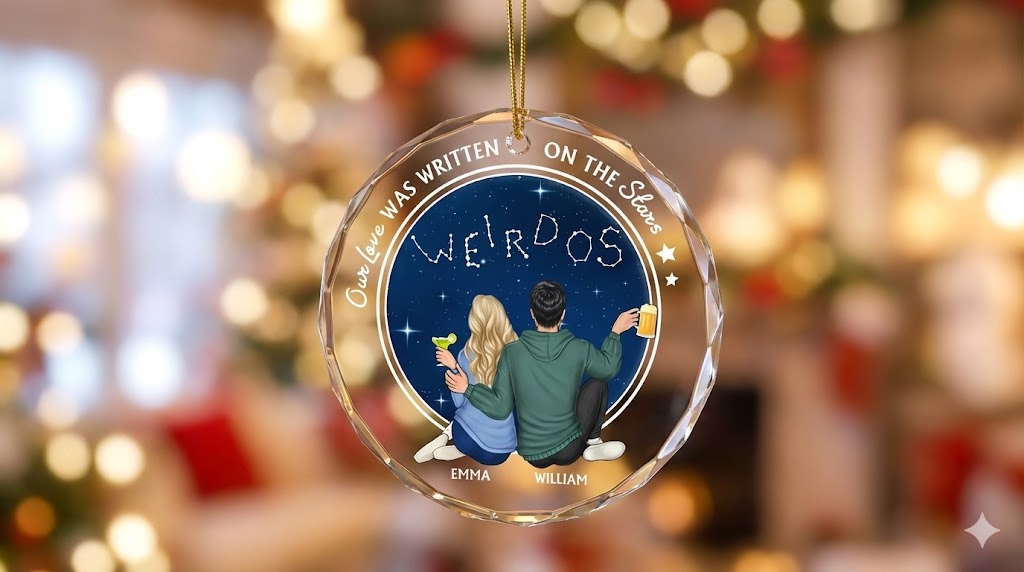
    • Home Décor & Sentimental Gifts: This is when products such as acrylic plaques, photo ornaments (for home or car décor), and love-themed suncatchers gain strong traction.
    • Bedding: Personalized blankets featuring couples or family imagery are high-ticket items that perform exceptionally well during the colder weather in February.

    Success during Valentine’s Day not only generates immediate revenue but also allows sellers to test designs and niches in preparation for upcoming major sales events later in the year.

    The “Self-Gifting” Phase and Home Refresh Trend

    After the holiday season, American consumers shift their focus back to themselves. A significant amount of cash and gift cards received during Christmas is typically spent in January and February. During this period, shopping behavior transitions toward the following trends:

    • Home Refresh: Replacing Christmas décor with evergreen, year-round products such as suncatchers, canvas prints, and artistic posters.
    • Self-Love: Purchasing items that promote self-encouragement, emotional healing, or the celebration of personal milestones. This creates strong opportunities for sellers to expand into hobby-based niches, pet-related products, and mental health focused themes.

    The Domino Effect: Valentine’s Day → Easter → Mother’s Day

    From February to May represents the second “golden period” of the year, characterized by a continuous rotation of niches:

    • After Valentine’s Day comes Easter: Demand shifts toward family-oriented, children’s, and religious niches, with bright pastel color palettes taking center stage.
    • Mother’s Day peak (May): This is the second-largest shopping event of the year, second only to Q4. Emotional products that perform well during Valentine’s Day can be easily scaled and optimized for Mother’s Day campaigns.
    • Graduation Season: A niche focused on schools, professions, and family pride, offering strong opportunities for personalized and commemorative products.

    U.S. Consumer Behavior Trends in 2026 Shaping Niche Formation

    As the market enters 2026, the U.S. Print-on-Demand landscape is being influenced by significant shifts in consumer behavior. Below are the key factors driving niche development:

    Personalization: From an “Option” to a Mandatory Standard

    In the past, personalization was considered an added feature. By 2026, however, it has become the default standard. U.S. consumers are increasingly indifferent to mass-produced designs and instead crave uniqueness and individuality. This behavioral shift is generating strong demand for high-detail, high-precision niche segments, including:

    • Family & Baby: Products featuring birth statistics, family records, or milestone details.
    • Pet Personalization: Beyond generic dog or cat illustrations, customers now expect designs that accurately reflect their own pets’ real photos.
    • Deep Customization: Customizable skin tones, hairstyles, and body types that allow the characters in the design to closely resemble real-life individuals.

    For sellers, this means one thing: the more deeply customers can interact with and personalize a product’s design, the higher the conversion rate (CR) that product is likely to achieve.

    The Rise of the “New Neutrals” Aesthetic & Pantone Cloud Dancer

    In 2026, Pantone has named Cloud Dancer, a soft creamy white, as the color of the year. This choice reflects a broader shift in consumer psychology toward simplicity, healing, and understated luxury often referred to as quiet luxury. This aesthetic transition has a strong impact on both niche selection and design strategy:

    • Home Décor: Consumers increasingly favor décor products such as canvas prints and acrylic plaques in neutral tones that blend seamlessly with modern interiors, rather than overly vibrant or flashy colors.
    • Design Style: Line art and minimalist typography are expected to dominate. Sentimental and memory-driven niches are likely to outperform bold, aggressive designs during the Q1–Q2 period.

    Gen Z and Millennials: The Generations Driving the Gifting Market

    These two demographic groups currently hold the primary purchasing power across social commerce platforms such as TikTok Shop, Instagram, and Etsy. Their consumer behavior is characterized by the following key traits:

    • Emotion-Driven Decisions: They are highly susceptible to impulse purchases when a product resonates emotionally or aligns with trending social narratives.
    • Viral-Friendly Products: They favor small, visually appealing items that are easy to showcase on social media, such as suncatchers, keychains, and acrylic plaques.
    • Expanded Gifting Circles: They purchase gifts not only for romantic partners but also for friends (Galentine’s), coworkers, and pets creating fertile ground for the rapid growth of micro-niches.

    The Rise of the “Memory Gifting” Trend

    In an increasingly fast-paced digital world, American consumers place greater value on tangible, physical products that help preserve meaningful moments. This demand is turning the following product categories into evergreen niches that perform consistently throughout the year:

    • Baby Birth & Milestones: Products that capture newborn moments and early-life milestones.
    • Memorial Gifts: Items created to honor and remember loved ones or pets who have passed away (often associated with the “Rainbow Bridge” theme).
    • Family Moments: Photo-based products that commemorate family gatherings and shared memories.

    Key Niche Segments Expected to Lead the POD Market in 2026

    Based on consumer behavior patterns, trend data, and the early-year event cycle, the following niches are expected to play a leading role in shaping the POD market in 2026:

    Group 1: “Extended Valentine” – Beyond Romantic Couples

    Niche POD 2026

    Valentine’s Day 2026 (February 14) falls on a Saturday, creating strong purchasing momentum. However, sellers should not limit their focus to romantic couples alone. Instead, consider expanding into the following sub-niches:

    • Galentine’s Day (February 13): A niche celebrating female friendships.
      • Key Products: Group shirts, wine glasses, tote bags.
      • Messaging: “Ovaries before Brovaries,” “Girls Trip 2026.”
    • Anti-Valentine: A playful niche for happy singles.
      • Messaging: “Ew, People,” “My Cat Is My Valentine.”
    • Adult Humor: Bold, humorous, and slightly edgy designs (often referred to as Naughty Valentine) targeting long-term couples and married audiences. Personalized underwear and scented candles with humorous labels are currently trending strongly in this segment.

    Group 2: U.S. Politics – The Midterm Election Year

    The United States will hold its midterm elections in 2026. Political momentum is expected to build early in the year, driven by primary election campaigns and increasing public debate.

    • Key Characteristic: This is a high-passion niche. Buyers are highly motivated to express their political views and personal stances.
    • Strategic Directions:
      • Support or opposition toward political ideologies and factions (left wing vs. right wing).
      • Hot-button social issues such as women’s rights, environmental protection, and gun control.
    • Important Note: Sellers must carefully review trademark regulations and advertising policies. However, for organic sales on platforms like Etsy and Amazon, this niche can represent a highly lucrative opportunity when executed correctly.

    Group 3: Hobbies & New Year’s Resolutions

    January and February are when many people begin new hobbies and commit to fresh personal goals.

    • Pickleball: As the fastest-growing sport in the United States, pickleball shows no signs of slowing down. Demand remains strong for personalized training apparel, baseball caps, and custom paddle bags.
    • BookTok (The Book-Loving Community): TikTok has transformed reading into a lifestyle. Products related to “smutty books” and “romantasy” (romance + fantasy) genres are performing exceptionally well.
      • Products: Oversized T-shirts, book tote bags, bookmarks, and insulated tumblers.
    • Gardening & Plant Mom: With spring approaching in March, plant lovers begin shopping for gardening tools and decorative items as early as February.

    Group 4: Professions – An Evergreen Goldmine

    Professional niches are consistently stable and easy to target. In early 2026, sellers should focus on industries with key events occurring during the spring season:

    • Nurses & Healthcare: Nurses Week takes place in May, but hospitals and individuals often begin ordering team shirts and gifts as early as February and March.
    • Teachers: Preparation for the “100 Days of School” celebration (typically held in January or February, depending on the state) creates strong demand. Elementary school teachers frequently purchase themed shirts to celebrate students’ 100th day of learning.
    • Tax Accountants: U.S. tax season runs from January through April. Accountants face high workloads during this period and often enjoy humorous, profession-themed gifts as stress relievers (e.g., mugs printed with “Be nice to me, I do your taxes”).

    Group 5: Black History Month (February)

    February is recognized as Black History Month in the United States.

    • Niche: The African American community.
    • Design Direction: Designs that celebrate culture, feature quotes from influential Black leaders, embrace Afro-centric aesthetics, and themes such as “Melanin Poppin.”
    • Important Note: This niche requires a high level of cultural respect and deep understanding. Sellers should approach it with care and cultural sensitivity.

    Market Signals Sellers Should Watch to “Spot” Emerging Niches

    How can you identify which niches are about to rise in 2026? Don’t guess follow the data.

    TikTok Creative Center & Hashtag Challenges

    Monitor the “Trends” section in TikTok Creative Center. If you notice an emerging hashtag (e.g., #CoquetteAesthetic, #MobWifeAesthetic) starting to gain rapid view growth, immediately research its visual style and apply those aesthetics to apparel or drinkware designs.

    Pinterest Predicts 2026

    Pinterest releases its annual trend forecast report toward the end of each year. This report is often considered a “design bible” for creatives. If Pinterest predicts that a trend such as “Jellyfish Décor” will take off, trust the signal and immediately start developing ocean- or jellyfish-inspired designs.

    Movies and Pop Culture

    Which blockbuster movies or Netflix series will be released in 2026? (e.g., Marvel films, Disney productions, or game-adapted series.) While sellers cannot create products that directly infringe on trademarks, they can still develop “inspired-by” designs or quotes that align with the broader themes and aesthetics of those releases.

    Tracking Competitors via the Ad Library

    Go to the Facebook Ad Library, enter broad keywords such as “T-shirt” or “Gift for her,” and filter results by date (e.g., the last 7 days). Identify creatives that are actively running ads and have multiple variations these are strong indicators of current market demand.

    As the market enters 2026, the U.S. Print-on-Demand industry continues to be driven by personalization, emotional value, and shifting early-year gifting occasions. From Valentine’s Day and Easter to Mother’s Day, consumers are no longer searching solely for visually appealing products they are looking for designs that express affection, preserve memories, and reflect personal identity. For this reason, niches centered around couples, family, pets, home décor, and name personalization are expected to play a dominant role throughout the early 2026 cycle.

    For POD sellers, closely monitoring market signals, keeping pace with evolving aesthetic trends, and selecting the right products at the right time will create a clear competitive advantage. While Q4 may come to an end, opportunities never truly stop. The year 2026 opens a new and promising journey for sellers who prepare early, optimize their product portfolios, and position themselves ahead of the market before demand fully takes off.