Tag: POD sellers

  • Real-Time Tracking: The Key to Building Customer Trust

    Real-Time Tracking: The Key to Building Customer Trust

    In the POD world where competition happens every second, real-time tracking is no longer an optional add-on it is the “heartbeat” of the entire fulfillment journey. According to Shopify, more than 82% of U.S. shoppers say they only feel secure when they can track their order status step by step without having to rely on manual emails or messages.

    As e-commerce accelerates and expectations for fast delivery continue to rise, real-time tracking in 2025–2026 is becoming the new gold standard that every POD seller must keep up with to retain customers and achieve sustainable growth.

    In this article, we will break down why real-time tracking is the foundation of customer trust, how modern tracking systems work, the practical benefits for POD sellers, and the serious consequences of delayed tracking.

    Real-Time Tracking

    What Is Real-Time Tracking? How the System Works

    Many new sellers often confuse a “tracking number” with a real-time tracking system.

    Precise Definition

    A tracking number is merely a sequence of characters. In contrast, real-time tracking is a fully integrated technological process in which data about a package’s location and status is continuously, automatically, and instantly updated from the fulfillment warehouse and the carrier all the way to the seller’s management system and displayed directly to the end buyer.

    This type of tracking eliminates information lag entirely. Instead of waiting 2–3 days for a status update, customers can see changes in real time down to the hour or even the minute.

    Essential Stages in Modern POD Tracking & How the System Works

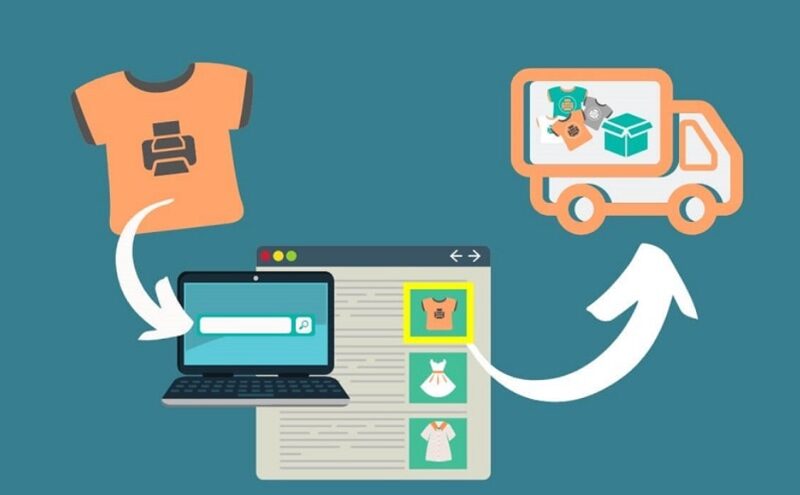
    To win customer trust in the highly competitive Print-on-Demand (POD) market, transparency in the order journey is crucial. A proper POD tracking system doesn’t just notify buyers when the package has shipped it must clearly display the entire product lifecycle through these eight key stages:

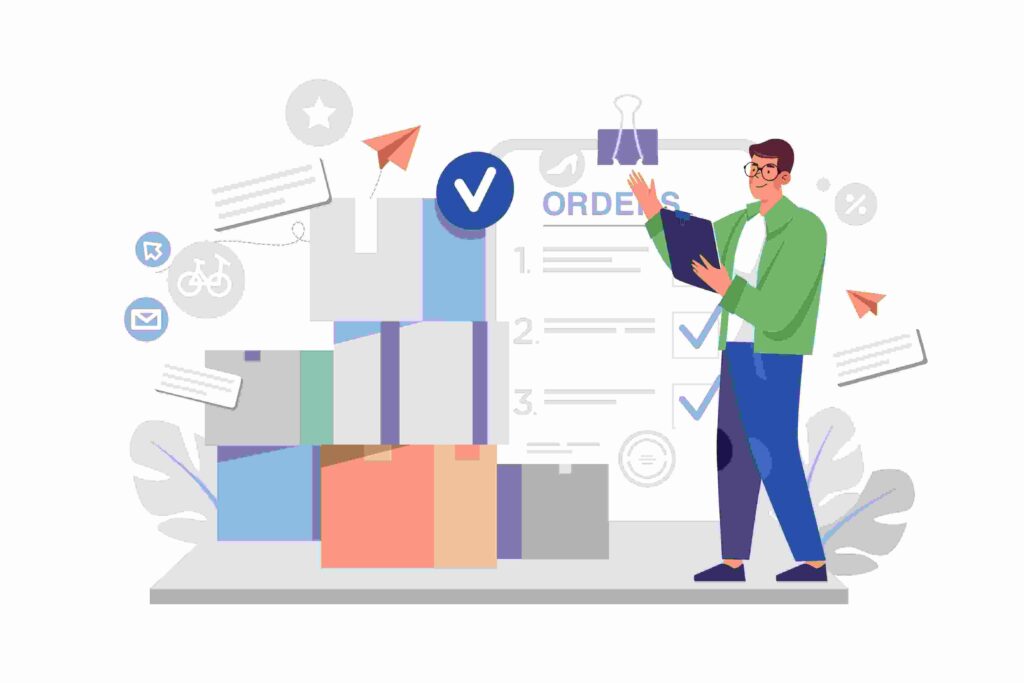
    • Order Received: The fulfillment system has imported the order data from the store.
    • Production Started: The order has entered the printing/production line.
    • Production Completed: Production is finished and the product is moved to QC (Quality Control).
    • Packed & Ready to Ship: Packaging is completed and the shipping label is applied.
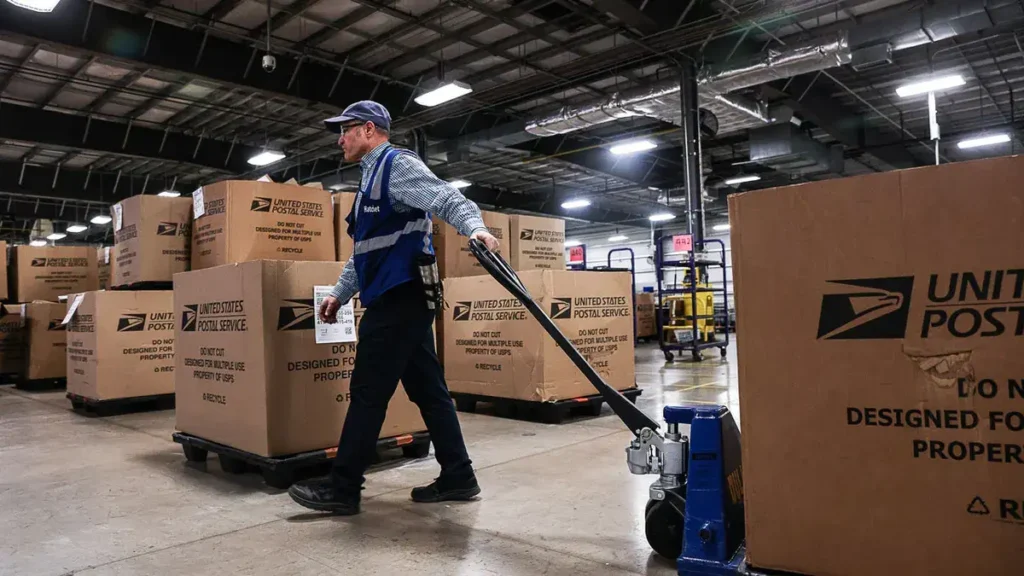
    • Picked Up by Carrier: The carrier (USPS, UPS, FedEx, etc.) has collected the package from the warehouse.
    • In Transit: The package is moving through transit hubs.
    • Out for Delivery: The driver is on the way to deliver the package to the recipient.
    • Delivered: The package has been successfully delivered (with Proof of Delivery).

    With just a single tracking link, customers can follow every movement of their order- eliminating anxiety and the uncertainty of waiting.

    How Does a Real-Time Tracking System Work?

    The power of real-time tracking lies in its ability to maintain deep data synchronization (Deep Sync). This is the seamless integration of three technological pillars:

    • Internal Production System: Updates the status of printing, packaging, and QC.
    • Carrier API: Directly connects to the servers of USPS, DHL, FedEx, and other carriers.
    • Sales Platforms: Syncs information back to Shopify, Etsy, TikTok Shop, and more.

    The moment a status changes, the system triggers an automated workflow: sends Email/SMS notifications to the customer, alerts the seller, and updates the real-time “Track My Order” page instantly.

    This is precisely why POD sellers must work with a fulfillment partner equipped with a strong technological foundation. If tracking is only updated at the “Hand-off to Carrier” stage, you leave customers waiting in an information “blackout zone” for 3–5 production days causing anxiety, loss of trust, and unnecessary order cancellations.

    Why Is Real-Time Tracking a Key Factor in Building Customer Trust?

    Real-Time Tracking

    POD customers are very different from regular online shoppers: they cannot see the product in advance or feel the material, so their entire buying experience relies on the seller’s transparency.

    Real-time tracking becomes a trust-building weapon for the following reasons:

    Reducing Customer Anxiety

    Right after making a purchase, the questions that constantly run through a customer’s mind are: “Where is my order?” and “Is this shop actually going to ship my item?” This uncertainty intensifies even more for time-sensitive gift orders (Christmas, Valentine’s Day, Mother’s Day, etc.).

    Without clear tracking information, customers easily fall into anxiety – which often leads to spamming support emails or, worse, canceling the order. Real-time tracking acts like a “calming antidote”, updating every small step (from In Production to In Transit). It reassures buyers that their order is being handled professionally, turning stressful waiting into positive anticipation.

    With just one reliable tracking link, the store’s credibility increases instantly in the eyes of the customer.

    Enhancing Transparency

    Market data from the U.S. shows a clear reality: 78% of customers trust brands that are transparent about their shipping process, and 69% are willing to abandon their cart if delivery information is unclear.

    A real-time tracking system demonstrates that your shop operates with clarity and accountability. Customers greatly appreciate receiving proactive updates rather than having to ask for them.

    Especially during major sale seasons (Q4), when order volume can surge 5–10x, this level of transparency becomes a crucial factor in retaining customers.

    Boosting 5-Star Reviews & Strengthening Store Credibility

    Do you know one of the most common reasons U.S. customers leave a 5-star review? It’s “Fast shipping” and “Great tracking updates.”

    No matter how beautiful your product is, if tracking is delayed or nonexistent, you’re almost guaranteed to receive a 1-star review. On the other hand, a smooth, transparent tracking experience encourages customers to leave positive feedback and improves your store’s Trust Score on major platforms.

    Reducing Disputes & Refund Requests

    Most disputes or chargebacks on PayPal/Stripe originate from one reason: “Item not received.”

    Real-time tracking provides solid evidence to protect sellers. Detailed information such as transit timelines, carrier scan points, and delivery confirmation helps sellers easily win unreasonable claims.

    This not only reduces your refund rate but also protects your account health on platforms like Etsy, Amazon, and TikTok Shop.

    Practical Benefits for POD Sellers

    Real-time tracking doesn’t just give customers peace of mind it also delivers clear financial advantages for POD sellers.

    Reducing Refund & Exchange Rates

    A paradox in POD is that most refund requests don’t come from poor product quality they come from lack of information. Reasons like “I don’t know where my order is” or “I think the shop is a scam and never shipped my item” are often the main factors that quietly destroy revenue.

    When a real-time tracking system updates every hour, customers always know the status of their order. This eliminates uncertainty, helps them stay patient, and prevents impulsive cancellations or dispute filings.

    In fact, stores with transparent tracking systems often reduce their refund rate by 25–40%, keeping the seller’s cash flow protected and stable.

    Increasing Conversion Rates When Running Ads

    In POD, Trust = Conversion. When customers click on an ad and land on the product page, they don’t just look at the design they look for trust signals.

    If your store clearly displays its shipping policy, includes a real-time tracking commitment, and provides specific delivery timelines (especially U.S. fulfillment lines with 2–5 day shipping), psychological barriers are removed. Customers feel more confident to make a purchase.

    Sellers who optimize their tracking experience are able to maintain a stable ROAS (Return on Ad Spend), making it much easier to scale their advertising budget.

    Relieving the Burden of Customer Support

    Every seller’s nightmare during Q4 is an inbox flooded with the same questions: “Where is my order?”, “When will it ship?”. On average, for every 100 orders, you may receive 20–40 shipping-related emails commonly known as WISMO tickets (“Where Is My Order?”).

    Real-time tracking is the most effective automation solution. When customers can check their order journey on their own, customer support messages can drop by 60–70%. This saves you money on hiring virtual assistants, reduces operational stress, and frees up your time to focus on product optimization and sales strategy instead of answering complaint emails all day.

    A Solid Foundation for Scaling Orders in Q4

    Q4 is a “gold rush” season but it’s also the season where sellers break down the most. When order volume spikes suddenly, if your tracking system isn’t running smoothly, you’ll face a chain reaction of disasters: mass customer reports, PayPal holds, and even Facebook ad account bans.

    A stable tracking system acts as the backbone of your business. The more orders you have, the clearer and more reliable your processes must be. Only when the flow of tracking information remains seamless can sellers confidently scale campaigns and explode revenue without worrying about the operational system collapsing behind the scenes.

    Serious Consequences of Delayed Tracking

    Delayed tracking is not just an inconvenience it is a set of risks that POD sellers must avoid at all costs.

    Losing Customer Trust & a Surge of 1-Star Reviews

    Customers in the U.S. and Europe are extremely sensitive to transparency. Nothing scares them more than seeing their order stuck at “Label Created” for 2–4 days with no movement. This silence immediately triggers the worst-case scenario in their minds: “This shop is a scam.”

    The inevitable result? A wave of 1-star reviews on your Facebook page or Trustpilot. Statistics show that a store receiving just 3–5 negative shipping reviews can experience a 40–60% drop in revenue the following month due to new customers losing confidence.

    Sharp Increase in Refunds & a “Red Alert” for Payment Gateways

    When tracking doesn’t update, customers will assume the shop never shipped the order. Their next move is to open a Dispute on PayPal or request a Chargeback from their bank. This immediately pushes the seller’s account into a High-Risk status.

    Payment gateways will then impose strict penalties:

    • 90-day fund holds (Rolling Reserve)
    • Reduced payout limits
    • Or, in the worst case, permanent account termination

    Delayed tracking causes double losses: you lose the product cost and risk losing your entire payment account.

    ROAS “Bottoming Out” When Running Ads

    You can’t scale your ads if your fulfillment foundation is unstable. When potential customers see complaints about shipping in the comments, they won’t even consider clicking “Add to Cart.”

    As a result, your advertising metrics will visibly deteriorate:

    • Higher CPC
    • Lower CTR
    • Falling conversion rates

    Your ROAS (Return on Ad Spend) will drop sharply, turning your marketing campaign into a money-burning machine with no real return.

    Being “Suppressed” by E-Commerce Marketplaces

    Marketplace platforms like Etsy, TikTok Shop, and Amazon use algorithms that evaluate shop performance based on the Shipping Score. If your tracking updates slowly, your shop’s credibility ranking will drop.

    This means:

    • Reduced product visibility (reach)
    • Loss of recommendation placements
    • Difficulty ranking in top search results

    You may end up losing thousands of potential holiday sales simply because of poor operational metrics.

    Losing Loyal Customers Completely (CLV = 0)

    Sustainable profit in POD comes from Customer Lifetime Value (CLV) the long-term value of a returning customer. A satisfied customer can come back 2–6 times a year (Birthdays, Christmas, Mother’s Day, etc.).

    However, if their very first purchasing experience is filled with uncertainty, long waiting times, and little transparency, they will never return, no matter how good your product is.

    Slow tracking is the number one enemy that destroys your chance of building a long-term brand.

    In an era where speed and transparency define the customer experience, real-time tracking is no longer just a feature for following an order it is a core element that builds trust, reduces disputes, and increases repeat purchase rates for every POD seller. When customers feel professionalism from the very first status update, they are far more likely to leave 5-star reviews, recommend your store to others, and return for future purchases.

    This is why all successful POD brands prioritize an operational system built on tracking that is fast, accurate, and fully automated.

    If you are looking for a U.S.-based fulfillment partner with real-time tracking, stable processing speed, and an extremely low error rate, FlashShip is the reliable choice to help you scale with confidence. Contact us at (+84) 943 024 337 or visit FlashShip.net for personalized consultation and the most optimized fulfillment workflow for your business model.

  • USPS Holiday Surcharge – What Should c Sellers Be Aware Of?

    USPS Holiday Surcharge – What Should c Sellers Be Aware Of?

    In the Print on Demand (POD) business, understanding the structure of shipping costs is a key factor in maintaining stable profit margins especially during the year-end sales season. When USPS applies its Holiday Surcharge, many sellers risk “profit leakage” if they fail to adjust their pricing and fulfillment plans in time. So, what exactly is the holiday surcharge, why does USPS implement it, and what should POD sellers do to avoid losses during this peak period? This article will help you understand the reasons behind the surcharge, its effective period, and practical strategies to optimize your costs effectively.

    USPS

    What Is the Holiday Surcharge and Why Does USPS Apply It?

    If you’re a POD seller who has experienced the Q4 sales season (from Halloween to Christmas), you probably know the “bittersweet” feeling: orders skyrocket, but so do shipping costs. Among those costs, the Holiday Surcharge is often the hidden factor that silently eats away at many sellers’ profit margins.

    What Is the Holiday Surcharge?

    The Holiday Surcharge (also known as the Peak Season Surcharge) is a temporary fee that shipping carriers such as USPS, FedEx, and UPS add to their standard shipping rates during the busiest months of the year typically in Q4.

    This is not a hidden fee; it’s publicly announced and applies to everyone from major e-commerce corporations like Amazon, to fulfillment partners like FlashShip, and ultimately, to you as the seller.

    Think of it as a kind of “entry ticket” to the peak season. When shipping demand surges, the operational cost of maintaining the logistics network also rises, and this surcharge is implemented to help carriers offset those additional expenses.

    Why Does USPS Apply the Holiday Surcharge?

    USPS Holiday Surcharge

    Many sellers mistakenly believe that this is simply a way for shipping carriers to “make extra money.” In reality, the explanation is far more complex and reasonable.

    The USPS logistics network is designed to handle an average daily shipping volume. When the holiday season arrives, that volume can easily double, triple, or even more.

    Imagine a restaurant that normally serves 500 customers a day suddenly having 1,500 walk in at once. To keep things running, the restaurant would have to:

    • Hire seasonal workers: USPS must recruit tens of thousands of temporary employees to sort, process, and deliver packages.
    • Increase transportation capacity: They need to lease additional trucks, airplanes, and expand sorting facilities.
    • Pay overtime wages: Existing staff have to work longer hours, including weekends and holidays, at higher pay rates.
    • Cover rising fuel costs: More trucks and more delivery routes mean significantly higher fuel consumption.

    The Holiday Surcharge exists to cover these skyrocketing operational expenses. Without it, the USPS system would collapse under the pressure your packages would be stuck in warehouses for weeks, and shipping delays would become far worse.

    Duration and Rate of the 2025 Holiday Surcharge

    Each year, the United States Postal Service (USPS) announces its plan to implement the Holiday Surcharge during the year-end shopping peak the period when e-commerce orders surge to their highest levels.

    For 2025, the USPS Holiday Surcharge will officially take effect on Sunday, October 5, 2025, and remain in place throughout the peak season, ending on January 18, 2026 (US Time).

    The application of this surcharge comes as no surprise, as this is when the U.S. logistics system operates at full capacity. USPS must recruit additional staff, expand delivery routes, and strengthen parcel-handling infrastructure to accommodate shipment volumes many times higher than normal. The surcharge helps offset these operational costs and stabilize the strain on the supply chain.

    For POD sellers, understanding the surcharge period and its pricing mechanism is essential to maintaining a healthy profit margin during the Q4 sales season. Typically, USPS categorizes surcharges based on shipping service (Ground, Priority, Express), package size and weight, and delivery zone. Shipments traveling long distances or weighing more tend to incur higher surcharges than lighter, in-state, or short-haul packages.

    Importantly, the Holiday Surcharge is not a fixed rate USPS updates its rate chart each year based on transportation conditions and market costs. Therefore, sellers should monitor USPS’s official announcements as early as Q3 2025 to stay informed and adjust product pricing, fulfillment schedules, and marketing campaigns accordingly.

    How Does the Holiday Surcharge Affect POD Sellers?

    USPS Holiday

    The Holiday Surcharge isn’t just a few extra cents for POD sellers, it’s a “hidden cost” that can completely disrupt your Q4 financial plan.

    Increased Shipping Costs

    This is the most obvious and painful impact. In the POD model, shipping costs are a fixed part of your Cost of Goods Sold (COGS).

    Typically, a POD apparel order in the U.S. has a base shipping cost ranging from $4.50 to $7.50, depending on the fulfillment partner and the shipping service used. Once the Holiday Surcharge takes effect, that same order can instantly rise to $6–$8.20, even with identical product weight and service level.

    If a seller keeps the same retail price without making adjustments, that entire increase is directly deducted from their profit margin. In such a competitive market, this surcharge alone can reduce your profit by 10–15%. The situation becomes even worse if you’re also running ads, as CPC/CPM costs surge sharply during Q4.

    Let’s do a quick calculation:  A store that sells 500 orders per week with an average net profit of $3 per order will lose $250 per week if shipping costs rise by just $0.50 per order. That’s roughly $1,000 per month a significant amount of profit that “vanishes” simply because of a surcharge you might have overlooked.

    Delivery Delays

    The Holiday Surcharge exists because the USPS system becomes overloaded and when that happens, not only do costs rise, but delivery times inevitably slow down. During the holiday season, it’s completely normal for packages to be delayed by 1–3 days beyond the estimated delivery date.

    However, U.S. customers during the holidays are extremely time-sensitive. They’re ordering gifts for Christmas or Thanksgiving, and a delayed package often means a gift that doesn’t arrive on time. This immediately leads to:

    • A flood of “Where is my order?” (WISMO) messages.
    • Impatient customers leaving 1-star reviews and negative feedback.
    • A spike in refund requests and disputes.

    For POD sellers on highly competitive platforms like Etsy, Amazon, or TikTok Shop US, shipping delays can directly impact key store metrics. You could lose credibility scores, badges (like Etsy’s Star Seller), or even face reduced product visibility all of which can choke your revenue flow.

    Increased Return and Reprint Costs

    The holiday season also means more gift purchases, which naturally drives up return rates (often due to incorrect sizing). Combine that with delayed deliveries, and your risks multiply.

    If an order arrives after Christmas, the customer may no longer want it and request a return. If the package is lost or damaged during the rush, you bear the cost. In the POD model, this doesn’t just mean losing the shipping fee you’ll also absorb a second fulfillment cost, including both reprinting and reshipping the product.

    The loss per failed order in these cases can be substantial, especially when multiplied across dozens or hundreds of delayed shipments.

    Disrupted Pricing and Advertising Strategies

    This is the most silent yet the most dangerous  trap. Many sellers focus heavily on running ads, see sales spike, and celebrate a “sales storm.” However, they often forget to recalculate their COGS (which now includes the holiday surcharge) when evaluating their campaign profitability.

    As a result, many only realize they’ve been losing money after the sales season is over, when all expenses are tallied up. They’ve spent thousands of dollars on advertising to drive orders that actually carried negative profit margins.

    High revenue but zero or even negative net profit is a common nightmare for sellers who fail to account for the Holiday Surcharge in advance.

    What Should POD Sellers Do to Avoid “Losing Profit” During the Holiday Season?

    Shipping

    Knowing the risks is one thing but taking action to protect your profit is another. So how can you navigate this challenging period of holiday surcharges while still maintaining healthy Q4 margins?

    The answer lies in proactive preparation and a smart, data-driven strategy.

    Below are four practical and urgent strategies that every POD seller should start implementing right now.

    Recalculate Your Product Pricing Structure

    The first and most crucial strategy: never absorb the loss. Many sellers make the mistake of thinking they can “swallow” a few extra cents in shipping costs to stay competitive. But when multiplied by thousands of orders, those “few cents” can quickly turn into thousands of dollars in lost profit.

    You must accept that the Holiday Surcharge is a temporary part of your Cost of Goods Sold (COGS) and pass it on to your final retail price.

    Don’t wait until Black Friday to act. Update your shipping rate tables at least one to two months before the peak season begins. This gives you enough time to test and ensure that all your shipping profiles on Etsy, Shopify, or Amazon are accurate and up to date.

    The best approach is to slightly increase your retail prices. A 5–10% adjustment is usually acceptable to customers during the holiday season or you can simply add the estimated surcharge directly into your product price. For instance, instead of keeping your price at $24.95, adjust it to $25.95 or $26.45. It’s a small difference for the buyer, but it allows you to maintain a stable profit margin across all orders.

    To preserve customer trust, transparency is key. Clearly include a short note such as “Holiday Shipping Update” or “Seasonal Rates Apply” on your product page or store announcement section. Most customers will understand that this is a normal and temporary adjustment during the high-demand holiday period.

    Prioritize U.S. Domestic Fulfillment

    Finally, this may be the most effective and safest strategy, especially for Vietnamese sellers targeting the U.S. market: prioritize domestic U.S. fulfillment.

    When your products are fulfilled from a facility located within the United States, you immediately eliminate many operational risks. You’re no longer subject to import duties or the high cost of cross-border shipping. Instead, you benefit from much lower domestic shipping rates and far less exposure to international logistics disruptions.

    Most importantly, you significantly shorten delivery times. Instead of customers waiting 2–3 weeks, your orders can be delivered in just 2–5 days. This speed is a crucial factor in retaining customers and earning 5-star reviews during the holiday season.

    FlashShip is a U.S.-based fulfillment partner specifically designed to help Vietnamese sellers overcome these challenges. With an optimized production process that can complete orders in as little as one business day, and domestic U.S. shipping within 2–5 days, FlashShip helps you maintain both profit and reputation, even as USPS increases its surcharges turning Q4 into a truly profitable season.

    Understanding and proactively responding to the USPS Holiday Surcharge allows POD sellers not only to preserve profit margins but also to ensure operational stability throughout the busiest sales season of the year.

    Don’t let hidden fees eat into your earnings — prepare early, optimize your costs, and partner with a reliable U.S. fulfillment provider.

    Contact: (+84) 943 024 337

    Visit: FlashShip.net for detailed consultation and product pricing.

  • 5 Criteria to Evaluate a High-Quality Fulfillment Service

    5 Criteria to Evaluate a High-Quality Fulfillment Service

    In the Print on Demand (POD) business, fulfillment is the key factor that determines customer experience and brand credibility. In fact, many sellers lose hundreds of orders simply because they chose the wrong production partner. If you’re looking for a “benchmark” to evaluate a fulfillment provider, this article will outline five essential criteria to help you identify which service is truly reliable and which one can become the foundation for stable operations and sustainable POD growth.

    5 Criteria

    Why Choosing a High-Quality Fulfillment Service Matters

    Many new sellers especially those just starting out tend to choose a fulfillment service based on a single criterion: low cost. “As long as it prints and ships, and I make a profit.” That mindset, however, can destroy your business before it even takes off.

    Here are the direct impacts that fulfillment quality has on POD sellers:

    It Defines the Customer Experience

    In the POD model, you never actually “touch” your products your fulfillment partner does. They are the last ones to handle your item before it reaches the customer.

    • Product quality: A faded print, misaligned design, wrong color, or a shirt with stains can instantly destroy customer trust.
    • Unboxing experience: A carelessly packed or damaged parcel versus a neat, well-branded package creates two completely different impressions.
    • Speed: In the age of the “Amazon effect,” customers expect fast delivery. Any delay in production or shipping leads to impatience and the inevitable question: “Where’s my order?”

    Remember: customers neither know nor care about your fulfillment partner. When problems arise, they’ll hold your brand accountable not your supplier.

    Direct Impact on Your Profit

    What seems “cheap” at first can end up being extremely costly.

    • Error-handling costs: A single wrong order (wrong size, wrong design) doesn’t just mean reproducing that product. It also means paying for a second round of shipping and more importantly, the “cost” of a disappointed customer who leaves a bad review and never comes back.
    • Support costs: A fulfillment partner that lacks transparency, has system issues, or delivers late will generate countless support tickets. The time you should be spending on marketing or creating new designs ends up being wasted chasing tracking numbers and calming frustrated buyers. And in business, time is money.

    A Key Factor in Your Ability to Scale

    Fulfillment Service

    Imagine one of your designs suddenly goes viral 1,000 orders in a single day. That’s every POD seller’s dream. But if your fulfillment partner can’t handle that sudden surge, the dream quickly turns into a nightmare.

    A high-quality fulfillment service is built to scale. It has the equipment, workforce, and automation processes to handle from 10 orders a day to 10,000 orders a day, especially during peak seasons like Q4. If your partner “breaks down” the moment you succeed, they’re not supporting your growth they’re holding you back.

    5 Criteria to Evaluate a High-Quality Fulfillment Service

    So, what are the most accurate benchmarks to measure and evaluate a fulfillment partner? Below are five core criteria, analyzed in depth and tailored specifically for POD sellers.

    Production and Shipping Speed

    Production and Shipping Speed

    In the POD business, “speed” has two components: production time and shipping time. Many sellers focus only on delivery speed while overlooking the production stage, a critical mistake that can cost both sales and customer trust.

    Production Time

    This refers to the period between when an order is sent to the fulfillment provider and when the product is printed, quality-checked, packaged, and ready for shipping.

      • Why it matters: A fulfillment partner may promise “domestic shipping in 2–3 days,” but if they spend 7–10 days just producing the item, your customer ends up waiting 9–13 days in total. In today’s fast-paced eCommerce environment, that’s simply unacceptable.
      • What’s considered good?  For common POD products like T-shirts or ceramic mugs, a high-quality fulfillment service should have an average production time of 2–5 business days. During peak seasons, this timeline may extend slightly, but a professional partner will always communicate transparently about such delays.
    • Questions to ask your provider:
      • What is the average production time for product [X]?
      • How does this timeline change during peak seasons (Q4)?
      • Do you have an automated notification system if production is delayed?

    Shipping Time

    Shipping time is the actual period a package takes to move from the fulfillment center to the customer’s doorstep.

    • Warehouse location: This is a key factor. If your primary market is in the U.S. but your fulfillment partner only prints in Europe or China, your customers might wait weeks or even months to receive their orders, not to mention customs and import tax risks. A reliable fulfillment service will have multiple hubs in major markets (e.g., the U.S., EU, Australia, Canada) to ensure the fastest possible local shipping.
    • Variety of shipping options: Does the partner offer multiple shipping tiers (Standard, Expedited, Overnight)? Modern customers value control many are willing to pay extra for faster delivery, especially for special occasions or gift orders.
    • Tracking transparency: Does the partner provide tracking numbers immediately after shipment? Are these tracking details automatically synced back to your store (Shopify, Etsy, etc.) and sent to your customers? Transparency builds trust and reduces support workload.

    Red Flags to Watch For:

    • Vague production timelines such as “5–10 days” without a clear commitment.
    • Only one production site in a single country while you’re targeting a global audience.
    • Suspiciously cheap international shipping options (often “economy” services without tracking and with 30–60 day delivery times).

    Accuracy and Product Quality

    This is the most overlooked criterion when sellers focus solely on the dashboard, yet it directly impacts customer reviews. No matter how fast an order is delivered, if it’s incorrect or defective, it’s still a failure.

    Quality Control

    Print quality is the soul of every POD product.

    • Print quality: Are the ink details sharp and clean? Do the colors accurately match the design file or mockup? (Note: There will always be slight differences between RGB (on-screen) and CMYK (DTG/DTF on fabric), but blurry prints, pixelation, or severe color mismatches are unacceptable.)
    • Blank product quality: What type of blanks are used? Are they premium brands like Gildan or Bella+Canvas, or low-quality noname shirts with thin, uneven fabric? For mugs and ceramics, are there any cracks, chips, or defects?
    • QC process: What quality control steps are implemented? Do they inspect each item after printing and before packing? Some modern fulfillment providers use barcode scanning and even AI-powered systems to verify print accuracy and placement before shipment.

    Order Accuracy

    What could possibly go wrong? A lot.

    • Wrong design: The customer orders design A but receives design B.
    • Wrong SKU: The customer orders a black T-shirt in size L but receives a white one in size M.
    • Missing or extra items: The customer orders two shirts but only receives one.
    • Wrong address: An order meant for Customer A gets shipped to Customer B.

    These errors can create customer service disasters. A high-quality fulfillment service must maintain an exceptionally high order accuracy rate, ideally above 99.5%.

    How to verify

    Always place sample orders, it’s non-negotiable. Before selling any product, order samples for yourself in multiple variants: different products, colors, and sizes.

    What you’ll learn: Actual print quality, fabric quality, production time, delivery time, and packaging experience. Never sell something you haven’t personally held and inspected.

    Red Flags to Watch For:

    • The provider discourages or makes it difficult to place sample orders.
    • Sample order prices are unreasonably high (even though some providers offer discounts for samples).
    • Reviews in POD seller communities consistently complain about poor print quality and frequent order mistakes.

    Technology Platform and Integration Capability

    The essence of POD lies in automation. You don’t want to spend time manually copy-pasting customer information from your store into your fulfillment provider’s system this is where technology makes all the difference.

    Seamless Integration

    Your fulfillment service must be able to “communicate” directly with your sales platform.

    • Popular platforms: Does the provider offer a direct and easy API integration with your store? Is the setup process simple and user-friendly?
    • Order flow automation: When a customer places an order on your store, is it automatically and fully pushed to the fulfillment system, or do you have to handle it manually?
    • Reverse synchronization: Once an order is produced and shipped, does the tracking number and “Fulfilled” status automatically sync back to your store? This is essential for your automated shipping confirmation emails to function properly and keep customers updated in real time.

    User Interface

    What’s your experience like when you log into your fulfillment provider’s dashboard?

    • Ease of use: Is the interface intuitive and user-friendly? Can you easily create new products, check order statuses, or review financial reports? A cluttered or slow platform can waste hours of your time each week just managing routine tasks.
    • Product management: Is it simple to create and push products (with mockups and details) to your store? Does their mockup generator produce realistic, high-quality previews?
    • Order management: Can you clearly see which orders are in production, shipped, or flagged for issues? Are you able to intervene such as editing an address or canceling an order before it enters production?

    What to Look For

    • Do they offer a public API? This is crucial if you need deeper customization or want to integrate with less common systems.
    • Is their platform stable and reliable, or does it frequently experience downtime during peak seasons?

    Red Flags

    • They require you to submit orders manually via email or CSV files (except for special or bulk cases).
    • The dashboard interface looks outdated, as if it hasn’t been updated since the early 2000s.
    • API integrations frequently fail or do not properly sync order statuses.

    Customer Support and Transparency

    Customer Support

    When everything runs smoothly, you might not think much about customer support. But when a $500 order goes missing or your VIP customer receives the wrong product, you’ll quickly realize the true value of a responsive and reliable support team.

    Remember this: you support your customers, and your fulfillment partner supports you.

    Speed and Quality of Support

    • Support channels: What types of support channels do they offer? Only email, or do they also provide live chat, a hotline, or even a dedicated Account Manager for high-volume sellers?
    • Response time: When you submit a ticket, how long does it take to receive a real answer (not just an automated response)? 24 hours? 48 hours? Or just 5 minutes via live chat? When a customer is frustrated, 48 hours can feel like forever.
    • Problem-solving ability: Do they actually resolve issues, or do they simply give generic responses and blame the shipping carrier?  A high-quality fulfillment partner takes ownership and provides clear, actionable solutions not excuses.

    Clear Policies

    Ambiguity is the enemy of business. A trustworthy fulfillment partner will make all of their policies transparent and easy to understand.

    • Refund/Reprint Policy: This is the most important one. If the error is on their side (wrong print, incorrect item, defective product), how do they handle it? Will they reprint and resend the item free of charge, or issue a refund? What is the claims process, and what evidence (such as photos) do you need to submit?
    • Lost-in-Transit Policy:  If an order gets lost in transit, who takes responsibility? After how many days is an order officially considered lost and eligible for a reprint or refund? A reliable fulfillment service will define these terms clearly, so sellers know exactly what to expect in every situation.

    Operational Transparency

    A great fulfillment partner will proactively inform you about any issues that could affect your business.

    • For example: “Notice: Gildan Black T-shirt, size L, is currently out of stock. Restock expected in 3 days. Orders containing this SKU may experience delays.”
    • This level of transparency allows you to take action in advance  such as temporarily hiding that product on your store or notifying customers ahead of time  instead of leaving them waiting without answers.

    Red Flags:

    • No refund or reprint policy available on their website.
    • Only a single contact form with no information about response times.
    • When issues arise, the support team constantly blames third parties (shipping carriers, blank suppliers) instead of providing solutions.

    Cost and Scalability

    Cost and Scalability

    Last but not least-cost. However, “cost” isn’t just the number you see on a pricing sheet.

    Cost Structure

    The price of a POD product typically includes three main components:

    • Base Cost: The cost of the blank item (T-shirt, mug, hat, etc.) before printing.
    • Print Cost: The cost of applying your design (some providers combine this with the base cost).
    • Shipping Cost: The cost of delivering the product to your customer.

    Your total cost = Base Cost + Print Cost + Shipping Cost. Your profit = Retail Price – Total Cost.

    Transparency: Is the pricing structure easy to understand? How is shipping cost calculated – by weight, flat rate, or by region?

    No Hidden Fees: Be cautious of “hidden” charges such as:

    • Subscription fees: Monthly platform or account maintenance fees.
    • Receiving fees: Common in warehousing services, but not typical for POD.
    • Digitization fees: Often applied to embroidery products.
    • Extra print charges: For second-side printing, sleeve prints, or specialty placements.

    A high-quality fulfillment service will always be 100% transparent about all these costs from the very beginning.

    Scalability

    Can your fulfillment partner grow with you?

    • High-volume order handling: As mentioned earlier, can they process 1,000 orders per day during Q4 peak season? Do they have a history of system meltdowns or production bottlenecks during high-demand periods?
    • Product catalog: Do they offer a wide range of products? Today you might sell T-shirts, but tomorrow you may want to expand to hoodies, blankets, phone cases, or canvas prints. If your fulfillment partner only provides T-shirts, you’ll eventually need to find another supplier  making your operations more complex.
    • Volume-based discounts: Do they offer tiered pricing or discounts (on base or print costs) once you reach a certain order volume or revenue milestone? A good fulfillment partner rewards your success – because when you grow, they grow too.
    • Global expansion: If you plan to expand to the EU market, do they have production facilities there? Otherwise, you’ll have to deal with expensive international shipping and long delivery times, which could hurt your competitiveness.

    Red Flags

    • The pricing table is overly complicated and filled with extra surcharges.
    • There’s no clear policy or discount structure for high-volume sellers.
    • The product catalog is extremely limited in variety.

    Frequently Asked Questions (FAQ)

    How is Fulfillment different from Dropshipping?

    Fulfillment is a model in which the seller owns the product or design file, while the Fulfillment provider is responsible for producing, packaging, and shipping the orders to customers. In contrast, Dropshipping often relies on third-party suppliers, which means sellers have little to no control over product quality or delivery time. Therefore, Fulfillment is a more professional, stable model that helps sellers build a long-term, sustainable brand.

    Should I choose Fulfillment in Vietnam or in the U.S.?

    If your target market is the United States, Fulfillment in the U.S. is always the optimal choice because:

    • It offers fast domestic delivery within 2–5 business days and avoids customs risks.
    • It reduces international shipping costs and order processing time.
    • It enhances reliability and customer experience for U.S. buyers.

    FlashShip operates under a U.S.-based Fulfillment model, helping Vietnamese sellers run their POD businesses in the U.S. more efficiently than ever before.

    How long should I evaluate a new Fulfillment partner?

    You should start by testing 20–30 initial orders to evaluate overall performance – including processing time, print quality, accuracy, customer support, and error rate. Then, continue monitoring key KPIs such as processing time, on-time rate, and defect rate to make an informed long-term partnership decision.

    Can Fulfillment support sellers during major sales seasons?

    Absolutely. A reliable Fulfillment service always has a plan to scale up production capacity before peak seasons to handle increased order volume. For example, FlashShip operates an Expedite Line (1BD) – a production line that fulfills orders within just one business day, ensuring everything ships on time even during the intense Q4 “sales storm.”

    Choosing the right Fulfillment partner is the first solid step for POD sellers to build a sustainable brand. A high-quality Fulfillment service not only ensures fast production time, optimized costs, and consistent customer satisfaction but also provides the foundation for scalable and long-term growth.

    At FlashShip, we are committed to delivering U.S.-standard Fulfillment solutions – with production time starting from just one day, domestic U.S. shipping within 2–5 days, and an automated order management system that allows you to control your entire operation with just a few clicks.

    FlashShip is more than a Fulfillment provider – we are your strategic partner, accompanying you throughout your POD journey, from production and operations to performance optimization and revenue growth.

    For detailed consultation on Fulfillment services, operational processes, or to register a seller account, contact us at (+84) 943 024 337 or visit FlashShip.net to get professional and timely support from the FlashShip team.

  • Maximize Profits: Veterans Day POD Ideas with FlashShip

    Maximize Profits: Veterans Day POD Ideas with FlashShip

    Veterans Day is one of the most influential holidays in the United States, when millions of people express gratitude to those who have served in the military.

    For POD sellers, this day is not only a meaningful occasion of appreciation but also a promising business opportunity within your Q4 revenue growth strategy. Ignoring this holiday means missing out on a large group of customers who are willing to spend on thoughtful, meaningful products.

    Let’s explore the best-selling product ideas and effective market approaches to help you unlock breakthrough profits this Veterans Day.

    Veterans Day

    Introduction to Veterans Day

    Before diving into keyword research and design planning, it is essential to understand the true meaning and significance of Veterans Day. This understanding not only helps you create products that resonate emotionally with customers but also demonstrates respect for their cultural values, a key factor in building lasting brand trust.

    Origin and Meaning

    Veterans Day, also known as the Day of Veterans, is a solemn federal holiday in the United States, observed annually on November 11. It was established to honor and express heartfelt gratitude to all who have served and are still serving, in every branch of the U.S. Armed Forces, including the Army, Marine Corps, Navy, Air Force, Coast Guard, and Space Force.

    • Historical Background: The holiday was originally known as Armistice Day, commemorating the end of World War I, which officially took effect at 11 a.m. on November 11, 1918. In 1954, after the U.S. had endured both World War II and the Korean War, Congress officially changed the name to Veterans Day to broaden its meaning, honoring veterans of all wars.
    • Core Significance: Veterans Day is a time for all Americans to express deep gratitude for the sacrifice, courage, and dedication of those who have served to protect the nation’s freedom and peace. The day carries an atmosphere of pride, appreciation, and respect, especially toward living veterans who continue to embody the spirit of service and resilience.

    Distinguishing Veterans Day vs. Memorial Day

    One of the most common misconceptions, even among Americans, is confusing Veterans Day with Memorial Day. As a professional POD seller, it’s crucial to clearly differentiate between these two holidays to develop accurate content strategies, marketing messages, and product designs, avoiding any cultural misunderstandings.

    • Veterans Day (November 11): Honors all individuals who have served in the U.S. military, both living and deceased. However, the main focus is on expressing gratitude and recognition toward living veterans who continue to be part of the community.
    • Memorial Day (Last Monday of May): Dedicated to honoring and remembering service members who died while performing their duty. This day carries a solemn and reflective atmosphere, centered around remembrance and mourning.

    Understanding this distinction enables you to create products and marketing campaigns that reflect the true spirit of each holiday, demonstrating cultural sensitivity, respect, and professionalism.

    Why Veterans Day Is a “Golden Niche” for POD Sellers

    It’s no coincidence that Veterans Day is considered by marketing experts and experienced POD sellers as an incredibly lucrative niche. Below are the most compelling reasons why you should seriously invest in this holiday season.

    A Vast and Proud Customer Market

    According to the latest data from the U.S. Department of Veterans Affairs, there are approximately 19 million veterans currently living in the United States. This figure doesn’t even account for the enormous extended network of family members (spouses, children, parents, siblings), friends, fellow servicemembers, and supporters of the military community.

    This represents a massive customer base with very distinct psychological traits:

    • Strong national and branch pride: Veterans take great pride in their service and the values they fought to protect.
    • Deep sense of camaraderie and community: The bond between veterans and their former units is remarkably strong.
    • Desire for identity expression: They constantly seek meaningful ways to showcase their pride, commemorate their time in service, and connect with others who share similar experiences.

    Unique and meaningful POD products are the perfect medium to help them express those values.

    Strong Purchasing Power and a Surge in Gift-Giving Motivation

    Veterans Day is not just a commemorative holiday, it’s also a major shopping occasion driven by multiple motivations.

    • Self-Purchase: Many veterans buy products for themselves, such as T-shirts, hats, or decals, to proudly express their identity and service during parades, reunions, or even in everyday life.
    • Gift-Giving: This is an exceptionally powerful buying driver. Family members and friends often look for unique and meaningful gifts to honor the veterans they love. A personalized T-shirt or an impressive canvas print can express gratitude more deeply than words ever could.
    • Promotional Influence: Countless brands and retailers across the U.S. launch special discounts and promotions for veterans and their families during this period, creating a vibrant shopping atmosphere that strongly encourages spending.

    Lower Competition Compared to Major Holidays

    Unlike the highly saturated and competitive markets of Halloween or Christmas, the Veterans Day niche offers significantly less competition. This presents a golden opportunity for new sellers or stores looking to focus on a specific niche to build a strong, sustainable brand. By investing in quality designs, meaningful messages, and a well-planned marketing strategy, you can stand out and capture your share of the market.

    Unlimited Personalization Opportunities

    This is the ultimate advantage of the POD industry and it’s especially powerful in the Veterans Day niche. Customers in this market love products that can be customized to reflect their personal identity and service history.

    Examples include:

    • Adding the veteran’s name, rank, or service number.
    • Printing unit, ship, or squadron logos and emblems.
    • Including service periods (e.g., “OIF Veteran 2003–2004”).
    • Featuring personal or family photos of the veteran.

    Personalization not only makes your products one-of-a-kind but also increases their emotional value, allowing you to set higher price points and improve profit margins.

    Top 7+ Best-Selling POD Product Ideas for Veterans Day

    To successfully capture the Veterans Day niche, choosing the right products to focus on is critical. Below is a list of proven POD product ideas that have shown strong performance and high sales potential must-have items that every seller should include in their store lineup.

    Military-Themed T-Shirts & Hoodies

    These are the “kings” of every POD campaign. T-shirts and hoodies are the most direct way for veterans and their families to show pride in their service. Focus on bold and meaningful designs, stylized U.S. flags, eagle emblems, or powerful messages such as “Proud Veteran,” “Freedom Isn’t Free,” and “Support Our Troops.” Don’t forget to offer multiple color options like army green, black, and gray to give customers more choices.

    Family & Matching Shirts

    Family pride is one of the strongest buying motivations. Create couple or family shirt collections with connecting messages such as “Veteran Dad – Proud Daughter,” “This Is What a Hero Looks Like – And I Call Him Grandpa,” or “Proud Army Family.” These products not only increase average order value but also have high organic viral potential, as customers love sharing family-themed designs online.

    Mugs & Insulated Tumblers

    A perfect, practical, and meaningful gift choice. Mugs and tumblers are daily-use items that keep your message visible in your customer’s everyday life. Designs featuring the U.S. flag, stylized military branch logos (avoiding direct copyrighted insignias), or inspirational quotes make excellent options. These items are low-cost to produce yet offer high-profit margins, making them an essential product line for Veterans Day campaigns.

    Patriotic Canvas & Poster Prints

    For long-lasting keepsake gifts, canvas and poster art are top choices. Patriotic-themed designs, such as a soldier’s silhouette saluting at sunset, a U.S. map blended with the flag, or a majestic eagle illustration, make striking decorations for homes or offices.

    Practical Tote Bags

    Totebag

    Tote bags are fashionable, eco-friendly, and practical products, especially appealing to female customers. A simple yet elegant tote featuring messages like “Proud Veteran Wife” or “Support Our Troops” is a great way to express pride gracefully while spreading patriotic spirit in everyday life.

    Small Accessories (Keychains, Pins, Stickers)

    These are excellent “funnel” products. With their low cost and compact size, accessories such as keychains, lapel pins, or car stickers are ideal choices for customers who want a small yet meaningful gift.

    Personalized Designs

    This is your ultimate weapon to stand out from competitors. Offer customization options that allow customers to add their name, rank, unit, or years of service (for example: “SGT. Miller | 2005–2010”). Personalized products always carry greater emotional value, enabling you to sell at higher price points while creating a deeper connection with customers.

    Top Design Trends for Veterans Day 2025

    Design is the soul of every POD product. To succeed during the 2025 holiday season, you need to stay ahead of the curve by understanding and applying the design trends that resonate most with the veteran community.

    Elegant Minimalism

    You don’t always need “loud” or overly bold designs. The minimalist trend—featuring subtle symbols or a single meaningful phrase placed with care—is becoming increasingly popular. This style is easy to wear, versatile, and appeals to a wide range of customers, including younger audiences and those who prefer a refined aesthetic.

    • Example: A military-green T-shirt with a simple “Veteran” wordmark printed stylishly on the left chest, or a small embroidered branch logo on the sleeve.

    Classic Retro/Vintage Vibe

    The retro style never loses its charm. Designs inspired by 1940s–1950s military posters, or those using grunge/distressed textures, evoke strength, nostalgia, and authenticity.

    • Color palette: Muted tones such as beige, olive green, burgundy, and mustard yellow.
    • Typography: Use classic serif fonts, handwritten scripts, or stencil-style typefaces reminiscent of traditional military markings.

    Honoring Family Values

    This is an incredibly powerful and emotional trend. Instead of focusing solely on soldiers, many designs now celebrate the sacrifice, strength, and support of their families, which deeply resonates with customers.

    • Heartfelt slogans: “Proud Army Dad/Mom/Wife,” “My Hero is a Veteran,” “Behind Every Strong Soldier, There Is an Even Stronger Family.”
    • Symbolic imagery: A soldier embracing their child after returning home, or a rough, calloused hand holding a small child’s hand, powerful visual metaphors for love, protection, and sacrifice.

    Classic Symbols and Iconic Motifs

    Using familiar patriotic symbols helps customers instantly recognize your theme and feel an emotional connection.

    • U.S. Flag: Always the number-one symbol. Get creative by reshaping it into a heart, overlaying it with the U.S. map, or adding a vintage, distressed effect to convey pride and resilience.
    • Bald Eagle: Represents strength, courage, and American freedom.
    • Dog Tags: A signature military image that can be personalized with names, dates, or service details.
    • Saluting Soldier or Kneeling Beside a Comrade’s Grave: Evokes deep respect, gratitude, and brotherhood.
    • Poppy Flower: While more common in Commonwealth countries and Memorial Day designs, the red poppy remains a poignant symbol of remembrance and sacrifice in war.

    The Power of Typography

    Meaningful quotes and impactful sayings, when expressed through unique fonts and creative layouts, always capture customer attention. Typography is one of the most direct and powerful ways to deliver your message visually.

    Examples:

    • “Land of the free because of the brave”
    • “Home of the free, because my Dad is brave”
    • “All gave some, some gave all” (Note: This quote is more appropriate for Memorial Day, but can still be used in the right context to emphasize comradeship and sacrifice.)

    Image and Copyright Guidelines for Military-Themed Designs

    Veterans Day POD

    This is one of the most critical aspects that every POD seller must remember to avoid legal issues that could shut down your store overnight. The military field has very strict regulations regarding copyrights and trademarks, and violating them, even unintentionally, can lead to serious consequences.

    Do Not Use Official Seals, Emblems, or Logos

    • The official seals and emblems of U.S. military branches,  Army, Navy, Marine Corps, Air Force, Space Force, and Coast Guard, are protected under federal law.
    • Using them on commercial products without an official license is a violation that can lead to serious consequences, including product removal, store suspension, frozen payment accounts, and even legal action.
    • Each branch has its own Trademark Licensing Office, and obtaining authorization requires a lengthy, complex, and costly approval process.

    Safe alternatives: Instead of using official logos, rely on legally compliant design elements that evoke the same spirit:

    • Use the branch name in generic fonts (e.g., writing “ARMY” in Impact font).
    • Incorporate non-protected vector icons such as stylized tanks, aircraft, or warships.
    • Apply branch-specific color palettes, such as olive green for the Army or navy blue for the Navy.

    Be Careful When Using Real Military Images

    • Never use photos of specific service members, whether historical or modern, without their explicit written consent or that of their legal heirs. Doing so constitutes a serious violation of privacy and personal image rights.
    • Solution: Always use vector graphics, silhouettes, or licensed stock images from reputable platforms such as Shutterstock or Adobe Stock. Be sure to carefully review the commercial use terms before applying them to your products.

    Verify Copyrighted Phrases and Slogans

    Some slogans or mottos associated with special units or military operations may already be trademarked.

    • Example: The slogan “The Only Easy Day Was Yesterday” is trademarked by the U.S. Navy SEALs.
    • How to check: Always verify your chosen phrases using the U.S. Patent and Trademark Office (USPTO) database before using them as the main design element for your products.

    Maintain Respect and Avoid Misrepresentation

    Above all, always approach this topic with absolute respect.

    • Do not create designs that are mocking, excessively violent, or that distort the image of soldiers.
    • Avoid using military symbols for controversial or divisive political purposes.

    Remember, your customers are deeply sensitive and proud when it comes to this subject. A disrespectful or careless design can provoke strong backlash from the community and seriously damage your brand’s reputation.

    Veterans Day is not only a day to honor those who have served the nation but also a valuable opportunity for POD sellers to strengthen their brand identity through products that carry meaningful messages. By truly understanding the spirit of this holiday and combining it with creative design, the right product selection, and proper copyright compliance, sellers can turn Veterans Day into a highly profitable business campaign. This is the perfect time to build an emotionally connected brand, make your products stand out, and boost end-of-year sales, together with FlashShip.

  • FlashShip Launches New Gildan Products for POD Sellers

    FlashShip Launches New Gildan Products for POD Sellers

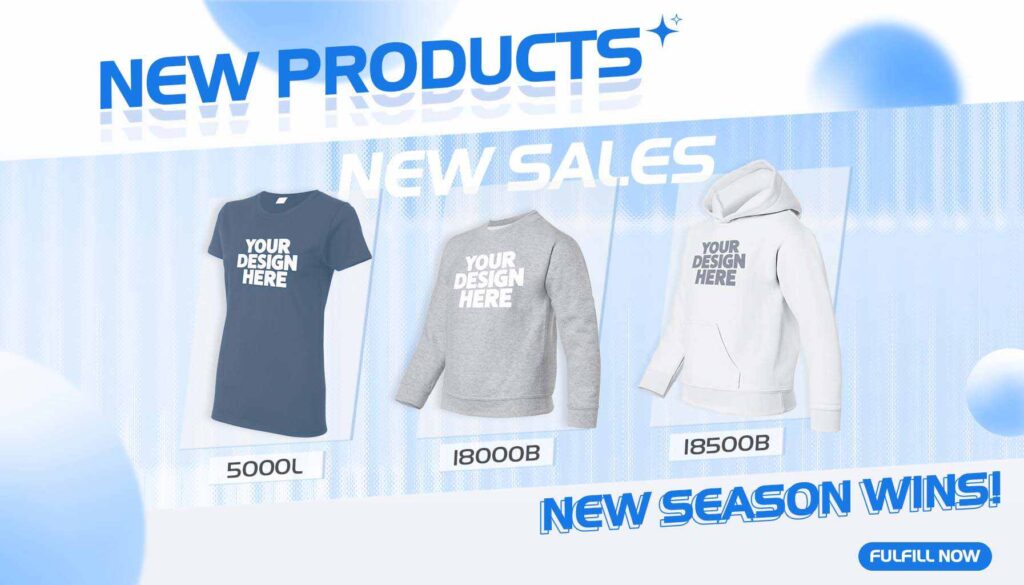
    In the highly competitive POD market, choosing the right product is the key to success. Understanding this, FlashShip is proud to introduce a trio of new products from the Gildan brand: the Gildan 5000L Heavy Cotton Women’s T-Shirt, Gildan 18000B Youth Crewneck Sweatshirt, and Gildan 18500B Youth Hoodie. These are ideal choices, offering high quality and reasonable prices to meet a wide range of buyer needs.

    FlashPOD Launches 3 New Products

    5000L – Gildan Heavy Cotton Women’s T-Shirt: The Perfect Choice for Women

    The Gildan 5000L is the women’s version of the legendary Gildan 5000 Heavy Cotton T-Shirt. Although it’s a new addition to FlashShip, the 5000L has quickly captured the attention of POD sellers thanks to its outstanding features:

    • 100% Cotton Fabric: Made from the familiar Heavy Cotton material, it offers a thick, durable feel while remaining soft and breathable. The natural cotton fibers provide excellent moisture absorption, making it ideal for everyday wear.
    • Feminine Fit: What sets the 5000L apart from unisex styles is its tailored fit, designed to flatter the female form. With a gently tapered waist and moderately fitted sleeves, it strikes the perfect balance between elegance, femininity, and comfort.
    • Fabric Weight of 5.3 oz/yd²: This medium-weight fabric is not too thick or too thin, offering a pleasant feel and lasting durability over time.
    • Reinforced Collar and Seams: The classic rib-knit collar and double-needle stitching on the sleeves, neckline, and bottom hem enhance durability and help maintain shape even after repeated washing.

    Gildan 18000B – Youth Crewneck Sweatshirt: A Cozy Favorite for Kids

    One of the standout products FlashShip is proud to introduce is the Gildan 18000B Youth Crewneck Sweatshirt. This pullover sweatshirt has won the hearts of many parents thanks to its excellent quality and long-lasting durability.

    • Soft Fabric with Excellent Warmth: Crafted from a premium cotton-polyester blend, the 18000B offers softness, stretchability, and effective heat retention, making it perfect for chilly weather. Kids can comfortably wear it to school, during outdoor activities, or on family outings.
    • Simple Yet Stylish Design: Featuring a classic crewneck and long sleeves, this sweatshirt is designed with a relaxed and roomy fit, ensuring kids feel free to move without restriction. Ribbed cuffs, collar, and waistband are neatly finished to help maintain the garment’s shape over time.
    • Easy to Mix and Match: The 18000B pairs effortlessly with other pieces like inner t-shirts, collared shirts, jeans, or even skirts for girls, creating adorable and energetic outfits.
    • Wide Range of Colors: Available at FlashShip in a variety of colors such as grey, navy blue, burgundy, pastel pink, and off-white, this sweatshirt allows parents to choose shades that match their child’s personality and preferences.

    Gildan 18500B – Youth Hoodie: Energetic and Stylish for the Young Generation

    Gildan continues to win over young wearers with its high-quality hoodie designed especially for kids: the 18500B Youth Hoodie. Hoodies are a fashion staple among the youth for their vibrant style, comfort, and versatility.

    • Premium Fabric with Wrinkle Resistance: Like the 18000B, the 18500B hoodie is made from a high-quality cotton-polyester blend that feels soft, retains warmth effectively, and resists wrinkles, perfect for active kids on the go.
    • Trendy and Functional Design: This hoodie features a moderately loose, stylish fit with a roomy hood and adjustable drawstrings for added convenience. A large front pouch pocket not only keeps hands warm but also provides space for small items, making it practical as well as fashionable.
    • Versatile for Many Occasions:
      • Ideal for school, playtime, or sports and outdoor activities.
      • Great as class or club uniforms.
      • Perfect for team-building events and group outings.
    • Modern, Kid-Friendly Color Options: FlashShip offers a wide range of trendy and cheerful colors like sky blue, pastel pink, soft yellow, olive green, and burnt orange, allowing kids to express their personality with confidence.

    FlashShip – Your Trusted Partner in POD Selling

    Trust in product branding is a crucial factor that helps POD sellers build credibility. When you choose to sell Gildan products through FlashShip, you gain access to comprehensive support that empowers your business:

    • Professional Fulfillment System: FlashShip automatically handles every step, from printing and packaging to shipping, saving you time and effort.
    • Guaranteed Quality: FlashShip is committed to providing genuine products that meet international standards and offer long-lasting durability.
    • Competitive Pricing: We always strive to offer the most competitive prices, helping you optimize costs and improve profit margins.
    • Professional Printing Services: FlashShip supports high-quality printing of logos, brand names, and slogans with sharp detail and long-lasting color.
    • Fast Delivery: True to its name, FlashShip ensures quick shipping to meet your customers’ urgent needs.
    • Dedicated Customer Support: Our support team is always ready to answer your questions, from printing techniques to business strategies.

    With the launch of the 5000L, 18000B, and 18500B, FlashShip not only brings high-quality product options but also opens up new opportunities to boost your sales in the upcoming season. Whether you’re aiming to capture the women’s fashion market with the 5000L T-shirt or tap into the kids’ segment with the 18000B sweatshirt and 18500B hoodie, this Gildan collection serves as a powerful asset for your success.

    Start designing today on FlashShip and turn your creative ideas into quality products that win customer loyalty and help you build a strong POD brand. For more information or immediate assistance, contact FlashShip at (+84) 852 763 445 or visit our website at seller.flashship.net. Our dedicated customer service team is always here to support your business with care, making your POD journey easier, more efficient, and more successful.