Summer has always been the peak season for the Print on Demand industry, as demand for lightweight, comfortable, and versatile apparel rises significantly. Alongside traditional T-shirts, Tank Top POD products are increasingly becoming a preferred choice for sellers thanks to their cost-effective production, wide range of applications, and strong profit potential.
So, what makes Tank Top POD one of the best-selling products of Summer 2026? Which niches are experiencing the highest demand, and what strategies can sellers use to maximize revenue from this product category?
Let’s explore the answers in the article below.

Why Does Tank Top POD Boom Every Summer?
If hoodies and sweatshirts are the undisputed champions of the winter season, Tank Tops take the crown when summer arrives. Search trends for keywords such as tank top, summer apparel, and beach outfit consistently spike from Q2 onward every year.
This strong seasonal demand is driven by three key growth factors that make Tank Top POD a highly profitable product category for sellers:
Rising Demand for Warm-Weather Apparel
Weather is often the first catalyst behind seasonal purchasing behavior. In key POD markets such as the United States, summer typically lasts from May through September, with record-high temperatures frequently reported in major states like Texas, Florida, Arizona, and California.
During these hot months, consumers actively seek lightweight, breathable clothing that helps them stay cool and comfortable. With its sleeveless design and excellent ventilation, the tank top perfectly meets these needs, making it a must-have wardrobe essential for many shoppers.
The Continued Growth of Activewear and Athleisure
Over the past few years, Athleisure has evolved into a long-lasting global fashion movement. Today’s consumers no longer reserve athletic apparel exclusively for the gym. Instead, they confidently wear sports-inspired clothing while running errands, meeting friends, grabbing coffee, or simply going about their daily routines.
Tank tops are one of the core products that perfectly represent this trend, offering several key advantages:
- Comfortable for active lifestyles: The sleeveless design provides greater freedom of movement, making workouts and daily activities more comfortable.
- Easy to style: Tank tops pair effortlessly with shorts, joggers, tennis skirts, or lightweight outerwear.
- Suitable for all ages and genders: From active Gen Z consumers to parents and older adults, there is a tank top style for virtually everyone.
- Versatile for multiple occasions: Ideal for lounging at home, going to the gym, running, traveling, or spending time at the beach.
This versatility has helped Tank Top POD move beyond the label of a purely seasonal product and become a category with consistently strong demand and year-round sales potential.
Summer Is Packed with Major Events and Celebrations
Beyond the weather factor, summer is also a prime shopping season fueled by a packed calendar of holidays, festivals, and recreational activities. These occasions create valuable opportunities for POD sellers to develop niche designs and generate significant revenue.
- Major National Holidays: Events such as Memorial Day, Independence Day (July 4th), and especially America 250 (the 250th anniversary of the United States in 2026) drive strong demand for patriotic apparel. During these celebrations, many Americans enjoy wearing tank tops featuring flags, patriotic graphics, and national pride-themed designs while attending fireworks displays, parades, and community events.
- The Season of Travel and Connection: Summer is also synonymous with summer vacations, family reunions, camping trips, and beach getaways.
Every event and trip creates demand for unique, personalized apparel that helps people capture memories and express their identities through group photos and shared experiences. Custom tank tops often become the go-to choice for families, friends, teams, and travel groups.
By identifying these high-demand seasonal keywords and launching advertising campaigns at the right time, POD sellers can position themselves to capture thousands of high-quality orders throughout the summer season.
What Makes Tank Top POD a Powerful Profit Driver?
If you’re looking for a product that is easy to scale, generates strong cash flow, and helps optimize operating costs during the summer season, Tank Top POD is an excellent choice.
Below are the key competitive advantages that make tank tops a powerful profit-driving product and a valuable addition to the toolkit of successful POD sellers:
Cost-Effective Production
One of the biggest reasons Tank Top POD has become a highly profitable product category for sellers is its exceptionally competitive production cost. Thanks to its simple construction and sleeveless design, tank tops require less fabric and generally offer lower blank garment and printing costs compared to many other apparel products.
At the same time, the perceived value of tank tops remains high due to their strong fashion appeal and practical versatility. In the U.S. market, a uniquely designed tank top can typically retail for anywhere between $20 and $35, depending on the fabric quality and level of customization.
This healthy price gap allows sellers to maintain attractive profit margins without significantly increasing retail prices, ultimately improving advertising efficiency and overall return on investment (ROI).
Less Competition Than T-Shirts
There is no denying that T-shirts remain the most popular and highest-volume product category in the Print on Demand industry. However, that popularity also means entering an intensely competitive “red ocean” market, where millions of listings compete for the same customer attention and clicks.
In contrast, the Tank Top category still offers substantial untapped opportunities, especially within summer-focused niches. For many sellers, particularly those new to POD, focusing on tank tops can be a smart strategy for standing out from competitors, reaching target customers more effectively, and avoiding direct competition with large, established stores.
Easy to Launch and Repurpose Designs
From a technical perspective, the print area of a tank top is quite similar to that of a traditional T-shirt, allowing sellers to save significant time and effort when creating product designs. This makes Tank Top POD an ideal product for repurposing existing artwork and scaling successful designs across multiple apparel categories.
Tank tops work exceptionally well with many of today’s most popular design styles, including:
- Typography: Creative, eye-catching fonts and statement text designs.
- Vintage / Retro: Nostalgic graphics and distressed effects inspired by past decades.
- Minimalist: Clean and sophisticated designs placed on the chest or center area.
- Fitness: Bold, energetic graphics tailored to sports and gym enthusiasts.
- Patriotic: American pride themes, flags, and national symbols, especially popular around Independence Day.
- Funny Quotes: Humorous and relatable messages that encourage engagement and social sharing.
By leveraging winning T-shirt designs and adapting them to tank tops, sellers can efficiently expand their product catalog and potentially double their sales opportunities without investing additional resources in creating entirely new designs.
Easy to Scale Across Multiple Sales Channels
Tank Top POD is a highly versatile product category that adapts well to virtually every eCommerce business model, from dropshipping stores to marketplace-based sales strategies. Sellers can successfully market tank tops across multiple platforms, including:
- Etsy & Shopify: Ideal for personalized designs, family gifts, vacation apparel, and group-themed products.
- TikTok Shop US: Perfect for leveraging short-form video content, outfit showcases, and viral lookbook-style campaigns that drive impulse purchases.
- Amazon & Walmart Marketplace: Provides access to massive volumes of organic traffic from shoppers actively searching for summer apparel and seasonal products.
By distributing Tank Top POD products across multiple platforms, sellers can diversify their revenue streams, reduce business risk, and avoid becoming overly dependent on the algorithm or performance of any single sales channel.
Top-Selling Tank Top POD Niches for the Summer Season
Choosing the right product is only the first step. Selecting the right niche is what truly determines whether your marketing campaigns succeed and scale. A well-targeted niche can significantly improve conversion rates, increase profitability, and help your store stand out in a competitive market.
Below are some of the most proven and high-performing niches that pair exceptionally well with Tank Top POD, offering strong sales potential for sellers throughout the summer season:
Fitness & Gym
Fitness and Gym is arguably the perfect niche for selling tank tops. As temperatures rise during the summer months, gym attendance increases, and consumers become more interested in wearing lightweight apparel that helps them stay comfortable while showcasing their hard-earned physiques and “summer bodies.”
Some of the most consistently successful design themes in this niche include:
- Workout Motivation: Inspirational quotes and motivational messages that encourage people to stay committed to their fitness goals.
- Bodybuilding & Weightlifting: Bold graphics featuring barbells, weights, and hardcore gym-inspired artwork.
- CrossFit & Running: Clean, energetic designs tailored to endurance athletes and active lifestyles.
One of the biggest advantages of this niche is its customer base. Fitness enthusiasts often make repeat purchases, have strong community engagement, and are highly willing to spend money on apparel that reflects their identity and lifestyle.
Beach & Summer Vacation
Summer naturally brings thoughts of ocean waves, sandy beaches, and unforgettable vacations. This niche is one of the most seasonal yet highly profitable categories, generating peak sales from April through August each year.
To succeed in this niche, consider focusing on themes such as:
- Beach Vibes & Summer Mode: Tropical sunsets, palm trees, beach scenery, and cocktail-inspired graphics.
- Cruise Squad & Tropical Life: Designs created specifically for cruise groups, island vacations, and travel enthusiasts.
- Sunshine & Ocean: Minimalist line-art illustrations that capture the relaxing spirit of the sea and summer lifestyle.
With strong seasonal demand and endless creative possibilities, Beach & Summer Vacation remains one of the most reliable niches for driving Tank Top POD sales during the warmer months.
Camping & Outdoor
Camping and outdoor recreation have become some of the most popular weekend activities across the United States and many Western countries. Thanks to their lightweight, breathable design, tank tops are an ideal apparel choice for camping trips, hiking adventures, and outdoor excursions.
Some promising design themes worth exploring include:
- Campfire Lover & Mountain Life: Vintage and retro-inspired artwork featuring campfires, pine forests, mountains, and tents.
- RV Adventure & Hiking Club: Designs tailored to road-trip enthusiasts, RV travelers, and hiking communities.
- Outdoor Family: Matching family-themed designs created specifically for camping trips and outdoor gatherings.
One of the biggest strengths of this niche is its highly loyal customer base. Outdoor enthusiasts often have strong personal identities tied to their hobbies, making them more likely to purchase apparel that reflects their lifestyle. This also creates excellent upselling opportunities for complementary products such as tumblers, baseball caps, and canvas tote bags.
Pet Lovers
The Pet Lovers niche remains one of the most evergreen categories in the POD industry, regardless of season. During the summer months, it becomes even more powerful when combined with tank tops and personalized design concepts.
Some of the highest-converting themes include:
- Dog Mom & Dog Dad: Celebrating proud pet parents and their beloved dogs.
- Cat Lover & Pet Squad: Fun, playful illustrations featuring cats in sunglasses and summer-themed settings.
- Rescue Dog: Meaningful designs that promote pet adoption and animal welfare.
Tank Top POD products in the Pet Lovers niche perform especially well on Etsy. By offering personalization options such as custom pet names, breed selection, or artwork that resembles a customer’s dog or cat, sellers can significantly increase perceived value, command higher selling prices, and improve overall profit margins.
America 250 & Patriotic
The year 2026 marks a historic milestone: the 250th anniversary of American Independence, commonly known as America 250. National pride and patriotic sentiment are expected to reach unprecedented levels throughout the year, making Patriotic-themed products one of the highest-volume niches of the summer season.
To capitalize on this opportunity, sellers should begin preparing design concepts well in advance, focusing on themes such as:
- America 250 Celebration: Exclusive commemorative designs honoring the 1776-2026 milestone.
- American Pride & Freedom: Creative interpretations of iconic symbols such as the bald eagle and the Statue of Liberty.
- Patriotic Quotes & Stars and Stripes: Historical quotes combined with classic red, white, and blue American flag elements.
Tank tops featuring patriotic themes are expected to become one of the most popular apparel choices for Americans attending family BBQs, Independence Day parades, community celebrations, and fireworks events throughout the 2026 summer season.
Mom Life & Family Vacation
Women, especially mothers, are often the primary decision-makers when it comes to family spending and tend to be among the most active shoppers during the summer vacation season.
Some highly profitable design themes in this niche include:
- Mama Life & Summer Mom: Designs that celebrate motherhood while embracing a fun, youthful, and energetic summer lifestyle.
- Family Trip & Matching Family Outfits: Coordinated designs, matching shirts, and family-themed apparel created for vacations, reunions, and special gatherings.
One of the greatest advantages of this niche is that customers rarely purchase just a single item. Instead, they often buy matching products for the entire family, including parents, children, and even grandparents.
As a result, sellers can significantly increase their Average Order Value (AOV) while maximizing advertising efficiency. By generating larger orders from a single customer acquisition, this niche offers excellent opportunities to boost profitability and reduce customer acquisition costs.
Tank Top POD Design Trends Dominating 2026
Consumer preferences in 2026 have evolved significantly. Today’s shoppers are moving away from overly busy, cluttered graphics and flashy designs in favor of aesthetics that feel more refined, meaningful, and personal.
Modern consumers are increasingly drawn to designs that reflect individuality, tell a story, and align with their lifestyle and values. As a result, POD sellers who stay ahead of design trends will have a significant advantage in capturing attention and driving conversions.
To maximize sales performance this summer, sellers should pay close attention to the five Tank Top POD design trends currently dominating the market:
Vintage & Retro Designs
Vintage and Retro aesthetics continue to dominate the POD market in 2026. This design style evokes a sense of nostalgia, freedom, and adventure, making it a perfect match for the relaxed spirit of summer.
- Key Characteristics: Classic typography, particularly 1970s and 1980s-inspired serif fonts, combined with distressed, weathered, or grunge-style textures that create an authentic vintage feel.
- Color Palette: Warm retro tones such as burnt orange, mustard yellow, teal blue, and burgundy perform especially well when paired with neutral-colored garments.
- Versatility: One of the greatest strengths of Vintage & Retro designs is their adaptability. This style performs exceptionally well across a wide range of niches, including camping, road trips, outdoor adventures, pet lovers, and fitness-related products.
Minimalist Typography
In contrast to bold graphic-heavy designs, minimalist typography remains one of the most reliable and consistently high-converting design categories in the POD industry.
- Why It Works: Clean and simple text-based designs communicate messages clearly and effectively. They are easy to read, visually appealing, and highly versatile for everyday wear. Additionally, typography-focused designs require less design time and lower production effort, allowing sellers to test campaigns more efficiently.
- How to Execute: Use one or two modern sans-serif fonts or elegant serif typefaces, paired with short, memorable, inspirational, or humorous quotes. Simple placements on the left chest or center front often produce the best results.
Nature & Outdoor-Inspired Designs
In 2026, nature-themed artwork and outdoor lifestyle designs continue to gain popularity as consumers increasingly seek products that reflect peace, freedom, and a deeper connection with nature.
- Core Design Concepts: Focus on iconic outdoor elements such as pine forests, mountain landscapes, lakeside scenery, wildlife, and imagery inspired by national parks and outdoor exploration.
- Visual Style: Hand-drawn illustrations, minimalist sketches, and flat-color artwork are particularly effective. Earth tones, forest greens, and ocean-inspired blues help reinforce the natural and adventurous feel of these designs.
Patriotic Designs
As mentioned earlier, 2026 marks a historic milestone as the United States celebrates the 250th anniversary of its founding. As a result, patriotic-themed designs are experiencing exceptional growth and are expected to become one of the strongest-performing categories of the year.
- Modernizing Patriotic Designs: Rather than relying on traditional American flag graphics, today’s designers are taking a more creative approach. Stars and Stripes elements are being subtly incorporated into artistic compositions, meaningful patriotic quotes, and modern design styles such as Vintage, Retro, and Minimalist aesthetics. This creates apparel that feels more fashionable, contemporary, and appealing to a broader audience.
Personalized Designs
Consumers increasingly want clothing that reflects their identity and tells their personal story. For POD sellers, personalized products offer a powerful opportunity to differentiate themselves and avoid competing solely on price.
Sellers can create flexible design templates that allow customers to customize elements such as:
- Names: Their own name, a partner’s name, or the name of a beloved pet.
- Memorable Years: Birth years, wedding anniversaries, graduation years, or group milestones (e.g., Since 1985, Class of 2026).
- Locations & Messages: Favorite beaches, vacation destinations, hometowns, or meaningful travel memories.
A Major Competitive Advantage: Personalized tank tops typically command selling prices that are 15% to 30% higher than standard designs because customers are willing to pay a premium for products created specifically for them.
In addition, personalized products are significantly more difficult for competitors to replicate, reducing direct competition and helping sellers maintain stronger profit margins over time.
How to Maximize Revenue with Tank Top POD
Having an eye-catching design and targeting the right niche are important first steps, but they are only part of the equation. To truly turn Tank Top POD into a high-performing revenue driver and maximize both cash flow and profitability, sellers need to implement effective operational and sales strategies.
From cross-selling and product bundling to marketplace SEO optimization and conversion-focused merchandising, the following strategies can help POD sellers unlock the full profit potential of their Tank Top product line:
Build Cohesive Collections Instead of Selling Individual Products
One of the most common mistakes new sellers make is listing tank tops as standalone products without any connection to a broader product strategy. This approach can limit both customer engagement and sales opportunities. Instead, consider developing a cohesive collection built around a specific niche or design concept.
Example: A Camping Collection
If you have a winning vintage camping design, don’t stop at tank tops. Expand the design across multiple complementary products, such as:
- T-Shirts for cooler summer days
- Hoodies for chilly evenings around the campfire
- Mugs for morning coffee at the campsite
- Tote Bags for carrying outdoor essentials
This strategy helps your store feel more like a professional lifestyle brand rather than a collection of unrelated products. It also creates more opportunities for cross-selling as customers browse your catalog.
Leverage Product Bundles to Increase AOV
Summer shoppers often prefer purchasing everything they need for a trip or activity in one place. By creating attractive product bundles with value-based pricing, you can encourage customers to add more items to their cart and significantly increase your Average Order Value (AOV).
Some high-converting summer bundle ideas include:
- Tank Top + Tote Bag
A stylish combination for beach outings, shopping trips, and casual summer activities. - Tank Top + Tumbler
The perfect pairing for gym-goers, campers, and outdoor enthusiasts who want to stay hydrated throughout the day. - Tank Top + Beach Towel
A classic summer travel bundle designed for beach vacations and poolside relaxation. - Tank Top + Hat (Baseball Cap or Bucket Hat)
A practical and fashionable combination for outdoor adventures and sun protection.
By implementing strategic bundling, sellers can boost revenue per customer, improve profitability, and create a more compelling shopping experience without significantly increasing advertising costs.
Get Ahead of the Market: Launch Early and Optimize SEO in Advance
Many sellers wait until temperatures start rising in June or July before rushing to create and list tank tops. By then, however, they have already missed the most valuable part of the selling season.
To fully capitalize on seasonal demand and organic search traffic, the ideal time to launch products and begin testing campaigns is between February and April each year.
Entering the market early provides three key advantages:
- Collect Valuable Data Early
Identify which designs have the potential to become top performers before scaling your advertising efforts. - Build Listing Trust and Credibility
Gain initial sales, customer reviews, and engagement signals that strengthen your product listings. - Improve Marketplace SEO Performance
Give platforms such as Amazon, Etsy, and Google enough time to index your keywords and rank your products before peak summer demand arrives.
Optimize Your Mockups with Summer-Focused Lifestyle Imagery
Mockups serve as the face of your product and play a critical role in influencing click-through rates and purchase decisions. For a lifestyle-driven product like a tank top, simple flat-lay images on plain white backgrounds are often not enough to capture attention.
Instead, prioritize lifestyle mockups featuring real models in authentic, engaging environments:
- Beach & Vacation Niches: Use settings such as sandy beaches, palm trees, ocean views, and sunlit swimming pools.
- Camping & Outdoor Niches: Show models around campfires, in pine forests, near hiking trails, or beside RVs and camping gear.
- Fitness Niches: Feature gym environments, running tracks, outdoor workout spaces, or active lifestyle scenes.
These immersive visuals help customers imagine themselves wearing the product in real-life situations. By creating an emotional connection and showcasing the intended lifestyle, high-quality mockups can significantly increase engagement, click-through rates, and conversions.
Choose a U.S.-Based Fulfillment Partner: The Key to Customer Retention
The POD market in 2026 has become increasingly demanding when it comes to shipping speed. American customers are often willing to cancel orders or leave negative reviews if they have to wait more than two weeks for a product, especially for seasonal items such as summer apparel and vacation wear.
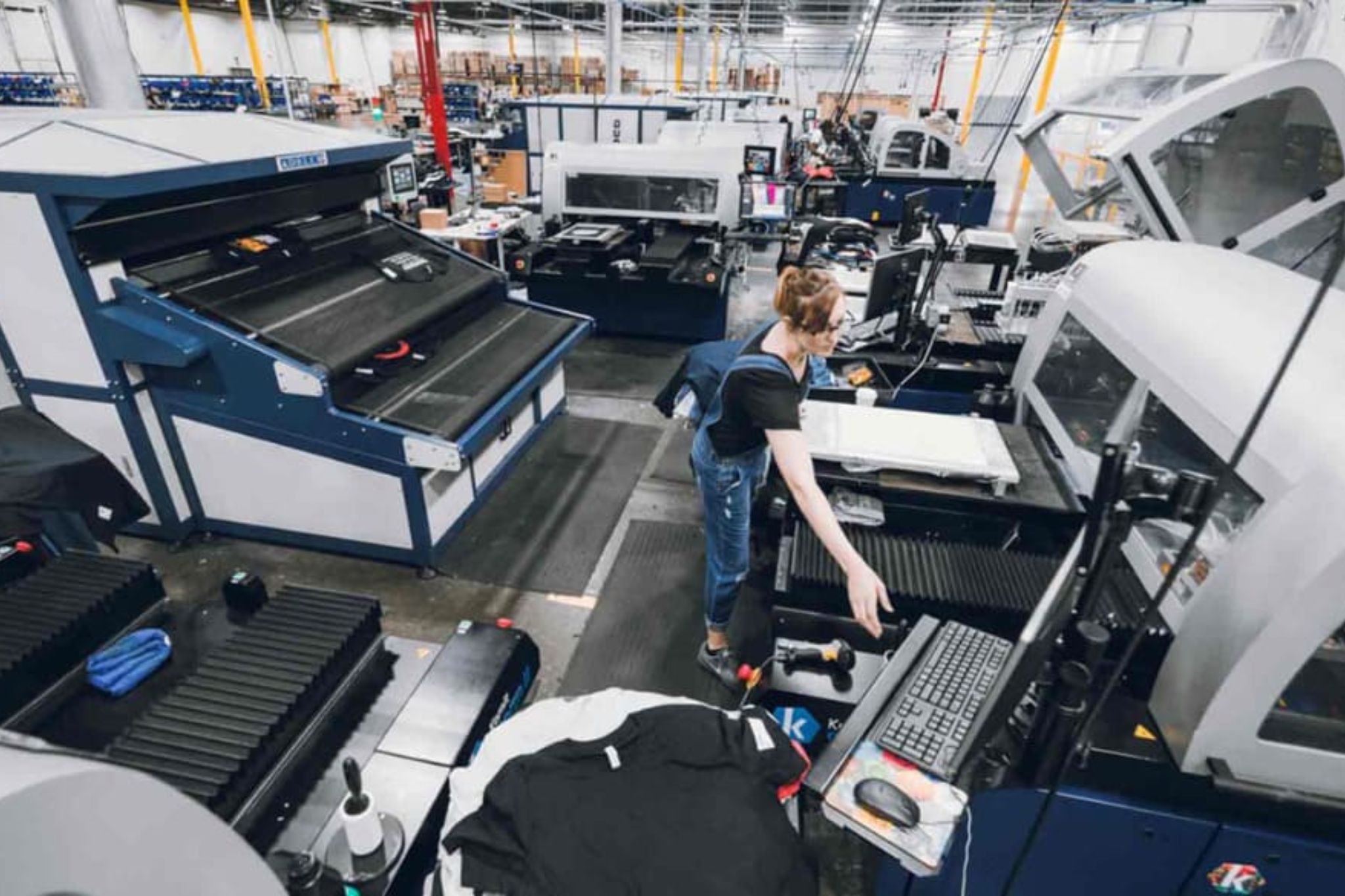
To address this challenge effectively, partnering with a fulfillment provider that operates production facilities and logistics networks directly within the United States, such as FlashShip, can be a significant competitive advantage.
- Faster Production Times: Production can be completed in as little as 1 to 3 business days, helping sellers process orders more efficiently during peak seasons.
- Fast Domestic Shipping: U.S. domestic delivery typically takes only 2 to 5 business days, ensuring customers receive their orders in time for vacations, holidays, and special events.
- Lower Cancellation and Return Rates: Faster delivery increases the likelihood that customers receive their products when they need them, reducing order cancellations and minimizing fulfillment-related issues.
- More 5-Star Reviews: Shipping speed remains one of the most influential factors in customer satisfaction. Fast and reliable fulfillment can lead to more positive reviews, stronger store credibility, improved account health metrics, and increased visibility across major eCommerce marketplaces.
For POD sellers looking to scale their business, a reliable U.S.-based fulfillment partner is not just an operational advantage. It is a critical factor in delivering a better customer experience and driving long-term growth.
Common Mistakes POD Sellers Make When Selling Tank Tops
While Tank Top POD can be a highly profitable product category during the summer season, not every seller knows how to maximize its potential. Many sellers end up struggling with inconsistent sales or losing money on advertising simply because they overlook a few fundamental mistakes.
To help you avoid costly setbacks and improve your chances of success, take a moment to review the most common mistakes POD sellers make when selling tank tops. You may discover that your store is unknowingly falling into one of these traps:
Focusing Only on T-Shirts and Missing a Valuable Opportunity to Expand Your Customer Base
One of the most common mistakes POD sellers make, especially beginners, is limiting themselves to a single product category. When summer arrives, many sellers focus exclusively on optimizing and advertising traditional T-shirts while overlooking the significant potential of tank tops.
Expanding your product catalog to include Tank Top POD not only helps refresh your store’s offerings but also opens the door to entirely new customer segments, including fitness enthusiasts, outdoor adventurers, travelers, and consumers who prefer a more relaxed and active lifestyle.
By ignoring tank tops, sellers may be unnecessarily restricting their revenue potential. With the right strategy, Tank Top POD can become a powerful growth channel and significantly increase order volume during the summer season.
Using Designs That Don’t Match the Season
Summer is associated with energy, freedom, travel, and outdoor experiences. Customers shopping for tank tops are often looking for products that reflect those emotions and lifestyles. However, many sellers make the mistake of reusing designs that were originally created for other seasons without adapting them to summer trends.
Dark color palettes, heavy messages, gloomy themes, and winter-inspired concepts often fail to resonate with summer shoppers and can weaken the emotional connection between the product and the customer.
To maximize performance, summer tank top designs should embrace themes that feel vibrant, uplifting, and seasonal. Consider incorporating:
- Humorous and relatable quotes
- Bright, energetic color palettes
- Relaxed and adventurous summer themes
- Nature-inspired artwork and outdoor lifestyle graphics
- Travel, beach, camping, and fitness-related concepts
Remember, successful summer tank tops are not just pieces of clothing. They represent a lifestyle, a mood, and the experiences customers want to enjoy throughout the season.
Overlooking Micro-Niches and Getting Trapped in Price Competition
Many sellers make the mistake of chasing only large, highly competitive niches such as general Fitness or broad Beach-themed products, hoping to capture massive sales volumes. In reality, these markets are often dominated by established sellers with substantial advertising budgets and strong brand recognition.
Instead, ignoring smaller niche segments can mean missing out on significant opportunities. Micro-niches often offer several key advantages:
- Lower Competition
Smaller niches attract less attention from major competitors, making it easier to stand out and protect your designs from being copied. - Higher Conversion Rates
Highly targeted products resonate more deeply with specific audiences and communities. Rather than targeting the general Fitness niche, for example, consider creating designs for “weightlifting dads over 50” or “camping enthusiasts who love taking their dogs on outdoor adventures.” - Stronger Brand-Building Potential
Serving a specific audience makes it easier to build customer loyalty, establish a unique brand identity, and scale your business over time.
Launching Products Too Late and Missing Early-Season Demand
One of the most common mistakes among POD sellers is waiting until summer is already in full swing before launching seasonal products. Many sellers don’t begin creating and listing tank tops until June or July, when temperatures have already peaked.
By that point, they have often missed the most valuable phase of the buying cycle.
The strongest wave of organic search demand typically begins between February and April, when consumers start planning vacations, outdoor activities, and seasonal wardrobe purchases. Shoppers are researching and buying long before summer officially arrives.
Launching products too late creates several disadvantages:
- Your listings have less time to gain organic visibility.
- Marketplace SEO has not had enough time to build ranking momentum.
- You have limited sales data and customer feedback.
- Advertising costs are often significantly higher during peak season due to increased competition and rising CPMs.
Successful sellers prepare ahead of the market, allowing their products to gain traction before seasonal demand reaches its highest point.
Choosing an Unreliable Fulfillment Partner Can Kill Your Store
Summer is peak season for vacations, family gatherings, outdoor events, and holiday celebrations. Customers who order a patriotic tank top for Independence Day or matching family apparel for a beach trip expect their products to arrive before the event takes place.
Unfortunately, many sellers choose low-cost fulfillment providers with slow production processes and long international shipping times from overseas suppliers. This decision can quickly turn into a business disaster:
- Customers request cancellations and refunds because their orders arrive after their vacation or event has already ended.
- A flood of 1-star reviews damages store credibility and can negatively impact account health on platforms such as Etsy, Amazon, and payment providers.
The Best Solution
Partner with a reliable fulfillment provider that operates production facilities and domestic logistics networks directly within the United States, such as FlashShip.
With production times starting from as little as one business day and fast domestic shipping within 2 to 5 business days, sellers can significantly reduce delivery-related issues and improve customer satisfaction.
During peak summer seasons, fast and reliable fulfillment is more than just an operational advantage. It is one of the strongest safeguards for protecting your revenue, brand reputation, and long-term business growth.
Tank Top POD is proving to be more than just a seasonal summer apparel product. It represents a valuable business opportunity for Print on Demand sellers in 2026. With growing market demand, versatility across multiple niches, cost-effective production, and attractive profit margins, tank tops have the potential to become one of the key product categories driving sales growth during the peak season.
However, to fully capitalize on this opportunity, sellers need to prepare their designs early, target the right niches, optimize the customer shopping experience, and establish a reliable fulfillment strategy. Success depends not only on choosing the right product but also on launching it at the right time and partnering with the right operational support.
When these elements come together, Tank Top POD can help sellers take full advantage of summer shopping trends while building a strong foundation for long-term, sustainable growth in the Print on Demand business.