Tag: fulfillment POD

  • Real-Time Tracking: The Key to Building Customer Trust

    Real-Time Tracking: The Key to Building Customer Trust

    In the POD world where competition happens every second, real-time tracking is no longer an optional add-on it is the “heartbeat” of the entire fulfillment journey. According to Shopify, more than 82% of U.S. shoppers say they only feel secure when they can track their order status step by step without having to rely on manual emails or messages.

    As e-commerce accelerates and expectations for fast delivery continue to rise, real-time tracking in 2025–2026 is becoming the new gold standard that every POD seller must keep up with to retain customers and achieve sustainable growth.

    In this article, we will break down why real-time tracking is the foundation of customer trust, how modern tracking systems work, the practical benefits for POD sellers, and the serious consequences of delayed tracking.

    Real-Time Tracking

    What Is Real-Time Tracking? How the System Works

    Many new sellers often confuse a “tracking number” with a real-time tracking system.

    Precise Definition

    A tracking number is merely a sequence of characters. In contrast, real-time tracking is a fully integrated technological process in which data about a package’s location and status is continuously, automatically, and instantly updated from the fulfillment warehouse and the carrier all the way to the seller’s management system and displayed directly to the end buyer.

    This type of tracking eliminates information lag entirely. Instead of waiting 2–3 days for a status update, customers can see changes in real time down to the hour or even the minute.

    Essential Stages in Modern POD Tracking & How the System Works

    To win customer trust in the highly competitive Print-on-Demand (POD) market, transparency in the order journey is crucial. A proper POD tracking system doesn’t just notify buyers when the package has shipped it must clearly display the entire product lifecycle through these eight key stages:

    • Order Received: The fulfillment system has imported the order data from the store.
    • Production Started: The order has entered the printing/production line.
    • Production Completed: Production is finished and the product is moved to QC (Quality Control).
    • Packed & Ready to Ship: Packaging is completed and the shipping label is applied.
    • Picked Up by Carrier: The carrier (USPS, UPS, FedEx, etc.) has collected the package from the warehouse.
    • In Transit: The package is moving through transit hubs.
    • Out for Delivery: The driver is on the way to deliver the package to the recipient.
    • Delivered: The package has been successfully delivered (with Proof of Delivery).

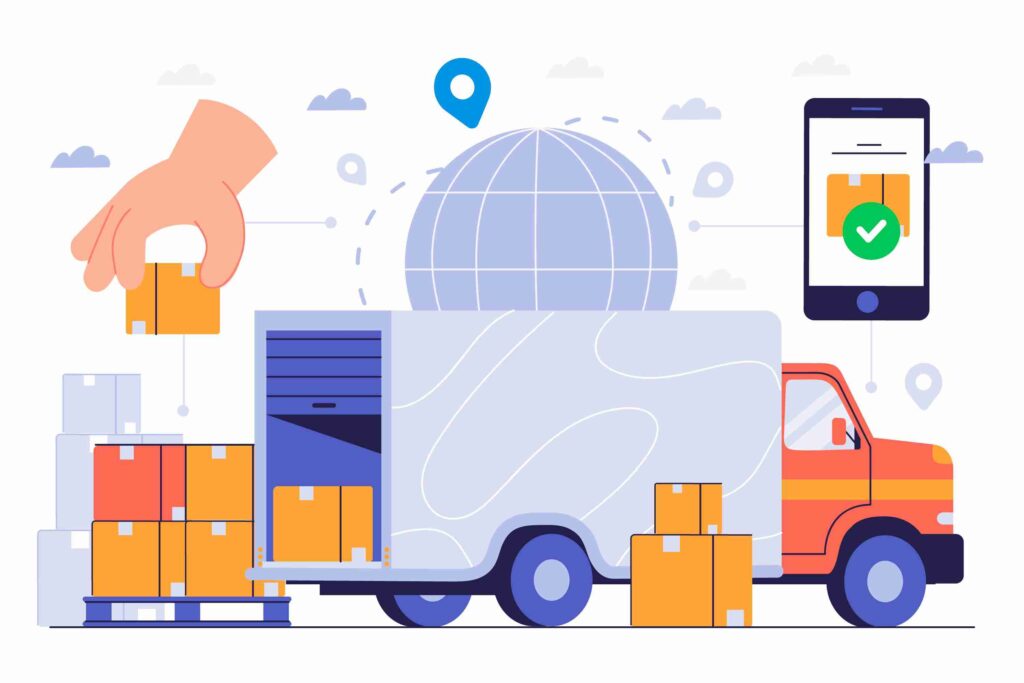
    With just a single tracking link, customers can follow every movement of their order- eliminating anxiety and the uncertainty of waiting.

    How Does a Real-Time Tracking System Work?

    The power of real-time tracking lies in its ability to maintain deep data synchronization (Deep Sync). This is the seamless integration of three technological pillars:

    • Internal Production System: Updates the status of printing, packaging, and QC.
    • Carrier API: Directly connects to the servers of USPS, DHL, FedEx, and other carriers.
    • Sales Platforms: Syncs information back to Shopify, Etsy, TikTok Shop, and more.

    The moment a status changes, the system triggers an automated workflow: sends Email/SMS notifications to the customer, alerts the seller, and updates the real-time “Track My Order” page instantly.

    This is precisely why POD sellers must work with a fulfillment partner equipped with a strong technological foundation. If tracking is only updated at the “Hand-off to Carrier” stage, you leave customers waiting in an information “blackout zone” for 3–5 production days causing anxiety, loss of trust, and unnecessary order cancellations.

    Why Is Real-Time Tracking a Key Factor in Building Customer Trust?

    Real-Time Tracking

    POD customers are very different from regular online shoppers: they cannot see the product in advance or feel the material, so their entire buying experience relies on the seller’s transparency.

    Real-time tracking becomes a trust-building weapon for the following reasons:

    Reducing Customer Anxiety

    Right after making a purchase, the questions that constantly run through a customer’s mind are: “Where is my order?” and “Is this shop actually going to ship my item?” This uncertainty intensifies even more for time-sensitive gift orders (Christmas, Valentine’s Day, Mother’s Day, etc.).

    Without clear tracking information, customers easily fall into anxiety – which often leads to spamming support emails or, worse, canceling the order. Real-time tracking acts like a “calming antidote”, updating every small step (from In Production to In Transit). It reassures buyers that their order is being handled professionally, turning stressful waiting into positive anticipation.

    With just one reliable tracking link, the store’s credibility increases instantly in the eyes of the customer.

    Enhancing Transparency

    Market data from the U.S. shows a clear reality: 78% of customers trust brands that are transparent about their shipping process, and 69% are willing to abandon their cart if delivery information is unclear.

    A real-time tracking system demonstrates that your shop operates with clarity and accountability. Customers greatly appreciate receiving proactive updates rather than having to ask for them.

    Especially during major sale seasons (Q4), when order volume can surge 5–10x, this level of transparency becomes a crucial factor in retaining customers.

    Boosting 5-Star Reviews & Strengthening Store Credibility

    Do you know one of the most common reasons U.S. customers leave a 5-star review? It’s “Fast shipping” and “Great tracking updates.”

    No matter how beautiful your product is, if tracking is delayed or nonexistent, you’re almost guaranteed to receive a 1-star review. On the other hand, a smooth, transparent tracking experience encourages customers to leave positive feedback and improves your store’s Trust Score on major platforms.

    Reducing Disputes & Refund Requests

    Most disputes or chargebacks on PayPal/Stripe originate from one reason: “Item not received.”

    Real-time tracking provides solid evidence to protect sellers. Detailed information such as transit timelines, carrier scan points, and delivery confirmation helps sellers easily win unreasonable claims.

    This not only reduces your refund rate but also protects your account health on platforms like Etsy, Amazon, and TikTok Shop.

    Practical Benefits for POD Sellers

    Real-time tracking doesn’t just give customers peace of mind it also delivers clear financial advantages for POD sellers.

    Reducing Refund & Exchange Rates

    A paradox in POD is that most refund requests don’t come from poor product quality they come from lack of information. Reasons like “I don’t know where my order is” or “I think the shop is a scam and never shipped my item” are often the main factors that quietly destroy revenue.

    When a real-time tracking system updates every hour, customers always know the status of their order. This eliminates uncertainty, helps them stay patient, and prevents impulsive cancellations or dispute filings.

    In fact, stores with transparent tracking systems often reduce their refund rate by 25–40%, keeping the seller’s cash flow protected and stable.

    Increasing Conversion Rates When Running Ads

    In POD, Trust = Conversion. When customers click on an ad and land on the product page, they don’t just look at the design they look for trust signals.

    If your store clearly displays its shipping policy, includes a real-time tracking commitment, and provides specific delivery timelines (especially U.S. fulfillment lines with 2–5 day shipping), psychological barriers are removed. Customers feel more confident to make a purchase.

    Sellers who optimize their tracking experience are able to maintain a stable ROAS (Return on Ad Spend), making it much easier to scale their advertising budget.

    Relieving the Burden of Customer Support

    Every seller’s nightmare during Q4 is an inbox flooded with the same questions: “Where is my order?”, “When will it ship?”. On average, for every 100 orders, you may receive 20–40 shipping-related emails commonly known as WISMO tickets (“Where Is My Order?”).

    Real-time tracking is the most effective automation solution. When customers can check their order journey on their own, customer support messages can drop by 60–70%. This saves you money on hiring virtual assistants, reduces operational stress, and frees up your time to focus on product optimization and sales strategy instead of answering complaint emails all day.

    A Solid Foundation for Scaling Orders in Q4

    Q4 is a “gold rush” season but it’s also the season where sellers break down the most. When order volume spikes suddenly, if your tracking system isn’t running smoothly, you’ll face a chain reaction of disasters: mass customer reports, PayPal holds, and even Facebook ad account bans.

    A stable tracking system acts as the backbone of your business. The more orders you have, the clearer and more reliable your processes must be. Only when the flow of tracking information remains seamless can sellers confidently scale campaigns and explode revenue without worrying about the operational system collapsing behind the scenes.

    Serious Consequences of Delayed Tracking

    Delayed tracking is not just an inconvenience it is a set of risks that POD sellers must avoid at all costs.

    Losing Customer Trust & a Surge of 1-Star Reviews

    Customers in the U.S. and Europe are extremely sensitive to transparency. Nothing scares them more than seeing their order stuck at “Label Created” for 2–4 days with no movement. This silence immediately triggers the worst-case scenario in their minds: “This shop is a scam.”

    The inevitable result? A wave of 1-star reviews on your Facebook page or Trustpilot. Statistics show that a store receiving just 3–5 negative shipping reviews can experience a 40–60% drop in revenue the following month due to new customers losing confidence.

    Sharp Increase in Refunds & a “Red Alert” for Payment Gateways

    When tracking doesn’t update, customers will assume the shop never shipped the order. Their next move is to open a Dispute on PayPal or request a Chargeback from their bank. This immediately pushes the seller’s account into a High-Risk status.

    Payment gateways will then impose strict penalties:

    • 90-day fund holds (Rolling Reserve)
    • Reduced payout limits
    • Or, in the worst case, permanent account termination

    Delayed tracking causes double losses: you lose the product cost and risk losing your entire payment account.

    ROAS “Bottoming Out” When Running Ads

    You can’t scale your ads if your fulfillment foundation is unstable. When potential customers see complaints about shipping in the comments, they won’t even consider clicking “Add to Cart.”

    As a result, your advertising metrics will visibly deteriorate:

    • Higher CPC
    • Lower CTR
    • Falling conversion rates

    Your ROAS (Return on Ad Spend) will drop sharply, turning your marketing campaign into a money-burning machine with no real return.

    Being “Suppressed” by E-Commerce Marketplaces

    Marketplace platforms like Etsy, TikTok Shop, and Amazon use algorithms that evaluate shop performance based on the Shipping Score. If your tracking updates slowly, your shop’s credibility ranking will drop.

    This means:

    • Reduced product visibility (reach)
    • Loss of recommendation placements
    • Difficulty ranking in top search results

    You may end up losing thousands of potential holiday sales simply because of poor operational metrics.

    Losing Loyal Customers Completely (CLV = 0)

    Sustainable profit in POD comes from Customer Lifetime Value (CLV) the long-term value of a returning customer. A satisfied customer can come back 2–6 times a year (Birthdays, Christmas, Mother’s Day, etc.).

    However, if their very first purchasing experience is filled with uncertainty, long waiting times, and little transparency, they will never return, no matter how good your product is.

    Slow tracking is the number one enemy that destroys your chance of building a long-term brand.

    In an era where speed and transparency define the customer experience, real-time tracking is no longer just a feature for following an order it is a core element that builds trust, reduces disputes, and increases repeat purchase rates for every POD seller. When customers feel professionalism from the very first status update, they are far more likely to leave 5-star reviews, recommend your store to others, and return for future purchases.

    This is why all successful POD brands prioritize an operational system built on tracking that is fast, accurate, and fully automated.

    If you are looking for a U.S.-based fulfillment partner with real-time tracking, stable processing speed, and an extremely low error rate, FlashShip is the reliable choice to help you scale with confidence. Contact us at (+84) 943 024 337 or visit FlashShip.net for personalized consultation and the most optimized fulfillment workflow for your business model.

  • Hidden Costs in POD Fulfillment and How to Eliminate Them

    Hidden Costs in POD Fulfillment and How to Eliminate Them

    In the Print on Demand (POD) business, many sellers focus only on print prices and shipping fees while overlooking a factor that directly determines profitability: hidden fulfillment costs. These are expenses that don’t appear on the pricing sheet but quietly erode profit margins, increase refund rates, delay deliveries, and negatively impact customer experience.

    Understanding these hidden costs why they occur and how to eliminate them is the key for POD sellers to reduce risks, streamline operations, and protect their profits even during peak seasons.

    This article will help you identify the seven most common hidden costs in fulfillment and provide practical solutions to manage them effectively.

    Hidden Costs

    What Are Hidden Costs? Why Are They Dangerous for POD Sellers?

    The precise definition of “hidden costs”

    To defeat an enemy, you must first be able to identify it.

    Hidden costs (Hidden Fees) in fulfillment are not the obvious expenses like product base costs or standard shipping fees. They are additional charges, service surcharges, or penalty terms that are not clearly stated in the initial quote or are buried deep within a complex, multi-page pricing sheet.

    They often appear under vague labels such as “processing fee,” “special surcharge,” “management fee,” or “minimum service fee.”

    Let’s make a clear distinction:

    • Variable Costs: Expenses that fluctuate based on order volume (e.g., base cost, shipping fees). These are normal and predictable.
    • Hidden Costs: Unexpected and difficult-to-predict charges that show up on your end-of-month invoice disrupting your financial plans and eating into your profit margins.

    The Dangers of Hidden Costs for POD Sellers

    Why are these seemingly small fees so dangerous?

    • Margin Erosion: This is the most obvious impact. Imagine you sell a T-shirt with an expected profit of $8. But a series of hidden fees (receiving fees, second-item pick fees, over-storage fees) quietly consumes $2.5.  Your profit instantly evaporates by 31%. For a scaling business, this multiplied across thousands of orders becomes a financial disaster.
      • Disrupted Pricing Strategy: You set your product price based on estimated costs. When the actual costs turn out to be much higher due to hidden fees, you fall into one of two situations:
      • If you keep the selling price: You’re unknowingly selling at a loss.
      • If you raise the price to cover the loss: You lose competitiveness. Customers will switch to competitors with better prices (because those competitors control their costs more effectively).
    • Uncertainty and Stress: As a seller, you need stability to plan your cash flow, reinvest in ads, and develop new products.  When you cannot accurately predict your monthly fulfillment costs, you are running your business in a fog. This uncertainty is the enemy of growth and a never-ending source of stress.
    • Negative Cash Flow: During peak season, you pour money into ads expecting strong profits at the end of the month. But when the fulfillment invoice arrives loaded with hidden fees, the amount you owe balloons eating up the cash you need to pay Facebook, Google, and maintain operations. This is one of the fastest ways a scaling store can collapse. Hidden costs are not just a minor inconvenience.  They are a systemic problem a form of “cancer” that can silently destroy your POD business from the inside.

    7 Types of Hidden Fulfillment Costs Every POD Seller Should Know

    Hidden Costs

    Below are the seven “silent enemies” that can drain your profits even when your sales are growing.

    Production Error Costs

    This is the most visible and the most painful type of cost. It’s not just a misprinted T-shirt; it triggers an entire domino effect. Production errors include: wrong color, wrong size, wrong design, misalignment, ink stains, and even incorrect shipping addresses.

    Real impact: Your profit doesn’t just disappear because of the $10–$15 base cost lost. You actually lose twice:

    • Resend cost: You must cover the production and shipping of a new replacement order (for free) to the customer.
    • Support time: You spend 10–20 minutes handling the customer’s complaint.
    • Invisible costs: Losing loyal customers, losing your 5-star rating, and losing future upsell opportunities.

    In demanding niches or markets like the U.S., customers are extremely sensitive to errors. A single T-shirt with color bleeding can mean a permanent 1-star review.

    Late Delivery Costs

    In a world where customers expect “instant gratification,” late delivery is the silent killer of conversion rates. When a fulfillment center becomes overloaded during peak seasons or when carriers experience delays, the real costs you pay include:

    • Higher Refund & Chargeback Rates:  If customers don’t receive their orders on time, they will immediately request refunds or worse, file chargebacks through their bank.
    • 1–2 Star Reviews: This is almost guaranteed to happen, directly damaging your store’s reputation and hurting your ad account quality score.
    • Support Costs Doubling: You’ll be flooded with the same question: “Where is my order?”

    Research shows that even a single day of delay compared to the promised delivery window can increase refund rates from 5% to 12%.

    Return & Refund Costs

    Returns are a financial nightmare. The total cost of a refund isn’t just the amount you give back to the customer. It includes:

    • 100% refund of the product price
    • 100% refund of the shipping fee (including outbound shipping)
    • Customer support labor costs
    • Re-shipping costs for a replacement order (if applicable)
    • The biggest cost: All advertising spend wasted on acquiring that order

    For POD sellers, a refund can kill a well-performing campaign, lower your account quality score, and increase the chances of your future ads being rejected.

    Hidden Shipping Costs

    You may think you’ve calculated your shipping fees correctly but be careful. Many fulfillment centers include unclear surcharges, such as:

    • Remote Area Surcharge: Additional fees for deliveries to remote locations.
    • Peak Season Surcharge: Increased shipping costs during Q4.
    • Regional Price Variations: Shipping to the East Coast and West Coast can differ by $2–$3.

    Choosing a non-optimal carrier or working with a fulfillment center whose hub is too far from your customers can cause you to lose $2–$5 per order and extend delivery times by 5–7 days.

    Blank Inventory Risk

    Whether you source your own blanks or rely on a platform, inventory risk is always present.

    • Out of Stock:  What’s worse than a campaign hitting its peak? A campaign hitting its peak… but your blank apparel is out of stock.
    • Best-Seller Colors Running Out: Missing just the three core colors (Black, White, Sand) can immediately wipe out 30–40% of your revenue.
    • Dead Inventory: SKUs, colors, or sizes like 3XL and 4XL that don’t sell will tie up capital and incur ongoing storage costs.

    Manual Handling Costs

    In the 4.0 era, if your fulfillment partner is still manually checking design files, visually inspecting products, or updating tracking slowly, you’re paying the price. Manual processes lead to:

    • More Production Errors: Human mistakes are inevitable.
    • Slower Processing Speeds: Manual workflows easily create bottlenecks during peak seasons.
    • Lack of Transparency: Without camera monitoring on the packing lines, you will never know who is responsible when customers file complaints.

    Customer Service Load

    This is an invisible cost but the one that consumes the most valuable resource: your time. A single faulty order will cost you:

    • 10–20 minutes chatting or emailing with the customer
    • Time spent searching for tracking information and checking the order status
    • Time sending a request to the fulfillment center
    • Time waiting for (and chasing) their response

    If you have 10 problematic orders a day, you’ll waste 2–3 hours just “putting out fires.”  That is precious time that should have been used to find new winning products or optimize your campaigns. Don’t let hidden costs turn you from a Seller into a Customer Support Agent.

    Why Do Sellers Often NOT Notice These Hidden Costs?

    CostsPOD

    If these costs are so obvious, why do thousands of sellers fall into the trap every day? The reason lies in both psychological factors and the supplier’s sophisticated “concealment” tactics.

    Pricing Sheets Designed to Confuse

    No non-transparent supplier will ever label anything as “Hidden Costs” on their price sheet. Instead, they will:

    • Use an “À La Carte” Pricing Model: They break every service into small pieces. The price for picking the first item looks extremely cheap, but there are 20 additional surcharges listed below. They count on you only looking at the first three lines.
    • Use Complicated Terminology:  Instead of saying “Labeling Fee,” they call it “SKU Compliance Labeling Fee.”  Instead of “Box Fee,” they call it “Corrugated Container Fee.” This complexity discourages you from asking deeper questions.

    The “Anchoring” Effect on Low Prices

    This is a classic psychological tactic. A supplier will heavily advertise a single attractive number:  “Fulfillment from only $1.50 per order!”

    That $1.50 becomes an “anchor” in your mind. You compare it to competitors (who may quote $3.50 all-in, fully inclusive). You assume $1.50 is a great bargain. What you don’t realize is that the $1.50 is merely the entry ticket, and your actual total cost may end up reaching $4.50 after all surcharges costs that the $3.50 provider had already included.

    Focusing on Marketing Instead of Operations

    POD sellers (especially beginners) often invest 90% of their energy into creating designs and running ads. They treat fulfillment as a simple “plug-and-play” step.

    They may spend weeks optimizing their landing page, yet only 15 minutes skimming through a fulfillment pricing sheet.

    They only realize the problem when it’s too late  when the invoice arrives.

    Contracts and Service Level Agreements (SLA) “Loaded with Fine Print”

    All these hidden costs are, legally speaking, not hidden. They are “legally concealed” inside a 30-page Service Level Agreement (SLA) that almost no seller actually reads. When you question a certain fee, they simply respond: “It’s in Section 11.4, Subsection C of the contract you signed.”

    Intentional Lack of Transparency from the Supplier

    This is the biggest reason. Some fulfillment providers build their business model on the customer’s lack of understanding. Their profit doesn’t come from the core service it comes from surcharges and penalties. They deliberately make their pricing sheets complicated. They deliberately give vague, unclear answers to your emails. Because your confusion is their profit.

    Solutions to Reduce Hidden Costs in POD Fulfillment

    Based on FlashShip’s U.S.-standard fulfillment experience, here are practical solutions sellers can apply immediately.

    Choose a Fulfillment Partner with a Clear SLA

    Never work with a provider that is vague or unclear. A Service Level Agreement (SLA) is the “contract” that protects you. It should clearly state:

    • Order processing speed (24–48 hours guaranteed?)
    • Maximum allowable late-delivery rate
    • Production error rate (e.g., below 0.5%)
    • Transparent policies for handling errors, resends, and refunds (Who pays when a mistake happens?)

    The more transparent the SLA, the less room there is for hidden costs to appear.

    Prioritize Fulfillment Centers with Automation & Big Data

    The era of manual fulfillment is over.  Automation systems help minimize human errors (the leading cause of resend costs), optimize production lines, and intelligently route orders. Moreover, Big Data–powered platforms like FlashShip can predict which SKUs are about to trend so you can prepare inventory in advance, and automatically select the optimal shipping route based on ZIP code helping reduce 20–35% of hidden costs for sellers.

    Choose High-Quality Blanks to Reduce Print Errors

    You cannot create a 5-star product using a 1-star blank.  “Saving” a few cents by using low-quality blanks will cost you ten times more in refunds. Always prioritize proven, high-quality blanks such as Gildan 64000, Bella + Canvas 3001, Comfort Colors 1717, or AS Colour. High-quality blanks have smoother fabric surfaces, allowing ink to adhere better and reducing print defects such as misprints or cracking. Quality blanks = fewer errors = significantly lower refund rates.

    Use Optimized Shipping Routes Based on Geographic Regions

    The United States is a vast market with multiple time zones and geographic regions (East Coast, Central, West Coast). Shipping an order from New York (East Coast) to California (West Coast) is both expensive and time-consuming. A smart fulfillment partner like FlashShip uses Big Data to route orders so they are shipped from the hub closest to the customer, helping reduce shipping fees and shorten delivery times by 5–7 days, eliminating one of the main causes of late-delivery refunds.

    Reduce Manual Handling with Technology

    Automation is the key to smooth operations, especially during peak seasons.  An ideal workflow includes:

    • Automatic design file checking (auto-file check)
    • Barcode scanners used at every step
    • Camera monitoring on packing lines

    This not only accelerates processing speed but also provides proof (video/photos) when disputes arise, helping you determine responsibility accurately.

    Calculate Total Monthly Costs – Not Just Per-Order Costs

    Don’t look only at the base cost. Many sellers get “tricked” by a low base cost while their total expenses end up being much higher. You should calculate all monthly costs: total refunds, total resend expenses, ad spend wasted on faulty orders, and the time you spend supporting customers. Only when you look at the Big Picture (Total Cost of Ownership) will you know your true profit.

    Choose a Fulfillment Partner, Not Just a Printer

    A printer simply receives orders and prints. A Fulfillment Partner works with you. They proactively manage and route orders when your campaign starts to scale, alert you when SKUs are running low, and most importantly maintain consistent SLA performance even during Q4. Only when the fulfillment team and the seller operate as one unit can hidden costs be fully controlled.

    Hidden fulfillment costs are not just minor extra charges they are silent factors that shape the overall operational efficiency of the Print on Demand model. When sellers understand and effectively control these costs, every stage from printing to packing and shipping becomes more stable, transparent, and optimized.

    In an increasingly competitive global POD market, where every minute of delay or small mistake can turn into a significant expense, eliminating hidden costs becomes the foundation for Vietnamese sellers to increase profit margins, improve customer experience, and scale sustainably in the U.S. market.

    If you need a transparent, cost-optimized, and fast U.S. fulfillment partner, contact FlashShip via hotline: (+84) 943 024 337 for dedicated support.

  • 7 Common Mistakes When Choosing a Fulfillment Partner

    7 Common Mistakes When Choosing a Fulfillment Partner

    In 2025, “Made in USA” Fulfillment is becoming an inevitable trend in the Print on Demand (POD) industry, opening up tremendous opportunities for sellers to conquer the U.S. market with faster delivery, more consistent quality, and sustainable profit growth.

    This article highlights the seven most common mistakes POD sellers make when choosing a fulfillment partner and provides practical guidance on how to select the right one helping you operate more efficiently and build a stronger, long-term presence in the U.S. market.

    Fulfillment Partner

    Choosing a Fulfillment Partner Based Solely on Low Price While Ignoring Service Quality

    One of the most common mistakes sellers make is prioritizing cheap prices over quality. Many new sellers are easily attracted by offers like “T-shirt printing for $3” or “U.S. shipping for only $5” without taking the time to thoroughly evaluate the service behind those claims.

    Low prices aren’t necessarily bad but if the cost seems unreasonably low, it often means the provider has cut corners somewhere: skipping quality control steps, using cheap printing materials, or outsourcing to third parties they can’t fully supervise.

    The Serious Consequences

    Poor-quality blanks: “Cheap” often comes with second- or third-grade T-shirt blanks. The fabric is thin, stitching is sloppy, and the shirts shrink or fade after just one wash. You might think you’re using a Gildan 5000, but is it an authentic product or a low-grade imitation?

    Disastrous print quality: To cut costs, low-priced print shops often:

    • Skip pre-treatment: They omit the crucial pre-coating layer, causing DTG/DTF ink to fail to bond properly with the fabric, resulting in faded or “washed-out” prints.
    • Use cheap inks: Unverified or low-quality inks that crack, peel, or emit an unpleasant chemical odor.
    • Rely on outdated equipment: Old printers with clogged nozzles lead to streaks, color inaccuracies, and poor resolution.

    In the end, the “savings” you thought you made quickly turn into massive costs, refund processing, lost customer trust, and even reduced visibility or ranking on major marketplaces.

    Failing to Verify Production Capacity and Order Processing Time

    Many sellers focus solely on the price list and overlook production time a crucial factor that directly determines delivery speed.

    An average fulfillment provider may take 4–7 days to print and pack orders, while modern facilities can complete production within just one day, allowing U.S. customers to receive their packages in 2–5 days.

    If you don’t clarify a partner’s production capacity, you may face serious problems when order volumes spike during peak seasons from delays and backlogs to complete operational breakdowns.

    Consequences:

    • Mass order cancellations: Customers cancel before their orders even ship.
    • Lost competitive edge: Your competitor, working with a 2–3 day production partner, has already delivered their orders and earned 5-star reviews while you’re still explaining to buyers that their orders are “in process.”
    • Q4 chaos: During peak seasons (Black Friday, Christmas), a 7–10 day production time can balloon to 15–20 days, meaning your “Christmas orders” might arrive after New Year’s.

    Solution: Always request a clear Service Level Agreement (SLA) outlining production, packaging, shipping timelines, and defective-order handling. A U.S.-standard fulfillment provider like FlashShip guarantees 1-day production and 2–5 day domestic delivery, helping sellers maintain both speed and credibility.

    Lack of Transparency in Costs and Operational Processes

    One of the most costly mistakes sellers often make is focusing only on the base cost (blank + print) and the basic shipping fee, while neglecting to examine hidden charges and the transparency of their fulfillment partner’s operations.

    Many low-cost fulfillment providers attract sellers with appealing advertised rates, but hide numerous surcharges in the fine print of contracts or service-level agreements (SLAs) that few people take the time to read carefully.

    The Consequence: The “Iceberg Effect” of Hidden Fees Eating Away Your Profit

    The price you see upfront is just the tip of the iceberg, the hidden costs beneath the surface are what truly erode your profit margins. Common examples include:

    • Storage fees: Many POD sellers overlook this. If a design doesn’t sell well, or if returned products remain in the warehouse without immediate action, you may be charged storage fees per day, week, or cubic meter.
    • Return handling fees: When customers send back items, the fulfillment provider incurs labor costs to receive, inspect (QC), restock, or dispose of them. Many partners quietly deduct these fees from your account.
    • Special packaging fees: Want to use custom-branded boxes instead of standard poly mailers? Want to include thank-you inserts or cards? These extras often come with additional per-order charges.
    • Brand labeling fees: Costs for removing original tags and printing, sewing, or applying your own branded labels.

    If you don’t review these terms carefully, your actual cost per order can end up 20–30% higher than your original estimates, completely disrupting your profit calculations.

    Solution: Request Detailed Quotations and Full Transparency

    To protect your business, you need to take a proactive approach from the very beginning:

    • Request a detailed quotation: Never accept a vague or lump-sum quote. Ask your fulfillment partner to break down every cost item, including blank product fees, printing fees, handling fees, shipping costs, and any other potential surcharges.
    • Prioritize partners with public pricing: A reputable provider (like FlashShip) will openly display its pricing tables and fee policies on its website. This transparency reflects both credibility and confidence in their service quality.
    • Ask specific process questions: For example, “How are returns handled, and what are the associated costs?” or “Does the shipping fee include tracking and insurance coverage?”

    Remember, a great fulfillment partner is not necessarily the cheapest one, it’s the one that helps you clearly control your costs and maximize profits sustainably in the long run.

    Ignoring the Location of the Fulfillment Facility

    Fulfillment Facility

    A major strategic mistake many POD sellers make is focusing solely on print pricing without asking the crucial question: “Where is your facility located?” The warehouse location directly impacts two vital factors delivery speed and shipping cost every single day.

    The Consequences of a Poorly Located Facility

    Imagine your fulfillment partner’s warehouse is in California (West Coast), but your order needs to be shipped to New York (East Coast). The delivery time could take 2–3 extra days compared to estimates. Conversely, if the warehouse is on the East Coast, your West Coast customers will experience the same delays.

    These geographical mismatches don’t just reduce customer satisfaction they also increase shipping costs due to longer distances.

    The Solution: Prioritize a Central “Logistics Gold Zone”

    Fulfillment hubs located in central states like Texas hold a significant strategic advantage. Often called the “heart of U.S. logistics,” a warehouse in Texas offers:

    • Balanced shipping distances: Orders to both East and West Coasts have nearly equal delivery times.
    • Consistent delivery speed: Enables you to confidently maintain uniform shipping commitments across the entire U.S.
    • Optimized shipping costs: Centralized routes typically reduce shipping expenses by 15%–25% compared to coast-to-coast shipping.

    Lesson: Always check your fulfillment partner’s shipping coverage map and prioritize those with centrally located warehouses. This is precisely why experienced POD sellers regard FlashShip as a true “logistics gold zone” the ideal hub for anyone aiming to dominate the U.S. market.

    Overlooking System Integration and Automation

    Overlooking System Integration and Automation

    In the era of multichannel selling, professional POD sellers often manage orders across multiple platforms such as Etsy, Shopify, Amazon, or TikTok Shop. A fatal mistake is choosing a fulfillment partner that lacks a strong automated API integration system.

    Without automation, you’ll be forced to handle every order manually, downloading files, sending emails, and entering data by hand. This process isn’t just time-consuming; it’s also extremely prone to errors.

    The Consequences of Manual Operations

    Common problems caused by the lack of system integration include:

    • Order mistakes: Duplicated orders, incorrect SKUs, mismatched designs, wrong sizes, or colors.
    • Wasted time on updates: You’ll need to manually upload tracking numbers for each order on every platform. Any delay can severely damage your store’s reputation on Etsy or Amazon.
    • Information blind spots: Without real-time tracking, you can’t monitor inventory or production status (pending, printing, shipped), making customer support and operations harder to manage.

    The Solution: Choose an All-in-One Management Platform

    The answer is to prioritize fulfillment partners with strong technological infrastructure. You need an All-in-One management system capable of:

    • Automatically syncing data across all your sales channels.
    • Updating order status in real time.
    • Providing clear, detailed operational reports.

    A robust automation system saves time, reduces human error, and helps your POD business scale efficiently, something a manual workflow simply can’t achieve.

    Failing to Review Customer Support and Service Policies

    A critical mistake many POD sellers make is focusing solely on production speed and pricing, while completely overlooking the human element, customer support when issues arise.

    The Consequences of “Disappearing Support”

    The POD world isn’t always perfect. There will be times when orders are misprinted, lost, or customers request returns. Now imagine this: in an urgent situation, you submit a support ticket and wait 3–5 days just to receive a generic response.

    Such delays not only waste precious time during a crisis but can also result in losing the customer permanently, often accompanied by a 1-star review.

    The Solution: Choose a “Partner,” Not Just a “Printer”

    Before committing to any fulfillment provider, make sure to:

    • Carefully review policies: Read the terms related to refunds, reprints, and returns. Is their error-handling process clear and transparent?
    • Prioritize multilingual support: For Vietnamese sellers targeting international markets, a bilingual (Vietnamese–English) support team is invaluable, ensuring clear communication and faster problem resolution.
    • Check response time: A professional partner should guarantee support response within 24 hours  ideally via live chat.

    A trustworthy fulfillment provider doesn’t just deliver fast; it stands by your side when problems occur. That’s the key difference between a basic print factory and a true fulfillment partner.

    Failing to Evaluate Credibility and Community Feedback

    Another costly mistake many POD sellers make is choosing a fulfillment partner blindly  without taking the time to assess their reputation and real feedback from the seller community. You don’t want to be the next person to “test and fail.”

    Many sellers have found themselves in frustrating situations: partners failing to meet promised production times, printing errors across entire winning campaigns, or worse  disappearing completely when issues arise.

    The Solution: Be a Smart “Detective” Before You Partner Up

    Before entrusting your business to any fulfillment provider, take the initiative to verify their credibility:

    • Read cross-platform reviews: Don’t rely solely on their website. Check discussions and feedback from large POD communities on Facebook, Reddit, or reputable review sites like Trustpilot.
    • Verify legal and operational information: When were they founded? Is their website professional and transparent? Ask for real photos or videos of their facilities and printing equipment.
    • Prioritize transparency: Choose a partner with clear policies, well-documented procedures (such as reprint/refund terms), and a professional seller support team.

    A reputable fulfillment provider isn’t defined by low prices or flashy marketing, but by consistency in quality, speed, and genuine positive experiences from the seller community they serve.

    How to Choose the Right Fulfillment Partner for POD Sellers

    Fulfillment Partner

    After understanding the seven common mistakes, here are the key criteria to help you choose the right fulfillment partner:

    Production and Shipping Speed

    In the e-commerce world, speed is king. Customers have become accustomed to Amazon Prime’s two-day delivery and will not tolerate waiting two to three weeks for a T-shirt. You need a partner who can guarantee exceptional turnaround times.

    • Ideal production time: The golden standard is 1–2 business days. This means that once an order is pushed to the system, your partner should be able to produce and ship it within 24–48 hours.
    • U.S. domestic shipping time: Must be 2–5 business days.
    • Total fulfillment time: From the moment the customer clicks “Buy” until the package arrives at their doorstep, keeping it under 7 days provides a powerful competitive edge, reducing cancellation rates and significantly increasing 5-star reviews.

    Print Quality and Quality Control (QC) Process

    Fast speed means nothing if the product you deliver is poor quality. The product represents your brand, never compromise on it.

    • U.S.-standard printing technology: Your partner should use modern machinery and certified inks for core printing methods such as DTG (Direct-to-Garment), DTF (Direct-to-Film), and 2D/3D printing (for mugs, phone cases, etc.). This ensures sharp prints, accurate colors, and long-lasting vibrancy even after multiple washes.
    • QC process: Require your partner to have a strict multi-step quality control procedure (at least two stages, before and after printing) to eliminate defective, misprinted, dirty, or damaged products before they are packed and shipped.

    Transparent Costs and Operational Reporting

    Profit lies in the details and hidden fees are the number one enemy of POD sellers. A reliable partner must offer 100% financial transparency.

    • Clear pricing, no hidden fees: Request a detailed cost breakdown for everything — blank product price, printing fee, shipping fee, return handling fee, storage fee (if applicable), labeling fee, and more.
    • Tracking dashboard: Choose a partner that provides a dashboard system allowing you to monitor costs and profits per order. This helps you make business decisions based on real data, not guesswork.

    Technology Integration and API Connectivity

    This is the factor that determines whether your business can truly scale or not. If you have to handle orders manually, you’ll never be able to process 1,000 orders a day.

    • Automatic synchronization: Your partner must have a robust API system that enables seamless integration and automatic order syncing across platforms.
    • Real-time status updates: As soon as an order is produced and shipped, the tracking information should automatically sync to your store and be sent to your customers. This eliminates manual errors and frees up your time for growth-focused tasks.

    Professional and Friendly Customer Support

    When problems arise (and they inevitably will), you need an ally, not a soulless call center.

    • Fast and responsive support: Look for a fulfillment partner with a dedicated seller support team ideally bilingual (Vietnamese–English) that can resolve issues quickly and commit to responding within 24 hours.
    • Transparent reprint/refund policy: Their policy should be clear, fair, and focused on protecting the seller’s reputation when errors are caused by the manufacturer. A fair, seller-friendly policy reflects a provider’s confidence in the quality of its service.

    FlashShip – The U.S.-Standard Fulfillment Solution Designed for Vietnamese POD Sellers

    FlashShip

    FlashShip is a fulfillment provider built specifically for the Vietnamese POD seller community targeting the U.S. market, featuring a fully domestic production system and a smart management platform.

    Texas – The “Golden Hub” for 2–5 Day Nationwide Delivery

    Say goodbye to slow and expensive cross-country shipping. FlashShip’s central hub is strategically located in Texas, the heart of America’s logistics network.

    • Superior speed: This strategic location allows balanced delivery to both the East and West Coasts, ensuring stable U.S. domestic delivery times of just 2–5 business days.
    • Optimized costs: Shipping from the center of the country significantly reduces transportation costs compared to coastal warehouses, helping you maximize profit margins on every order.

    Fast Production (From 1 Day) – Sharp, U.S.-Standard Print Quality

    Don’t let long production times hold back your Q4 revenue.

    • Production starting from 1 day: Our automated system allows orders to enter production almost instantly after being placed.
    • Premium print quality: We use U.S.-standard printing technologies (DTG, DTF) and certified inks to ensure every print is vivid, sharp, and colorfast.
    • Double-layer QC: Every product undergoes a strict two-step quality control process before packaging, minimizing return rates and ensuring customer satisfaction.

    Seller V2 Platform – The All-in-One “Brain” of Your Business

    Forget manual order processing – FlashShip Seller V2 is the intelligent control center that powers your entire POD business.

    • Powerful API Integration: 100% of your orders are automatically synced in real time.
    • Real-Time Management: A unified dashboard gives you full visibility into every stage from production and shipping to revenue and profit tracking.
    • Smart Reporting: Access visual, data-driven insights that help you make informed decisions, forecast trends, and optimize costs effectively.

    Breaking Barriers with Professional Bilingual (Vietnamese–English) Support

    We speak your language literally. Don’t let language barriers or time zone differences slow down your business.

    • 24/7 Vietnamese–English Support: Our professional bilingual support team, deeply experienced in POD operations, is ready to resolve your issues quickly and efficiently.
    • End-to-End Assistance: We accompany you through every step from account setup and store integration to operational optimization.
    • Market Updates: Receive continuous access to resources, guides, and U.S. POD market insights, helping you stay one step ahead of the competition.

    “Made in USA” Fulfillment is not just a new trend it is a strategic breakthrough that empowers Vietnamese POD sellers to gain a stronger competitive edge in the U.S. market. When your products are printed and shipped domestically, you significantly reduce logistics costs, shorten delivery times, and build a professional, trustworthy brand image with the “Printed in the USA” label.

    If you’re looking for a U.S.-standard fulfillment partner, contact our hotline at (+84) 943 024 337 or visit https://flashship.net for detailed consultation, quick quotations, and to develop an effective “Made in USA” fulfillment strategy for your POD brand.

  • Top Best Print on Demand T-Shirts for Sellers

    Top Best Print on Demand T-Shirts for Sellers

    T-shirts have always been a core product and consistently rank among the best-selling items on major e-commerce platforms like Amazon, Etsy, Shopify, TikTok Shop, and Walmart Marketplace. Their popularity comes from their versatility, ease of design, and appeal to a wide range of customer segments. However, to maximize revenue and build a sustainable brand, sellers need to go beyond just creating visually appealing designs. Choosing high-quality print on demand (POD) t-shirt models that meet the preferences and standards of the target market is equally crucial. In this article, FlashShip will share the top best print on demand t-shirts models available today, helping sellers confidently select the most optimal products to enhance customer experience and achieve exceptional profit growth.

    Criteria for Evaluating the Best Print on Demand T-Shirts

    Criteria for Evaluating the Best Print on Demand T-Shirts

    Before choosing a t-shirt model to sell, sellers need to understand the key evaluation criteria to ensure the product meets quality standards and delivers the best experience for customers.

    Fabric Quality

    Fabric is the first and most important factor, influencing everything from comfort and durability to print quality.

    100% Cotton

    This is the classic and most popular choice. However, not all types of cotton are created equal:

    • Ring-Spun Cotton:
      Considered the “gold standard” in the t-shirt printing industry, especially for Direct-to-Garment (DTG) printing. During the ring-spinning process, shorter and coarser cotton fibers are removed, while longer fibers are twisted together. This results in a fabric that is extremely soft, smooth, and durable. Ring-spun cotton provides a perfect surface for DTG inks, resulting in sharper, more vibrant, and detailed prints.
    • Standard Cotton / Open-End Cotton:
      Produced more quickly and cost-effectively without the ring-spinning process. This fabric feels rougher, heavier, and has a less smooth surface. While it’s cheaper, it may not provide the best customer experience, and print quality can be less consistent.
    • Organic Cotton:
      Grown without pesticides or chemical fertilizers, organic cotton is a perfect choice for sustainable and eco-friendly brands. It serves as a powerful marketing advantage, appealing to environmentally conscious customers who are willing to pay a premium for greener products.

    Polyester

    Polyester is a synthetic fiber known for its high durability, wrinkle resistance, shrink resistance, and excellent moisture-wicking properties. It is the top choice for activewear and sports apparel. When it comes to printing, polyester works best with sublimation printing, allowing full-coverage, vibrant, and permanent designs that never fade. However, polyester is not suitable for DTG printing.

    Cotton/Polyester Blends

    Blended fabrics combine the benefits of both worlds:

    • 50/50 Cotton/Poly Blend:
      A classic mix that produces a soft, breathable, and durable shirt with less shrinkage compared to 100% cotton. It offers a slightly retro feel that many customers love.
    • Tri-Blends (Cotton, Polyester, Rayon):
      Known for premium softness and comfort, tri-blends are lightweight, stretchy, and feature rayon—a semi-synthetic fiber that adds drape and a silky-smooth texture. These shirts often have a trendy heathered (speckled) look. However, printing on tri-blend fabrics can be more challenging and requires experienced printers to ensure accurate color results.

    By carefully considering these fabric criteria, sellers can select the most suitable t-shirt models that align with their brand’s quality goals and customer expectations.

    Fabric Weight

    Fabric weight, typically measured in GSM (grams per square meter) or oz/yd², indicates the thickness and density of a t-shirt. Understanding fabric weight helps sellers choose the right shirt for different styles, climates, and customer preferences.

    • Lightweight (Under 150 GSM):
      Offers a very airy and breathable feel, making it ideal for summer apparel or designs that require a soft, flowy texture. Perfect for warm climates and casual, relaxed looks.
    • Midweight (150–180 GSM):
      Considered the “sweet spot” for most POD sellers. It strikes the perfect balance between durability, comfort, and cost. These shirts are thick enough to feel premium and durable, yet light enough for year-round wear.
    • Heavyweight (Over 180 GSM):
      These shirts provide a premium, sturdy, and substantial feel. Highly popular in streetwear, hip-hop fashion, and brands that aim to project a bold, classic image. The heavier fabric gives a high-end look and enhances the perceived value of the product.

    Printability

    A great design can be completely ruined by a poor print surface. The smoother and tighter the fabric weave, the better the ink adhesion and the sharper the printed details. As mentioned earlier, 100% ring-spun cotton is generally the best choice for DTG (Direct-to-Garment) printing because it provides a smooth, even surface.

    The shirt color also plays an important role:

    • Printing on white or light-colored shirts typically produces the most accurate and vibrant colors while being more cost-effective.
    • Dark-colored shirts, on the other hand, require a white underbase layer, which adds complexity and increases production costs.

    Style and Construction

    • Side-Seamed vs. Tubular Construction:
      • Tubular shirts are woven as a single tube and then finished with sleeves and collars. They are quicker and cheaper to produce, but often result in a less flattering fit and may twist or lose shape after several washes.
      • Side-seamed shirts are cut from separate fabric panels and stitched together, providing a more structured, flattering fit. This is a hallmark of higher-quality apparel.
    • Fit Options:
      • Unisex Fit: A versatile and safe choice suitable for both men and women.
      • Men’s Fit: Features broader shoulders and a longer torso, ideal for a masculine silhouette.
      • Women’s Fit: More tailored, with a tapered waist and shorter sleeves to complement the female form.
        Offering multiple fit options can give your brand a competitive edge, especially if you are targeting niche markets.
    • Additional Details to Consider:
      • Neckline Finish: Ensure the neckline is sturdy and retains its shape after washing.
      • Double-Needle Stitching: Reinforced stitching at the collar, sleeves, and hem increases durability and longevity.
      • Tear-Away Labels: A huge plus for branding, as they allow you to easily replace the manufacturer’s tag with your own custom label, giving your product a more professional and branded appearance.

    Top Popular POD T-Shirt Models Most Chosen by Sellers Today

    Top Popular POD T-Shirt Models Most Chosen by Sellers Today

    Below is a list of the most popular POD t-shirt models among sellers, selected based on quality, popularity, and business performance.

    Gildan 5000 – Basic Unisex T-Shirt

    The Gildan 5000 is a basic model, ideal for sellers who are just starting their POD business.

    • Material: 100% Cotton or cotton blend depending on the color, providing durability and comfort.
    • Strengths:
      • Low cost, perfect for market testing or running marketing campaigns.
      • Widely used and easy to sell on major platforms like Amazon and Etsy.
      • Classic unisex fit suitable for both men and women.
    • Best For:
      Simple designs such as typography, logos, or basic graphics.
      A perfect entry-level product for beginners.

    Bella Canvas 3001 – Premium Unisex T-Shirt

    The Bella Canvas 3001 is an excellent choice for the premium customer segment, offering higher quality and a better wearing experience.

    • Material: 100% Airlume Combed & Ring-Spun Cotton for a soft, smooth, and breathable feel.
    • Strengths:
      • Premium, lightweight fabric that is gentle on the skin.
      • Produces sharp, accurate, and long-lasting prints.
      • Suitable for markets that demand high product quality.
    • Best For:
      Modern fashion designs, minimalist styles, and seasonal collections.

    Comfort Colors 1717 – Vintage Garment-Dyed T-Shirt

    The Comfort Colors 1717 stands out for its unique vintage garment-dyed effect, making it a favorite in the streetwear scene.

    • Material: 100% garment-dyed cotton, thick and durable.
    • Strengths:
      • Trendy vintage look with naturally washed, faded colors.
      • Very popular among young streetwear enthusiasts.
    • Best For:
      Retro, streetwear designs or limited-edition collections.

    Colortone 1300 – Tie-Dye T-Shirt

    The Colortone 1300 is perfect for special occasions thanks to its bold and artistic tie-dye patterns.

    • Material: 100% Cotton, soft and comfortable to wear.
    • Strengths:
      • Unique, artistic tie-dye designs that stand out.
      • Highly appealing during festivals or special events.
    • Best For:
      Music festivals, outdoor events, or exclusive promotional campaigns.

    Gildan 5000B – Youth Heavy Cotton T-Shirt

    The Gildan 5000B is specifically designed for kids, helping sellers expand their customer base.

    • Material: 100% Cotton, safe and gentle on children’s skin.
    • Strengths:
      • Classic fit that allows comfort and ease of movement.
      • Meets seasonal family shopping needs, especially during holidays.
    • Best For:
      Fun, family-themed designs for occasions like Halloween and Christmas.

    Gildan 18500 – Unisex Hoodie

    Beyond t-shirts, hoodies are also top-selling POD products, especially in the winter season.

    • Material: 50% Cotton – 50% Polyester, warm and durable.
    • Strengths:
      • Large print area, ideal for detailed and intricate designs.
      • Strong sales during winter and festive periods.
    • Best For:
      Often paired with t-shirts in bundle offers to increase Average Order Value (AOV).

    Comparison of Popular POD T-Shirt Models

    Comparison of Popular POD T-Shirt Models

    Model

    Material

    Base Price (USD)

    Softness

    Target Audience

    Popularity

    Gildan 5000

    100% Cotton

    5.50

    Medium

    Beginners, market testing

    ★★★★★

    Bella Canvas 3001

    100% Ring-Spun Cotton

    7.99

    High

    Premium customers

    ★★★★☆

    Comfort Colors 1717

    100% Garment-Dyed Cotton

    9.09

    High

    Streetwear, vintage style

    ★★★★☆

    Colortone 1300

    100% Cotton Tie-Dye

    8.50

    Medium

    Unique designs, festivals

    ★★★☆☆

    Gildan 5000B

    100% Cotton

    5.00

    Medium

    Kids market

    ★★★★☆

    Gildan 18500

    50/50 Cotton-Polyester

    15.00

    High

    Winter season, bundle sales

    ★★★★★

    Benefits of Choosing the Best Print on Demand T-Shirts

    Investing in a high-quality blank t-shirt isn’t just an expense — it’s a long-term investment that brings sustainable profits to your POD business.

    Enhance Customer Satisfaction and Loyalty

    When customers open their package and feel the softness of the fabric, notice the perfect fit, and see a crisp, vibrant print, they instantly know their purchase was worth it.
    This positive first impression is a key factor in turning one-time buyers into loyal customers who return for future purchases and voluntarily promote your brand through word-of-mouth marketing.

    Reduce Returns and Negative Reviews

    “Too thin,” “stiff fabric,” or “print peeled after one wash” — these are the most common complaints that lead to returns and one-star reviews. By choosing a high-quality t-shirt from the start, you eliminate most of these issues, helping you save on return processing costs and protect your brand reputation.

    Build a Premium Brand Image

    The physical quality of your product speaks volumes about your brand. For instance, a premium Bella + Canvas shirt naturally positions your brand in a higher market segment compared to a basic Gildan shirt. This allows you to confidently set higher prices that match the quality and value you provide to customers.

    Optimize Print Quality

    No matter how great your design is, it will fall flat if printed on a low-quality surface. A good blank shirt ensures superior print results. The smooth surface of a high-quality fabric brings your design to life with vibrant colors, sharp details, and accurate reproduction, truly showcasing the artistic value and effort you put into each product.

    How to Choose a Reliable POD Supplier for T-Shirts

    You’ve selected the perfect t-shirt model, but the game isn’t over yet. Choosing the right production and fulfillment partner is equally important to ensure smooth operations and customer satisfaction.

    How to Choose a Reliable POD Supplier for T-Shirts

    Consistent Print Quality

    This should always be your top priority.

    • Request sample orders so you can personally check the print quality and color durability after washing.
    • Don’t hesitate to read reviews, watch videos, and look at real product photos from other sellers who have used their services.
    • Consistency is key, even one bad batch can hurt your shop’s reputation.

    Diverse Product Catalog

    Does the supplier offer the t-shirt models you plan to sell?

    • A partner with a wide product range, from Gildan and Bella + Canvas to Comfort Colors, gives you the flexibility to experiment with different product lines.
    • This variety allows you to expand your catalog and adapt to future market trends without switching suppliers.

    Turnaround & Shipping Time

    In the world of e-commerce, speed is everything. Customers don’t want to wait too long for their orders.

    • Check the average production time (turnaround time) it takes for the supplier to print and prepare a shirt.
    • Understand their estimated shipping time to ensure realistic delivery expectations.
    • This is where reliable shipping services like FlashShip.net make a difference.
      • Once your POD partner finishes production, a fast and efficient shipping network becomes the final link in the chain, delivering products to customers quickly and seamlessly, enhancing their overall shopping experience.

    Pricing and Cost Structure

    Compare pricing carefully:

    • Blank t-shirt costs,
    • Printing costs (for both light and dark shirts),
    • Shipping fees,
    • And any other additional charges.
      Make sure everything is transparent to avoid hidden fees.
      Some suppliers offer monthly subscription plans with better product pricing, which can be worthwhile if you have high order volumes.

    Customer Service and Support Policies

    Problems will happen, such as misprints, wrong sizes shipped, or lost packages. The real test is how your supplier handles these issues.

    • A responsive support team that communicates clearly and quickly is essential.
    • Look for clear refund or reprint policies to ensure you can resolve problems efficiently, keeping your customers happy and protecting your store’s reputation.

    By carefully evaluating these factors, you can choose a reliable POD supplier who not only meets your production needs but also helps your business scale smoothly and professionally.

    In the Print-on-Demand business, choosing the right t-shirt model not only helps sellers optimize costs but also enhances the customer experience and builds a sustainable brand. Popular models such as Gildan 5000, Bella Canvas 3001, Comfort Colors 1717, and Gildan 18500 have proven effective in increasing conversion rates and reducing return risks. When combined with a well-planned design strategy, sellers can maximize their revenue potential, especially during peak sales seasons.

    However, selecting the right fulfillment partner is equally important. FlashShip provides a comprehensive POD fulfillment solution, specifically designed for the U.S. market. Our end-to-end process covers production, packaging, shipping, and brand customization, ensuring every order is handled with precision. With fast operations, high-quality printing, and dedicated support services, FlashShip helps sellers confidently scale their business and grow sustainably.

    Sign up today at https://seller.flashship.net or contact our hotline at (+84) 943 024 337 for personalized consultation and start building a successful, long-term POD business with FlashShip.

    Read more articles:

  • FlashShip Open During National Day – September 2

    FlashShip Open During National Day – September 2

    National Day

    On the occasion of Vietnam National Day, September 2, FlashShip would like to inform our valued Sellers and Partners about our operational schedule during the holiday, helping you plan production, order fulfillment, and business operations proactively.

    While many companies pause operations during the holiday, FlashShip will continue production and order processing as usual, ensuring your business runs smoothly and efficiently.

    FlashShip’s Commitment

    • Continuous Order Processing: Our order management system operates 24/7 without interruption.
    • Full Capacity Operations: The entire FlashShip system will function at 100% capacity throughout the holiday.
    • Timely Order Fulfillment: Orders placed between August 30 – September 2, 2025 will be processed and completed on schedule.
    • Fast Production: Product completion can be achieved in as little as one day, ensuring rapid order response.
    • USPS Shipping Partner: Delivery times starting from just 2 days.

    FlashShip is committed to making every effort to ensure smooth, fast, and stable production and fulfillment, helping our partners maximize revenue and not miss any business opportunities during the holiday.

    For any inquiries, please contact:

    • Hotline: +84 943 024 337 / +84 852 763 445
    • Email: support@flashpod.com

    Sincerely,
    The FlashShip Team

  • NOTICE OF LABOR DAY HOLIDAY SCHEDULE 2025

    NOTICE OF LABOR DAY HOLIDAY SCHEDULE 2025

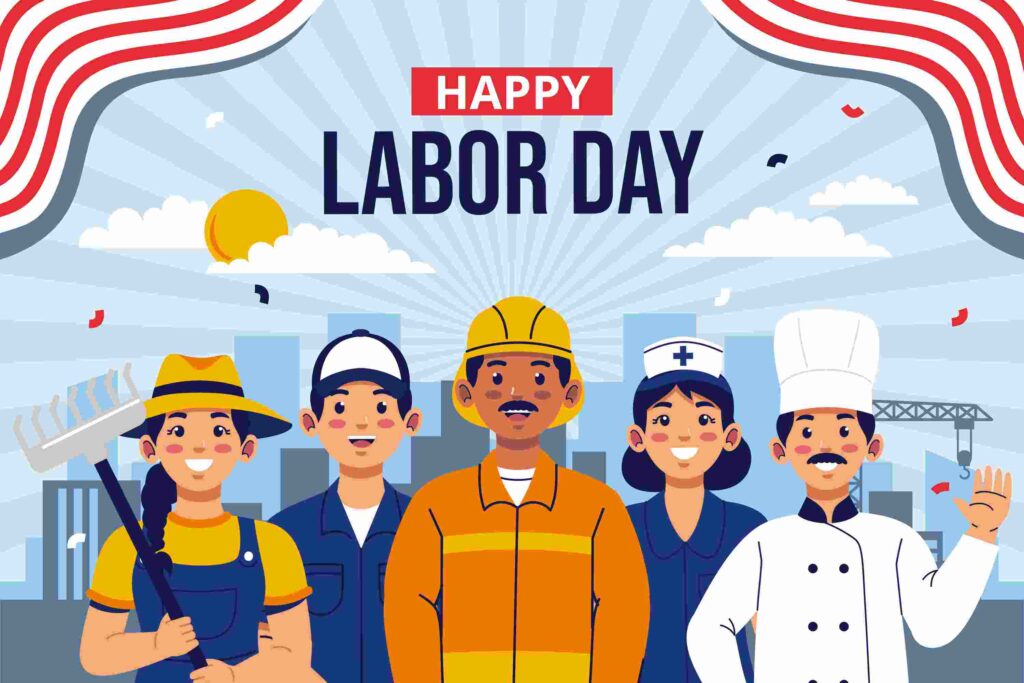
    HappyLaborDay

    Labor Day – one of the most significant federal holidays in the United States will take place on Monday, September 1, 2025 (U.S. time). This is an occasion to honor and appreciate the invaluable contributions of workers to the nation’s growth and prosperity.

    During this period, many public services and transportation systems will temporarily suspend operations in accordance with federal regulations. To help our partners and customers (sellers) proactively plan their production, order processing, and business operations, FlashShip would like to announce our official working schedule for September 1, 2025 (U.S. time) as follows:

    1. Service Schedule Information

    • United States Postal Service (USPS): All mail pickup and delivery services nationwide will be suspended on September 1, 2025.
    • FlashShip: We will continue operating as usual, maintaining production and order fulfillment without any disruption to ensure smooth business operations.

    2. FlashShip Operations During the Holiday

    • FlashShip’s system will continue production and order processing as usual throughout the holiday period.
    • All orders placed during the holiday will be prepared in advance and handed over to USPS as soon as they resume operations on Tuesday, September 2, 2025.

    3. Important Notice

    • Due to USPS’s holiday schedule, final delivery times may take longer than expected. To ensure smooth business operations, we kindly recommend that our Partners proactively plan production schedules and update customers in advance to minimize potential complaints.

    FlashShip remains fully committed to making every effort to ensure a seamless fulfillment process and minimize any potential impact of the holiday on your business operations.

    For any inquiries, please contact us:

    • Hotline: +84 943 024 337 / +84 852 763 445
    • Email: support@flashship.com

    Sincerely,

    FlashShip Team