Tag: FlashShip POD Fulfillment

  • How to Place a Logo on a T-Shirt Properly

    How to Place a Logo on a T-Shirt Properly

    The placement of a logo on a T-shirt is not just a small design detail, it’s a strategic factor that determines whether your product truly stands out and stays memorable in the customer’s mind. A precisely positioned, balanced, and sharp logo reflects the professionalism of the seller while elevating the overall brand value. Conversely, even a slight misalignment or printing error can make the entire design look unbalanced and less appealing. This article will help you master the principles of proper logo placement, choose the right proportions and dimensions, and turn every T-shirt into a product that carries your brand’s unique identity.
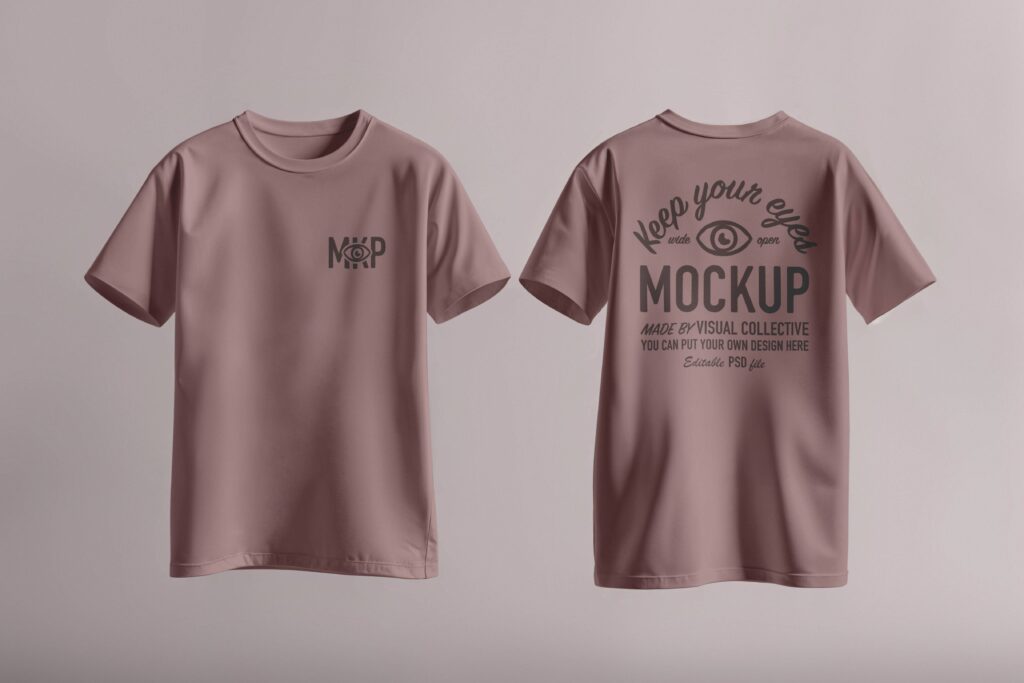
    Logo T-Shirts

    Why is placing the logo in the right position on a T-shirt so important?

    Before diving into technical specifications, it’s essential to understand why this matters so much. This isn’t just a random design rule, it’s built on proven principles of design balance and marketing psychology that directly impact how customers perceive and remember your brand.

    • Building Professionalism and Trust: Imagine receiving two T-shirts. One has its logo neatly and evenly placed on the familiar left chest area, while the other has its logo positioned too low near the stomach or too high near the shoulder. Instantly, the second shirt gives off the impression of a defective or carelessly made product. The logo’s position serves as the first visual cue of your brand’s precision and quality.
    • Enhancing Aesthetics and Visual Balance: The human body isn’t a flat surface, which means logo placement must be calculated so it appears natural and balanced when worn. Standard logo positions (like the left chest) have been established over decades because they are “golden spots” for the eye, visually pleasing, easy to notice, and harmonious with the overall garment.
    • Strengthening Brand Recognition: A logo placed in a visible and familiar position helps customers remember your brand more easily. When your customer wears that shirt in public, it becomes a piece of free advertising. Conversely, if the logo is placed in an awkward or hidden spot, you miss out on this valuable marketing opportunity.
    • Influencing the Perceived Value of the Product: A product that shows attention to even the smallest details, such as logo positioning, conveys a sense of quality and craftsmanship. Customers are often willing to pay more for a product that reflects professionalism and genuine care from the seller.

    In short, proper logo placement isn’t optional, it’s a must for any serious POD seller aiming to build a sustainable and respected brand.

    Common Logo Placement Positions on T-Shirts

    Each logo placement creates a different visual impression and serves a distinct purpose. POD sellers need to understand the meaning, advantages, disadvantages, and practical applications of each position to choose the most suitable one for their product.

    Left Chest
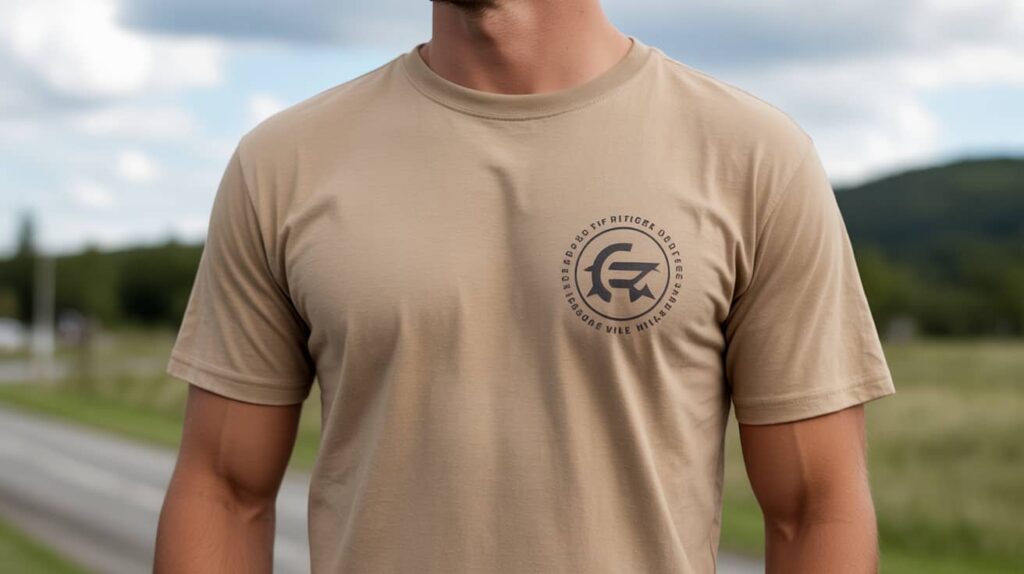
    Left Chest

    This is the most classic and safest placement in the world of T-shirt printing. When people think of a logo on a shirt, this is almost always the position that comes to mind. The logo typically measures between 8–10 cm, placed neatly at heart level and slightly shifted to the left of the shirt’s center line.

    Advantages: It creates a refined, professional, and well-balanced look. The left chest position is highly recognizable yet not too flashy, perfect for brand-building (POD branding), company uniforms, or formal event apparel. It conveys trust, professionalism, and credibility both for the wearer and the brand.

    Disadvantages: The limited space makes it challenging to display logos with complex designs, multiple elements, or long taglines. This placement works best for simple, clean icon or wordmark logos that can be easily recognized at a glance.

    Center Chest

    If you want your design to be the focal point of attention, the center chest placement is a must. This area is ideal for text-based logos, bold symbols, or statement slogans. The common print size for this position ranges from 20–28 cm in width.

    Advantages: A centrally placed logo naturally draws the viewer’s attention, making it perfect for fashion-forward T-shirts, promotional items, or expressive designs that showcase personality and attitude.

    Disadvantages: This position requires careful consideration of proportions. A logo that’s too large or features colors with excessive contrast against the shirt can easily disrupt balance, making the overall look heavy and less refined.

    Sleeve

    Printing a logo on the sleeve is an increasingly popular trend, especially for sportswear, streetwear, and team shirts. It’s a great way to add a distinctive brand element without interfering with the main design on the front or back of the shirt.

    Advantages: It creates a unique and subtle highlight, showing the brand’s attention to detail and making the T-shirt more visually interesting. You can even print logos on both sleeves to create a balanced and cohesive look.

    Disadvantages: The print area is quite limited, so the logo should be simple, concise, and sharp to maintain clarity and recognizability.

    Back Neck (Behind the Collar)
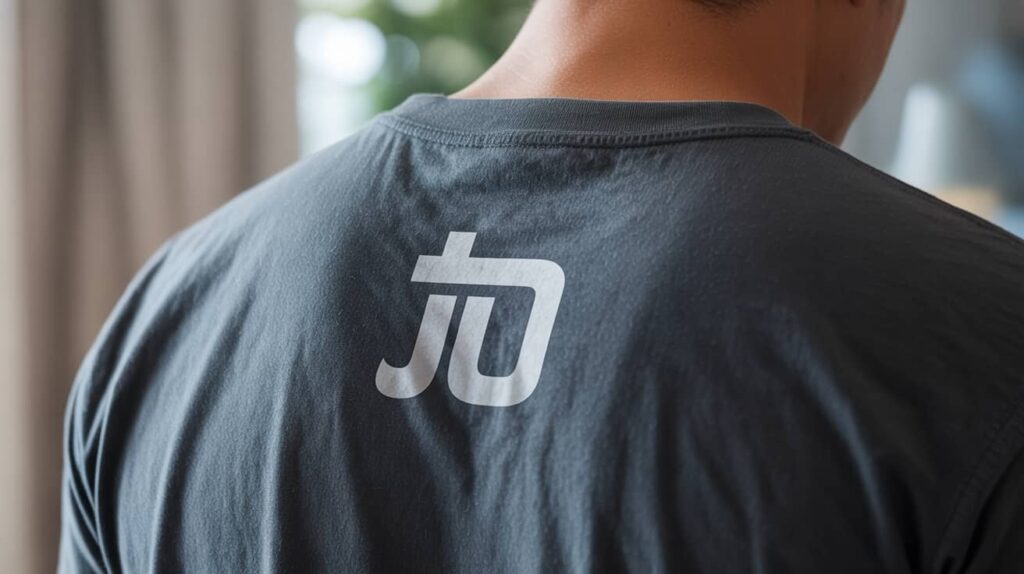
    Back Neck

    The back neck area may seem small, but it carries significant branding power. Commonly used to print a logo or brand name instead of a traditional tag, this position adds a premium and polished touch to the garment.

    Advantages: It subtly enhances brand recognition, even when the wearer is seen from behind. This placement is often associated with high-quality fashion brands, helping your T-shirt convey a more elevated and professional image.

    Disadvantages: The position can be easily overlooked — especially if the customer has long hair or wears an outer layer that covers the back of the neck.

    Full Back (Center Back)

    When you need a large area to showcase a message, image, or promotional artwork, the center back placement serves as the perfect canvas.

    Advantages: It creates a powerful visual impact and leaves a lasting impression from behind. This placement is ideal for event shirts, team-building apparel, staff uniforms (where clear information is needed), or POD products designed around a specific theme or campaign.

    Disadvantages: Printing on such a large area generally costs more. Additionally, aligning a big design precisely in the center back requires high printing accuracy to avoid distortion or imbalance that could affect the final product quality.

    Other Creative Placements:

    • Oversized Front Logo: A large design that extends beyond the central chest area, commonly seen in streetwear fashion.
    • Side Print: A logo printed vertically along one side of the shirt, creating a unique and dynamic effect.
    • Hem Tag: A small logo or tag placed at the bottom hem of the shirt, similar to branding details found on premium fashion labels.

    Guide to Placing a Logo on a T-Shirt Using Design Software

    After choosing the right placement, how can you accurately represent it in your design file? The answer lies in creating a mockup. A well-prepared mockup not only helps you visualize the final product but also serves as the reference file your POD provider will use for printing.

    Professional Workflow with Adobe Photoshop:

    This is the most powerful tool for creating realistic and precise mockups.

    • Find or create a high-quality mockup template:Use real T-shirt images with high resolution to ensure clarity and accuracy.
    • Use Rulers and Guides:Go to View > Rulers (Ctrl/Cmd + R) to display the rulers.Drag guides from the rulers to mark the standard logo positions mentioned in section 2 (for example, create a guide 10 cm below the neckline).This ensures consistency across all your designs.
    • Use Smart Objects:Place your logo design file inside a Smart Object.This allows you to resize or adjust the logo without losing quality and to apply realistic effects (such as shadows or fabric textures) naturally.
    • Position the Logo Accurately:Move the Smart Object layer containing your logo to align it precisely with the guides.
    • Save the File with Standard Settings:Export your final design file as a PNG with a transparent background at 300 DPI to ensure print-ready quality.

    Simpler Online Tools (Canva, Placeit):

    Canva

    For those who aren’t familiar with Photoshop, these tools offer an excellent and user-friendly alternative.

    • Placeit: Provides thousands of T-shirt mockup templates featuring real models and backgrounds. Simply upload your logo, and the platform will automatically place it on the shirt. Most placements follow standard positions, but you can still adjust the size and location within the allowed range.
    • Canva: You can upload a T-shirt image, then add your logo and position it where you want. Use Canva’s alignment tools to ensure the logo is perfectly centered or properly aligned to your desired layout.

    How to Ensure Your Printed Logo Isn’t Blurry, Misaligned, or Pixelated

    Placing your logo in the right position means nothing if the final print comes out blurry, distorted, or off-color. Below are the key technical factors every POD seller must master to guarantee professional print quality.

    Resolution

      • Rule #1: Always design and export your files at 300 DPI (Dots Per Inch) — the gold standard in printing to ensure crisp, high-quality images.
      • How to calculate it: Don’t just rely on the DPI value — pay attention to the actual pixel dimensions.
      • For example, if you want to print a logo 10 cm wide (approximately 4 inches) on the left chest:
    • Minimum pixel width = 4 inches × 300 DPI = 1200 pixels.
      • That means your logo file should be at least 1200 pixels wide to maintain sharpness when printed at 10 cm.

    File Formats

    • Raster (Bitmap): These include formats such as PNG, JPG, and GIF. They are made up of individual pixels, which means that when you enlarge a raster image, it can become blurry or pixelated.
      • When to use: Ideal for complex designs, photographs, or images with many colors. Always prefer PNG with a transparent background when using raster files for logos.
    • Vector: These include formats such as AI, EPS, and SVG. Vector files are created using mathematical equations and curves, allowing them to be scaled infinitely without any loss of quality.
      • When to use: This is the best format for logos. Whenever possible, design and store your logo in a vector format to ensure perfect sharpness at any print size.

    Color Space

    • RGB (Red, Green, Blue): This color model is used for digital displays such as computer monitors and smartphones. Colors in RGB mode tend to appear brighter and more vibrant.
    • CMYK (Cyan, Magenta, Yellow, Key/Black): This color model is used for printing.
    • Why it matters: If you design in RGB but print using CMYK, the colors may appear duller or inaccurate in the final product. To achieve the most accurate color results, always set your design software’s color space to CMYK from the very beginning.

    Printing Methods for Logos on T-Shirts
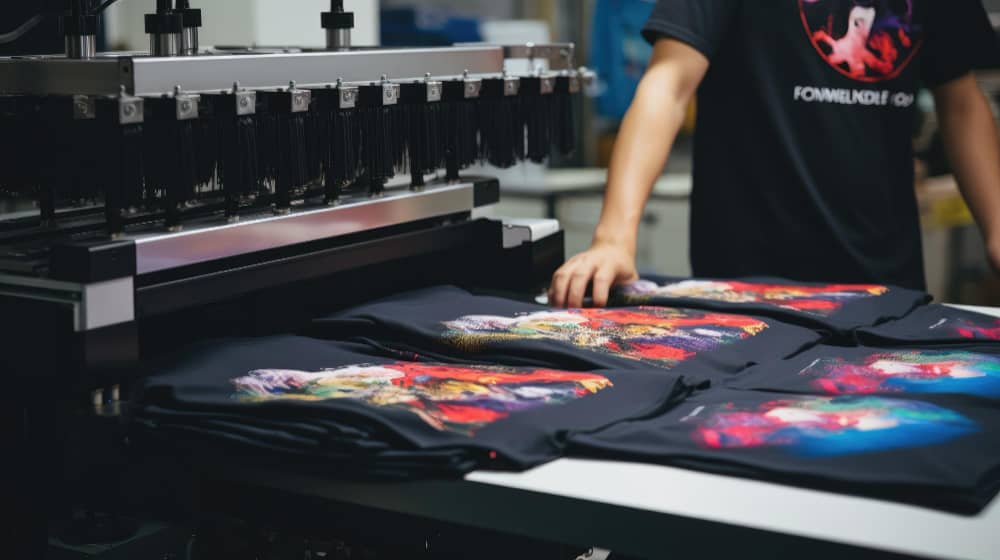
    DTFF

    Understanding different printing technologies helps you choose the right POD provider and know the limitations of each method.

    Direct to Garment (DTG) Printing

    • How it works: Similar to an inkjet printer printing directly on paper, a DTG printer sprays ink directly onto the fabric fibers.
    • Advantages: Can print complex, full-color designs with no color limitations. Perfect for POD models as it allows printing one item at a time. The ink absorbs into the fabric, creating a soft and natural feel.
    • Disadvantages: Higher cost per piece compared to screen printing. Works best on 100% cotton fabrics for optimal color vibrancy.

    Screen Printing

    • How it works: Uses a mesh screen (stencil) to push ink through onto the fabric — one screen per color.
    • Advantages: Very cost-effective for large runs. Produces vivid, durable colors that last through many washes.
    • Disadvantages: Not suitable for POD due to high setup costs for each design. Difficult to print multi-color or gradient designs.

    Direct to Film (DTF) Printing

    • How it works: The design is printed onto a special PET film, then heat-pressed onto the shirt.
    • Advantages: A rapidly growing modern method. Works on multiple fabric types (cotton, polyester, blends). Delivers sharp, vibrant colors with high durability. Suitable for both small and large orders.
    • Disadvantages: The print surface may feel slightly more plastic-like compared to DTG.

    Heat Transfer Vinyl (HTV) Printing

    • How it works: Colored vinyl sheets are cut into shapes and heat-pressed onto the garment.
    • Advantages: Extremely durable, with clean and solid colors. Ideal for simple designs, 1–2 color logos, names, or numbers.
    • Disadvantages: Not suitable for complex or multi-color designs.

    Notes When Printing Logos for Branding or POD Business Purposes

    • Consistency Is Key: Build a clear brand guideline that defines the logo’s placement, size, and color across all products. Consistency creates a professional and easily recognizable brand image.
    • Always Order Samples: This is non-negotiable. Never sell a product you haven’t held in your hands. Samples allow you to verify the position, size, print quality, and actual colors before launching the design.
    • Consider Fabric and Shirt Color: A logo that looks great on a white shirt may “disappear” on black fabric. Prepare different logo variations (for example, a white logo for dark shirts and vice versa). Fabric types, cotton, polyester, or tri-blend, can also affect color accuracy and sharpness.
    • Work With a Reliable POD Provider: A trustworthy partner provides accurate design templates, clear file requirements, and modern printing technology to ensure the final product matches your mockup perfectly.
    • Don’t Overlook the Overall Design: The logo is only one part of the whole. Make sure it complements other design elements on the shirt (if any) and aligns with your brand’s overall aesthetic and identity.

    Placing the logo in the right position not only makes a T-shirt more visually balanced and aesthetically pleasing but also helps reinforce the brand identity of POD sellers. A shirt with a well-positioned, sharp, and properly scaled logo creates a professional impression, making it easier for customers to remember the brand and trust the product’s quality. From the design and mockup stages to selecting the printing method, every step must be executed carefully to ensure the logo remains crisp, vibrant, and long-lasting over time.

    For detailed consultation on logo printing techniques, proper placement, and choosing the right blank T-shirt for each POD product line, please contact (+84) 943 024 337 or visit seller.FlashShip.net. The FlashShip team is always ready to support you on your journey to building a professional and successful POD brand.
  • FBA vs FBM: Which One Is Better for POD Sellers?

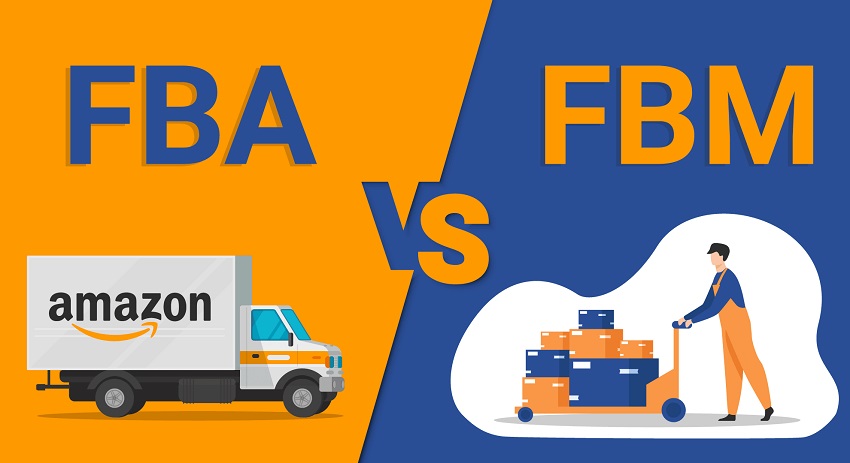
    FBA vs FBM: Which One Is Better for POD Sellers?

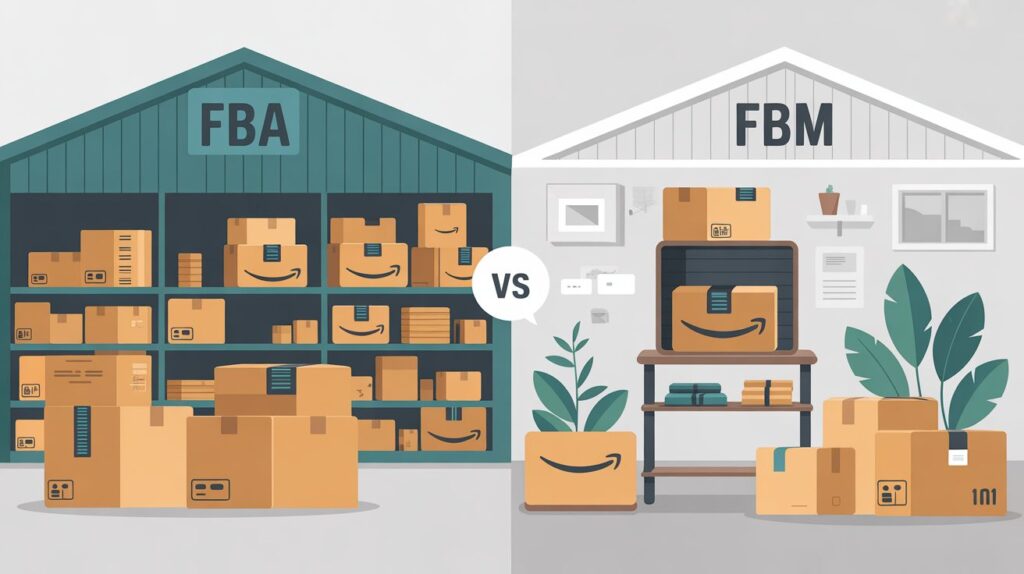
    When entering Amazon’s massive e-commerce marketplace, one of the most important decisions POD sellers must make is choosing an order-fulfillment method. The two most common options are FBA (Fulfillment by Amazon) and FBM (Fulfillment by Merchant). Each model has its own advantages and drawbacks that directly impact your costs, brand control, customer experience, and ultimately your profit.

    This article takes a deep dive into a detailed, side-by-side comparison of FBA and FBM specifically tailored for POD sellers to help you make the most informed decision for your store.

    FBA & FBM

    What is FBA (Fulfillment by Amazon)?

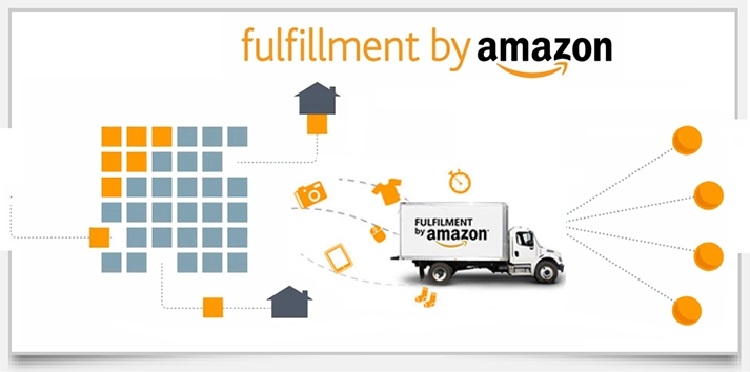
    Fulfillment by Amazon (FBA) is a service provided by Amazon that allows sellers to store their products in Amazon’s fulfillment centers. When a customer places an order, Amazon handles the entire fulfillment process on the seller’s behalf from picking, packing, and shipping to managing customer service and returns.

    In simple terms, with FBA, you only need to focus on sourcing products, marketing, and sending your inventory to Amazon’s warehouses. The rest will be taken care of by the e-commerce giant.

    How FBA Works with the POD Model

    For POD (Print on Demand) sellers, the FBA process operates a bit differently compared to traditional product sellers. Since POD items are only printed after an order is placed, you can’t send large quantities of unprinted inventory to Amazon’s warehouses. Instead, the process typically goes as follows:

    • 1. Pre-produce a small batch: You’ll need to forecast demand and pre-produce a limited quantity of your best-selling POD products (for example, T-shirts with your top designs) from your supplier (such as FlashPOD).
    • 2. Ship products to Amazon’s fulfillment centers: Once the items are printed and packaged according to Amazon’s standards (with proper labeling and barcodes), you’ll send the batch to Amazon’s fulfillment centers.
    • 3. Amazon stores and fulfills orders: Amazon stores your products, and when a customer places an order from your storefront, the company immediately handles the fulfillment and delivery on your behalf.

    Advantages of FBA for POD Sellers

    What is FBA

    • Prime Badge and Fast Shipping: This is FBA’s biggest competitive edge. Products fulfilled through FBA automatically qualify for the Prime badge, meaning Amazon Prime members enjoy free two-day shipping. This superior delivery speed plays a crucial role in influencing purchase decisions.
    • Higher Chance of Winning the “Buy Box”:  Amazon’s A9 algorithm favors FBA listings when determining which product wins the “Buy Box” (the “Add to Cart” or “Buy Now” button). Winning the Buy Box significantly boosts product visibility, conversion rates, and overall sales.
    • Saves Time and Effort: Amazon takes care of the entire operational process from warehousing, packing, and shipping to 24/7 customer support and return handling. This allows you to free up time and focus on core business activities such as design research, marketing, and business expansion.
    • Access to Amazon’s Massive Customer Base: With Amazon’s reputation and extensive logistics network, your products can easily reach millions of loyal customers around the world.
    • Simplified International Selling: Through the FBA Export program, Amazon enables you to ship products to customers in over 100 countries and regions without the hassle of dealing with complex customs procedures yourself.

    Disadvantages of FBA for POD Sellers

    • Inventory Risk: This is the biggest challenge of FBA for POD sellers. You must produce products in bulk before receiving actual orders, which goes against the “print-on-demand” nature of the POD model. If a design doesn’t sell well, you’ll face inventory buildup and long-term storage costs.
    • High and Complex Fees: FBA’s fee structure can be quite complicated, including storage fees (based on volume and duration), fulfillment fees (based on size and weight), return processing fees, and other additional charges. These costs can significantly eat into your profit margins if not calculated carefully.
    • Strict Product Preparation Requirements: Amazon enforces strict guidelines for how products are packaged, labeled, and shipped to their fulfillment centers. Noncompliance may result in shipment rejection or additional fees.
    • Loss of Brand Control: All products are packaged in Amazon-branded boxes, reducing your ability to create a unique branded unboxing experience for customers.
    • Challenges in Quality Control: Since you don’t directly handle each order, maintaining consistent product quality and ensuring that every item meets your standards becomes more difficult.

    What is FBM (Fulfillment by Merchant)?

    FBA for POD

    Fulfillment by Merchant (FBM), also known as Merchant Fulfilled Network (MFN), is a model in which the seller is fully responsible for the entire order fulfillment process after a product is sold on Amazon. This includes storing inventory, packing, shipping, and handling customer service.

    With FBM, your Amazon storefront functions as a sales channel, while all backend operations are managed by you or a third-party logistics provider (3PL).

    How FBM Works with the POD Model

    The FBM model aligns perfectly with the nature of the Print-on-Demand (POD) business:

    • 1. Upload Products: You create mockups and list your products on your Amazon store.
    • 2. Customer Places an Order: When a customer makes a purchase, the order details are sent directly to you.
    • 3. Forward the Order to Your POD Supplier:
      You then forward the order information (design, product type, and customer details) to your POD partner (such as FlashPOD).
    • 4. Printing and Shipping: Your POD partner prints, packages, and ships the product directly to the customer under your brand name.
    • 5. Customer Updates and Support: You are responsible for updating the tracking information on Amazon and managing all customer inquiries or support requests.

    Advantages of FBM for POD Sellers

    • No Inventory Risk: This is the biggest advantage of FBM for POD businesses. You only produce products after receiving an order, eliminating upfront inventory investment and storage-related risks entirely.
    • Full Brand Control: You have complete control over your product packaging. You can use custom boxes, bags, thank-you cards, or marketing inserts that reflect your brand identity, creating a unique unboxing experience and strengthening customer connection.
    • Higher Profit Margins: By avoiding FBA’s various fees, you can retain a larger portion of your profit per sale. You only need to pay Amazon’s referral fee, along with production and shipping costs to your POD partner.
    • Operational Flexibility: You’re not bound by Amazon’s strict product-preparation requirements. You can work with multiple fulfillment partners and easily switch between them as your business needs evolve.
    • Direct Customer Interaction: Handling customer service yourself allows you to better understand your buyers’ needs and feedback, helping you refine your products and improve your service quality over time.

    Disadvantages of FBM for POD Sellers

    • Operational Burden and Time-Consuming Tasks: You are fully responsible for managing the entire fulfillment process. Although your POD partner handles production and shipping, you still need to monitor orders, update tracking information, and resolve any issues that arise. As your order volume grows, this workload can quickly become overwhelming.
    • Slower Shipping Speed: It’s difficult to offer two-day delivery like Amazon Prime. Longer shipping times can lower your conversion rate, especially among customers accustomed to Amazon’s fast delivery standards.
    • No Prime Badge: Without the Prime badge, your listings may appear less attractive and trustworthy to many shoppers, reducing your competitive edge.
    • Lower Chances of Winning the “Buy Box”: Amazon’s algorithm tends to favor FBA sellers, making it harder for FBM sellers to win the Buy Box and gain top visibility on product pages.
    • Full Responsibility for Customer Service: You must maintain Amazon’s high standards for response times and customer satisfaction. Any delay or mistake could negatively affect your account health and seller performance metrics.

    Detailed Comparison: FBA vs. FBM

    To get a clear picture, let’s place FBA and FBM side by side and compare them across the most important criteria for POD sellers.

    Criteria FBA (Fulfillment by Amazon) FBM (Fulfillment by Merchant)
    Fulfillment Process Automated – Amazon handles everything Managed by the seller or a fulfillment partner
    Shipping Speed Very fast (2–3 days, Prime) Depends on the shipping carrier
    Service Fees High – includes storage, handling, and return fees Lower – only pay for production and shipping
    Brand Control Limited Full control (branding, packaging, inserts)
    Inventory Requires pre-printed stock – risk of unsold inventory No inventory – printed on demand
    Suitability for POD Difficult – conflicts with print-on-demand nature Highly suitable – flexible workflow
    Customer Experience Excellent – trusted Prime service Depends on fulfillment quality
    Profit Margin Lower due to high fees Higher margins per sale
    Scalability Easy to scale with minimal operational effort Requires strong fulfillment systems to scale effectively

    Which service is better for sellers: FBA or FBM?

    POD Sellers

    After a detailed analysis, there isn’t an absolute winner. The right choice isn’t whether FBA or FBM is universally “better,” but which model best fits your current stage and business strategy.

    When Should You Choose FBM?

    FBM is the ideal and safest choice for most POD sellers especially for beginners.

    • Startup Stage: When you’re just starting out with limited capital and little data on best-selling designs, FBM allows you to test the market without the risk of holding inventory. You can upload hundreds or even thousands of designs to gauge customer reactions.
    • Focus on Brand Building: If your goal is to build a strong POD brand with a loyal customer base, FBM gives you the flexibility to create a consistent brand experience from the product and packaging to customer service.
    • Selling Niche Products: For products with modest but steady sales volume, maintaining an FBM model helps you optimize profits while keeping operations simple and efficient.
    • Prioritizing Profit Margins: FBM lets you retain a higher profit per unit sold, which is especially valuable when you’re in the capital-building phase of your business.

    When Should You Consider Using FBA?

    FBA is an advanced strategy, best suited for sellers with experience and reliable sales data.

    • When You Have a “Hero” Product: After a period of selling via FBM, you may identify certain designs or products that consistently perform well. At this stage, you can confidently pre-produce a small quantity of these bestsellers and send them to Amazon’s FBA warehouses.
    • When You Want to Scale Sales for Bestsellers: By switching your “hero” products to FBA, you can leverage the power of the Prime badge and the higher likelihood of winning the Buy Box—both of which can elevate your sales to the next level.
    • During Major Sale Seasons: In peak shopping periods such as Black Friday, Cyber Monday, or Christmas, delivery speed becomes a key factor. Having your products ready in FBA warehouses allows you to meet surging demand and seize golden sales opportunities.
    • When You Want to Scale and Reduce Workload: If you’re overwhelmed by daily order management and wish to focus more on strategy and growth, outsourcing your fulfillment to FBA is a smart and efficient move.

    Hybrid Strategy

    A smart approach adopted by many successful POD sellers is to combine both FBA and FBM.

    • Use FBM for your entire product catalog: This allows you to test new designs and sell niche products without the risk of holding inventory.
    • Use FBA for a few “best-selling” products: Select proven top-selling items, produce a small batch, and send them to Amazon’s fulfillment centers to take advantage of Prime benefits and boost sales.

    By doing so, you maintain the flexibility and low-risk nature of the traditional POD model while leveraging Amazon’s powerful marketing and logistics system to maximize profitability.

    Choosing between FBA and FBM doesn’t just affect your fulfillment process it directly impacts customer experience and your overall profitability as a POD seller. Each model offers distinct advantages: FBA delivers speed, convenience, and customer trust, while FBM provides greater flexibility in production control, cost optimization, and personal brand building.

    Understanding each model’s characteristics, applying them strategically, and partnering with a reliable fulfillment provider are the keys to sustainable growth in the competitive POD market.

    Contact us at (+84) 943 024 337 or visit seller.FlashShip.net for expert consultation, fast quotations, and tailored fulfillment strategies to help your POD brand thrive with FlashShip.

  • The Ultimate Guide to Basic T-Shirt Fits Every Seller Should Know

    The Ultimate Guide to Basic T-Shirt Fits Every Seller Should Know

    For POD sellers, choosing the right garment fit not only enhances the look of the design but also ensures comfort, flatters the wearer’s body shape, and helps build long-term customer loyalty. This article provides a comprehensive overview of basic T-shirt, hoodie, and sweater fits, along with guidance on how to select the most suitable form and practical styling tips to help POD sellers optimize the customer experience and achieve sustainable sales growth.

    Basic T-Shirt Fits: The Foundation of Every POD Wardrobe

    Shirt,

    T-shirts are the “king” of the POD industry an essential item in every store. The variety of T-shirt fits allows you to reach a wide range of customers with different styles and preferences.

    Classic Fit

    • Features: The Classic Fit is the earliest and most traditional T-shirt silhouette, offering a relaxed and comfortable feel for the wearer. It features straight cuts along the shoulders, chest, and sleeves, running evenly from top to bottom without any tapering or shaping at the waist. This fit is universally flattering, suitable for all body types and ages especially those who appreciate simplicity, tradition, and comfort.
    • Target customers: Middle-aged buyers, individuals with fuller body shapes, or anyone who prefers a classic, unfussy style.
    • POD seller tip: With the Classic Fit, focus on simple and refined designs such as logos, slogans, or small graphics placed on the left chest area. Vintage or retro-inspired designs are also an excellent choice. Avoid large, full-coverage prints, as they can make the shirt appear bulky and less flattering.

    Regular Fit

    • Features: The Regular Fit is an upgraded version of the Classic Fit, tailored to provide a more fitted silhouette while still ensuring comfort. The waist is slightly tapered, and the sleeves and shoulders are cut more neatly, creating a well-balanced overall look. This is the most common T-shirt fit today, suitable for the majority of consumers.
    • Target customers: Almost all customer groups from young adults to working professionals especially those with an average or slightly slim build.
    • POD seller tip: The Regular Fit is a “safe playground” for any design idea. You can freely experiment with large front prints, bold typography designs, or even all-over prints. Just make sure your design maintains good visual balance across the shirt.

    Slim Fit

    • Features: The Slim Fit is designed to contour closely to the body, especially around the chest, waist, and sleeves. This fit accentuates the wearer’s physique, offering a sleek, dynamic, and modern appearance. The fabric often includes good stretchability to maintain comfort and ease of movement.
    • Target customers: Individuals with a balanced or athletic build particularly young customers and those who favor sporty, fashion-forward styles.
    • POD seller tip: For Slim Fit shirts, place your designs strategically to draw attention to key body areas such as the chest and shoulders. Subtle, minimalist graphics or vertical stripes can help elongate the body and create a slimmer look. Avoid overly complex or cluttered designs that may disrupt the clean aesthetic.

    Oversized

    • Features: The Oversized fit is designed to be significantly larger than the wearer’s actual size, with broad shoulders, loose sleeves, and a baggy torso. This style embodies a strong streetwear and hip-hop influence, expressing freedom, individuality, and confidence.
    • Target customers: Young people, streetwear and hip-hop enthusiasts, or anyone who wants to stylishly conceal body imperfections.
    • POD seller tip: The Oversized fit is a perfect “canvas” for bold, eye-catching designs. Large graffiti prints, oversized typography, and abstract art graphics stand out beautifully on this style. You can also experiment with unconventional print placements, such as on the back or sleeves, to enhance the street-style aesthetic.

    Basic Hoodie and Sweater Fits

    Basic-Hoodie

    As the weather gets colder, hoodies and sweaters become must-have items in every customer’s shopping cart. Understanding the different fit types will help you cater to the diverse needs of the market.

    Classic/Regular Fit Hoodie/Sweater

    • Features: Similar to T-shirts, the Classic/Regular Fit for hoodies and sweaters offers comfort and a balanced fit. The garment has a moderate width and hip-length cut, making it ideal for everyday wear.
    • Target customers: A wide range of customers anyone looking for a warm, practical, and easy-to-style hoodie or sweater.
    • POD seller tip: This fit is highly versatile and works well with almost any design from college logos and inspirational slogans to fun and playful graphics.

    Oversized Hoodie/Sweater

    • Features: The Oversized fit delivers a trendy, bold, and ultra-comfortable look. It has become a favorite among young consumers, especially in recent years as streetwear fashion continues to rise in popularity.
    • Target customers: Young people, those who embrace an active and modern lifestyle, and couples who enjoy matching outfits.
    • POD seller tip: Take advantage of the generous space this fit offers to showcase creative, standout designs. Anime artwork, gaming characters, or bold statement quotes are perfect choices. You can also experiment with unique print placements for added visual impact.

    Zip-up Hoodie

    • Features: The Zip-up hoodie is a versatile variation of the traditional hoodie, featuring a front zipper closure. It allows the wearer to easily adjust the level of openness, making it suitable for various weather conditions.
    • Target customers: Individuals who value convenience, flexibility, and often engage in outdoor activities.
    • POD seller tip: When designing for Zip-up hoodies, pay attention to the center zipper line. Opt for small prints on the left chest or larger designs on the back. Some sellers get creative with symmetrical designs on both sides of the zipper for a unique visual effect.

    Cropped Hoodie/Sweater

    • Features: The Cropped hoodie or sweater has a shorter length—typically reaching the waist or just above it. This fit offers a youthful, stylish, and flattering look, especially when paired with high-waisted bottoms.
    • Target customers: Young women with a slim waist who enjoy trendy and fashion-forward styles.
    • POD seller tip: Keep designs minimal and refined for this form. Small text, floral motifs, or cute icons work perfectly to complement the chic, playful aesthetic of cropped fits.

    How to Choose the Right Shirt Fit for Each Body Type – A Must-Know for POD Sellers

    Body Type

    Advising customers on the most suitable shirt fit not only helps increase conversion rates but also builds trust and enhances your brand’s credibility.

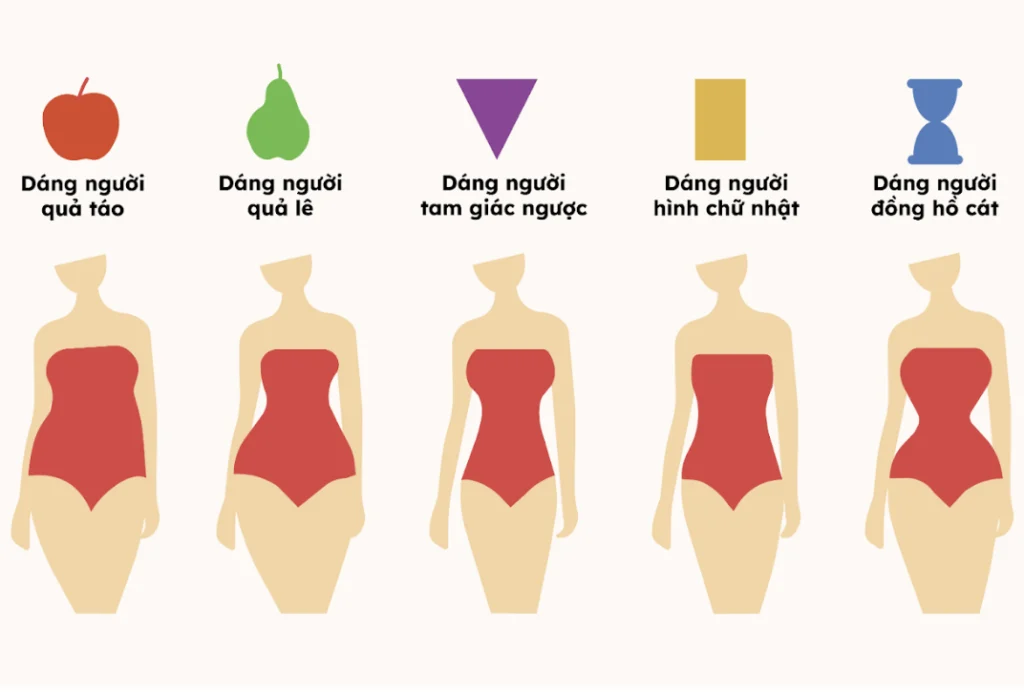
    Pear-Shaped Body (Wider hips, narrower shoulders)

    • Recommended: T-shirts, hoodies, and sweaters in Regular Fit or Oversized styles. These fits help balance the upper body. Shirts with shoulder details such as epaulets or designs that draw attention to the chest area can help emphasize the upper part of the body.
      Avoid: Tight Slim Fit styles that accentuate the difference between shoulders and hips.

    Inverted Triangle Body Shape

    • Recommended: Regular Fit T-shirts, hoodies, or sweaters with simple designs around the shoulders and chest. Darker colors on the upper body can also help create a slimmer shoulder appearance.
      Avoid: Padded shoulders, horizontal stripes across the shoulders, or Oversized fits that may make the upper body appear bulkier.

    Rectangle Body Shape

    • Recommended: Slim Fit or Regular Fit styles to create more body definition. Cropped tops are also a great choice to highlight the waistline.
      Avoid: Loose Classic Fit shirts that may make the body appear flat and lacking in curves.

    Apple-Shaped Body

    • Recommended: T-shirts, hoodies, and sweaters in Regular Fit or Oversized styles made from soft, drapey fabrics. V-neck tops can help create a more elongated and refined look for the upper body.
      Avoid: Slim Fit or Cropped styles, as well as designs with excessive detailing around the midsection.

    Hourglass Body Shape

    • Recommended: This is the most versatile body type, suitable for nearly all shirt fits. However, Slim Fit or Regular Fit styles are ideal for accentuating the natural curves of the body.
      Avoid: Overly loose Oversized fits that may conceal the well-defined waistline.

    Styling Tips for Each Shirt Fit: Golden Insights for POD Sellers

    TIPS

    Offering styling suggestions helps customers visualize the final look more easily and make faster purchase decisions. You can also use these tips to create engaging blog posts or social media marketing content.

    For T-Shirts

    • Classic Fit / Regular Fit: Pair with jeans, chinos, or shorts — a timeless combination that never goes out of style. For women, tucking it into an A-line or midi skirt adds a feminine touch.
    • Slim Fit: Combine with skinny jeans, joggers, or tapered trousers for a sleek, active, and polished look.
    • Oversized: The “no-pants” look with short shorts is a favorite among women, while men can pair it with joggers or cargo pants to create a bold streetwear outfit.

    For Hoodies / Sweaters

    • Classic Fit / Regular Fit: Layer over a shirt and pair with jeans or chinos for a preppy, polished style perfect for school or casual office settings.
    • Oversized: Match with leggings or skinny jeans to balance the proportions. Women can also pair it with a tennis skirt or pleated skirt for a trendy twist.
    • Zip-up Hoodie: Wear over a basic T-shirt with track pants and sneakers for a sporty, casual vibe.
    • Cropped: Pair with high-waisted jeans, wide-leg pants, or high-waisted skirts a combination that subtly shows off the waist and elongates the legs for a flattering silhouette.

    With the wide variety of apparel fits in the POD fashion industry, understanding each type of silhouette not only helps sellers create better-fitting and more aesthetic products but also enhances the wearer’s experience, builds a professional brand image, and strengthens customer loyalty. A design is only truly perfect when placed on the right shirt fit—one that accurately reflects the wearer’s style and personality.

    Whether you’re selling on Etsy, Amazon, TikTok Shop, or Shopify, choosing the right fit—from T-shirts and hoodies to sweaters—will help you develop an effective product strategy, reduce return rates, and achieve consistent, sustainable sales growth.

    If you’re looking for a reliable POD fulfillment partner that provides high-quality blanks, true American-standard fits, and comprehensive operational services, FlashShip is your ideal choice. With a professional team and a complete ecosystem that covers printing, order processing, and fast U.S. shipping, we’re ready to accompany you on your journey to building a sustainable POD brand.

    Contact us at (+84) 943 024 337 or visit seller.FlashShip.net for detailed consultation, quick quotations, and to start growing your own brand with FlashShip today.

  • Discover the Benefits of Eco-Friendly Printing Methods

    Discover the Benefits of Eco-Friendly Printing Methods

    In a context where consumers are increasingly concerned about eco-friendly products and sustainable production processes, environmentally friendly printing methods are becoming an inevitable trend in the Print on Demand (POD) industry. Implementing safe printing techniques not only helps minimize negative environmental impacts but also provides sellers with a competitive advantage.

    This article will explore popular green printing methods, analyze their outstanding benefits, and offer practical suggestions on how to effectively apply them to enhance product quality, attract customers, and build a sustainable POD brand.
    Printing POD

    Popular Eco-Friendly Printing Methods

    Today, the printing industry is developing various new techniques to minimize waste, conserve energy, and use safe materials. Below are some standout printing methods that POD sellers should be aware of.

    Direct-to-Garment (DTG) Printing

    Imagine a traditional inkjet printer you use in the office, but upgraded to print directly onto a t-shirt, hoodie, or tote bag. That’s the core principle of DTG printing. This technology sprays ultra-fine droplets of ink directly onto the fabric fibers, allowing the ink to penetrate deeply and become part of the material, resulting in a soft, natural feel to the touch.

    Why DTG Is Environmentally Friendly

    • Water-Based Inks: This is the most significant sustainable advantage of DTG. Unlike traditional screen-printing inks like Plastisol, which are essentially liquid plastics, DTG inks are made from water, pigments, and safe additives. They are biodegradable, free from harmful volatile organic compounds (VOCs), and extremely safe for skin — even the sensitive skin of children. Most reputable DTG ink suppliers are certified with the OEKO-TEX® ECO PASSPORT, ensuring that every component of the ink is safe for both human health and the ecosystem.
    • Optimized for the POD Model: The essence of Print on Demand (POD) is “print only when there’s an order.” DTG perfectly aligns with this model, completely eliminating overproduction and excess inventory, two of the biggest sources of waste and pollution in the fashion industry.
    • Exceptional Water Conservation: Traditional screen printing requires a massive amount of water to mix chemicals and clean screens after each use. In contrast, DTG is a “dry process” that uses virtually no water, helping to preserve one of the planet’s most precious resources.

    Digital Transfer Film Printing (DTF)

    DTF is a breakthrough technology that offers exceptional flexibility. Instead of printing directly onto fabric, the design is first printed onto a special PET film. A layer of hot-melt adhesive powder is then applied and dried. Finally, the film is placed on the product and heat-pressed, permanently transferring the image from the film to the fabric.

    Why DTF Is Environmentally Friendly

    • Closed-Loop Process with Minimal Waste: DTF also uses safe, water-based inks. The adhesive powder application is carefully controlled, and any excess powder can be collected and reused, significantly reducing solid waste.
    • Versatility Across Multiple Materials: One of DTF’s greatest advantages is its ability to print on a wide range of materials  from cotton and polyester to blended fabrics, leather, and synthetic leather. This allows manufacturers and POD sellers to streamline operations with a single printing process for multiple product lines, reducing complexity and waste in production.

    Sublimation Printing

    This is the “magical” technology of the printing world, especially effective on polyester-based materials or items with a polymer coating, such as ceramic mugs, phone cases, and aluminum sheets. The design is first printed onto sublimation transfer paper using special sublimation ink. Under high heat and pressure, the ink transforms directly from a solid to a gas, permeating and bonding with the polymer molecules of the material to create a permanent image.

    Why Sublimation Printing Is Environmentally Friendly/h4>

    • Completely Water-Free Process: This is the standout advantage of sublimation printing. The entire process from printing on paper to heat pressing, does not use a single drop of water, making it one of the least “water-thirsty” printing methods available.
    • No Harmful Waste Produced: The ink is fully absorbed into the product, meaning there is no excess ink runoff or chemical wastewater to treat. Additionally, used transfer paper can be easily collected and recycled, further minimizing environmental impact.
    • Maximum Product Durability: Since the image becomes an integral part of the material, it will never fade, crack, or peel, even after multiple washes. A longer product lifespan reduces the need for frequent replacements, thereby decreasing consumer waste and promoting sustainability.

    Benefits of Eco-Friendly Printing Methods

    Eco-Friendly

    Adopting eco-friendly printing methods is not only beneficial for the planet but also brings numerous advantages to POD sellers.

    Conquering the Promising “Green Market” Segment

    Consumer behavior has shifted. People no longer just buy products — they invest in brands that share their values. According to the latest market reports updated through 2025, this trend is becoming increasingly evident:

    • 68% of global consumers are willing to pay a higher price for products made sustainably.
    • More than 50% of Gen Z and Millennial customers actively seek out and prioritize brands that demonstrate a clear commitment to environmental issues.

    These numbers don’t lie. By choosing clean printing technologies, you are directly opening the door to a large, loyal customer base willing to spend. They are not just buying your designs  they are buying into the story and commitment to sustainability that your brand represents, fostering trust and deep emotional connections.

    Building a Sustainable Brand with a Unique Story

    Amid thousands of POD stores, sustainability is the key weapon that helps you craft a brand story that cannot be replicated. Instead of competing solely on price or design, you compete through core values.

    An eco-friendly brand will:

    • Create a positive and professional impression:
      It demonstrates that you are a visionary business that cares about quality and long-term impact, rather than just chasing short-term profits.
    • Easily access demanding markets:
      Major markets with high purchasing power such as the EU, U.S., and Japan have strict regulations on product safety and environmental standards. Having products certified by international standards like OEKO-TEX or GOTS is not just a bonus  it’s a passport that allows you to confidently expand your business globally.

    Elevate Product Quality and Maximize Customer Satisfaction

    Green printing isn’t just good for the environment it directly enhances the quality of the products you deliver to your customers. Modern technologies like DTG printing with water-based inks provide an exceptional experience:

    • Safety: Products are free from harmful chemicals, making them safe for all skin types, including the sensitive skin of children.
    • Soft and Breathable Feel: Say goodbye to the stiff, plastic-like texture of outdated printing methods. The design blends seamlessly into the fabric fibers, ensuring maximum comfort for the wearer.
    • Outstanding Color Durability: Sharp, vibrant, and long-lasting prints that won’t crack or peel even after multiple washes, reducing return rates and earning countless 5-star reviews.

    Unlock Marketing Potential and Content Creativity

    The story of sustainability is a goldmine of content for your marketing efforts. You can easily create engaging campaigns, such as:

    • Adding “Eco-Friendly Ink” or “Sustainable Printing” badges to product pages to boost conversion rates.
    • Writing “Behind the Scenes” blog posts showcasing your clean printing process.
    • Producing short videos that compare the soft, comfortable feel of water-based ink prints with other printing methods.

    This level of transparency not only educates customers but also turns them into natural brand ambassadors, helping to spread your brand’s story authentically.

    Applications in the POD Industry and Modern Printing

    printing

    The POD industry is experiencing a surge in demand for eco-friendly solutions. Sellers can seize this opportunity by integrating environmentally friendly printing methods into their business operations.

    Start with the Foundation: Sustainable Products and Designs<

    To create a truly 100% eco-friendly product, you need to perfectly combine both the “body” and the “soul.”

    • Choose Green POD Products: Actively seek out and prioritize blanks with sustainable origins. Top choices include t-shirts made from 100% organic cotton, tote bags crafted from recycled canvas, or hoodies woven from bamboo fibers. This approach not only reduces environmental impact but also provides a premium, safer experience for customers.
    • Practice Smart Design Management: While most modern POD providers require RGB files to optimize color output, you can still design with intentionality and sustainability in mind. Avoid overly intricate or unnecessary tiny details to minimize ink usage and streamline production time.  Always use digital mockups to preview how your designs appear across different garment colors before moving forward with production, ensuring both efficiency and quality.

    Partnering with a Professional Fulfillment Provider

    Your fulfillment partner is the heart of your POD store. A partner committed to sustainability will be the driving force that helps you bring your strategy to life. Look for providers that offer:

    • Modern Printing Technology: Utilizing DTG and DTF production lines with internationally certified water-based inks.
    • Green Operations Policies: Prioritizing recycled packaging and optimizing packing processes to minimize plastic use and waste.
    • Transparent Commitments: Willing to share details about the environmental certifications they have achieved.

    FlashShip is proud to be one of the industry pioneers, offering not only unmatched speed production starting from just 1 day and U.S. domestic shipping from 2 days with our Expedite Line but also a solid foundation for sellers to build sustainable, long-lasting brands.

    Spread the Story: Green Marketing and Communication

    Don’t keep your sustainability efforts to yourself turn them into powerful marketing stories:

    • Share Your Product Story: In product descriptions, briefly explain the clean printing process and the benefits of using water-based inks.
    • Use “Green Labels”: Add badges like “Eco-Friendly Printing” or “Printing Sustainably” to images and marketing videos to instantly grab attention.
    • Leverage Key Events: Create special collections and marketing campaigns around occasions such as Earth Day or Plastic-Free July to showcase your brand’s commitment and attract like-minded customers.

    Choosing and applying eco-friendly printing methods is no longer just a passing trend it has become a long-term strategy that helps POD sellers enhance product quality, attract environmentally conscious customers, and build a sustainable brand. A green printing process delivers dual value: protecting the planet while increasing profitability.

    If you’re looking for a reliable POD fulfillment partner to support your journey toward sustainable business growth, FlashShip is your top choice. With comprehensive solutions  from eco-friendly printing, quality control, and sustainable packaging to fast shipping starting from just 2 days FlashShip helps sellers save costs, reduce order processing time, and scale their business effectively.

    For more details or to create an account with FlashShip, please contact our hotline at (+84) 943 024 337 or visit seller.FlashShip.net for dedicated support.

  • Halloween Products for Print on Demand 2025

    Halloween Products for Print on Demand 2025

    Halloween is a festive season marked by a surge in shopping demand, especially for unique and personalized products. This is a golden opportunity for Print on Demand (POD) sellers to expand their businesses, attract customers, and boost revenue. However, many sellers have yet to identify their core products or develop the right business strategies, causing them to miss out on the immense potential of this holiday season. In this article, FlashShip will present a list of the hottest Halloween products for print on demand 2025, suggest design ideas tailored to different customer segments, and analyze the business benefits to help sellers get fully prepared to skyrocket their sales.

    Introduction to Halloween and Print on Demand Trends

    Introduction to Halloween and Print on Demand Trends

    Halloween is one of the most anticipated holidays of the year in Western countries, especially in the United States. On October 31st, people typically dress up as spooky, mystical, or humorous characters to join parties, parades, and participate in the traditional “Trick-or-Treat” activity. It’s also a time when families decorate their homes with pumpkins, fake spider webs, and various other themed decorations, creating a lively and festive atmosphere.

    With the rapid growth of e-commerce, Halloween has become more than just a fun holiday it is now a peak shopping season. Consumers start searching for Halloween-related products as early as September, with demand reaching its highest between October 15th and October 31st. This presents a golden opportunity for POD sellers to skyrocket their sales by staying on top of trends and offering the right products.

    Print on Demand Trends for Halloween 2025

    As we enter 2025, the POD industry continues to experience strong growth driven by the increasing demand for product personalization and the rapid expansion of e-commerce platforms. Below are the key trends sellers should pay attention to:

    Product Personalization

    Consumers are increasingly drawn to products that reflect their individuality. Customizable items such as family name T-shirts, commemorative canvas prints, or personalized décor pieces tend to have higher conversion rates. This trend is especially popular on platforms like Etsy and TikTok Shop, where buyers actively seek out unique, one-of-a-kind products.

    Minimalist Yet Distinctive Designs

    Instead of overly complex, traditional Halloween designs, modern consumers prefer clean, simple graphics that still stand out. These designs have a high level of versatility, allowing customers to use them both during and after the Halloween season.

    Rising Demand for Home Decor

    Beyond costumes, there is a significant surge in demand for home decoration during Halloween. From canvas prints and pillows to rugs and ornaments, shoppers are willing to spend more to create a festive atmosphere in their living spaces.

    Rapid Growth of Online Shopping

    More consumers are shopping on major e-commerce platforms such as Amazon, Etsy, TikTok Shop, and Walmart. This creates a massive opportunity for POD sellers to expand their reach without being limited by geographic boundaries.

    Strategic Tip

    Sellers should start preparing products by late August while keeping up with trending designs on platforms like Pinterest, TikTok, and Amazon. Uploading products early gives listings time to be indexed and gain higher search rankings when demand peaks in October.

    List of Print on Demand Products for the Halloween Season

    Choosing the right products to promote is just as important as creating great designs. With FlashShip’s strong production and fulfillment capabilities, you can confidently offer a diverse and high-quality catalog to your customers.

    List of Print on Demand Products for the Halloween Season

    Apparel: The “Backbone” of Every Campaign

    This is the easiest and most in-demand product group during the Halloween season.

    • T-Shirts: The king of the POD industry. Prepare a variety of T-shirt styles, from classic unisex crewnecks to other modern fits. T-shirts serve as the perfect “canvas” for all ideas from funny slogans and intricate illustrations to minimalist designs.
    • Hoodies & Sweatshirts: As the weather gets colder toward the end of October, hoodies and sweatshirts become must-have items. With their large print area, you can showcase impressive and detailed designs. These are high-value products that deliver great profit margins.
    • Kids’ T-Shirts & Baby Bodysuits: Don’t overlook the children’s market. Parents love buying Halloween outfits for their kids. Designs like “My First Halloween” or cute, spooky cartoon characters are guaranteed to attract attention.

    Home Decor: Bringing a Spooky Atmosphere to Every Corner

    Decorating the home is a key part of Halloween and one of the fastest-growing categories in the POD industry.

    • Canvas Prints & Posters: A gothic castle canvas print or an 80s-style horror movie poster can instantly transform a living room. These premium home décor items bring high perceived value and attractive profits.
    • Throw Pillows: The simplest and most cost-effective way to add a Halloween touch to sofas or beds. Designs featuring spider webs, bats, or iconic horror movie quotes are always popular.
    • Blankets: Perfect for cozy horror movie nights. A soft fleece blanket featuring pumpkins or a haunted forest design will be hard for customers to resist.
    • Garden Flags: Help customers impress neighbors and trick-or-treaters with festive yard flags. Whether fun and welcoming or spooky and eerie, these designs have strong selling potential.

    Accessories & Drinkware: Highly Profitable “Side Dishes”

    These lower-priced items are excellent for cross-selling and upselling, boosting average order value with minimal effort.

    • Mugs: A timeless classic. Everyone needs a morning coffee mug, and a unique Halloween design will brighten their day. Heat-changing mugs are especially fun and perfect for this season.
    • Tote Bags: Not just for kids to collect candy tote bags are also trendy fashion accessories, especially popular among younger customers. Simple typography or artistic illustrations work particularly well on this product.
    • Phone Cases: A daily essential. Offering Halloween designs for popular phone models is a reliable way to generate consistent revenue.
    • Stickers: An excellent low-cost, high-volume funnel product. Customers can use them to decorate laptops, water bottles, or notebooks. Selling themed sticker packs is a great way to increase cart value.
    • Keychains: Small, affordable, and irresistible. Halloween-themed keychains featuring characters, funny slogans, or personalized names are often purchased alongside T-shirts or tote bags. They’re an ideal add-on item to boost revenue without significantly increasing ad spend.

    Design Ideas by Target Audience

    A design only truly succeeds when it speaks the language of its target audience. Let’s explore niche markets and the most promising design ideas with FlashShip.

    Design Ideas by Target Audience

    Families & Kids: “Cute & Spooky” is the Key

    This customer group spends generously and loves buying matching outfits for the whole family.

    Design Style:

    • Cuteness Over Creepiness: Turn scary icons like ghosts, skeletons, and vampires into adorable cartoon characters with big, round eyes. Use bright colors like orange, purple, and green alongside the traditional black.
    • Matching Sets: This is a goldmine. Create family sets like “The Boo Crew,” Halloween versions of “Daddy Shark & Baby Shark,” or “Mummy” and “Little Pumpkin.”

    Slogan & Text Ideas:

    • “My First Halloween” (for newborns)
    • “Little Miss Spooky” / “Mr. Steal Your Candy”
    • “Family of Ghouls”

    Key Products: T-shirts in all sizes, Baby Bodysuits, Tote Bags (perfect for trick-or-treating).

    Gen Z & Millennials: Humorous, Bold, and Trendy

    This audience loves uniqueness, pop culture references, and anything viral on social media.

    Design Style:

    • Vintage & Retro Horror: Inspired by 70s and 80s horror movie posters or classic characters like Dracula and Frankenstein in old-school comic styles.
    • Minimalist & Mystical: Witch symbols, astrology themes, tarot cards, line art of constellations, moons, and black cats.
    • Meme Culture: Incorporate trending memes with Halloween themes. (Always double-check copyright and trademark issues.)

    Slogan & Text Ideas:

    • “I’m just here for the boos.” (play on words: “boos” for scares and “booze” for alcohol)
    • “Witch, please.”
    • “Powered by coffee and horror movies.”
    • “Spooky Season is my favorite season.”

    Key Products: Hoodies/Sweatshirts, Phone Cases, Stickers, Canvas Prints.

    Pet Lovers: Even the “Boss” Deserves a Treat

    This niche market is incredibly loyal and highly profitable, as pet owners treat their furry friends like family.

    Design Style:

    • Pet Portraits with Costumes: Draw the customer’s dog or cat and add fun details like a witch’s hat, vampire fangs, or turn them into a little ghost.
    • Breed-Specific Designs: Focus on particular dog and cat breeds.
      • Example: “Dacho-ween” (for Dachshund dogs)
      • Example: “A Purr-fectly Spooky Night” (for cats)

    Slogan & Text Ideas:

    • “My dog is my boo.”
    • “I prefer pets to people.”
    • “Trick or Treat, Smell My Paws.”

    Key Products: T-shirts for pet owners, Ceramic Mugs, Pet-themed Throw Pillows, Blankets.

    Couples: A “Spooktacular” Love Story

    Halloween is the perfect occasion for couples to show their connection in creative ways.

    Design Style:

    • Matching & Complementary Designs:
      • One shirt features a lock, the other a key.
      • Jack Skellington on one shirt, Sally on the other.
      • “His Witch” and “Her Boo.”
    • Subtle & Intimate: Use small symbols or hidden messages that only the couple understands.

    Key Products: Matching T-shirts, Couple Hoodies, Pair Mugs.

    Business Benefits of POD During the Halloween Season

    Halloween POD offers sellers countless opportunities to boost sales and expand into new markets. This period sees a surge in consumer demand, with customers willing to spend more freely. While competition can be fierce, there are still many niche markets waiting to be explored. By preparing early, selecting the right products, and executing effective strategies, sellers can turn Halloween into their most profitable sales season of the year.

    Business Benefits of POD During the Halloween Season

    A Surge in Consumer Demand

    Halloween is one of the biggest festive seasons in the U.S. and many Western countries. From September through the end of October, search volumes for Halloween-related products on e-commerce platforms like Amazon, Etsy, and TikTok Shop increase dramatically compared to regular months.

    Shoppers start making purchases early to prepare for costumes, gifts, and home decorations. This creates an ideal window for sellers to reach potential customers, increase conversion rates, and maximize revenue.

    Products with unique or personalized designs are especially popular, as they help sellers stand out from competitors and capture buyers’ attention quickly.

    Reduced Inventory Risk with the POD Model

    One of the greatest advantages of Print on Demand is that sellers don’t need to stock up on inventory in advance. Instead of investing heavily in bulk products and worrying about unsold stock, items are only produced when an order is placed.

    This approach allows sellers to optimize cash flow, minimize upfront costs, and focus on marketing and brand growth.

    During Halloween, when demand spikes and design trends change rapidly, POD is particularly effective. Sellers can quickly launch new designs without concerns about excess inventory or financial losses.

    Higher Profit Margins with Premium Products

    Halloween is a season when consumers are willing to spend more on special, seasonal items. Products like hoodies, sweatshirts, canvas prints, and home décor bundles often have higher price points, offering better profit margins than standard products.

    Sellers can also use upselling and bundling strategies to increase the Average Order Value (AOV).

    • Example: A customer purchasing a T-shirt could be encouraged to add a hoodie or home décor accessories like pillows, rugs, or ornaments.

    This not only increases overall revenue but also improves ad spend efficiency by maximizing the return on each customer acquisition.

    Building a Long-Term Brand

    Halloween isn’t just a short-term sales opportunity—it’s also a stepping stone for sustainable brand building.

    Launching exclusive, creative, and personalized designs helps sellers create a distinct brand identity in the marketplace.

    When customers have a positive experience, they are more likely to return for future holiday seasons such as Christmas, Black Friday, or Valentine’s Day. This builds a loyal customer base, reduces reliance on paid ads, and drives long-term, organic growth.

    Easy Expansion to Other Holiday Seasons

    Once sellers succeed during Halloween, they can leverage their existing systems—including fulfillment processes, marketing strategies, and customer data—to expand into other peak seasons.

    Major shopping events like Thanksgiving, Black Friday, Cyber Monday, and Christmas all see extremely high consumer demand.

    By applying the lessons and infrastructure built during Halloween, sellers can save time and costs while quickly scaling their business for the next sales surge.

    During the Halloween season, the success of a POD seller doesn’t come solely from impressive designs or unique products it also depends on the fulfillment system you choose. A reliable fulfillment partner that ensures fast processing times, high-quality printing, and dedicated support will help you minimize risks, optimize costs, and meet the surge in demand during the festive period.

    FlashShip offers a comprehensive solution for POD sellers who aim to build a professional business, scale sustainably, and establish a long-term brand. With specialized fulfillment services tailored to the U.S. market, FlashShip provides an end-to-end process—printing, packaging, shipping, and brand customization—allowing sellers to focus entirely on product development and customer care.

    Register your account and receive detailed consultation at: https://seller.flashship.net or contact our hotline at (+84) 943 024 337 for quick support.

    Please see more:

  • Top 5+ T-Shirt Design Software Options for POD Sellers

    Top 5+ T-Shirt Design Software Options for POD Sellers

    In the Print on Demand (POD) industry, T-shirts are consistently among the best-selling products thanks to their high versatility, strong demand, and limitless creative potential. However, many sellers especially beginners often struggle with designing products due to a lack of skills, uncertainty about which software to use, or concerns about high investment costs. This article will introduce the top 5+ popular T-shirt design software, along with their pros, cons, and usage guides, to help you easily choose the right tool for your POD journey.

    Criteria for Choosing T-Shirt Design Software

    Selecting the right design software not only saves time but also improves product quality and boosts business performance. Below are the key criteria that POD sellers should consider before making a choice:

    Criteria for Choosing T-Shirt Design Software

    1. User-Friendly and Easy-to-Use Interface

    For new sellers, using complex software can be overwhelming and time-consuming to learn. It’s best to prioritize platforms with intuitive, easy-to-navigate interfaces that don’t require advanced design skills.

    Tools like Canva or Placeit are ideal because of their simple drag-and-drop features, allowing users to quickly get started and create designs in just a few minutes. This makes them a perfect choice for sellers who want to focus on running their business rather than spending too much time learning complicated software.

    2. Rich Resource Library

    An effective T-shirt design software should come with a comprehensive library of resources, including:

    • Pre-made T-shirt templates
    • Icon packs
    • A wide range of fonts
    • High-quality images

    Having these resources readily available saves time and eliminates the need to search for external assets. With multiple options at hand, sellers can easily create diverse designs tailored to different customer segments and keep up with current POD trends.

    3. Support for POD Standard File Formats

    Not all design software is optimized for POD. Look for tools that offer features specifically designed for the POD industry, such as:

    • File format management: Ability to export files in standard print-ready formats (PNG, PDF) with high resolution (minimum 300 DPI) and CMYK color mode.
    • Vector graphics support: Vector designs can be scaled up or down without losing quality, ensuring the best print results on any shirt size.
    • Extensive resource library: Access to fonts, icons, images, and templates to save time and inspire creativity.
    • Mockup creation: Professional mockup generators that provide realistic product previews and attractive promotional images.

    4. Affordable Pricing That Fits Your Budget

    Not every seller can invest heavily right from the start. It’s wise to choose software that offers free plans or low-cost packages to test out first.

    As your revenue grows and your design needs increase, you can upgrade to a paid plan with more advanced features. This approach helps sellers manage expenses effectively and optimize their initial investment.

    5. Integration With POD Platforms

    Some modern design tools, like Placeit, offer direct integration with POD systems. This allows sellers to:

    • Design products
    • Apply them to mockups
    • Sync directly with production workflows all within just a few minutes.

    Such integration significantly reduces time and effort while accelerating the launch of new products, giving sellers a competitive edge in the fast-paced POD market.

    TOP T-Shirt Design Software Popular Among POD Sellers

    Below is a list of 6 highly popular T-shirt design software trusted by many POD sellers. These tools range from beginner-friendly platforms to professional-grade software, helping you choose the perfect “weapon” for your POD business.

    TOP T-Shirt Design Software Popular Among POD Sellers

    1. Canva: Beginner-Friendly T-Shirt Design Software

    Canva is the first name that comes to mind when it comes to T-shirt design for non-designers. With its intuitive drag-and-drop interface, Canva allows you to create stunning designs in just a few minutes.

    Key Advantages:

    • Easy to use: Perfect for everyone—from beginners to experienced sellers who want to save time.
    • Extensive resource library: Millions of images, icons, fonts, and thousands of ready-to-use T-shirt templates to unleash your creativity.
    • Affordable pricing: A free plan with essential features, plus a paid plan starting at just $12.99/month to unlock the full library.
    • POD-ready output: Easily export transparent background PNG files that meet the printing standards of POD platforms.

    Limitations:

    • Limited advanced editing features, making it less suitable for highly complex designs.

    Verdict: Canva is the perfect choice for new POD sellers who want to create designs quickly without needing advanced design skills.

    2. Placeit: Fast Design and Professional Mockup Creation

    Placeit is a unique platform that combines designing and mockup creation in one interface. It’s a powerful tool for sellers who need high-quality marketing images in a short amount of time.

    Key Advantages:

    • Massive mockup library: Thousands of high-quality mockups for T-shirts, hoodies, mugs, posters, and more, making your products look professional.
    • Simple design process: Intuitive interface that doesn’t require advanced design knowledge.
    • POD-optimized templates: Pre-designed templates tailored specifically for POD sellers.

    Limitations:

    • Free version offers limited features.
    • Lacks deep customization compared to professional design software.

    Verdict: With Placeit, you can not only create designs quickly but also generate stunning mockup images to run effective ads and boost conversions.

    3. Adobe Photoshop: The King of Graphic Editing

    For professional designers or sellers who want to take their POD design skills to the next level, Adobe Photoshop is a must-have. It’s the most powerful photo editing software available today, allowing you to customize every single detail of your designs.

    Key Advantages:

    • Unlimited customization: A wide range of tools, layers, and effects to create truly unique designs.
    • High compatibility: Supports all file formats required for POD printing.
    • Large community support: Access to countless tutorials, plugins, and resources shared by global designers.

    Limitations:

    • Steeper learning curve for beginners, requiring time and effort to master.
    • Higher monthly cost at $20.99/month.

    Verdict: Photoshop is best suited for sellers with design experience or those willing to invest in professional tools to create high-quality, signature products.

    4. Adobe Illustrator: Advanced Vector Design Software

    For designs that require absolute sharpness, such as typography, artwork, or logos, Adobe Illustrator is the top choice. This vector-based software ensures that images remain crisp and clear, no matter how much they are scaled up or down.

    Key Advantages:

    • Vector quality: Designs created in Illustrator maintain perfect clarity, even when printed on large formats.
    • Professional tools: A powerful set of features to meet all the needs of professional designers.
    • POD-ready output: Easily export high-quality vector files optimized for POD printing.

    Limitations:

    • Steep learning curve, making it challenging for beginners.
    • Pricing is similar to Photoshop.

    Verdict: Illustrator is the ideal tool for sellers looking to build a long-term brand or specialize in niches that require complex vector designs.

    5. GIMP: Free Photoshop Alternative

    If you want powerful features similar to Photoshop without the cost, GIMP is an excellent solution. This open-source software is completely free and offers many similar tools for editing and design.

    Key Advantages:

    • Completely free: Perfect for sellers with limited budgets.
    • Feature-rich: Includes photo editing tools, layer support, and transparent PNG file export.

    Limitations:

    • Outdated interface, which can be difficult to get used to at first.
    • Limited tutorials and documentation compared to Photoshop.

    Verdict: GIMP is a cost-effective option for sellers who need strong design capabilities but don’t want to invest in paid software.

    6. CorelDRAW: A Veteran in the Printing Industry

    CorelDRAW is a well-established and trusted vector design software in the printing world. While it’s not as popular as Adobe Illustrator among the POD community, it’s still widely used by many professional designers.

    Key Advantages:

    • Advanced vector design: Robust tools ideal for complex, print-focused design projects.
    • Excellent print integration: Features designed to directly support the printing workflow.

    Limitations:

    • Steep learning curve, similar to Illustrator.
    • Relatively high cost compared to some alternatives.

    Verdict: CorelDRAW is best suited for experienced sellers or designers who want to dive deep into vector design and produce high-quality print products.

    Pros and Cons of Popular T-Shirt Design Software

    Pros and Cons of Popular T-Shirt Design Software

    Software

    Pros

    Cons

    Canva

    Easy to use, large template library, low cost

    Limited advanced features, less customization

    Placeit

    Quick design + mockup creation, many POD templates

    Limited customization, free plan restrictions

    Photoshop

    Powerful, professional photo editing capabilities

    Steep learning curve, high cost

    Illustrator

    Crisp vector designs, no image distortion when scaled

    Steep learning curve, high cost

    GIMP

    Free, fairly strong features

    Outdated interface, limited tutorials

    CorelDRAW

    Professional vector design, widely used in printing

    Steep learning curve, relatively expensi

    Guide to Using T-Shirt Design Software for POD

    Below is a step-by-step process to create a complete T-shirt design for your POD business:

    Guide to Using T-Shirt Design Software for POD

    Step 1: Identify Your Niche and Design Style

    Before you start designing, research the market to determine a suitable niche. Popular niches include:

    • Holidays and events (Halloween, Christmas, etc.)
    • Professions and hobbies
    • Pets
    • Sports
    • Funny quotes or sayings

    Identifying the right niche helps you shape your design style and easily connect with your target audience.

    Step 2: Brainstorm and Sketch Ideas

    Ideas are the heart of your product. You can start by sketching on paper or using online tools like Canva for quick drafts.

    Look for inspiration on platforms like Pinterest, Behance, or major e-commerce marketplaces to capture trending design concepts. A unique idea will help your product stand out in a competitive market.

    Step 3: Design With the Right Software

    Choose design software based on your skills and needs:

    • Canva – Simple and beginner-friendly
    • Photoshop – Advanced editing capabilities
    • Illustrator – High-quality vector designs

    To meet POD printing standards, ensure your design follows these specifications:

    • Resolution: 300 DPI
    • Transparent background: Suitable for multiple shirt colors
    • Minimum dimensions: 4500 x 5400 px

    Step 4: Create Product Mockups

    Once your design is complete, generate mockups using tools like Placeit or Canva.

    Mockups allow customers to visualize the actual product, making your listings more attractive and convincing when selling on POD platforms.

    Step 5: Export and Upload to POD Platforms

    Export your design as a transparent background PNG file and upload it to platforms like Amazon Merch, Etsy, Shopify, TikTok Shop, or a professional fulfillment system such as FlashPOD. This is a crucial step to ensure your product reaches customers with optimal print quality.

    Step 6: Review and Continuously Optimize

    Monitor customer feedback and analyze sales performance to make adjustments to your designs. Regularly updating your designs based on new market trends will help your products stay competitive and appealing to buyers.

    By following this process, you can not only create high-quality POD T-shirt designs but also optimize your business performance, increase profits, and build a sustainable brand.

    In the Print on Demand (POD) business, choosing the right design software and a reliable fulfillment partner plays a vital role in product quality, operational efficiency, and customer experience.

    Starting with design tools like Canva, Placeit, or Photoshop allows you to quickly create eye-catching T-shirt designs, ready to compete on top marketplaces such as Amazon, Etsy, Walmart, and TikTok Shop.

    For personalized consultation on design software, business strategies, and professional POD fulfillment services, contact FlashShip via our hotline (+84) 943 024 337 or visit seller.FlashShip.net for fast and effective support.

    Other related articles:

  • FLASHSTART – START STRONG WITH $20 FREE FOR NEW SELLERS

    FLASHSTART – START STRONG WITH $20 FREE FOR NEW SELLERS

    As Print on Demand (POD) continues to grow into a global business trend, more and more Vietnamese sellers are stepping into this dynamic market to reach customers in the U.S. and other developed countries.

    However, new sellers often face significant challenges, including high initial costs, unreliable product quality, slow shipping times, and, most importantly, concerns about meeting the strict standards set by major marketplaces such as Amazon, Etsy, Walmart, and TikTok Shop.

    To help new sellers launch their POD business with ease and minimal risk, FlashShip – a professional fulfillment platform – is officially introducing the FLASHSTART – Get $20 Free to Start! program. This initiative offers sellers the opportunity to experience FlashShip’s high-quality fulfillment services completely free of charge, providing a solid foundation for long-term growth.

    FLASHSTARTFlashPOD

    A Safe and Effective Solution for New Sellers

    With a mission to support and empower sellers to achieve sustainable growth, FlashShip continuously develops practical policies tailored to the needs of the POD community.

    FlashStart is designed as a launchpad for new sellers, allowing them to test service quality, operational processes, and fulfillment speed before committing to large-scale investments.

    Through this program, FlashShip provides sellers with confidence and peace of mind, ensuring that every critical factor in running a successful POD business — costs, product quality, and shipping speed is optimized to the highest standards.

    A FlashShip representative shared:

    “We understand that the first steps are always the most crucial. FlashStart was created to help sellers experience FlashShip’s services firsthand without worrying about financial risk. This reflects our long-term commitment to walking alongside the seller community.”

    Program Duration and Eligibility

    The FlashStart program will officially run from 00:00 on September 9 to 23:59 on September 30 (U.S. time) and will be applicable across the entire FlashShip system.

    Eligibility criteria:

    • Sellers who register a FlashShip account for the first time.
    • Sellers who have not placed any orders on FlashShip prior to the start of the program.

    With its user-friendly and accessible policies, FlashStart enables new sellers to quickly get started in the POD business without complicated procedures.

    Simple Steps to Join – Instant $20 Reward

    To participate in the program and claim your $20 FREE, sellers only need to follow these three simple steps:

    Step 1: Register a FlashShip account through the official registration form.

    Step 2: Verify your account following the instructions provided on the system.

    Step 3: Top-up a minimum of $80 to activate the offer.

    Once completed, the $20 FREE will be automatically credited to your account and can be used to pay fulfillment fees for any product on the FlashShip system, such as T-shirts, hoodies, sweatshirts, tote bags, and more.

    Please note:

    • The $20 cannot be withdrawn as cash or transferred under any circumstances.
    • Each seller can only receive this offer once during the program period.

    Experience the Service – Start Without Risk

    FlashStart is more than just a financial incentive, it’s an opportunity for sellers to experience the entire real-world fulfillment process at FlashShip:

    • High-quality printing: Ensuring every product reaches customers in perfect condition.
    • Production in as little as 1 day, U.S. domestic shipping within 2–5 days: Fast production and delivery that meet the strict requirements of Amazon, Etsy, TikTok Shop, and more.
    • Extremely low error rate: Minimize the risk of customer complaints and protect your seller account.
    • Transparent tracking: Real-time updates at every stage, including the production process.
    • 24/7 support: A dedicated team ready to respond instantly and assist sellers in any situation.

    With this experience, sellers can objectively evaluate the service quality and prepare for upcoming major sales campaigns with confidence.

    Benefits of the FlashStart Program

    Reduce Financial Risk When Starting Out

    New sellers often face financial pressure at the beginning of their journey. With $20 FREE, FlashStart helps lighten the financial burden, allowing sellers to test the service before committing to a long-term investment.

    Verify Quality Firsthand

    Sellers can personally check the quality of products, operational speed, and customer support service, all crucial factors that determine success in the POD business.

    Prepare for the Year-End Sales Season

    The program takes place right before Q4, the busiest period in the POD market.

    This is the perfect time for sellers to set up their systems, test fulfillment processes, and get ready to maximize sales during peak season.

    FlashShip – A Professional and Reliable Fulfillment Provider

    FlashShip has established itself as a trusted strategic partner for the POD community thanks to its optimized production and fulfillment systems:

    • U.S.-based production facilities: Lower shipping costs and faster delivery times.
    • Modern production processes: Ensure sharp, long-lasting print quality.
    • Transparent management system: Simplifies order tracking and performance monitoring.
    • Dedicated support team: Always ready to assist, helping sellers build a stable and sustainable business foundation.

    Transparency and Long-Term Commitment

    All information related to the FlashStart program is publicly announced through official communication channels, including:

    FlashShip is committed to providing timely updates on any changes, ensuring maximum benefits and fairness for the seller community.

    In the event of disputes, FlashShip’s decision will be final, reflecting transparency and integrity in our operations.

    Don’t Miss This Perfect Opportunity to Start Strong

    FlashStart is not just a promotional program, it’s a long-term strategy designed to help sellers build a solid business foundation from the very beginning.

    In today’s competitive POD market, choosing the right fulfillment partner can determine the success or failure of your business.

    With $20 FREE, sellers can start confidently, minimize risks, and optimize operational efficiency.

    Attention sellers!

    Don’t miss this golden opportunity!

    Register now and begin your POD journey with FlashShip at: forms.gle/V8e3aKeLPkhVGUoY9

    The program runs until September 30, and the number of offers is limited – act fast to secure your spot!

    FlashStart – Start strong, grow sustainably with FlashShip.

  • B2B Fulfillment and B2C Fulfillment: Key Differences Explained

    B2B Fulfillment and B2C Fulfillment: Key Differences Explained

    In the rapidly growing landscape of e-commerce, choosing the right fulfillment model plays a crucial role in ensuring operational efficiency and optimizing costs for sellers. The two most common models today are B2B Fulfillment and B2C Fulfillment, each with its own advantages, drawbacks, and unique operating methods. So, what are the key differences between them? Which model should your business choose? This article will help you gain a clear understanding of each model, the differences in their operations, and how to select the most suitable fulfillment strategy for your POD business.

    What is Fulfillment?

    Fulfillment refers to the entire process of handling an order, from the moment a customer makes a purchase to the time they receive the product. This process includes warehousing, order processing, packaging, and shipping. In e-commerce—especially with the Print on Demand (POD) model—fulfillment helps sellers save time, minimize risks, and optimize operations.

    Today, fulfillment services are considered an essential element of long-term growth strategies, particularly for businesses expanding into international markets or operating across multiple sales channels.

    Definition and Operating Model

    Now, let’s take a closer look at our two main players: B2B and B2C Fulfillment.

    1. What is B2B Fulfillment (Business to Business)?

    What is B2B Fulfillment

    B2B Fulfillment is an order fulfillment model in which transactions take place between two businesses. Here, the customers are not individual consumers, but companies, wholesalers, distributors, or retail stores. They purchase products to support their production and business operations or to resell.

    The operating model of B2B Fulfillment typically has the following characteristics:

    • Large orders, low frequency: B2B orders usually involve a very large quantity of products (measured in pallets or containers), but are placed infrequently (monthly, quarterly, etc.).
    • Complex processes and strict requirements: Fulfilling B2B orders often requires strict compliance with the buyer’s specific requirements, such as palletized packaging, custom labeling standards, and complex shipping documents (bills of lading, packing slips, etc.).
    • Long-term storage: B2B goods may be stored in warehouses for longer periods before being distributed to partners.
    • Heavy/bulky shipments: Transportation is typically done via trucks or containers, requiring specialized loading and unloading equipment such as forklifts.
    • Long-term relationships: The relationship between sellers and buyers in the B2B model is often based on long-term contracts, with a focus on trust and stability.

    Example: An electronics component manufacturer supplies products to a smartphone assembly company. The order may consist of tens of thousands of components, packed on multiple pallets, and shipped by large truck to the assembly company’s warehouse.

    2. What is B2C Fulfillment (Business to Consumer)?

    What is B2C Fulfillment

    B2C Fulfillment is an order fulfillment model designed for transactions between businesses and end consumers. This is the most common model in retail e-commerce, often seen on online marketplaces or brand websites.

    The operating model of B2C Fulfillment has several distinct characteristics:

    • Small orders, high frequency: Each order usually contains only a few products. However, a business may need to handle hundreds or even thousands of such orders every day.
    • Speed is king: Modern consumers expect fast delivery—often within 1–3 days. As a result, quick order processing and shipping are critical.
    • Focus on customer experience: Products must be packaged attractively, safely, and professionally. Many businesses go further by personalizing the experience with thank-you cards or small gifts to leave a positive impression.
    • Short-term storage and fast turnover: B2C products typically have a high inventory turnover rate, requiring continuous and precise stock management and replenishment.
    • Diverse delivery methods: Shipping often involves express couriers using motorbikes or small trucks to deliver directly to customers’ homes or workplaces.
    • Quick transactions: Purchasing decisions are often made quickly sometimes impulsively and the relationship with the seller is generally short-term.

    Example: A customer orders a T-shirt from a fashion brand’s website. The item is picked from the warehouse, packaged in a branded box or bag, and delivered to the customer’s address within 24–48 hours.

    Comparison Between B2B Fulfillment and B2C Fulfillment

    Below is a table outlining the key differences between the two models:

    Criteria

    B2B Fulfillment

    B2C Fulfillment

    Customer Type

    Businesses

    Consumers

    Order Size

    Large (hundreds to thousands of products)

    Small (usually 1–5 products)

    Packaging Requirements

    Retail-standard packaging, pallets, barcodes

    Small, attractive packaging

    Delivery

    Scheduled deliveries with multiple processes

    Fast, flexible, speed-oriented

    System Integration

    ERP, warehouse management, complex EDI codes

    E-commerce platform integration, simple order management

    Operations Focus

    Efficiency-oriented

    Customer experience–oriented

    Potential Challenges

    High technical and management requirements

    Easily affected by complaints and reviews

    Payment

    Contract-based, deferred payment

    Direct, per-order payment

    Advantages and Challenges of Each Model

    Each model comes with its own benefits and challenges that sellers need to carefully evaluate.

    Advantages and Challenges of Each Model
 B2B Fulfillment and B2C Fulfillment

    1. B2B Fulfillment Model

    Advantages:

    • Stable and predictable revenue: Long-term, high-value contracts provide a steady income stream, making it easier for businesses to plan finances and production.
    • High profit per order: The large value of each B2B order helps maximize profitability.
    • Strong customer relationships: Building trust with business partners fosters long-term and sustainable cooperation.
    • Lower marketing costs: There is less need for large-scale advertising campaigns; instead, the focus is on building direct relationships and a strong industry reputation.

    Challenges:

    • Lengthy sales cycle: Negotiating, closing deals, and signing B2B contracts can take months or even years.
    • Complex compliance requirements: Strict adherence to EDI standards, packaging specifications, labeling requirements, and more is essential. Non-compliance may result in heavy penalties or loss of contracts.
    • High risk if a customer is lost: With a smaller client base, losing one major partner can significantly impact revenue.
    • High capital requirements: Significant funding is needed for production, storage, and transportation of high-value orders.

    2. B2C Fulfillment Model

    Advantages:

    • Large market: Access to millions of potential consumers through online channels.
    • Short sales cycle: Quick purchasing decisions enable faster cash flow turnover.
    • Rich customer data: Direct interaction with consumers provides valuable insights into their behaviors and preferences, helping improve products and marketing strategies.
    • Flexible and easy to start: Small businesses and startups can easily enter the market with the B2C model.

    Challenges:

    • Intense competition: The B2C market is crowded, with heavy competition in price, quality, and service.
    • High marketing and customer acquisition costs: Continuous investment in advertising and promotions is necessary to attract and retain customers.
    • High customer expectations: B2C customers demand fast delivery, excellent service, and hassle-free returns.
    • Complex order management: Handling thousands of small orders daily requires an extremely efficient management system and operational processes.
    • Higher return rates: Compared to B2B, individual customers tend to return products at a significantly higher rate.

    Which Model is Right for Your Business?

    Which Model is Right for Your Business?

    There is no one-size-fits-all answer for every business. The choice between B2B and B2C Fulfillment depends on your business model, growth objectives, scale, and target customer group.

    • If you are a new seller starting out in POD business or selling on e-commerce platforms such as Etsy, Shopify, or TikTok Shop, B2C Fulfillment is likely the right choice. This model offers flexibility, direct customer access, and optimized operational costs during the early stages.
    • If you are expanding your business and working with wholesale partners, or aiming to place your products into distribution networks, retail stores, or dealerships, B2B Fulfillment will help you operate more steadily, handle large orders, and elevate your brand presence.
    • Some businesses today opt for a “hybrid” model—combining both B2B and B2C—to maximize profitability, reduce risks, and expand market reach. However, this approach requires strong management capabilities and a fulfillment system flexible enough to handle both small individual orders and large bulk shipments.

    With the clear differences between B2B Fulfillment and B2C Fulfillment, choosing the right model will have a direct impact on your business’s operational efficiency, costs, and customer experience. Each model has its own strengths, and sellers should develop a suitable strategy based on business objectives, target customers, and order scale. Fulfillment is not just a logistics service—it is the foundation that enables sellers to expand their market, improve service quality, and gradually professionalize their operations.

    FlashShip is proud to be a trusted partner, offering efficient U.S.-based Fulfillment solutions with optimized costs, transparent processes, and dedicated support. If you are looking for a partner to elevate your operations and scale your POD business, FlashShip is the ideal choice. For further consultation and to experience our services, please contact us via hotline (+84) 943 024 337 or visit seller.FlashShip.net.

    Read more articles:

  • FlashShip Launches New Gildan Products for POD Sellers

    FlashShip Launches New Gildan Products for POD Sellers

    In the highly competitive POD market, choosing the right product is the key to success. Understanding this, FlashShip is proud to introduce a trio of new products from the Gildan brand: the Gildan 5000L Heavy Cotton Women’s T-Shirt, Gildan 18000B Youth Crewneck Sweatshirt, and Gildan 18500B Youth Hoodie. These are ideal choices, offering high quality and reasonable prices to meet a wide range of buyer needs.

    FlashPOD Launches 3 New Products

    5000L – Gildan Heavy Cotton Women’s T-Shirt: The Perfect Choice for Women

    The Gildan 5000L is the women’s version of the legendary Gildan 5000 Heavy Cotton T-Shirt. Although it’s a new addition to FlashShip, the 5000L has quickly captured the attention of POD sellers thanks to its outstanding features:

    • 100% Cotton Fabric: Made from the familiar Heavy Cotton material, it offers a thick, durable feel while remaining soft and breathable. The natural cotton fibers provide excellent moisture absorption, making it ideal for everyday wear.
    • Feminine Fit: What sets the 5000L apart from unisex styles is its tailored fit, designed to flatter the female form. With a gently tapered waist and moderately fitted sleeves, it strikes the perfect balance between elegance, femininity, and comfort.
    • Fabric Weight of 5.3 oz/yd²: This medium-weight fabric is not too thick or too thin, offering a pleasant feel and lasting durability over time.
    • Reinforced Collar and Seams: The classic rib-knit collar and double-needle stitching on the sleeves, neckline, and bottom hem enhance durability and help maintain shape even after repeated washing.

    Gildan 18000B – Youth Crewneck Sweatshirt: A Cozy Favorite for Kids

    One of the standout products FlashShip is proud to introduce is the Gildan 18000B Youth Crewneck Sweatshirt. This pullover sweatshirt has won the hearts of many parents thanks to its excellent quality and long-lasting durability.

    • Soft Fabric with Excellent Warmth: Crafted from a premium cotton-polyester blend, the 18000B offers softness, stretchability, and effective heat retention, making it perfect for chilly weather. Kids can comfortably wear it to school, during outdoor activities, or on family outings.
    • Simple Yet Stylish Design: Featuring a classic crewneck and long sleeves, this sweatshirt is designed with a relaxed and roomy fit, ensuring kids feel free to move without restriction. Ribbed cuffs, collar, and waistband are neatly finished to help maintain the garment’s shape over time.
    • Easy to Mix and Match: The 18000B pairs effortlessly with other pieces like inner t-shirts, collared shirts, jeans, or even skirts for girls, creating adorable and energetic outfits.
    • Wide Range of Colors: Available at FlashShip in a variety of colors such as grey, navy blue, burgundy, pastel pink, and off-white, this sweatshirt allows parents to choose shades that match their child’s personality and preferences.

    Gildan 18500B – Youth Hoodie: Energetic and Stylish for the Young Generation

    Gildan continues to win over young wearers with its high-quality hoodie designed especially for kids: the 18500B Youth Hoodie. Hoodies are a fashion staple among the youth for their vibrant style, comfort, and versatility.

    • Premium Fabric with Wrinkle Resistance: Like the 18000B, the 18500B hoodie is made from a high-quality cotton-polyester blend that feels soft, retains warmth effectively, and resists wrinkles, perfect for active kids on the go.
    • Trendy and Functional Design: This hoodie features a moderately loose, stylish fit with a roomy hood and adjustable drawstrings for added convenience. A large front pouch pocket not only keeps hands warm but also provides space for small items, making it practical as well as fashionable.
    • Versatile for Many Occasions:
      • Ideal for school, playtime, or sports and outdoor activities.
      • Great as class or club uniforms.
      • Perfect for team-building events and group outings.
    • Modern, Kid-Friendly Color Options: FlashShip offers a wide range of trendy and cheerful colors like sky blue, pastel pink, soft yellow, olive green, and burnt orange, allowing kids to express their personality with confidence.

    FlashShip – Your Trusted Partner in POD Selling

    Trust in product branding is a crucial factor that helps POD sellers build credibility. When you choose to sell Gildan products through FlashShip, you gain access to comprehensive support that empowers your business:

    • Professional Fulfillment System: FlashShip automatically handles every step, from printing and packaging to shipping, saving you time and effort.
    • Guaranteed Quality: FlashShip is committed to providing genuine products that meet international standards and offer long-lasting durability.
    • Competitive Pricing: We always strive to offer the most competitive prices, helping you optimize costs and improve profit margins.
    • Professional Printing Services: FlashShip supports high-quality printing of logos, brand names, and slogans with sharp detail and long-lasting color.
    • Fast Delivery: True to its name, FlashShip ensures quick shipping to meet your customers’ urgent needs.
    • Dedicated Customer Support: Our support team is always ready to answer your questions, from printing techniques to business strategies.

    With the launch of the 5000L, 18000B, and 18500B, FlashShip not only brings high-quality product options but also opens up new opportunities to boost your sales in the upcoming season. Whether you’re aiming to capture the women’s fashion market with the 5000L T-shirt or tap into the kids’ segment with the 18000B sweatshirt and 18500B hoodie, this Gildan collection serves as a powerful asset for your success.

    Start designing today on FlashShip and turn your creative ideas into quality products that win customer loyalty and help you build a strong POD brand. For more information or immediate assistance, contact FlashShip at (+84) 852 763 445 or visit our website at seller.flashship.net. Our dedicated customer service team is always here to support your business with care, making your POD journey easier, more efficient, and more successful.
     

  • Why Consider Colortone Blanks for Your Print-on-Demand Store?

    Why Consider Colortone Blanks for Your Print-on-Demand Store?

    While many are still struggling with basic solid-color blanks, a number of successful sellers have quietly discovered their “secret weapon”: Colortone blanks. But is investing in a higher-cost blank like Colortone truly a smart move? Can it deliver proportional returns? In this article, FlashShip dives deep into every aspect of Colortone blanks to help POD sellers make informed investment decisions, turning uniqueness into an unbeatable competitive edge.

    Overview of the Colortone Brand

    Colortone is a U.S.-based brand renowned for its high-quality handcrafted and industrial tie-dye techniques. Emerging during the vibrant hippie movement of the 1960s and 70s, tie-dye quickly became a symbol of freedom, individuality, and a free-spirited lifestyle. Colortone embraced this cultural wave and turned it into an industry, bringing colorful, eye-catching tie-dye apparel to a wide range of consumers.

    Beyond simply producing tie-dye shirts, Colortone continuously innovates its dyeing technology to ensure long-lasting color and user safety. Over decades of growth, Colortone has established itself as one of the most trusted suppliers of tie-dye blanks and vibrant apparel. It has become a top choice for wholesalers, artists, and especially POD sellers looking to stand out with unique, expressive designs.

    Key Advantages of Colortone Blanks

    Key Advantages of Colortone Blanks

    Colortone blanks are not only visually appealing but also highly functional and commercially viable. Here are the top reasons why POD sellers shouldn’t overlook this option:

    1. The uniqueness and product differentiation

    This is Colortone’s greatest and most obvious strength. In a saturated POD market full of similar designs, standing out is crucial. Colortone’s tie-dye patterns offer a strong visual foundation that reduces the need for complex design work.

    • Build your own identity: Every Colortone shirt is one-of-a-kind—no two tie-dye patterns are exactly alike. This gives your product a sense of exclusivity and makes customers feel special.
    • Stand out in the crowd: Tie-dye shirts naturally catch the eye. Combined with your designs, they grab more attention than standard plain tees. Shoppers will spend more time on your product page, increasing curiosity and clicks.
    • Drive urgency to buy: The one-of-a-kind nature creates a “rare item” effect, encouraging quicker purchasing decisions due to fear of missing out.

    2. Superior Fabric Quality & Color Durability

    Colortone focuses not just on aesthetics but also on fabric excellence.

    • Premium cotton material: Most Colortone shirts are made from 100% preshrunk cotton, delivering a soft, breathable, and slightly stretchy feel. The preshrunk treatment ensures the shirt keeps its shape after washing.
    • Excellent colorfastness: This is a major strength. Colortone’s advanced dyeing techniques lock the color into the fabric, preventing fading or bleeding, even when washed with other clothes. This boosts customer satisfaction and confidence.
    • Maintains shape over time: Colortone shirts are known for holding their form well, resisting sagging or distortion, ensuring your product stays visually appealing long-term.

    3. High Compatibility with POD Printing Methods

    Despite their vivid colors and patterns, Colortone blanks work well with most popular POD printing methods.

    • DTG (Direct to Garment): Colortone provides an excellent canvas for DTG, especially with bright, vibrant designs. DTG allows high-resolution printing that preserves detail and color complexity.
    • White ink printing: For designs that require white or light-colored ink on dark tie-dye backgrounds, Colortone’s fabric absorbs ink well, ensuring clarity and visibility.
    • Sublimation (for polyester blends): Although primarily cotton, if Colortone offers polyester blends, they can be used for sublimation to create striking effects.
    • DTF (Direct to Film): DTF is ideal for complex patterns like tie-dye. It works on various fabric types, reproduces colors vividly, and offers excellent ink adhesion. With Colortone, DTF ensures your design stands out without distortion or loss of detail.

    4. Appeals to Multiple Niches & Target Audiences

    Colortone’s range of colors and styles opens up diverse market opportunities.

    • Youth market: Tie-dye is widely loved by young, creative, and individualistic consumers.
    • Music/Festival culture: Especially popular in rock, hip-hop, and festival scenes where freedom and rebellion are celebrated.
    • Unique gifts: A custom-printed Colortone tee makes a thoughtful, personalized gift that reflects the recipient’s personality.
    • Retro/Nostalgia market: Older customers who appreciate vintage 60s–70s styles are also a promising audience.

    5. High Perceived Value & Profit Potential

    While the base cost may be slightly higher than plain blanks, Colortone delivers superior perceived value.

    • Customers are willing to pay more: Thanks to their uniqueness and quality, Colortone products can command higher price points—helping you improve profit margins.
    • Lower return/refund rates: High-quality, unique items reduce post-sale issues, saving time and cost in handling complaints or returns.
    • Stronger brand loyalty: When customers are impressed with your product’s originality and quality, they’re more likely to return and recommend your brand, helping to grow a sustainable POD business.

    Popular Colortone Blanks for POD Sellers

    Colortone offers a wide range of products, but the following are its core blank styles that POD sellers should pay close attention to:

    Popular Colortone Blanks for POD Sellers

    1. Colortone 1300 – Classic Tie-Dye T-Shirt

    The Colortone 1300 is a unisex tee with a strong retro and edgy vibe, known for its mineral wash effect—a dyeing technique that creates natural, faded patches for an artsy, rugged look. With a classic fit, short sleeves, and a standard crew neck, it easily pairs with both simple and complex designs.

    • Fabric & Fit:
      • 100% preshrunk cotton: Soft, breathable, and holds shape well even after multiple washes.
      • Fabric weight: 5.3 oz – thick enough for high-quality prints while remaining light and comfortable for all-day wear.
    • Extensive Color Range: Colortone 1300 caters to all aesthetic preferences with dozens of unique tie-dye colorways – from bright and bold patterns like Rainbow to more subdued tones such as Camo, Saturn, or Nebula. Each shirt is one-of-a-kind thanks to Colortone’s signature hand-dyeing process.
    • Creative Use Cases: With its bold appearance, the Colortone 1300 is an ideal choice for expressive fashion niches such as indie bands, music festivals, streetwear, retro-inspired brands, or grunge aesthetics. It’s also highly effective in seasonal POD campaigns like Back to School, Halloween, or Christmas, where a strong visual impact can drive engagement and sales.

    2. Colortone 2000 – Long Sleeve Tee for Fall/Winter

    As the weather shifts, the Colortone 2000 long-sleeve shirt is a great addition to your store lineup.

    • Key Features: Similar to the 1300 series but with long sleeves and ribbed cuffs.
    • Material: 100% preshrunk cotton, 5.3 oz fabric weight.
    • Color Range: Offers many of the same tie-dye colorways as the 1300, making it easy to build coordinated short- and long-sleeve collections.
    • Use Case: A popular choice for fall and winter designs, skateboard brands, or simply to offer customers more seasonal options.

    3. Colortone 8600 – Tie-Dye Hoodie

    Hoodies are consistently among the best-selling products in the POD industry. A tie-dye hoodie from Colortone takes your product catalog to the next level.

    • Key Features: Classic hoodie with a drawstring hood and front kangaroo pocket.
    • Material: Typically an 80% cotton / 20% polyester blend for added softness and warmth.
    • Color Range: Features bold tie-dye options that turn an ordinary hoodie into a standout fashion piece.
    • Use Case: A premium product with higher price potential, ideal for customers willing to pay for uniqueness and comfort.

    4. Other Notable Colortone Products

    Beyond the core lines, Colortone also offers:

    • Colortone 1350 (Youth T-Shirt): A kids’ tee version, allowing you to tap into the growing and profitable children’s niche market.
    • Colortone 3300 (Tank Top): Perfect for summer drops, sportswear brands, yoga collections, or beach-inspired apparel.
    • Mineral Wash & Crystal Wash Collections: These styles use advanced dye techniques to create more refined, vintage, and textured effects—perfect for elevated fashion brands aiming for a premium aesthetic.

    Application of Colortone Blanks in POD Business

    Once you have quality Colortone blanks in hand, how do you turn them into POD bestsellers? This is where your creativity in design needs to align with the uniqueness of Colortone products.

    Application of Colortone Blanks in POD Business

    1. Blend Designs and Blanks Harmoniously

    This is the key. Not every design works well with a tie-dye background.
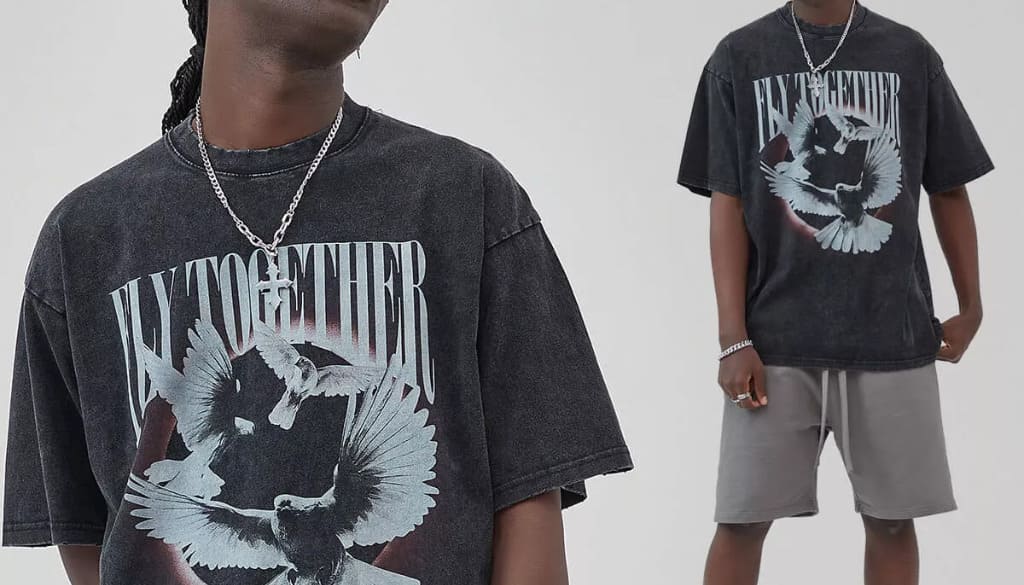
    • Simplicity is key: Sometimes, a minimalist design—like elegant typography or a simple logo—works best on a vibrant tie-dye shirt. The shirt is already eye-catching; your design should serve as a subtle accent.
    • Use contrasting colors: To prevent your design from getting lost in the tie-dye patterns, use colors that contrast well. For example, white or black graphics on multi-colored shirts, or vibrant tones on darker tie-dye bases.
    • Transparent or outline-based designs: Designs with outlines or transparent elements that reveal the tie-dye beneath can create visually interesting and unique effects.
    • Theme-driven graphics: Develop designs that align with the “vibe” of tie-dye—think music, nature, space, peace, or positive messages.

    2. Tap into Niche Markets with High Potential

    Colortone appeals strongly to specific niche markets that are worth exploring:

    • Band merchandise: Many bands, especially in rock, metal, or indie genres, use tie-dye tees for their official merch. This is a highly promising market.
    • Music festivals & events: Attendees of festivals like Coachella or Woodstock (for that nostalgic touch), and other outdoor gatherings often look for bold, standout apparel.
    • Retro/Vintage lovers: Fans of 60s, 70s, or 80s fashion will love Colortone’s throwback aesthetic.
    • Yoga, meditation & free-spirited lifestyles: Designs focused on peace, freedom, or nature connection pair perfectly with tie-dye backgrounds.
    • Street art & graffiti culture: Colortone shirts provide a vibrant canvas for street artists looking to turn their art into wearable fashion.
    • Personalized gifts: A Colortone tee customized with names, dates, or personal messages makes for a meaningful and memorable gift.

    3. Effective Marketing Strategies with Colortone

    To truly connect your Colortone products with customers, marketing is essential.

    • High-quality product visuals: Use realistic mockups or well-shot product photos that clearly showcase the tie-dye patterns and your design. Highlight the one-of-a-kind nature of each shirt.
    • Short videos: Create close-up videos that capture the fabric texture and the tie-dye effect when worn. Videos tend to drive higher engagement on social media platforms.
    • Focus on storytelling: Share the story behind your design and the uniqueness of Colortone blanks. For example: “Each shirt is a one-of-a-kind piece of art—just like you!”
    • Use influencer marketing: Partner with influencers in fashion, music, or lifestyle niches who have a distinct aesthetic to promote your products.
    • Run targeted ads: Target audiences interested in music, festivals, retro style, art, or unique handmade products.
    • Leverage effective hashtags:
      #ColortonePOD, #TieDyeFashion, #UniqueApparel, #CustomTieDye, #VintageStyle, #PODSuccess, #FlashShipColortone
    • Create themed collections: Instead of selling single pieces, develop themed Colortone collections (e.g., “Cosmic Swirls Collection,” “Pastel Dreams,” “Rock & Roll Vibes”) to increase average order value.

    Where to Buy Colortone Blanks from a Trusted Source?

    Where to Buy Colortone Blanks from a Trusted Source?

    1. Traditional Channels to Buy Colortone Blanks

    • Directly from Colortone (for bulk orders): If you’re running a large-scale POD business, you may consider working directly with Colortone. However, this option is usually reserved for industrial-level sellers due to the large minimum order quantities and complex procedures involved.
    • B2B wholesale platforms: Some wholesale platforms may carry Colortone products, but you’ll need to carefully verify pricing, product authenticity, and quality.
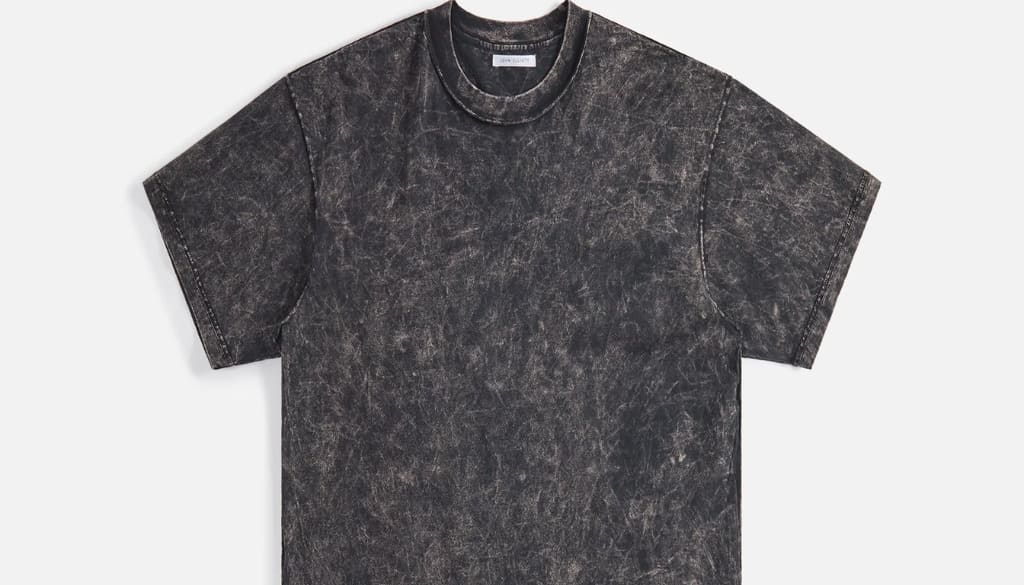
    That said, for most POD sellers especially beginners or mid-sized operations accessing these sources can be difficult due to international shipping, high MOQs, and complicated ordering processes.

    2. FlashShip – The Optimal Solution for POD Sellers in Vietnam

    This is where FlashShip comes in. We proudly serve as a reliable partner, offering a comprehensive solution for Vietnamese POD sellers looking to sell Colortone-based products in the U.S. market.

    • Wide range of Colortone blanks available: FlashShip connects directly with trusted U.S.-based suppliers, ensuring access to the most popular Colortone products in various sizes and colors.
    • No Minimum Order Quantity (No MOQ): This is one of FlashShip’s biggest advantages. You can order just one Colortone shirt—perfect for testing new designs, running A/B ad tests, and avoiding excess inventory.
    • High-quality POD printing service: FlashShip not only supplies blanks, but also offers integrated, professional POD printing services. We use advanced DTG (Direct-to-Garment) technology to ensure vibrant, sharp, and durable prints that bond well with Colortone’s unique tie-dye surfaces. Backed by an experienced production team, we guarantee the highest possible print quality for your product.
    • Seamless U.S.-based fulfillment: Once you make a sale, FlashShip handles everything—from printing and packaging to shipping directly to your customers in the U.S. This saves you valuable time and operating costs, while eliminating international logistics hassles.
    • Dedicated support for POD sellers: The FlashShip team is always ready to assist you throughout the process—from choosing the right blanks and printing techniques to resolving unexpected issues. We understand the challenges of POD sellers and are committed to supporting your success.
    • Competitive and transparent pricing: FlashShip provides clear, competitive pricing tables to help you easily calculate profits. We promise no hidden fees and full transparency in every transaction.

    Things to Keep in Mind When Choosing and Printing on Colortone Shirts

    While Colortone blanks offer many advantages, ensuring the highest final product quality and customer satisfaction requires attention to several important details during selection and printing.

    Things to Keep in Mind When Choosing and Printing on Colortone Shirts

    1. When Choosing Colortone Blanks

    • Check Fabric Quality: Even with Colortone or any other fabric, slight variations can occur between batches. Always prioritize 100% preshrunk cotton to ensure softness, breathability, and minimal shrinkage.
    • Match Colors to Your Design: This is crucial.
      • Light-colored base with bold/dark prints: For light-toned shirts (pastel, bright rainbow), use designs with contrasting or bold colors, or black/white for standout visibility.
      • Dark-colored base with light prints: For darker Colortone shirts (dark/gothic tones), white or light-colored prints are ideal to create contrast and impact.
      • Avoid similar color tones: Steer clear of designs using colors too similar to the shirt’s background, as they may blend in and become hard to see.
    • Consider Tie-Dye Patterns: Each Colortone shirt has a unique tie-dye pattern. Visualize how your design will appear on the shirt and whether the pattern may interfere with the design’s readability or aesthetic.
    • Sizing and Styles: Make sure to offer a full range of sizes (from small to plus sizes) and different styles (short sleeve, long sleeve, hoodie) to meet your customers’ preferences.
    • Verify Source Authenticity: Always purchase from reputable suppliers that provide clear documentation of origin—like FlashShip—to avoid counterfeit or poor-quality blanks.

    2. Important Notes When Printing on Colortone Shirts (Especially DTG Printing)

    Colortone blanks have unique tie-dye characteristics, so specific technical considerations are necessary when printing:

    • Design Resolution: Always use high-resolution artwork (e.g., 300 DPI) to ensure sharp and clear prints. This helps prevent blurriness or pixelation on the tie-dye background.
    • Color Proofing: If possible, request a sample print or a photo of the actual product from FlashShip to check the color accuracy and design placement before mass production. This allows you to visualize the final product and avoid unwanted surprises.
    • Print Placement: Avoid printing too close to seams or highly stretchable areas. Ideal print locations include the center chest, upper back, or sleeves.
    • Washing Instructions: Provide clear washing guidelines to your customers to maintain the durability of both the shirt and the print. Typically, wash inside-out with cold water, tumble dry on low, or air dry naturally.

    Following these guidelines will help you maximize the quality of your POD products, ensure customer satisfaction, and strengthen your brand reputation.

    Colortone blanks are not only a unique fashion choice but also the perfect canvas for creativity in the POD business. With a wide color palette, impressive dye techniques, and high compatibility with various printing methods, Colortone opens up great opportunities to create truly standout products in the market.

    With FlashShip’s professional POD Fulfillment solution, you can confidently manage everything—from blank selection and printing to operations and doorstep delivery across the U.S.

    Start your business journey with Colortone today! If you need product advice, assistance with the process, or help creating an account, contact us at (+84) 943 024 337 or visit FlashShip.net for dedicated support.

    Please read more: