Tag: FlashShip POD Fulfillment

  • SLA Fulfillment: The Most Important Performance Metric in POD Operations

    SLA Fulfillment: The Most Important Performance Metric in POD Operations

    In POD, having great designs is not enough to build sustainable profit. What truly determines whether a store can retain customers, reduce refunds, increase 5-star reviews, and scale consistently lies in one core operational factor: Fulfillment SLA. This is the most critical metric that reflects order processing speed, tracking activation time, on-time delivery rate, and the quality of support when issues arise.

    As U.S. customers place increasing importance on fast shipping and transparent experiences, understanding and optimizing SLA is the key for POD sellers to strengthen brand credibility, lower advertising costs, and break through revenue targets in 2025–2026.

    This article will guide you through a comprehensive look at the power of Fulfillment SLA and why it has become the compass for every modern POD operational strategy.

    SLA Fulfillment

    What Is Fulfillment SLA?

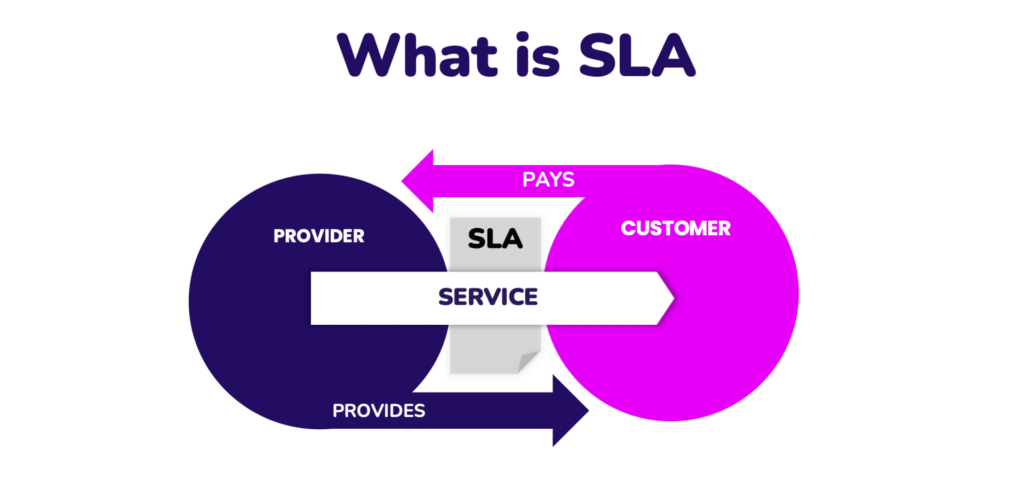
    In the Print-on-Demand (POD) industry, a Fulfillment SLA (Service Level Agreement) is considered the “iron-clad commitment” between the fulfillment provider and the seller. It’s not just a verbal promise, it is a clearly defined set of standards that measure the quality, speed, and stability of the entire fulfillment process, from the moment an order is received until the product reaches the customer’s hands.

    Understanding SLA correctly prevents sellers from being “in the dark” when choosing a fulfillment partner. A proper SLA framework in POD must include five core metrics:

    • Production SLA (Manufacturing Time): This is the speed at which a product is “produced.” Production SLA measures the time from when an order is received to when printing, processing, and packaging are fully completed.
      • Standard: Percentage of orders completed within 24–48 hours (1–2 Business Days).
      • Meaning: This metric helps sellers accurately calculate the Estimated Delivery Date (EDD), schedule their ad campaigns effectively, and prevent production backlogs during peak season.
    • Shipping SLA (Delivery Time): Corresponding to each shipping method selected by the seller:
      • Standard: 3–5 business days
      • Priority: 2–4 business days
      • Expedite/Overnight: 1–2 business days
      • Meaning: Shipping SLA is the factor customers care about most. Fulfilling shipping promises is the key to earning 5-star reviews and increasing customer repeat rate.
    • Tracking SLA (Tracking Update Time: The system must ensure real-time tracking updates at key checkpoints:
      • First Scan (handoff to carrier), transit hub scans, and final delivery confirmation.
      • Meaning: This transparency eliminates the fear of “lost packages” and builds absolute trust with buyers.
    • Error Rate SLA: This measures operational accuracy, including misprints, wrong sizes, wrong colors, or incorrect packaging.
      • Meaning: The lower the error rate (ideally <0.5%), the more sellers save on refunds, remakes, and the better they can maintain their shop ratings.
    • Customer Support SLA: This measures the speed of responding to tickets, handling complaints, and resolving issues.
      • Meaning: A responsive support team helps sellers calm frustrated customers quickly, reduces stress during peak season, and preserves a professional service experience.

    How Fulfillment SLA Works in Real-World Operations

    SLA Fulfillment

    To truly understand the power of Fulfillment SLA, we shouldn’t view it as a set of dry numbers on paper. Instead, we should look at how it breathes life into and tightly controls the entire lifecycle of a POD order through the following seven practical operational steps:

    Step 1: Order Intake & Real-Time Sync

    As soon as the customer completes payment, the SLA ensures the order is instantly received by the system with zero latency. This allows the production team to begin working immediately.

    Step 2 & 3: Production & Quality Control (Production SLA)

    This is the most critical phase. The SLA commits that orders must be printed and fully completed within 24–48 hours. At the same time, the automated Quality Control (QC) process must ensure the error rate remains at a minimum (typically <1%) before the product leaves the facility.

    Step 4: Packaging & Handoff (Cut-off Time)

    The SLA clearly defines the daily “cut-off time.” Sellers will know exactly which orders can be handed off to carriers (USPS, DHL, etc.) the same day and which ones will ship the next day helping optimize shipping time.

    Step 5: Tracking Activation (Tracking SLA)

    The tracking number must become active immediately upon handoff. The SLA prevents tracking from getting “stuck” or staying in a misleading “Label Created” status for 1–2 days, eliminating customer worries like “When will my order be shipped?”

    Step 6: Delivery (Shipping SLA)

    At this stage, performance is measured by the On-time Delivery Rate. A strong SLA minimizes delivery delays and reduces the risk of lost packages.

    Step 7: Post-Sale Support (CS SLA)

    Finally, if any issues arise, the SLA ensures fast customer support response times and a clear, structured Remake/Refund process, protecting the store’s reputation and customer trust.

    Why Is SLA the Most Important Operational Metric in POD?

    In the Print-on-Demand (POD) business, many sellers mistakenly believe that design is everything. But in reality, operations determine how far your business can go. And within operations, the SLA (Service Level Agreement) is the “heartbeat” that keeps the business alive. Below are five reasons why SLA must be your top priority:

    SLA Is the Foundation of Customer Trust

    Customers in the U.S. and Europe are extremely practical. They don’t care whether you print with DTG or DTF. They don’t care whether you use Gildan 5000 or Comfort Colors 1717 blanks. The only questions they care about after paying are: “Where is my order?” and “When will I receive it?” A strong SLA system with fast tracking updates and on-time delivery will naturally generate 5-star feedback. Conversely, delays are the fastest way to destroy customer trust, no matter how beautiful your product may be.

    SLA Directly Determines Your Refund Rate

    Numbers don’t lie: 90% of refund requests during the holiday season do NOT come from product quality issues they come from shipping problems: late delivery, inactive tracking, or orders stuck at “Label Created” for 2–3 days.

    When customers wait too long without updates, they panic and request a refund. A fulfillment partner with a 24-hour Production SLA can help you reduce refund rates by 40–60% compared to providers operating at a sluggish 48–72 hours. A fast SLA means keeping more profit in your pocket.

    SLA Is the “Launchpad” for Stable Ad Scaling

    No seller dares to scale their ad budget to $1,000–$5,000 per day if the backend isn’t solid. You can only scale when orders are processed quickly, tracking is stable, and complaint rates are low.

    Without a reliable SLA, your ad campaigns will quickly get “killed” by a flood of negative shipping comments and angry reactions. Facebook and Google will downgrade your Page quality score, driving CPM up and sending your ad performance straight to the bottom.

    SLA Creates a Complete Customer Experience

    Every customer’s ideal shopping journey looks like this: Place an order → Tracking becomes active within 24 hours → Receive the package in 2–5 days. SLA is the mechanism that makes this experience possible. When this process runs smoothly, customers won’t hesitate to leave reviews like: “Fast shipping! Great quality!” This is the most effective form of zero-cost marketing you can get.

    SLA Is the Foundation of a Sustainable POD Brand

    A brand isn’t built from a logo or slogan alone,  it is built from experience. To bring customers back for a second or third purchase (increasing CLV), you need a strong SLA commitment. Beautiful products may help you win the first sale, but excellent delivery service (a strong SLA) is what keeps customers coming back again and again.

    5 “Golden” Benefits of Fulfillment SLA for POD Sellers

    When you partner with a fulfillment provider that maintains a strict SLA commitment, you’re not just purchasing a printing service,  you’re buying peace of mind and profitability. Below are the five core benefits that a strong, “green” SLA brings to your POD business:

    Significantly Reduce Refunds & Chargebacks (Protect Your Cash Flow)

    In POD, net profit matters more than revenue. A strong SLA system with clear tracking and on-time delivery is the ultimate remedy for the “refund problem.”

    When customers see their order consistently moving through the tracking timeline, their trust increases. They stay patient instead of panicking and opening disputes because they suspect the shop is a scam.

    In reality, a well-maintained SLA dramatically reduces unreasonable refund requests, lowering your overall refund rate. As a result, your cash flow stays protected and your profit remains intact.

    Increase 5-Star Reviews Naturally

    Customers in the U.S. and EU are extremely straightforward. They value speed and transparency. No matter how beautiful your design is, if the order arrives late, you will still receive a 1-star review.

    On the other hand, if shipping is fast on time or even earlier than expected customers will gladly leave 5-star feedback such as: “Shipping was super fast!” These organic reviews carry far more weight than any advertisement, helping boost your store’s Trust Score across all platforms.

    Increase ROAS & Ad Scaling Capability (Scaling Campaigns Confidently)

    Advertising (Ads) and Operations (Ops) have a symbiotic relationship. Ads can only scale effectively when the post-purchase experience is flawless. A product backed by a fast, reliable SLA reduces negative comments on your ads. This lowers CPM, boosts credibility, and improves the conversion rate (CVR). When customers trust the delivery timeline displayed on your website, they are more willing to complete their purchase helping your ROAS (Return on Ad Spend) grow steadily and sustainably.

    Increase Customer Repeat Rate

    The cost of acquiring a new customer (CAC) is becoming more expensive than ever. Sustainable profit comes from returning customers. The first impression especially delivery speed determines whether they will come back.

    When customers receive their orders quickly, they feel satisfied and remember your brand more positively.  A strong SLA significantly increases the repeat rate, turning one-time buyers into loyal customers and generating a much higher Lifetime Value (LTV).

    Complete Control During the Q4 Peak Season

    Q4 is a logistical “nightmare,” but also the biggest “harvest season” for sellers. A clear SLA commitment gives sellers full control:

    • Knowing exactly which days to run major sales
    • Knowing the precise cut-off dates (when to stop accepting orders to ensure Christmas delivery)
    • Eliminating fears of order overload or operational breakdown

    This level of control allows you to predict delivery times accurately, avoid risks of delays, and maintain your shop’s credibility even during the most chaotic, high-volume days of the season.

    Fulfillment SLA is not just an operational metric it is the foundation that determines the growth potential of every POD business. A strong fulfillment system with stable speed, transparent tracking, and a low error rate helps sellers reduce refunds, increase 5-star ratings, and confidently scale revenue during every peak season. If you want to optimize your SLA, enhance customer experience, and build a sustainable operational model for 2025–2026, FlashShip is ready to support you. Contact FlashShip at (+84) 943 024 337 for detailed consultation on U.S. fulfillment, shipping speed, standardized SLA, and tailored operational solutions for POD sellers. You scale your revenue, FlashShip ensures your order speed.

  • POD Strategy 2026: Sellers Need to Start Preparing Now

    POD Strategy 2026: Sellers Need to Start Preparing Now

    The year 2026 is expected to become a major milestone for the Print on Demand industry, as premium products, personalized designs, and U.S.–standard fulfillment speed evolve into mandatory competitive benchmarks. In a market that is shifting rapidly and with an increasing influx of new sellers, early preparation is no longer an advantage but a survival requirement to maintain growth.

    POD sellers who aim to lead in 2026 must begin building their strategy now: from updating trends and understanding American consumer behavior to optimizing product catalogs and fulfillment workflows. This article will walk you through the most crucial directions to help you stay proactive and accelerate your breakthrough in 2026.

    POD Strategy 2026

    Why Should POD Sellers Start Preparing for 2026 Right Now?

    We’re currently in Q4/2025, but the race for 2026 has already begun. If you feel the market is becoming “harder to breathe,” you’re not imagining it. The POD landscape is changing at a dizzying pace, and those who fail to prepare now will be the ones left behind.

    POD Competition Is No Longer a “Small Pond”

    If you think your only competitors are other Vietnamese sellers, you’re mistaken. The POD market, especially in the U.S. is witnessing a massive influx of new players.

    • Global competition: Sellers from India, Pakistan, Bangladesh, and the Philippines are entering the market at an explosive pace. They bring abundant design resources and highly competitive pricing strategies.
    • Reverse competition: Not only that, many Western sellers (US/EU) have started recognizing the potential of Asian niches (including Vietnamese niches) and are becoming direct competitors right on our own “home turf.”
    • AI lowers all barriers: Artificial Intelligence has made designing, creating mockups, and writing descriptions easier than ever. Now, anyone can launch a POD business in just a single afternoon.

    This creates enormous pressure. If your 2026 strategy is still just selling Bella+Canvas 3001 T-shirts and Gildan 18500 hoodies like you did three years ago, you’re putting yourself directly into a bloody price war, where profit becomes nothing more than a symbolic number.

    Shifting Shopping Trends: Customers Want “Quality” Over Quantity

    As the market becomes increasingly saturated, U.S. customers are growing immune to mass-market products. They are now:

    • Preferring premium items: They’re willing to pay $35 for a stylish Comfort Colors or Colortone tee rather than $20 for a thin Gildan shirt.
    • Seeking unique gifts: The holiday season is the season of gifting. Customers want products with style and personality, not just a basic slogan printed on a plain tee.
    • Prioritizing fast shipping: Amazon Prime has shaped consumer expectations they expect to receive their order within a few days, not weeks.

    If sellers don’t begin adapting now to meet these rising expectations, 2026 will be the year you simply cannot scale, no matter how good your designs are.

    Fulfillment Becomes the Deciding Factor Between Winning and Losing

    In today’s landscape, having great designs is only a necessary condition. High-speed fulfillment is the sufficient condition. A U.S. delivery speed of 2–5 days is becoming the new gold standard.

    A slow fulfillment system will destroy your store:

    • Refund rates will skyrocket.
    • Your shop rating will collapse under a wave of 1-star reviews.
    • Your ads will burn money for nothing (you pay to acquire customers only to disappoint them).

    Standardizing your fulfillment system now and choosing a stable, fast partner (like FlashShip), means you’re building the runway for your 2026 “aircraft” to take off.  You cannot scale a system that is already broken.

    AI and Video Commerce: The Core of POD in 2026

    If 2025 was the year of experimenting with AI, then 2026 will be the year of mastering it. Sellers who can take control of the four elements below will gain a massive competitive advantage:

    • Video Commerce (TikTok Shop, Reels): Selling through video, not static images.
    • Realistic Mockups: Customers want to see real product videos, not flat-lay images.
    • AI Design Concepting: Using AI to generate ideas not to copy.
    • AI Niche Research: Using AI to discover hyper-niches before competitors do.

    Preparing now, learning these skills, and choosing the right partners is the only way for sellers to enter 2026 with a strong foundation and be ready to win.

    POD Trends for 2026 That Sellers Must Grasp Early

    POD Strategy 2026

    The year 2026 won’t merely be a continuation of 2025 it will be a full-scale upgrade in products, aesthetics, technology, and consumer behavior. Below are 7 key trends that sellers need to understand starting now.

    Premium Products Continue to Rise in Popularity

    The era of “cheap T-shirts” is over. American buyers are becoming increasingly selective. They are tired of low-quality, mass-produced products. Instead, they are willing to pay a higher price for:

    • Better materials: The hand-feel must be premium.
    • A premium appearance: The product must look expensive.
    • Aesthetic-driven designs: The visual “vibe” must be clear and intentional.
    • Uniqueness: The item needs a distinctive character.

    High-end blank apparel lines such as Colortone 1300 (Mineral Wash), Comfort Colors 1717 (Garment-Dyed), Bella+Canvas 3001CVC (Heather), and Gildan Hammer will become the profit pillars for professional POD shops in 2026.

    Personalization Remains the “Golden Weapon”

    Personalization continues to be the highest-converting “weapon” in POD. Customizable products allow customers to co-create, resulting in deeply personal and meaningful gifts. Demand for items such as personalized ornaments (name/year), family/couple gifts (custom members), pet gifts (pet portraits), and custom coordinates (memory locations) will surge especially during the holiday season.

    Personalization helps you break free from the price war and raise your selling price with ease.

    Micro-Niches Rise to Dominance

    Traditional “niches” have become too broad and saturated. The year 2026 will belong to micro-niches.

    Instead of fighting in overcrowded “red ocean” niches like Hunting or Nurse, focus on smaller but higher-quality segments such as:

    • Reading aesthetic
    • Cottagecore / Dark Academia
    • Western Boho
    • Grunge 90s quotes
    • Outdoor minimal aesthetic
    • Pet niche 2.0 (focused on specific breeds, vibes, or names)

    These audiences face far less competition but show extremely high loyalty and they are willing to pay more for a design that “speaks for them.”

    New Aesthetics Will Dominate 2026

    The design styles of 2023–2024 will become outdated. Customers in 2026 will seek fresh, more refined aesthetics, including:

    • Moody Green / Earthy Tones: Deep earthy palettes and rich moss-green shades.
    • Sunset Warm Tone: Warm, nostalgic sunset-inspired color schemes.
    • Retro Typography 90s: Puffy, outlined, and bold 90s-style lettering.
    • Vintage Washed: Designs featuring worn, faded, or distressed effects.
    • Texture-Based Design: Artwork built around textures and surface patterns—not just flat graphics.

    Sellers must update their aesthetic “library” immediately to stay relevant.

    Video-First Commerce Explodes

    Static photo mockups are dying. TikTok, Instagram Reels, and YouTube Shorts will account for up to 70% of how customers discover and interact with POD products. Image mockups will only play a supporting role in product listings.

    Video mockups showing the product in motion, on real people, in real environments will become the primary sales driver and the key scroll-stopping element in advertising.

    2026 Buyers Prioritize “Fast Shipping” Over Low Prices

    The “Amazon effect” has reshaped customer expectations. Shipping speed has become a decisive buying factor sometimes even more important than price.

    • 2–5 business days (within the U.S.) is the gold standard.
    • Fast delivery → More 5-star reviews and stronger store credibility.
    • Slow delivery → Crushed by 1-star reviews and destroyed ROAS (return on ad spend).

    Sellers need a fulfillment partner with a strong U.S.-based system starting now.

    The Multi-Product Catalog Trend

    You cannot scale big if you only sell T-shirts. Smart sellers will “extend” their winning designs across multiple products:

    • Hoodies & Sweatshirts (always in demand)
    • Mineral Wash Tees (premium products)
    • Ornaments (a holiday goldmine)
    • Blankets
    • Ceramic Mugs & Tumblers
    • Wall Canvas & Home Décor

    A diverse catalog helps you maximize AOV (Average Order Value) and CLV (Customer Lifetime Value). Sellers with a broader product range will break through much faster than the rest.

    Major Shifts in U.S. Consumer Behavior in 2026

    To win in POD, sellers must understand what American buyers are thinking – buying – and expecting.

    They Want “Worth It,” Not “Cheapest”

    The mindset of “buying cheap basic 3001 tees” is long gone. U.S. customers are oversaturated with thin T-shirts, low-effort prints, and garments that lose their shape after one wash. Today, they’re not looking for the cheapest product – they’re looking for the most worthwhile one.

    They’re willing to pay $10, $15, even $20 more for a product if it delivers:

    • Beautiful colors: Garment-dyed or mineral wash tones.
    • High-quality fabric: Thick, soft, durable materials (like Comfort Colors and Colortone).
    • Premium aesthetic: Both the design and the blank must look stylish and expensive.
    • A premium experience: From the mockup and description to the feel of the product in hand.

    This is not a “niche” this is the biggest opportunity for high-end apparel lines. By upgrading your blanks, you’re responding directly to what the market demands, enabling you to increase your selling price and escape the race-to-the-bottom pricing war.

    Real Quality Matters More Than Promises

    Buyers in 2026 are smart “detectives.” They no longer trust your polished mockups at face value. Before making a purchase, they will immediately scroll to the Reviews section to check:

    • Real customer photos
    • Unboxing or try-on videos (if available)
    • Feedback on fabric quality and print quality

    Sellers who focus only on “fast service” (promises) but neglect real product quality will be “killed” by 1-star reviews. Conversely, sellers who invest in authentic content, encourage customers to upload real photos, and maintain true product quality (e.g., premium blanks, sharp printing) will earn stronger customer trust and gain the most powerful form of social proof.

    They Crave Products With a “Personal Story”

    Amid a sea of mass-market designs, customers seek emotional connection. They are not buying a T-shirt they are buying a memory. This is why personalization products will continue to grow explosively.

    An ordinary item becomes a treasured keepsake when it is tied to:

    • Family gifts: Children’s names, parents’ anniversary dates.
    • Memories: Coordinates of a meaningful place, graduation dates.
    • Pets: Portraits of their pets or the pet’s name.
    • Couples: Custom matching shirts based on shared preferences.
    • Vintage Retro Memories: Birth years, personal nostalgic milestones.

    These products carry infinite emotional value, allowing you to price higher with virtually zero competition.

    U.S. Customers Want “Order Today – Receive Immediately”

    The Amazon Effect has completely spoiled American customers. They are now accustomed to 2-day delivery speeds. Today, fast shipping is no longer a “bonus” it is a mandatory expectation.

    Shipping speed directly impacts three critical metrics:

    • Repeat purchase rate: Customers will never return to a shop that delivers in 3 weeks.
    • 5-star feedback rate: “Fast shipping!” is one of the most common reasons for 5-star reviews.
    • Ability to scale ads: You cannot burn $1,000/day on ads if your fulfillment system is broken and orders sit in processing for 7 days.

    Having a U.S.-based fulfillment partner (such as FlashShip) with fast, stable processing is now a core competitive advantage.

    Seasonal and Micro-Event–Driven Purchasing Behavior

    The market is no longer defined only by the four major holidays (Christmas, Valentine’s Day, Halloween, etc.). In 2026, the market is divided into 52 “micro-seasons.” U.S. customers make purchasing decisions based on:

    • Small Holidays: (National Donut Day, Father’s Day, etc.)
    • TikTok Trends: A viral sound, challenge, or meme.
    • Viral Moments: A sports highlight, a celebrity quote, a trending news moment.
    • Local Events: State festivals, a local sports team winning, community celebrations.

    Sellers who can catch trends quickly (within 24–48 hours) from design creation to listing and have a fulfillment partner fast enough to ship the trend while it’s still hot will be the ones who win fast and win big.

    POD Strategy for 2026: What Sellers Must Start Preparing Today

    Below are the strategies sellers should begin building now, instead of waiting until 2026.

    Upgrade Your Product Catalog Toward “Premium”

    The “cheap price war” is over and no one wins it. Profitability in 2026 lies in the premium segment. It’s time to clean up your catalog and add high-quality apparel blanks.

    Must-have products in a 2026 catalog:

    • Mineral Wash Tees (e.g., Colortone 1300)
    • Garment-Dyed Tees (e.g., Comfort Colors 1717)
    • Heavyweight Vintage Tees (e.g., Gildan Hammer, Shaka Wear)
    • Organic Cotton Tees (for the sustainability-focused audience)
    • High-quality Hoodies (with multiple print-area capability)
    • Home Décor Products: Ornaments, pillows, canvas prints, blankets

    How to execute: Do not sell premium products with cheap-looking mockups. Invest in high-quality mockups, real product photos, and a consistent vintage aesthetic. Price them as premium items (e.g., $30–$40) to reinforce perceived value.

    Build a “Sustainable” Niche Portfolio

    The 2026 niche strategy is a combination of defense and offense.

    • Defense (Maintain Evergreen Niches): Continue nurturing strong, steady-revenue niches such as Pets, Family, Professions, and Hobbies. These are the “lifeline” of your shop.
    • Offense (Develop Micro-Niches): Allocate 30% of your resources to developing high-quality, aesthetic-driven micro-niches (e.g., Book Lover Aesthetic, Moody Vintage Floral, Cottagecore Grunge). This is where breakthrough profits happen because competition is low.

    Avoid chasing overly mass-market niches (e.g., “Dog Mom”).  Instead, use AI to quickly research niches within niches (e.g., “Golden Retriever mom who loves hiking”).

    Optimize Your U.S. Fulfillment Operations Starting Now

    This is the most profitable factor your ultimate “trump card.” Designs can be copied, but a superior fulfillment system cannot. And buyers in 2026 will not tolerate slow delivery.

    Sellers need a fulfillment partner that guarantees:

    • Fast shipping: The gold standard of 2–5 business days within the U.S.
    • Real-time tracking: Accurate, automated tracking updates.
    • Low error rates: Consistent print quality and secure packaging.
    • Clear support: Simple refund and remake policies when issues arise.

    For sellers targeting the U.S. market, having a U.S.-based fulfillment partner with a standardized, reliable system such as FlashShip.net is a massive competitive advantage. It allows you to scale your ads with confidence, without worrying that your system will collapse under volume.

    Using AI to “Accelerate” Content Production

    In 2026, AI is no longer a trend  it is a fundamental work tool. Sellers who do not master AI will operate slower than 80% of the market. Use AI as your “assistant” to:

    • Discover niches and generate design concepts.
    • Create contextual mockups.
    • Write SEO-optimized product descriptions.
    • Batch-optimize SEO (titles, tags).
    • Plan seasonal content strategies.

    Focus on “Video-First Content”

    Static mockup images are no longer convincing enough. Video will be the key to scaling ads on TikTok, Reels, and YouTube Shorts in 2026. Start planning to produce:

    • Video mockups: Dynamic mockups, rotating 3D product views.
    • Lifestyle videos: Real-life context clips (models wearing the shirt while walking, having coffee, etc.).
    • Real print sample videos: Close-up shots showing print quality and fabric texture.
    • UGC (User-Generated Content): Encourage customers to film unboxing or try-on videos.

    Standardize Your Branding Completely

    Ultimately, 2026 is the year of Brand. Customers who trust your brand will return for their second, third, and fourth purchases. Upgrade now:

    • Branding: Consistent logo, color palette, and typography.
    • Packaging: Invest in better packaging whenever possible.
    • Thank-you card: Include a thank-you note with a discount code for the next purchase.
    • Shop profile: Optimize your About Us and Policy pages to look professional.
    • Review management: Respond to every review (even 1-star reviews) in a respectful, thoughtful manner.

    Customer trust is your most valuable asset it dramatically boosts your retention rate.

    To lead the POD market in 2026, sellers cannot wait until next year to start preparing. Getting ahead of the trends, upgrading your product catalog, optimizing U.S. fulfillment operations, and mastering AI tools will give you a powerful competitive advantage helping you boost revenue from the very first months of the year.  Those who prepare early will scale faster, more steadily, and more sustainably.

    If you need guidance on U.S. fulfillment, shipping speed, product expansion strategies, or POD workflow optimization, contact FlashShip at (+84) 943 024 337 for fast, accurate, and business-tailored support.

  • Cyber Monday 2025: The Revenue Boost Every POD Seller Must Seize!

    Cyber Monday 2025: The Revenue Boost Every POD Seller Must Seize!

    The Q4 race is a series of high-stakes events, and Black Friday is merely the opening shot. Immediately after, Cyber Monday emerges as a strategic acceleration point before the final Christmas sprint. According to Adobe Analytics, U.S. Cyber Monday sales in 2024 reached over $12.4 billion, up 9.6% year-over-year, making it the largest online shopping day in history. With the rapid growth of e-commerce and the surging demand for personalized gifts, Cyber Monday 2025 promises to be a goldmine every POD seller can’t afford to miss.

    In this article, we’ll take you through how to leverage Cyber Monday to maximize your year-end revenue from market insights and product trends to design ideas and smart pricing strategies tailored specifically for POD sellers.

    Cyber Monday 2025

    What Is Cyber Monday and Why Is It More “Profitable” Than You Think?

    Understanding the true nature of Cyber Monday is the first key to unlocking its hidden potential. Don’t think of it as merely the “leftover” from Black Friday.

    When Is Cyber Monday 2025?

    Traditionally, Cyber Monday always falls on the first Monday immediately after Thanksgiving and Black Friday in the United States. In 2025, Cyber Monday will officially take place on Monday, December 1, 2025.

    The term “Cyber Monday” was coined in 2005 by the National Retail Federation (NRF) to describe the surge in online sales that occurs on this day. Its origins date back to the time when consumers returned to their offices after the Thanksgiving holiday and continued shopping online from their work computers.

    Today, with the rise of smartphones and mobile shopping, Cyber Monday has evolved into a true e-commerce giant, breaking revenue records year after year.

    The Critical Difference Between Black Friday and Cyber Monday

    Cyber Monday & Black Friday

    Many sellers group “Black Friday” and “Cyber Monday” together as one big event often referred to as BFCM. From a marketing perspective, that’s not entirely wrong. However, from a strategic standpoint, they must be treated separately. For POD sellers, understanding the distinction can be the difference between success and failure.

    Factor Black Friday Cyber Monday
    Nature Focuses on “doorbuster” and “shock” deals. Focuses on curated, intentional online deals.
    Customer Behavior Impulsive, chaotic, and willing to “fight” (both online and offline) for the best bargains. More deliberate and analytical customers compare prices, look for specific items, and shop online via desktop or mobile.
    Sales Platforms Omnichannel: major retailers (Walmart, Target) compete both in stores and online. Almost entirely e-commerce: the playground for online brands and small sellers.
    Main Product Categories Big electronics (TVs, laptops), home appliances. Fashion, small electronics, toys, and especially niche or personalized products.
    Significance for POD Difficult to compete directly with retail giants on price or ad spend. The home turf for POD sellers where customers actively seek uniqueness and personalization that only you can offer.

    Why Should POD Sellers “Go All In” on Cyber Monday?

    If the comparison table above isn’t convincing enough, here are four reasons why you should go all out for December 1, 2025:

    It’s Your Home Turf: Cyber Monday is the holiday of e-commerce. You’re not competing with thousands of people lining up outside Best Buy you’re competing entirely online, where POD products hold a decisive advantage in uniqueness and customization.

    The “Last Train” Psychology: FOMO (Fear of Missing Out) peaks on this day. Customers know Cyber Monday is the last major discount wave before Christmas, so they make faster, more decisive purchase decisions. They don’t want to wait until mid-December to pay full price or risk late delivery.

    Higher-Quality Buyers: Cyber Monday shoppers usually have a clear buying intent. They’re not just browsing for 99-cent deals they’re actively searching for meaningful Christmas gifts for family and friends: a hoodie printed with their dog’s photo, a cozy pillow set with heartfelt messages, or a pair of matching mugs for their parents. That’s exactly what POD sellers offer.

    The “Golden Boost” for AOV (Average Order Value): Since customers are shopping for gifts, they rarely buy just one item. They buy for multiple people. This creates a golden opportunity for bundles and cross-sells. Instead of selling one shirt, sell a 3-piece family set. Instead of one mug, offer a mug-and-blanket combo.

    Cyber Monday isn’t the leftover of Black Friday it’s an entirely different battlefield, and it’s the one POD sellers were born to win.

    POD Product Trends That Will Set Cyber Monday 2025 on Fire

    Cyber Monday POD

    Knowing when to sell is good. Knowing what to sell is everything. Below are the POD product categories projected to explode during Cyber Monday 2025, especially as shoppers go all-in on their Christmas gift hunt.

    Apparel

    Apparel has always been the king of POD. But on Cyber Monday, the focus shifts toward warmth, emotion, and giftability.

    Hoodies & Sweatshirts: These are the official “uniforms” of winter. Expect a sharp rise in cozy, family-themed, nostalgic, and humorous designs.

    Matching Pajamas (Family/Couple PJs): A true goldmine. Designs like “Our First Christmas Together 2025”, “The [Family Name] Family”, or customizable plaid Christmas patterns (with pet names or family photos) will sell like crazy.

    T-Shirts (Niche-Focused): Don’t overlook the classic tee, but focus on specific gifting niches “Dad”, “Mom”, “Grandpa”, or hobby-driven gifts (golf, fishing, reading) paired with clever quotes and witty designs.

    Home Decor

    During the holidays, everyone wants to make their homes feel warmer and more personal.

    Personalized Blankets (Sherpa Fleece, Fuzzy, or Plush): Especially Sherpa fleece blankets. Designs that let customers upload family or pet photos, or print heartfelt messages and handwritten letters, become priceless keepsakes.

    Canvas & Posters: Focus on high-end personalization ideas such as:

    • Star Maps: “The Day We Met”, “The Day You Were Born”.
    • Custom Portraits: Turn family or pet photos into art (watercolor, cartoon, or minimalist styles).
    • Word Art: Family member names beautifully integrated into one cohesive design.

    Christmas Ornaments: Small but mighty. Ornaments consistently drive massive Q4 sales. Target key life milestones such as “Our First Christmas in Our New Home 2025”, “Baby’s First Christmas”, or “Just Married 2025”.

    Drinkware

    Drinkware remains a safe and universally loved gift perfect for colleagues, friends, or as thoughtful stocking stuffers.

    Mugs: Timeless bestsellers. Funny quotes about work, coffee, or subtle Christmas-themed designs always perform well. Consider color-changing (magic) mugs for an extra twist.

    Tumblers: Still one of the hottest categories. Functional and stylish, tumblers appeal to nearly everyone. Laser-engraved personalization and minimalist aesthetics continue to dominate this segment.

    Smart Pricing and Discount Strategies for Cyber Monday

    This is the backbone of your campaign. You can’t simply hang a “20% OFF” sign and expect revenue to explode you need a strategy.

    “Free Shipping” – The Strongest Customer Magnet

    • This is no longer a “perk”; it’s an expectation. Studies show that 70–80% of shoppers abandon their carts due to unexpected shipping fees.
    • Strategy: Don’t offer free shipping on every order. Set a threshold instead. Example: “Free shipping on orders over $75.”
    • Why it works: If your average order value (AOV) is $50, customers are likely to add another item (e.g., a $25 mug) to reach the threshold. You increase AOV and make the customer feel rewarded.

    Tiered Pricing Strategy

    Encourage larger purchases by offering deeper discounts for higher order quantities. How to do it:

    • Buy 2 items → Get 15% off
    • Buy 3 items → Get 20% off
    • Buy 4 or more → Get 25% off + Free Shipping
    •  Psychology: Customers feel they’re getting a better deal the more they buy — a proven way to raise AOV effectively.

    Leverage FOMO (Fear of Missing Out)

    Cyber Monday thrives on urgency – use that to your advantage. Flash Sales: “Special Offer: 40% off Hoodies – For the next 3 hours only!” Divide Cyber Monday into 4–5 flash sale waves across different collections. Countdown Timers: “Offer ends in… 02:45:10.” Display countdowns on banners, emails, and product pages. Stock Counters: “Only 30 left at this price!”  For POD, try: “Only 50 slots available at this price.”

    Gift With Purchase (GWP)

    • Sometimes, a free gift works better than a discount.
    • How to do it: “For every order over $100, receive a free Sticker Set or Christmas Ornament.”
    • Benefit: You use a low-cost item (with high perceived value) to push customers past your target spending threshold.

    Smart Upsell & Cross-Sell

    • Never let customers check out with just one item.
    • Cross-sell (on product pages): “Customers who bought this shirt also purchased this mug.”  “Completing your family PJ set? Add one for Dad/Mom/Kids.”
    •  Upsell (in the cart): “Add this item for just $9.99 (Save 50%)!” “Upgrade to express shipping for only $5!”

    Comprehensive “Lock and Load” Checklist Before G

    Cyber Monday 2025 (2)

    Victory doesn’t come from luck it comes from preparation. Below is FlashShip’s complete checklist to ensure you don’t miss a single detail before Cyber Monday.

    Optimize Your “Battlefield” (Website & Listings)

    • Page Speed: Customers will leave if your website takes more than three seconds to load. Test and optimize immediately.
    • Banners and Pop-ups: Design clear, eye-catching Cyber Monday banners. Use exit-intent pop-ups (which appear when customers are about to leave) to capture attention with a last-minute discount code.
    • Mockups: Ensure you have high-quality, diverse mockups—both studio shots and lifestyle images showing real people wearing or using the product.
    • Product Descriptions: Rewrite your descriptions. Focus on emotion and the value of gifting, not just the material.
    • Don’t write: “Hoodie made from 50% cotton.”
    •  Instead, write: “Imagine your mom’s smile when she unwraps this warm, personalized hoodie. It’s not just a gift it’s a hug.”

    Prepare Your “Ammunition” for Marketing (Email & Ads)

    Email marketing reigns supreme on Cyber Monday. Your email list is your money-maker.

    The “Storm” Email Sequence:

    • Email 1 (3 days before): Teaser. “Cyber Monday’s Biggest Deals Are Coming.” Give subscribers an early glimpse of featured products.
    • Email 2 (Cyber Monday Morning – 6 AM): Deals Are LIVE! Send discount codes and direct shopping links.
    • Email 3 (Midday – 12 PM): Flash Sale Alert! Announce that best-sellers are “selling out fast” to create urgency.
    • Email 4 (Evening – 8 PM): LAST CHANCE! Remind customers that offers end in 4 hours this is your final revenue push.

    Advertising (Ads):

    •  Prepare all ad creatives images, videos, and copy well in advance.
    •  Increase your ad budget by at least 3–5 times on this day.
    •  Focus heavily on retargeting shoppers who added items to their carts during Black Friday but didn’t complete their purchases.

    “Inventory Check” with Your Fulfillment Partner (FlashShip)

    This is a critical step that many sellers overlook. Don’t let Cyber Monday turn into a Cyber Nightmare. A successful marketing campaign means nothing if fulfillment fails.

    Confirm Cut-off Dates:

    • Reach out to your fulfillment partner and ask: “What’s the latest date I can submit orders to ensure delivery before Christmas?”
    • Display this date clearly on your website for example: “Order by December 10 to receive your package before Christmas.” This builds trust and drives conversions.

    Communicate Your “Hero” Products: Inform your fulfillment partner which items you plan to push heavily (e.g., Hoodie X, Mug Y). This helps them prepare blanks, inks, and production schedules in advance  preventing stockouts or production delays.

    Check Processing Capacity: Make sure your partner can handle the surge in order volume.

    Understanding and leveraging the right timing, choosing suitable POD products, and adopting flexible pricing strategies are the three key factors that help sellers boost their revenue during Cyber Monday 2025. As U.S. consumers increasingly prioritize personalized gifts, exclusive designs, and fast delivery, partnering with a trusted U.S.-based fulfillment provider will become a sustainable competitive advantage for every POD store.

    Contact FlashShip today via hotline (+84) 943 024 337 or visit https://flashship.net for detailed consultation and to kickstart your Cyber Monday 2025 campaign where every product not only drives profit but also elevates your POD brand in the U.S. market.

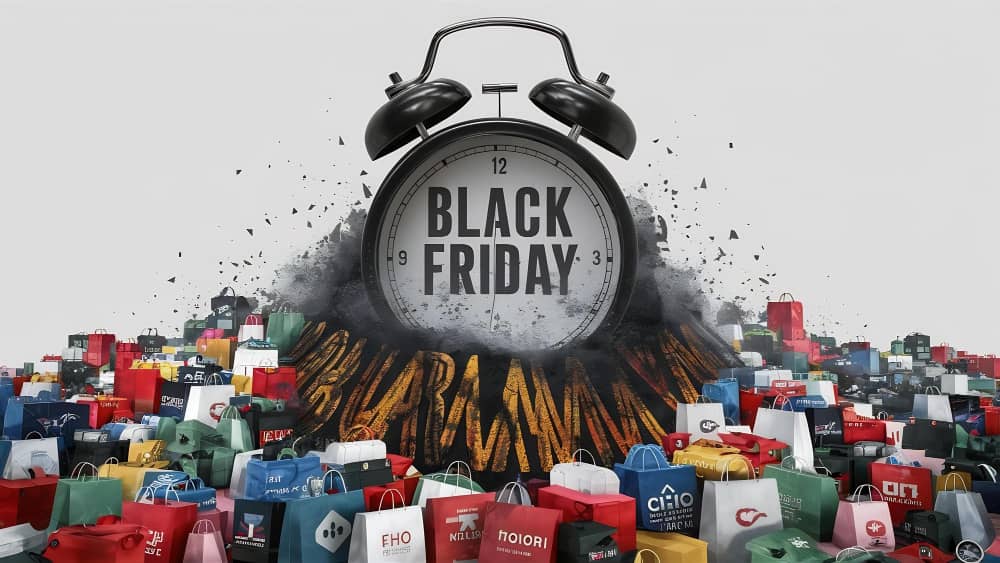
  • Black Friday 2025: Boost Your Sales with the Top-Selling POD Products

    Black Friday 2025: Boost Your Sales with the Top-Selling POD Products

    In the Print on Demand (POD) industry, Black Friday is not just another big sales day it’s a turning point that can skyrocket a seller’s annual revenue to an entirely new level. However, many sellers find themselves launching massive campaigns and offering deep discounts, only to be disappointed by underwhelming results. The reason? Choosing the wrong products or creating designs that don’t resonate with U.S. customers.

    So, which products are currently in the highest demand? Which ones should be prioritized to maximize profit margins while ensuring fast Fulfillment within the U.S.?

    This article will break down the key Black Friday 2025 trends, highlight the top-performing POD products, and provide actionable insights on how sellers can apply these strategies effectively together with FlashShip, your trusted U.S. Fulfillment partner.

    Black Friday 2025

    Black Friday 2025 Consumer Trends/h2>

    Understanding what customers truly want is the key to winning. Black Friday is no longer just a price war  it’s a battle of value, experience, and speed. The 2025 sales season reveals five clear trends that every POD seller should keep in mind.

    Consumers Are Becoming Smarter Deal Hunters

    Real value takes center stage: Smart shopping in an era of inflation

    With the global economy tightening, consumers are becoming more cautious. They no longer spend impulsively instead, they plan ahead, compare prices, and look for genuine value.

    • What do the numbers say? According to the National Retail Federation (NRF), more than 70% of shoppers cite “price and promotions” as the most influential factors in their purchasing decisions. However, “value” doesn’t just mean “cheap.”
    • Strategy for POD sellers: Don’t simply offer a 10% discount on a single T-shirt. Instead, create perceived value offer product bundles (e.g., buy 1 hoodie, get 1 tote bag), launch exclusive limited-time designs (available only for 24 hours), or run “buy 2, get 1 free” deals. These tactics make customers feel like they’ve scored a valuable win, not just another discounted purchase.

    Personalization Trend

    Amid a sea of discounted products, shoppers are increasingly willing to pay more for items that carry a personal touch. This is the ultimate advantage that POD sellers possess.

    • What do the numbers say? A study by McKinsey & Company found that 71% of consumers expect companies to deliver personalized interactions, and 76% feel disappointed when this expectation isn’t met.
    • Strategy for POD sellers: This is your goldmine. Integrate personalization options that let customers add their name, anniversary date, pet photo, or custom character features. Products like “Our First Christmas 2025” ornaments or T-shirts featuring custom family or pet illustrations will easily outperform generic competitors.

    Fulfillment Speed: The “Deal-Breaking” Factor

    Black Friday 2025 shoppers are extremely impatient. Even the best deals will fail if delivery takes 3–4 weeks a common issue for sellers fulfilling from Asia resulting in a high cart abandonment rate.

    • What do the numbers say? According to Baymard Institute, slow delivery times consistently rank among the top five reasons for cart abandonment. More than 48% of shoppers have abandoned their carts because of high shipping costs or long delivery times.
    • Strategy for POD sellers: This is where FlashShip sellers have a massive advantage. Highlight your “Made in USA” and “Lightning-Fast Fulfillment” benefits. Promising “Delivery Before Christmas” is no longer just a commitment it’s a core marketing strategy that drives trust and conversions.

    “Black November”: The Sales Season Starts Earlier Than Ever

    Don’t wait until November 28 retail giants like Amazon and Walmart are now launching their sales as early as mid-November. Consumers, too, are developing the habit of shopping earlier to avoid out-of-stock items and shipping delays.

    • What do the numbers say? According to Adobe Analytics, in recent years, more than 50% of total holiday spending has occurred before Cyber Week (Thanksgiving week) even begins.
    • Strategy for POD sellers: Start your Pre-Black Friday campaigns as early as the beginning of November. Create a sense of urgency with “Early Bird Deals” to drive early revenue and warm up your ad pixel before the big rush.

    Sustainability as a Differentiator

    A growing segment of consumers, especially Gen Z, is becoming increasingly conscious about sustainability and eco-friendly products.

    • What do the numbers say? A survey by PwC revealed that over 60% of consumers particularly Gen Z, say that Environmental & Social (ESG) factors influence their purchasing decisions.
    • Strategy for POD sellers: This is your opportunity to position your brand as premium. If you’re using eco-friendly blanks such as organic cotton T-shirts or Bella+Canvas products, and eco-conscious inks, make sure to communicate that clearly. These details can become a powerful trust signal,  helping your brand stand out and build long-term credibility, even during aggressive sales seasons.

    Top “Best-Selling” POD Products for Black Friday 2025

    Black Friday

    Not every product is destined to be a star performer during Black Friday. Below are the five core product categories that FlashShip predicts will generate massive sales for POD sellers based on trend data and the surge in year-end gift demand.

    T-Shirts

    T-shirts are the evergreen product of the POD industry. During Black Friday, they become the go-to gift affordable, versatile, and universally appealing.

    Why they’re hot: Customers tend to buy T-shirts in bulk (3–5 pieces at a time) when they find a great deal. This makes T-shirts the perfect product for upselling and cross-selling strategies.

    Design Trends for 2025:

    • Minimalist Typography: Inspirational quotes, witty humor, or trendy social media phrases.
    • Niche-Based Designs: Target specific interest groups such as Book Lovers, Gamers, or Plant Moms.
    • Retro/Vintage Style: 80s–90s-inspired aesthetics with nostalgic fonts and muted color palettes.

    Sweatshirts & Hoodies

    When Black Friday arrives, it coincides perfectly with the cold weather across the U.S. and Europe. Sweatshirts and hoodies aren’t just fashion items they’re seasonal essentials. These products typically offer a higher Average Order Value (AOV) and some of the best profit margins in the POD industry.

    Why they’re hot: The feeling of “coziness” is the ultimate keyword for Q4. Shoppers are looking for warmth and comfort, and hoodies or sweatshirts embody exactly that making them perfect Christmas gifts.

    Design Trends for 2025:

    • Minimalist Holiday: Subtle Christmas or Thanksgiving designs — a small quote or embroidered icon on the left chest. Many U.S. shoppers love this clean, elegant style.
    • Family Themes: Matching couple or family sets “Hubby” & “Wifey”, or “Mama Bear,” “Papa Bear,” “Baby Bear.”
    • Nature-Inspired Art: Leaf, floral, or mountain line-art illustrations with simple, aesthetic outlines.

    Christmas Ornaments

    This is a must-have product in every POD store during Q4. Ornaments hold deep sentimental value American families traditionally buy at least one new ornament each year as part of their holiday tradition.

    Why they’re hot: This is the market of personalization. Customers don’t buy an ornament they buy a memory.

    Design Trends for 2025:

    • Full Personalization: “Our First Christmas 2025” (for newlyweds), “Baby’s First Christmas” (for newborns), or “Our New Home” (for new homeowners).
    • Pet Ornaments: Designs featuring customers’ pets’ photos or names an incredibly popular and emotional niche.
    • Occupation-Themed Ornaments: For doctors, nurses, teachers, firefighters, and more allowing customers to celebrate their profession or that of a loved one.

    Tote Bags

    Tote bags have evolved far beyond their original role as simple “shopping bags” — they’ve become a true fashion accessory. With the growing sustainability movement and the shift away from plastic bags, tote bags are now more popular than ever.

    Why they’re hot: They offer high profit margins according to TrueProfit, margins can reach up to 55%. The large, flat print area allows sellers to get creative with complex and detailed designs.

    Design Trends for 2025:

    • Abstract Art: Modern shapes, color blocks, and minimalist geometric patterns.
    • Floral/Botanical Motifs: Especially “Birth Flower” designs (flowers representing birth months), which are trending strongly.
    • Inspirational or Humorous Quotes: Phrases customers want to “show off” to the world.

    Ceramic Mugs

    Just like T-shirts, mugs are an evergreen product but during Black Friday, they become one of the most popular and “safe” gift options for coworkers, friends, and family.

    Why they’re hot: They’re affordable, easy to personalize, and universally useful with excellent profit potential.

    Design Trends for 2025:

    • Zodiac & Birth Flower: Combining astrological signs with the recipient’s birth-month flower.
    • Pet Lover Mugs: Custom pet portraits with fun captions like “Best Dog Dad Ever.”
    • Occupation-Themed Mugs: Designs like “World’s Best Teacher” or “This Is What an Awesome Nurse Looks Like.”

    Top 5 Design Niches Set to Explode This Black Friday 2025

    Black Friday 2025 POD

    Having the right product isn’t enough you need on-trend designs that instantly grab attention. Below are five design niches that FlashShip predicts will drive a surge of orders during this year’s Black Friday season.

    Family & Personalization Niche

    As mentioned earlier, this is the golden niche of Q4. Shoppers are looking for gifts that express love and connection.

    Design Ideas:

    • Personalized family hoodies or sweatshirts with custom names or nicknames.
    • Ornaments celebrating milestones in 2025 weddings, new babies, new homes.
    • Matching couple or best-friend designs like “Better Together” or “Peanut Butter & Jelly.”

    Pet Niche

    Americans spend billions of dollars every year on their pets, treating them as true family members. The holiday season is their favorite time to celebrate and show off that love.

    Design Ideas:

    • “Thanksgiving Cats”  funny cat illustrations next to a turkey.
    • “Dog Mom / Dog Dad” designs featuring customizable breeds (Poodle, Corgi, Husky, etc.).
    • Pet Memorial Ornaments featuring the name or portrait of a beloved pet that has passed away. This emotional niche delivers exceptionally high engagement and conversion rates.

    Hobby & Occupation Niche

    This strategy focuses on micro-niches to avoid direct competition. The key is to target passionate communities with shared interests.

    Design Ideas:

    • Book Lovers: “All Booked for Christmas” perfect for avid readers.
    • Gardeners: “Garden Mama” or “Plantaholic.”
    • Occupations (especially hard-working jobs):
      • “My Favorite Turkeys Call Me Teacher”  a playful Thanksgiving design for teachers.
      • “Nurse Fuel”  a witty coffee mug design for nurses.

    Minimalist Holiday Niche

    Not everyone enjoys flashy Christmas designs filled with reindeer and Santa Claus. Young shoppers and minimalists prefer simple, elegant aesthetics.

    Design Ideas:

    • A small handwritten “Merry” or “Noel” script printed on the chest.
    • A single mistletoe branch or snowflake in line-art style.
    • Neutral color palettes beige, gray, or olive green instead of traditional red and green tones.

    Humor & Sarcasm Niche

    Black Friday and the holiday season are full of joy, family gatherings and a bit of chaos. Funny, relatable designs always find their audience.

    Design Ideas:

    • Anti-social theme: “It’s Too Peopley Outside.”
    • Thanksgiving theme: “Cool Turkey with Sunglasses” or “Eat Pizza” (instead of turkey).
    • Christmas theme: “I’m Only a Morning Person on Dec 25th.”

    Understanding and capturing the right consumer trends, choosing the most suitable POD products, and ensuring fast Fulfillment are the three key factors that will help sellers break revenue records this Black Friday 2025.

    As U.S. shoppers increasingly favor personalized, high-quality products with fast delivery, partnering with a reliable Fulfillment provider with U.S.-based production gives you an undeniable competitive edge.

    Contact FlashShip today at (+84) 943 024 337 or visit https://flashship.net for detailed consultation and start your Black Friday 2025 campaign with confidence where every product not only drives profit but also elevates your POD brand across the U.S. market.

  • ANNOUNCEMENT: FLASHSHIP OFFICIALLY ENDS SUPPORT FOR THE SELLER VERSION 1 SYSTEM

    ANNOUNCEMENT: FLASHSHIP OFFICIALLY ENDS SUPPORT FOR THE SELLER VERSION 1 SYSTEM

    After the official launch of Seller Version 2 on October 1, 2025, and the many positive responses received from the seller community, FlashShip is pleased to announce: Starting from 00:00 on October 31, 2025 (VN time), the Seller Version 1 system will officially be discontinued and no longer supported.

    This marks an important milestone in FlashShip’s development journey, a complete transition to the Seller V2 platform, designed to deliver a faster, more stable, and optimized Fulfillment experience for POD sellers in Vietnam and around the world.

    The discontinuation of Seller V1 allows FlashShip to focus all resources on upgrading its technical infrastructure, enhancing order processing workflows, and ensuring the best operational performance for our growing seller community.

    Seller Version

    Reasons for the Transition to Seller Version 2

    Throughout its operation, FlashShip has continuously listened to feedback from thousands of sellers to improve its platform. Seller Version 2 was developed based on real, practical feedback — aiming to create a more optimized experience, streamline workflows, enhance speed, and minimize operational errors.

    Seller V2 introduces key improvements:

    • All-in-One Interface: Manage all orders, production statuses, and shipping progress on a single dashboard.
    • Smart Reporting System: Analyze sales performance, track fulfillment progress, and support accurate, data-driven decisions.
    • Real-Time Updates: Policies, promotions, and announcements are displayed instantly as they go live.
    • Smoother Experience: Optimized loading speed, reduced order creation time, and eliminated common issues found in the previous version.

    Seller V2 is not just a visual upgrade it represents a technological and operational leap forward, empowering FlashShip to better serve the tens of thousands of sellers currently active on the platform.

    Benefits of Upgrading to Seller Version 2

    By switching to Seller V2, sellers gain a wide range of advantages compared to the previous system:

    • Faster processing speed: Every step, from order creation to production and shipping is significantly accelerated.
    • Consistent user experience: All operations are integrated into one unified system, eliminating the need to switch between multiple tabs or tools.
    • Reduced technical errors: The entire system has been redesigned for higher stability, especially during peak sales seasons.
    • Scalability support: Sellers can easily monitor multiple stores and manage large volumes of orders simultaneously.
    • Enhanced sales performance: Detailed reports and intuitive data visuals help you optimize products, predict market demand, and make more informed business decisions.

    Seller Version 2 is a U.S.-standard fulfillment platform offering production times as fast as 1 business day and domestic U.S. shipping within 2–5 days, empowering Vietnamese sellers to boost sales, strengthen brand credibility, and compete effectively on major e-commerce platforms such as Amazon, Etsy, Shopify, Walmart, and TikTok Shop US.

    Support & Contact

    If you need technical assistance or detailed guidance while using Seller V2, please reach out to the FlashShip Support Team:

    • Fanpage: FlashShip Official
    • Hotline: (+84) 943 024 337
    • Email: business.support@flashpod.us

    The FlashShip team is always ready to accompany you through every stage, from account setup and onboarding guidance to hands-on support during real operations on the new platform.

  • How to Leverage U.S. Holidays to Boost Your POD Sales

    How to Leverage U.S. Holidays to Boost Your POD Sales

    U.S. holidays are always peak revenue periods for the Print on Demand (POD) industry. Within just a few weeks, the demand for gifts and personalized products surges dramatically, creating huge opportunities for sellers to increase orders and strengthen their brand. However, not everyone knows how to plan at the right time or choose the right products.

    This article will share five practical strategies to help POD sellers conquer the U.S. market, from product preparation and design trend updates to selecting a reliable U.S.-based fulfillment partner.

    Holidays

    Why U.S. Holidays Are a “Goldmine” for POD Sellers

    In the world of eCommerce, especially within the Print on Demand (POD) model, timing is everything. For the U.S. market, one of the largest and most mature consumer markets in the world, holidays are truly a “goldmine” for sellers who know how to seize the opportunity. Here are three key reasons why you can’t afford to miss out:

    Holiday Spending Skyrockets

    Numbers don’t lie. According to the latest survey from the National Retail Federation (NRF), U.S. consumers are expected to spend an average of $890.49 per person on gifts, food, decorations, and other items during the 2025 holiday season.

    Meanwhile, data from Adobe for Business predicts that U.S. online spending alone, from November to December, could exceed $250 billion.

    These aren’t just statistics; they reflect a deep-rooted gift-giving culture. Americans don’t just shop for family, they buy for friends, coworkers, and even pets. More importantly, they actively seek unique, personalized gifts, not mass-produced ones.

    This massive flow of consumer spending enters the market every quarter, and if you have the right products, you can absolutely claim your share of the profit pie.

    POD Perfectly Matches the Demand for Personalization

    Buyers today aren’t just looking for “a product”, they’re looking for “a product with meaning.” That’s where POD shines.

    On Mother’s Day, customers don’t want a regular mug; they want one printed with their children’s names and photos. During Christmas, demand surges for Matching Family T-shirts and “Our First Christmas” ornaments, meaningful keepsakes that capture memories.

    With key POD products such as themed T-shirts, ornaments, canvas prints, mugs, and tote bags, sellers can offer exactly that, without holding any inventory. The advantage of POD lies in its flexibility: fast design turnaround, instant trend adaptation, and the ability to target ultra-specific micro-niches with higher profit margins than traditional mass-produced goods.

    The U.S. Market and the Advantage for Vietnamese Sellers

    Vietnamese POD sellers hold several key advantages, creativity, agility in design, and the ability to quickly adapt to global trends. However, the biggest barrier has always been logistics.

    During the holiday season, U.S. customers are extremely sensitive to delivery time. A Christmas gift that arrives after December 25th is a disaster, it can easily result in a 1-star review or even a chargeback.

    This is where partnering with a U.S.-based fulfillment provider like FlashShip becomes a strategic weapon. When your orders are produced and shipped domestically within the U.S., you eliminate critical barriers such as long delivery times, high shipping costs, and complex customs procedures.

    With local fulfillment, you can confidently compete head-to-head with native sellers, deliver an outstanding customer experience, and turn the holiday season into a true sales storm.

    Overview of Major U.S. Holidays & Shopping Behavior by Season

    Calendar

    To maximize your results, you need to understand the key holiday periods in the U.S. and how buyer behavior changes throughout the year. Below is a quarterly breakdown to help you visualize and plan your product lineup and marketing strategy effectively.

    Quarter Key Holidays / Occasions Shopping Behavior & POD Opportunities
    Q1 (Jan – Mar) Valentine’s Day (Feb 14), St. Patrick’s Day (Mar 17), New Year Sales Americans start the new year with personal and romantic gifts for couples and friends. POD opportunities include Valentine’s couple T-shirts, personalized mugs, and St. Patrick’s themed tote bags.
    Q2 (Apr – Jun) Easter (Mar/Apr), Mother’s Day, Father’s Day, Memorial Day A season for family-oriented gifting. Perfect POD products include T-shirts, pillows, and doormats featuring “Mom”, “Dad”, or family designs.
    Q3 (Jul – Sep) Independence Day (Jul 4), Back-to-School (Aug), Labor Day (Sep) Summer is filled with patriotic and outdoor themes, U.S. flag shirts, beach totes, and travel items. Back-to-school season brings opportunities for personalized class shirts and custom backpacks.
    Q4 (Oct – Dec) Halloween (Oct 31), Thanksgiving (late Nov), Black Friday / Cyber Monday, Christmas (Dec 25) The ultimate peak season for gift-giving and online shopping. Top POD products include Christmas T-shirts, ornaments, holiday tote bags, and “Matching Family” Christmas apparel.

    Notable Shopping Behaviors

    • Omnichannel Shopping: According to eMarketer, more than 70% of U.S. consumers plan to shop online but still browse or compare in physical stores. This means your POD store must appear professional, trustworthy, and seamless across platforms.
    • Holiday Spending Remains a Priority: Despite economic fluctuations, an NRF survey shows that 91% of U.S. adults still celebrate the winter holiday season, and gift-giving for loved ones remains a top priority.
    • Early Shopping Trend: Consumers are starting their holiday shopping earlier each year to avoid stockouts and late deliveries. This gives a strong advantage to sellers who launch marketing campaigns ahead of time.

    Clear segmentation of these holiday seasons forms the foundation of a successful POD strategy. It allows you to stay ahead of the market, allocate ad budgets effectively, and most importantly optimize fulfillment operations to get ready for the upcoming sales surge.

    Why POD Sellers Should Focus on U.S. Holidays

    Christmas

    After understanding why the U.S. holiday market is a “goldmine” and when the key sales periods occur, we come to a more strategic question: Why should POD sellers concentrate their resources on holidays instead of selling spontaneously throughout the year?

    The answer lies in five core competitive advantages that only the POD model can fully leverage during holiday seasons.

    Stay Ahead of Peak Demand

    Selling spontaneously is like casting a net into a vast ocean without knowing where the fish are. Holidays, on the other hand, create predictable “currents” of customers, massive waves of demand that you can anticipate and prepare for.

    During these periods, shoppers aren’t just browsing aimlessly; they’re actively searching for specific products: “Christmas gift for Dad,” “Valentine’s couple shirts,” “Mother’s Day canvas print.” This demand is clear, urgent, and backed by a set budget.  When you prepare your products and marketing campaigns around these demand peaks, you don’t have to create demand, you simply harvest it. You’ll sell faster and more efficiently than those who enter the market too late.

    Boost Profit & Escape the Price War with Niche Products

    Mass-market products are always trapped in the “lowest price wins” battle. But POD products are different. You won’t find a shirt that says “Best Corgi Dad Ever” or a personalized family blanket at Walmart.

    POD thrives on personalization, emotion, and niche design. When holidays come, buyers are willing to pay more for meaningful, one-of-a-kind gifts. This allows you to price based on emotional value rather than production cost, giving you far higher margins than generic products ever could.

    Rapid Testing, Low Risk & Lightning-Fast Scaling

    This is POD’s unbeatable advantage. A traditional business might spend tens of thousands of dollars and three months producing 1,000 sample T-shirts and if the design fails, the loss is total.

    With POD, you can create 20 different Father’s Day designs in one afternoon. Run small-budget test ads, gather real-time data, and identify your winning design within days. Then, instantly shut off the 19 underperforming designs (with zero waste) and scale your budget behind the winner. Holiday seasons provide the perfect environment for this approach, low-risk testing, high-return scaling, and massive profit potential.

    The “Home-Field Advantage” with U.S.-Based Fulfillment

    Shipping speed is the decisive factor in closing sales during the holiday season. A Christmas gift that arrives after December 25th is a disaster. If you’re shipping from Vietnam, the 2–4 week delivery window becomes a critical barrier.

    By partnering with a U.S.-based fulfillment provider like FlashShip, you gain a home-field advantage. Orders are produced and shipped domestically within just a few days, providing customers with a superior delivery experience. This allows you to compete head-to-head with local sellers, eliminate the “long shipping time” objection, and reduce cart abandonment rates significantly.

    Build Brand Loyalty and Increase Customer Lifetime Value (CLV)

    A successful holiday season isn’t just about making one sale, it’s about building trust. When you deliver high-quality products on time during the busiest season of the year, you become a hero in your customer’s eyes.

    They’ll leave 5-star reviews, remember your brand, and most importantly, come back, for the next holiday, for birthdays, or even refer friends and family. That means you’re not just gaining a single order; you’re cultivating loyal customers who continuously increase your Customer Lifetime Value (CLV) over time.

    5 Strategies to Maximize POD Sales During the Holiday Season

    POD Sellers US

    Major U.S. holidays are not only the peak shopping periods of the year but also a golden opportunity for sellers to achieve breakthrough revenue, if they plan their products wisely, build effective marketing campaigns, and choose the right fulfillment partner.

    Below are five practical strategies to help you make the most of the U.S. holiday seasons and boost your POD business performance.

    Plan Products Around the U.S. Sales Calendar

    The first step is to build your own Holiday Calendar for the year, listing all major holidays such as Valentine’s Day, Independence Day, Halloween, Thanksgiving, and Christmas, along with secondary events like Mother’s Day, Father’s Day, or Back to School. Sellers should prepare 45–60 days in advance to allow enough time for design, sample creation, product uploads, and ad planning.

    For example, if you’re targeting Christmas (Dec 25), start launching designs in early November and run ads by mid-November. Early preparation helps you stay proactive in production, avoid late deliveries, and capture the “golden time” for sales.

    Focus on Giftable Products and Emotion-Driven Designs

    Americans have a strong gift-giving culture, so emotional design is the key for POD products to connect with buyers. Designs featuring heartfelt messages like “Best Mom Ever,” “First Christmas as Husband and Wife,” or “#1 Dad” often have higher conversion rates. Your product lineup should focus on easily printable, gift-ready items such as couple T-shirts, family matching shirts, personalized mugs, canvas prints, tote bags, and Christmas ornaments.

    Always align designs with the holiday theme, pumpkins and humor for Halloween, red-white-blue for Independence Day, and turkey and warm slogans for Thanksgiving.

    Stay Updated on Holiday Design Trends

    To stay on trend, regularly monitor tools like Google Trends, Pinterest, and Etsy Trending Items for inspiration and emerging ideas. For example, during Halloween, searches for “family matching Halloween shirts” spike sharply; while in the Christmas season, “ugly Christmas sweater POD” becomes a hot keyword. Keep designs simple, eye-catching, and easy to recognize, orange and black for Halloween, red and green for Christmas. Before mass production, test 2–3 sample designs to measure engagement and identify the highest-converting option.

    Optimize Ads and Sales Channels

    U.S. shoppers typically start looking for gifts 2–3 weeks before each holiday, making this the ideal time to ramp up ad budgets. Segment your ads by theme (Valentine’s, Mother’s Day, Christmas) and audience (families, friends, couples) to personalize messaging.

    Don’t overlook platforms like Shopify, Etsy, Facebook, TikTok, and Instagram, where consumers often discover gift ideas. Use remarketing ads to remind potential buyers with time-sensitive messages like “Last day to order for Christmas delivery” or “Limited edition for Halloween.” At the same time, run email campaigns with themes such as “Gift Ideas for Mother’s Day” or “Back to School Shirts for Kids” to keep your brand top of mind throughout the season.

    Choose a U.S.-Based Fulfillment Partner for Faster Shipping

    During the holiday season, shipping speed is the key factor that defines customer experience. Partnering with a fulfillment provider that operates warehouses in the U.S. allows you to shorten delivery times, minimize late-order risks, and increase buyer satisfaction.

    For example, FlashShip offers 1-day production (1BD) and 2–5-day U.S. domestic shipping, helping Vietnamese sellers ensure their orders arrive on time, even during peak season. Always monitor production timelines and clearly communicate order deadlines to your customers, because during the holidays, even a one-day delay can cost you both revenue and reputation.

    Common Mistakes Sellers Make During Holiday Campaigns

    Even with a solid strategy, many sellers still struggle or fail because they fall into these common traps:

    • Launching Products Too Late: If you start designing and advertising right before the holiday, you’ve already lost your advantage. U.S. shoppers typically start searching 2–3 weeks in advance, if you’re late, your products might arrive after the holiday, or customers will simply buy from someone else.
    • Outdated or Off-Theme Designs: Generic or irrelevant designs that don’t match the holiday theme or follow trends that are no longer popular will easily get lost among thousands of listings. Sellers must stay ahead of trends and create unique, on-theme designs. Relying solely on generic templates makes it hard to stand out from the competition.
    • Poor Control of Shipping & Fulfillment Times: During holidays, logistics systems are heavily strained, slower shipping, overloaded warehouses, and limited carrier capacity. If you can’t ensure fast delivery, customers may cancel orders or leave negative reviews, damaging your brand reputation long-term.
    • Not Leveraging Advertising & Marketing: Simply uploading products to your store and waiting for organic traffic is a mistake. You need to run active ads, remarketing campaigns, emails, and social media promotions. Otherwise, your products will be buried among thousands of other listings.
    • Lack of Testing and Data Analysis: Many sellers skip testing or fail to analyze feedback before scaling. They launch too many designs at once without tracking which ones perform best, leading to high ad costs and poor results. Analyzing ad data, clicks, conversions, and return rates, is essential for long-term optimization and profitability.

    Effectively leveraging U.S. holidays not only helps POD sellers boost short-term sales, but also serves as a strategic step toward long-term brand building. When you prepare early, choose trend-driven products, and maintain a stable fulfillment process, each holiday season can become a powerful growth accelerator for sustainable success.

    At FlashShip, we provide U.S.-standard fulfillment solutions tailored specifically for the Vietnamese POD seller community, featuring 1-day production, 2–5-day U.S. domestic shipping, and an automated order management system that allows you to easily oversee the entire process from production to delivery.

    FlashShip is more than just a fulfillment provider,  we are your strategic partner throughout your POD business journey, from design and production to performance optimization and market expansion.

    If you need detailed consultation on fulfillment strategy, holiday operations, or seller account setup, contact us via hotline (+84) 943 024 337 or visit FlashShip.net, our dedicated team is always ready to support you quickly and professionally.

  • How to Place a Logo on a T-Shirt Properly

    How to Place a Logo on a T-Shirt Properly

    The placement of a logo on a T-shirt is not just a small design detail, it’s a strategic factor that determines whether your product truly stands out and stays memorable in the customer’s mind. A precisely positioned, balanced, and sharp logo reflects the professionalism of the seller while elevating the overall brand value. Conversely, even a slight misalignment or printing error can make the entire design look unbalanced and less appealing. This article will help you master the principles of proper logo placement, choose the right proportions and dimensions, and turn every T-shirt into a product that carries your brand’s unique identity.

    Logo T-Shirts

    Why is placing the logo in the right position on a T-shirt so important?

    Before diving into technical specifications, it’s essential to understand why this matters so much. This isn’t just a random design rule, it’s built on proven principles of design balance and marketing psychology that directly impact how customers perceive and remember your brand.

    • Building Professionalism and Trust: Imagine receiving two T-shirts. One has its logo neatly and evenly placed on the familiar left chest area, while the other has its logo positioned too low near the stomach or too high near the shoulder. Instantly, the second shirt gives off the impression of a defective or carelessly made product. The logo’s position serves as the first visual cue of your brand’s precision and quality.
    • Enhancing Aesthetics and Visual Balance: The human body isn’t a flat surface, which means logo placement must be calculated so it appears natural and balanced when worn. Standard logo positions (like the left chest) have been established over decades because they are “golden spots” for the eye, visually pleasing, easy to notice, and harmonious with the overall garment.
    • Strengthening Brand Recognition: A logo placed in a visible and familiar position helps customers remember your brand more easily. When your customer wears that shirt in public, it becomes a piece of free advertising. Conversely, if the logo is placed in an awkward or hidden spot, you miss out on this valuable marketing opportunity.
    • Influencing the Perceived Value of the Product: A product that shows attention to even the smallest details, such as logo positioning, conveys a sense of quality and craftsmanship. Customers are often willing to pay more for a product that reflects professionalism and genuine care from the seller.

    In short, proper logo placement isn’t optional, it’s a must for any serious POD seller aiming to build a sustainable and respected brand.

    Common Logo Placement Positions on T-Shirts

    Each logo placement creates a different visual impression and serves a distinct purpose. POD sellers need to understand the meaning, advantages, disadvantages, and practical applications of each position to choose the most suitable one for their product.

    Left Chest

    Left Chest

    This is the most classic and safest placement in the world of T-shirt printing. When people think of a logo on a shirt, this is almost always the position that comes to mind. The logo typically measures between 8–10 cm, placed neatly at heart level and slightly shifted to the left of the shirt’s center line.

    Advantages: It creates a refined, professional, and well-balanced look. The left chest position is highly recognizable yet not too flashy, perfect for brand-building (POD branding), company uniforms, or formal event apparel. It conveys trust, professionalism, and credibility both for the wearer and the brand.

    Disadvantages: The limited space makes it challenging to display logos with complex designs, multiple elements, or long taglines. This placement works best for simple, clean icon or wordmark logos that can be easily recognized at a glance.

    Center Chest

    If you want your design to be the focal point of attention, the center chest placement is a must. This area is ideal for text-based logos, bold symbols, or statement slogans. The common print size for this position ranges from 20–28 cm in width.

    Advantages: A centrally placed logo naturally draws the viewer’s attention, making it perfect for fashion-forward T-shirts, promotional items, or expressive designs that showcase personality and attitude.

    Disadvantages: This position requires careful consideration of proportions. A logo that’s too large or features colors with excessive contrast against the shirt can easily disrupt balance, making the overall look heavy and less refined.

    Sleeve

    Printing a logo on the sleeve is an increasingly popular trend, especially for sportswear, streetwear, and team shirts. It’s a great way to add a distinctive brand element without interfering with the main design on the front or back of the shirt.

    Advantages: It creates a unique and subtle highlight, showing the brand’s attention to detail and making the T-shirt more visually interesting. You can even print logos on both sleeves to create a balanced and cohesive look.

    Disadvantages: The print area is quite limited, so the logo should be simple, concise, and sharp to maintain clarity and recognizability.

    Back Neck (Behind the Collar)

    Back Neck

    The back neck area may seem small, but it carries significant branding power. Commonly used to print a logo or brand name instead of a traditional tag, this position adds a premium and polished touch to the garment.

    Advantages: It subtly enhances brand recognition, even when the wearer is seen from behind. This placement is often associated with high-quality fashion brands, helping your T-shirt convey a more elevated and professional image.

    Disadvantages: The position can be easily overlooked — especially if the customer has long hair or wears an outer layer that covers the back of the neck.

    Full Back (Center Back)

    When you need a large area to showcase a message, image, or promotional artwork, the center back placement serves as the perfect canvas.

    Advantages: It creates a powerful visual impact and leaves a lasting impression from behind. This placement is ideal for event shirts, team-building apparel, staff uniforms (where clear information is needed), or POD products designed around a specific theme or campaign.

    Disadvantages: Printing on such a large area generally costs more. Additionally, aligning a big design precisely in the center back requires high printing accuracy to avoid distortion or imbalance that could affect the final product quality.

    Other Creative Placements:

    • Oversized Front Logo: A large design that extends beyond the central chest area, commonly seen in streetwear fashion.
    • Side Print: A logo printed vertically along one side of the shirt, creating a unique and dynamic effect.
    • Hem Tag: A small logo or tag placed at the bottom hem of the shirt, similar to branding details found on premium fashion labels.

    Guide to Placing a Logo on a T-Shirt Using Design Software

    After choosing the right placement, how can you accurately represent it in your design file? The answer lies in creating a mockup. A well-prepared mockup not only helps you visualize the final product but also serves as the reference file your POD provider will use for printing.

    Professional Workflow with Adobe Photoshop:

    This is the most powerful tool for creating realistic and precise mockups.

    • Find or create a high-quality mockup template:Use real T-shirt images with high resolution to ensure clarity and accuracy.
    • Use Rulers and Guides:Go to View > Rulers (Ctrl/Cmd + R) to display the rulers.Drag guides from the rulers to mark the standard logo positions mentioned in section 2 (for example, create a guide 10 cm below the neckline).This ensures consistency across all your designs.
    • Use Smart Objects:Place your logo design file inside a Smart Object.This allows you to resize or adjust the logo without losing quality and to apply realistic effects (such as shadows or fabric textures) naturally.
    • Position the Logo Accurately:Move the Smart Object layer containing your logo to align it precisely with the guides.
    • Save the File with Standard Settings:Export your final design file as a PNG with a transparent background at 300 DPI to ensure print-ready quality.

    Simpler Online Tools (Canva, Placeit):

    Canva

    For those who aren’t familiar with Photoshop, these tools offer an excellent and user-friendly alternative.

    • Placeit: Provides thousands of T-shirt mockup templates featuring real models and backgrounds. Simply upload your logo, and the platform will automatically place it on the shirt. Most placements follow standard positions, but you can still adjust the size and location within the allowed range.
    • Canva: You can upload a T-shirt image, then add your logo and position it where you want. Use Canva’s alignment tools to ensure the logo is perfectly centered or properly aligned to your desired layout.

    How to Ensure Your Printed Logo Isn’t Blurry, Misaligned, or Pixelated

    Placing your logo in the right position means nothing if the final print comes out blurry, distorted, or off-color. Below are the key technical factors every POD seller must master to guarantee professional print quality.

    Resolution

      • Rule #1: Always design and export your files at 300 DPI (Dots Per Inch) — the gold standard in printing to ensure crisp, high-quality images.
      • How to calculate it: Don’t just rely on the DPI value — pay attention to the actual pixel dimensions.
      • For example, if you want to print a logo 10 cm wide (approximately 4 inches) on the left chest:
    • Minimum pixel width = 4 inches × 300 DPI = 1200 pixels.
      • That means your logo file should be at least 1200 pixels wide to maintain sharpness when printed at 10 cm.

    File Formats

    • Raster (Bitmap): These include formats such as PNG, JPG, and GIF. They are made up of individual pixels, which means that when you enlarge a raster image, it can become blurry or pixelated.
      • When to use: Ideal for complex designs, photographs, or images with many colors. Always prefer PNG with a transparent background when using raster files for logos.
    • Vector: These include formats such as AI, EPS, and SVG. Vector files are created using mathematical equations and curves, allowing them to be scaled infinitely without any loss of quality.
      • When to use: This is the best format for logos. Whenever possible, design and store your logo in a vector format to ensure perfect sharpness at any print size.

    Color Space

    • RGB (Red, Green, Blue): This color model is used for digital displays such as computer monitors and smartphones. Colors in RGB mode tend to appear brighter and more vibrant.
    • CMYK (Cyan, Magenta, Yellow, Key/Black): This color model is used for printing.
    • Why it matters: If you design in RGB but print using CMYK, the colors may appear duller or inaccurate in the final product. To achieve the most accurate color results, always set your design software’s color space to CMYK from the very beginning.

    Printing Methods for Logos on T-Shirts

    DTFF

    Understanding different printing technologies helps you choose the right POD provider and know the limitations of each method.

    Direct to Garment (DTG) Printing

    • How it works: Similar to an inkjet printer printing directly on paper, a DTG printer sprays ink directly onto the fabric fibers.
    • Advantages: Can print complex, full-color designs with no color limitations. Perfect for POD models as it allows printing one item at a time. The ink absorbs into the fabric, creating a soft and natural feel.
    • Disadvantages: Higher cost per piece compared to screen printing. Works best on 100% cotton fabrics for optimal color vibrancy.

    Screen Printing

    • How it works: Uses a mesh screen (stencil) to push ink through onto the fabric — one screen per color.
    • Advantages: Very cost-effective for large runs. Produces vivid, durable colors that last through many washes.
    • Disadvantages: Not suitable for POD due to high setup costs for each design. Difficult to print multi-color or gradient designs.

    Direct to Film (DTF) Printing

    • How it works: The design is printed onto a special PET film, then heat-pressed onto the shirt.
    • Advantages: A rapidly growing modern method. Works on multiple fabric types (cotton, polyester, blends). Delivers sharp, vibrant colors with high durability. Suitable for both small and large orders.
    • Disadvantages: The print surface may feel slightly more plastic-like compared to DTG.

    Heat Transfer Vinyl (HTV) Printing

    • How it works: Colored vinyl sheets are cut into shapes and heat-pressed onto the garment.
    • Advantages: Extremely durable, with clean and solid colors. Ideal for simple designs, 1–2 color logos, names, or numbers.
    • Disadvantages: Not suitable for complex or multi-color designs.

    Notes When Printing Logos for Branding or POD Business Purposes

    • Consistency Is Key: Build a clear brand guideline that defines the logo’s placement, size, and color across all products. Consistency creates a professional and easily recognizable brand image.
    • Always Order Samples: This is non-negotiable. Never sell a product you haven’t held in your hands. Samples allow you to verify the position, size, print quality, and actual colors before launching the design.
    • Consider Fabric and Shirt Color: A logo that looks great on a white shirt may “disappear” on black fabric. Prepare different logo variations (for example, a white logo for dark shirts and vice versa). Fabric types, cotton, polyester, or tri-blend, can also affect color accuracy and sharpness.
    • Work With a Reliable POD Provider: A trustworthy partner provides accurate design templates, clear file requirements, and modern printing technology to ensure the final product matches your mockup perfectly.
    • Don’t Overlook the Overall Design: The logo is only one part of the whole. Make sure it complements other design elements on the shirt (if any) and aligns with your brand’s overall aesthetic and identity.

    Placing the logo in the right position not only makes a T-shirt more visually balanced and aesthetically pleasing but also helps reinforce the brand identity of POD sellers. A shirt with a well-positioned, sharp, and properly scaled logo creates a professional impression, making it easier for customers to remember the brand and trust the product’s quality. From the design and mockup stages to selecting the printing method, every step must be executed carefully to ensure the logo remains crisp, vibrant, and long-lasting over time.

    For detailed consultation on logo printing techniques, proper placement, and choosing the right blank T-shirt for each POD product line, please contact (+84) 943 024 337 or visit seller.FlashShip.net. The FlashShip team is always ready to support you on your journey to building a professional and successful POD brand.

  • FBA vs FBM: Which One Is Better for POD Sellers?

    FBA vs FBM: Which One Is Better for POD Sellers?

    When entering Amazon’s massive e-commerce marketplace, one of the most important decisions POD sellers must make is choosing an order-fulfillment method. The two most common options are FBA (Fulfillment by Amazon) and FBM (Fulfillment by Merchant). Each model has its own advantages and drawbacks that directly impact your costs, brand control, customer experience, and ultimately your profit.

    This article takes a deep dive into a detailed, side-by-side comparison of FBA and FBM specifically tailored for POD sellers to help you make the most informed decision for your store.

    FBA & FBM

    What is FBA (Fulfillment by Amazon)?

    Fulfillment by Amazon (FBA) is a service provided by Amazon that allows sellers to store their products in Amazon’s fulfillment centers. When a customer places an order, Amazon handles the entire fulfillment process on the seller’s behalf from picking, packing, and shipping to managing customer service and returns.

    In simple terms, with FBA, you only need to focus on sourcing products, marketing, and sending your inventory to Amazon’s warehouses. The rest will be taken care of by the e-commerce giant.

    How FBA Works with the POD Model

    For POD (Print on Demand) sellers, the FBA process operates a bit differently compared to traditional product sellers. Since POD items are only printed after an order is placed, you can’t send large quantities of unprinted inventory to Amazon’s warehouses. Instead, the process typically goes as follows:

    • 1. Pre-produce a small batch: You’ll need to forecast demand and pre-produce a limited quantity of your best-selling POD products (for example, T-shirts with your top designs) from your supplier (such as FlashPOD).
    • 2. Ship products to Amazon’s fulfillment centers: Once the items are printed and packaged according to Amazon’s standards (with proper labeling and barcodes), you’ll send the batch to Amazon’s fulfillment centers.
    • 3. Amazon stores and fulfills orders: Amazon stores your products, and when a customer places an order from your storefront, the company immediately handles the fulfillment and delivery on your behalf.

    Advantages of FBA for POD Sellers

    What is FBA

    • Prime Badge and Fast Shipping: This is FBA’s biggest competitive edge. Products fulfilled through FBA automatically qualify for the Prime badge, meaning Amazon Prime members enjoy free two-day shipping. This superior delivery speed plays a crucial role in influencing purchase decisions.
    • Higher Chance of Winning the “Buy Box”:  Amazon’s A9 algorithm favors FBA listings when determining which product wins the “Buy Box” (the “Add to Cart” or “Buy Now” button). Winning the Buy Box significantly boosts product visibility, conversion rates, and overall sales.
    • Saves Time and Effort: Amazon takes care of the entire operational process from warehousing, packing, and shipping to 24/7 customer support and return handling. This allows you to free up time and focus on core business activities such as design research, marketing, and business expansion.
    • Access to Amazon’s Massive Customer Base: With Amazon’s reputation and extensive logistics network, your products can easily reach millions of loyal customers around the world.
    • Simplified International Selling: Through the FBA Export program, Amazon enables you to ship products to customers in over 100 countries and regions without the hassle of dealing with complex customs procedures yourself.

    Disadvantages of FBA for POD Sellers

    • Inventory Risk: This is the biggest challenge of FBA for POD sellers. You must produce products in bulk before receiving actual orders, which goes against the “print-on-demand” nature of the POD model. If a design doesn’t sell well, you’ll face inventory buildup and long-term storage costs.
    • High and Complex Fees: FBA’s fee structure can be quite complicated, including storage fees (based on volume and duration), fulfillment fees (based on size and weight), return processing fees, and other additional charges. These costs can significantly eat into your profit margins if not calculated carefully.
    • Strict Product Preparation Requirements: Amazon enforces strict guidelines for how products are packaged, labeled, and shipped to their fulfillment centers. Noncompliance may result in shipment rejection or additional fees.
    • Loss of Brand Control: All products are packaged in Amazon-branded boxes, reducing your ability to create a unique branded unboxing experience for customers.
    • Challenges in Quality Control: Since you don’t directly handle each order, maintaining consistent product quality and ensuring that every item meets your standards becomes more difficult.

    What is FBM (Fulfillment by Merchant)?

    FBA for POD

    Fulfillment by Merchant (FBM), also known as Merchant Fulfilled Network (MFN), is a model in which the seller is fully responsible for the entire order fulfillment process after a product is sold on Amazon. This includes storing inventory, packing, shipping, and handling customer service.

    With FBM, your Amazon storefront functions as a sales channel, while all backend operations are managed by you or a third-party logistics provider (3PL).

    How FBM Works with the POD Model

    The FBM model aligns perfectly with the nature of the Print-on-Demand (POD) business:

    • 1. Upload Products: You create mockups and list your products on your Amazon store.
    • 2. Customer Places an Order: When a customer makes a purchase, the order details are sent directly to you.
    • 3. Forward the Order to Your POD Supplier:
      You then forward the order information (design, product type, and customer details) to your POD partner (such as FlashPOD).
    • 4. Printing and Shipping: Your POD partner prints, packages, and ships the product directly to the customer under your brand name.
    • 5. Customer Updates and Support: You are responsible for updating the tracking information on Amazon and managing all customer inquiries or support requests.

    Advantages of FBM for POD Sellers

    • No Inventory Risk: This is the biggest advantage of FBM for POD businesses. You only produce products after receiving an order, eliminating upfront inventory investment and storage-related risks entirely.
    • Full Brand Control: You have complete control over your product packaging. You can use custom boxes, bags, thank-you cards, or marketing inserts that reflect your brand identity, creating a unique unboxing experience and strengthening customer connection.
    • Higher Profit Margins: By avoiding FBA’s various fees, you can retain a larger portion of your profit per sale. You only need to pay Amazon’s referral fee, along with production and shipping costs to your POD partner.
    • Operational Flexibility: You’re not bound by Amazon’s strict product-preparation requirements. You can work with multiple fulfillment partners and easily switch between them as your business needs evolve.
    • Direct Customer Interaction: Handling customer service yourself allows you to better understand your buyers’ needs and feedback, helping you refine your products and improve your service quality over time.

    Disadvantages of FBM for POD Sellers

    • Operational Burden and Time-Consuming Tasks: You are fully responsible for managing the entire fulfillment process. Although your POD partner handles production and shipping, you still need to monitor orders, update tracking information, and resolve any issues that arise. As your order volume grows, this workload can quickly become overwhelming.
    • Slower Shipping Speed: It’s difficult to offer two-day delivery like Amazon Prime. Longer shipping times can lower your conversion rate, especially among customers accustomed to Amazon’s fast delivery standards.
    • No Prime Badge: Without the Prime badge, your listings may appear less attractive and trustworthy to many shoppers, reducing your competitive edge.
    • Lower Chances of Winning the “Buy Box”: Amazon’s algorithm tends to favor FBA sellers, making it harder for FBM sellers to win the Buy Box and gain top visibility on product pages.
    • Full Responsibility for Customer Service: You must maintain Amazon’s high standards for response times and customer satisfaction. Any delay or mistake could negatively affect your account health and seller performance metrics.

    Detailed Comparison: FBA vs. FBM

    To get a clear picture, let’s place FBA and FBM side by side and compare them across the most important criteria for POD sellers.

    Criteria FBA (Fulfillment by Amazon) FBM (Fulfillment by Merchant)
    Fulfillment Process Automated – Amazon handles everything Managed by the seller or a fulfillment partner
    Shipping Speed Very fast (2–3 days, Prime) Depends on the shipping carrier
    Service Fees High – includes storage, handling, and return fees Lower – only pay for production and shipping
    Brand Control Limited Full control (branding, packaging, inserts)
    Inventory Requires pre-printed stock – risk of unsold inventory No inventory – printed on demand
    Suitability for POD Difficult – conflicts with print-on-demand nature Highly suitable – flexible workflow
    Customer Experience Excellent – trusted Prime service Depends on fulfillment quality
    Profit Margin Lower due to high fees Higher margins per sale
    Scalability Easy to scale with minimal operational effort Requires strong fulfillment systems to scale effectively

    Which service is better for sellers: FBA or FBM?

    POD Sellers

    After a detailed analysis, there isn’t an absolute winner. The right choice isn’t whether FBA or FBM is universally “better,” but which model best fits your current stage and business strategy.

    When Should You Choose FBM?

    FBM is the ideal and safest choice for most POD sellers especially for beginners.

    • Startup Stage: When you’re just starting out with limited capital and little data on best-selling designs, FBM allows you to test the market without the risk of holding inventory. You can upload hundreds or even thousands of designs to gauge customer reactions.
    • Focus on Brand Building: If your goal is to build a strong POD brand with a loyal customer base, FBM gives you the flexibility to create a consistent brand experience from the product and packaging to customer service.
    • Selling Niche Products: For products with modest but steady sales volume, maintaining an FBM model helps you optimize profits while keeping operations simple and efficient.
    • Prioritizing Profit Margins: FBM lets you retain a higher profit per unit sold, which is especially valuable when you’re in the capital-building phase of your business.

    When Should You Consider Using FBA?

    FBA is an advanced strategy, best suited for sellers with experience and reliable sales data.

    • When You Have a “Hero” Product: After a period of selling via FBM, you may identify certain designs or products that consistently perform well. At this stage, you can confidently pre-produce a small quantity of these bestsellers and send them to Amazon’s FBA warehouses.
    • When You Want to Scale Sales for Bestsellers: By switching your “hero” products to FBA, you can leverage the power of the Prime badge and the higher likelihood of winning the Buy Box—both of which can elevate your sales to the next level.
    • During Major Sale Seasons: In peak shopping periods such as Black Friday, Cyber Monday, or Christmas, delivery speed becomes a key factor. Having your products ready in FBA warehouses allows you to meet surging demand and seize golden sales opportunities.
    • When You Want to Scale and Reduce Workload: If you’re overwhelmed by daily order management and wish to focus more on strategy and growth, outsourcing your fulfillment to FBA is a smart and efficient move.

    Hybrid Strategy

    A smart approach adopted by many successful POD sellers is to combine both FBA and FBM.

    • Use FBM for your entire product catalog: This allows you to test new designs and sell niche products without the risk of holding inventory.
    • Use FBA for a few “best-selling” products: Select proven top-selling items, produce a small batch, and send them to Amazon’s fulfillment centers to take advantage of Prime benefits and boost sales.

    By doing so, you maintain the flexibility and low-risk nature of the traditional POD model while leveraging Amazon’s powerful marketing and logistics system to maximize profitability.

    Choosing between FBA and FBM doesn’t just affect your fulfillment process it directly impacts customer experience and your overall profitability as a POD seller. Each model offers distinct advantages: FBA delivers speed, convenience, and customer trust, while FBM provides greater flexibility in production control, cost optimization, and personal brand building.

    Understanding each model’s characteristics, applying them strategically, and partnering with a reliable fulfillment provider are the keys to sustainable growth in the competitive POD market.

    Contact us at (+84) 943 024 337 or visit seller.FlashShip.net for expert consultation, fast quotations, and tailored fulfillment strategies to help your POD brand thrive with FlashShip.

  • The Ultimate Guide to Basic T-Shirt Fits Every Seller Should Know

    The Ultimate Guide to Basic T-Shirt Fits Every Seller Should Know

    For POD sellers, choosing the right garment fit not only enhances the look of the design but also ensures comfort, flatters the wearer’s body shape, and helps build long-term customer loyalty. This article provides a comprehensive overview of basic T-shirt, hoodie, and sweater fits, along with guidance on how to select the most suitable form and practical styling tips to help POD sellers optimize the customer experience and achieve sustainable sales growth.

    Basic T-Shirt Fits: The Foundation of Every POD Wardrobe

    Shirt,

    T-shirts are the “king” of the POD industry an essential item in every store. The variety of T-shirt fits allows you to reach a wide range of customers with different styles and preferences.

    Classic Fit

    • Features: The Classic Fit is the earliest and most traditional T-shirt silhouette, offering a relaxed and comfortable feel for the wearer. It features straight cuts along the shoulders, chest, and sleeves, running evenly from top to bottom without any tapering or shaping at the waist. This fit is universally flattering, suitable for all body types and ages especially those who appreciate simplicity, tradition, and comfort.
    • Target customers: Middle-aged buyers, individuals with fuller body shapes, or anyone who prefers a classic, unfussy style.
    • POD seller tip: With the Classic Fit, focus on simple and refined designs such as logos, slogans, or small graphics placed on the left chest area. Vintage or retro-inspired designs are also an excellent choice. Avoid large, full-coverage prints, as they can make the shirt appear bulky and less flattering.

    Regular Fit

    • Features: The Regular Fit is an upgraded version of the Classic Fit, tailored to provide a more fitted silhouette while still ensuring comfort. The waist is slightly tapered, and the sleeves and shoulders are cut more neatly, creating a well-balanced overall look. This is the most common T-shirt fit today, suitable for the majority of consumers.
    • Target customers: Almost all customer groups from young adults to working professionals especially those with an average or slightly slim build.
    • POD seller tip: The Regular Fit is a “safe playground” for any design idea. You can freely experiment with large front prints, bold typography designs, or even all-over prints. Just make sure your design maintains good visual balance across the shirt.

    Slim Fit

    • Features: The Slim Fit is designed to contour closely to the body, especially around the chest, waist, and sleeves. This fit accentuates the wearer’s physique, offering a sleek, dynamic, and modern appearance. The fabric often includes good stretchability to maintain comfort and ease of movement.
    • Target customers: Individuals with a balanced or athletic build particularly young customers and those who favor sporty, fashion-forward styles.
    • POD seller tip: For Slim Fit shirts, place your designs strategically to draw attention to key body areas such as the chest and shoulders. Subtle, minimalist graphics or vertical stripes can help elongate the body and create a slimmer look. Avoid overly complex or cluttered designs that may disrupt the clean aesthetic.

    Oversized

    • Features: The Oversized fit is designed to be significantly larger than the wearer’s actual size, with broad shoulders, loose sleeves, and a baggy torso. This style embodies a strong streetwear and hip-hop influence, expressing freedom, individuality, and confidence.
    • Target customers: Young people, streetwear and hip-hop enthusiasts, or anyone who wants to stylishly conceal body imperfections.
    • POD seller tip: The Oversized fit is a perfect “canvas” for bold, eye-catching designs. Large graffiti prints, oversized typography, and abstract art graphics stand out beautifully on this style. You can also experiment with unconventional print placements, such as on the back or sleeves, to enhance the street-style aesthetic.

    Basic Hoodie and Sweater Fits

    Basic-Hoodie

    As the weather gets colder, hoodies and sweaters become must-have items in every customer’s shopping cart. Understanding the different fit types will help you cater to the diverse needs of the market.

    Classic/Regular Fit Hoodie/Sweater

    • Features: Similar to T-shirts, the Classic/Regular Fit for hoodies and sweaters offers comfort and a balanced fit. The garment has a moderate width and hip-length cut, making it ideal for everyday wear.
    • Target customers: A wide range of customers anyone looking for a warm, practical, and easy-to-style hoodie or sweater.
    • POD seller tip: This fit is highly versatile and works well with almost any design from college logos and inspirational slogans to fun and playful graphics.

    Oversized Hoodie/Sweater

    • Features: The Oversized fit delivers a trendy, bold, and ultra-comfortable look. It has become a favorite among young consumers, especially in recent years as streetwear fashion continues to rise in popularity.
    • Target customers: Young people, those who embrace an active and modern lifestyle, and couples who enjoy matching outfits.
    • POD seller tip: Take advantage of the generous space this fit offers to showcase creative, standout designs. Anime artwork, gaming characters, or bold statement quotes are perfect choices. You can also experiment with unique print placements for added visual impact.

    Zip-up Hoodie

    • Features: The Zip-up hoodie is a versatile variation of the traditional hoodie, featuring a front zipper closure. It allows the wearer to easily adjust the level of openness, making it suitable for various weather conditions.
    • Target customers: Individuals who value convenience, flexibility, and often engage in outdoor activities.
    • POD seller tip: When designing for Zip-up hoodies, pay attention to the center zipper line. Opt for small prints on the left chest or larger designs on the back. Some sellers get creative with symmetrical designs on both sides of the zipper for a unique visual effect.

    Cropped Hoodie/Sweater

    • Features: The Cropped hoodie or sweater has a shorter length—typically reaching the waist or just above it. This fit offers a youthful, stylish, and flattering look, especially when paired with high-waisted bottoms.
    • Target customers: Young women with a slim waist who enjoy trendy and fashion-forward styles.
    • POD seller tip: Keep designs minimal and refined for this form. Small text, floral motifs, or cute icons work perfectly to complement the chic, playful aesthetic of cropped fits.

    How to Choose the Right Shirt Fit for Each Body Type – A Must-Know for POD Sellers

    Body Type

    Advising customers on the most suitable shirt fit not only helps increase conversion rates but also builds trust and enhances your brand’s credibility.

    Pear-Shaped Body (Wider hips, narrower shoulders)

    • Recommended: T-shirts, hoodies, and sweaters in Regular Fit or Oversized styles. These fits help balance the upper body. Shirts with shoulder details such as epaulets or designs that draw attention to the chest area can help emphasize the upper part of the body.
      Avoid: Tight Slim Fit styles that accentuate the difference between shoulders and hips.

    Inverted Triangle Body Shape

    • Recommended: Regular Fit T-shirts, hoodies, or sweaters with simple designs around the shoulders and chest. Darker colors on the upper body can also help create a slimmer shoulder appearance.
      Avoid: Padded shoulders, horizontal stripes across the shoulders, or Oversized fits that may make the upper body appear bulkier.

    Rectangle Body Shape

    • Recommended: Slim Fit or Regular Fit styles to create more body definition. Cropped tops are also a great choice to highlight the waistline.
      Avoid: Loose Classic Fit shirts that may make the body appear flat and lacking in curves.

    Apple-Shaped Body

    • Recommended: T-shirts, hoodies, and sweaters in Regular Fit or Oversized styles made from soft, drapey fabrics. V-neck tops can help create a more elongated and refined look for the upper body.
      Avoid: Slim Fit or Cropped styles, as well as designs with excessive detailing around the midsection.

    Hourglass Body Shape

    • Recommended: This is the most versatile body type, suitable for nearly all shirt fits. However, Slim Fit or Regular Fit styles are ideal for accentuating the natural curves of the body.
      Avoid: Overly loose Oversized fits that may conceal the well-defined waistline.

    Styling Tips for Each Shirt Fit: Golden Insights for POD Sellers

    TIPS

    Offering styling suggestions helps customers visualize the final look more easily and make faster purchase decisions. You can also use these tips to create engaging blog posts or social media marketing content.

    For T-Shirts

    • Classic Fit / Regular Fit: Pair with jeans, chinos, or shorts — a timeless combination that never goes out of style. For women, tucking it into an A-line or midi skirt adds a feminine touch.
    • Slim Fit: Combine with skinny jeans, joggers, or tapered trousers for a sleek, active, and polished look.
    • Oversized: The “no-pants” look with short shorts is a favorite among women, while men can pair it with joggers or cargo pants to create a bold streetwear outfit.

    For Hoodies / Sweaters

    • Classic Fit / Regular Fit: Layer over a shirt and pair with jeans or chinos for a preppy, polished style perfect for school or casual office settings.
    • Oversized: Match with leggings or skinny jeans to balance the proportions. Women can also pair it with a tennis skirt or pleated skirt for a trendy twist.
    • Zip-up Hoodie: Wear over a basic T-shirt with track pants and sneakers for a sporty, casual vibe.
    • Cropped: Pair with high-waisted jeans, wide-leg pants, or high-waisted skirts a combination that subtly shows off the waist and elongates the legs for a flattering silhouette.

    With the wide variety of apparel fits in the POD fashion industry, understanding each type of silhouette not only helps sellers create better-fitting and more aesthetic products but also enhances the wearer’s experience, builds a professional brand image, and strengthens customer loyalty. A design is only truly perfect when placed on the right shirt fit—one that accurately reflects the wearer’s style and personality.

    Whether you’re selling on Etsy, Amazon, TikTok Shop, or Shopify, choosing the right fit—from T-shirts and hoodies to sweaters—will help you develop an effective product strategy, reduce return rates, and achieve consistent, sustainable sales growth.

    If you’re looking for a reliable POD fulfillment partner that provides high-quality blanks, true American-standard fits, and comprehensive operational services, FlashShip is your ideal choice. With a professional team and a complete ecosystem that covers printing, order processing, and fast U.S. shipping, we’re ready to accompany you on your journey to building a sustainable POD brand.

    Contact us at (+84) 943 024 337 or visit seller.FlashShip.net for detailed consultation, quick quotations, and to start growing your own brand with FlashShip today.

  • Discover the Benefits of Eco-Friendly Printing Methods

    Discover the Benefits of Eco-Friendly Printing Methods

    In a context where consumers are increasingly concerned about eco-friendly products and sustainable production processes, environmentally friendly printing methods are becoming an inevitable trend in the Print on Demand (POD) industry. Implementing safe printing techniques not only helps minimize negative environmental impacts but also provides sellers with a competitive advantage.

    This article will explore popular green printing methods, analyze their outstanding benefits, and offer practical suggestions on how to effectively apply them to enhance product quality, attract customers, and build a sustainable POD brand.

    Printing POD

    Popular Eco-Friendly Printing Methods

    Today, the printing industry is developing various new techniques to minimize waste, conserve energy, and use safe materials. Below are some standout printing methods that POD sellers should be aware of.

    Direct-to-Garment (DTG) Printing

    Imagine a traditional inkjet printer you use in the office, but upgraded to print directly onto a t-shirt, hoodie, or tote bag. That’s the core principle of DTG printing. This technology sprays ultra-fine droplets of ink directly onto the fabric fibers, allowing the ink to penetrate deeply and become part of the material, resulting in a soft, natural feel to the touch.

    Why DTG Is Environmentally Friendly

    • Water-Based Inks: This is the most significant sustainable advantage of DTG. Unlike traditional screen-printing inks like Plastisol, which are essentially liquid plastics, DTG inks are made from water, pigments, and safe additives. They are biodegradable, free from harmful volatile organic compounds (VOCs), and extremely safe for skin — even the sensitive skin of children. Most reputable DTG ink suppliers are certified with the OEKO-TEX® ECO PASSPORT, ensuring that every component of the ink is safe for both human health and the ecosystem.
    • Optimized for the POD Model: The essence of Print on Demand (POD) is “print only when there’s an order.” DTG perfectly aligns with this model, completely eliminating overproduction and excess inventory, two of the biggest sources of waste and pollution in the fashion industry.
    • Exceptional Water Conservation: Traditional screen printing requires a massive amount of water to mix chemicals and clean screens after each use. In contrast, DTG is a “dry process” that uses virtually no water, helping to preserve one of the planet’s most precious resources.

    Digital Transfer Film Printing (DTF)

    DTF is a breakthrough technology that offers exceptional flexibility. Instead of printing directly onto fabric, the design is first printed onto a special PET film. A layer of hot-melt adhesive powder is then applied and dried. Finally, the film is placed on the product and heat-pressed, permanently transferring the image from the film to the fabric.

    Why DTF Is Environmentally Friendly

    • Closed-Loop Process with Minimal Waste: DTF also uses safe, water-based inks. The adhesive powder application is carefully controlled, and any excess powder can be collected and reused, significantly reducing solid waste.
    • Versatility Across Multiple Materials: One of DTF’s greatest advantages is its ability to print on a wide range of materials  from cotton and polyester to blended fabrics, leather, and synthetic leather. This allows manufacturers and POD sellers to streamline operations with a single printing process for multiple product lines, reducing complexity and waste in production.

    Sublimation Printing

    This is the “magical” technology of the printing world, especially effective on polyester-based materials or items with a polymer coating, such as ceramic mugs, phone cases, and aluminum sheets. The design is first printed onto sublimation transfer paper using special sublimation ink. Under high heat and pressure, the ink transforms directly from a solid to a gas, permeating and bonding with the polymer molecules of the material to create a permanent image.

    Why Sublimation Printing Is Environmentally Friendly/h4>

    • Completely Water-Free Process: This is the standout advantage of sublimation printing. The entire process from printing on paper to heat pressing, does not use a single drop of water, making it one of the least “water-thirsty” printing methods available.
    • No Harmful Waste Produced: The ink is fully absorbed into the product, meaning there is no excess ink runoff or chemical wastewater to treat. Additionally, used transfer paper can be easily collected and recycled, further minimizing environmental impact.
    • Maximum Product Durability: Since the image becomes an integral part of the material, it will never fade, crack, or peel, even after multiple washes. A longer product lifespan reduces the need for frequent replacements, thereby decreasing consumer waste and promoting sustainability.

    Benefits of Eco-Friendly Printing Methods

    Eco-Friendly

    Adopting eco-friendly printing methods is not only beneficial for the planet but also brings numerous advantages to POD sellers.

    Conquering the Promising “Green Market” Segment

    Consumer behavior has shifted. People no longer just buy products — they invest in brands that share their values. According to the latest market reports updated through 2025, this trend is becoming increasingly evident:

    • 68% of global consumers are willing to pay a higher price for products made sustainably.
    • More than 50% of Gen Z and Millennial customers actively seek out and prioritize brands that demonstrate a clear commitment to environmental issues.

    These numbers don’t lie. By choosing clean printing technologies, you are directly opening the door to a large, loyal customer base willing to spend. They are not just buying your designs  they are buying into the story and commitment to sustainability that your brand represents, fostering trust and deep emotional connections.

    Building a Sustainable Brand with a Unique Story

    Amid thousands of POD stores, sustainability is the key weapon that helps you craft a brand story that cannot be replicated. Instead of competing solely on price or design, you compete through core values.

    An eco-friendly brand will:

    • Create a positive and professional impression:
      It demonstrates that you are a visionary business that cares about quality and long-term impact, rather than just chasing short-term profits.
    • Easily access demanding markets:
      Major markets with high purchasing power such as the EU, U.S., and Japan have strict regulations on product safety and environmental standards. Having products certified by international standards like OEKO-TEX or GOTS is not just a bonus  it’s a passport that allows you to confidently expand your business globally.

    Elevate Product Quality and Maximize Customer Satisfaction

    Green printing isn’t just good for the environment it directly enhances the quality of the products you deliver to your customers. Modern technologies like DTG printing with water-based inks provide an exceptional experience:

    • Safety: Products are free from harmful chemicals, making them safe for all skin types, including the sensitive skin of children.
    • Soft and Breathable Feel: Say goodbye to the stiff, plastic-like texture of outdated printing methods. The design blends seamlessly into the fabric fibers, ensuring maximum comfort for the wearer.
    • Outstanding Color Durability: Sharp, vibrant, and long-lasting prints that won’t crack or peel even after multiple washes, reducing return rates and earning countless 5-star reviews.

    Unlock Marketing Potential and Content Creativity

    The story of sustainability is a goldmine of content for your marketing efforts. You can easily create engaging campaigns, such as:

    • Adding “Eco-Friendly Ink” or “Sustainable Printing” badges to product pages to boost conversion rates.
    • Writing “Behind the Scenes” blog posts showcasing your clean printing process.
    • Producing short videos that compare the soft, comfortable feel of water-based ink prints with other printing methods.

    This level of transparency not only educates customers but also turns them into natural brand ambassadors, helping to spread your brand’s story authentically.

    Applications in the POD Industry and Modern Printing

    printing

    The POD industry is experiencing a surge in demand for eco-friendly solutions. Sellers can seize this opportunity by integrating environmentally friendly printing methods into their business operations.

    Start with the Foundation: Sustainable Products and Designs<

    To create a truly 100% eco-friendly product, you need to perfectly combine both the “body” and the “soul.”

    • Choose Green POD Products: Actively seek out and prioritize blanks with sustainable origins. Top choices include t-shirts made from 100% organic cotton, tote bags crafted from recycled canvas, or hoodies woven from bamboo fibers. This approach not only reduces environmental impact but also provides a premium, safer experience for customers.
    • Practice Smart Design Management: While most modern POD providers require RGB files to optimize color output, you can still design with intentionality and sustainability in mind. Avoid overly intricate or unnecessary tiny details to minimize ink usage and streamline production time.  Always use digital mockups to preview how your designs appear across different garment colors before moving forward with production, ensuring both efficiency and quality.

    Partnering with a Professional Fulfillment Provider

    Your fulfillment partner is the heart of your POD store. A partner committed to sustainability will be the driving force that helps you bring your strategy to life. Look for providers that offer:

    • Modern Printing Technology: Utilizing DTG and DTF production lines with internationally certified water-based inks.
    • Green Operations Policies: Prioritizing recycled packaging and optimizing packing processes to minimize plastic use and waste.
    • Transparent Commitments: Willing to share details about the environmental certifications they have achieved.

    FlashShip is proud to be one of the industry pioneers, offering not only unmatched speed production starting from just 1 day and U.S. domestic shipping from 2 days with our Expedite Line but also a solid foundation for sellers to build sustainable, long-lasting brands.

    Spread the Story: Green Marketing and Communication

    Don’t keep your sustainability efforts to yourself turn them into powerful marketing stories:

    • Share Your Product Story: In product descriptions, briefly explain the clean printing process and the benefits of using water-based inks.
    • Use “Green Labels”: Add badges like “Eco-Friendly Printing” or “Printing Sustainably” to images and marketing videos to instantly grab attention.
    • Leverage Key Events: Create special collections and marketing campaigns around occasions such as Earth Day or Plastic-Free July to showcase your brand’s commitment and attract like-minded customers.

    Choosing and applying eco-friendly printing methods is no longer just a passing trend it has become a long-term strategy that helps POD sellers enhance product quality, attract environmentally conscious customers, and build a sustainable brand. A green printing process delivers dual value: protecting the planet while increasing profitability.

    If you’re looking for a reliable POD fulfillment partner to support your journey toward sustainable business growth, FlashShip is your top choice. With comprehensive solutions  from eco-friendly printing, quality control, and sustainable packaging to fast shipping starting from just 2 days FlashShip helps sellers save costs, reduce order processing time, and scale their business effectively.

    For more details or to create an account with FlashShip, please contact our hotline at (+84) 943 024 337 or visit seller.FlashShip.net for dedicated support.