Tag: AI in Fulfillment

  • POD Branding: How to Build a Local Brand with Print on Demand 

    POD Branding: How to Build a Local Brand with Print on Demand 

    As the Print On Demand market grows increasingly competitive, simply mass-uploading designs to marketplaces is no longer a strong enough advantage for sellers to achieve sustainable growth. Instead, many are pivoting toward building POD Branding — creating Local Brands with a distinct identity, a loyal customer community, and long-term growth potential. With the advantages of no inventory holding, low startup costs, and easy product scalability, Print On Demand is becoming the ideal choice for sellers looking to establish their own brand in the international market. So what exactly is POD Branding, why is POD well-suited for developing a Local Brand, and what are the most effective strategies to get started? Let’s explore all of this in the article below. 

    What Is POD Branding? The Trend Toward Building a Sustainable Local Brand
    Branding

    In today’s e-commerce era, POD Branding (Print on Demand Branding) has become the golden key that helps sellers break free from the cycle of competing on price alone. Unlike the traditional “quick win” mindset, POD Branding is the process of shaping and developing a distinctive brand with a local identity, built on a print-on-demand production foundation.

    Rather than simply chasing generic design templates to sell individually, a true POD Brand focuses on optimizing its core values:

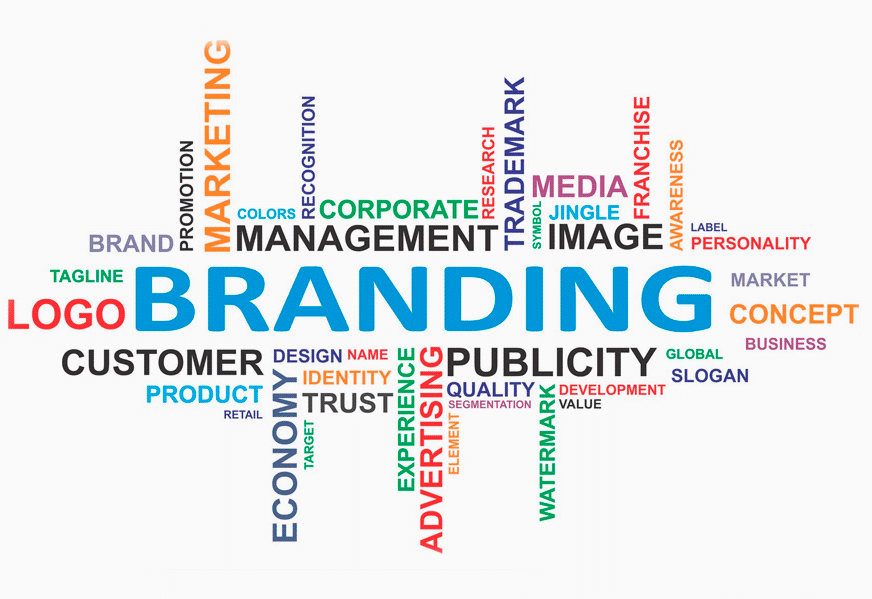
    • Building brand identity: Maintaining consistency across logos, color palettes, and professional product packaging.
    • Defining a design style: Creating an exclusive visual language that carries a strong personal signature.
    • Crafting a brand story: Delivering a meaningful message that forms an emotional connection with buyers.
    • Building a loyal customer community: Nurturing a dedicated fanbase that is ready to engage and offer long-term support.
    • Developing a consistent shopping experience: Ensuring product quality, shipping speed, and flawless customer service at every touchpoint.

    In other words, sellers are no longer simply “selling T-shirts” they are selling a lifestyle, a personality, or a community of their own.

    Typical examples of POD Branding:

    • A niche local brand built exclusively for the Corgi-obsessed community (dog lovers).
    • A fashion brand specializing in vintage streetwear designs for young people.
    • An apparel brand targeting outdoor enthusiasts passionate about camping and hiking.
    • A premium activewear brand dedicated to the Gym/Fitness community.
    • A local brand centered around funny humor quotes that resonate deeply with Gen Z psychology.

    The Difference Between Standard POD Selling and Building a POD Brand

    For a clearer picture of why you should consider transitioning to this model, let’s place two distinct business mindsets side by side:

    Comparison Criteria Standard POD Selling (Generic POD) Building a POD Brand (Local Brand POD)
    Product Strategy Chasing short-term trends; highly susceptible to market saturation Developing a unique, signature style with a one-of-a-kind identity
    Core Objective Focused on quick sales and immediate profit optimization Focused on long-term growth and increasing customer lifetime value (LTV)
    Design Mindset Disconnected, somewhat patchwork designs A cohesive brand identity system with a collectible, curated aesthetic
    Customer Relationship Difficult to cultivate customer loyalty Backed by a strong community and a high repeat customer rate
    Distribution Channels Fully dependent on marketplaces (Etsy, Amazon) Developing an independent website (Shopify, WooCommerce) to take ownership of customer data

    It is clear that a POD seller who only chases trends is much like someone hunting for fireworks. The results may explode quickly and burn brilliantly, but fade just as fast. Building a POD Local Brand with consistent dedication, on the other hand, is more like planting a forest. The early stages may be slower and demand far more time and effort to nurture, but the longer you persist, the more sustainable surplus value it generates ultimately delivering a massive source of passive revenue for your e-commerce business.

    Why Print On Demand Is the Perfect Choice for Building a Local Brand

    The dream of owning a local fashion brand often comes hand in hand with concerns about costs and operations. However, in today’s e-commerce era, the combination of a brand-building mindset and the Print on Demand (POD) model represents the most optimal solution available. Below are 5 core reasons that prove POD is the perfect launchpad for sellers to establish a Local Brand in the most sustainable and low-risk way possible.

    Eliminating the Burden of Inventory Entirely

    This is the single greatest competitive advantage of this model. Building a traditional Local Brand means confronting a daunting financial challenge: sourcing large minimum order quantities (high MOQ), manually forecasting size breakdowns, selecting best-selling colorways, and accepting enormous inventory risk. If the market fails to respond to your products, your working capital becomes frozen on the spot.

    With a POD Local Brand ecosystem, by contrast, products are only manufactured once a customer places and pays for an order. You need no warehousing, no upfront stock procurement, and the freedom to test dozens of designs simultaneously without any risk of budget shortfalls.

    Effortlessly Testing Niche Markets and Design Styles

    A successful local brand typically begins by staking a claim in a very small market niche. Whether you are targeting cat owners, satirical humor aesthetics, vintage car enthusiasts, religious apparel, or highly specific communities such as fishing lovers and nurses’ lifestyle POD empowers you to:

    • Launch and rapidly test multiple exclusive design concepts.
    • Evaluate real user feedback through click-through rates and engagement metrics.
    • Continuously refine your visual identity based on real data.

    This model operates like a “mini brand laboratory” running around the clock 24/7, helping you uncover the core DNA of your brand without sacrificing opportunity cost.

    Minimizing Startup Costs to the Absolute Lowest

    Where the traditional fashion model demands substantial capital for blank sourcing, warehouse rental, printing equipment, packaging staff, and complex logistics operations POD eliminates every single one of those barriers. Beginner sellers or anyone looking to build a side business can launch entirely from home. The most significant assets you need to prepare are simply: a breakthrough brand concept, polished design mockups, a functional online storefront, and a reliable fulfillment partner to handle all the logistics.

    The Flexibility to Scale Your Product Ecosystem

    Once your Local Brand begins attracting its first loyal customers, POD unlocks the ability to expand your product catalog at remarkable speed. From a single iconic design already performing well on a T-shirt, you can seamlessly apply it across Hoodies, Sweatshirts, Tote bags, Posters, Mugs, Ornaments, Home décor, and Phone cases all with just a few clicks. Customers may initially purchase a shirt because they love the design, but they will continue spending on derivative products because they have genuinely fallen in love with your brand.

    Freeing Up Resources: Focusing on Branding Instead of Operations

    The core values that define a brand’s true strength lie in compelling visual communication, an engaging brand story, creative social media content, a consistent shopping experience, and a tightly knit community.

    By delegating the entire production, printing, and shipping process to fulfillment partners, you completely liberate your mental bandwidth. You can dedicate 100% of your time and energy to brand building and customer care. This is precisely why many of today’s leading DTC brands chose POD as their starting point before eventually transitioning into full-scale in-house manufacturing.

    Steps to Building a Local Brand With POD
    Branding

    To transform a standard print-on-demand business into a local brand with a strong, lasting presence in the minds of American and international customers, you need a well-structured execution roadmap. Below are 7 core steps to help you lay the first bricks of your POD Branding venture.

    Step 1: Choosing the Right Niche Market

    This is the most critical foundation determining the survival of your brand. A strong niche market for brand building must bring together several key elements: a clearly defined customer base, strong emotional attachment, an active and engaged community, and a high likelihood of repeat purchases.

    Some high-potential POD Branding niches for 2026:

    • Pet lovers: the community of animal and pet enthusiasts
    • Gym & fitness: dedicated fitness and bodybuilding culture
    • Mental health positivity: uplifting messaging around mental wellness
    • Christian apparel: faith-based and religious fashion
    • Outdoor lifestyle: camping, hiking, and adventure living
    • Gaming culture: the world of gamers and gaming identity
    • Anime streetwear: street fashion inspired by anime aesthetics
    • Coffee lovers: the devoted community of coffee enthusiasts
    • Nurses & healthcare: medical and nursing professionals
    • Funny office culture: workplace humor and relatable office life

    Golden rule: Never try to sell to “everyone.” The more distinct your brand’s personality, the more effortlessly your target customers will remember it.

    Step 2: Establishing Your Visual Identity System

    A strong Local Brand must maintain a consistent identity system across every customer touchpoint. This system encompasses:

    • Logo: A minimalist design that is memorable, versatile in application, and accurately reflects the spirit of your niche.
    • Typography: Whether your brand pursues a Streetwear, Luxury, Vintage, or Playful aesthetic, the typefaces must embody that personality.
    • Primary color palette: For example, Black & Beige for a minimalist brand, Neon tones for a Gaming brand, or Earth tones for an Outdoor Lifestyle brand.
    • Tone of voice: Define whether your brand personality is humorous, effortlessly cool, inspirational, or boldly rebellious. This tone must remain consistent across your website, social media, packaging, product imagery, and all advertising content.

    Step 3: Designing Products With a Systematic, Collection-Based Approach

    A common mistake among traditional POD sellers is uploading too many unrelated designs to their store, turning it into a cluttered “thumbnail night market.”

    To build a professional brand, shift your mindset:

    • Build by collection: Launch products seasonally or around clearly defined themes.
    • Maintain conceptual consistency: Ensure alignment across color palettes, print styles, and typography.
    • Example: A “Weekend Camper” collection would feature mountain graphics, a classic earth tone color palette, vintage typography, and meaningful quotes celebrating the freedom of outdoor living.

    When customers browse your store, they should immediately feel the distinct brand DNA that sets you apart.

    Step 4: Choosing a High-Quality POD Fulfillment Partner

    No matter how outstanding your branding and marketing strategy may be, the customer experience will fall apart instantly if print quality is flawed, shipping times are excessively slow, packaging is careless, or blank product quality is inconsistent.

    When building a Local Brand, selecting the right fulfillment partner is absolutely mission-critical. You should prioritize partners that offer: advanced printing technology (sharp, consistent DTG output), lightning-fast production times, transparent order tracking, a dedicated support team, and a diverse product catalog. In the US market in particular, delivery speed is the single most important factor in earning 5-star reviews and activating repeat purchasing behavior from loyal customers.

    Step 5: Building Your Own Branded Website

    While marketplaces such as Etsy and Amazon help you capture traffic quickly in the early stages, an independent website is the true “home” of your brand. You can set up your storefront on leading e-commerce platforms such as Shopify, WooCommerce, or BigCommerce.

    A Local Brand website that is properly SEO-optimized and conversion-focused should include:

    • A professional, visually polished homepage banner.
    • An emotionally compelling Brand Story page.
    • Clearly organized and intuitively browsable collections.
    • A consistent, realistic mockup system throughout.
    • Transparent shipping and return policies, alongside prominently displayed authentic customer reviews to build trust and credibility.

    Step 6: Developing Your Social Media Channels

    Today, successful POD Local Brands are not merely selling physical products they are selling a lifestyle, a community, and an identity.

    Focus on building brand presence across short-form video and highly visual platforms such as TikTok, Instagram, Pinterest, Facebook, and YouTube Shorts. Content formats you should actively produce include:

    • Behind the scenes: the design process, brainstorming sessions, and product ideation.
    • Packaging videos: showcasing the meticulous, carefully executed packing process.
    • Lifestyle photos: product imagery captured within real-life, everyday contexts.
    • UGC content: authentic videos, photos, and feedback created and shared by your own customers.
    • Niche-specific meme content: highly entertaining, shareable content tailored to your target community.

    A brand that is lively, authentic, and genuinely present on social media will build far stronger trust with its audience.

    Step 7: Creating a Memorable Customer Experience

    In the POD Branding model, the shopping experience is the most powerful factor in retaining customers long-term. Sometimes, buyers remember your brand not simply because of the product itself, but because of the exceptional feeling they had when their package arrived.

    Optimize the small details that drive the greatest conversion impact:

    • Include a thoughtfully designed thank-you card with every order.
    • Use attractive, on-brand packaging materials.
    • Set up an Email Marketing system that is fully aligned with your brand identity.
    • Build a loyalty program and send well-timed discount codes through follow-up emails to encourage customers to return and shop again.

    The Right Platforms for Growing a Local Brand POD

    Choosing the right “launchpad” accounts for up to 50% of the success of any POD Branding campaign. Each e-commerce platform and social media channel carries its own distinct characteristics, making it suitable for different stages and growth directions of a brand. Below is a detailed breakdown of the top sales channels in 2026 that no Local Brand POD can afford to overlook.

    Etsy

    Etsy is an excellent niche marketplace for Local Brands whose design direction leans heavily toward artistic or handcrafted aesthetics.

    • Particularly well-suited for: Handmade styles, vintage fashion, personalized products, and distinctive artistic niches with a unique, one-of-a-kind character.
    • Advantages: The platform comes with a massive built-in traffic base of buyers actively seeking exclusive, hard-to-find items; it is exceptionally easy to test new niches and highly beginner-seller friendly.
    • Disadvantages: Limited interface customization makes it difficult to build a strong brand identity comparable to Shopify; your account is also entirely dependent on the marketplace’s algorithm and its strict policy enforcement.

    TikTok Shop

    TikTok Shop is cementing its position as a “goldmine” for POD Local Brands through its seamless fusion of entertainment and commerce.

    • Particularly effective for: Fast-moving trend-driven products, youth fashion, humor and satire niches, and streetwear.
    • Outstanding strength: TikTok enables brand-new Local Brands to scale at remarkable speed through the power of short-form videos, livestreams, and KOC/Affiliate networks. A single viral video can generate thousands of orders overnight.

    Amazon

    Amazon is synonymous with the world’s largest traffic volume and purchasing power, yet it functions more like a massive marketplace than a true brand-building environment.

    • Best suited for: Scaling sales volume, reaching a mass-market customer base, and leveraging the platform’s unmatched credibility and consumer trust.
    • Limitations: Building genuine brand loyalty is extremely difficult, as customers typically remember buying on Amazon rather than from any specific brand; competition is fierce and price wars are an ever-present threat.
    • Recommendation: Sellers should treat Amazon as a supplementary distribution channel to boost overall sales volume, rather than choosing it as the core home of their brand.

    Pinterest

    Although not a direct e-commerce platform, Pinterest is fertile ground for inbound marketing for POD Brands with a strong visual and aesthetic orientation.

    • Particularly effective for: Home décor, aesthetic apparel, lifestyle products, and feminine-focused niches.
    • How it works: Pinterest operates like a “visual search engine.” A single high-quality pinned image can consistently drive steady organic traffic to your website for months or even years, generating exceptionally high conversion value for a long-term POD Brand strategy.

    Critical Mistakes to Avoid When Building a POD Local Brand

    Stepping onto the path of POD Branding opens up significant opportunities for sellers to increase profit margins and escape the price competition trap. However, the journey from a standard POD store to a genuine local brand is far from straightforward. Below are 6 classic mistakes that cause many POD sellers to burn through money needlessly ones you absolutely must avoid.

    Focusing Solely on Design While Neglecting Branding Strategy

    Many sellers operate under the assumption that “a visually appealing design is all it takes to generate orders.” In reality, within the e-commerce landscape of 2026, a strong design is merely the necessary condition for attracting clicks. The sufficient condition for retaining customers and converting them into loyal buyers is a well-executed Branding strategy. A truly resilient Local Brand must be built upon: an emotionally compelling brand story, a cohesive visual identity system, consistency across every customer touchpoint, and a tightly engaged community.

    Spreading Yourself Too Thin Across Too Many Niches at Once

    This is the common mistake that turns your store into a “general convenience store.” One day the shop posts dog lover T-shirts and cartoon hoodies; the next day it adds religious ceramic mugs, gym tank tops, and even holiday decorations all crammed together.

    The consequence is that when customers land on your website, they feel completely confused and cannot identify what lifestyle or core values your brand actually represents. A strong Local Brand always demands absolute focus on a single, clearly defined target audience.

    Using an Unprofessional Mockup System

    In the world of online shopping, customers buy with their eyes and respond to visual experience. Even the most outstanding design can be completely undermined by careless mockups. Common visual mistakes include:

    • Inconsistent lighting between the mockup and the actual print.
    • Cluttered backgrounds that overshadow and diminish the product.
    • Hard-to-read typography, low resolution, and pixelated graphics.

    For a Local Brand, visual aesthetics are the supreme factor that creates a premium, high-end feel. Invest in the highest quality, most consistent, and most realistic mockup systems available.

    Abandoning Your Social Media Channels

    Many sellers develop the habit of uploading products to their website and then either leaving everything to chance or relying solely on paid advertising. However, social media is the living soul of a brand. Without actively producing creative content, engaging with followers, and expressing your brand personality on TikTok, Instagram, or Pinterest, your brand becomes nothing more than a hollow shell stripped of the trust and emotional connection that keeps customers coming back.

    Over-Reliance on Marketplaces Such as Etsy and Amazon

    If 100% of your business revenue depends entirely on third-party e-commerce platforms, your Local Brand will always exist in a state of vulnerability:

    • Traffic can drop sharply whenever the platform updates its algorithm.
    • You remain completely powerless, unable to control or own your customer data.
    • Optimizing repeat purchase rates becomes extremely difficult under these conditions.

    For sustainable growth, sellers should use marketplaces as an initial launchpad, then gradually redirect traffic toward an independent website (WooCommerce), build an email list, and develop their own dedicated community.

    Failing to Optimize the Customer Experience

    Today’s customers are exceptionally discerning they are not simply paying for a physical product; they are paying for the brand’s overall vibe and the shopping experience you deliver. A strong Local Brand must project professionalism, consistency, trustworthiness, and a distinct personality. This experience must be carefully crafted at every stage: from pre-sale consultation and the production and delivery speed of your fulfillment partner, down to the finest details such as a thoughtfully inserted thank-you card in the package and a well-presented tracking update email.

    In an increasingly competitive Print On Demand landscape, POD Branding is emerging as the sustainable path that helps sellers differentiate themselves and achieve long-term growth. Rather than focusing solely on short-term product sales, building a Local Brand through POD empowers sellers to cultivate a loyal customer base, elevate brand value, and establish a lasting competitive advantage in the international market.

    With the advantages of zero inventory holding, low startup costs, effortless niche testing, and flexible product expansion, Print On Demand is the ideal launchpad for anyone looking to develop their own brand in the e-commerce space. However, to truly succeed with POD Branding, sellers must invest seriously in brand identity, customer experience, product quality, and a long-term content strategy.

    When built in the right direction, a POD Local Brand can not only generate stable, consistent revenue but also open the door to evolving into a fully realized brand in the future. Now is the perfect time for sellers to begin investing in POD Branding and to take deliberate, step-by-step action toward turning their ideas into a brand that leaves a distinctive mark on the market.
  • Keychain Print on Demand: An Effective Upsell Strategy for POD Sellers

    Keychain Print on Demand: An Effective Upsell Strategy for POD Sellers

    As advertising costs continue to rise and competition in the Print on Demand (POD) market becomes increasingly intense, increasing average order value (AOV) has become a top priority for many sellers. Instead of focusing solely on creating new designs or scaling advertising budgets, sellers are shifting toward smarter upsell strategies. Among the most effective upsell products, Print on Demand keychains stand out due to their low base cost, ease of customization, and flexible compatibility with a wide range of other POD products. This article will help sellers understand what POD keychains are, why they are an effective upsell solution, and how to implement keychain POD strategies to sustainably increase AOV in a Print on Demand business.

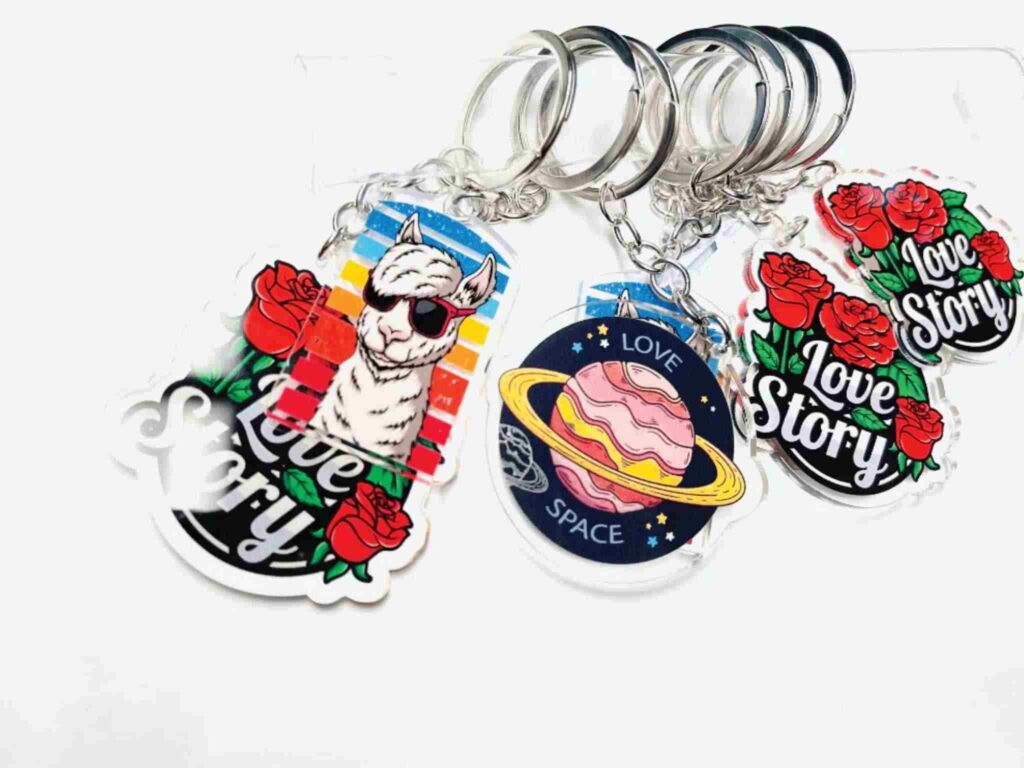
    Keychain Print on Demand

    What Is a Print on Demand Keychain?

    In today’s modern eCommerce ecosystem, Print on Demand keychains have become a familiar product category, opening up low-capital yet high-profit business opportunities for sellers worldwide. To fully understand the potential of this product line, it is essential to take a closer look at its definition and the core advantages that allow it to thrive within the Print on Demand model.

    Definition of Print on Demand Keychains

    Print on Demand keychains operate under a business model in which each item is only produced, printed, and finished after a customer successfully places an order through an online store. Similar to selling T-shirts, hoodies, or mugs, sellers do not need to own printing equipment or manufacturing facilities; the entire process from production to fulfillment and delivery is handled by the POD service provider.

    What truly sets POD keychains apart is their unlimited customization potential. These products are commonly made from popular materials such as:

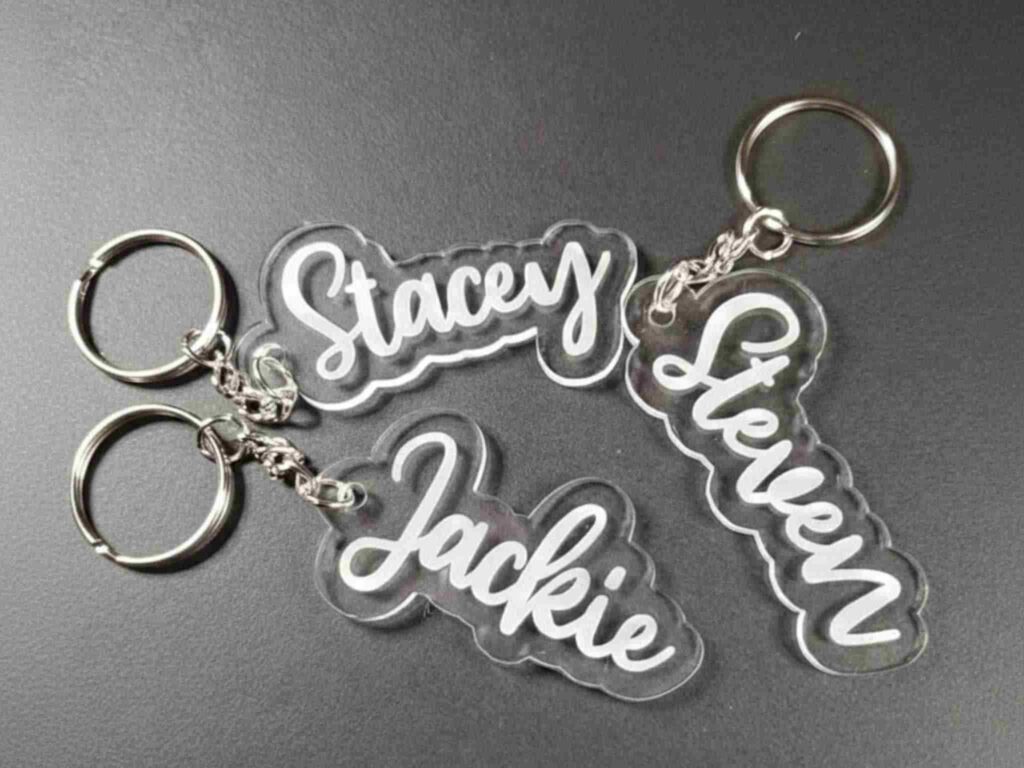
    • Acrylic (clear plastic): Allows custom-shaped cutting, creating 3D effects and visual depth for designs.
    • Wood: Ideal for vintage aesthetics or eco-friendly design styles.

    Unlike mass-produced keychains with repetitive designs, POD keychains allow customers to incorporate personal identity into the product whether through pet images, names, anniversary dates, or meaningful quotes. This transforms a small everyday accessory into a personalized keepsake with strong emotional value.

    Why Are Keychains a Perfect Fit for the Print on Demand Business Model?

    If you are looking for a product to diversify your catalog, keychains are truly a “golden” choice. This product category brings together all the essential advantages of a low-risk, high-flexibility business model:

    • Highly optimized shipping costs: One of the biggest pain points for POD sellers is high shipping fees that reduce profit margins. Thanks to their compact size and ultra-light weight, keychains offer some of the lowest shipping costs among POD products. In many cases, they can even be bundled with main products without increasing shipping fees, creating a strong competitive advantage in pricing.
    • Strong personalization potential: Keychains are everyday items commonly attached to car keys, backpacks, or handbags. Their high level of customization directly appeals to customers’ desire for self-expression, significantly improving conversion rates.
    • Long product life cycle: Unlike apparel, which may wear out or go out of style seasonally, keychains are durable and consistently useful. Customers tend to keep and use them for years, allowing your brand to maintain long-term visibility in their daily lives.
    • Year-round sales potential: Keychains are not affected by weather or seasonal changes like hoodies or T-shirts. They can be sold throughout the year from Valentine’s Day and graduations to Christmas helping maintain stable cash flow for your POD business.

    Why Are POD Keychains an Effective Upsell Solution?

    Keychain Print on Demand

    In Print on Demand business strategies, increasing average order value (AOV) is the fastest path to higher net profit. POD keychains stand out as a highly effective upsell solution thanks to their combination of affordable pricing and strong emotional value. Below are the key reasons why keychains have become a powerful revenue-boosting “weapon” for sellers at every stage.

    Low Price Point, Low Psychological Barrier to Add-On Purchases

    One of the golden rules of effective upselling is that the suggested product should be significantly lower in price than the main item. POD keychains perfectly meet this criterion. When a customer is already willing to spend $30–$50 on a hoodie or a canvas print, adding an extra $7–$12 for a matching keychain feels like an easy and natural decision.

    From a behavioral psychology perspective, keychains fall into the category of impulse purchases. Customers do not need to overthink factors such as sizing or material quality the way they do with apparel. The substantial price gap between the main product and the keychain helps remove psychological resistance, making customers more likely to click the “Add to cart” button.

    Increasing AOV Without Hurting Conversion Rates

    Many sellers worry that offering additional products at checkout may distract customers and lead to cart abandonment. However, with POD keychains, this risk is minimal. As a small, lightweight accessory, a keychain does not change the core value of the original order.

    Rather than pushing customers to buy another high-priced item, suggesting a small, thoughtfully designed keychain feels more like a helpful add-on than a hard sell. As a result, average order value (AOV) increases naturally without causing friction, helping sellers maximize every dollar of advertising spend invested in driving traffic to their store.

    Easy to Bundle With Any POD Product Category

    Flexibility is one of the greatest strengths of POD keychains. No matter which niche you are selling in, keychains can serve as the perfect complementary product:

    • Paired with T-shirts or hoodies: Create fan collections or matching couple gift sets.
    • Paired with tote bags or backpacks: An essential accessory for personalizing everyday bags.
    • Paired with mugs or home décor: Turn individual items into complete gift sets for seasonal occasions.

    By using the same design concept or character set, you can instantly create a highly effective derivative product without spending additional time on market research or redesigning from scratch.

    Enhancing the Emotional Value of Each Order

    The true power of POD keychains lies in their emotional value. A keychain printed with a name, an anniversary date, or a beloved pet’s image is more than just a key holder it becomes a “memory piece” that customers can carry with them wherever they go.

    For buyers, this emotional value often far exceeds the product’s actual selling price. When customers receive a small yet deeply personalized item, their level of satisfaction increases significantly. This emotional connection is the key to earning glowing five-star reviews accompanied by high-quality photos, helping build store credibility and encouraging repeat purchases in the future.

    How Sellers Use POD Keychains for Effective Upselling

    To turn keychains from a secondary product into a true revenue growth engine, sellers need to approach customers at the right moment and address the right needs. Below are four practical, proven methods to help you fully leverage the power of POD keychains within your sales funnel.

    Direct Upselling on the Product Page

    This is the most straightforward method and typically delivers the highest conversion rates. Instead of making customers search for add-on products themselves, proactively display upsell options right next to the “Add to Cart” button on the main product page.

    • How to implement: Use checkboxes or widgets such as “Buy with the same design.” For example, if a customer is viewing a T-shirt featuring a Corgi design, display an option below it like: “Add a matching Corgi keychain for just $8!”
    • Benefits: Design consistency makes customers feel they are purchasing a perfectly matched pair, enabling them to add the upsell item with a single click without leaving the current page.

    Create Bundle Combos to Increase Perceived Value

    Bundle strategies help sellers increase AOV by reshaping how customers perceive the value of their purchase. Instead of selling items individually, package them into curated combos such as:

    • Gift Combo: 1 mug + 1 keychain (ideal for birthdays).
    • Fan Combo: 1 hoodie + 1 matching keychain with the same theme.

    Bundling products makes customers feel they are getting a better deal compared to purchasing items separately, while also allowing sellers to optimize shipping costs more effectively.

    Leverage the Power of Holidays and Seasonal Events

    Keychains are a go-to gift item for major holidays such as Valentine’s Day, Mother’s Day, Father’s Day, and Christmas. During these occasions, shoppers are often looking for something small yet emotionally meaningful.

    Strategy: Recommend adding a personalized keychain engraved with an anniversary date or the recipient’s name when customers purchase main products as gifts. A customized keychain paired with the primary gift adds a sense of completeness and emotional value to the order, helping you maximize profits during peak seasons.

    Post-Purchase Upsell Strategy

    Don’t stop once the customer clicks the “Checkout” button. One of the most advanced techniques is post-purchase upselling, where a special offer is displayed on the Thank You page or delivered via email marketing immediately after the purchase is completed.

    • How to implement: Send a message such as: “Your order has been successfully placed! As a special offer, you can add this personalized keychain to your existing order at 50% off within the next 10 minutes.”
    • Advantages: This approach does not affect the conversion rate of the main order, yet it is highly effective at encouraging last-minute add-on purchases. Customers do not need to re-enter payment information or worry about additional shipping fees, making it easy for them to spend more with minimal friction.

    The Best POD Keychain Niches for Upselling

    Choosing the right niche accounts for nearly 70% of success in the Print on Demand business model. When it comes to keychains, niches that emphasize personalization and emotional connection consistently deliver the highest conversion rates. Below are four “golden” niches where you can effectively implement upsell strategies with POD keychains.

    Couple & Family Niche

    This is one of the most fertile markets for small, giftable products like keychains. Customers in this niche are highly motivated to own matching items that symbolize connection and togetherness.

    • Design ideas: Keychains printed with anniversary dates, couples’ names, or matching symbols (such as two interlocking puzzle pieces).
    • Upsell strategy: When customers purchase matching hoodies or couple T-shirts, suggest adding a set of two matching keychains. This accessory enhances the overall gift set, making it feel more thoughtful and complete without causing customers to hesitate over price.

    Pet Lovers Niche

    In the POD world, the pet niche never goes out of style. Pet owners often view their animals as family members and are willing to spend on anything that features their beloved “four-legged companions.”

    • Design ideas: Acrylic keychains custom-cut to match the actual shape of a dog or cat, or keychains printed with the pet’s name and the owner’s phone number on the back serving both as decoration and an identification tag.
    • Upsell strategy: When selling a pet-themed T-shirt, suggest an add-on such as:
      “Take your furry friend with you everywhere with this mini keychain!” Conversion rates in this niche are extremely high due to the strong emotional connection involved.

    Profession & Lifestyle Niche

    People naturally take pride in their professions and personal interests. From nurses, teachers, and engineers to fishing enthusiasts, gardeners, or gym lovers, many customers want to express their unique identity through the items they use.

    • Design ideas: Iconic symbols such as stethoscopes (nurses), chalkboards (teachers), or dumbbells (gym enthusiasts), combined with personalized names.
    • Upsell strategy: Keychains make excellent companion products for items like mugs or tote bags within the same professional or lifestyle theme. They serve as decorative accessories that highlight and reinforce the owner’s lifestyle and personal identity.

    Gift & Personalized Niche

    The gift niche enjoys steady demand throughout the year and peaks during major holidays. What defines this niche is customers’ strong desire for uniqueness and exclusivity.

    • Design ideas: Keychains printed with memorable photos, coordinates of a first meeting location, or Spotify codes linked to a favorite song.
    • Upsell strategy: In gift-focused sales funnels, keychains are often positioned as a final add-on. Once the main order reaches a certain value, adding a small, personalized keychain enhances the emotional impact and perceived premium quality of the gift far more than giving a single item alone.

    By focusing on niches with clearly defined audiences and a high level of personalization, you can more easily persuade customers to spend on these small yet highly valuable keychain products.

    Key Considerations When Using POD Keychains for Upselling

    Although keychains are small and easy-to-sell products, turning them into a sustainable and professional upsell tool requires careful attention to several critical factors. Even a minor operational mistake can quickly turn a customer experience from “satisfied” into “disappointed.”

    • Print quality and product durability: Keychains are frequently used items, making print quality and durability extremely important. Designs must be sharp, colors stable, and finishes resistant to peeling over time. Poor quality directly impacts customer satisfaction and store reviews.
    • Simple, personalization-friendly design: Due to limited print space, keychains are not suitable for overly complex designs. Sellers should prioritize clean layouts, readable fonts, and avoid overcrowding the design with too many elements.
    • Fulfillment process: When upselling keychains alongside main products, sellers must carefully manage production timelines, packaging methods, and color consistency across items within the same order. An inconsistent fulfillment process can significantly reduce the overall customer experience.
    • Avoid common upsell mistakes: Common errors when upselling keychains include offering too many options that overwhelm customers, pricing keychains too high relative to the main product, or using designs that are unrelated to the original item.

    In an increasingly competitive Print on Demand market, implementing smart upsell strategies such as Print on Demand keychains helps sellers not only increase AOV but also optimize operational efficiency and enhance the customer experience. When executed correctly, POD keychains become a sustainable growth tool, suitable for both new sellers and those scaling their businesses.

    Get started today with FlashShip. If you need further consultation on products, production processes, or account registration, please contact our hotline at (+84) 943 024 337 or visit FlashShip.net for timely and detailed support.

  • AI in Fulfillment – The Future of the POD Industry

    AI in Fulfillment – The Future of the POD Industry

    The emergence of Artificial Intelligence (AI) is opening an entirely new chapter for the Print on Demand (POD) industry, where speed, accuracy, and customer experience have become the core standards of competition. In the past, sellers struggled with slow fulfillment processes, production errors, high operating costs, and inconsistent service quality. But today, AI is transforming the entire game. This article will explore how AI is reshaping the future of fulfillment, delivering comprehensive solutions that accelerate speed, reduce costs, optimize the seller experience, and usher in a new era of intelligent global operations.

    AI in Fulfillment

    Fulfillment in POD: From Automation to Artificial Intelligence

    It’s important to clarify one thing: Automation and Artificial Intelligence (AI) are not the same.

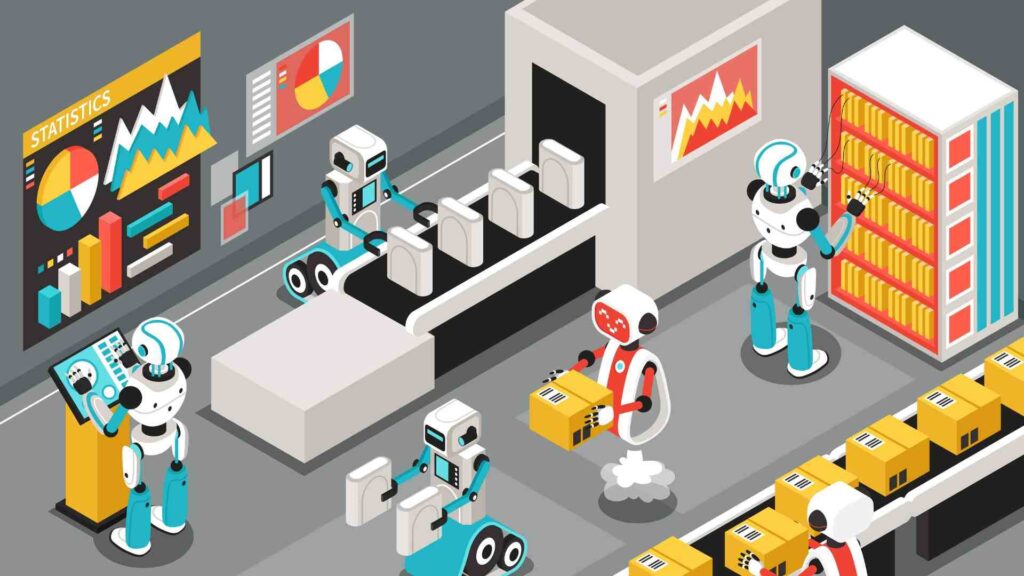
    Between 2018 and 2022, most major POD printing facilities around the world focused on automating their production lines integrating printers, packaging systems, tracking code generation, and automated order updates. This was a major leap forward that eliminated many manual tasks. However, this model remained essentially reactive it only executed pre-programmed commands without the ability to “think” or adapt.

    The limitations of this “reactive” model become painfully clear when order volumes surge. During holiday seasons (Q4) or flash sale campaigns, automated systems are unable to dynamically allocate resources. They can’t “reason” to rebalance workloads, leading to severe backlogs, production errors, and delayed deliveries the ultimate nightmares for any POD seller.

    That’s where AI steps in to completely change the game.

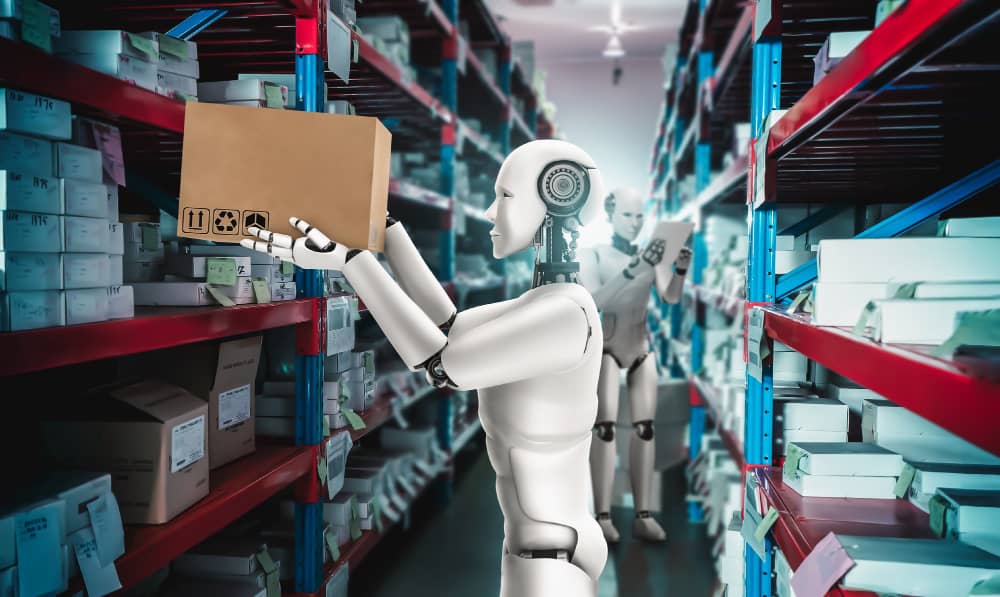
    AI transforms fulfillment from simple automation to an adaptive system. Instead of waiting for human intervention during crises, an AI-powered fulfillment network can:

    • Analyze order trends and volumes in real time.
    • Automatically assign orders to the most suitable printing lines and machines based on current capacity and service-level agreements (SLA).
    • Predict potential risks such as fabric shortages, printer overloads, or SKU mismatches, and issue early warnings before problems occur.

    In other words, with AI, fulfillment evolves from a passive order processor into an intelligent decision-making system, one that actively ensures smooth operations even when your store is facing a massive order storm.

    5 Practical Applications of AI in POD Fulfillment

    AI in Fulfillment

    AI is not a magic wand it’s a powerful toolkit designed to solve specific problems. Below are five ways AI is completely transforming the landscape of leading fulfillment centers in the Print on Demand industry.

    Demand Forecasting and Smart Inventory Preparation

    One of the biggest pain points for POD sellers is running out of blanks (out-of-stock) right in the middle of a major sales season. AI solves this problem through predictive analytics, the ability to forecast demand based on massive datasets.

    An AI system can “learn” from a wide range of data: your sales history, seasonal patterns, upcoming events, and even end-customer behavior in the market. From these insights, it generates accurate forecasts for production needs.

    Real-world example: FlashShip’s system can analyze and identify that from October to December, hoodie orders (Gildan 18500) in Texas, USA typically spike by 60% due to colder weather. Based on this prediction, the system automatically sends alerts to restock hoodie blanks and matching ink types at least two weeks in advance.

    This brings three direct benefits to sellers:

    • Minimizes the risk of running out of blanks during the Q4 peak season.
    • Optimizes warehouse space and inventory turnover, reducing unnecessary storage costs.
    • Shortens production time since materials are always available, ensuring on-time delivery (SLA compliance).

    Automated Production Optimization

    AI in Fulfillment

    In a traditional print shop, assigning orders to production lines is often done manually leading to some machines being idle while others are overloaded. AI changes that by acting as a smart “conductor” that harmonizes the entire operation.

    The AI system continuously monitors each printer’s real-time status, shift productivity, and backlog levels to automatically allocate jobs in the most efficient way.

    For example:

    • Detecting that Line 1 is idle and specializes in light-colored garments → AI automatically assigns the next 50 white shirt orders to this line.
    • Recognizing that Line 2 handles dark apparel (requiring white underbase) and is about to complete its current batch → AI queues 30 black shirt orders next in line.

    As a result, the entire production system operates like a living organism, flexible, waste-free, and consistently performing at its highest efficiency.

    Quality Control with Computer Vision (AI Vision)

    A one-star review caused by printing errors wrong colors, misaligned designs, or fabric wrinkles is every POD seller’s nightmare. Manual quality checks (QC) take time, depend heavily on human attention, and often miss subtle mistakes.

    AI Vision (Computer Vision) is the solution to this problem. High-resolution cameras are installed directly at each printing station or at the final QC checkpoint. As each product passes through, the AI system will:

    • Capture an image of the actual printed product.
    • Instantly compare it with the seller’s original mockup file.
    • Detect and highlight defects (such as 1cm misalignment, incorrect color code, or stains) within 0.5 seconds.
    • Send alerts to the system and automatically remove defective items before they are packaged.

    This technology helps reduce up to 70% of defective orders reaching customers, protecting brand reputation and saving sellers thousands of dollars in refund or resend costs each month.

    Smart Logistics and Delivery Route Optimization

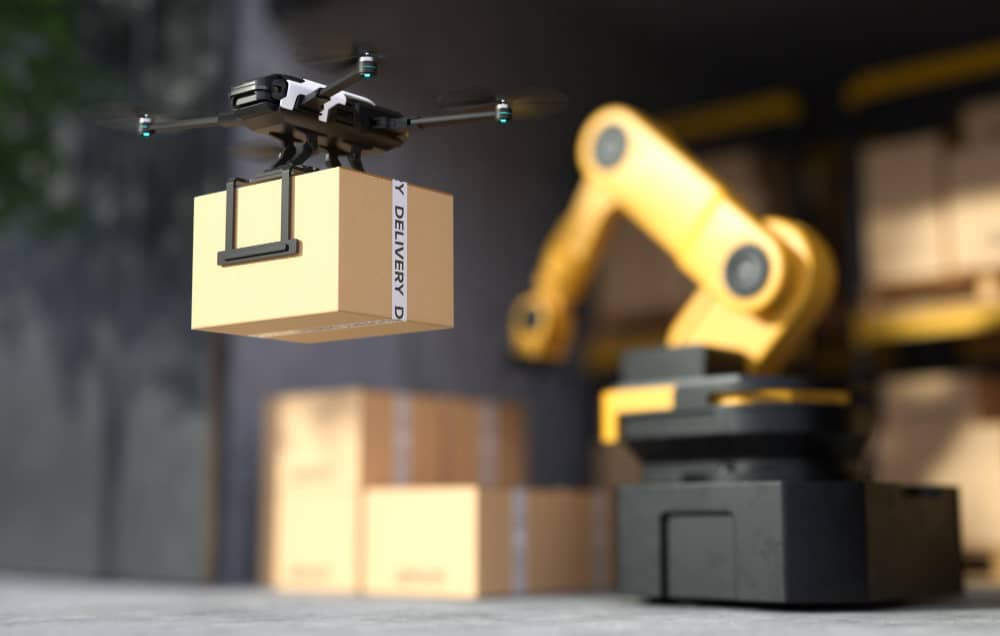
    After printing, the logistics phase is often the most expensive and risk-prone step. AI plays a crucial role in optimizing this “last-mile delivery” process.

    Instead of merely choosing the cheapest carrier, AI analyzes multiple variables such as:

    • Delivery location (urban vs. remote area).
    • Weather and traffic conditions in the delivery region.
    • Real-time shipping rates and carrier performance (USPS, UPS, FedEx, DHL, etc.).

    From these factors, AI automatically selects the most optimal delivery route, balancing cost and speed, while predicting a more accurate Estimated Time of Arrival (ETA) than human planners.

    As a result, POD sellers can cut logistics costs by 10–20% and significantly reduce issues like “stuck tracking” during peak seasons, ensuring a smoother and more reliable delivery experience for customers.

    Automated Customer Service (AI Customer Support)

    Customer Service

    POD sellers often spend excessive time answering repetitive questions, especially the classic “Where Is My Order?” (WISMO) inquiries. AI chatbots and automated support systems are now freeing sellers from this burden by handling such interactions instantly and accurately.

    Modern AI chatbots are directly integrated with fulfillment systems and carrier APIs, allowing them to access real-time order data and respond automatically.

    Example 1: When a customer asks, “Where’s my order #12345?” → The AI chatbot automatically retrieves the tracking information and replies: “Your order is currently at the USPS transit hub in Dallas and is expected to be delivered on November 5.”

    Example 2: When a customer requests a size exchange (due to their own mistake) → The AI can automatically generate and send a link for a self-service return/exchange process, without any seller intervention.

    This technology helps reduce response time by up to 50%, providing a faster, more professional experience for both sellers and end customers, a critical factor in building trust and long-term loyalty in the POD industry.

    The Critical Benefits of AI for POD Sellers

    Implementing AI in fulfillment is not just a factory “upgrade”, it’s a strategic weapon that delivers direct and vital advantages for every POD seller. When your fulfillment partner operates with AI, here’s what you gain:

    Save Time – Maximize Fulfillment Speed to the Extreme

    In the world of e-commerce, speed is king. AI eliminates all “dead time” (latency) caused by manual operations. The moment a customer clicks “Buy”, the AI-driven system has already:

    • Processed the order instantly, no human confirmation required.
    • Automatically assigned the job to the optimal printing line and placed it in the production queue within seconds.
    • Updated tracking information in real time as soon as the order is packaged.

    With a fully AI-integrated fulfillment system, up to 90% of orders can be completed and shipped within just one business day. This is a massive competitive advantage when you’re competing against other sellers and serving U.S. customers who are already accustomed to Amazon Prime level speed.

    Reducing Operating Costs and Maximizing Profitability

    Speed means nothing if high costs eat away your profit margins. AI directly impacts your bottom line by eliminating inefficiencies and reducing waste. Through intelligent forecasting and smart resource allocation, sellers can save costs across multiple stages:

    • Fewer errors (thanks to AI Vision) significantly lower refund and resend rates.
    • Reduced material waste, as AI accurately predicts blank and ink requirements — minimizing excess inventory and unnecessary consumption.
    • Optimized labor and machine utilization help cut overtime expenses and prevent resource overuse.

    According to a 2025 eFulfillment Service survey, the application of AI can help POD businesses reduce total operational costs by up to 25%. That reduction directly affects your base cost and net profit per product sold, giving you greater pricing flexibility and higher margins.

    Enhancing Accuracy and Ensuring Consistent Print Quality

    AI in Fulfillment

    For POD sellers, 5-star reviews are the lifeblood of the business and inconsistent print quality is the ultimate brand killer. AI Vision combined with Machine Learning acts as a 24/7 guardian of your brand by:

    • Ensuring color consistency across different production batches.
    • Automatically aligning print positions, keeping your design perfectly placed every time.
    • Detecting and eliminating defects before packaging.

    With AI, sellers not only achieve faster fulfillment but also maintain flawless quality consistency,  the key factor in building customer trust and long-term brand loyalty.

    Unlimited Scalability for Business Growth

    In the past, hitting 10,000 orders per day during Q4 was every POD seller’s nightmare. You had to deal with massive backlogs, or your fulfillment partner had to open new facilities and hire hundreds of workers, disrupting the entire operation.

    Today, AI enables a twofold or even threefold increase in productivity without the need for proportional manpower expansion. The more orders the AI system processes, the more it “learns” and the more accurate it becomes. Fulfillment evolves into a form of symbiotic intelligence a seamless collaboration between machines and data.

    This allows sellers to scale their business at lightning speed while maintaining consistent output quality and operational stability.

    Elevating the Customer Experience

    Ultimately, all these benefits lead to one core goal: enhancing the end-customer experience. Speed, accuracy, and transparency are the three pillars that drive customer loyalty.

    AI ensures that your customers:

    • Receive the right product, on time, every time.
    • Have clear, real-time tracking updates throughout the shipping process.
    • Get instant responses from AI chatbots, instead of waiting days for support replies.

    When buyers are satisfied, sellers can boost their repeat purchase rate by 30–40%, a remarkable achievement and the true key to long-term sustainability in the POD industry.

    Challenges and Limitations of Applying AI in Fulfillment

    AI in Fulfillment

    While AI offers countless benefits, its implementation is far from simple. Both POD sellers and fulfillment providers must understand the real-world challenges and limitations in order to leverage this technology effectively.

    Data and Initial Implementation Costs

    AI is “intelligent” because it is fueled by data. For an AI system to operate effectively, it requires a massive amount of clean, structured, and high-quality data across every aspect of the business, from order history and production workflows to logistics metrics and customer behavior.

    This creates a significant barrier. Many small sellers or new print facilities lack standardized data, making it difficult for AI systems to “learn” accurately and generate reliable predictions.

    Moreover, the initial integration cost can be substantial. Equipping facilities with AI Vision cameras, investing in software, building machine learning frameworks, and hiring data engineers require investments that can reach millions of dollars.

    This is why only large-scale fulfillment centers with long-term strategic vision and financial capacity can fully implement AI in a systematic, sustainable way.

    AI Reliability in Edge Cases

    AI performs exceptionally well with repetitive tasks and standardized data. However, it can become “confused” or make incorrect decisions when encountering edge cases, unusual situations it was never trained to handle.

    For example:

    • Complex design patterns: A design intentionally using a distressed or vintage texture might be misinterpreted by AI Vision as a printing defect and automatically rejected.
    • Uncommon operational errors: A duplicated order ID caused by a platform glitch could lead AI to assign the wrong production line, resulting in duplicate prints.

    That’s why the human element remains irreplaceable. A skilled human supervision team is still required to immediately intervene when AI “thinks wrong” and to manage complex situations that machines cannot yet fully understand.

    Data Security and Privacy

    This is one of the biggest concerns for POD sellers. When you upload your design files (your intellectual property) and share customer information (names, addresses) with a fulfillment partner, you are placing significant trust in their systems.

    As AI processes millions of designs and personal data records, the risk of data breaches becomes substantial if the infrastructure is not properly encrypted and protected. Even a single vulnerability could result in design theft or customer information leaks, potentially violating data protection laws such as GDPR.

    Therefore, sellers must choose reputable fulfillment partners that adhere to internationally recognized data security standards, such as ISO 27001 or equivalent certifications, to ensure their assets remain safe and secure.

    Skill Gaps and Workforce Training

    Equipping a fulfillment center with AI is one thing, knowing how to use it effectively is another. AI is not a “magic wand”; it requires the operations team to develop new technical and analytical skills.

    They must know how to:

    • Read and interpret analytics dashboards and understand the insights AI provides.
    • Configure rules, triggers, and automated behaviors so that AI performs according to the intended logic.

    Without a structured training and onboarding roadmap, the AI system can easily become “a complex machine no one knows how to use” instead of the intelligent assistant it’s meant to be.

    Risk of Overdependence on Technology

    When an entire production system from A to Z, is governed by AI, the risk of technological dependency becomes real. Imagine if the central AI server experiences a malfunction or downtime in the middle of Black Friday the entire production line could come to a complete halt.

    For this reason, professional fulfillment centers always maintain a backup or hybrid mode. They keep manual or semi-automated contingency workflows ready to activate instantly, ensuring orders continue to be processed smoothly and minimizing the risk of disruption for sellers.

    In an era where speed and technology define success, choosing the right Fulfillment partner is the key for POD sellers to break through and scale.

    With a U.S.-standard operational system and the comprehensive application of AI across its Fulfillment process, FlashShip helps you process orders faster and more accurately while optimizing costs, enhancing customer experience, and enabling sustainable business growth.

    If you’re looking for a smart, fast, and reliable Fulfillment partner, contact FlashShip today via hotline (+84) 943 024 337 or visit seller.FlashShip.net to receive detailed consultation and begin your journey to Fulfill with intelligence – Succeed with speed!