Category: Market and Trends

  • Valentine Isn’t Just for Couples

    Valentine Isn’t Just for Couples

    For many years, Valentine’s Day has been considered a “golden season” for couple-focused products. However, real market data from the Print on Demand (POD) industry shows that Valentine’s Day is no longer an exclusive playground for the couple niche. Consumer behavior is clearly shifting, as buyers increasingly prioritize self-love, family bonds, and pet relationships, rather than focusing solely on romantic partnerships.

    For POD sellers, relying only on the couple niche not only increases competition and advertising costs, but also introduces greater operational and profit risks. Understanding the true nature of modern Valentine’s Day allows sellers to expand into safer niches, reduce scaling pressure, and build a more sustainable sales strategy for Valentine 2026.

    Valentine Isn’t Just for Couples

    Why Is Valentine’s Day No Longer Just for Couples?

    Over the past decade, the concept of Valentine’s Day has undergone a fundamental shift in mindset. It is no longer an exclusive domain of red roses or romantic dinners for two. For POD sellers, understanding this shift is the key to unlocking new and more sustainable revenue streams.

    The Shift in Consumer Behavior

    The modern Valentine’s market is being shaped by deep psychological changes, especially in major regions such as the United States and Europe:

    • The Rise of the Self-Love Trend: With singlehood reaching record-high levels, the mindset of “You are your own Valentine” has become increasingly mainstream. Consumers are no longer waiting for someone else to buy them a gift; instead, they are willing to spend generously on self-gifting products as a way to reward themselves for their personal efforts and achievements.
    • A Stronger Focus on Meaningful Relationships: Rather than concentrating solely on romantic love, consumers are increasingly celebrating platonic love. This shift brings relationships such as parents and children, teachers and students, and especially close friendships into the spotlight as key target audiences.
    • The Pet Economy: Pets are now widely regarded as “furbabies” official members of the family. Spending on pet-related Valentine’s gifts continues to reach new highs each year, creating massive opportunities for personalized POD products featuring custom dog and cat designs.
    • Seller Insight: Valentine’s Day has evolved into a season of emotions. Consumers shop to fulfill their need for connection and care, turning February 14th into an occasion to appreciate every presence that brings happiness into their lives.

    Valentine 2026: From “Couples’ Day” to a “Multi-Dimensional Celebration of Love”

    The expanded definition of love has transformed Valentine’s Day into a more diverse and dynamic marketplace than ever before. For consumers, February 14th has become a meaningful milestone to:

    • Affirm personal value: through unique self-gifting products.
    • Strengthen family bonds: by sharing warm messages with loved ones via home products such as home décor and blankets.
    • Spread positive energy: with humorous or ironic gifts (Anti-Valentine styles) for friends.

    This shift from a couple-centric to a love-centric mindset has created a significant market gap. Within this space, Print on Demand products thanks to their flexible customization, positive messaging, and subtle personalization have emerged as one of the most effective tools for sellers to connect with a wide range of customer segments.

    The Risks of Focusing Exclusively on the Couple Niche for POD Sellers

    Valentine Isn’t Just for Couples

    Although the couple niche consistently generates massive search volume, it is also a “graveyard” for sellers who lack a diversification strategy. Concentrating all resources on a single niche exposes sellers to three critical risks:

    Fierce Competition and the “Cash-Burning” Advertising War

    The couple niche during Valentine’s season is the very definition of a red ocean. When tens of thousands of sellers rush into a handful of familiar concepts such as “Together Since” or “I Love My Boyfriend,” the market quickly falls into the following conditions:

    • Design saturation: Designs are easily copied or become conceptually repetitive, causing products to lose their uniqueness and differentiation.
    • Soaring advertising costs: During peak periods, CPM (cost per thousand impressions) and CPC (cost per click) across platforms like Facebook, Google, and TikTok are driven to extreme levels.
    • Shrinking profit margins: To compete with established “big players,” smaller sellers are often forced to lower prices, resulting in high-looking revenue but thin—or even negative real profits after accounting for operating and advertising costs.

    Harsh Seasonality and Poor Resource Reusability

    One major drawback of strictly couple-focused Valentine designs is their extremely short product lifecycle.

    • Wasted creative resources: Designs heavily tied to heart symbols or February 14th messaging are difficult to sell year-round. After Valentine’s Day, these designs become almost unusable within a product catalog.
    • Management burden: Sellers invest significant time and effort into building large collections meant to perform for less than two weeks. This results in inefficient use of design resources and creates challenges in maintaining and optimizing a sustainable long-term design library.

    Operational Pressure and the Risk of “Breaking Down” During Scaling

    The couple niche has a strong flash-sale characteristic, with orders surging within a very short window right before Valentine’s Day. This creates intense pressure on the entire supply chain:

    • Operational bottlenecks: Sudden spikes in order volume significantly increase the risk of errors during personalization processes, leading to misprints or incorrect customization.
    • Shipping risks: Even a minor disruption from shipping carriers can result in deliveries arriving after February 14th, triggering a high rate of refund requests and one-star feedback.
    • Negative reviews: For customers purchasing gifts for their partners, emotional expectations are extremely high. Any small issue in print quality or packaging can quickly escalate into a reputational crisis for your store.

    Valentine Niches Beyond Couples That POD Sellers Should Explore

    As the couple market becomes increasingly crowded, shifting toward “blue ocean” niches not only helps reduce marketing costs but also creates more stable and sustainable revenue streams. Below are three strategic directions that POD sellers should focus on:

    Valentine & Self-Love

    The self-love movement is no longer a short-lived trend; it has evolved into a core mindset among Gen Z and Millennials.

    Core messaging: Focus on independence, positivity, and self-worth with messages such as “Be Your Own Valentine” or “Self-Love Is the Best Love.”

    Advantages for sellers:

    • Lower content risk: Sellers do not need to worry about breakups or the time-sensitive nature of romantic relationships.
    • High flexibility: These designs can perform well beyond Valentine’s Day, continuing into the following months as evergreen products.
    • Broad customer base: Not limited by age or marital status, making ad optimization significantly easier.

    Valentine & Family: Timeless Love

    Family is a highly emotional niche that is often overlooked by sellers during February 14th. This creates a valuable opportunity to tap into long-lasting emotional connections.

    Core messaging: Celebrate parent–child and grandparent–grandchild relationships with messages such as “Dad’s Little Valentine” or “Mom’s Favorite Heartbeat.”

    Advantages for sellers:

    • High stability: Family relationships are enduring, allowing products to remain relevant in the catalog long after Valentine’s Day rather than being limited to a single season.
    • Easy upselling: Sellers can offer family sets, significantly increasing average order value (AOV).
    • Effective cross-selling: These designs can be easily adapted for future occasions such as Mother’s Day or Father’s Day with minimal modification.

    Valentine & Pets (Pet Parents)

    In the eyes of animal lovers, pets are often their most loyal “Valentines.” The pet niche consistently ranks among the highest-converting segments in the POD industry.

    Core messaging: Humorous and emotionally connected, with examples such as “My Dog Is My Valentine” or “Sorry, I Have Plans with My Cat.”

    Advantages for sellers:

    • Flexible spending mindset: Pet owners are generally less price-sensitive when a product celebrates their four-legged “child.”
    • The power of personalization: This niche is ideal for features such as name insertion, breed selection, or uploading real pet photos. Personalized pet products typically achieve significantly higher profit margins than the market average.
    • Avoiding direct competition: While competitors are heavily focused on the couple niche, sellers can more easily capture the pet market with far more manageable advertising costs.

    POD Products Suitable for Valentine’s Day Beyond the Couple Niche

    Unlike the couple niche, which typically focuses on paired or matching products, alternative Valentine niches require greater flexibility and broader usability. Choosing the right product base can determine up to 50% of a campaign’s success.

    Apparel: Neutral Messaging & Lifestyle-Focused Fits

    T-shirts, hoodies, and sweatshirts remain the backbone of the POD industry. However, for niches beyond couples, the design mindset needs to shift:

    • Design style: Prioritize minimalist or vintage/retro aesthetics over bold heart-heavy graphics. This allows customers to wear the products year-round rather than only on February 14th.
    • Messaging: Focus on connection and positive emotions. For example, a sweatshirt embroidered with “Self-Care Club” or a hoodie featuring a line-art family illustration.
    • Advantages: Easy to scale, consistently high market demand, and a core product category on FlashShip thanks to a wide range of blank apparel options.

    Light Personalization Products

    Personalization is the strongest catalyst for turning an ordinary item into a meaningful gift. For Valentine’s niches beyond couples, personalization should be applied with subtlety:

    • Approach: Instead of large photo prints, allow customers to add names, important dates, or short, personal quotes.
    • Impact: This enhances emotional value without making the product feel overly “Valentine-specific,” allowing customers to comfortably use it in everyday life.
    • Examples: A thermal bottle printed with a pet’s name, or a mug featuring a close friends group’s nickname.

    Analyzing the Pros and Cons of Each Product Category

    To maximize profitability, sellers need a clear understanding of the characteristics of each product category:

    Product Category Advantages Disadvantages Recommended Strategy
    Apparel High demand, easy to run ads, strong per-unit profit margins. Intense design competition; customers are sensitive to sizing issues. Focus on high-quality blank apparel and provide clear size charts to reduce return rates.
    Keychains / Small Gifts Low barrier to entry; ideal for upselling. Low profit per item; requires high order volume to generate significant profit. Use as add-on gifts or sell in bundles to increase average order value (AOV).
    Home Décor Lower competition, high sentimental value; customers are less price-sensitive. Longer production and packaging time; requires strong aesthetic design. Focus on the family niche with personalized products such as blankets or posters.

    Common Mistakes Sellers Make When Expanding Valentine Niches Beyond Couples

    Expanding into new niches is a sound strategy, but when executed incorrectly, it can still lead to failure. Below are common mistakes that even experienced sellers often make:

    The Misconception About Difficulty: “Lower Competition Means Easier Sales”

    This is one of the most dangerous psychological traps. In reality, customers in niches such as self-love and family tend to have more demanding purchasing behaviors:

    • High expectations for subtlety and meaning: They do not buy based on hype like many young couples. Messaging must genuinely resonate with their core values.
    • Greater attention to experience: These customer segments care more about product quality (materials) and the meaning behind the design than about mass-market visuals.

    Rigid Thinking: Copying the Couple Style into Other Niches

    Many sellers fall into the trap of laziness by changing only the wording while keeping the same design language.

    • Context mismatch: Overusing bright heart symbols or overly sweet pink tones in niches like Anti-Valentine or Pets can backfire.
    • Awkward emotional tone: Messages about independence require strength and minimalism, not the romantic and sentimental style associated with couple-focused designs.

    Weak Messaging: Too Generic or Overly “Cheesy”

    In POD, content is king. If your quote fails to create emotional resonance, customers will scroll past immediately.

    • Overly generic messages: Phrases like “I love my dog” are already saturated. Sellers need messaging with stronger personal identity and self-expression.
    • Lack of authenticity: Avoid forcing everything to sound sweet. Niches beyond couples call for natural warmth and sometimes a touch of witty or ironic humor to stand out.

    Underestimating SLA and Operational Factors

    Valentine’s Day is a season driven by emotions and emotions leave no room for delays.

    • Time pressure: Even when gifts are not for romantic partners, presents for children or friends must still arrive on time to preserve their meaning.
    • Operational fallout: A single mistake, such as printing the wrong pet name or delivering an order after February 14th, can result not only in high refund rates but also in direct damage to your platform reputation.

    The “Early Scaling” Trap: Failing Due to Overconfidence

    Seeing a few initial orders does not mean you are ready to aggressively scale ad spend.

    • Lack of validated data: A handful of early orders is insufficient to evaluate return rates, real print quality, or genuine customer feedback on the design.
    • Cash flow risk: Scaling too early before production and shipping processes are fully optimized can lead to operational breakdowns and financial losses when chargebacks begin to accumulate.

    Valentine 2026 is no longer an exclusive playing field for the couple niche. As consumer behavior continues to expand toward self-love, family, and pets, Print on Demand sellers must shift their mindset to adapt to this evolving market. Focusing solely on couple-focused products not only intensifies competition but also increases risks related to advertising costs, operations, and long-term profitability.

    Rather than chasing saturated niches, POD sellers should view Valentine’s Day as a multi-dimensional emotional season one in which niche expansion strategies, safe product testing, and optimized customer experience determine business performance. Preparing the right products, delivering relevant messaging, and securing a reliable fulfillment solution from the outset will help sellers minimize risk and build a sustainable growth foundation for Valentine 2026 and beyond.

  • Overview of Amazon’s 2026 Policies: Opportunities & Risks for Sellers

    Overview of Amazon’s 2026 Policies: Opportunities & Risks for Sellers

    In 2026, Amazon is entering a phase of comprehensive policy tightening, covering everything from delivery SLAs and account performance to supply chain transparency and fulfillment operations. These changes are directly impacting POD sellers, especially those selling in the U.S. market. This article provides POD sellers with a clear overview of Amazon’s 2026 policies, analyzes the opportunities available to sellers who operate with a structured and compliant approach, and highlights the major risks that can easily lead to performance drops or account restrictions.

    Amazon’s 2026,

    An Overview of Amazon’s Policy Changes in 2026

    Since the beginning of 2026, Amazon has implemented a series of pivotal adjustments centered around three core pillars: Fulfillment operations, customer experience, and artificial intelligence (AI).

    Increased FBA Fulfillment and Referral Fees

    Starting January 15, 2026, Amazon has implemented a new FBA fee structure in the U.S. market, with an average increase of $0.08 per unit. However, a closer look at the pricing tiers reveals a significant profit squeeze for POD sellers:

    • Products under $10: This tier typically includes low-priced T-shirts or stickers. Fees increase by up to $0.12 per unit, a substantial jump given the already thin margins in this segment.
    • Products priced from $10 to $50: Fees increase by $0.08 per unit.
    • Products over $50: Fees rise sharply by $0.31 per unit.

    Notably, the Size/Price Tier structure has also been adjusted. Heavier or bulkier POD items such as hoodies, bedding, or large-format canvas prints are being pushed into higher fee tiers even when their actual physical dimensions remain unchanged.

    Discontinuation of FBA Prep & Labeling Services

    The most disruptive change is that, starting January 1, 2026, Amazon has officially discontinued FBA Prep & Labeling services in the U.S.

    • Risk: Previously, sellers could pay Amazon to apply FNSKU labels or polybag products. Going forward, all preparation steps must be completed 100% before inventory arrives at Amazon warehouses.
    • The cost of mistakes: Even a minor error such as a missing suffocation warning on a polybag or a blurred FNSKU label can result in error handling fees ranging from $0.50 to $2 per unit, or even lead to the entire shipment being rejected.

    For Vietnamese POD sellers, choosing a supplier or fulfillment partner that strictly follows Amazon-compliant preparation processes is now a critical, make-or-break factor.

    Return Processing Fees and the New Reimbursement Framework

    The Apparel category has always had a high return rate (averaging 15–20%). Starting in 2026, Amazon has tightened controls further by introducing a new Return Processing Fee. Instead of being calculated based on the selling price, this fee is now tied to Amazon’s actual operational costs turning every returned order into a real financial burden for sellers.

    In addition, the reimbursement policy for lost or damaged inventory has become more restrictive. Amazon now requires extremely transparent cost data from sellers. At the same time, the star-only review system (ratings without written feedback), introduced in 2025, continues to be tightened. This makes disputing A-to-Z Guarantee claims nearly impossible unless sellers can provide flawless operational evidence.

    Stricter Inbound Placement, Long-Term Storage Fees, and Inventory Limits

    Amazon is aggressively optimizing warehouse capacity through a series of financial levers:

    • Inbound Placement Fee: If you ship inventory to a single fulfillment center to save on U.S. domestic shipping costs, Amazon will charge an inbound placement fee equal to 20-40% of the inventory value. To avoid this fee, sellers must split shipments across at least 4-5 different fulfillment centers nationwide.
    • Long-Term Storage Fee: Starting January 16, 2026, storage fees for inventory held longer than 12 months will increase sharply.
    • Inventory Limits: Inventory storage limits have been reduced from 6 months to 5 months of coverage. This creates significant pressure during Peak Season (Q4), forcing sellers to forecast demand with extreme accuracy to avoid having inbound inventory quotas frozen in the middle of the selling season.

    Transparency Tools: FBA Revenue Calculator & Profit Analytics

    To help sellers better control their performance, Amazon has launched a new dashboard integrated with AI-powered Profit Analytics. This tool allows sellers to analyze each SKU in detail and see exactly how much profit remains after all newly introduced fees such as Inbound Placement, Prep, and Return Processing fees are deducted.

    Real-world data: According to surveys from major fulfillment providers, up to 30% of POD sellers are projected to lose 10–15% of net profit in the first quarter of 2026 if they fail to proactively optimize their SKUs and packaging processes starting now.

    Advantages of U.S.-Based Sellers in the Context of Amazon’s 2026 Policies

    Tightening policies does not mean Amazon is “closing the door” on sellers. On the contrary, 2026 creates more opportunities for POD sellers who operate in a structured, compliant, and professional manner.

    Breaking SLA Barriers and the Pressure of Ultra-Fast Delivery

    Amazon’s 2026 requirements go beyond fast shipping—they demand absolute accuracy at every time checkpoint. U.S.-based sellers hold a natural advantage:

    • Shorter lead times: Domestic U.S. production and fulfillment eliminate customs clearance and cross-border transit delays entirely. POD orders can be printed and shipped within 24-48 hours.
    • Real-time tracking synchronization: With domestic carriers such as USPS, UPS, and FedEx, tracking numbers are updated instantly within Amazon’s system. This helps maintain a 100% Valid Tracking Rate (VTR), allowing sellers to retain the Buy Box even during the strictest algorithm audits.
    • Elimination of “order failure” risks: U.S. sellers face far fewer order cancellations caused by processing delays one of the most severe violations that can trigger account strikes or restrictions in 2026.

    Legal Safeguards and Stronger Account Appeal Capabilities

    In 2026, Amazon conducts regular AI-driven account audits. U.S.-based sellers gain a significant advantage when it comes to appeals thanks to:

    • Document transparency: U.S. business credentials such as LLC registration, EIN, warehouse addresses, and invoices from domestic U.S. print facilities carry a high level of credibility with Amazon’s Performance team.

    • Clear proof of origin: When flagged for intellectual property or quality issues, U.S. sellers can easily provide standardized invoices from U.S.-based printing material suppliers. Under Amazon’s 2026 policies, handwritten invoices or edited PDF files are no longer accepted Amazon prioritizes sellers operating through verifiable, locally established business entities.

    Staying Ahead of the “Local Trust” Trend and the Shift Away from Cross-Border Products

    U.S. consumer behavior in 2026 has changed significantly. Customers are no longer just buying products they are buying peace of mind:

    • “Made in USA” badge: Listings labeled as manufactured in the U.S. or fulfilled from U.S.-based warehouses achieve conversion rates up to 40% higher than products shipped from overseas.
    • Stronger trust in after-sales support: Customers believe returns and exchanges are easier with domestic sellers. This helps reduce A-to-Z Guarantee claims, which remain a major concern for POD sellers under Amazon’s highly buyer-protective 2026 policies.

    The ability to scale at lightning speed-even during peak seasons

    While cross-border sellers scramble to deal with port congestion or flight delays during Q4, U.S.-based sellers operate with far greater ease:

    • Flexible inventory flow: Inventory can be quickly rebalanced across FBA warehouses or shifted to FBM fulfillment when needed.
    • Capacity control: Working directly with U.S. print facilities allows sellers to accurately assess real production capacity, preventing order backlogs when demand spikes by 500–1,000% during major events such as Prime Day or Christmas.

    A Long-Term Mindset

    Amazon’s strategy from 2026 onward is essentially about “cleaning the house” removing short-term, opportunistic sellers from the marketplace. The company is building an ecosystem that prioritizes stable partners with high lifetime value.

    U.S.-based sellers who operate with structured processes, fulfill their tax obligations, and comply with U.S. labor safety and environmental regulations are exactly the type of partners Amazon aims to retain.

    • Playing the long game instead of price wars: Rather than engaging in aggressive price-cutting with low-quality, cheap products, U.S. sellers focus on brand building (Brand Registry 2.0) and leverage their operational advantages to achieve sustainable, long-term profitability.

    Major Risks POD Sellers Are Likely to Face in 2026

    In the past, the biggest risk for POD sellers was “losing ad campaigns.” In 2026, however, risk has shifted decisively toward operations and account health. Amazon now operates a real-time AI-driven seller behavior monitoring system, where even small, accumulated errors can ultimately become a fatal blow to a business.

    Risk 1: Chain-Reaction SLA Violations Caused by Choosing the Wrong Fulfillment Partner

    This is the most common and most dangerous risk because it lies largely outside a seller’s direct control. The POD business model depends heavily on its backbone: print fulfillment partners.

    • Weaknesses of unreliable fulfillment: In 2026, Amazon strictly enforces a Valid Tracking Rate (VTR) above 95% and a Late Shipment Rate (LSR) below 4%. If a fulfillment partner experiences equipment failures or capacity overload for just 3–5 days, your entire order flow can be delayed.
    • Immediate consequences: Once LSR exceeds the threshold, Amazon can automatically remove the Buy Box and cut off all PPC advertising traffic. Even worse, during peak season, delays of just 2–3 days can trigger mass refund requests and one-star reviews, causing your listing to collapse almost instantly.
    • Recommendation: Never put all your eggs in one basket. Prioritize fulfillment partners that operate at least two backup facilities in different U.S. states or offer direct API integration with Amazon for automatic, real-time tracking updates.

    Risk 2: Account Suspension Due to the “Snowball Effect”

    Many sellers tend to underestimate Policy Warning notifications. However, Amazon’s 2026 algorithm operates on a cumulative penalty system.

    • AI-driven monitoring: Amazon no longer suspends accounts immediately due to a single problematic order. Instead, its AI tracks behavioral patterns over time.
      Example: Repeated order cancellations due to out-of-stock issues or consistently updating tracking information 12 hours later than committed. When such issues quietly repeat, they gradually push your Account Health Rating (AHR) into the danger zone.
    • Seller blind spot: Once AHR reaches a critical level, even a minor customer complaint, such as a claim that an order was not received despite tracking showing Delivered, can become the final straw that triggers account suspension. At that point, appeals become extremely difficult, as Amazon evaluates the entire violation history rather than individual cases.

    Risk 3: The “Mass Product Testing” Trap and the Lack of a Tiered Strategy

    The habit of “casting a wide net” by uploading thousands of designs to test the market has officially become a double-edged sword in 2026.

    • Performance instability: When a store has too many listings with no sales or extremely low conversion rates (CR), Amazon may classify the account as low quality. This lowers the overall Quality Score of the account and drives PPC bid costs up to unreasonable levels.
    • Intellectual property review risk: Mass uploading makes it impossible to maintain full control over design content. Under Amazon’s 2026 policies, just one IP violation out of 1,000 designs can trigger a full inventory and cash-flow freeze for investigation.
    • Outdated strategy: As Amazon increasingly prioritizes stability, aggressive mass testing causes major fluctuations in performance metrics. Amazon in 2026 demands focus: fewer SKUs, but each one must be high quality, fast to fulfill, and supported by strong customer reviews.

    Risk 4: Financial Exposure from Amazon’s Return Policy

    Amazon’s 2026 policies introduce automatic, no-questions-asked returns for many POD categories.

    • Margin erosion: Even for personalized products, customers are still entitled to refunds if the seller cannot prove that the item matches the product description. Without a quality control (QC) process at the production facility, a return rate of just 10% can already push sellers into losses, as they must absorb Amazon’s newly introduced Returns Processing Fee on top of the refunded order value.

    What Should POD Sellers Prepare to Adapt to Amazon’s 2026 Policies?

    Amazon’s policy changes in 2026 are not a “barrier,” but rather a filter designed to eliminate unserious players. To become part of the top 20% of market-leading sellers, POD sellers need a structured preparation roadmap across the following four core areas:

    A Shift in Mindset

    The era of “running ads equals getting orders” is over. In 2026, marketing is only a trigger, while operations and compliance are the foundations that sustain long-term cash flow.

    • Operations come first: Even a campaign with a 5.0 ROAS becomes meaningless if your fulfillment system breaks down, leading to late shipments and potential account suspension by Amazon.
    • Policies are the mandatory rules of the game: Sellers should allocate at least 20% of their weekly time to reviewing updates from Seller Central. A deep understanding of new fees, such as Inbound Placement Fees and Low-Inventory-Level Fees enables accurate pricing and helps avoid the situation of “selling a lot but seeing no profit at the end of the month.”

    Optimizing Fulfillment and Building a Multi-Tier Production System

    To meet increasingly strict SLA (Service Level Agreement) requirements, POD sellers must build a “smart production network”:

    • Prioritize U.S.-based fulfillment: This is no longer optional if you want to win the Buy Box. Fast delivery from U.S. warehouses is the strongest guarantee of account health.
    • Adopt a tiered production strategy: Do not funnel all SKUs into a single workflow. Instead, segment your product catalog into distinct tiers:

      • Low-cost line (Test line): Use cost-competitive print facilities to test new designs, accepting thinner margins in exchange for identifying winning products.
      • Stable line (Scaling line): Partner with high-capacity providers that can commit to sub-48-hour production times to drive volume at scale.
      • Premium line (Brand line): Reserved for core, evergreen products. Use higher-quality fabrics and branded packaging to generate five-star reviews and build long-term customer loyalty.

    Proactively Managing Risk Through Data Governance

    Don’t wait until an Amazon warning email arrives to start worrying. In 2026, sellers need a proactive risk-prevention framework:

    • Real-time metric monitoring: Use Profit Analytics tools to track your Account Health Rating (AHR) on a daily basis. If you notice even a 1% decline, immediately review your packaging process or shipping partners.
    • Standardize customer support workflows: A-to-Z Guarantee claims can be reduced by up to 80% by proactively sending customers order status updates. In the AI-driven landscape of 2026, leverage integrated chatbots to respond to customer inquiries within 12 hours, even on weekends or holidays.
    • Avoid order cancellations: Maintain a small buffer inventory at FBA warehouses for your best-selling SKUs to ensure backup stock is always available, eliminating the risk of cancellations caused by print facility overload.

    Building a “Deep Niche” Strategy Instead of Chasing Short-Term Trends

    Amazon in 2026 strongly favors stability. Accounts with consistent month-over-month sales are prioritized for traffic allocation over those that “skyrocket” on short-lived trends and then disappear.

    • Develop a deep, focused catalog: Instead of selling everything from T-shirts to mugs based on every trending topic, concentrate on 2–3 specific niches (for example, pet owner products or gifts for nurses).
    • Optimize for profitability: Rather than chasing revenue at all costs, focus on high-ticket POD products such as quilts, canvas shoes, or large-format canvas prints. These items offer margins thick enough to absorb Amazon’s increased fees while still protecting your net profit.

    Amazon’s 2026 policies are not barriers designed to eliminate POD sellers, but rather filters that prioritize sellers with strong operational capabilities and a long-term mindset. As Amazon continues to tighten SLAs, account performance standards, and supply chain transparency, POD sellers can no longer rely on fast-selling, poorly controlled fulfillment models as they once did.

    Instead, proactively staying up to date with policy changes, optimizing production workflows, choosing the right fulfillment partners, and building a stable sales strategy will determine a store’s ability to survive and grow in 2026 and beyond. For POD sellers targeting the U.S. market, domestic production and fulfillment not only ensure compliance with Amazon’s policies but also create a clear competitive advantage in delivery speed, reliability, and overall customer experience.

    Adapting early to Amazon’s 2026 policies is therefore a critical step for POD sellers to maintain healthy accounts, scale safely, and build a sustainable business on Amazon.

  • Print on Demand Manufacturing in the U.S.: A Strategic Perspective for Sellers in 2026

    Print on Demand Manufacturing in the U.S.: A Strategic Perspective for Sellers in 2026

    As we move into 2026, the Print on Demand (POD) market is no longer a game driven solely by low costs or aggressive advertising. As sales platforms tighten delivery SLA requirements and consumers increasingly prioritize speed and overall shopping experience, POD sellers are forced to reassess their entire fulfillment strategy. In this context, U.S.-based POD manufacturing is gradually emerging as a strategic choice not only to optimize operations, but also to protect scalability and long-term cash flow. This article analyzes the POD market landscape in 2026, explains why sellers should prioritize U.S.-based production, compares fulfillment in the U.S. versus overseas, and clarifies common misconceptions that continue to hold many sellers back from adopting this model.

    Print on Demand Manufacturing

    The POD Market Landscape in 2026

    The year 2026 marks a major turning point for the global Print on Demand (POD) industry. The “golden era,” when sellers could generate orders simply by having attractive designs and pouring money into advertising, has officially come to an end. In its place, operations have emerged as the critical factor one that ultimately determines the survival and long-term growth potential of POD businesses.

    Platforms Are No Longer “Seller-Friendly”

    Major eCommerce platforms such as TikTok Shop, Etsy, and Amazon are redefining the rules of the game with increasingly strict standards. In 2026, search and distribution algorithms are no longer driven solely by sales performance, but place absolute priority on buyer experience.

    This shift is reflected in a series of stringent operational requirements:

    • Tighter delivery SLAs: The time from order placement to order processing and shipment is being reduced to the bare minimum.
    • Stricter monitoring of Late Delivery Rate (LDR): Exceeding the allowable threshold for late deliveries can immediately trigger penalties for your store.
    • Harsher enforcement measures: Daily order caps, reduced product visibility, or even extended payment reserves have become standard platform-level controls.

    U.S. Buyer Expectations: “Fast” Is No Longer a Nice-to-Have

    By 2026, U.S. consumers are no longer patient with long, cross-border shipping delays. With the widespread adoption of Prime and ultra-fast last-mile delivery services, their definition of the “new normal” has fundamentally shifted:

    • Ideal delivery speed: Delivery within 2–5 days is now the benchmark for customer satisfaction.
    • Information transparency: Tracking must be updated in real time. Any breakdown in shipping visibility quickly leads to anxiety and customer complaints.
    • Post-purchase policies: Clear and fast return and exchange processes are a prerequisite for customers to confidently click the “Buy Now” button.

    In reality, POD orders delivered within 10-15 days often lead to serious consequences: lower conversion rates, higher refund rates, and damaging one-star reviews that can significantly erode a store’s credibility.

    The “Natural Selection” Phase: Operations-Driven Sellers Rise

    The POD market in 2026 is undergoing a period of intense natural selection. Sellers who focus solely on short-term gains-relying heavily on ads while outsourcing quality to the cheapest production partners-are gradually being pushed out of the market. In contrast, the teams that survive and continue to scale share a distinctly different operational mindset:

    • Deep understanding of operational excellence: They treat logistics management, inventory control (where applicable), and issue resolution as core competencies rather than secondary tasks.
    • Proactive fulfillment strategies: Instead of relying on a single provider, they build multi-region fulfillment networks or leverage U.S.-based warehouses to shorten delivery distances.
    • Supply chain optimization: They do not chase the lowest price. Instead, they choose partners with consistent print quality and reliable production timelines—even during peak seasons.

    Why Should Sellers Prioritize U.S.-Based POD Manufacturing in 2026?

    In today’s highly competitive eCommerce landscape, choosing a fulfillment location is no longer simply a matter of cost—it is a strategic decision that directly impacts the survival and long-term growth of a POD business. Below are four key reasons why U.S.-based POD manufacturing is becoming a top priority for successful sellers in 2026.

    Faster Delivery Speed

    In 2026, speed is no longer a competitive advantage, it has become a baseline requirement. With U.S.-based production, the fulfillment process is significantly streamlined: production → packaging → domestic delivery.

    By eliminating intermediaries such as cross-border shipping and customs clearance, order statuses can move to “In Transit” much faster. As platforms like TikTok Shop and Amazon allow sellers only 2–4 days to process orders, U.S.-based manufacturing has become the most reliable way to consistently meet SLA (Service Level Agreement) requirements.

    Reducing SLA Risks and Platform Penalties

    Overseas fulfillment (such as production in China or Southeast Asia) often exposes sellers to operational “nightmares,” including:

    • Waiting to consolidate enough orders before initiating shipment
    • Delays caused by port congestion or flight disruptions
    • Tracking updates that are slow or not properly synchronized with platform systems

    In contrast, U.S.-based production allows sellers to maintain tight control over order processing timelines. This significantly reduces the Late Delivery Rate (LDR), a key metric that often triggers order caps, reduced visibility, or even account suspension. Protecting core operational metrics ultimately means protecting your ability to scale the business sustainably over the long term.

    Elevating the Buyer Experience

    A satisfied U.S. customer is not driven by design alone, but by peace of mind throughout the entire shopping journey. Domestic production delivers clear advantages:

    • Transparent tracking: Tracking numbers are activated immediately by trusted carriers such as USPS, UPS, and FedEx.
    • Reduced risk of loss: The complexity of international shipping is eliminated, significantly lowering the chances of packages going missing.
    • Professional after-sales support: Returns and exchanges become faster, simpler, and more cost-efficient when fulfillment is handled within the U.S.

    These factors directly contribute to higher volumes of positive (five-star) reviews and increased customer lifetime value (LTV), enabling sellers to build a base of loyal, repeat customers rather than relying on one-time purchases.

    Getting Ahead of the “Local-First” and “Made in USA” Trends

    By 2026, U.S. consumers are increasingly prioritizing sustainability and social responsibility. They are more inclined to support products labeled “Made in USA” or those backed by transparent, locally based supply chains.

    This trend is especially impactful in niches such as family gifts, home and family products, patriotic themes, and handmade-style items, where a U.S.-made label becomes a powerful unique selling point (USP). It builds strong trust in fabric quality, printing materials, and safety standards, making it easier to justify higher price points in exchange for peace of mind and perceived product value.

    Detailed Comparison: U.S.-Based Fulfillment vs. Overseas Fulfillment

    Below is a visual comparison to help sellers clearly understand the key differences:

    Criteria U.S.-Based Fulfillment Overseas Fulfillment
    Production Time 1–3 days 3–5 days
    Shipping Time 2–5 days 7–20 days
    Tracking Stability Very high (real-time updates) Low (frequent first-leg delays)
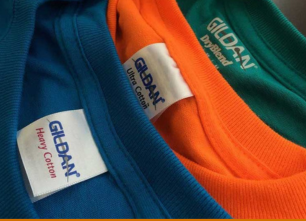
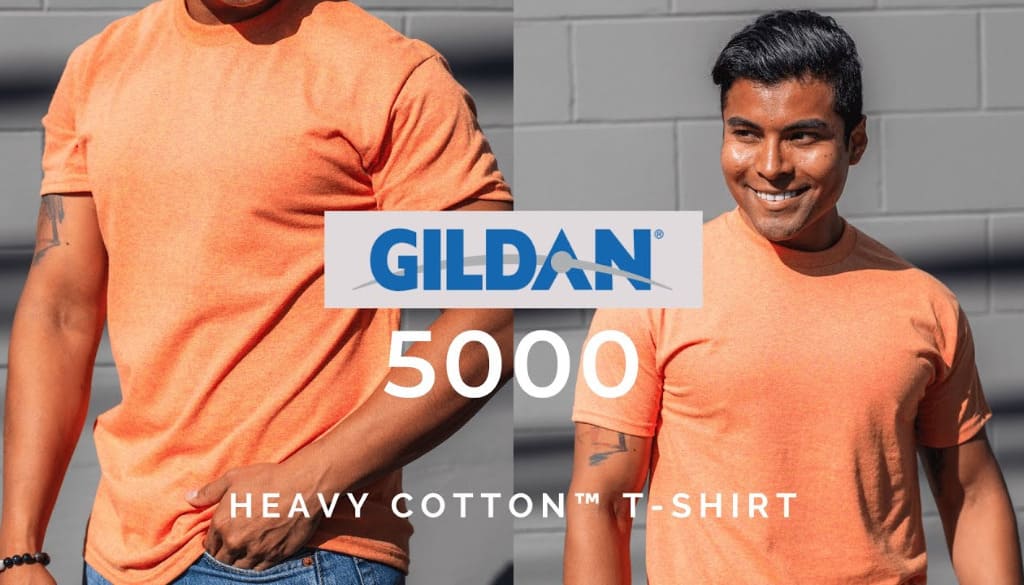
    Blank Product Quality U.S. standards (Gildan, Bella+Canvas, etc.) Mixed quality, difficult to maintain consistency
    Refund Rate < 1% 3%–7% (due to late delivery or defects)
    Scalability Easy (highly automated systems) Difficult (dependent on international logistics)
    Platform Compatibility TikTok Shop, Amazon, Etsy, eBay Shopify (requires careful shipping handling)

    Common Misconceptions About U.S.-Based POD Manufacturing

    Print on Demand Manufacturing

    As we move into 2026, U.S.-based POD fulfillment has become a dominant industry trend. However, many sellers remain hesitant due to outdated assumptions. Misunderstandings around costs and operational complexity can cause sellers to miss significant growth opportunities. Below, FlashShip breaks down the four most common misconceptions about U.S.-based POD manufacturing.

    Misconception #1: “U.S.-Based Manufacturing Is Only for Big Brands”

    Many sellers believe that U.S.-based fulfillment is only suitable for businesses with massive capital and consistently high order volumes. In reality, the opposite is true. By 2026, U.S. fulfillment providers have optimized their operations to serve sellers at every stage:

    • No MOQ (Minimum Order Quantity): You can start with as little as a single order.
    • Flexible production lines: Automated systems allow factories to process thousands of different designs simultaneously.
    • Ideal for niche testing: Faster delivery means you can receive customer feedback within days, allowing you to decide whether to scale a design up to three times faster than with overseas production.

    Misconception #2: “Higher Base Costs Mean Lower Profit”

    This is one of the most dangerous mindset traps for POD sellers. If you focus solely on the production cost shown on the invoice, you risk overlooking the massive “hidden costs” associated with low-cost fulfillment providers:

    • Higher refund and dispute rates: Late deliveries or defective products drive refunds, directly eroding profit.
    • Frozen cash flow: When Late Delivery Rate (LDR) metrics rise, platforms such as TikTok Shop and Amazon may hold payouts for extended periods.
    • Increased advertising costs: Stores burdened with one-star reviews due to slow shipping often see ad costs spike, making it difficult, or impossible,to scale campaigns.

    Many sellers choose U.S.-based fulfillment even with a base cost that is $2–$3 higher. In return, they benefit from higher repeat purchase rates and more stable ad accounts, ultimately achieving significantly higher net profit by the end of the month.

    Misconception #3: “Print Quality Is the Same Everywhere”

    While DTG or DTF printing technologies may appear similar on the surface, final results vary widely due to several critical factors:

    • Consistent blank sourcing: U.S. facilities prioritize industry-standard blanks such as Gildan and Bella+Canvas, known for low shrinkage and reliable fabric quality.
    • Strict quality control (QC) processes: Labor and management standards in the U.S. are more rigorous, ensuring consistency across thousands of products.
    • Operational stability: Sellers avoid scenarios where one batch looks perfect while the next suffers from ink peeling or fading, issues commonly seen with unprofessional or poorly managed facilities.

    Misconception #4: “U.S.-Based Manufacturing Eliminates Price Competitiveness”

    By 2026, the race to the lowest price has given way to a race for value. U.S. customers are willing to pay $5–$10 more per product if they are confident it will arrive within three days.

    Rather than competing solely on discounts, smart sellers targeting the U.S. market typically focus on:

    • Optimizing AOV (Average Order Value): Through upselling strategies and bundled product offerings.
    • Building trust and credibility: Labels such as “Shipped from USA” act as powerful trust badges that increase conversion rates without the need for price cuts.

    The Print on Demand market in 2026 is entering a period of intense filtering, where delivery speed, operational stability, and the ability to meet SLA requirements have become decisive factors for seller survival. Choosing U.S.-based POD manufacturing not only helps sellers optimize delivery times and improve the buyer experience, but also minimizes operational risks and lays a solid foundation for long-term business scaling. In an increasingly competitive environment, the right fulfillment strategy will serve as a critical advantage allowing sellers to achieve sustainable growth rather than chasing short-term cost competition.

    If you need further consultation on POD products, U.S.-based production processes, or FlashShip account registration, please contact our hotline at (+84) 943 024 337 or visit FlashShip.net for timely and detailed support.

  • Black History Month: Origins, Significance, and a POD Business Perspective

    Black History Month: Origins, Significance, and a POD Business Perspective

    Black History Month is not only a significant cultural observance in the United States, but also a highly promising sales season that many POD sellers often overlook. With steady consumer demand, strong community-driven messaging, and significantly lower competition compared to other seasonal events in February, Black History Month presents a sustainable business opportunity for the Print on Demand model.

    This article will help POD sellers gain a deeper understanding of Black History Month, explain why the event holds such strong influence in the U.S. market, and highlight the POD product categories that perform best during this period, enabling sellers to optimize both revenue and long-term strategy.

    Black History Month: Nguồn Gốc, Ý Nghĩa & Góc Nhìn Kinh Doanh POD

    Origins and Deep Cultural Significance for the Community

    Black History Month (BHM) is an annual observance held every February in the United States. Its core purpose is to honor the history, culture, and profound contributions of African Americans to the nation’s overall development.

    Throughout February, a wide range of commemorative, educational, and media activities are organized by schools, businesses, and social organizations to express recognition and respect for people of color. From a business perspective, this period is more than a traditional holiday—it represents a consumption cycle driven by strong emotional and social values. Consumers actively seek products that express support, solidarity, and alignment with the community during this time.

    The Origins of Black History Month

    This observance has a history spanning nearly a century. Black History Month traces its origins back to 1926, when it was initiated by historian Carter G. Woodson under its original name, “Negro History Week.” His goal was to bring the history of African Americans—often overlooked or marginalized—into mainstream education.

    After decades of advocacy and growing recognition, the observance was officially expanded into Black History Month in 1976 and formally recognized nationwide by the U.S. government. Since then, February has become an integral part of American cultural and social life.

    Core Significance and Broader Impact

    Black History Month is not only about reflecting on the past, but also about honoring present values and looking toward the future. These core values include:

    • Identity: Celebrating the origins, rich history, and distinctive cultural identity of the Black community.
    • Pride: Recognizing outstanding achievements across science, the arts, politics, sports, and culture.
    • Equality & Justice: Recalling the enduring struggle for human rights and social justice.
    • Empowerment: Inspiring current and future generations to grow, lead, and thrive.

    Why Is Black History Month Especially Important in the U.S. Market?

    For businesses—and particularly for the POD seller community—the U.S. market in February is consistently a high-potential commercial period. Black History Month (BHM) is not only a historical observance but also a foundational pillar of American consumer culture, driven by unique characteristics that few other seasonal events possess.

    Black History Month Is Embraced Across Society

    Unlike many purely commercial holidays, Black History Month receives broad and meaningful engagement across all levels of society. During this period, community values take center stage:

    • Education: Schools formally integrate Black history into their curricula and organize extracurricular activities.
    • Businesses: Many companies host internal events and community initiatives to honor diversity and inclusion.
    • Major brands: Leading brands consistently launch dedicated campaigns to demonstrate their support for the African American community.
    • Consumers: Shoppers actively seek products and messages with symbolic meaning to express their personal values and stance.

    This collective participation creates a “purpose-driven” consumption environment, where purchasing decisions are not driven by deep discounts, but by empathy, shared values, and a desire to support meaningful social causes.

    American Consumers Are Willing to Spend on Meaningful Products

    During this period, U.S. consumer purchasing behavior clearly shifts from a focus on price to meaning, creating significant advantages for sellers:

    • Messaging comes first: Customers are willing to pass on cheaper options in favor of products that carry deeper, more meaningful messages.
    • Design storytelling: Buyers place strong emphasis on the meaning and story behind every image, phrase, or design element on a product.
    • Higher average order value (AOV): Consumers are more willing to pay premium prices for products that demonstrate respect for and support of the community.

    As a result, many POD sellers experience stable average order values (AOV) and face significantly less price competition compared to other conventional shopping seasons.

    Long-Term Stability Beyond Short-Lived Trends

    One of the key reasons Black History Month serves as a strong “anchor” for POD sellers is its long-term sustainability. This observance possesses characteristics that short-lived viral trends simply cannot offer:

    • Predictable seasonality: Taking place every February, it allows sellers to plan production and marketing strategies well in advance.
    • Consistent messaging: Core values such as identity, pride, and equality remain relevant and meaningful year after year.
    • Evergreen catalogs: Black History Month designs rarely become outdated, enabling sellers to build long-lasting product collections rather than constantly chasing short-term trends with higher risk.

    In summary, Black History Month represents a golden opportunity for businesses not only to drive revenue growth but also to strengthen brand credibility among U.S. consumers through thoughtful, meaningful products.

    Why POD Sellers Should Not Miss Black History Month

    Black History Month POD

    While most sellers focus their full attention on Valentine’s Day in February, strategically minded POD sellers recognize another golden opportunity: Black History Month (BHM). This period offers an ideal moment to drive revenue growth, thanks to its unique market characteristics.

    High Demand with Lower Competition Compared to Valentine’s Day

    February is commonly perceived as “Valentine’s Month,” causing most budgets and resources to be heavily concentrated on romantic gift products. This dynamic unintentionally creates a highly valuable market gap:

    • The Black History Month segment is often overlooked by many sellers.
    • Only a limited number of merchants invest seriously in this theme.
    • Competition is significantly lower than in Couple-focused products, making advertising and customer acquisition far more efficient.

    The Print on Demand Model: A Perfect Match for Black History Month

    Black History Month brings together all the ideal conditions for implementing the Print on Demand (POD) model at its most effective:

    • Diverse creative concepts: Sellers can freely explore quotes, typography-based designs, and culturally significant symbols.
    • Efficient testing: Multiple design variations can be tested easily for each message without high upfront costs.
    • Low risk: With no inventory requirements, sellers can retain top-performing designs and scale them in future years.

    Building Strong Brand Credibility and Trust

    Participating in Black History Month with genuine intent helps sellers position themselves as socially responsible brands. This approach enables sellers to:

    • Build stronger trust and deeper connections with U.S. consumers.
    • Move beyond the perception of “selling purely for profit” and foster goodwill as a brand that stands alongside community values.

    Opportunities for Sellers at Every Stage

    Whether you are a beginner or an experienced seller, Black History Month offers a clear growth pathway:

    • New sellers: Can start with a small number of designs to test organic reach or run low-budget ads.
    • Scaling sellers: Can easily expand collections, implement upsell strategies, and increase average order value (AOV).

    Black History Month does not require a large upfront investment, yet it provides strong scalability once positive market signals emerge.

    Top-Performing POD Product Categories During Black History Month

    In a Black History Month campaign, selecting the right product categories not only helps sellers meet market demand but also enhances the reach and impact of meaningful messages. Below are the POD product groups that consistently rank among the top performers in terms of sales during this period.

    Apparel – A Core Product Category That Cannot Be Overlooked

    Apparel items such as T-shirts, hoodies, and sweatshirts consistently rank as top choices among consumers. This product category maintains a leading position due to several key advantages:

    • Strong message delivery: With large print areas, apparel provides the perfect canvas for typography designs, portraits of influential figures, and inspirational quotes.
    • High practicality: These products are suitable for everyday wear as well as community events and large-scale marches.
    • Flexible pricing: Spanning from budget-friendly to premium price points, apparel easily appeals to a wide range of customers.

    Accessories – Affordable and Easy-to-Access Products

    If you aim to increase average order value (AOV), accessories such as tote bags, caps, and keychains are smart additions. These items are commonly chosen by customers for the following reasons:

    • Bundling with apparel: Creating cohesive product sets with matching designs.
    • Reaching new customers: Appealing to buyers who want to express community support while maintaining a moderate spending budget.

    Home Decor – Long-Lasting Display and Commemorative Value

    Home décor products such as posters, canvas prints, and flags offer long-term usability and strong symbolic value. They are commonly purchased for the following purposes:

    • Home decoration: Allowing customers to express pride and identity within their living spaces.
    • Educational and workplace use: Frequently used to decorate classrooms, offices, or community event spaces throughout February.

    Gift Items & Stationery – Meaningful Tokens of Appreciation

    Items such as mugs, notebooks, and stickers make thoughtful gifts with strong emotional value. They are especially popular in educational and office environments, where people exchange small yet meaningful items that convey recognition and deep respect.

    Diversifying product categories—from Apparel to Home Decor—allows POD sellers to fully capitalize on business opportunities while offering customers a wide range of options to show their support for the Black community during this historically significant month.

    Black History Month is not only a cultural observance with deep social meaning, but also a sustainable sales season that POD sellers can effectively leverage with proper preparation. With steady consumer demand, long-lasting messaging, and the flexibility of the Print on Demand model, Black History Month enables sellers to diversify revenue streams, reduce reliance on Valentine’s Day or Q4, and build a positive brand image in the U.S. market.

    For POD sellers focused on long-term growth, proactively planning designs, selecting the right product categories, and optimizing fulfillment strategies for Black History Month well in advance is a crucial step to seizing the opportunity and establishing a sustainable competitive advantage.

  • Keychain Print on Demand: An Effective Upsell Strategy for POD Sellers

    Keychain Print on Demand: An Effective Upsell Strategy for POD Sellers

    As advertising costs continue to rise and competition in the Print on Demand (POD) market becomes increasingly intense, increasing average order value (AOV) has become a top priority for many sellers. Instead of focusing solely on creating new designs or scaling advertising budgets, sellers are shifting toward smarter upsell strategies. Among the most effective upsell products, Print on Demand keychains stand out due to their low base cost, ease of customization, and flexible compatibility with a wide range of other POD products. This article will help sellers understand what POD keychains are, why they are an effective upsell solution, and how to implement keychain POD strategies to sustainably increase AOV in a Print on Demand business.

    Keychain Print on Demand

    What Is a Print on Demand Keychain?

    In today’s modern eCommerce ecosystem, Print on Demand keychains have become a familiar product category, opening up low-capital yet high-profit business opportunities for sellers worldwide. To fully understand the potential of this product line, it is essential to take a closer look at its definition and the core advantages that allow it to thrive within the Print on Demand model.

    Definition of Print on Demand Keychains

    Print on Demand keychains operate under a business model in which each item is only produced, printed, and finished after a customer successfully places an order through an online store. Similar to selling T-shirts, hoodies, or mugs, sellers do not need to own printing equipment or manufacturing facilities; the entire process from production to fulfillment and delivery is handled by the POD service provider.

    What truly sets POD keychains apart is their unlimited customization potential. These products are commonly made from popular materials such as:

    • Acrylic (clear plastic): Allows custom-shaped cutting, creating 3D effects and visual depth for designs.
    • Wood: Ideal for vintage aesthetics or eco-friendly design styles.

    Unlike mass-produced keychains with repetitive designs, POD keychains allow customers to incorporate personal identity into the product whether through pet images, names, anniversary dates, or meaningful quotes. This transforms a small everyday accessory into a personalized keepsake with strong emotional value.

    Why Are Keychains a Perfect Fit for the Print on Demand Business Model?

    If you are looking for a product to diversify your catalog, keychains are truly a “golden” choice. This product category brings together all the essential advantages of a low-risk, high-flexibility business model:

    • Highly optimized shipping costs: One of the biggest pain points for POD sellers is high shipping fees that reduce profit margins. Thanks to their compact size and ultra-light weight, keychains offer some of the lowest shipping costs among POD products. In many cases, they can even be bundled with main products without increasing shipping fees, creating a strong competitive advantage in pricing.
    • Strong personalization potential: Keychains are everyday items commonly attached to car keys, backpacks, or handbags. Their high level of customization directly appeals to customers’ desire for self-expression, significantly improving conversion rates.
    • Long product life cycle: Unlike apparel, which may wear out or go out of style seasonally, keychains are durable and consistently useful. Customers tend to keep and use them for years, allowing your brand to maintain long-term visibility in their daily lives.
    • Year-round sales potential: Keychains are not affected by weather or seasonal changes like hoodies or T-shirts. They can be sold throughout the year from Valentine’s Day and graduations to Christmas helping maintain stable cash flow for your POD business.

    Why Are POD Keychains an Effective Upsell Solution?

    Keychain Print on Demand

    In Print on Demand business strategies, increasing average order value (AOV) is the fastest path to higher net profit. POD keychains stand out as a highly effective upsell solution thanks to their combination of affordable pricing and strong emotional value. Below are the key reasons why keychains have become a powerful revenue-boosting “weapon” for sellers at every stage.

    Low Price Point, Low Psychological Barrier to Add-On Purchases

    One of the golden rules of effective upselling is that the suggested product should be significantly lower in price than the main item. POD keychains perfectly meet this criterion. When a customer is already willing to spend $30–$50 on a hoodie or a canvas print, adding an extra $7–$12 for a matching keychain feels like an easy and natural decision.

    From a behavioral psychology perspective, keychains fall into the category of impulse purchases. Customers do not need to overthink factors such as sizing or material quality the way they do with apparel. The substantial price gap between the main product and the keychain helps remove psychological resistance, making customers more likely to click the “Add to cart” button.

    Increasing AOV Without Hurting Conversion Rates

    Many sellers worry that offering additional products at checkout may distract customers and lead to cart abandonment. However, with POD keychains, this risk is minimal. As a small, lightweight accessory, a keychain does not change the core value of the original order.

    Rather than pushing customers to buy another high-priced item, suggesting a small, thoughtfully designed keychain feels more like a helpful add-on than a hard sell. As a result, average order value (AOV) increases naturally without causing friction, helping sellers maximize every dollar of advertising spend invested in driving traffic to their store.

    Easy to Bundle With Any POD Product Category

    Flexibility is one of the greatest strengths of POD keychains. No matter which niche you are selling in, keychains can serve as the perfect complementary product:

    • Paired with T-shirts or hoodies: Create fan collections or matching couple gift sets.
    • Paired with tote bags or backpacks: An essential accessory for personalizing everyday bags.
    • Paired with mugs or home décor: Turn individual items into complete gift sets for seasonal occasions.

    By using the same design concept or character set, you can instantly create a highly effective derivative product without spending additional time on market research or redesigning from scratch.

    Enhancing the Emotional Value of Each Order

    The true power of POD keychains lies in their emotional value. A keychain printed with a name, an anniversary date, or a beloved pet’s image is more than just a key holder it becomes a “memory piece” that customers can carry with them wherever they go.

    For buyers, this emotional value often far exceeds the product’s actual selling price. When customers receive a small yet deeply personalized item, their level of satisfaction increases significantly. This emotional connection is the key to earning glowing five-star reviews accompanied by high-quality photos, helping build store credibility and encouraging repeat purchases in the future.

    How Sellers Use POD Keychains for Effective Upselling

    To turn keychains from a secondary product into a true revenue growth engine, sellers need to approach customers at the right moment and address the right needs. Below are four practical, proven methods to help you fully leverage the power of POD keychains within your sales funnel.

    Direct Upselling on the Product Page

    This is the most straightforward method and typically delivers the highest conversion rates. Instead of making customers search for add-on products themselves, proactively display upsell options right next to the “Add to Cart” button on the main product page.

    • How to implement: Use checkboxes or widgets such as “Buy with the same design.” For example, if a customer is viewing a T-shirt featuring a Corgi design, display an option below it like: “Add a matching Corgi keychain for just $8!”
    • Benefits: Design consistency makes customers feel they are purchasing a perfectly matched pair, enabling them to add the upsell item with a single click without leaving the current page.

    Create Bundle Combos to Increase Perceived Value

    Bundle strategies help sellers increase AOV by reshaping how customers perceive the value of their purchase. Instead of selling items individually, package them into curated combos such as:

    • Gift Combo: 1 mug + 1 keychain (ideal for birthdays).
    • Fan Combo: 1 hoodie + 1 matching keychain with the same theme.

    Bundling products makes customers feel they are getting a better deal compared to purchasing items separately, while also allowing sellers to optimize shipping costs more effectively.

    Leverage the Power of Holidays and Seasonal Events

    Keychains are a go-to gift item for major holidays such as Valentine’s Day, Mother’s Day, Father’s Day, and Christmas. During these occasions, shoppers are often looking for something small yet emotionally meaningful.

    Strategy: Recommend adding a personalized keychain engraved with an anniversary date or the recipient’s name when customers purchase main products as gifts. A customized keychain paired with the primary gift adds a sense of completeness and emotional value to the order, helping you maximize profits during peak seasons.

    Post-Purchase Upsell Strategy

    Don’t stop once the customer clicks the “Checkout” button. One of the most advanced techniques is post-purchase upselling, where a special offer is displayed on the Thank You page or delivered via email marketing immediately after the purchase is completed.

    • How to implement: Send a message such as: “Your order has been successfully placed! As a special offer, you can add this personalized keychain to your existing order at 50% off within the next 10 minutes.”
    • Advantages: This approach does not affect the conversion rate of the main order, yet it is highly effective at encouraging last-minute add-on purchases. Customers do not need to re-enter payment information or worry about additional shipping fees, making it easy for them to spend more with minimal friction.

    The Best POD Keychain Niches for Upselling

    Choosing the right niche accounts for nearly 70% of success in the Print on Demand business model. When it comes to keychains, niches that emphasize personalization and emotional connection consistently deliver the highest conversion rates. Below are four “golden” niches where you can effectively implement upsell strategies with POD keychains.

    Couple & Family Niche

    This is one of the most fertile markets for small, giftable products like keychains. Customers in this niche are highly motivated to own matching items that symbolize connection and togetherness.

    • Design ideas: Keychains printed with anniversary dates, couples’ names, or matching symbols (such as two interlocking puzzle pieces).
    • Upsell strategy: When customers purchase matching hoodies or couple T-shirts, suggest adding a set of two matching keychains. This accessory enhances the overall gift set, making it feel more thoughtful and complete without causing customers to hesitate over price.

    Pet Lovers Niche

    In the POD world, the pet niche never goes out of style. Pet owners often view their animals as family members and are willing to spend on anything that features their beloved “four-legged companions.”

    • Design ideas: Acrylic keychains custom-cut to match the actual shape of a dog or cat, or keychains printed with the pet’s name and the owner’s phone number on the back serving both as decoration and an identification tag.
    • Upsell strategy: When selling a pet-themed T-shirt, suggest an add-on such as:
      “Take your furry friend with you everywhere with this mini keychain!” Conversion rates in this niche are extremely high due to the strong emotional connection involved.

    Profession & Lifestyle Niche

    People naturally take pride in their professions and personal interests. From nurses, teachers, and engineers to fishing enthusiasts, gardeners, or gym lovers, many customers want to express their unique identity through the items they use.

    • Design ideas: Iconic symbols such as stethoscopes (nurses), chalkboards (teachers), or dumbbells (gym enthusiasts), combined with personalized names.
    • Upsell strategy: Keychains make excellent companion products for items like mugs or tote bags within the same professional or lifestyle theme. They serve as decorative accessories that highlight and reinforce the owner’s lifestyle and personal identity.

    Gift & Personalized Niche

    The gift niche enjoys steady demand throughout the year and peaks during major holidays. What defines this niche is customers’ strong desire for uniqueness and exclusivity.

    • Design ideas: Keychains printed with memorable photos, coordinates of a first meeting location, or Spotify codes linked to a favorite song.
    • Upsell strategy: In gift-focused sales funnels, keychains are often positioned as a final add-on. Once the main order reaches a certain value, adding a small, personalized keychain enhances the emotional impact and perceived premium quality of the gift far more than giving a single item alone.

    By focusing on niches with clearly defined audiences and a high level of personalization, you can more easily persuade customers to spend on these small yet highly valuable keychain products.

    Key Considerations When Using POD Keychains for Upselling

    Although keychains are small and easy-to-sell products, turning them into a sustainable and professional upsell tool requires careful attention to several critical factors. Even a minor operational mistake can quickly turn a customer experience from “satisfied” into “disappointed.”

    • Print quality and product durability: Keychains are frequently used items, making print quality and durability extremely important. Designs must be sharp, colors stable, and finishes resistant to peeling over time. Poor quality directly impacts customer satisfaction and store reviews.
    • Simple, personalization-friendly design: Due to limited print space, keychains are not suitable for overly complex designs. Sellers should prioritize clean layouts, readable fonts, and avoid overcrowding the design with too many elements.
    • Fulfillment process: When upselling keychains alongside main products, sellers must carefully manage production timelines, packaging methods, and color consistency across items within the same order. An inconsistent fulfillment process can significantly reduce the overall customer experience.
    • Avoid common upsell mistakes: Common errors when upselling keychains include offering too many options that overwhelm customers, pricing keychains too high relative to the main product, or using designs that are unrelated to the original item.

    In an increasingly competitive Print on Demand market, implementing smart upsell strategies such as Print on Demand keychains helps sellers not only increase AOV but also optimize operational efficiency and enhance the customer experience. When executed correctly, POD keychains become a sustainable growth tool, suitable for both new sellers and those scaling their businesses.

    Get started today with FlashShip. If you need further consultation on products, production processes, or account registration, please contact our hotline at (+84) 943 024 337 or visit FlashShip.net for timely and detailed support.

  • Following the Trend: POD Combined with Sustainability & Eco-Friendly Practices

    Following the Trend: POD Combined with Sustainability & Eco-Friendly Practices

    As consumers increasingly prioritize sustainable values, eco-friendly Print on Demand (POD) has become an inevitable trend in the e-commerce industry. Adopting a sustainable production strategy not only helps sellers reduce operating costs but also enhances brand value, improves customer experience, and increases conversion rates.

    This article explores the key benefits of sustainable POD models and explains why sustainability is a long-term strategic direction for modern POD sellers.

    Sustainability & Eco-Friendly

    What Do “Sustainability” and “Eco-Friendly” Mean in the POD Industry?

    To fully understand the role of sustainability in Print on Demand (POD), it is important to clearly distinguish between the concepts of Sustainability and Eco-Friendly within this business model. While closely related, each focuses on a different aspect of responsible production and long-term value creation.

    Sustainability

    In the POD industry, sustainability goes far beyond the final product. It encompasses the entire operational process, from sourcing and production to fulfillment and long-term business impact. At its core, sustainability means meeting current market demands without compromising the ability of future generations to meet theirs. Key elements of sustainability in POD include:

    • Responsible production: Products are printed only after an order is placed. This on-demand model naturally reduces overproduction and eliminates excess inventory, making POD inherently more sustainable than traditional mass production.
    • Ethical labor practices: Sustainable POD businesses prioritize fair wages, safe working environments, and ethical treatment of workers involved in garment manufacturing and printing.
    • Long-lasting quality: Sustainability also means producing durable, well-made items that are designed to last. These products move away from fast fashion trends that encourage short-term use and frequent disposal.

    Together, these practices help create a resilient business model that balances profitability with responsibility.

    Eco-Friendly

    Eco-friendly practices focus specifically on the physical and environmental attributes of POD products. This aspect addresses how materials are sourced, processed, and delivered with minimal environmental harm. Common eco-friendly practices include:

    • Materials: Using organic cotton, recycled polyester, FSC-certified wood, or water-based inks that are free from toxic chemicals and safer for both users and ecosystems.
    • Packaging: Applying biodegradable bags and recycled paper boxes while minimizing single-use plastics during fulfillment and shipping.

    When combined, sustainability and eco-friendly practices form a strong foundation for responsible POD businesses that align with modern consumer expectations and long-term environmental goals.

    Why Is Sustainability Becoming an Inevitable Trend in POD?

    A global shift toward conscious consumption is accelerating and fundamentally changing how people make purchasing decisions. Modern buyers, especially Gen Z and Millennials, are no longer passive shoppers focused only on price or appearance. Instead, they have become informed and responsible consumers who care deeply about the values behind the brands they support. Questions like “Is this product attractive?” or “Is it cheap?” are no longer enough. Today’s consumers want to understand the broader impact of their choices.

    They now ask more meaningful and value-driven questions, including:

    • Product origin: What materials are used to make this product? Are they responsibly sourced? Does the production process waste large amounts of water or contribute to environmental pollution during manufacturing and printing?
    • Environmental impact: Are the inks used in printing toxic or water-based and safe for both people and ecosystems? Is the packaging recyclable or biodegradable, or does it rely heavily on single-use plastics that increase long-term waste?
    • Social responsibility: Does the brand support ethical values, fair labor practices, and environmental protection initiatives? Is sustainability embedded in the brand’s mission, or is it simply a surface-level marketing claim?

    This shift in mindset is not just ideological, it is backed by strong data. According to global market research, more than 60% of consumers are willing to pay a premium for eco-friendly and responsibly produced products. For Print on Demand sellers, this creates a clear and measurable opportunity. Rather than competing solely on price, POD sellers on platforms like FlashShip can improve profit margins by delivering sustainable value, building trust, and aligning their brands with the expectations of today’s conscious consumers.

    Pressure from E-Commerce Platforms and Market Regulations

    Sustainability is no longer driven solely by consumer demand. Major e-commerce platforms, advertising networks, and regulatory bodies are increasingly tightening environmental standards, placing new pressure on Print on Demand (POD) sellers to adapt. These changes directly affect product visibility, operational costs, and long-term business viability.

    Key areas of impact include:

    • Algorithm priority: Search and recommendation algorithms are increasingly designed to favor products with sustainable attributes. Eco-friendly listings often receive higher quality scores, better rankings, and greater exposure to high-intent shoppers. In contrast, products that lack transparency or sustainability signals may struggle to achieve consistent visibility, regardless of pricing.
    • Supply chain transparency: E-commerce platforms now encourage sellers to clearly disclose material sourcing and production methods. Working with reputable fulfillment partners like FlashShip, known for waste reduction and process optimization, provides a significant advantage by supporting transparent and responsible operations.
    • Long-term compliance: Environmental regulations are tightening globally. Policies such as carbon taxes, already being introduced in regions like the EU, are increasing operating costs for businesses that rely on low-cost, environmentally harmful models. Sellers who fail to adapt risk shrinking margins and reduced scalability.

    Together, these pressures make sustainability a strategic requirement rather than an optional enhancement for modern POD businesses.

    Why Do Consumers Prefer Eco-Friendly POD Products?

    Sustainability & Eco-Friendly

    The rise of green consumption is not a short-term trend, it reflects a fundamental shift in global awareness. In the creative-driven POD industry, combining personalization with environmental responsibility creates strong customer appeal.

    Emotional Value and Ethical Satisfaction

    Today’s consumers do not purchase products solely for functional use. Instead, they buy to feel that they are making responsible and meaningful choices. When selecting a T-shirt made from organic cotton or a tote bag produced from recycled materials, customers experience a sense of positive contribution. They feel that, through their purchase, they are supporting environmental protection and more responsible production practices. Eco-friendly POD products offer several emotional benefits:

    • Emotional fulfillment: Sustainable products provide a sense of purpose, responsibility, and pride that mass-produced items often lack. Buyers feel good knowing their purchase aligns with their personal values.
    • Emotional connection: For gifts, ethical value becomes even more important. Customers are not simply giving a product, they are sharing a message of care, awareness, and conscious living. In this way, a POD product becomes a carrier of values, not just merchandise.

    Stronger Brand Trust

    In a POD market heavily dominated by price competition, sustainability acts as a powerful credibility signal. Brands that commit to sustainable practices are often perceived as more professional, reliable, and trustworthy. This perception directly influences long-term customer relationships. Sustainability strengthens brand trust in several key ways:

    • Product quality: Sustainable materials such as premium recycled fibers or water-based inks are typically safer, more durable, and healthier for long-term use.
    • Corporate social responsibility: Transparency around sourcing, production, and environmental impact builds trust, increases customer retention, and encourages long-term loyalty, an advantage that price-driven sellers often struggle to achieve.

    Shifts in Global Buying Behavior

    This growing preference is supported by strong market data. Recent reports from platforms like Amazon and Etsy show that eco-friendly gift categories are growing at twice the rate of conventional products. Gen Z consumers, in particular, are willing to pay 15–25% more for:

    • Transparency: Products that clearly demonstrate they do not harm oceans, forests, or ecosystems.
    • Mission-driven brands: Small businesses with a clear environmental mission and responsible values are more likely to earn long-term consumer support.

    POD & Sustainability: A Powerful Competitive Advantage

    In an increasingly competitive e-commerce environment, building a sustainable competitive advantage has become essential for long-term growth. For Print on Demand (POD) sellers, combining on-demand production with sustainability is not simply a trend, it is a strategic business approach that optimizes operational efficiency while strengthening brand positioning. This combination allows sellers to reduce waste, control costs, and differentiate themselves in a crowded marketplace where price competition alone is no longer enough.

    Eliminating Waste in Production

    One of the most significant advantages of POD compared to traditional mass production is precise control over supply. Instead of producing large quantities in advance, POD operates on a demand-driven model that directly aligns production with real customer needs. Key benefits include:

    • On-demand production: Products are created only after payment is confirmed, completely eliminating deadstock and unsold inventory.
    • Reduced excess risk: Sellers no longer need to forecast demand, store inventory, or heavily discount outdated designs, significantly reducing financial risk.
    • Lower waste: Producing exact quantities minimizes wasted fabric, ink, and packaging materials, directly contributing to environmental protection while also lowering production costs.

    This efficiency not only supports sustainability goals but also creates a more flexible and resilient business model.

    Optimized Supply Chain and Fulfillment

    When POD is combined with a professional fulfillment network like FlashShip, sustainability benefits extend beyond production into logistics and delivery. An optimized supply chain plays a critical role in reducing environmental impact while improving operational performance. This optimization delivers several advantages:

    • Reduced carbon footprint: Strategically located fulfillment centers closer to end customers shorten shipping distances, leading to lower CO₂ emissions and reduced reliance on long-haul transportation.
    • Faster delivery: Localized fulfillment enables quicker order processing and shipping, improving customer experience while remaining environmentally responsible, especially important for personalized items and time-sensitive gifts.

    By streamlining logistics, POD sellers can meet modern consumer expectations for speed without sacrificing sustainability.

    Long-Term Brand Equity and Loyal Communities

    Beyond cost and efficiency, sustainability delivers one of the most valuable assets in e-commerce: brand equity. In a market saturated with similar products, consumers gravitate toward brands that represent clear values and long-term commitment.

    Sustainability strengthens brand equity through:

    • Higher credibility: POD stores that consistently use recycled materials and non-toxic printing methods earn greater consumer trust and perceived professionalism.
    • Customer retention: Buyers are not just purchasing products, they are supporting shared values, increasing emotional attachment and repeat purchase rates.
    • Organic word-of-mouth: Eco-friendly POD products naturally perform well on social platforms like TikTok and Instagram, helping sellers reach new audiences with lower customer acquisition costs.

    Together, POD and sustainability form a powerful foundation for scalable, resilient, and future-ready e-commerce businesses.

    Key Eco-Friendly Trends in the POD Industry

    To stand out in the increasingly competitive sustainable niche, Print on Demand (POD) sellers must stay updated with the product and process trends that are shaping the future of the industry. Eco-friendly practices are no longer optional add-ons; they have become key differentiators that influence customer trust, conversion rates, and long-term brand growth.

    Sustainable and Recycled Materials

    One of the most important shifts in the POD industry is the growing use of environmentally responsible materials. Successful sellers are actively transitioning to inputs that reduce environmental impact while maintaining product quality, including:

    • Organic cotton: Grown without harmful chemicals, organic cotton is safer for the skin, biodegradable, and requires fewer synthetic inputs, making it a preferred choice for sustainable apparel.
    • Recycled polyester: By transforming plastic waste into durable fabrics, recycled polyester helps reduce landfill waste and supports circular fashion models.
    • Water-based inks: Free from toxic solvents, these inks produce softer, more breathable prints while significantly lowering environmental and health risks during production.

    Minimalist Design – “Less Is More”

    Design trends are also evolving to support sustainability. In 2025, efficiency and intentional design are becoming central themes in POD product development. Sellers are increasingly focusing on:

    • Reduced ink coverage through clean lines and refined typography, which minimizes ink usage without compromising visual appeal.
    • Message-driven designs that promote sustainability, environmental awareness, and mindful living, adding emotional value to the product.
    • Optimized print areas that shorten production time and reduce energy consumption during printing.

    The Green Packaging Movement

    Packaging has become a critical part of the eco-friendly customer experience, as it is the first physical touchpoint after delivery. Key trends include:

    • Biodegradable bags and recycled paper packaging are easier for customers to dispose of responsibly.
    • Minimalist packaging designs that protect products effectively while eliminating unnecessary layers and excess materials.

    Together, these trends help POD sellers reduce environmental impact while delivering modern, value-driven products that resonate with conscious consumers.

    Benefits of Adopting a Sustainable POD Model

    In a highly competitive e-commerce landscape, sustainable POD is no longer optional, it is a strategic advantage.

    First, it significantly enhances brand value. Consumers trust brands that demonstrate transparency, responsibility, and environmental awareness, laying the foundation for long-term relationships.

    Second, sustainability allows sellers to attract high-value customers who are less price-sensitive and more loyal. These customers are willing to pay more and return more frequently.

    Third, sustainable POD reduces production errors and return rates by emphasizing quality control and demand-based manufacturing. This optimizes operational costs and improves customer satisfaction.

    Finally, sustainable POD increases conversion rates and average order value. When customers recognize positive brand impact, they are more likely to spend more and stay loyal, creating a strong foundation for scalable, long-term growth.

    In an increasingly competitive market, sustainable POD is not only a differentiator but also a growth foundation. As consumers continue to prioritize environmental responsibility, social values, and product quality, brands that invest in transparent, eco-friendly, and efficient production will earn lasting trust.

    With the support of modern fulfillment solutions like FlashShip, POD sellers can optimize costs, elevate customer experience, and achieve consistent conversion growth. In the long run, sustainability is not just a smart choice; it is a core competitive advantage in the evolving POD industry.

  • 10 Sales Trends Helping POD Sellers Grow Rapidly in 2026

    10 Sales Trends Helping POD Sellers Grow Rapidly in 2026

    The year 2026 marks a major turning point for the Print-on-Demand (POD) market. As advertising costs continue to rise, buyer behavior shifts, and competition becomes increasingly intense, sellers can no longer rely on outdated selling methods. To sustain growth and optimize profitability, identifying and adapting to the right sales trends has become a critical factor for survival.

    In this article, FlashShip will analyze the 10 most important sales trends that will help POD sellers achieve sustainable growth in 2026, while also providing strategic direction to help you adapt and thrive in today’s highly competitive market.

    seller POD

    Overview of the POD Market in 2026

    Entering 2026, the POD industry is no longer a playground for casual “trend-chasers.” The market has evolved into a complex eCommerce ecosystem, where technology and user experience play decisive roles in determining business survival.

    The POD Landscape in 2026: A Transformational Shift

    While the period from 2020 to 2023 was marked by the explosion of ready-made print designs, 2026 signals a fundamental shift in mindset from “selling printed products” to “delivering personalized lifestyle solutions.”

    • The dominance of generative AI (image-generation AI): AI is no longer an experimental tool; it has become an industry standard. In 2026, customers don’t just want to choose from pre-made designs they want creative control.
    • Shipping speed as a critical survival factor: Industry expectations have changed. Modern customers are no longer willing to wait 2–3 weeks for a T-shirt.
    • The absolute rise of social commerce: Traditional search channels are steadily giving way to TikTok Shop, Facebook Reels, and YouTube Shorts. These are no longer secondary traffic sources they are now direct conversion funnels. Emotion-driven, trend-based POD products sold through short-form videos and livestreams are significantly outperforming traditional Google Ads in cost efficiency.

    The “Bedrock” Challenges POD Sellers Must Face

    Alongside new opportunities come tough barriers that require POD sellers to adopt far more professional strategies to survive in 2026.

    • The exploding advertising cost matrix (CPM/CPC): The aggressive expansion of cross-border eCommerce giants such as Temu and Shein has driven advertising bids to record highs. Relying solely on conversion-focused ads without a solid retention marketing strategy will quickly erode sellers’ profit margins.
    • Intensified copyright battles and AI enforcement: In 2026, intellectual property laws (copyright and trademark) are enforced by highly sensitive AI algorithms. Practices such as re-uploading designs, unauthorized use of celebrity images, or protected pop-culture elements are detected and removed within seconds. Building a brand around truly original, unique designs has become the only viable path to survival.
    • Quality standards beyond expectations: Consumers in 2026 are highly conscious of sustainability and durability. They demand organic cotton fabrics, eco-friendly inks, and packaging that is both aesthetically pleasing and sustainable. Low-cost, low-quality products are quickly eliminated from the market through user review systems.
    • Saturation of traditional niches: Classic themes such as “Proud Dad,” “Nurse Life,” or “Dog Lover” have been exploited to the point of exhaustion. The biggest challenge now is identifying micro-niches highly specific interest communities with strong emotional bonds that can generate long-term, sustainable revenue.

    10 Sales Trends Driving Breakthrough Growth for POD Sellers in 2026

    10 Sales Trends Helping POD Sellers Grow Rapidly in 2026

    To achieve breakthrough growth in an increasingly competitive POD market, sellers must quickly identify and adopt the following 10 strategic trends. This roadmap is designed to help you not only survive but lead the market.

    Optimizing Production Costs to Protect Profit Margins

    In 2026, controlling input costs is a critical survival factor as advertising expenses continue to rise. Smart sellers don’t simply look for the cheapest option they look for stability. Choosing partners with modern management systems helps minimize defect rates, thereby protecting net profit margins. An optimized production process also means you retain more budget to reinvest into marketing.

    Shifting Toward High-Margin Products (High-Ticket POD)

    Instead of competing fiercely in the low-priced T-shirt segment, the 2026 trend is to focus on high-value products such as premium home décor, customized tech accessories, or personalized keepsake gifts. These products allow sellers to set higher price points, attract customers who are less price-sensitive, and appeal to buyers seeking truly unique, one-of-a-kind items.

    Deepening Customer Experiences Through Hyper-Personalization

    In 2026, personalization goes far beyond simply changing a name. Customers want to actively participate in the design process from choosing colors and fonts to using AI to generate custom visuals. Offering in-store design experiences through customizer tools significantly increases conversion rates and average order value (AOV) in a natural, scalable way.

    Dominating the Market with Clearly Defined Micro-Niches

    Selling to everyone means selling to no one. Focusing on a highly specific customer segment (for example, Shiba Inu lovers or vintage bicycle communities) makes your marketing messages sharper and more relevant. The deeper the niche, the lower the competition, the lower the advertising costs (CPMs), and the higher customer loyalty becomes.

    Optimizing Mobile UX/UI for Seamless Shopping

    A website doesn’t just need to look good it needs to feel smooth. With over 80% of transactions taking place on mobile devices, the ordering journey from product discovery to checkout must be fully streamlined. Clear return policies and multiple payment gateways are critical factors in keeping customers engaged all the way to the final step.

    The Explosion of Video Content and Social Commerce

    Short-form video (TikTok, Reels) is the most powerful sales weapon of 2026. Instead of relying on static images, leverage real product reviews, behind-the-scenes production content, or videos capturing customers receiving their gifts. This type of authentic content builds instant trust and can turn viewers into buyers within seconds.

    Omnichannel Sales Strategy

    Never put all your eggs in one basket. Successful sellers in 2026 expand their presence beyond their own websites to platforms such as Amazon, Etsy, TikTok Shop, and Pinterest. Diversifying sales channels not only reduces risk when a platform changes its algorithm but also allows brands to reach multiple customer segments across every touchpoint.

    Data-Driven Management and Behavioral Analytics (Big Data)

    In 2026, every decision must be backed by data. Sellers need to leverage analytics tools to understand where customers drop off, which designs generate the highest click-through rates, and what truly drives engagement. Deep insights into user behavior help optimize advertising budgets and accurately forecast emerging trends allowing you to stay one step ahead of the market.

    Building a Sustainable Brand (Branding)

    In a market flooded with imitation, a strong brand is the only thing that truly sets you apart. Build a consistent, meaningful brand story with depth and authenticity. When customers trust your brand values, they are willing to pay a premium—and often become free, organic advocates for your products.

    Partnering with a Reliable Fulfillment Provider

    Even the best products can fail if delivery is slow or printing quality is inconsistent undermining all your marketing efforts. Choosing a capable, trustworthy fulfillment partner ensures every order meets quality standards, is professionally packaged, and reaches customers on time. This reliable operational backbone allows sellers to focus confidently on finding winning campaigns and scaling revenue.

    Recommended Implementation Strategy for Sellers

    To turn the trends above into real revenue, sellers need a structured execution roadmap:

    Step 1: Market Research with Real Data (Data-Driven)
    Don’t design based on intuition. Use tools such as Google Trends, SpyBadger, or directly analyze Best Seller products to identify niches that are gaining momentum.

    Step 2: Optimize Your Storefront with a Mobile-First Approach
    In 2026, 85% of POD orders will come from mobile devices. Make sure that:

    • Page load speed is under 2 seconds
    • The “Buy Now” button is highly visible
    • The checkout process is simple and supports Apple Pay / Google Pay

    Step 3: Community Building

    Instead of running spammy ads, focus on building a Facebook Group or TikTok channel centered around your niche.

    For example, if you sell products for plant lovers, share valuable plant-care knowledge first then naturally introduce your POD products.

    The year 2026 marks a powerful transformation in the Print-on-Demand market, where only sellers with clear strategies and a long-term mindset can achieve sustainable growth. Accurately identifying sales trends, optimizing production costs, selecting the right products, and building a structured brand will determine each seller’s competitive edge in an increasingly fierce market.

    Rather than chasing short-term trends, sellers should focus on core values such as product quality, customer experience, and operational stability. When combined with a reliable fulfillment partner, a well-aligned marketing strategy, and long-term growth thinking, the POD model can become a sustainable revenue engine in 2026 and beyond.

    If you are looking for an effective direction to optimize costs, improve operational efficiency, and scale your POD business, now is the right time to start building a structured, long-term strategy.

  • How to Double Conversion Rates for Valentine’s Day POD Products

    How to Double Conversion Rates for Valentine’s Day POD Products

    During the Valentine’s season when emotions strongly influence purchasing decisions conversion optimization depends not only on advertising or product design, but also on the quality of fulfillment. A stable production and delivery process ensures that products reach customers on time and meet quality expectations, thereby building trust and increasing repeat purchase rates. This article will analyze the critical role of fulfillment in enhancing customer experience and helping sellers double their conversion rates for Valentine’s Print-on-Demand products.

    Valentine POD

    Why Is Valentine’s Day a “Gold Mine” for the Print-on-Demand Industry?

    Valentine’s Day is not merely a holiday; it is a peak season driven by emotions, when consumers are willing to spend to express love, care, and personal connection. For the Print-on-Demand (POD) industry, this represents a true “golden window” for revenue growth. While many other sales periods focus on functional value or deep discounts, Valentine’s Day operates on a fundamentally different driver: emotion.

    Emotion-Driven Purchasing Behavior

    Unlike typical shopping occasions, consumer behavior during Valentine’s Day is highly emotional. This emotional intensity is a key factor behind the impressive conversion rates seen across POD stores.

    • Meaning over price: Shoppers are not looking for the cheapest product; they are searching for the most meaningful gift. A standard T-shirt or ceramic mug priced at $15 can become priceless once personalized with emotional or personal elements.
    • Faster purchase decisions: When a design truly resonates with the buyer’s feelings or evokes a shared memory, purchasing decisions are often made quickly, with far less price comparison than in categories like electronics or home appliances.

    The Absolute Power of Personalization

    The biggest reason Valentine’s Day becomes a “gold mine” for POD is the power of personalization. In love, uniqueness is deeply valued. Customers consistently prioritize products that allow them to add:

    • Their partner’s name or a personal nickname
    • An anniversary date, such as the day they first met or their wedding day
    • Intimate messages or “inside jokes” that only the two of them understand

    According to data from major eCommerce platforms, personalized gift products achieve conversion rates that are 25–40% higher than average during the Valentine’s season an aspirational benchmark that every seller aims to reach.

    A Massive and Diverse Customer Base

    Valentine’s Day should not be limited to romantic couples alone. This “gold mine” is far broader, driven by modern gifting trends:

    • Galentine’s Day: The trend of close friends exchanging gifts with one another is growing rapidly.
    • Pet parents: Many people consider their pets their “valentines” and love purchasing gifts featuring images of their dogs or cats.
    • Self-love: Modern consumers, especially women are increasingly buying gifts for themselves as a way to celebrate self-worth and personal empowerment.

    Attractive Profit Margins

    Because customers are willing to pay for uniqueness and emotional value, POD sellers can apply premium pricing to Valentine’s Day products. When combined with FlashShip’s optimized fulfillment system, sellers can maximize profit per order thanks to fast production times and competitive shipping costs.

    In short, Valentine’s Day is not just a holiday it is a strategic business opportunity. If you know how to leverage personalization and tap into the customer’s “buy with the heart” mindset, doubling your conversion rate is well within reach.

    Understanding Valentine’s Purchasing Behavior – The Foundation of Every Conversion Strategy

    In the POD business, having an attractive design is only a necessary condition. To achieve the sufficient condition getting customers to click “Checkout” you must deeply understand the behavioral psychology behind each purchase. To increase your conversion rate (CR), the first step is knowing what buyers are truly searching for among millions of available options.

    Valentine’s Shoppers Buy with Emotion, Not Logic

    This is an unchanging rule of the Valentine’s season. Unlike major sales periods such as Black Friday (bargain hunting) or Back to School (essential purchases), Valentine’s shoppers are not primarily driven by savings. They enter the buying journey with a passionate heart and a subtle pressure to delight their loved ones.

    • Searching for personal meaning: A successful Valentine’s gift is not valued by its material worth, but by the depth of its message. Customers long for products that can speak on their behalf such as a star map from the day they first met or a T-shirt printed with an inside joke shared only between two people.
    • Desire for uniqueness: Buyers want the recipient to feel truly “one of a kind.” This is why customization features on FlashShip consistently deliver exceptionally high conversion rates.
    • Experience over price: Customers are often willing to spend an extra $5–$10 for premium gift packaging or an add-on greeting card service. For them, a flawless gifting experience matters more than saving a few extra dollars.

    Segmenting Target Customer Groups During the Valentine’s Season

    To optimize advertising messages and increase checkout rates, you need to accurately “read” each core customer segment. Every group has its own pain points and desires:

    • New couples: This group is highly enthusiastic. They look for symbolic, romantic gifts that clearly express connection such as matching T-shirts or couple bracelets. Your products need to feel trendy, eye-catching, and emotionally exciting.
    • Married couples: They prioritize long-term values, family memories, and a sense of warmth. Home décor gifts such as canvas prints or blankets featuring family photos or wedding dates are often top choices.
    • Long-distance relationships: This is a highly loyal customer segment for the POD industry. Their main pain point is physical distance. Products like “Hug This Pillow Until You Can Hug Me” or items featuring maps that connect two cities consistently have strong emotional appeal.
    • Self-love buyers: Don’t overlook Gen Z and proudly single consumers. They purchase gifts to affirm their self-worth or to spoil their pets (pet parents). Messaging around “Treat Yourself” is the key to unlocking this rapidly growing audience.

    Common Mistakes That Lead to Low Valentine Conversion Rates

    Valentine POD

    In the POD business, the Valentine’s season is an intense race of customer understanding. Many sellers pour thousands of dollars into advertising, yet their conversion rates (CR) remain disappointingly low. Why do customers visit a store only to leave without placing an order?

    Overly Generic Designs

    One of the biggest mistakes many sellers make is relying on “plug-and-play” designs from free stock libraries.

    • Lack of emotion: Simple heart icons or overused phrases like “I Love You” are no longer compelling. Today’s customers look for more niche, emotionally resonant designs that reflect personality or a specific shared memory.
    • No storytelling: A design without storytelling feels lifeless. If your product fails to evoke romance, humor, or appreciation, customers will quickly scroll past and move on to another store that invests more thoughtfully in concept and meaning.

    Ignoring Personalization

    Valentine’s Day is a time when both the “I” and the “We” are celebrated. Failing to integrate personalization features means you are effectively closing the door to massive revenue potential.

    • Mass-market products: If your product does not allow customers to enter names, anniversary dates, or upload personal photos, it becomes just another consumer item not a meaningful gift.
    • Loss of uniqueness: Customers choose POD because they want something “one of a kind.” A store that fails to highlight the idea of “made exclusively for them” will struggle to convince buyers to spend especially for a highly emotional occasion like February 14th.

    Overly Technical, Emotionless Product Descriptions

    Many sellers focus solely on writing details like: “100% cotton T-shirt, digital printing, sizes S–XXL.” While technical specifications are necessary, they are not what drive checkout decisions.

    • Lack of emotional content: You are selling a gift of love, not a piece of fabric. Instead of talking only about materials, describe how the gift might move the recipient to tears or brighten their living space.
    • Missing storytelling: Without guiding customers through the context of how the gift will be used or experienced, it becomes difficult for them to visualize its true value.

    Lack of Transparency Around Shipping Time

    This is the “black hole” that causes customers to abandon their carts at the final moment.

    • Fear of late delivery: Valentine’s Day has a fixed deadline. Once February 14th has passed, a gift loses up to 90% of its value. If your store does not clearly state something like “Delivered within 5–7 days guaranteed to arrive before Valentine’s Day,” customers will be reluctant to take the risk.
    • Lack of commitment: When shoppers cannot see a clear and reliable shipping timeline, anxiety quickly outweighs trust, leading them to leave without completing the purchase.

    A Strategy to Double Conversion Rates for Valentine’s POD Products

    To achieve a sales breakthrough during the Valentine’s season, sellers cannot rely on luck or advertising budgets alone. You need a structured, psychology-driven approach that directly targets customer mindset. Below are the four core pillars that can help you double the conversion rate (CR) for your POD products.

    Sell the Emotion First – Sell the Product Second

    The most common mistake sellers make is focusing too heavily on features. Remember: during Valentine’s Day, customers are not buying an item—they are buying a way to express love.

    Ask yourself: “What does the customer want to say through this gift?” Instead of dry descriptions like “High-quality printed T-shirt, double-sided print, fade-resistant,” transform your messaging into an emotional whisper: “A small gift that helps you express love in the most meaningful way so that every time they wear it, they feel your warmth close to them.”

    When you successfully sell emotion, price resistance disappears entirely.

    Personalization Is the Golden Key

    In the POD industry, personalization is not just a feature it is the soul of Valentine’s Day products. Real-world studies show that products with personalization elements can increase conversion rates by 30–50% compared to mass-market items.

    Optimize Images & Mockups for the Valentine’s Context

    Images are not just for illustration they must tell a love story. Avoid cold, plain white-background mockups. Instead:

    • Use warm settings: Place the product in soft, golden lighting, next to a bouquet of roses or a glass of wine.
    • Show real emotions: Prioritize mockups featuring real people exchanging gifts, smiling, or embracing. Customers need to see the happiness your product creates before deciding to buy.
    • Avoid an overly technical look: Keep mockups as natural as possible, and avoid heavy-handed Photoshop edits that strip away authenticity.

    Optimize Product Descriptions with a Storytelling Approach

    A high-converting, SEO-friendly product description should follow a storytelling structure:

    • Open with emotion: Evoke a sweet memory or a heartfelt feeling.
    • Present a relatable situation: “Are you struggling to find a unique gift for your two-year anniversary?”
    • Introduce the product as the solution: Explain how your product solves that concern and creates something truly special.
    • End with a gentle call to action (CTA): Don’t push invite. “Let us help you create a Valentine’s season that will never be forgotten.”

    Optimizing the Shopping Experience to Increase Checkout Rates

    In online business especially within the Print-on-Demand (POD) industry the shopping experience (User Experience) is the final “push” that determines whether a customer completes payment or abandons the cart. No matter how beautiful your designs or how aggressive your marketing is, a complicated purchasing process will quickly drain customer patience. To increase checkout rates during the Valentine’s season, focus on optimizing the following three core pillars of user experience.

    Optimizing Page Load Speed and User Interface

    During the Valentine’s peak season, traffic surges dramatically. If your website takes more than 3 seconds to load, you risk losing at least 40% of potential customers to competitors.

    • Mobile-first experience: Over 80% of Valentine’s orders are placed via smartphones, often during lunch breaks or while browsing social media. Your FlashShip store interface must display flawlessly across all screen sizes, with sharp product images that are carefully optimized for fast loading.
    • Clear call-to-action (CTA) buttons: “Add to Cart” or “Buy Now” buttons should use eye-catching colors (such as red or deep pink to match the Valentine’s vibe) and be large enough for easy thumb interaction on mobile devices.

    Transparent Production and Shipping Timelines

    The biggest fear for Valentine’s gift buyers is that their gift will arrive after the holiday. Once customers begin to doubt delivery timing, they will never proceed to checkout.

    • Clearly state the cut-off date: Communicate the final order date to guarantee delivery before February 14th. For example: “Order by February 5 to receive your gift in time for Valentine’s Day.” This not only builds transparency but also creates a sense of urgency that encourages earlier purchases.
    • Display estimated delivery time: On the product page, integrate a countdown or a delivery estimate based on the customer’s location. With FlashShip’s professional fulfillment system, providing accurate shipping information helps you build absolute trust with buyers.

    Reducing Friction at Checkout (Checkout Optimization)

    The checkout stage is where cart abandonment occurs most frequently. To address this, you need to make the process as smooth and frictionless as possible.

    • Streamlined checkout flow: Fewer steps are better. Remove unnecessary fields and aim for a one-page checkout experience to significantly increase completion rates.
    • Multiple payment options: Integrate widely used methods such as PayPal, Stripe, and major credit cards. Customers feel more confident when they can pay using familiar options.
    • Clear return and reprint policies: With personalized POD products, customers often worry about printing errors. Clearly display policies such as “100% refund or free reprint if the product is defective.” When perceived risk is reduced to zero, customers have no reason to say no.

    Optimizing the shopping experience is not just a technical task it is a way to show respect for your customers’ time and emotions. Let FlashShip support you with fast, reliable fulfillment so every promise you make to your customers becomes reality.

    In an increasingly competitive POD market, revenue growth depends not only on attractive products or strong advertising strategies, but also on the ability to optimize the entire customer journey especially fulfillment. A stable production process, on-time delivery, and consistent quality are the key factors that enhance customer experience, reduce return rates, and drive sustainable conversion growth.

    For Valentine’s POD products where emotion and timing are critical choosing a reliable fulfillment partner like FlashShip allows sellers to focus confidently on creativity and marketing, while operations are optimized from start to finish. When customers receive products that meet expectations and arrive at the right moment, they not only return for repeat purchases but also become the most powerful channel for brand advocacy.

    If you are looking for a solution to boost conversion rates, optimize the shopping experience, and build a sustainable growth foundation for your POD store, FlashShip is the partner that helps turn every order into a long-term growth opportunity.

  • Home Decor POD: An Organic SEO Opportunity on Etsy & Google

    Home Decor POD: An Organic SEO Opportunity on Etsy & Google

    Home Decor POD is becoming one of the most sustainable directions for sellers looking to capture organic traffic from Etsy and Google. With year-round demand for home decoration, this product category not only helps optimize SEO performance but also generates stable revenue with less reliance on paid advertising. In this article, we will explore why Home Decor POD is considered a “golden opportunity” for SEO-driven growth, analyze real buyer search behavior, and highlight the product types and strategies that help sellers rank higher and build long-term, scalable success.

    Home Decor POD

    What Is Home Decor POD?

    In the global eCommerce landscape, Home Decor POD (Print on Demand) refers to a business model in which home décor products are produced and printed only after a customer places an order. Unlike traditional retail models that require bulk inventory, Home Decor POD operates on a made-to-order basis, with fulfillment partners handling production and shipping directly to the end customer.

    A Diverse Ecosystem of Home Decor POD Products

    The Home Decor POD category goes far beyond simple wall art. It encompasses a wide range of products designed for different living spaces and interior styles, including:

    • Wall Art: A core segment featuring canvas prints, modern posters, and framed artwork that add personality and visual impact to any space.
    • Soft Home Furnishings: Items such as throw pillows, rugs, and blankets that help personalize bedrooms and living areas.
    • Modern Decorative Materials: Products like wooden signs, acrylic wall art, and laser-cut metal décor that offer a contemporary and premium aesthetic.
    • Typography & Quote Art: Text-based designs featuring motivational quotes or meaningful messages, which continue to rank highly in search demand on platforms like Google and Etsy.

    Strategic Differences: Why Home Decor Outperforms Apparel

    If you’ve ever struggled with returns due to sizing issues when selling apparel, Home Decor POD offers a powerful solution. One of its greatest advantages is that it does not depend on body measurements. A canvas print or decorative pillow fits every home, eliminating sizing-related complaints and significantly reducing return rates.

    In addition, while fashion products are heavily affected by seasonality hoodies in winter, T-shirts in summer home décor follows a far more evergreen demand pattern. People constantly look to refresh their living spaces throughout the year, regardless of season.

    Most importantly, well-designed décor never truly goes out of style. While a trendy T-shirt design may lose appeal after a few months, a minimalist or vintage-inspired décor piece can continue generating consistent sales year after year. This makes Home Decor POD not only a creative category, but also a strategically sustainable one for long-term growth.

    Why Is Home Decor POD a “Goldmine” for Dominating Organic SEO?

    While thousands of POD sellers are competing fiercely in paid advertising for every single T-shirt sale, savvy sellers are shifting their focus to Home Decor to harness the power of organic traffic. This is not just another product niche it is a strategic stronghold that helps stores secure long-term visibility on Google and Etsy search results.

    Here’s why Home Decor POD stands out as a true SEO powerhouse:

    Evergreen Demand: Consistent Search Interest Year-Round

    One of the biggest advantages of Home Decor over seasonal products such as Christmas sweaters or Valentine’s gifts—is its long-term stability. Home decoration is a year-round need. Consumers are constantly searching for décor items to suit different life moments, including:

    • Moving into a new home: Demand for wall art, welcome signs, and decorative pieces rises whenever people relocate.
    • Refreshing living spaces: Homeowners frequently update bedrooms or living areas to match new moods, styles, or color trends.
    • Meaningful gifting: Personalized décor remains a top choice for weddings, anniversaries, housewarmings, and other special occasions.

    From an SEO perspective, this means your traffic curve remains steady rather than fluctuating dramatically. Ranking for evergreen keywords allows your store to generate consistent organic traffic and stable revenue without relying heavily on paid advertising campaigns.

    Highly Intent-Driven Search Behavior

    Shoppers searching for Home Decor are not just browsing they are actively looking to buy. The keywords used in this niche clearly reflect strong purchase intent, such as:

    • “Wall art for minimalist living room”
    • “Personalized housewarming gift”
    • “Boho style throw pillows”

    When customers type in these specific search queries, they are already at the bottom of the buying funnel. By optimizing for long-tail keywords like these, sellers can reach high-intent shoppers who are ready to purchase, significantly increasing conversion rates compared to more generic, fashion-driven product categories.

    A “Blue Ocean” Market with Attractive Profit Margins

    Compared to the highly saturated Apparel niche where T-shirts and hoodies face intense price competition Home Decor still offers vast untapped opportunities for new sellers.

    • Lower competition: Many shops have yet to invest seriously in SEO for Home Decor. A large number of Etsy listings and independent websites still lack optimized product descriptions, proper image alt text, and structured keyword strategies.
    • Higher order value: Products like canvas wall art or premium home décor items typically carry higher price points and healthier profit margins compared to standard apparel.
    • Greater opportunity to rank at the top: With a well-planned SEO strategy ranging from semantic keyword research to professionally optimized mockup images sellers can outperform long-established competitors and secure top search positions with just a few strong core products.

    This combination of lower competition, higher margins, and long-term SEO potential makes Home Decor one of the most promising “blue ocean” opportunities in the POD space today.

    Customer Search Behavior in Home Decor on Google and Etsy

    Esty

    Understanding customer search behavior is the key to unlocking the algorithms of both Google and Etsy. Unlike impulse purchases such as T-shirts, buying home décor usually starts with a clear intention to improve or transform a living space.

    Home Decor shoppers don’t search in vague or generic ways they search with purpose. Their queries are often driven by specific needs, interior styles, or functional goals within their homes. Instead of browsing casually, they look for solutions that match a particular room, aesthetic, or lifestyle requirement.

    This intent-driven behavior makes Home Decor searches highly valuable, as customers are already deep in the decision-making process when they begin searching.

    Customers Search by Specific Living Spaces

    One of the most common behaviors among home décor shoppers is searching based on specific areas of the home. Instead of using broad terms like “wall art,” customers tend to describe exactly where the item will be placed. This helps them narrow down options that best fit the size, function, and atmosphere of a particular space.

    Common search phrases include: “wall art for living room,” “bedroom wall decor,” “kitchen wall art,” or “funny bathroom decor ideas.”

    Strategy for Sellers: Rather than listing products solely by category (such as canvas prints or rugs), sellers should optimize titles and descriptions around room-based use cases. Structuring your store and product listings by living spaces helps search engines better understand your content and guides potential buyers more effectively to what they’re looking for.

    Searching by Artistic Style and Emotional Appeal

    When shopping for home décor, customers are not simply buying an object they are buying a sense of style and the emotional atmosphere it creates. Shoppers often use descriptive, lifestyle-oriented keywords to ensure that a product aligns seamlessly with their existing interior design.

    This behavior typically falls into two main categories:

    • Style-driven searches: Customers look for specific design aesthetics such as minimalist home decor, boho wall art, modern farmhouse décor, or mid-century modern posters.
    • Emotion- and mood-based searches: These include keywords that express feelings or experiences, such as cozy home decor, inspirational office wall art, or zen garden décor.

    This is where Print-on-Demand sellers gain a powerful advantage. Your designs are the soul of the product. By aligning each design with a clear style or emotional theme, you directly answer the customer’s underlying question: “Does this match who I am and how I want my space to feel?”

    Searching by Occasion and Gifting Purpose

    Home décor is one of the strongest gifting categories, especially on platforms like Etsy, where shoppers actively look for unique and personalized items for special occasions.

    High-conversion search terms often include phrases such as housewarming gift, wedding décor gift, anniversary wall art, or personalized home décor. These keywords clearly signal strong purchase intent customers searching this way are not browsing casually; they are ready to buy.

    When someone searches for a housewarming gift for a friend or a wedding décor piece, they are already in decision-making mode. By optimizing product tags and descriptions around these occasion-based keywords, sellers can position their listings directly in front of high-intent buyers, increasing organic visibility and driving sales without relying heavily on paid advertising.

    Home Decor POD Product Categories That Dominate SEO Rankings

    In the Print on Demand model, product selection should be driven not only by creativity but also by search data. Certain Home Decor product categories naturally align with how users search on Google and Etsy, making them far more SEO-friendly than others.

    These product types feature strong keyword structures and clear search intent, allowing sellers to reach their target audience more easily without heavy reliance on paid advertising. Below are some of the most effective Home Decor product categories with strong potential for long-term SEO success.

    Wall Art and Canvas

    Canvas wall art consistently ranks at the top of home décor searches thanks to its versatility and strong visual impact. One of its biggest SEO advantages lies in the flexibility of keyword targeting. Shoppers often search using specific themes such as canvas quotes, typography art, or landscape canvas prints.

    In particular, family quote canvases perform exceptionally well due to their high level of personalization. When you combine product type with emotional or thematic keywords such as “Rustic Family Name Canvas” you tap into a niche with strong search demand but relatively lower competition compared to generic terms.

    Posters and Framed Prints

    Posters and framed prints are especially popular among apartment dwellers and students decorating smaller living spaces. Their affordability, lightweight nature, and ease of display make them ideal for bundle sales and multi-piece sets.

    From an SEO perspective, keywords like “Set of 3 Gallery Wall” or “Minimalist Apartment Decor” are trending upward. Sellers can take advantage of image-based SEO, as shoppers often browse visuals before clicking into product pages. This makes posters and framed prints excellent products for driving traffic through image search and converting interest into sales especially when aligned with modern lifestyle aesthetics.

    Personalized Home Decor

    Personalized home décor is one of the strongest competitive advantages for POD sellers. Products that allow customization such as adding family names, important dates, or meaningful quotes consistently achieve the highest conversion rates.

    Etsy’s algorithm particularly favors listings with strong personalization options. Search terms like “customized anniversary wall art” or “personalized family last name sign” often attract buyers with clear purchase intent. When your content directly matches these highly specific queries, your listings benefit from stronger engagement signals, which in turn improve search rankings and visibility.

    Style-Driven and Interior-Themed Decor

    Building product collections around interior design styles such as Farmhouse, Minimalist, Scandinavian, or Boho is an extremely effective long-term SEO strategy. Instead of competing for broad, highly saturated keywords, sellers can focus on lifestyle-based phrases that reflect how customers actually search.

    For example, rather than simply selling a pillow, optimizing for a phrase like “Boho chic throw pillow for sofa” positions your product within a specific aesthetic context. This approach helps your listings appear in inspiration-driven searches, where buyers are browsing ideas rather than comparing prices.

    Style-focused keywords tend to have more stable, long-term demand and are less affected by short-term market fluctuations making them ideal for building sustainable organic traffic over time.

    Practical SEO Strategies for Home Decor POD Success

    To succeed in the Home Decor POD niche, sellers cannot rely solely on uploading products and waiting for results. A strong SEO strategy requires a balance between technical optimization and a deep understanding of customer aesthetics and intent. The ultimate goal is to ensure your products appear at the exact moment potential buyers are searching for solutions to enhance their living spaces.

    Keyword Research Based on Real User Intent

    Keyword research is the foundation of any successful SEO strategy. In the Home Decor niche, focusing on long-tail keywords is especially important because they tend to have lower competition while delivering significantly higher conversion rates. Instead of targeting broad terms like “wall art,” sellers should focus on more specific phrases that reflect both style and usage context.

    Examples such as “minimalist wall art for bedroom,” “custom family name wall decor,” or “modern home decor for living room” clearly indicate strong purchase intent. When shoppers use these phrases, they already know what they want and are actively looking to buy.

    By strategically incorporating these keywords into product titles, descriptions, and tags, sellers can signal strong relevance to search engines making their listings more likely to appear in front of the right audience at the right moment.

    Optimizing SEO Specifically for the Etsy Platform

    Etsy is a highly competitive yet rewarding marketplace for Home Decor, but it operates under its own ranking logic. To optimize SEO on Etsy, product titles must include the most important keywords at the very beginning. This not only helps the algorithm quickly understand your listing but also captures shoppers’ attention at first glance.

    In addition, using all 13 available tags without repeating the same keywords is essential. Each tag should target a different relevant search phrase related to materials, colors, styles, or gifting occasions. Product descriptions should be well-structured, easy to read, and naturally incorporate keywords throughout the content. Most importantly, Etsy strongly favors listings with high-quality lifestyle images. A canvas displayed in a real living space will generate significantly higher click-through rates than a plain mockup on a white background, and CTR is a key ranking factor in Etsy’s algorithm.

    Combining SEO with Google Traffic for Long-Term Growth

    Beyond Etsy, tapping into Google search traffic helps build long-term brand stability. One of the most effective strategies is combining content marketing with strong visual assets. Creating blog posts such as “How to Choose Wall Art for a Small Living Room” or “Top Scandinavian Decor Trends for 2025” allows you to naturally link to your product listings and capture organic traffic.

    In addition, leveraging Pinterest and Google Images is essential. Home décor shoppers often search visually for inspiration, and optimized images can become powerful traffic drivers. By adding keyword-rich alt text and pinning high-quality visuals to Pinterest boards, you create valuable backlinks that boost your store’s authority in search results. Consistently updating listings and actively responding to customer reviews further signals trust and relevance, helping maintain strong and stable SEO performance across platforms.

    Common Mistakes That Make Sellers “Invisible” in Search Results

    Even with great products, many sellers fail to reach customers simply because they make critical SEO mistakes. Below are the most common issues that prevent listings from ranking effectively:

    Mistake 1: Keyword Stuffing: Using titles like “Pillow, Home Decor, Gift, Custom Pillow, Cheap Pillow, Blue Pillow” can actually hurt your rankings. Both Etsy and Google recognize this as spammy behavior.
    Solution: Write natural, readable titles and prioritize your most important keyword within the first 40 characters.

    Mistake 2: Leaving Image Alt Text Empty: Search engines cannot “see” images they rely on descriptive text to understand them.
    Solution: Always fill in image alt text using relevant keywords, such as “Minimalist black and white mountain canvas art in modern living room.”

    Mistake 3: Unrealistic or Low-Quality Mockups: Home décor shoppers buy with their eyes. If your mockups look fake or disconnected from real interior settings, your click-through rate (CTR) will drop. A low CTR signals poor relevance to search engines, which directly hurts your ranking.

    Mistake 4: Ignoring Mobile Optimization: More than 70% of Etsy purchases are made on mobile devices. If your product description is too long, poorly formatted, or difficult to read on a phone, users will leave quickly resulting in a high bounce rate and lower SEO performance.

    In an increasingly competitive eCommerce landscape, Home Decor POD is emerging as one of the most sustainable and strategic paths for sellers looking to build long-term growth. With stable search demand, high potential for personalization, and strong SEO performance, Home Decor not only generates consistent revenue but also helps reduce reliance on paid advertising.

    When executed with the right strategy from product selection and keyword optimization to SEO-driven content creation Home Decor POD can become a solid growth foundation for sellers at every stage, from beginners to experienced professionals. If you’re looking for a scalable, future-proof business model aligned with modern consumer behavior, Home Decor POD is a path well worth pursuing.

  • Tote Bag POD: The Overlooked Weapon for Increasing AOV

    Tote Bag POD: The Overlooked Weapon for Increasing AOV

    In the world of Print on Demand (POD), most sellers tend to focus on traditional products such as T-shirts, hoodies, and sweatshirts. However, there is one seemingly simple product that offers stable profit margins, low risk, and exceptional upsell potential, the tote bag.

    Many sellers overlook tote bags, assuming they are low-value items not worth investing in. In reality, this mindset causes sellers to miss out on one of the most effective tools for increasing average order value (AOV) within the POD model. In this article, FlashShip will help you understand why tote bags are a smart choice for POD sellers, when to leverage them, and how to use them strategically to maximize long-term revenue.

    Tote Bag POD

    What Is a Tote Bag POD? Why Is It Suitable for the Print on Demand Model?

    What Is a Tote Bag POD?

    A tote bag is a simple canvas bag designed with two parallel handles attached to the sides. In the Print on Demand (POD) model, tote bags are customized with on-demand printing, allowing for personalized designs such as slogans, artwork, illustrations, or brand logos.

    Why Is the Tote Bag “Made” for the POD Model?

    There are four key reasons why tote bags have become one of the most ideal products in the Print on Demand ecosystem:

    • Ideal Print Area: Tote bags offer a flat, wide, and well-structured print surface. This makes them perfect for displaying both simple and complex designs with minimal distortion something that can be challenging with apparel like T-shirts or hats.
    • No Sizing Issues: One of the biggest pain points in POD is sizing-related returns. Tote bags eliminate this problem entirely. With a true “one size fits all” format, sellers can avoid size-related complaints and reduce return rates.
    • Low Base Cost: Compared to many other POD products, tote bags have a relatively low base cost. This gives sellers greater pricing flexibility and makes tote bags ideal for upselling, bundling, or offering as value-added products.
    • Eco-Friendly Appeal: As sustainable consumption continues to rise, customers are increasingly drawn to reusable products. Tote bags align perfectly with this trend, offering an eco-friendly alternative to plastic bags while enhancing a brand’s responsible and modern image.

    Why Is the Tote Bag an Underestimated Upsell Product?

    In the Print on Demand business model, most sellers tend to focus on revenue “stars” such as hoodies, canvas prints, or blankets. As a result, tote bags are often pushed into the background and viewed as secondary products. However, when you take a deeper look at performance data and customer behavior, it becomes clear that this mindset is a strategic mistake one that causes many sellers to miss out on a significant source of potential profit.

    The Common Misconception Among Sellers: “Low Price Means Low Value”

    Many sellers especially those new to the market often fall into a common misconception when it comes to canvas tote bags. They tend to assume that because tote bags are inexpensive, they offer little profit potential. In reality, this way of thinking causes many sellers to overlook one of the most effective revenue drivers in the POD space.

    • “Low price means low profit.”: This is the most common misunderstanding. While a tote bag may not sell for as much as a jacket or hoodie, its profit margin can actually be very strong. With a reasonable base cost and smart pricing, sellers can easily price tote bags at three to four times their production cost while still keeping them affordable and attractive to customers.
    • “It’s not a main product, so it’s not worth investing in.”: Many sellers focus all their efforts on hero products, overlooking the importance of complementary items. In reality, a well-built product ecosystem is what drives long-term growth. Ignoring tote bags means missing an opportunity to strengthen brand perception and increase overall cart value.
    • “It’s just an add-on, so it doesn’t need a real strategy.”: When tote bags are uploaded without thoughtful design, strong visuals, or optimized descriptions, they naturally underperform. This lack of strategy causes the product to blend into the background instead of standing out as a valuable add-on.

    In fact, it is precisely this mindset underestimating tote bags that creates a gap in the market. Sellers who recognize their true potential can leverage tote bags to significantly increase AOV and build a more profitable, well-rounded product lineup.

    The Reality: Tote Bags Are the Perfect Upsell Piece

    In consumer behavior psychology, there is a concept known as the “financial risk threshold.” Once a customer has already decided to spend $40–$60 on a main product, they become far more open to adding extra items priced under $20. This is exactly where tote bags demonstrate their true value.

    Tote bags perfectly fulfill the three key criteria of an effective upsell or cross-sell product:

    Highly Attractive Price Point

    With a price range of around $15–$22, tote bags hit the perfect “sweet spot” that doesn’t require customers to overthink their purchase. The total order value increases without triggering hesitation or cart abandonment. Instead, the tote feels like a smart add-on—an easy, worthwhile extra.

    Strong Compatibility with the Main Product

    Imagine a customer buying a T-shirt printed with a cute cat design. At checkout, they see a matching tote bag featuring the same artwork, accompanied by a message like: “Take your little companion everywhere you go.”  This visual and emotional consistency creates a strong connection, making it much harder for customers to say no.

    High Practical Value in Everyday Life

    A tote bag isn’t something that gets forgotten in a closet. It’s a genuinely useful item in daily life perfect for grocery shopping, school, work, or casual outings. With the growing shift away from plastic bags, tote bags are no longer just accessories; they’re practical essentials that customers are happy to purchase and use regularly.

    The Results of Focusing on Tote Bag Upsells

    • Higher AOV (Average Order Value): Instead of earning $25 from a single T-shirt, you can generate $40 or more from a combined T-shirt + tote bag purchase.
    • Optimized Ad Spend: You don’t need to spend extra on advertising to sell the tote bag. The customer is already on your store, your job is simply to present the right add-on at the right moment.
    • Improved Shopping Experience: Customers feel more satisfied when they find well-matched, coordinated items, which enhances brand perception and builds stronger trust in your store.

    When Tote Bags Perform at Their Best

    In the POD business, great design is a necessary condition but timing is what truly determines success. Tote bags are not only evergreen products that sell year-round; they also have specific “golden moments” when they become powerful tools for dominating customers’ carts and driving higher conversions.

    Holiday Seasons and Gift-Giving Campaigns

    Major holidays such as Valentine’s Day, Mother’s Day, Christmas, or Back-to-School season are times when shopping demand rises significantly. During these periods, customers are often looking for a sense of “completeness” in their gifts.

    • Enhancing the Gift Experience: A single T-shirt or hoodie can sometimes feel too simple as a standalone gift. However, when paired as a combo such as T-shirt + Tote Bag or Hoodie + Tote the gift instantly feels more thoughtful, premium, and complete.
    • Back-to-School: The Power of Practicality: For students, tote bags are more than accessories they are everyday essentials. This makes back-to-school season an ideal time to bundle tote bags with personalized designs, helping students express their style while meeting practical needs.

    In these occasions, tote bags act as the perfect “finishing touch,” helping customers solve the question: “What else should I add to make this gift feel complete?”

    When Implementing Active Upsell and Cross-Sell Strategies

    If you are running ads for a hero product, failing to integrate tote bags into your sales funnel means missing out on valuable revenue opportunities. Tote bags are extremely flexible when it comes to guiding customer behavior throughout the buying journey:

    • Product Page Upsell: Right below the “Add to Cart” button, showcase a matching tote bag with a similar design. When customers already like the artwork on a T-shirt, they are far more likely to want a tote with the same design to create a cohesive set.
    • Cart Page Cross-Sell: This is the final stage of the purchase journey. A message such as “Add this matching tote for just $10 more (Save 30% compared to buying separately)” can effectively trigger impulse decisions and increase average order value.
    • Incentive-Based Upsell: Tote bags can also be used as a powerful incentive. For example: “Get a free tote bag for orders over $80.” Thanks to the low base cost, this strategy allows you to boost order value while maintaining healthy profit margins.

    When Testing a New Market or Niche

    One of the most common mistakes sellers make is spending too much on advertising for expensive products before knowing whether a niche truly has demand. This is where tote bags become the perfect low-risk testing tool.

    • Fast Concept Testing: Have a new design idea but unsure whether customers will like it? Launch it on a tote bag first. With a lower price point, customers are more willing to make a purchase, allowing you to quickly gather insights on design appeal, color preferences, and overall market response.
    • Measuring Market Demand Effectively: If a design performs well on tote bags, it’s a strong signal that the concept has potential. You can then confidently scale it to higher-priced products such as blankets, canvas prints, or hoodies. If it doesn’t perform, the loss is minimal saving you from heavy ad spend or inventory risks.

    How to Use Tote Bags as an Effective Upsell Tool

    Turning tote bags from a “nice-to-have” item into a real revenue generator requires a strategic approach. To encourage customers to spend more, you need to influence not only their purchasing decision but also their visual perception, perceived value, and buying psychology. Below are four key pillars to help you successfully implement tote bags as a powerful upsell tool.

    Simple Yet Purposeful Design

    Many sellers make the mistake of placing overly complex artwork on tote bags. In reality, customers are drawn to tote bags for their relaxed style and ease of coordination.

    • Short Quotes and Typography: Crisp slogans paired with minimalist fonts have a unique appeal. A single line that expresses personality or attitude can instantly resonate with customers and encourage them to make a purchase as a form of self-expression.
    • Mix-and-Match Design Strategy: This is the key to effective upselling. If a customer purchases a “Dog Lover” T-shirt, suggest a tote bag featuring paw prints or a humorous pet-related quote. This visual and thematic consistency makes the tote feel like an essential part of a complete outfit, rather than a standalone add-on.

    Smart Pricing Strategy

    Pricing is the art of guiding customer behavior. To turn tote bags into an effective upsell product, you need to apply the following principles:

    • The “Anchor Price” Principle: The price of a tote bag should fall within 30–50% of the main product’s price. For example, if a T-shirt costs $25, the tote should be priced around $12–$15. This gap feels small enough that customers don’t overthink the purchase.
    • Bundle & Save Strategy: Create bundled offers such as: “Add this tote for only $10 when purchased with a T-shirt.” This makes the deal feel exclusive and encourages customers to increase their order value.
    • Perceived Value Matters: Avoid pricing too low (below $8), as it can signal poor quality. A well-balanced price reinforces the perception that the tote bag is a high-quality product offered at a special value, not a cheap add-on.

    Placing the Product at the Right Point in the Buying Journey

    Product placement plays a crucial role in the success of any upsell strategy. To be effective, you need to present the tote bag at the right moment in the customer’s buying journey:

    • Below the Main Product (Related Products):  When customers are viewing a T-shirt, display a “Complete Your Look” section featuring a matching tote bag. This subtle suggestion encourages them to see the tote as a natural addition rather than a separate purchase.
    • On the Cart Page:  This is the stage where customers are already committed to buying. A small pop-up or line such as “Customers who bought this item also added this tote bag” can trigger a strong bandwagon effect and increase conversion rates.
    • Use an “Add-on” Label: Tag the tote bag as an add-on item to make the purchase feel effortless and logical. This framing helps customers perceive the tote as a natural extension of their order rather than an extra expense.

    Leverage Emotion and Lifestyle Appeal

    Never market a tote bag as just “a bag.” Instead, sell the emotion and lifestyle behind it.

    • Sell a message: Customers buy a “Save the Planet” tote because it reflects their values. They choose a zodiac-themed tote because it represents who they are. When a product communicates identity, it becomes far more than a functional item.
    • Sell convenience and lifestyle: Show how the tote fits naturally into everyday life carried to the library, the coffee shop, the beach, or on a casual weekend outing. When customers see the product as part of their lifestyle, its perceived value increases significantly.
    • Highlight its gift potential: Position the tote as a thoughtful add-on gift. Messages like “Buy a shirt for yourself, gift the tote to someone special” tap into the emotional desire to give and share making it easier to sell two items instead of one.

    Common Mistakes When Selling Tote Bags in POD

    Although tote bags are relatively easy to sell, many sellers still fail due to several common mistakes:

    • Overly simple or careless designs: Don’t assume that because it’s a tote bag, low-effort designs will work. Today’s customers are visually sophisticated, they buy tote bags not just for function, but for style and aesthetic appeal.
    • Ignoring high-quality mockups: A flat image of a tote bag rarely performs well. Instead, use lifestyle mockups that show real people carrying the bag in everyday settings such as cafes, streets, or parks. This helps customers better visualize how the product fits into their lives.
    • Inconsistent or low-quality materials: Always verify the quality of the blank tote bags provided by your fulfillment partner. Thin fabric or weak handles can quickly lead to negative reviews and damage your store’s reputation.
    • Poor keyword optimization (SEO): Avoid generic titles like “Tote Bag.” Instead, use niche-specific keywords such as “Funny Teacher Canvas Tote Bag” or “Eco-Friendly Tote Bag for Dog Lovers” to attract the right audience and improve search visibility.

    Tote Bag POD is not just a secondary product it is a smart upsell strategy that helps sellers increase revenue without significantly expanding operational costs. When used correctly, tote bags can become a powerful component that boosts AOV, enhances the shopping experience, and supports sustainable product growth. With high customization potential, ease of production, and compatibility with multiple sales campaigns, tote bags deserve a strategic place in every POD seller’s long-term plan. If you’re looking for a practical, low-risk, and effective direction to grow your business, Tote Bag POD is the right starting point with FlashShip.