Category: Market and Trends

  • How to Boost POD Sales for National Cousins Day

    How to Boost POD Sales for National Cousins Day

    Holidays are golden opportunities for POD sellers to boost sales and significantly grow their profits. Among these occasions, National Cousins Day, a special day dedicated to celebrating the bond between cousins, is becoming an increasingly popular shopping trend in the U.S. and global markets. With the high demand for personalized gifts, this holiday is an ideal occasion to maximize profits from your POD business model.

    So, how can you effectively capitalize on this fantastic opportunity? Let’s explore some key strategies with FlashShip in the article below!

    Introduction to National Cousins Day

    Introduction to National Cousins Day

    National Cousins Day is celebrated annually on July 24th to honor the special bond between cousins. Although it isn’t an official holiday like Christmas or Mother’s Day, National Cousins Day is steadily gaining popularity, especially among younger generations.

    With its casual and intimate nature, National Cousins Day provides an ideal opportunity for families to gather, reminisce about cherished memories, and exchange meaningful gifts. This opens up significant market potential, particularly for personalized POD (Print on Demand) products.

    Why Choose POD Gifts for National Cousins Day?

    Among countless gift options, POD products stand out as the perfect choice for National Cousins Day, and here’s why:

    1. Attractive Revenue Potential in the U.S. Market

    In 2024, the personalized gift market in the U.S. exceeded $43 billion in revenue and is expected to continue strong growth in the coming years. According to a Deloitte report, over 65% of American consumers prefer personalized products for special occasions like National Cousins Day, as these gifts uniquely capture emotions and create stronger connections compared to standard items. This presents POD sellers with an outstanding opportunity to capitalize on consumer trends and maximize their profits.

    2. Uniqueness and Personalization

    The standout advantage of POD products is their ability to be easily customized. Customers can effortlessly personalize designs by adding names, photographs, memorable dates, or special quotes and nicknames unique to their cousins. A T-shirt printed with a childhood group photo, a coffee mug displaying an inside joke, or a canvas art piece capturing treasured moments will undoubtedly become priceless gifts.

    3. Storytelling and Nostalgic Value

    Why Choose POD Gifts for National Cousins Day?

    A POD product is not merely an ordinary gift; it’s also a meaningful medium for storytelling and recalling beautiful memories. A thoughtful design can transport recipients back to carefree summer days, playful childhood games, or late-night heart-to-heart conversations. Such emotional value resonates deeply with customers, making POD products ideal for capturing the essence of National Cousins Day.

    4. Diverse Product Options

    The POD industry offers an extensive product range from clothing and accessories to home goods and decor items. This diversity allows you to meet virtually any customer preference and need, whether targeting energetic teenage cousins or adult cousins who have families of their own.

    5. Cost and Risk Optimization

    With the POD business model, you don’t need to worry about inventory or high upfront production costs. Products are printed and produced only after a customer places an order, significantly reducing financial risk and enabling you to easily test multiple design ideas with minimal investment.

    Top 7+ POD Product Ideas for National Cousins Day

    National Cousins Day is an excellent opportunity for POD sellers to boost their sales with creative, personalized products. Here are some outstanding product ideas you shouldn’t miss, helping you easily create a successful sales strategy and maximize your business potential:
    Top 7+ POD Product Ideas for National Cousins Day

    1. Personalized T-Shirts

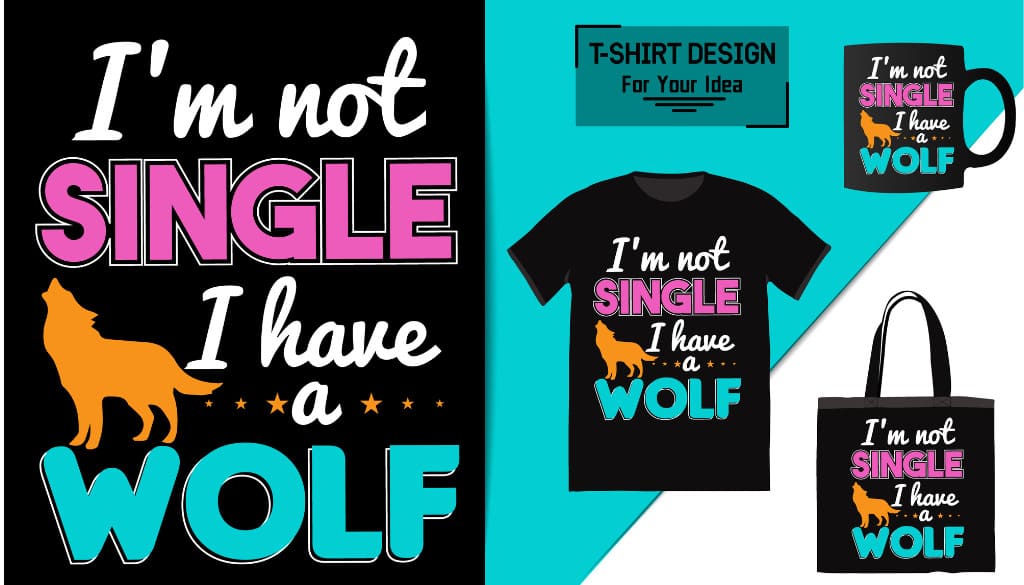
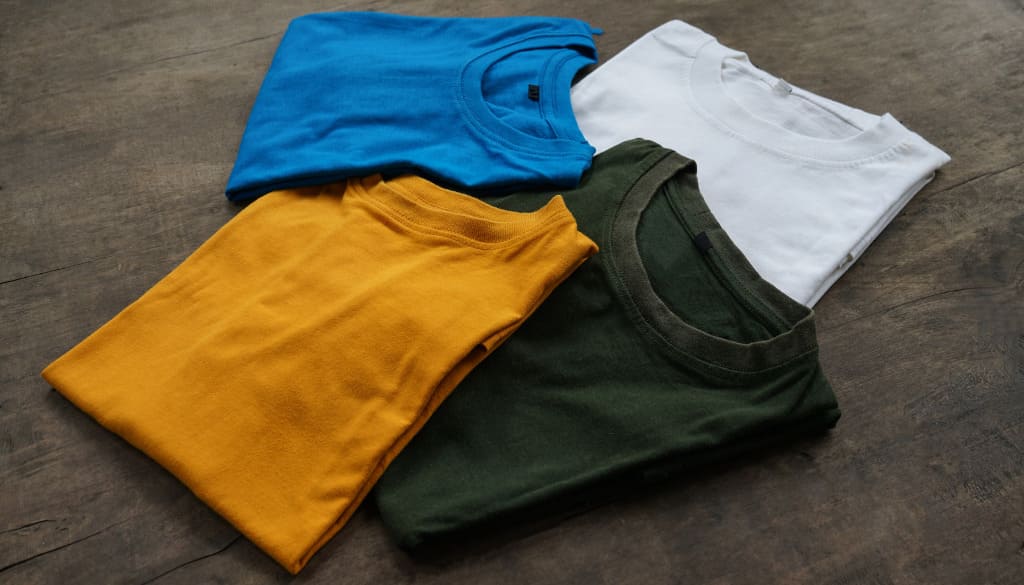
    T-shirts remain a top favorite in POD due to their affordability, comfort, and versatility across all ages. For this special occasion, you can create fun and heartwarming designs with slogans like: “Best Cousins Forever,” “Crazy Cousin Crew,” or “Cousins Make the Best Friends.” Don’t forget to offer customers the option to personalize shirts by adding names or memorable photos, enhancing emotional value, and driving more purchases.

    2. Hoodies and Sweatshirts

    Hoodies and sweatshirts are premium products especially loved by younger demographics, particularly Generation Z. Youthful, cute, or bold designs incorporating names, special dates, or popular social media slogans such as “My Cousins Rock!” or “Cousin Squad 2025” will effectively attract customers and differentiate your offerings.

    3. Stylish and Dynamic Tank Tops

    Tank tops appeal greatly to younger customers who value comfort, freedom, and a dynamic look. These are ideal choices for family gatherings, outdoor events, or casual hangouts on National Cousins Day. Sellers can create lively and appealing designs featuring short, catchy quotes like “Cool Cousin Crew” or “Family by Birth, Friends by Choice.”

    4. Eco-Friendly Canvas Tote Bags

    Canvas tote bags are a trending POD product, increasingly popular among young consumers thanks to their practicality, durability, and eco-friendliness. Minimalist designs paired with humorous or quirky slogans like “World’s Okayest Cousin” or “Cousin Love” are ideal for this holiday. Additionally, tote bags have low production costs, making them perfect for bundled promotions with T-shirts or hoodies to boost overall sales.

    5. Canvas Prints and Wall Posters

    Canvas prints and posters are meaningful and lasting gifts, ideal for National Cousins Day. Cute chibi-style illustrations of family members or beautifully captured family memories can easily touch customers’ hearts. These POD gifts offer excellent profit margins, appeal to various customer segments, and are simple yet impactful gift ideas.

    6. Personalized Phone Cases

    Personalized phone cases are practical products in high demand year-round, especially popular during gifting seasons. Designs featuring custom images, funny nicknames, or charming slogans such as “Best Cousin Ever” or “Crazy Cousin Squad” will attract buyers looking for personal and unique gifts.

    7. Stickers, Keychains, and Small Accessories

    Stickers and keychains make excellent supplementary products due to their affordability, encouraging customers to purchase in bulk as group gifts. These items should feature simple yet trendy, adorable designs, focusing on the ability to personalize with names or personal images, thereby increasing perceived value for customers.

    POD Marketing Strategies for National Cousins Day

    POD Marketing Strategies for National Cousins Day

    Having excellent products is half the battle; the other half relies heavily on effective marketing strategies. Here are some valuable tips to help you promote your POD products successfully during National Cousins Day:

    1. SEO Optimization for Your Website and Store

    • Keyword Research: Utilize keyword research tools to find search terms your potential customers might use, such as “National Cousins Day gifts,” “personalized gifts for cousins,” “cousin-themed T-shirts,” and related phrases.
    • Optimize Product Titles and Descriptions: Ensure your product titles and descriptions naturally incorporate key search terms. Your descriptions should be detailed, compelling, and emphasize the emotional value of each gift.
    • Create Relevant Blog Posts: Publish blog content with topics like “Top 10 Meaningful Gifts for Cousins Day,” or “How to Choose Gifts Based on Your Cousin’s Personality.” Such content not only attracts organic traffic but also positions you as an expert in the niche.

    2. Building an Effective Email Marketing Campaign

    • Segment Your Email List: If you have data on past customers, segment them based on their purchase history. Specifically, target customers who previously purchased family-related gifts.
    • Create Engaging Email Content: Design visually appealing emails featuring beautiful product images, attractive headlines, and clear calls to action (CTAs). Include heartwarming stories about cousins to create an emotional connection with your audience.
    • Send Reminder Emails: Send timely email reminders about the upcoming National Cousins Day, suggesting unique gift ideas from your collection to encourage sales.

    3. Make a Big Splash on Social Media

    • Leverage High-Quality Images and Videos: Share attractive, high-quality mock-ups or lifestyle images and videos of your products on platforms like Facebook, Instagram, Pinterest, and TikTok.
    • Host Contests and Giveaways: Encourage followers to share personal stories or photos of their cousins using a branded hashtag. Winners can receive a free product or exclusive discount codes, boosting engagement and brand visibility.
    • Collaborate with Influencers: Partner with influencers in the family and lifestyle niches to showcase your products to a larger, targeted audience, leveraging their credibility and reach.
    • Invest in Paid Advertising: Run targeted ads on Facebook and Instagram to reach individuals interested in family activities, personalized gifts, and meaningful relationships.

    4. Capitalizing on the POD Opportunity for National Cousins Day

    National Cousins Day presents a substantial business opportunity for POD sellers that shouldn’t be missed. By thoroughly understanding the significance of this holiday, selecting appropriate products, and implementing intelligent marketing strategies, you can launch a successful campaign that significantly boosts your sales and cultivates a loyal customer base.

    FlashShip hopes this guide provides you with valuable insights and creative ideas to begin your journey in conquering this niche market. If you require further details or support in creating an account, please contact us via hotline (+84) 943 024 337 or visit our website at seller.flashship.net for assistance.

    See more articles:

  • Discover Opportunities with the POD Model in the Digital Era

    Discover Opportunities with the POD Model in the Digital Era

    The Print on Demand (POD) business model is rapidly becoming an appealing online money-making (MMO) trend, especially for sellers who are new to the e-commerce field. But what exactly is the POD model? How can you effectively start making money with POD while avoiding unnecessary risks? Let’s explore everything you need to know with FlashShip in the article below!

    Introduction to the POD Business Model

    Print on Demand (POD) is an e-commerce business model that allows you to sell customized products featuring your unique designs.

    Learn more at: POD business model

    How Does POD Work?

    How Does POD Work?

    To effectively earn money with POD, you first need to understand its simple operating principles:
    • Step 1: Product Design

    • You create product designs yourself or hire a professional designer. Common products include t-shirts, hoodies, mugs, posters, phone cases, etc.
    • Step 2: Upload the Design File to POD Platforms

    • You upload your designs to POD platforms or partners (such as FlashShip, Printify, Printful). These platforms store your designs and showcase the products on your website or online store.
    • Step 3: Sell Products

    • When customers place orders on your online store, the orders are automatically forwarded to the POD provider.
    • Step 4: Produce & Ship the Products

    • The POD partner produces (prints) the product based on your customer’s order and ships it directly to your customer under your own brand.
    • Step 5: Earn Profits

    • You receive the profit, which is the difference between your selling price and the base cost charged by the POD supplier.

    Ways to Earn Money with the POD Business Model

    There are several strategies to generate income from POD, depending on your goals and available resources.

    Ways to Earn Money with the POD Business Model

    1. Selling on Marketplaces

    This is the easiest approach for beginners because you can leverage the massive built-in traffic of marketplaces.

    • Etsy: A goldmine for unique, handmade, and personalized products. Etsy has a large community of buyers ready to pay for creative designs. To succeed on Etsy, focus on keyword research (SEO for Etsy) and create attractive product mock-ups.
    • Amazon Merch on Demand: An Amazon program allowing you to sell products (mainly T-shirts) directly on this platform. Being listed on Amazon provides credibility and a vast customer reach. However, the account approval process is quite rigorous.
    • Redbubble, Teespring, Society6: These marketplaces function as social networks for artists and designers. You only need to upload your designs, and the platform handles the rest. The profit margins may be lower, but the barriers to entry are minimal.

    2. Building Your Brand

    This approach is more long-term and sustainable. By creating your own website on platforms such as Shopify or WooCommerce and partnering with a POD provider like FlashShip, you have complete control over your brand.

    Advantages:
    • Build your own brand equity.
    • Full control over customer experience, pricing, and policies.
    • Higher profit margins since there’s no marketplace fee deduction.
    • Easy access to customer data (emails, behaviors) for retargeting marketing campaigns.

    Challenges:
    • You must drive your own traffic to your website through paid advertising (Facebook Ads, Google Ads), SEO, content marketing, etc.
    • Ongoing costs of maintaining a website (monthly Shopify fees, app subscriptions).

    3. Combining Both Approaches

    Many successful sellers start by selling on marketplaces to test ideas and generate initial cash flow. Once they’ve identified winning designs and clearly understand their target customers, they build their own Shopify store to maximize profits and sustainably grow their brand.

    Factors Determining Your Success with POD

    Simply uploading a design and expecting money to roll in is a common misconception. To achieve genuine success, you need to invest time and effort into these key elements:
    Factors Determining Your Success with POD

    1. Market Niche Research

    This is the most critical step, determining up to 80% of your success. Rather than selling generic-themed products like “I love dogs,” you should dig deeper.

    What defines a good niche?

    • Passionate and Loyal Audience: Customers in niche markets are willing to spend money on products that reflect their passions (e.g., Corgi lovers, hikers, nurses, etc.).
    • Sufficiently Large, Yet Low Competition: Utilize tools like Google Trends, online forums, Facebook groups, and Reddit to evaluate demand.
    • Expansion Potential: From the niche of “Corgi lovers,” you can expand to related products for dog owners or other dog breeds.

    Tools for print on demand niches research:

    • Etsy & Amazon: Use keyword searches and study “bestseller” products.
    • Pinterest: A massive visual search engine for discovering trends and interests.
    • Analytical Tools: Everbee, Sale Samurai (Etsy), Merch Informer (Amazon).

    2. Creative and Trendy Designs

    Your design is the “soul” of a POD product. You don’t necessarily have to be a professional designer.

    Sources of Inspiration:

    • Social Media: Follow trends on TikTok, Instagram, and Pinterest.
    • Competitors: Analyze best-selling designs from other stores. (Note: Only seek inspiration, never copy.)
    • 2025 Design Trends: Nostalgic styles (Y2K, 90s), minimalism, abstract art, and personalized products are booming.

    Easy-to-use design tools:

    • Canva: Powerful and user-friendly with a huge resource library.
    • Kittl, Placeit: Provide professional templates and mockups specifically for POD.
    • Hiring Designers: Platforms like Fiverr, Upwork, or local designer groups.

    Important: Always pay attention to copyright and trademark issues. Never use images of celebrities, brand logos, or movie characters without permission.

    3. Multichannel Marketing and Sales

    Having great designs is useless if no one sees them.

    Search Engine Optimization (SEO):</h4

    Research niche-specific keywords and strategically integrate them into your product titles, descriptions, and tags on Etsy, Amazon, etc.

    Social Media Marketing:

    • Pinterest: Build thematic boards and create high-quality product pins. It’s a powerful, long-term, and “free” POD marketing channel.
    • Facebook & Instagram: Run targeted ads based on interests and behaviors. Create engaging product videos and reels.
    • TikTok: Short-form videos and viral trends can help your products gain overnight popularity.
    • Email Marketing: Build customer email lists to send promotional offers, introduce new products, and foster lasting relationships.

    4. Choosing a Reliable Fulfillment Partner

    Your POD provider is the backbone of your business. Product quality and shipping speed directly impact customer satisfaction and your brand reputation.

    Selection Criteria:

    • Print and Product Quality: Always order samples to verify quality personally.
    • Turnaround Time: Crucial if targeting international markets like the US. Quick delivery times boost conversion rates and customer satisfaction.
    • Base Cost: Competitive pricing ensures better profit margins.
    • System & Integration: User-friendly platforms that seamlessly integrate with your sales channels (Shopify, Etsy, etc.).
    • Customer Support: Quick response and effective problem resolution.

    Risks and Challenges in POD

    Risks and Challenges in POD

    Despite its advantages, POD is not a bed of roses. You need to identify and prepare for the following challenges:

    • High Competition: Due to low entry barriers, the POD market is highly crowded.
      • Solution: Find deep niches and build a distinctive, story-driven brand instead of competing solely on price.
    • Lower Profit Margins per Product: Individual item production costs are higher compared to bulk orders.
      • Solution: Optimize pricing strategies, use upselling (selling higher-value products), and cross-selling (selling related items). Building a strong brand allows higher pricing.
    • Dependence on Suppliers: Product quality and shipping times are beyond your direct control.
      • Solution: Choose reputable fulfillment partners like FlashShip, thoroughly read reviews, always order samples, and have backup plans.
    • Customer Service Management: Dealing with complaints regarding product quality, delayed deliveries, and incorrect designs.
      • Solution: Create clear return and refund policies. Communicate proactively and transparently with customers. Maintain close collaboration with your POD supplier’s support team.
    • Copyright and Trademark Issues: Risk of account suspension or legal actions if copyright is violated.
      • Solution: Create original designs or buy commercially licensed designs. Always use trademark checking tools before selling products.

    POD is an attractive business model with low startup costs and minimal risk, ideal for new sellers entering the online market. However, to achieve sustainable long-term success, it’s essential to thoroughly research your market, craft unique designs, and select reputable production partners.

    We hope this article from FlashShip has provided you with all the necessary insights and confidence to embark effectively on your POD journey. Stay tuned to our website for more valuable updates, and we wish you great success in your POD business!

    Please see more:

  • Top Profitable Print on Demand Niches to Explore in 2025

    Top Profitable Print on Demand Niches to Explore in 2025

    Print-on-Demand (POD) business is rapidly becoming a popular trend among sellers, thanks to its high customization, low startup costs, and attractive profit margins. However, to rise above the fierce competition, savvy sellers must tap into unique and promising market niches. Let’s join FlashShip in discovering the top profitable Print on Demand niches for 2025.

    What Exactly Is a Print on Demand Niche?

    What Exactly Is a Print on Demand Niche?

    In the POD industry, a “niche” is a small, specialized segment within a larger market. Instead of trying to sell T-shirts to “everyone,” you should focus on a specific audience that shares a particular interest, passion, occupation, or identity.

    Here’s a simple example:

    • Broad Market: Printed T-shirts
    • Niche Market: T-shirts for Corgi lovers
    • Sub-niche: T-shirts featuring Corgis in astronaut costumes
    • Micro-niche: T-shirts featuring Corgis in astronaut costumes with humorous slogans about office life

    An effective niche has enough interested customers to sustain long-term profits but remains narrow enough to minimize intense competition from big players. This strategy allows you not just to sell a product, but to offer connection, identity, and a personal style statement to a distinct community. For Vietnamese sellers aiming at the global market—particularly the US choosing the right niche is the critical first step toward success.

    Why Should You Choose Niche Marketing in the POD Industry?

    Many new sellers often adopt a “greedy” mindset, wanting to sell a wide range of designs to diverse audiences. However, this strategy typically leads to wasted resources and an inability to establish a clear brand identity. Focusing on niche markets provides outstanding advantages:

    • Reduced Competition: In the POD market, competing on price against thousands of other sellers is an endless battle. By choosing a specific niche, such as “gifts for firefighter police officers,” you’ll face significantly fewer direct competitors. Your brand will quickly become the “go-to destination” for customers looking for specialized products.
    • Easier Brand Building: A shop that sells everything from gym clothes, mugs for cat lovers, to environmentally themed tote bags will struggle with clear brand positioning. Conversely, a brand that exclusively offers “minimalist designs for programmers” can easily create a consistent, professional, and recognizable image. Customers will immediately know what they can expect from your store.
    • Optimized Marketing Costs: When you clearly understand your customer demographic (for example, men aged 30–45, living in the US, passionate about fishing, and active on fishing forums), you can precisely target your advertising on platforms like Facebook, Google, and TikTok. This dramatically reduces wasted ad spend and significantly boosts your conversion rate.
    • Increased Customer Loyalty: Customers in niche markets tend to have strong passions and emotional connections. When they find a brand that truly “gets” them offering designs they’re proud to wear or use they won’t just buy once. They will return, recommend your products to friends, and even become your brand ambassadors, effectively promoting your brand at no cost.
    • Higher Profit Margins: Customers are willing to pay more for unique, creative products tailored precisely to their interests. A shirt with the perfect design, tailored specifically for classic-car enthusiasts, is far more valuable than a generic printed shirt. This allows you to set higher prices without fear of losing customers.

    Why Should You Choose Niche Marketing in the POD Industry?

    Criteria for Choosing an Effective Print on Demand Niches

    Selecting a niche should never be an impulsive decision. To discover a genuine “gold mine,” you must rely on thorough research and careful analysis. Here are the key criteria that Vietnamese sellers should consider when targeting international markets, particularly the US:

    • Your Passion and Expertise: Begin with what you genuinely love and understand deeply. Are you a gamer, pet lover, or perhaps a bookworm? Doing business in a field you’re passionate about provides countless design ideas and naturally helps you understand your customers’ mindset.
    • Audience Size: Your niche shouldn’t be too broad or excessively narrow. Utilize tools such as Google Keyword Planner or Google Trends (set region to the US) to assess search volumes for niche-related keywords. Additionally, join relevant Facebook groups, Reddit communities, or international forums to evaluate engagement and member counts. An ideal niche has a sufficiently large and active community.
    • Competition Level: Search major e-commerce platforms like Etsy, Amazon, or Redbubble using keywords related to your chosen niche. How many results come up? How many sales do top sellers typically have? Are their designs high-quality? If numerous veteran sellers dominate with tens of thousands of sales, it might be difficult to enter that niche. Conversely, if no one is selling, it could indicate insufficient demand. Aim for a niche with balanced competition—enough competitors to validate market demand but still room for newcomers.
    • Purchasing Power: Are customers within your niche willing to spend money on products related to their passions? For example, golfers, yacht owners, or vintage car enthusiasts typically have higher disposable incomes and are more inclined to spend generously on products connected to their interests.
    • Evergreen Potential: An “evergreen” niche is one with consistent demand throughout the year, independent of trends or seasons. Examples include occupational niches (nurses, teachers, engineers), family-related niches (moms, dads, grandparents), and pet niches. Combining evergreen niches with trending designs (such as Christmas-themed shirts for doctors) can be an extremely effective strategy.
    • Ease of Marketing Access: Are your target customers active in specific online locations? Are there dedicated Facebook groups, Instagram accounts, YouTube channels, or forums they frequently visit? Identifying where your audience spends time will simplify future marketing efforts.

    Suggested Promising Print on Demand Niches for 2025

    Suggested Promising Print on Demand Niches for 2025

    Based on analyses of the US market trends and consumer behaviors, FlashShip recommends several promising niches that sellers can leverage:

    1. Niches Based on Hobbies and Interests

    • Fishing: Don’t just settle for generic slogans like “I love fishing.” Go deeper: freshwater fishing, saltwater fishing, bass fishing, etc., with humorous slogans or images that only true enthusiasts appreciate.
    • Gardening: This niche is booming, especially post-pandemic. Popular themes include “Plant Mom,” “Crazy Plant Lady,” witty plant-related puns, and illustrations of trending houseplants (e.g., Monstera, Calathea).
    • Book Lovers: Designs featuring quotes from classic literature (in the public domain), stacks of books, or humorous slogans such as “My weekend is all booked.”
    • Gaming: A massive niche. Rather than infringing on copyrighted AAA game titles, focus on gamer culture: “I paused my game for this,” gaming memes, or designs tailored to fans of specific game genres (RPG, FPS, indie games).
    • Other hobbies: Hiking, camping, cooking, board games, yoga, guitar-playing, and more.

    2. Occupation-based Niches

    • Nurses: One of the largest POD niches. Designs highlighting nurses’ hard work, compassion, or humorous insider jokes, e.g., “Nurse: The first person you see after saying ‘Hold my beer and watch this.’”
    • Teachers: Similarly promising. Designs can focus on specific subjects (Math Teacher, English Teacher), or humorous phrases about students and summer breaks.
    • Programmers/Developers: Popular themes in this niche include smart, logical humor. Designs featuring coding, debugging, coffee, or tech memes are particularly appealing.
    • Other professions: Firefighters, electricians, veterinarians (“vets”), lawyers, etc.

    3. Pet Niches

    • Breed-specific Designs: A highly effective and popular approach. Focus on beloved breeds in the US such as Golden Retrievers, Labradors, French Bulldogs, German Shepherds, Maine Coon cats, and Ragdolls.
    • Personalization: Offer products allowing customers to upload their pets’ images, printed onto shirts, mugs, blankets, etc., along with personalized names—this niche has high profitability.
    • Pet Humor and Memes: Designs depicting pets’ silly or adorable antics always attract attention.

    4. Family and Relationship Niches

    • Dad/Mom: Designs like “Dad Joke Loading…”, “Super Mom,” “Mama Bear,” “Papa Bear.”
    • Grandparents: Popular designs include “Best Grandpa Ever” “Promoted to Grandma.”
    • Special Occasions: Mother’s Day, Father’s Day, Christmas, Thanksgiving, etc.

    5. Humor and Meme Culture Niches

    • Sarcasm: Clever, sarcastic sayings remain highly popular.
    • Political Humor: A significant niche in the US, though sensitive. Thorough research on American culture and current events is necessary. Balanced, light-hearted satire appealing across political divides often works best.
    • Trending Memes: Capture trending memes from American social media (Reddit, Twitter, TikTok) and convert them into T-shirt designs. This niche demands agility but can yield sudden, substantial revenue spikes.

    6. Sustainable and Eco-friendly Niches

    • Design ideas: “Save the Bees,” “Protect Our Planet,” “There Is No Planet B.” Vintage or botanical aesthetics work well.
    • Products: Concentrate on reusable products like tote bags or insulated water bottles.

    Popular Products in Print on Demand Niches

    Popular Products in Print on Demand Niches

    Selecting suitable products aligned with your niche and designs is crucial. At FlashShip, we provide a wide variety of high-quality blanks, especially popular brands like Gildan, well-loved in the US market.

    • T-Shirts: The “king” of POD. Highly versatile, suitable for nearly every niche. The Gildan 5000 is an excellent choice for mainstream designs at competitive pricing. For more premium niches requiring softer fabric, consider Gildan 64000 (Softstyle).
    • Hoodies & Sweatshirts: Best-sellers in fall, winter, and during holidays. These higher-value products offer good profit margins, ideal for niches like universities, sports, camping, cozy family designs, and Christmas themes.
    • Tank Tops: Ideal for summer niches related to fitness, gym, yoga, and beachwear. FlashShip provides tank tops with stretchy, moisture-wicking fabrics perfect for physical activities.
    • Mugs: Classic gift items, suitable across nearly all niches, including professions, hobbies, and family themes. Especially popular during holidays such as Christmas, Mother’s Day, and Father’s Day.
    • Tote Bags: Perfect for eco-friendly niches, book lovers, gardening enthusiasts, or artistic typography designs.
    • Other products: Hats, phone cases, blankets, posters, etc., are additional options to expand your product portfolio.

    Combining Products for Maximum Effect:

    • For the “Nurse” niche, consider selling T-shirts, hoodies, and mugs.
    • For the “Gardening” niche, offer T-shirts, hats, and tote bags.

    Important Considerations When Growing Your POD Niche

    Important Considerations When Growing Your POD Niche

    Once you’ve selected your niche and products, your journey has only just begun. Here are crucial tips to ensure sustainable business growth:

    • Design Quality Is King: No matter how promising your niche is, poor-quality designs—low resolution, sloppy execution, or copied ideas—will not sell. Invest in learning basic design skills or hire professional freelancers. Ensure your design files have high resolution (minimum 300 DPI) and are in the correct format.
    • Keyword Research: Keyword research is vital for customers to discover your products on e-commerce platforms and Google. Utilize keyword research tools to find terms your target customers actively search for. Integrate these keywords naturally into your product titles, descriptions, and tags.
    • Community Building: Don’t just sell products—build a community. Create an Instagram page, Pinterest profile, or Facebook group for your brand. Regularly post valuable and engaging content related to your niche. Interact with customers and hold small contests to transform customers into loyal fans.
    • Leverage the Power of Mockups: Mockups are sample images showcasing your products. Attractive, professional mockups that reflect the lifestyle associated with your niche significantly boost conversion rates compared to plain designs on a white background.
    • Prioritize Customer Service: Respond promptly and politely to customer inquiries. Resolve issues professionally if they arise. Positive customer experiences lead to five-star reviews and repeat buyers.
    • Choose a Reliable Fulfillment Partner: This factor is crucial for successful sales in the US market. A partner like FlashShip, with print facilities based in the US, ensures:
      • Fast domestic delivery (2-5 days in the US): This offers a substantial competitive advantage over shipments from Asia, as American customers highly value quick shipping times.
      • Consistent print quality: Modern printing technology guarantees vibrant colors and durable prints, satisfying even the most demanding customers.
      • Professional, streamlined processes: Automated order processing saves you significant time and effort, allowing you to focus on creativity and marketing.

    The POD market in 2025 is full of promise but also plenty of challenges. Instead of competing in a “red ocean,” strategically identifying and dominating a niche is the smartest and most sustainable path to success. By deeply understanding customer psychology, selecting your niche strategically, creating unique designs, and partnering with a reliable fulfillment company like FlashShip, Vietnamese sellers have everything they need to conquer the international market and build their own POD business empire.

    Start researching your niche today!

    Related posts:

  • Comparing Polyester and Cotton: Which Fabric Should POD Sellers Choose?

    Comparing Polyester and Cotton: Which Fabric Should POD Sellers Choose?

    In the Print-on-Demand (POD) industry, the quality of a t-shirt doesn’t solely depend on printing techniques or designs but is also directly influenced by the fabric used. Among fabric options, polyester and cotton are the two most popular choices. But which fabric polyester or cotton is most suitable for sellers? How can you make the best decision for your business objectives? Let’s explore in detail the advantages and disadvantages of each fabric with FlashShip, so you can make the right decision, optimize product quality, and maximize your business profitability.

    Overview of Polyester

    Overview of Polyester

    1. Origins and Characteristics of Polyester Fabric

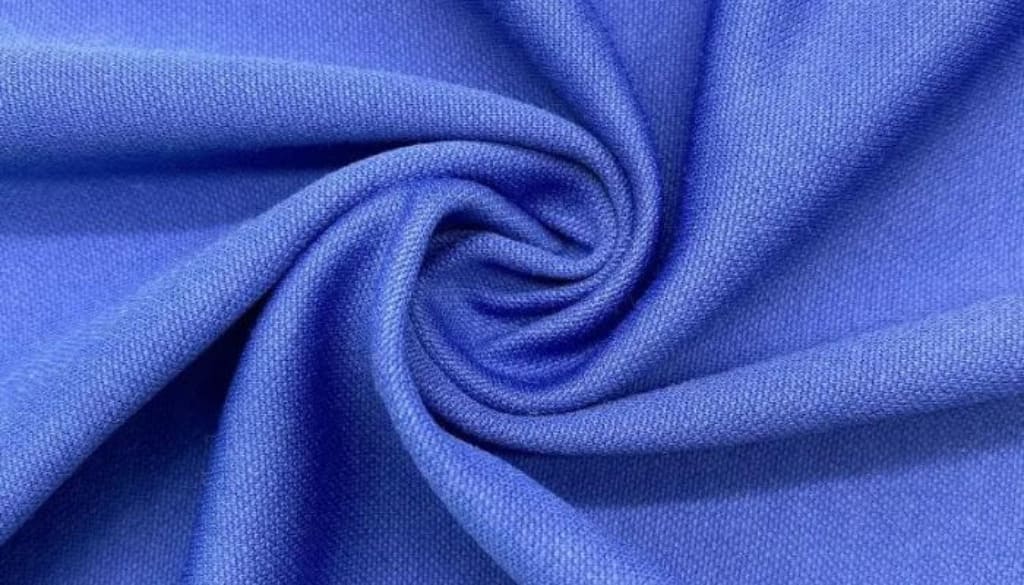
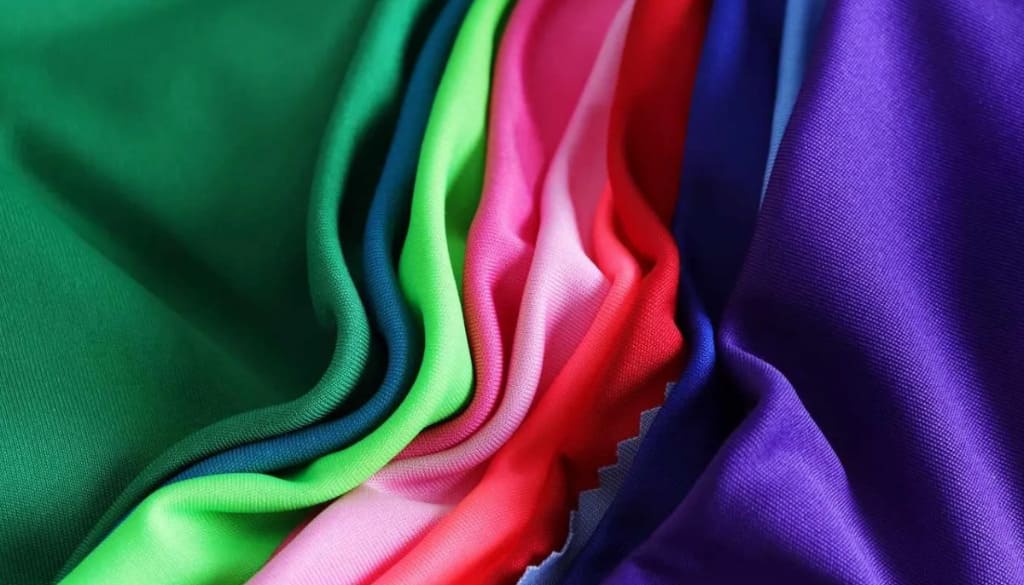
    Polyester is a synthetic fabric produced through a chemical reaction between acid and alcohol, primarily derived from petroleum. Its full chemical name is polyethylene terephthalate (PET) the same type of plastic commonly used to make water bottles. Through a complex chemical process called polymerization, small molecules (monomers) link together to form long chains (polymers), which are then melted, spun into fibers, and woven into fabric.

    Introduced in the 1940s, polyester quickly sparked a revolution in the fashion industry thanks to its outstanding properties, which natural fibers do not possess. For the POD industry specifically, polyester opened new horizons for printing capabilities, particularly with sublimation printing technology

    2. Outstanding Advantages of Polyester Fabric for POD Sellers

    • Sublimation Printing Capability: This is the most valuable advantage of polyester. Under high heat, polyester fibers “open,” allowing sublimation ink (oil-based ink) to transform from a solid to a gaseous state and deeply penetrate the fabric fibers. Once cooled, the fibers “close,” permanently locking the ink molecules within.
      • Result: Prints are vividly colored, sharp down to the smallest details, with no color limitations. Since the ink penetrates the fabric, it doesn’t create a thick or rough layer on the surface. You can crumple, stretch, or wash the fabric without worrying about the print cracking, peeling, or fading.
    • High Durability: Polyester fabric is extremely durable. Its polymer fibers have tightly linked molecules, effectively resisting shrinkage, stretching, and abrasion. A polyester shirt maintains its original shape even after hundreds of washes, boosting customer satisfaction and minimizing product quality complaints.
    • Wrinkle-Resistance: This is a major benefit in e-commerce operations. Polyester t-shirts are less prone to wrinkles during FlashShip’s packing and shipping processes, ensuring that products arrive to customers looking neat and professional without needing ironing.
    • Water Resistance and Moisture-Wicking Capability: Unlike cotton, which absorbs sweat, polyester fibers tend to push moisture to the fabric’s surface, allowing rapid evaporation. This characteristic makes polyester the number one choice for sportswear and athleisure clothing—highly promising niches within the POD industry.
    • Competitive Base Price: Generally, 100% polyester blank shirts tend to be cheaper than high-quality 100% cotton shirts (such as ringspun cotton). This enables POD sellers to optimize their profit margins effectively.

    3. Disadvantages of Polyester Fabric

    • Less Natural Feel: Compared to cotton, polyester feels less soft and has a more “plastic” touch. This can be a downside for customers prioritizing absolute comfort and softness.
    • Poorer Breathability: Due to its water-resistant nature, polyester doesn’t “breathe” as well as cotton. In hot and humid climates like Vietnam, wearing a 100% polyester shirt can feel stuffy or uncomfortable if not used specifically for physical activities.
    • Retains Body Odor: This is an inherent disadvantage. Odor-causing bacteria tend to thrive more easily on polyester fibers compared to cotton fibers. Thus, polyester shirts may retain sweat odors after physical activities.
    • Printing Technique Limitations: While polyester is the “king” of sublimation printing, it’s the “enemy” of Direct to Garment (DTG) printing. Water-based DTG inks can’t adhere well to polyester’s hydrophobic fibers, resulting in pale colors and easy peeling.

    Overview of Cotton

    Overview of Cotton

    1. Origin

    Cotton fabric is made from natural cotton fibers that grow around the seeds of cotton plants. After harvesting, cotton bolls are processed to remove seeds and impurities before spinning into yarn and weaving into fabric. Cotton is one of the most important crops worldwide, forming the backbone of the global textile industry.

    For POD sellers, understanding different types of cotton is crucial:

    • Standard Cotton: The most basic type, featuring shorter fibers and a somewhat rougher texture, typically used for low-cost products.
    • Ringspun Cotton: A valuable upgrade from standard cotton. Fibers are continuously twisted and thinned, producing longer, softer, and stronger threads. Shirts made from ringspun cotton have a smoother surface, a premium feel, and yield sharper results with DTG printing.
    • Combed Cotton: An even higher-grade processing method in which cotton fibers are combed to remove short fibers and impurities before spinning. The result is an exceptionally soft, smooth, and durable fabric. Combed and ringspun cotton is considered the gold standard for premium POD fashion brands.

    2. Advantages

    • Soft and Premium Feel: This is the primary reason customers love cotton. Its natural softness against the skin creates comfort and luxury. If you’re building a streetwear or premium product line, cotton is an irreplaceable choice.
    • Direct-to-Garment (DTG) Printing: Cotton is an ideal surface for DTG printing. Cotton fibers absorb water-based inks exceptionally well, allowing deep penetration into the fabric, resulting in detailed, multi-colored prints that feel soft without adding bulk. Most major POD service providers use DTG as the main printing technology for cotton shirts.
    • Excellent Breathability: Cotton fibers allow air to circulate freely, helping to keep the body cool. This makes it the perfect choice for daily wear, especially in hot climates.
    • Hypoallergenic: As a natural fiber, cotton rarely irritates the skin, making it suitable even for customers with sensitive skin or children.

    3. Disadvantages

    • Wrinkling and Shrinking: Cotton fabrics tend to wrinkle and may shrink after the first wash if not pre-shrunk. This requires users to be more careful during laundering.
    • Absorbs Sweat (but Dries Slowly): Cotton absorbs moisture well, but retains it for a prolonged period. When a cotton shirt becomes drenched in sweat, it can feel heavy, cling to the skin, and take a long time to dry, causing discomfort. Thus, cotton isn’t ideal for specialized sportswear.
    • Color May Fade: Over time and after repeated washing, colors on both the fabric and printed designs may fade slightly, especially if exposed to intense sunlight.
    • Higher Price (For Premium Types): High-quality blank shirts made from 100%

    Detailed Comparison: Polyester And Cotton Fabrics

    Detailed Comparison: Polyester And Cotton Fabrics

    To help you make the most informed decision, FlashShip has compiled a detailed comparison chart highlighting the key criteria that matter most to POD sellers.

    Criteria 100% Polyester Fabric 100% Cotton Fabric Insights for POD Sellers
    Feel & Comfort Slightly slippery, lightweight, occasionally “plastic” feel. Soft, natural, gentle against the skin. Insight: Cotton wins for premium comfort. Highlight “soft 100% ringspun cotton” in product descriptions if you’re selling cotton shirts. For polyester, emphasize features like “lightweight, stretchy, ideal for activewear.”
    Durability & Shape Retention Extremely durable, shrink-resistant, wrinkle-resistant, maintains shape well. Less durable, prone to shrinking and wrinkling after washing. Insight: Polyester ensures long-term customer satisfaction due to shape retention—use the selling point “maintains shape even after multiple washes.” For cotton, prioritize pre-shrunk products.
    Breathability Poor breathability; may feel stuffy. Highly breathable and cool. Insight: Cotton is suitable for everyday fashion, especially in hot climates. Polyester is ideal for sweat-intensive activities where moisture-wicking outweighs breathability.
    Moisture-Wicking Excellent; pushes sweat outward and dries quickly. Poor; absorbs sweat and retains moisture longer. Insight: This is critical for sportswear niches. If selling clothing for gym, running, yoga, etc., choose polyester and heavily promote the “moisture-wicking” feature.
    Ideal Printing Techniques Sublimation: Vibrant, permanently durable colors, ideal for All-Over Prints (AOP). Direct-to-Garment (DTG): Beautiful colors, highly detailed, soft to the touch. Insight: This is the most important criterion. Your design determines the fabric choice. For vibrant, full-print designs, select a POD provider offering sublimation printing on polyester. For detailed, multi-colored designs typically placed on the chest, DTG printing on cotton is optimal.
    Care & Maintenance Easy-care, wrinkle-resistant, fast-drying. Requires more careful handling, wrinkles easily, ironing necessary. Insight: Polyester’s easy-care characteristic is a strong selling point for convenience.
    Cost of Blank Products Typically less expensive. More expensive for high-quality types. Insight: Polyester can offer higher profit margins per product. However, premium cotton shirts can command higher prices to offset the cost.
    Environmental Impact Petroleum-based, non-biodegradable, recyclable. Natural fiber, biodegradable, but cultivation requires large amounts of water and pesticides. Insight: Both fabrics have environmental pros and cons. If your brand promotes sustainability, explore options like recycled polyester or organic cotton. This is a powerful marketing angle.

    Ultimately, each fabric has unique advantages and disadvantages. The right choice depends on your intended use and target market.

    Should You Choose Blended Fabrics (Poly-Cotton)?

    Should You Choose Blended Fabrics (Poly-Cotton)?

    After analyzing two opposite extremes, a natural question arises: Is there a middle ground solution that combines the advantages of both fabrics? The answer is yes and that solution is poly-cotton blends.

    This type of fabric is woven from both polyester and cotton fibers, typically in the following common ratios:

    • 50/50 (50% Cotton, 50% Polyester): The most balanced blend, extremely popular.
    • 65/35 (65% Polyester, 35% Cotton): More durable, better at retaining shape, and less prone to wrinkles.
    • CVC (Chief Value Cotton – 60% Cotton, 40% Polyester): Prioritizes the softness of cotton while still benefiting from polyester’s durability and features.

    Advantages of Poly-Cotton Blended Fabric:

    • Optimal Balance of Benefits: Enjoy the softness and breathability of cotton along with polyester’s durability, wrinkle resistance, and excellent shape retention.
    • Unique Aesthetic Feel: Blended fabrics, especially the 50/50 ratio, often create a fashionable “heather” or “salt-and-pepper” color effect that’s highly desirable.
    • Printing Flexibility: Poly-cotton blends can be printed using various printing techniques, making them versatile for POD sellers.
    • Reasonable Pricing: Blended fabrics generally have very competitive prices, making them a great choice for brands seeking a balance between quality and profitability.

    Which Fabric Should You Choose for Your Purpose?

    There’s no universally “correct” answer. The best choice depends on your brand, designs, and target customers. Here’s a quick guide from FlashShip to help you make an informed decision:

    Case 1: You’re targeting sports, gym, yoga, or outdoor niches

    • Optimal Choice: 100% Polyester.
    • Reason: Moisture-wicking capability is key. Customers in this niche want clothing that keeps them dry and comfortable during activities. Polyester’s durability and stretchiness are additional advantages.
    • Recommended Printing Technique: Sublimation printing for vibrant, long-lasting, all-over print (AOP) designs.

    Case 2: You’re building a premium, high-quality, or streetwear brand

    • Optimal Choice: 100% Combed and Ringspun Cotton.
    • Reason: The soft, luxurious feel and premium shape of high-quality cotton fabric clearly reflect your brand’s quality standards. Customers in this segment are willing to pay extra for comfort and quality.
    • Recommended Printing Technique: Direct-to-Garment (DTG) for sharp, detailed, and soft prints.

    Case 3: You’re creating unique “Vintage” or “Retro” designs

    Which Fabric Should You Choose for Your Purpose?

    • Optimal Choice: Poly-Cotton Blend (50/50).
    • Reason: Sublimation printing on this blended fabric creates a unique, faded, vintage-style look that sets your designs apart.
    • Recommended Printing Technique: Sublimation printing.

    Case 4: You’re selling general merchandise, team shirts, promotional gifts, or need cost efficiency

    • Optimal Choice: Poly-Cotton Blends (50/50 or 65/35) or Standard Cotton.
    • Reason: Provides the ideal balance between affordability, durability, and comfort, satisfying most mainstream customers while ensuring good profit margins.
    • Recommended Printing Technique: Screen printing (for large quantities) or DTG.

    Case 5: Your brand emphasizes sustainability and environmental responsibility

    • Optimal Choice: Organic Cotton or Recycled Polyester.
    • Reason: Strong environmental appeal, attracting eco-conscious customers. Highlighting sustainability in product descriptions and brand storytelling can greatly differentiate your business.
    • Recommended Printing Technique: DTG for organic cotton, sublimation for recycled polyester.

    No fabric type is absolutely perfect. Polyester, cotton, and poly-cotton each have unique strengths and weaknesses. The most crucial factor is for POD sellers to deeply understand the specific characteristics of each fabric, carefully considering their target market’s needs, printing technologies available, and overall business strategy to make the most suitable decision.

    We hope this guide from FlashShip.net has provided comprehensive insights, empowering you to confidently choose the best fabric for your POD t-shirt business plan. Wishing you great success and explosive sales!

    Please see more:

  • Reliable and Affordable Gildan 5000B Kids’ T-Shirt Printing Service

    Reliable and Affordable Gildan 5000B Kids’ T-Shirt Printing Service

    Are you a POD seller searching for high-quality t-shirts to thrive in the children’s apparel market? The Gildan 5000B kids’ t-shirt printing is your perfect solution, offering exceptional versatility in printing techniques. Join FlashShip as we explore this remarkable product in detail from its outstanding features and suitable printing methods to unique advantages, order fulfillment processes, and reasons why you should choose us as your trusted partner.

    Discover the Gildan 5000B Kids’ T-Shirt in Detail

    Discover the Gildan 5000B Kids' T-Shirt in Detail

    It’s no coincidence that the Gildan 5000B has become the “go-to” blank apparel choice for children’s POD businesses. As the kids’ version of the legendary Gildan Blanks 5000, this shirt brings together all the exceptional qualities that have established Gildan’s outstanding reputation.

      • Fabric Material: 100% U.S. Cotton This cotton type is sustainably grown and harvested, delivering superior softness, breathability, and moisture absorption, ideal for active children.
        • Note: Some specific colors feature blended materials to create unique color effects—for example, Sport Grey (90% cotton, 10% polyester), and Dark Heather (50% cotton, 50% polyester).
      • Fabric Weight: 180 g/m² (5.3 oz/yd²) This is an ideal thickness, creating a shirt that maintains a perfect shape, feels substantial yet lightweight enough to ensure comfort. Its sturdy and smooth fabric surface provides an ideal foundation for sharp, vibrant prints.
      • Fabric Treatment: Preshrunk  Fabric has undergone preshrinking treatment to retain shape and size, significantly minimizing shrinking or stretching after washing—a major concern for many parents.
      • Fit and Style: Classic Fit with Tubular Body (no side seams) This design maximizes wearer comfort, preventing uncomfortable friction and providing a seamless, smooth surface perfect for large and detailed printed designs.
    • Detailed Structure:
      • Collar: Rib-knit crewneck collar (1.9cm), enhancing elasticity and durability while preventing stretching.
      • Seams: Double-needle stitching on sleeves and hem to increase strength and durability.
      • Neck & Shoulders: Taped neck and shoulder seams reinforce structural integrity and maintain the shape of the shirt through repeated use.
    • Label: Tear-away label – This is a significant benefit for POD sellers aiming to establish their own brand identity. Easily remove the original Gildan label and replace it with your custom-branded neck label through fulfillment services.
    • Safety Certification: Compliant with CPSIA (Consumer Product Safety Improvement Act, USA) standards Ensuring the product is free from harmful substances like lead and phthalates, making it absolutely safe for children. This compliance is crucial when selling products to markets in the United States and Europe.

    With all these exceptional qualities, the Gildan 5000B is not merely an ordinary t-shirt it’s a reliable foundation that enables POD sellers to confidently create and deliver high-quality products for their young customers.

    Suitable Printing Methods for Gildan 5000B

    Suitable Printing Methods for Gildan 5000B

    The 100% cotton fabric surface of the Gildan 5000B is ideal for various printing techniques. Depending on design complexity, order quantity, and quality requirements, POD sellers can choose among these popular and effective printing methods:

    1. Direct-to-Garment (DTG) Printing

    This is the most recommended printing technology for Gildan 5000B shirts within the POD model.

    Principle

    Similar to a traditional paper printer, the DTG printer sprays ink directly onto the fabric surface. The water based inks absorb deeply into each cotton fiber, resulting in a high-quality finished product.

    Advantages

    • Superior image quality: Capable of accurately reproducing intricate, colorful designs, portraits, gradients, and fine details with exceptional clarity and sharpness.
    • Unlimited color options: Utilizing the CMYK color system, DTG printing can blend and produce millions of colors in a single print pass.
    • Soft and natural feel: Because the ink fully penetrates the fabric, the printed area does not feel thick or heavy, maintaining the original softness and breathability of the cotton material.
    • Ideal for POD: Requires no upfront costs for printing screens or molds, allowing production of as few as one piece. Setup is quick and ideal for personalized, small-batch orders.
    • Child-safe: Reputable printing companies like FlashShip utilize DTG inks that meet safety standards, are non-toxic, and safe for children’s sensitive skin.

    Disadvantages

    • Cost per unit can be higher compared to other methods if printing large quantities with the same design.
    • Performs best exclusively on 100% cotton fabrics.

    2. Direct-to-Film (DTF) Printing

    DTF printing is rapidly gaining popularity in the POD industry thanks to its flexibility and efficiency.

    Principle

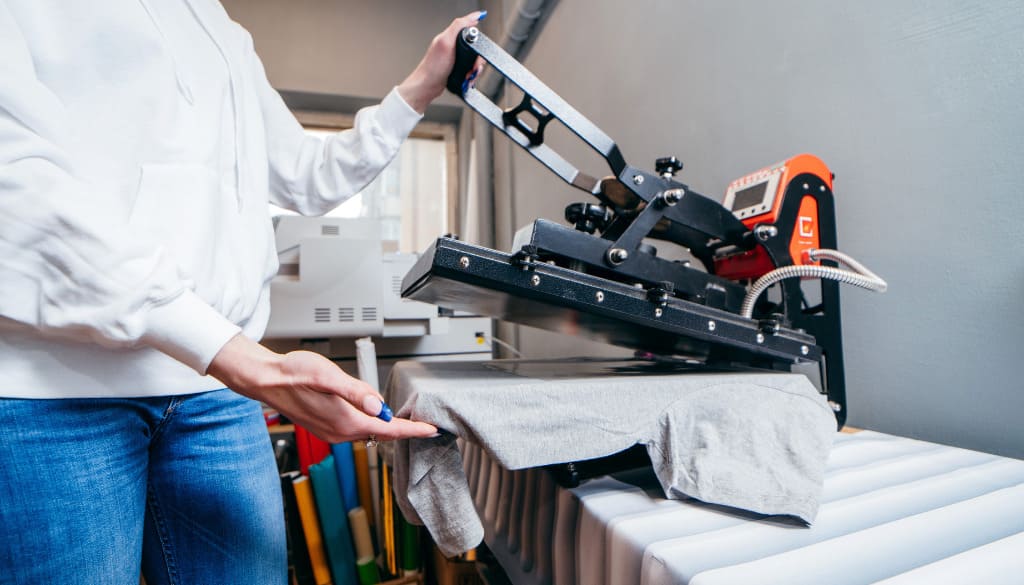
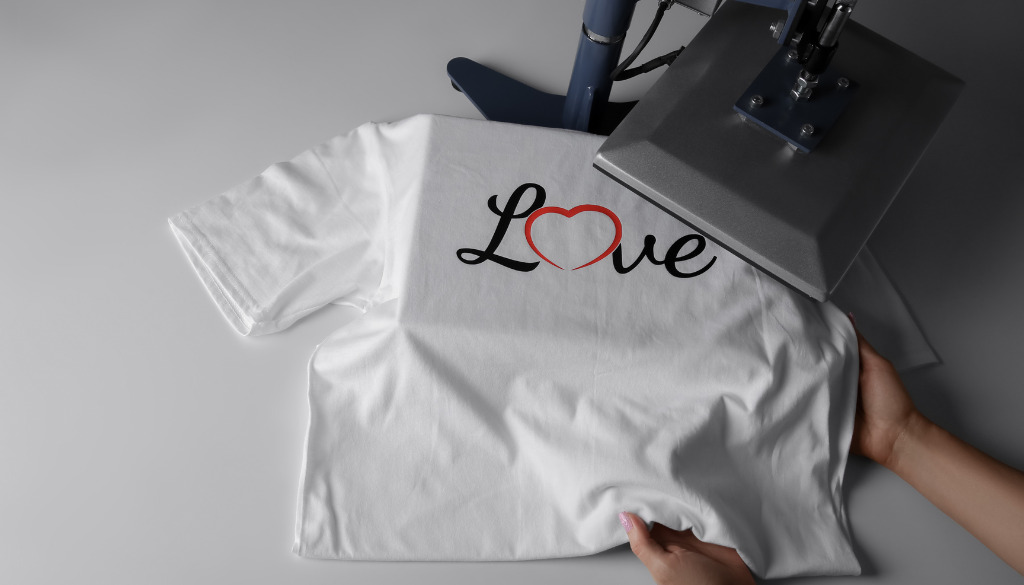
    The design is first printed onto a special PET film, then coated with an adhesive powder. Finally, a heat press machine is used to transfer the image from the PET film onto the garment.

    Advantages

    • Vibrant, vivid colors: The white adhesive underbase ensures designs stand out clearly on garments of all colors, including darker shades like black or navy blue.
    • High durability and elasticity: The prints offer excellent stretchability, are resistant to cracking, and maintain color vibrancy even after numerous washes.
    • Versatile printing positions: Capable of printing small, detailed logos on challenging positions such as sleeves or shirt hems.

    Disadvantages

    • Prints may feel slightly thicker compared to DTG prints due to the adhesive layer.
    • Involves a more complex production process compared to DTG.

    3. Screen Printing (Silk Screen Printing)

    Screen printing is a traditional yet highly effective method in certain contexts.

    Principle

    Uses a pre-made stencil (silk-screen mesh). Ink is pushed through the mesh onto the fabric surface, with each color requiring a separate screen.

    Advantages

    • Highly cost-effective for large orders: This is the most economical method for uniform or bulk orders.
    • Exceptional durability: The print adheres strongly to fabric fibers, remaining vibrant and durable over time.
    • Bright and vivid colors.

    Disadvantages

    • Unsuitable for POD: High initial setup costs (screen production) make it impractical for individual or small-batch printing.
    • Limited color and complexity: Less capable of reproducing multicolored designs, gradients, or very fine details.

    Advantages of Gildan 5000B Kids’ T-Shirt Printing

    Advantages of Printing on Gildan 5000B Kids' T-Shirts

    Choosing Gildan 5000B as your core blank apparel provides undeniable competitive advantages for POD sellers:

    1. Cost Optimization and Profit Maximization

    • The Gildan 5000B is extremely competitively priced, allowing sellers to set attractive retail prices that appeal to customers while still ensuring substantial profit margins.

    2. Sustainable Brand Credibility

    • Quality is the strongest testament to your brand. A durable, comfortable shirt with sharp and vibrant prints, coupled with safety assurance, creates outstanding customer experiences. Satisfied customers are more likely to return, leave 5-star reviews, and recommend your brand to others.

    3. Reduced Return and Complaint Rates

    • With preshrunk fabric, strong stitching, and CPSIA safety certification, Gildan 5000B significantly reduces risks of defects, sizing issues, or quality-related problems. This minimizes returns and negative feedback, improving overall customer satisfaction.

    4. Expanded Customer Base

    • Parents, particularly in Western markets such as the U.S. and Europe, prioritize product safety and quality for their children. Using a reputable and safe blank garment like the Gildan 5000B becomes a significant selling point, helping you earn the trust and loyalty of this discerning demographic.

    5. Creative Flexibility

    • The smooth fabric surface, extensive color range, and compatibility with various printing technologies empower sellers to fully unleash creativity. Whether your designs are simple graphics or detailed artwork, Gildan 5000B effortlessly accommodates diverse market niches within children’s fashion.

    Order Fulfillment Process for Gildan 5000B Kids’ T-Shirt Printing at FlashShip

    Order Fulfillment Process for Gildan 5000B Kids' T-Shirts at FlashShip

    FlashShip is a professional fulfillment service provider offering comprehensive, specialized solutions for POD sellers. Our optimized printing process for Gildan 5000B kids’ t-shirts enables you to run your business simply, quickly, and effectively.

    1. Create Your Order on the FlashShip System

    To get started, simply:

    • Register a seller account on the FlashShip.net website (completely free).
    • Connect with FlashShip via API, ensuring a seamless, automated order processing experience.

    Creating an order now takes just a few clicks, removing the hassle of complicated procedures.

    2. Production and Printing of Gildan 5000B T-Shirts

    As soon as your order is placed and your design is uploaded, our highly experienced technical team at FlashShip in the U.S. will immediately begin production:

    • Advanced Printing Technology:
      We utilize state-of-the-art DTG (Direct-to-Garment) technology, ensuring sharp, realistic, and vibrant printed images.
    • Accurate Color Matching:
      Colors match your original design with up to 99% accuracy, ensuring total customer satisfaction.
    • Durable Prints:
      High-quality inks penetrate deeply into fabric fibers, ensuring the printed image resists fading and peeling even after multiple washes.
    • Rigorous Quality Control:
      Each Gildan 5000B t-shirt undergoes meticulous quality checks, meeting international quality standards.

    3. Professional Packaging & Branding Support

    After printing is completed, FlashShip carefully packages your shirts to ensure safe delivery. Additionally, we offer customized branding support services, such as personalized labels and packaging, helping you enhance your brand identity.

    4. Fast and Reliable U.S. Shipping

    One of the greatest advantages of partnering with FlashShip is our fast and reliable delivery across the United States. With our production facility located directly in the U.S. and strategic partnerships with leading carriers like USPS, your customers will receive their orders quickly and reliably.

    5. Order Tracking & Professional After-Sales Support

    FlashShip remains committed to supporting you even after products have been delivered, providing:

    • Automated Order Tracking:
      Our system automatically updates accurate tracking information, allowing you and your customers to conveniently track order statuses in real-time.
    • Dedicated Customer Support:
      Our professional support team is always ready to quickly handle issues, including returns, defective products, missing items, or customer feedback.

    With an effective after-sales support system in place, you can confidently focus your attention on product development and market expansion.

    Why Choose FlashShip for Printing Gildan 5000B Kids’ T-Shirts?

    Why Choose FlashShip for Printing Gildan 5000B Kids' T-Shirts?

    FlashShip is not just an ordinary printing facility – we’re a reliable, long-term partner committed to supporting POD sellers in their business growth journey.

    1. Production Directly in the U.S.

    • This is a strategic advantage. With our printing facility located right in the U.S., FlashShip significantly reduces shipping times to your American customers, enhancing your competitive edge and greatly improving customer experience.

    2. Exceptional Order Processing Speed

    • We guarantee production times starting from just 24 hours. Your orders are handled rapidly, enabling you to impress your customers with fast delivery and excellent service.

    3. Advanced Printing Technology and Safe Inks

    • FlashShip invests in state-of-the-art DTG and DTF printing systems, ensuring sharp, vibrant, and durable print quality. We use premium, certified non-toxic inks that comply with stringent safety regulations, making our printed products perfectly safe for children’s apparel.

    4. Consistent and Reliable Apparel Quality

    • We partner directly with official Gildan distributors, ensuring all Gildan 5000B shirts we print on are genuine, consistently high-quality, and precisely meet product standards.

    5. Competitive Base Pricing

    • Through optimized processes and high-volume production, FlashShip offers highly competitive base costs for Gildan 5000B t-shirts, helping you maximize profits on every single order.

    6. Smart and User-Friendly Management Platform

    • The FlashShip system is intuitively designed, featuring powerful built-in tools from mockup creation and order management to financial tracking—helping you effortlessly operate your business.

    7. Dedicated Customer Support

    • FlashShip’s support team is always ready to assist sellers promptly and effectively with any issue, from technical support and order troubleshooting to strategic product advice.

    With superior quality, versatile printing methods, competitive pricing, and exceptional customer service, FlashShip is undoubtedly the top choice for sellers looking for a trustworthy, affordable, and high-quality printing partner for Gildan 5000B kids’ t-shirts.

    Visit FlashShip.net or contact our consulting team directly to start your successful and efficient journey in the children’s apparel POD business today!

    Please see more:

  • Fulfill POD: The Secret Behind the Success of POD Sellers

    Fulfill POD: The Secret Behind the Success of POD Sellers

    In the ever evolving world of eCommerce, Print on Demand (POD) has emerged as a highly promising business model opening doors for thousands of creative sellers without the burden of inventory or massive operational costs. In this article, FlashShip will help you understand what Fulfill POD means, why it matters, and how the process works. We’ll also elaborate on its pros and cons, how to choose a reliable fulfillment partner, and what you need to run a successful, sustainable POD business.

    What is POD and Why Do You Need Fulfill POD?

    What is POD and Why Do You Need Fulfill POD?

    1. What is POD?

    Print on Demand (POD) is an eCommerce business model that allows you to sell customized products featuring your designs without mass production. These products range widely from T-shirts, mugs, and phone cases to canvas prints, hats, tote bags, and hundreds of other items.

    The unique feature of this model: Products are only printed and produced when there are orders placed.

    Imagine this:

    • Traditional scenario: You want to sell T-shirts with your designs. You must predict quantities, sizes, and colors – then order hundreds or even thousands of items from a printing facility. This requires significant upfront capital and warehouse space; if you don’t sell them all, you’re left with unsold inventory and financial loss.
    • POD scenario: You simply create a design and upload it onto a product mockup on your online store. When a customer places an order, a third party (your fulfillment partner) receives it, prints your design on a blank (base) product, then packages and ships it directly to the customer.

    As a seller, you never have to physically handle the product. Your role is to focus on what matters most: creating designs, marketing, and customer care.

    2. What is Fulfill POD and Why Is It So Important?

    Fulfill POD (or POD Fulfillment) refers to the entire behind-the-scenes logistics process that takes place after every customer clicks “Purchase”. It covers all steps from receiving an order to successfully delivering the product to the end customer.

    Specifically, the process includes:

    • Order reception and automated processing: Your system is integrated with your fulfillment partner’s system. When a new order is placed, the information is automatically transferred.
    • Printing: The product is sent to a specialized printer to have your design applied.
    • Quality check: Each printed product is carefully inspected to ensure there are no issues with color, print placement, or overall product quality.
    • Packaging: Products are securely packaged often with your branding included (logo, thank-you card, etc.).
    • Shipping: The package is handed over to the shipping carrier to be delivered to the customer’s address.

    3. Why Is Fulfill POD a Key Piece of the Puzzle?

    For a POD seller, a fulfillment partner isn’t just a supplier they are effectively your production and logistics department. The quality of fulfillment services directly impacts:

    • Product quality: The quality of print, printing technology, and base product (Is the T-shirt durable? Is the mug glazed properly?) all depend on your fulfillment partner. A poor quality product can instantly damage your brand’s reputation.
    • Shipping time: Today’s customers have little patience. Long production and shipping times lead to negative experiences, canceled orders, and poor reviews.
    • Cost and profit margins: The base cost (original product + printing fee) and shipping fees set by the fulfillment partner directly affect your profit margin.
    • Customer experience: From the packaging box and shipping label to order tracking updates—these are all brand touchpoints. A professional partner helps you deliver an excellent unboxing experience.
    • Scalability: When you’re handling hundreds or thousands of orders daily, you can’t manage fulfillment alone. An automated, efficient fulfillment system is a must-have to scale your business.

    Simply put, if design and marketing are the “soul” of a POD store, then Fulfill POD is the “backbone” that supports the entire operation and determines your long-term success.

    How Does the Fulfill POD Process Work?

    How Does the Fulfill POD Process Work?

    The fulfillment process in the POD model is a sequence of operations that are highly automated. Understanding each step will help you manage and optimize your business more effectively.

    This process typically includes six main steps:

    Step 1: The Seller Creates a Product Design

    You come up with an idea and create a design file (usually PNG, 300 DPI, transparent background). Then, you upload it to a sales platform like Etsy or Shopify or sync it directly with your fulfillment partner’s system.

    Step 2: The Customer Places an Order

    When a customer places an order, the order information is automatically pushed to the fulfillment provider’s system via API integration or manually through a dashboard.

    Step 3: Product Printing

    The fulfillment partner prints the product using your design. This process is often automated and follows strict quality standards.

    Step 4: Packaging and Labeling

    The product is inspected, folded neatly, professionally packaged, and labeled for shipping based on the customer’s information.

    Step 5: Shipping

    The package is shipped to the customer using domestic shipping routes. Some fulfillment providers have production centers located in the U.S., which helps reduce both shipping time and cost.

    Step 6: Order Status Updates & Post-Sale Support

    Order status is automatically updated for both the seller and the customer. Post-sale support, including complaint handling, is also managed by the fulfillment partner.

    Popular POD Fulfillment Providers Today

    Popular POD Fulfillment Providers Today

    In the POD business, choosing a reliable, fast, and business-appropriate fulfillment platform is a critical factor that can determine a seller’s success or failure. As competition becomes fiercer, sellers no longer focus solely on eye-catching designs or attractive prices they also need a fulfillment partner who truly understands their needs, ensures product quality, and provides timely support.

    Below are some of the most popular POD fulfillment platforms today:

    1. FlashShip

    FlashShip aims to provide a comprehensive Fulfill POD solution tailor-made for Vietnamese sellers with global ambitions.

    • Business Model: FlashShip operates as an all-in-one service provider, maintaining tight control over every stage from selecting base products and printing technology to quality control, operations, and customer support. With in-house production facilities in the U.S., FlashShip guarantees fast turnaround times and consistent quality for every order.
    • Key Strengths:
      • “Flash” Speed: Every process at FlashShip is optimized to shorten production and handling time, ensuring products reach customers as quickly as possible a crucial competitive edge in the POD market.
      • Superior & Stable Quality: FlashShip directly controls both input (base products) and output (finished goods). Modern printing technology ensures accurate colors, sharp details, and long-lasting prints helping you build a trustworthy brand.
      • Dedicated Vietnamese Support: Understanding the unique challenges Vietnamese sellers face, FlashShip’s 100% Vietnamese support team offers 1-on-1 consultations, addressing everything from technical issues and operations to business strategies.

    2. Printify

    Printify connects sellers with a global network of hundreds of print providers, offering high flexibility and competitive pricing. This platform is especially popular among beginners due to its user-friendly interface and free plan.

    • Pros:
      • Wide selection of print providers by geographic location.
      • Low base costs and a money-saving Premium plan.
    • Cons:
      • Inconsistent quality across different providers.
      • Operational processes are handled by third parties, limiting control.

    3. Gelato

    Gelato stands out for its fast delivery speeds, thanks to its production facilities in over 30 countries. It’s an ideal choice for sellers aiming to reduce international shipping costs and reach customers’ local markets more efficiently.

    • Pros:
      • Prints are produced near the customer’s location—faster delivery.
      • Focuses on sustainability and CO₂ emission reduction.
    • Cons:
      • Limited product variety.
      • No dedicated support for the Vietnamese market.

    4. Other Notable Platforms: Dreamship, Teespring, SPOD

    Besides the major platforms mentioned above, several other POD fulfillment providers are also well-regarded by sellers:

    • Dreamship: Allows product personalization and U.S.-based fulfillment ideal for sellers focusing on gifts and unique items.
    • Teespring (now Spring): Geared toward influencers and social media creators.
    • SPOD: Known for efficient production times, helping sellers optimize shipping timelines.

    Pros and Cons of Using POD Fulfillment Services

    Pros and Cons of Using POD Fulfillment Services

    Like any business model, Fulfill POD has two sides. Understanding its advantages and disadvantages will help you make informed decisions and better prepare for success.

    1. Pros

    • Extremely Low Financial Risk: This is the biggest advantage. You don’t need to invest tens or hundreds of millions of VND in inventory. No inventory means no risk of losing capital due to unsold stock.
    • Easy to Get Started: With just a computer, design ideas, and some knowledge of online marketing, you can launch a business. The barrier to entry has never been lower.
    • Unlimited Creative Freedom: You can experiment with countless designs, products, and niches without worrying about additional costs. If one design doesn’t sell, simply remove it and try another.
    • Focus on Your Core Strengths: Instead of getting bogged down with logistics like printing, packaging, and shipping, you can dedicate 100% of your time and energy to what you do best: creating, branding, and attracting customers.
    • Location Independence and Flexibility: You can run your business from anywhere with an internet connection. This makes POD an ideal model for digital nomads.
    • Unlimited Scalability: An automated fulfillment system can handle anything from a few orders per week to thousands per day without requiring changes to your workflow or hiring extra staff.

    2. Cons

    • Lower Profit Margins: Compared to bulk purchasing, producing individual items on demand (base cost) is more expensive. This means lower profit per item sold. You’ll need to sell in high volumes to generate significant revenue.
    • Total Dependence on Fulfillment Partners: Your brand reputation is in the hands of a third party. If they make mistakes (incorrect prints, late deliveries, poor product quality), your customers will blame you not them.
    • Limited Control Over Quality and Time: You can’t inspect each item before it reaches the customer. Production and shipping times (turnaround time) are also out of your hands, especially during peak seasons like holidays.
    • Complex Return and Exchange Process: When customers request a return or exchange, they contact you but you need to work with the fulfillment partner to resolve it. This process is often more time-consuming and complicated than managing your inventory.
    • High Competition: Because the barrier to entry is low, the POD market is saturated and highly competitive. To stand out, you’ll need truly unique designs and a smart marketing strategy.

    Tips for Beginners When Choosing a POD Fulfillment Partner

    Choosing a fulfillment partner is just as important as choosing a life partner for your business. One wrong decision can cost you dearly. Below are hard-earned lessons from FlashShip.net for new sellers:

    Tips for Beginners When Choosing a POD Fulfillment Partner

    1. Don’t Choose Based on Price Alone

    A low base cost may seem attractive at first, but beware it often comes with poor print quality, thin garments, or slow and unresponsive customer support. Find the right balance between cost and quality. Sometimes, paying a little more for peace of mind and consistent quality is a smart investment.

    2. Always Order Product Samples

    This is a non-negotiable step. Before you list any product for sale, order a sample for yourself.

    When receiving your sample, check:

    • Print quality: Do the colors match the mockup? Is the print sharp and long-lasting?
    • Base product quality: Is the fabric soft and thick? Are the seams well-stitched? Is the ceramic mug properly glazed?
    • Actual delivery time: How long does it take from placing the order to receiving the product?
    • Packaging experience: How is the product packaged? Is it professional and secure?

    3. Check the Shipping Policy Carefully

    • Shipping rates: What are the shipping fees to your key markets (e.g., the U.S., EU)? Is there a reduced fee for the second item in the same order?
    • Shipping time: What’s the average delivery time?
    • Tracking: Is the tracking system reliable and updated in real-time?

    4. Read the Refund & Reprint Policy Thoroughly

    • What happens if there’s a defect caused by the manufacturer? Will they reprint for free or issue a refund?
    • What’s the claims process like? What proof do you need to provide (e.g., photos, videos)?

    Understanding this will help you confidently respond to and resolve customer issues.

    5. Evaluate Their Customer Support

    Test their support team.

    • Do they respond quickly?
    • Are they helpful and professional when resolving issues?

    When your business runs into fulfillment problems, responsive and effective customer support is invaluable.

    6. Consider Platform Integration and Ease of Use

    • Is their platform easy to integrate with your store or website?
    • Is the dashboard user-friendly? Can you easily track orders and create new products?

    A complicated system will consume your time and slow you down.

    7. Always Have a Backup Plan

    In POD, always prepare a Plan B. Keep backup advertising accounts to avoid business interruptions if an ad account gets suspended. Continuity is key.

    Fulfill POD is no longer a “secret” it’s a streamlined, scalable process in a multi billion dollar industry and the backbone of millions of sellers worldwide. Understanding how it works, how to choose the right partner, and what challenges to expect gives you a solid foundation and a clear business strategy.
    Success in POD doesn’t come from luck.
    It’s built from a powerful combination of creative design, sharp marketing strategies, and most importantly a reliable fulfillment system running smoothly behind the scenes. Think of your fulfillment partner as part of your team. Choose wisely, build a strong relationship, and they’ll become the launchpad that propels your brand to new heights on the global stage.

    Visit https://seller.flashship.net or call our hotline at (+84) 943 024 337 for personalized support and account setup assistance.

  • Print on demand mistakes beginners are most likely to make

    Print on demand mistakes beginners are most likely to make

    Print on Demand (POD), also known as on-demand printing, is a highly promising and attractive business model. However, many newcomers tend to make basic mistakes along the way mistakes that can lead to failure before they even get started. Below are the most common print on demand mistakes beginners should pay special attention to.

    Not Fully Understanding the POD Process

    One of the biggest mistakes new POD sellers make is not understanding how the process works. Many are drawn in by the promise of quick profits and skip the research. That lack of preparation often leads to avoidable errors, lost money, and damage to the brand’s reputation.

    The POD process involves several clear steps that every seller must understand to succeed:

    • Product design: Brainstorm and create appealing designs tailored to your target market.
    • Choosing a print provider: Select a reliable, high-quality printing partner who can deliver on time.
    • Creating product samples and quality checking: Carefully review sample prints before launching to ensure quality and accuracy.
    • Listing products on your online store: Use high-quality images, compelling product descriptions, and SEO optimization to reach more customers.
    • Processing orders and forwarding them to your supplier: Handle orders quickly and accurately to enhance the customer experience.
    • Tracking shipments and responding to customer feedback: Proactively resolve issues and continuously improve your service based on customer responses.

    Failing to master each of these steps can easily lead to mistakes during operations. By understanding the entire process, sellers can be more proactive, resolve problems faster, reduce risks, and optimize costs – ultimately gaining a sustainable competitive edge in the POD market.

    Not Fully Understanding the POD Process 

    Choosing the Wrong Print Partner Can Cost You

    Choosing the wrong POD provider is a critical mistake that can directly impact your business. Many new sellers fall into this trap due to inexperience, often focusing solely on price rather than carefully evaluating the provider’s service quality.

    A reliable POD provider helps you create consistent, high-quality products and builds trust with your customers. On the other hand, working with an unreliable or low-quality provider can lead to serious issues such as misprinted products, inaccurate colors, or poor quality resulting in negative customer feedback and damaged brand reputation.

    When selecting a POD provider, consider the following key criteria:

    • Print quality: Prioritize providers with a strong reputation, positive reviews from real users, and a proven ability to deliver sharp, high-resolution print results.
    • Competitive pricing: Choose a provider that offers reasonable pricing without compromising on quality. Avoid extremely low-cost options that may result in subpar products and lost customer trust.
    • Fast shipping times: Customers expect quick delivery. Delays from your provider can harm your brand’s credibility and lead to dissatisfied customers.
    • Good customer support: Your provider should have a responsive and helpful support team that can quickly resolve issues as they arise.

    Choosing the right POD provider not only helps you avoid costly mistakes but also lays a solid foundation for building a long-term, successful brand.

    Poor or Inappropriate Designs

    Design is considered the soul of the Print on Demand service business. However, many new sellers make the mistake of thinking that a simple and quick design is enough to sell a product. This is a serious misconception, as design is often the very first factor that determines whether a customer chooses to buy your product or not.

    A good design should meet the following criteria:

    • Unique and creative: Avoid copying other people’s designs not only is this legally risky, but it also undermines the sustainability of your brand.
    • Tailored to your target audience: Clearly define your target customers and create designs that match their preferences and market trends.
    • High image quality: Use professional tools like Photoshop, Illustrator, or Canva Pro to ensure crisp, high-resolution designs that won’t become pixelated when printed.

    Producing poor-quality or mismatched designs can lead to customer disappointment, unsold products, and even long-term damage to your brand image. Always remember: investing in design is investing in the long-term success of your POD business.

    Poor or Inappropriate Designs

    Skip to Check Sample Prints Before Selling

    Failing to inspect a product sample before launching it to market is a dangerous mistake that many POD sellers often make. Plenty of newcomers assume that a beautiful on‑screen design will automatically translate into a perfect printed product. In reality, things can be very different, and skipping this crucial step can lead to serious consequences.

    Below are the reasons why you absolutely must check a sample print before selling:

    • Verify color accuracy and material
      A design that looks great on screen does not guarantee the printed result will match. Color shifts can occur due to material differences, printing technology, or lighting conditions. Checking a sample allows you to adjust colors and ensure the final product meets your expectations.
    • Confirm size and layout
      A design that appears perfectly balanced on your computer monitor can become misaligned, distorted, or off‑center when printed. By reviewing a sample print, you ensure that the dimensions, layout, and all design details accurately reflect your original vision, preserving both aesthetics and quality for your customers.
    • Detect and correct issues promptly
      Sample checking helps you quickly identify technical errors such as blurry images, unreadable text, or misprints. Addressing these issues before shipping minimizes risks, reduces returns, and prevents customer complaints.

    If you skip this vital step, you may face consequences such as:

    • Lost customer trust when the actual product fails to meet expectations.
    • Increased return rates, resulting in extra time and costs.
    • Negative feedback damages your brand’s reputation and long‑term competitiveness in the POD market.

    Ignoring Marketing Strategy and Brand Building

    Many newcomers to the Print on Demand (POD) industry mistakenly believe that simply listing products on a website or marketplace will automatically attract customers. However, in today’s highly competitive landscape, this approach is no longer effective.

    You need to focus on:

    • Marketing on social media platforms: Channels like Facebook, Instagram, and TikTok allow you to reach a large number of potential customers.
    • SEO for your website: Optimize your website and product listings to appear at the top of search engine results, increasing your chances of making sales.
    • Building a brand: Establish a consistent and professional brand image across all platforms to build trust and recognition with your customers.

    Without a solid marketing strategy, it will be very difficult to compete and maintain a sustainable presence in the POD market.

    Ignoring Marketing Strategy and Brand Building

    Failing to Monitor Customer Feedback

    Customers provide the most objective and accurate insights into the quality of your products and services. One of the most common yet serious mistakes many POD sellers make is neglecting to monitor and respond to customer feedback. Ignoring these comments can ultimately cost you your reputation and long-term sales.

    Here are some key reasons why monitoring customer feedback is essential:

    • Improve product and service quality
      Listening to your customers helps you understand what’s working and what isn’t. Their feedback can guide you in making necessary adjustments to enhance the product and deliver a better user experience.
    • Increase loyalty and retain existing customers
      When you show that you value and respond to customer feedback, they feel respected and are more likely to return. This helps turn first-time buyers into loyal, long-term supporters of your brand.
    • Identify and resolve problems promptly
      Customer feedback is a valuable source of information for detecting hidden or emerging issues in your operations. Addressing problems early helps you minimize risks, reduce correction costs, and protect your brand reputation.

    On the flip side, failing to pay attention to customer feedback means you’re more likely to repeat past mistakes, lose trust, and weaken customer loyalty. Ultimately, this will not only hurt your revenue but also diminish your ability to compete in an increasingly tough POD market.

    Lack of Patience and Continuous Optimization

    Lack of Patience and Continuous Optimization

    POD is not a business where success comes overnight. Many new sellers give up when they don’t see profits in the short term.

    So, what’s the key to success in POD?

    • Persistence: Don’t quit just because results aren’t immediate.
    • Continuous optimization: Regularly monitor, evaluate, and improve your products and marketing strategies.
    • Learning and adapting: Stay updated on market trends and adapt quickly to avoid offering outdated products.

    A lack of patience can cause you to miss out on valuable opportunities and prevent you from unlocking the long-term potential of this business model.

    Print on Demand is a promising yet challenging field, especially for beginners. Being aware of and avoiding common mistakes such as not understanding the printing process, choosing the wrong print provider, creating poor-quality designs, skipping sample checks, neglecting marketing strategies, failing to track customer feedback, or lacking patience for continuous improvement can help you minimize risks, save time and costs.

    Never forget that sustainable success comes from careful preparation and seriousness in even the smallest steps. Continuously expanding your knowledge, listening to customer feedback, and striving for constant improvement are the keys to thriving in the competitive POD market.

    Remember, lasting success always comes from careful preparation and a serious attitude toward even the smallest steps. Staying up to date with industry knowledge, listening to customer feedback, and continuously improving are the keys to sustainable growth in the highly competitive POD market.

    This article on common print on demand mistakes beginners often make is brought to you by FlashShip. For more information or assistance in creating your seller account, feel free to contact us at (+84) 943 024 337 or visit seller.FlashShip.net for the best support!

  • Comfort Colors Blanks – Premium Printing Materials

    Comfort Colors Blanks – Premium Printing Materials

    In the Print on Demand (POD) industry, choosing high-quality shirt blanks for printing is an extremely important factor, directly influencing customer experience and seller profitability. One of the blank brands highly trusted by POD sellers today is Comfort Colors. With its soft fabric, excellent durability, and wide variety of colors, Comfort Colors blanks are increasingly becoming a top choice for POD sellers. In this article, we’ll take a closer look at Comfort Colors blanks and explore why they are an ideal option for POD printing.

    General Introduction to Comfort Colors Blanks

    General Introduction to Comfort Colors Blanks

    Comfort Colors is a prominent brand in the apparel and t-shirt manufacturing industry. Known for its premium cotton materials and exceptional durability, Comfort Colors blanks are favored by POD retailers for providing a perfect combination of comfort and quality.

    Comfort Colors shirts are crafted from 100% high-quality cotton, offering softness and comfort for wearers. What makes Comfort Colors particularly stand out is its unique garment-dyeing process, which ensures long-lasting and vibrant colors. These blanks are suitable for various printing methods, particularly DTG printing (Direct to Garment) and DTF printing (Direct to Film) techniques, allowing for sharp and highly detailed prints.

    Outstanding Features of Comfort Colors Blanks

    The appeal of Comfort Colors doesn’t merely come from its brand story but also from its superior qualities that can be felt immediately. For a POD seller, clearly understanding these features is key to communicating product value to customers.

    1. Soft Cotton Material

    Most of Comfort Colors’ flagship products are crafted from 100% ring-spun cotton. Compared to regular cotton, ring-spun cotton is created by continuously twisting and thinning the cotton fibers, resulting in a long, exceptionally soft, and durable yarn. This characteristic is essential for customers seeking POD products for everyday use.

    • Benefits for Wearers: Provides superior softness against the skin, resisting pilling even after multiple washes.
    • Benefits for POD Sellers: A denser, smoother fabric surface creates an ideal “canvas” for printing, particularly for Direct-to-Garment (DTG) methods, enhancing ink adhesion and producing sharper, more detailed prints.

    2. Unique Dyeing Process

    Comfort Colors employs a distinctive dyeing process that creates rich and lasting colors. The vibrant shades of these blanks maintain their brightness over time, even after numerous washes.

    3. Exceptional Durability

    Not only visually appealing, Comfort Colors blanks also boast excellent durability, effectively resisting fading, wrinkling, and shrinkage after washing. Furthermore, the garments are meticulously sewn with double stitching at the collar, sleeves, and hem, ensuring exceptional durability over time. This increases the perceived value of POD products, promoting customer satisfaction and encouraging repeat purchases.

    4. Wide Variety of Styles

    Comfort Colors offers diverse garment styles, ranging from crewneck and V-neck T-shirts to hoodies and tank tops. This variety allows POD sellers to easily select products that align perfectly with customer needs and preferences.

    Additionally, the Comfort Colors color palette is truly a work of art, featuring dozens of unique hues inspired by nature: ocean tones (Seafoam, Lagoon Blue), earthy shades (Terracotta, Khaki), botanical greens (Moss, Bay), and mysterious smoky tones (Pepper, Granite). This palette is not only beautiful but also fashion-forward, making your designs significantly more eye-catching and luxurious compared to standard colors like black, white, or navy blue.

    Outstanding Features of Comfort Colors Blanks

    Popular Comfort Colors Blanks

    Comfort Colors is a favored brand among POD sellers thanks to its consistent quality, attractive dyed colors, and exceptional comfort. The brand offers a wide range of cotton-based blanks that are ideal for printing and custom apparel. Below are some of the most popular Comfort Colors blanks:

    1. Comfort Colors 1717 – Heavyweight T-Shirt

    • Material: 100% cotton
    • Fabric Weight: 6.1 oz (heavyweight cotton)
    • Outstanding Features: This is Comfort Colors’ most renowned shirt, recognized for its high-quality, thick, and sturdy cotton. The shirt’s surface Comfort Colors 1717 is smooth, soft, and moderately stretchy, making it particularly suitable for sharp and detailed printing designs. Its garment-dyed color technique imparts a unique vintage feel.
    • Main Uses: Print-on-demand shirts, group shirts, event shirts, corporate uniforms.

    2. Comfort Colors C9018 – Youth Garment-Dyed Heavyweight T-Shirt

    • Material: 100% cotton
    • Fabric Weight: 5.4 oz (ideal for children)
    • Outstanding Features: This youth version of the classic Comfort Colors tee is slightly lighter than the 1717 series. It maintains softness, breathability, and unique garment-dyed colors. With a sturdy neckline and comfortable fit, it’s perfect for active kids.
    • Main Uses: Children’s apparel, school group shirts, youth event shirts.

    3. Comfort Colors 1545 – Unisex Color Blast Crewneck Sweatshirt

    • Material: 80% cotton, 20% polyester
    • Fabric Weight: 9.5 oz (thick, excellent heat retention)
    • Outstanding Features: A thick, crewneck sweatshirt blended with polyester to maintain shape over prolonged use. The “Color Blast” dyeing technique provides unique, eye-catching color effects, making each garment distinctively one-of-a-kind.
    • Main Uses: Sweatshirts, autumn/winter fashion, streetwear style.

    4. Comfort Colors C1566 – Garment-Dyed Long Sleeve T-Shirt

    Popular Comfort Colors Blanks

    • Material: 100% cotton
    • Fabric Weight: 6.1 oz (heavyweight cotton)
    • Outstanding Features: A long-sleeved version of the famous 1717 series, featuring thick, breathable, and durable garment-dyed cotton fabric that creates a naturally vintage and soft feel. Its relaxed fit and long sleeves offer moderate warmth and comfort.
    • Main Uses: Lightweight autumn-winter shirts, long-sleeve uniforms, group apparel.

    5. Comfort Colors C1567 – Unisex Garment-Dyed Hoodie

    • Material: 80% cotton, 20% polyester
    • Fabric Weight: 9.5 oz (heavyweight, excellent warmth)
    • Outstanding Features: A classic hoodie crafted from cotton-polyester blend, providing softness, thickness, and excellent heat retention. Its rich garment-dyed colors create a vintage, rugged look. Featuring an adjustable drawstring hood and a convenient kangaroo pocket.
    • Main Uses: Autumn/winter hoodies, casual streetwear, class/group apparel.

    6. Comfort Colors C1745(CL) – Unisex Color Blast T-Shirt

    • Material: 100% cotton
    • Fabric Weight: 6.1 oz (same heavyweight cotton as the 1717 series)
    • Outstanding Features: Similar to the popular 1717 line in terms of material and thickness, but using the distinctive “Color Blast” dye technique, creating unique, artistic color-blending effects. Each product is uniquely individual. The shirt remains soft, breathable, and highly suitable for standout POD designs.
    • Main Uses: Personalized fashion, vintage-style t-shirts, group and individual apparel.

    7. Other Product Lines

    In addition to these core products, Comfort Colors offers other styles such as long-sleeve t-shirts (C4410), tank tops (C9360), and more. This allows you to build a versatile collection capable of meeting customer needs throughout the entire year.

    Advantages of Using Comfort Colors Blanks for POD Printing

    Advantages of Using Comfort Colors Blanks for POD Printing

    This section is essential for sellers. Why should you accept a higher blank cost to select Comfort Colors? The answer lies in the net business benefits.

    1. Elevating Brand Value, Escaping the Price War

    When you sell a shirt printed on a Gildan blanks 5000, you’re competing directly with thousands of other sellers offering inexpensive shirts. Customers inevitably compare prices. However, when you sell a shirt printed on Comfort Colors 1717 blanks, you’re selling a premium product. You’re no longer selling just “a t-shirt”—you’re selling a “Comfort Colors t-shirt.” This approach allows you to:

    • Charge Premium Prices: Customers willingly pay extra for the superior quality, comfort, and style Comfort Colors provides. Your profit margins per order can be significantly higher.
    • Differentiate Your Brand: Your brand is immediately positioned in the premium segment, clearly distinguishing it from the crowded “fast fashion” marketplace.

    2. Perfect Printing Surface for DTG and DTF Technologies

    Print quality is the soul of POD products. The thick, smooth surface of ring-spun cotton used in Comfort Colors shirts helps DTG ink adhere evenly without bleeding. The result is vivid colors, sharp details, and durable prints even after repeated washes. This fabric also ensures silk-screen inks apply smoothly and evenly.

    3. Enhanced Customer Satisfaction and Repeat Purchase Rates

    Imagine your customer receiving a shirt, and their very first impression is its softness, perfect fit, and stunning color. They’ll instantly form a positive impression of your brand. A high-quality product results in:

    • Five-star Reviews: Positive customer reviews are your most effective and free marketing tool.
    • Word-of-Mouth Marketing: Satisfied customers eagerly recommend your products to friends and family.
    • High Repeat Purchase Rates: Customers will return to buy more of your designs because they trust your product quality.

    4. Keeping Up with Popular Aesthetic Trends

    Today’s POD fashion world is dominated by popular aesthetic trends such as:

    • Vintage/Retro: Designs inspired by the 80s and 90s.
    • Cottagecore/Coastal Grandmother: Gentle, nature-oriented styles.
    • Minimalism: Clean, typography-focused minimalist designs.
    • University/Varsity: College-inspired apparel styles.

    Comfort Colors blanks, with their vintage appearance and natural color palette, are the ideal choice to perfectly capture ALL of these trending aesthetics.

    Applications in POD Design & Business

    Applications in POD Design & Business

    Using premium blanks requires a corresponding strategy in design and marketing.

    1. Choosing the Right Design Style

    Not every design works well with Comfort Colors blanks. To maximize the beauty of these blanks, focus on:

    • Single-color or Minimal-color Designs: Simple designs utilizing screen printing or DTG with minimal colors will highlight the beauty of the fabric’s base color.
    • Typography Designs: Slogans, quotes, or brand names designed in classic fonts look exceptional on vintage-style apparel.
    • Nostalgic/Retro Designs: Retro-inspired images or distressed logos resonate perfectly with the garment’s unique texture.

    2. Targeting Premium Niche Markets

    Instead of general humorous memes, think about more refined niches, such as:

    • Resort Wear: Brands related to travel and leisure.
    • Souvenirs: Apparel commemorating specific cities or landmarks.
    • Club & Community Brands: Apparel for clubs or groups such as yoga communities, hiking clubs, or book clubs.
    • Sustainable, Spiritual, and Healing Fashion Brands: Apparel targeting environmentally conscious or spiritually mindful customers.

    3. Storytelling and Marketing Strategy

    Don’t just post mockups labeled “Printed T-shirt…”; tell a story instead.

    • Emphasize Material Quality: In product descriptions, use key phrases such as “Premium Comfort Colors 1717 blanks,” “ultra-soft ring-spun cotton fabric,” or “unique pigment-dyed technology for a vintage look.”
    • Emotional Marketing: Sell the “comfortable feeling of a lazy weekend afternoon,” “nostalgia for good old days,” or “relaxed, beach-inspired style.”
    • High-quality Mockups: Use outdoor mockups featuring models whose lifestyle aligns with your brand image, effectively capturing the true essence of the products.

    Where to Buy Comfort Colors Blanks?

    Where to Buy Comfort Colors Blanks?

    To purchase high-quality Comfort Colors blanks for POD printing, sellers can turn to reputable suppliers or specialized POD blank providers such as FlashShip. FlashShip not only supplies authentic Comfort Colors blanks but also offers numerous benefits to POD sellers:

    • Genuine Products: FlashShip is committed to providing authentic Comfort Colors blanks, ensuring superior quality and durability in every product. You won’t have to worry about the origin or quality of your products.
    • Professional Customer Service: With a dedicated and professional support team, FlashShip is always ready to answer your questions and assist you in selecting products, helping you easily find the most suitable blanks for your designs.
    • Simplified POD Process: FlashShip offers comprehensive order processing, printing, packaging, and shipping services, allowing sellers to save time and reduce costs, while optimizing their POD business workflow.
    • Competitive Pricing: FlashShip supplies products at reasonable prices, providing you the opportunity to maximize profits without concerns about high overhead costs.
    • Fast and Secure Delivery: FlashShip partners with USPS to guarantee timely, safe, and efficient delivery, ensuring your products reach customers as scheduled.

    You can also find Comfort Colors blanks at wholesale suppliers or online apparel blank manufacturers. However, ensure you purchase from trustworthy sources to maintain consistent product quality.

    In the world of e-commerce, investing in product quality is investing in the sustainable growth of your brand. Comfort Colors blanks may not be the cheapest choice, but they are among the smartest choices for serious POD sellers looking to build a valued brand beloved and trusted by customers.

    By selecting Comfort Colors, you send a clear message: “We care about quality. We care about your experience.” This is the foundation for creating loyal customers who will not only buy from you once but return repeatedly and proudly recommend your brand.

    Choosing high-quality blanks is the first strategic step. And on the journey to quickly and securely deliver these carefully crafted products to your customers, FlashShip is always ready to accompany you with optimized fulfillment and shipping solutions. Start building your premium brand today.

  • Print on demand vs Dropshipping: Which is the Better Choice?

    Print on demand vs Dropshipping: Which is the Better Choice?

    In the world of MMO (Make Money Online) business, Print on demand vs Dropshipping are two popular models that help sellers build online stores without worrying about inventory or manufacturing. While each model offers pros and cons, the question remains: which best fits your needs? This article will help you compare the two models in detail, enabling you to make an informed decision to optimize profits and sustainably grow your business.

    Overview of the Two Business Models

    Before diving into a detailed comparison, let’s clearly define the essence of each model.

    Overview of the Two Business Models

    1. POD Model

    Definition

    Print on Demand (POD) is an e-commerce business model where the seller collaborates with a supplier (fulfillment partner) to customize “blank” products (white-label products) with their own designs and sell them under their brand.

    The key feature of POD is that products are only created once a customer places an order. This means you don’t pay for the product until it’s sold. This eliminates the need for inventory, and there’s no risk of upfront capital investment in products.

    The POD process works as follows:

    • Step 1: Design – You create unique designs (images, slogans, logos, etc.) to be printed on products.
    • Step 2: Create Mockups & List for Sale – You use the POD provider’s tools to create product mockups and list them on your online store (e.g., Shopify, Etsy, Amazon, etc.).
    • Step 3: Customer Order – A customer visits your store, loves your design, and decides to purchase an item, paying the retail price you’ve listed.
    • Step 4: Automatic Processing – The order is automatically sent to the POD provider’s system.
    • Step 5: Printing & Fulfillment – The POD provider takes a blank product (e.g., a t-shirt) from their inventory, prints your design on it, packages the product (often with the option to customize labels and packaging with your brand), and ships it directly to the customer.
    • Step 6: Profit – You pay the POD provider the base cost for the product and services such as printing and shipping. The difference between the retail price and the base cost is your profit.

    Examples of Popular print-on-demand items: T-shirts, hoodies, mugs, phone cases, canvas prints, posters, tote bags, hats, notebooks, etc.

    2. Dropshipping Model

    Definition

    Dropshipping is another business model where the seller does not keep inventory. Instead, when a store sells a product using this model, they purchase the item from a third-party supplier (manufacturer, wholesaler, or another retailer) and have them ship it directly to the customer.

    Similar to POD, the seller does not handle the product directly. The main difference is that dropshipping products are pre-made items, not customized products based on a unique design.

    The Detailed Process of Dropshipping:

    • Step 1: Research & Choose Products – You research the market, look for “hot trend” products or potential niche markets from suppliers (often on platforms like AliExpress, CJ Dropshipping, Spocket, etc.).
    • Step 2: List Products for Sale – You take images and product descriptions from the supplier and list them for sale in your store at a higher price.
    • Step 3: Customer Order – A customer purchases the product from your store and makes a payment.
    • Step 4: Forward the Order – You receive the order and customer details. You then place the order for the product with your supplier and provide them with the customer’s shipping information.
    • Step 5: Supplier Ships – The supplier packages and ships the product directly to your customer.
    • Step 6: Profit – Your profit is the difference between the amount the customer pays you and the amount you pay the supplier.

    Examples of Successful Dropshipping Niches: Smart home appliances, pet accessories, home gym equipment, unique kitchenware, jewelry, etc.

    Detailed Comparison Between Print on demand vs Dropshipping

    Detailed Comparison Between Print on demand vs Dropshipping

    Now, let’s put these two models on the scale and directly compare them based on the most important criteria for an online seller.

    1. Product Source and Products

    Print on Demand (POD):

    • Advantages: You create a unique product. The core value lies in your design. You’re not just selling a t-shirt; you’re selling a piece of art, a message, or a part of a brand that customers can wear. This naturally creates a competitive barrier.
    • Disadvantages: The product range is limited to what your POD supplier offers. You can only print on items like t-shirts, mugs, hats, etc., that they provide. Finding a supplier with a wide range of high-quality products that meet your expectations can be challenging.

    Dropshipping:

    • Advantages: The variety of products is almost limitless. You can sell anything, from electronics, fashion, home goods, to the most niche products. It’s easy to test different products to see what works, without being confined to a specific category.
    • Disadvantages: Since you’re selling pre-existing products, it’s likely that dozens, even hundreds, of other competitors are selling the exact same product. The only differentiation often lies in price and marketing strategy.

    If your strength is creativity and you want to sell something “of your own,” POD is the superior choice. However, if you’re good at spotting trends and analyzing data to identify best-selling products, Dropshipping offers the flexibility you need.

    2. Customization and Branding

    This is the biggest and most important difference between the two models.

    Print on Demand (POD):

    The King of Branding. The entire POD model is built around your brand. Every product sold carries your creative stamp. Customers purchase because they love your style, message, and brand story. You can build a truly loyal customer community. Many POD suppliers even allow you to customize labels, thank-you cards, packaging, and create an “unboxing” experience that is entirely branded.

    For example, a successful POD brand doesn’t just sell t-shirts with pictures of cats and dogs; they build a community for animal lovers, share stories, and create designs that resonate emotionally with that target audience.

    Dropshipping:

    A major challenge for branding. The products you sell are from other suppliers. The packaging is often generic, unbranded, or worse, carrying the supplier’s logo from China. Building a memorable brand when your products aren’t unique is incredibly difficult. Your brand is primarily represented through marketing, website design, and customer service, not the product itself. Some larger suppliers offer custom packaging services, but these usually come with high costs and minimum order requirements.

    If your long-term goal is to build a sustainable, valuable brand that could be sold in the future, POD is the clearer path. If your focus is on making quick profits from trending products, Dropshipping might meet that goal.

    3. Profit Margins

    Comparison Between Print on demand vs Dropshipping

    Print on Demand (POD):

    Typically lower at the basic level. The base cost of a POD product is usually higher than a similar item in dropshipping. This is because the cost includes the blank product, printing services, and individual order handling. Therefore, to achieve good profit margins, you need to price your products higher, which requires your design to be truly valuable, and your brand to be strong enough to convince customers.

    However, because the product is exclusive, you are less likely to get caught in a price war. You have the freedom to price based on the perceived value of the design.

    Dropshipping:

    Has a higher potential. Because you source products directly from manufacturers or wholesalers in bulk (even though you buy in smaller quantities), the cost of goods can be very cheap. This allows for a higher potential profit margin on each product.

    However, “potential” is the key word here. Due to fierce competition, many dropshipping sellers are forced to reduce prices to attract customers, which severely erodes profit margins. Actual profit depends heavily on your ability to find low-cost suppliers and your marketing skills to sell products without deep discounting.

    While dropshipping may offer higher paper profits, POD provides more stable and predictable profits because you control the exclusivity factor.

    4. Fulfillment and Shipping Management

    Print on Demand (POD):

    • Longer Processing Time: Products need time to be printed (usually 1-3 business days) before they can be shipped. This results in a longer total shipping time compared to simply picking a ready-to-ship product from the shelf. It’s essential to communicate this timeline clearly to customers to avoid disappointment.
    • Focused Partnering: You typically work with one or a few POD suppliers. This simplifies management, but it also creates risks if the supplier faces quality issues or runs out of stock.

    Dropshipping:

    • Shipping Time is the Achilles’ Heel: Many dropshipping products come from China. Although shipping methods like ePacket exist, delivery times can still take 2-4 weeks or even longer. In the age of Amazon Prime, this is a significant disadvantage and a primary cause of customer complaints.
    • Complex Management: You may work with multiple suppliers for different products. If a customer orders 3 products from 3 different suppliers, they will receive 3 separate packages at 3 different times, increasing shipping costs and providing a poor customer experience.

    Both models outsource fulfillment to third parties. With POD, the challenge lies in production time, while with dropshipping, the challenge is shipping time and the complexity of dealing with multiple suppliers. Regardless of the model you choose, partnering with a reliable fulfillment partner, transparent communication, and a professional order tracking system, like FlashShip, is crucial to ensuring customer satisfaction.

    5. Competition and Market Saturation

    Print on Demand (POD):

    • Competition at the design and branding level: The market can be crowded, but you are not directly competing with others on the same product. Instead, you compete for the attention of the same target audience. The barrier to entry is the ability to create appealing designs and build a compelling brand story.
    • Hard to Copy: A competitor can copy a design, but they cannot replicate your entire brand, credibility, and community that you have built.

    Dropshipping:

    • Direct and fierce competition: When a winning product is found, it is quickly copied by hundreds of other sellers. Everyone sells the same item from the same supplier with the same images. The battle takes place on the advertising front (who can optimize Facebook/TikTok ads better) and on price.
    • Low barrier to entry: Anyone can find a product on AliExpress and start running ads within a few hours. This leads to a highly saturated market, and the lifecycle of a “hot” product is often very short.

    POD offers a more sustainable playing field, where creativity is rewarded. Dropshipping is like a sprint, requiring speed, agility, and continuous optimization to survive.

    Which model should you choose? Print on Demand or Dropshipping?

    Which model should you choose? Print on Demand or Dropshipping?

    There is no absolute “right” or “wrong” answer. The best choice depends entirely on your skills, preferences, goals, and resources. Here are some suggestions to guide you:

    Choose Print on Demand if you:

    • Are a creative person: You’re an artist, graphic designer, humorist, or simply someone with many unique ideas you want to express. Your strength is in creating something new.
    • Want to build a sustainable brand: You have a long-term vision for creating a valuable name, a loyal community, and a real business asset. You are not afraid to invest time and effort into nurturing your brand image.
    • Want to sell exclusive products: You want to offer customers products they can’t find anywhere else. Uniqueness is your core competitive advantage.
    • Prioritize product differentiation over price competition: You’re confident that your design is good enough for customers to be willing to pay a little more for a personalized and unique product.

    Choose Dropshipping if you:

    • Are a skilled marketer and data analyst: Your strength is not in creating products but in finding, analyzing, and selling them. You excel at market research, trend tracking, running ads, and optimizing conversion rates.
    • Want to experiment quickly and flexibly: You want the ability to launch and test dozens of different products in a short amount of time to find a “gold mine.” You don’t want to be confined to a specific product category.
    • Lack skills or passion for design: The thought of creating each product design yourself feels exhausting. You prefer searching for and managing existing products.
    • Are ready for a highly competitive environment: You understand that you’ll face many competitors and are prepared to engage in the battle of optimizing ads and finding effective suppliers.

    Alternative Approach: Hybrid Model

    Why choose one when you can have both? A smart business strategy that many successful sellers are adopting is combining both POD and Dropshipping<./b>

    • Build a foundation with POD: Use Print on Demand to create core products that carry your brand’s signature. These are the products that help you build a community, differentiate yourself, and maintain stable profit margins. For example, a store selling products for yoga enthusiasts might offer exclusive meditation-themed t-shirts and yoga mats.
    • Expand your product range with Dropshipping: Use Dropshipping to add related products to your store without customization. Continuing with the previous example, the store could dropship yoga blocks, resistance bands, water bottles, etc., from trusted suppliers.

    This approach allows you to leverage the best of both worlds: the uniqueness and brand strength of POD, combined with the variety and flexibility of Dropshipping.

    Both Print on Demand and Dropshipping are great gateways into the e-commerce world. Neither model is “better” in an absolute sense; there is only the “better fit” for you.

    • POD is a marathon, focused on building brand value and creativity.
    • Dropshipping is a sprint, focused on capturing trends and optimizing marketing.

    Take time to honestly assess your strengths, weaknesses, and passions. Are you an artist or an analyst? Do you want to create a lasting brand legacy, or are you looking to maximize profits in the short term?

    No matter which path you choose, Print on Demand or Dropshipping, one factor will never change: the importance of providing the best possible experience for your customers. This includes product quality and, equally important, the fulfillment and shipping process. A reliable, transparent, and efficient fulfillment partner like FlashShip will always be a strong foundation, helping you confidently build and grow your online store, regardless of the business model you choose. Visit: https://seller.flashship.net or contact the hotline (+84) 943 024 337 for detailed consultation and account creation support.

  • Things You Need to Know When Print on Demand Hoodies

    Things You Need to Know When Print on Demand Hoodies

    Custom hoodie printing is quickly becoming a sought-after trend in the fashion world. More than just comfortable apparel, hoodies have evolved into a bold expression of personal style and identity. With print on demand hoodies services, sellers now have a powerful opportunity to stay ahead of trends, meet diverse customer demands, and grow their business effectively. In this article, FlashShip explores how to personalize hoodies that stand out, helping you tap into this booming market and leave a lasting impression.

    Why Hoodies Are the Ultimate Must-Have in Every Wardrobe

    Before diving into the printing process, it’s important to understand why hoodies continue to thrive and remain one of the most attractive product choices for custom apparel sellers. More than just a fashion item, the hoodie has become a cultural icon blending comfort, versatility, and personal expression. This unique combination makes hoodies a go-to product for sellers and customers: high demand, broad appeal, and year-round relevance.

    Why Hoodies Are the Ultimate Must-Have in Every Wardrobe

    1. Versatility and Superior Usability

    When it comes to comfort and versatility, nothing beats a good hoodie. It’s more than just a piece of clothing, it’s a lifestyle essential that effortlessly fits into almost any daily routine. Whether your customers are heading to school, working in a creative office, running errands, hanging out with friends, hitting the gym, or simply relaxing at home, a hoodie always works.

    2. Endless Creative Possibilities

    With a large surface area on the front, back, and even both sleeves, hoodies provide an ideal space for creative expression. A catchy slogan, a unique graphic design, a stylish logo, or a meaningful message, everything can be powerfully conveyed on this garment. For sellers, this is an opportunity to turn an ordinary clothing item into a work of art, a mobile marketing tool.

    3. A Symbol of Culture, Community, and Connection

    Hoodies are closely associated with streetwear culture, music (hip-hop), sports, and the youthful, rebellious spirit. They are not just clothing; they are a statement. When customers wear a hoodie you design, they are not just buying a product, they are expressing their personality, style, and affiliation with a community. This emotional connection is what fosters customer loyalty something every brand strives for.

    4. Suitable for All Price Segments

    Depending on the fabric, printing technology, and design complexity, you can create hoodies at various price points. From affordable products for students to high-end hoodies for local brands, you can position your product to target the right customer segment and maximize profit margins.

    Print on Demand Hoodies Process

    Understanding the hoodie printing process will help sellers better grasp the product, enabling them to provide more effective customer advice. This process typically includes the following steps:

    Step 1: Market Research

    • Understand customer preferences: Analyze current design trends, colors, and popular hoodie styles.
    • Choose the appropriate product line:
      • Basic hoodies, oversized hoodies, crop top hoodies (for women), zip hoodies, or hoodies with pockets and hoods.
    • Common materials in the POD market:
      • Cotton fleece (Cotton Blend): Breathable, comfortable, and easy to print clear designs.
      • Polyester-cotton blend: Durable, wrinkle-resistant, reasonably priced, ideal for bulk business.

    Step 2: Design Personalized Hoodie Samples

    Sellers in POD need basic design skills or should collaborate with a design team to create unique hoodie designs.

    • Exclusive designs:
      • Use self-designed images or hire external designers to create exclusive products.
    • Commercial designs:
      • Purchase design licenses from trusted sources (Creative Market, Vexels, Placeit, etc.).
    • Optimize designs for POD:
      • Use high-quality PNG files with a minimum of 300 DPI.
      • Choose contrasting, clear colors that match the printing technology of POD.

    Print on Demand Hoodies Process

    Step 3: Connect and Synchronize Products with Online Store

    The POD seller connects products with their online store:

    • Popular e-commerce platforms:
      • TikTok Shop, Shopify, Etsy, WooCommerce, Amazon, etc.
    • Automate the POD process:
      • Products are synchronized with the online store.

    Step 4: Choose a Reliable POD Partner

    Selecting the right POD provider is a crucial factor for product quality, service, and customer experience:

    • Popular international POD partners:
      • FlashShip (quick printing and shipping in the US).
      • Printful, Printify, SPOD, etc.
    • Criteria for choosing a POD partner:
      • Fast production and shipping times.
      • Advanced printing technologies supporting various techniques (DTG, DTF, etc.).
      • Good customer support services with quick response times.

    Step 5: Upload Designs and Create Orders on the POD Platform

    Sellers complete the following steps:

    • Upload designs to the POD platform:
      • Upload image files to the POD partner’s system.
    • Choose products and adjust print positions:
      • Select hoodie models on the platform and adjust the image’s position and size for optimal display on the hoodie.
    • Check mockups and image quality:
      • Preview the virtual mockup, ensuring the design is clear, balanced, and correctly placed before launching the product.

    Step 6: Manage and Track Orders

    POD sellers need to track production and shipping stages to ensure quality and timely delivery:

    • Check the hoodie printing progress (track through the POD system).
    • Update customers on the shipping status to improve the shopping experience.
    • Respond quickly to any issues (product defects, delays, etc.).

    Step 7: Customer Service and Feedback Collection

    • Collect customer feedback to improve product quality and services.
    • Offer promotions, discounts, or new products to retain loyal customers.

    Applications of Print on Demand Hoodies

    Applications of Print on Demand Hoodies

    With a personalized hoodie, you can open up countless potential business opportunities:

    • Building a Local Fashion Brand: This is the most popular and attractive application. You create exclusive designs that tell a unique story and reflect your personal style, building a community of loyal customers. Hoodies are the “signature” product for many successful local brands.
    • Corporate, Team, or Restaurant Uniforms: A professionally designed hoodie uniform not only fosters internal unity but also serves as an effective marketing tool, increasing brand visibility every time your employees appear in public.
    • Merchandise for Idols, KOLs, and Events: If you are an influencer or organizer of events, selling hoodie merchandise is a great way to boost revenue and allow fans to show their support.
    • Unique Corporate Gifts: Instead of dull gifts, a custom-designed hoodie for partners or clients on special occasions will leave a lasting impression and demonstrate your appreciation.
    • Class or Group Memory Hoodies: There is a high demand for custom hoodies for classes, clubs, or friend groups. This is a potential niche market that you can explore.
    • Dropshipping/POD Business: You don’t need to hold inventory. You can focus on design and marketing. When orders come in, a POD service provider (like many print shops today) will print and ship directly to your customers.

    Benefits of Print on Demand Hoodies

    • Cost Optimization, Inventory Limitations: You can start with a small quantity, even just a few pieces, to test the market. The POD business model helps you completely eliminate the risk of unsold stock and storage costs.
    • Building Strong Brand Recognition: Each hoodie acts as a “mobile billboard.” Your logo, slogan, and unique designs will spread naturally, helping customers remember your brand better.
    • Increased Competitive Advantage: Instead of competing on price with mass-produced products, you stand out through uniqueness and creativity. Your product is one-of-a-kind, not available anywhere else.
    • Creative Freedom and Exclusive Products: You have full control over how your product looks. This allows you to create items that truly resonate with the emotions and needs of your target audience.
    • Attractive Profit Margins: A well-designed hoodie with a strong brand story can be sold for a much higher price than its production cost, providing significant profits for the seller.

    Notes When Ordering Print on Demand Hoodies

    Notes When Ordering Print on Demand Hoodies

    To avoid wasting money and effort, remember the following crucial tips:

    • Choosing a Reliable Print Shop is the Most Important: Look for print shops with years of experience, a clear product portfolio, and positive reviews from many customers. Ensure they provide professional and enthusiastic advice on materials and printing technology.
    • Fabric Quality Determines the Product’s Class: Don’t skimp on fabric quality. A hoodie with a great design but poor fabric that pills or loses shape after a few washes will ruin your brand.
    • ALWAYS Request a Sample Print: As emphasized earlier, this step acts as insurance for your entire order. The cost of making a sample hoodie is minimal compared to the risk of having to cancel a large order.
    • Double-Check the Design File Before Sending: A small mistake can lead to a big issue. Check for spelling errors, resolution, and color system (it’s best to use CMYK for printing) to avoid unnecessary mistakes.
    • Clear Agreement on Time, Costs, and Return Policies: Everything should be outlined in a contract or clear written agreement: unit price, total cost, additional charges (if any), delivery time, and how defective products will be handled.
    • Control Costs and Profits: Balance the selling price for a good profit margin while remaining competitive in the market.
    • Production and Delivery Time: Be clear with customers about delivery times to increase trust and avoid complaints.
    • Legal and Copyright: Ensure that the images and designs used do not infringe on any copyrights or intellectual property of others.

    Custom hoodie printing is not only a trend but also a golden opportunity for sellers to create a personal brand and grow their business. With support from FlashShip, you’ll experience a professional printing process, fast shipping, and excellent customer service. Don’t hesitate! Start your journey today by contacting FlashShip at the hotline (+84) 943 024 337 or visiting seller.FlashShip.net for free consultations and to create unique hoodies for your customers.