Category: Market and Trends

  • Discover the Benefits of Eco-Friendly Printing Methods

    Discover the Benefits of Eco-Friendly Printing Methods

    In a context where consumers are increasingly concerned about eco-friendly products and sustainable production processes, environmentally friendly printing methods are becoming an inevitable trend in the Print on Demand (POD) industry. Implementing safe printing techniques not only helps minimize negative environmental impacts but also provides sellers with a competitive advantage.

    This article will explore popular green printing methods, analyze their outstanding benefits, and offer practical suggestions on how to effectively apply them to enhance product quality, attract customers, and build a sustainable POD brand.

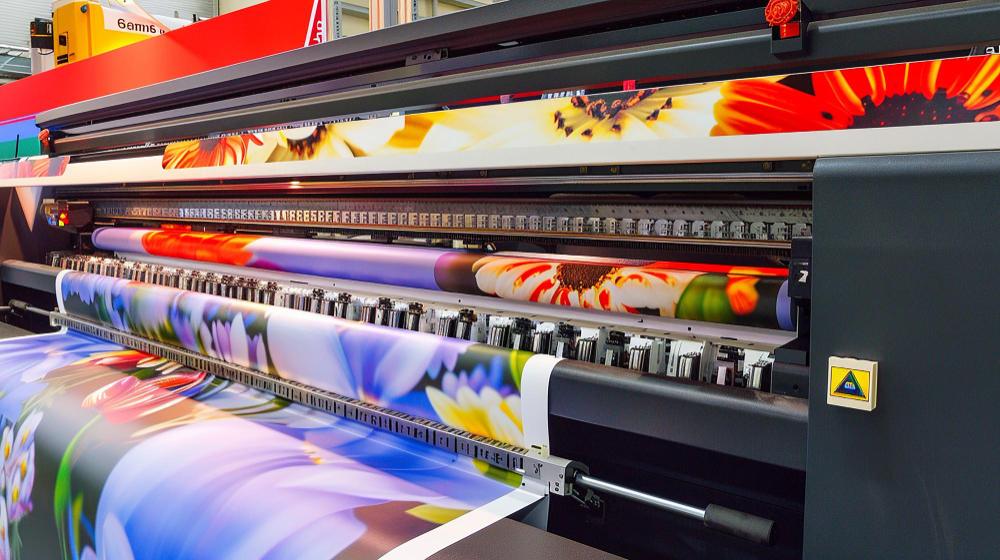
    Printing POD

    Popular Eco-Friendly Printing Methods

    Today, the printing industry is developing various new techniques to minimize waste, conserve energy, and use safe materials. Below are some standout printing methods that POD sellers should be aware of.

    Direct-to-Garment (DTG) Printing

    Imagine a traditional inkjet printer you use in the office, but upgraded to print directly onto a t-shirt, hoodie, or tote bag. That’s the core principle of DTG printing. This technology sprays ultra-fine droplets of ink directly onto the fabric fibers, allowing the ink to penetrate deeply and become part of the material, resulting in a soft, natural feel to the touch.

    Why DTG Is Environmentally Friendly

    • Water-Based Inks: This is the most significant sustainable advantage of DTG. Unlike traditional screen-printing inks like Plastisol, which are essentially liquid plastics, DTG inks are made from water, pigments, and safe additives. They are biodegradable, free from harmful volatile organic compounds (VOCs), and extremely safe for skin — even the sensitive skin of children. Most reputable DTG ink suppliers are certified with the OEKO-TEX® ECO PASSPORT, ensuring that every component of the ink is safe for both human health and the ecosystem.
    • Optimized for the POD Model: The essence of Print on Demand (POD) is “print only when there’s an order.” DTG perfectly aligns with this model, completely eliminating overproduction and excess inventory, two of the biggest sources of waste and pollution in the fashion industry.
    • Exceptional Water Conservation: Traditional screen printing requires a massive amount of water to mix chemicals and clean screens after each use. In contrast, DTG is a “dry process” that uses virtually no water, helping to preserve one of the planet’s most precious resources.

    Digital Transfer Film Printing (DTF)

    DTF is a breakthrough technology that offers exceptional flexibility. Instead of printing directly onto fabric, the design is first printed onto a special PET film. A layer of hot-melt adhesive powder is then applied and dried. Finally, the film is placed on the product and heat-pressed, permanently transferring the image from the film to the fabric.

    Why DTF Is Environmentally Friendly

    • Closed-Loop Process with Minimal Waste: DTF also uses safe, water-based inks. The adhesive powder application is carefully controlled, and any excess powder can be collected and reused, significantly reducing solid waste.
    • Versatility Across Multiple Materials: One of DTF’s greatest advantages is its ability to print on a wide range of materials  from cotton and polyester to blended fabrics, leather, and synthetic leather. This allows manufacturers and POD sellers to streamline operations with a single printing process for multiple product lines, reducing complexity and waste in production.

    Sublimation Printing

    This is the “magical” technology of the printing world, especially effective on polyester-based materials or items with a polymer coating, such as ceramic mugs, phone cases, and aluminum sheets. The design is first printed onto sublimation transfer paper using special sublimation ink. Under high heat and pressure, the ink transforms directly from a solid to a gas, permeating and bonding with the polymer molecules of the material to create a permanent image.

    Why Sublimation Printing Is Environmentally Friendly/h4>

    • Completely Water-Free Process: This is the standout advantage of sublimation printing. The entire process from printing on paper to heat pressing, does not use a single drop of water, making it one of the least “water-thirsty” printing methods available.
    • No Harmful Waste Produced: The ink is fully absorbed into the product, meaning there is no excess ink runoff or chemical wastewater to treat. Additionally, used transfer paper can be easily collected and recycled, further minimizing environmental impact.
    • Maximum Product Durability: Since the image becomes an integral part of the material, it will never fade, crack, or peel, even after multiple washes. A longer product lifespan reduces the need for frequent replacements, thereby decreasing consumer waste and promoting sustainability.

    Benefits of Eco-Friendly Printing Methods

    Eco-Friendly

    Adopting eco-friendly printing methods is not only beneficial for the planet but also brings numerous advantages to POD sellers.

    Conquering the Promising “Green Market” Segment

    Consumer behavior has shifted. People no longer just buy products — they invest in brands that share their values. According to the latest market reports updated through 2025, this trend is becoming increasingly evident:

    • 68% of global consumers are willing to pay a higher price for products made sustainably.
    • More than 50% of Gen Z and Millennial customers actively seek out and prioritize brands that demonstrate a clear commitment to environmental issues.

    These numbers don’t lie. By choosing clean printing technologies, you are directly opening the door to a large, loyal customer base willing to spend. They are not just buying your designs  they are buying into the story and commitment to sustainability that your brand represents, fostering trust and deep emotional connections.

    Building a Sustainable Brand with a Unique Story

    Amid thousands of POD stores, sustainability is the key weapon that helps you craft a brand story that cannot be replicated. Instead of competing solely on price or design, you compete through core values.

    An eco-friendly brand will:

    • Create a positive and professional impression:
      It demonstrates that you are a visionary business that cares about quality and long-term impact, rather than just chasing short-term profits.
    • Easily access demanding markets:
      Major markets with high purchasing power such as the EU, U.S., and Japan have strict regulations on product safety and environmental standards. Having products certified by international standards like OEKO-TEX or GOTS is not just a bonus  it’s a passport that allows you to confidently expand your business globally.

    Elevate Product Quality and Maximize Customer Satisfaction

    Green printing isn’t just good for the environment it directly enhances the quality of the products you deliver to your customers. Modern technologies like DTG printing with water-based inks provide an exceptional experience:

    • Safety: Products are free from harmful chemicals, making them safe for all skin types, including the sensitive skin of children.
    • Soft and Breathable Feel: Say goodbye to the stiff, plastic-like texture of outdated printing methods. The design blends seamlessly into the fabric fibers, ensuring maximum comfort for the wearer.
    • Outstanding Color Durability: Sharp, vibrant, and long-lasting prints that won’t crack or peel even after multiple washes, reducing return rates and earning countless 5-star reviews.

    Unlock Marketing Potential and Content Creativity

    The story of sustainability is a goldmine of content for your marketing efforts. You can easily create engaging campaigns, such as:

    • Adding “Eco-Friendly Ink” or “Sustainable Printing” badges to product pages to boost conversion rates.
    • Writing “Behind the Scenes” blog posts showcasing your clean printing process.
    • Producing short videos that compare the soft, comfortable feel of water-based ink prints with other printing methods.

    This level of transparency not only educates customers but also turns them into natural brand ambassadors, helping to spread your brand’s story authentically.

    Applications in the POD Industry and Modern Printing

    printing

    The POD industry is experiencing a surge in demand for eco-friendly solutions. Sellers can seize this opportunity by integrating environmentally friendly printing methods into their business operations.

    Start with the Foundation: Sustainable Products and Designs<

    To create a truly 100% eco-friendly product, you need to perfectly combine both the “body” and the “soul.”

    • Choose Green POD Products: Actively seek out and prioritize blanks with sustainable origins. Top choices include t-shirts made from 100% organic cotton, tote bags crafted from recycled canvas, or hoodies woven from bamboo fibers. This approach not only reduces environmental impact but also provides a premium, safer experience for customers.
    • Practice Smart Design Management: While most modern POD providers require RGB files to optimize color output, you can still design with intentionality and sustainability in mind. Avoid overly intricate or unnecessary tiny details to minimize ink usage and streamline production time.  Always use digital mockups to preview how your designs appear across different garment colors before moving forward with production, ensuring both efficiency and quality.

    Partnering with a Professional Fulfillment Provider

    Your fulfillment partner is the heart of your POD store. A partner committed to sustainability will be the driving force that helps you bring your strategy to life. Look for providers that offer:

    • Modern Printing Technology: Utilizing DTG and DTF production lines with internationally certified water-based inks.
    • Green Operations Policies: Prioritizing recycled packaging and optimizing packing processes to minimize plastic use and waste.
    • Transparent Commitments: Willing to share details about the environmental certifications they have achieved.

    FlashShip is proud to be one of the industry pioneers, offering not only unmatched speed production starting from just 1 day and U.S. domestic shipping from 2 days with our Expedite Line but also a solid foundation for sellers to build sustainable, long-lasting brands.

    Spread the Story: Green Marketing and Communication

    Don’t keep your sustainability efforts to yourself turn them into powerful marketing stories:

    • Share Your Product Story: In product descriptions, briefly explain the clean printing process and the benefits of using water-based inks.
    • Use “Green Labels”: Add badges like “Eco-Friendly Printing” or “Printing Sustainably” to images and marketing videos to instantly grab attention.
    • Leverage Key Events: Create special collections and marketing campaigns around occasions such as Earth Day or Plastic-Free July to showcase your brand’s commitment and attract like-minded customers.

    Choosing and applying eco-friendly printing methods is no longer just a passing trend it has become a long-term strategy that helps POD sellers enhance product quality, attract environmentally conscious customers, and build a sustainable brand. A green printing process delivers dual value: protecting the planet while increasing profitability.

    If you’re looking for a reliable POD fulfillment partner to support your journey toward sustainable business growth, FlashShip is your top choice. With comprehensive solutions  from eco-friendly printing, quality control, and sustainable packaging to fast shipping starting from just 2 days FlashShip helps sellers save costs, reduce order processing time, and scale their business effectively.

    For more details or to create an account with FlashShip, please contact our hotline at (+84) 943 024 337 or visit seller.FlashShip.net for dedicated support.
  • RGB vs CMYK: Key Differences for POD

    RGB vs CMYK: Key Differences for POD

    In the Print on Demand (POD) industry, understanding color is critical. A t-shirt design that looks vibrant and stunning on screen can print with color shifts, washed-out tones, or results that don’t meet expectations leaving customers disappointed and directly affecting both sales and brand reputation.

    One of the most common causes lies in the color mode you use: RGB and CMYK. So, what are RGB and CMYK? How do they differ, and how do they impact POD print quality? This article takes a detailed look and provides practical guidance that POD sellers can apply to their businesses.

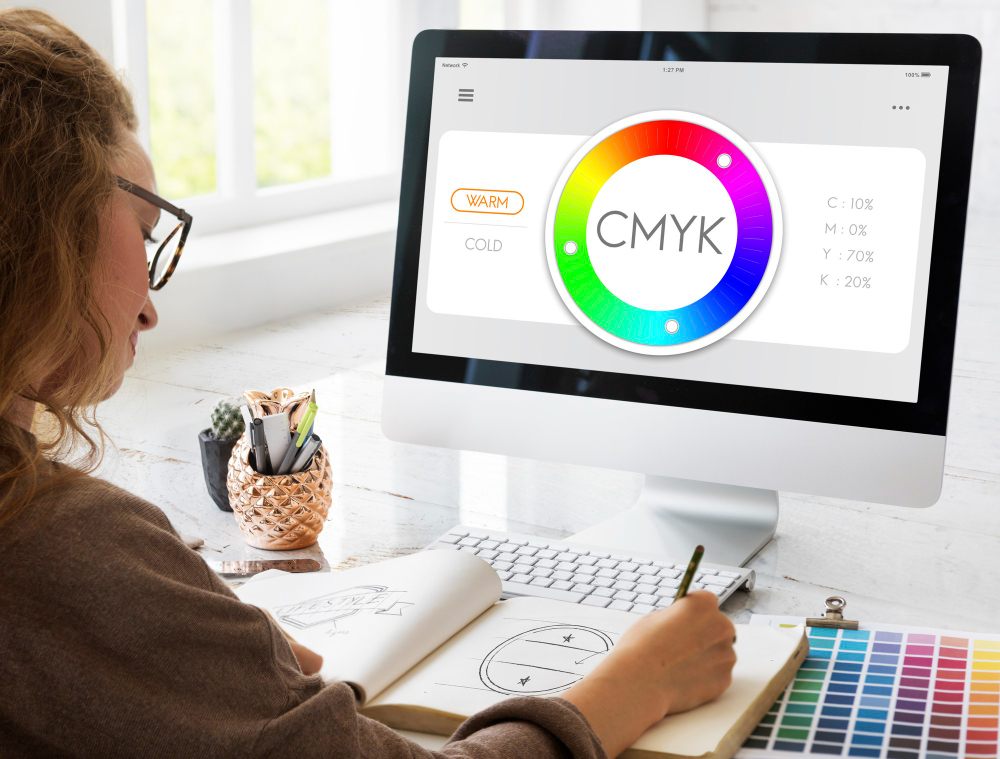
    CMYK & RGB

    What is RGB?

    RGB

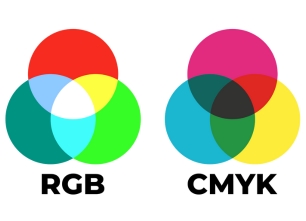
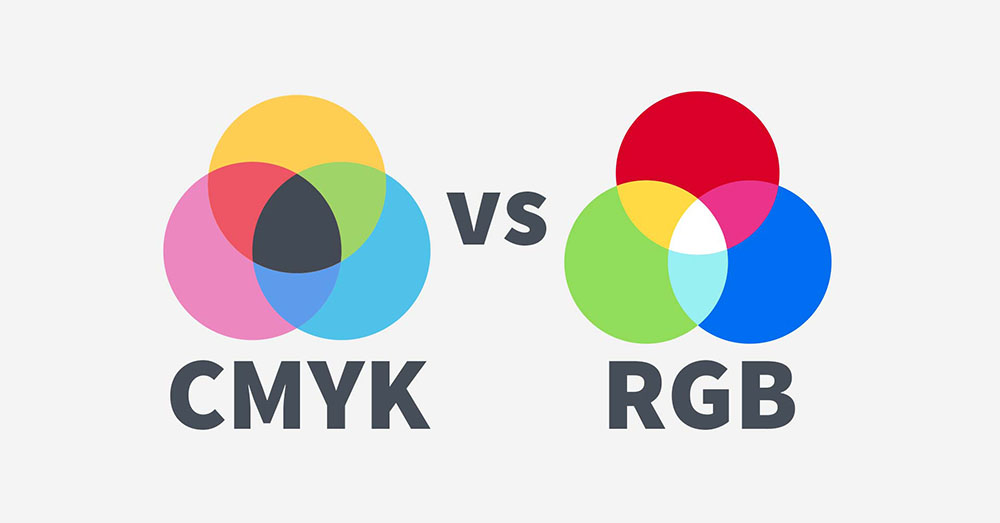
    RGB stands for Red, Green, and Blue. It is an additive color model that works based on the principle of emitting light.

    Imagine you are in a completely dark room.

    • If you shine a red flashlight, you will see red light.
    • If you then shine a green flashlight, the overlapping area will appear brighter and create yellow light.
    • When you shine red, green, and blue lights together at full intensity on the same spot, you will see pure white light.
    • Conversely, when there is no light at all (all three colors are at 0 intensity), you get black.

    How RGB Works:

    • Mechanism: Combining light sources to create colors.
    • Color Gamut: Very wide, capable of displaying millions of vibrant, vivid colors.
    • Primary Applications:
      • Digital display devices such as computer monitors, smartphones, TVs, and digital cameras.
      • Online advertisements, website banners, and social media graphics.

    In essence, anything you see on a screen is displayed using the RGB color model. This explains why your designs look so bright and vibrant when viewed on electronic devices.

    What is CMYK?

    CMYK

    CMYK stands for Cyan, Magenta, Yellow, and Key. In this context, “Key” refers to black, which is used as the primary color to increase contrast and depth, while also saving ink instead of mixing the other three colors to create dark tones. CMYK is known as a subtractive color model.

    Unlike RGB, CMYK works by subtracting (absorbing) light. Imagine printing on a sheet of white paper:

    • White paper reflects all light.
    • When you print a layer of cyan ink, it absorbs red light and only reflects green and blue light back to your eyes.
    • Similarly, magenta ink absorbs green light, and yellow ink absorbs blue light.
    • By combining (layering) these inks in different ratios, a wide range of colors can be produced.

    In theory, mixing cyan, magenta, and yellow together should create black. However, in reality, this mixture results in a dark brown color. This is why black ink (Key) is added to produce a true, deep black.

    Key Characteristics of CMYK:

    • Mechanism: Subtracting light from a white surface to create colors.
    • Color Gamut: Narrower than RGB. CMYK cannot reproduce all bright, vivid colors, especially neon shades, as well as intense greens and blues that you see on digital screens.
    • Primary Applications:
      • All physical printing products, such as books, magazines, business cards, and posters.
      • Most importantly, POD products like t-shirts, mugs, tote bags, and more.

    Comparing RGB and CMYK in POD

    In Print on Demand (POD), understanding the differences between RGB and CMYK is key to ensuring product quality. The table below provides a clear side-by-side comparison:

    Factor RGB (Screen Display) CMYK (Printing)
    Full Name Red – Green – Blue Cyan – Magenta – Yellow – Black
    Operating Principle Additive Color Model Subtractive Color Model
    Color Range (Gamut) Wide, capable of displaying millions of vibrant colors Narrower, some colors cannot be reproduced
    Primary Use Digital designs, on-screen visuals Printing physical products
    White Color Combination of all three colors at maximum intensity No ink applied, white paper shows through
    Black Color Absence of light Combination of all four inks
    Printing Accuracy Not accurate for printing Accurate and true to real-life colors

    The core difference between RGB and CMYK lies in their color gamut, or the range of colors each system can represent. The RGB color space is significantly larger than CMYK. This means that many vibrant, vivid colors you create in RGB on your computer screen are completely outside the reproducible range of a printer using CMYK inks.

    This is the root cause of most color issues in the POD industry. When you send a design file in RGB to a POD provider, their printing system—which operates in CMYK—must automatically convert the colors. During this conversion, any colors that fall outside the CMYK range will be replaced with the closest possible match.

    The result?

    • Duller, less vibrant colors: Bright blues, greens, oranges, and pinks that pop on screen will look darker and more muted when printed.
    • Unexpected color shifts:
      • A vibrant lime green may turn into an olive green.
      • A neon pink might become a pale, dusty pink.

    This not only affects the visual appeal of your product but can also lead to customer disappointment, resulting in negative reviews, refund requests, and ultimately harming your store’s reputation and revenue.

    When to Use RGB and When to Use CMYK in POD

    Knowing when to use RGB and CMYK is crucial to ensure your POD products look just as amazing in real life as they do in your designs. However, in today’s modern POD industry, the answer may surprise you. The rule is no longer as simple as “design in RGB, print in CMYK.”

    When to Use RGB

    For most POD sellers, the RGB color mode (specifically the sRGB color space) should be your go-to choice throughout the entire process from the initial concept to uploading your final design files to your POD provider’s platform.

    RGB is the optimal choice in these scenarios:

    • Design and creativity: Leverage RGB’s wide color range to create vibrant, eye-catching designs with neon effects, bright gradients, and intricate details that really pop on screen.
    • Digital display: Perfect for creating advertising banners, social media posts, and especially product mockups for platforms like Etsy, Amazon, and TikTok Shop. These visuals are always displayed in RGB, ensuring they look sharp and appealing to potential customers.
    • Preparing print files for upload: This is the most important point. Most leading POD providers require you to upload files in RGB format. Their systems use specialized RIP (Raster Image Processor) software to convert colors from RGB to CMYK in the most optimized way for their specific printers, inks, and materials. This ensures the final printed product is as accurate as possible without you needing to manually manage the conversion process.

    When to Use CMYK

    You only need to work with CMYK color mode in two specific situations:

    • When your POD provider explicitly requires it: Some providers or certain printing processes-such as offset printing for bulk orders-may request files in CMYK format. Always carefully review your provider’s design guidelines to ensure your files meet their exact specifications.
    • For color checking (Soft Proofing): Use your design software’s CMYK preview mode (e.g., in Photoshop or Affinity Designer) to simulate how your colors will shift when printed. This helps you identify vibrant RGB colors that may become muted or dull when converted to CMYK and make adjustments to your design accordingly.
    • Important note: This is only for checking purposes. The final file you upload to your POD provider should still be saved in RGB format unless otherwise specified.

    Important Tips to Help POD Sellers Avoid Color Mismatch Issues

    Seller POD

    Turning your carefully crafted design into a high-quality POD product requires minimizing color mismatch errors. Below are key tips every POD seller should keep in mind to optimize print quality and ensure customer satisfaction.

    • Always Order Samples – The Unbreakable Rule: This is the most important real-world testing step that you should never skip. Even a perfectly color-calibrated screen can never reflect 100% accurately how colors will appear when printed on different materials such as fabric, ceramics, or plastic. Ordering samples allows you to see the print quality firsthand, evaluate color accuracy, and make necessary adjustments before moving into mass production.
    • Design Smart and Safe: Take a proactive approach to minimize risks right from the design stage.
    • Check mockups on multiple background colors: A vibrant design on a white shirt may appear dull or inaccurate on a black shirt. Always test your design on mockups with light backgrounds (white, pastel), dark backgrounds (black, navy), and neutral backgrounds (gray) to ensure it works well across different product colors.
    • Avoid out-of-gamut colors: Neon shades and overly vibrant blues and greens in the RGB color space are very difficult to reproduce accurately in print. Prioritize safer color ranges or use the Soft Proof tool to preview how the final printed result will look.
    • Choose a Reliable Fulfillment Provider: Print quality largely depends on your production partner. A professional provider like FlashShip can be a powerful ally by offering:
      • Expert consultation and design file checks before printing.
      • Printing equipment and inks that are regularly color-calibrated for accuracy.
      • Sample products at reasonable costs to test quality before mass production.
    • Manage Design Files Professionally: Instead of separating files into RGB and CMYK versions, maintain a single master file in sRGB format with high resolution (300 DPI). This file is your most valuable asset, used both for uploading to your fulfillment provider and for future edits. Keeping the file in sRGB ensures maximum compatibility with the workflows of most modern POD print facilities.

    Understanding and correctly applying the differences between RGB and CMYK is not just technical knowledge it is a critical foundation for ensuring your POD products meet high-quality standards and delight your customers.

    By mastering color principles, thoroughly checking designs before printing, and partnering with trusted providers like FlashShip, you are laying a solid foundation for the long-term success of your POD business.

    Remember, the ultimate goal is not just to create a stunning design on screen, but to deliver a professional, color-accurate, and durable final product that exceeds customer expectations.

  • 10+ T-Shirt Design Notes to Boost Your POD Sales

    10+ T-Shirt Design Notes to Boost Your POD Sales

    In the competitive world of Print on Demand (POD), a well-designed t-shirt does more than just catch the eye it directly impacts your sales performance. With thousands of products on e-commerce platforms like Etsy, Amazon, TikTok Shop, and Walmart, creating standout, trend-driven t-shirt designs is the key to seller success.

    This article will share 10+ essential design tips to help you not only improve product quality but also boost conversion rates and maximize revenue.

    DTF

    Basic Principles of POD T-Shirt Design

    Before diving into advanced tips, it’s essential to understand the basic principles of POD t-shirt design. These fundamentals serve as the foundation to ensure your products are high-quality and appealing to customers.

    T-Shirt Blank Quality

    Think of the t-shirt blank as a canvas and your design as the artwork. A poor-quality canvas can never do justice to a beautiful painting. Similarly, an outstanding design printed on a low-quality shirt with thin, easily stretched fabric will immediately diminish the product’s value and leave customers disappointed. This not only leads to negative reviews but can also harm your brand’s reputation in the long run.

    Choosing a reliable t-shirt blank supplier is crucial for success. Here are some of the most popular and trusted options among the POD seller community:

    • Gildan 5000: The “go-to” choice for many sellers, known for its affordable price, consistent quality, and classic fit. Perfect for bulk campaigns or targeting customers who prioritize budget-friendly options.
    • Bella + Canvas 3001: Known for its soft, lightweight, and breathable fabric, this shirt provides a premium, fashionable feel. It’s ideal for trendy designs aimed at younger audiences seeking style and comfort.
    • Comfort Colors 1717: True to its name, this shirt delivers exceptional comfort with its thick, durable fabric. It features a garment-dyed finish that creates a unique vintage effect, making it perfect for retro or nostalgic designs.

    Pro Tip: Don’t hesitate to order samples from suppliers. Feel the fabric yourself, check the stitching, and even wash the shirt to test colorfastness before deciding to make it a flagship product in your store.

    Technical Specifications

    A design that looks stunning on screen can turn into a disaster when printed if you don’t follow proper technical requirements. To ensure your prints are always sharp, vibrant, and free from blurriness or pixelation, keep these key points in mind:

    • Resolution: Always set your design file to a minimum resolution of 300 DPI (dots per inch). This is the gold standard in the printing industry to guarantee the highest image quality.
    • Dimensions: Use the recommended standard sizes provided by POD platforms. A common and safe size is 4500 x 5400 pixels, which is optimal for print areas on most t-shirt types.
    • Transparent Background: Save your design in PNG format with a transparent background. This allows you to apply the design to any shirt color without unwanted white or black boxes appearing behind the artwork.

    The Power of Color

    Color isn’t just for decoratio,  it has the power to evoke emotions and convey messages. A thoughtfully chosen color palette can make your design stand out and create a stronger connection with your customers.

    • Limit Your Color Palette: To keep your design professional and visually appealing, limit your color palette to 3–4 main colors.
    • Check Contrast Levels: Always test your design on mockups with both light and dark shirt colors. For instance, a black element will disappear on a black shirt. Make sure every detail remains visible and clear across various shirt colors to give customers more options.

    Understanding Your Target Audience

    Designing isn’t about creating something for yourself, it’s about creating for your customers. Before you start sketching, take time to research and answer these key questions:

    • Who are they? Consider their gender, age, occupation, interests, and who they follow on social media.
    • What do they care about? Identify the stories, quotes, or images that will resonate with them emotionally or make them laugh.
    • Why are they buying the shirt? Is it to express their personality, to give as a gift, or to wear at a specific event?

    Advanced Tips to Make Your T-Shirt Designs Stand Out

    Once you’ve mastered the basics, it’s time to elevate your designs and gain a competitive edge in the POD market.

    Optimize the “First Glance” to Capture Attention in 3 Seconds

    On e-commerce platforms, customers scroll through hundreds of products in just a few minutes. You only have about 3 seconds to grab their attention before they move on. That’s why your design needs to create an instant visual impact.

    • Create a strong focal point: The main element of your design—whether it’s an image or text should take up about 60–70% of the space and be positioned at the center. This creates a clear point of focus, allowing customers to grasp the message immediately.
    • Prioritize clarity: Use bold, large, and easily readable fonts that stand out even in thumbnail view. Avoid overly small details or thin lines that may disappear on a smaller screen.
    • Leverage the power of negative space: Don’t overcrowd your design with too many elements. Adequate spacing around key components makes the design look clean, professional, and draws attention to the core message.
      For example, a shirt with the bold text “DOG DAD” paired with a simple dog silhouette will be far more effective than a cluttered design with multiple images and tiny text.

    Stay Ahead of Trends

    Designing with trends in mind is one of the fastest ways to create seasonal bestsellers. However, staying on top of trends requires both agility and strategy.

    • Use smart tools:
      • Google Trends: Helps you identify keywords, topics, or events experiencing a surge in search volume. This is a goldmine for spotting potential “hot trends.”
      • Marketplace search tools (Etsy, Amazon): Type in a niche keyword (e.g., “vintage floral shirt”) and look at Bestseller listings. Analyze what they have in common in terms of color schemes, layouts, and styles.
      • Social media (Pinterest, TikTok, Instagram): These platforms are at the forefront of aesthetic trends. Search hashtags like #tshirtdesign or #styleinspo for endless inspiration on what styles are currently popular.
    • Plan ahead for major holidays:
      Events like Halloween, Christmas, Mother’s Day, and Valentine’s Day are peak seasons for POD. Prepare and upload relevant designs at least 1–2 months in advance. This gives your products enough time to be indexed by marketplace algorithms and displayed to customers right when demand spikes.

    Professional Typography

    In text-based designs, typography is the soul of your artwork. The right font can elevate the entire design, while the wrong choice can ruin it completely.

    • Invest in high-quality fonts: Use professionally designed fonts that ensure readability and have clear commercial licensing.
    • Match the theme: Choose fonts that reflect the “personality” of your message.
      • Example: Handwritten fonts work well for vintage or retro themes, while bold, sans-serif fonts like Montserrat or Bebas Neue are ideal for minimalist or inspirational designs.
      • Avoid fonts that are too thin, making them hard to read when printed, or overly ornate, which can appear cluttered and distracting.

    Diversify Your Options

    Don’t limit your customers. The same design can appeal to different audiences simply by offering it on a variety of shirt colors. Providing multiple color options increases the chances of closing a sale, as customers are more likely to find a version that suits their personal style.

    Make sure your design looks great on at least three color groups:

    • Light colors: White, cream, and pastel shades (light pink, mint green).
    • Dark colors: Black, navy blue, deep olive green.
    • Neutral colors: Gray, charcoal, beige.

    Optimize for Production (Fulfillment)

    POD

    A perfect design should ensure a smooth printing process. Production errors not only increase costs but also reduce customer satisfaction.

    • Follow the Safe Area Guidelines: Always keep important elements of your design within the safe print area specified by your fulfillment provider. This prevents parts of your design from being cut off during the printing process.
    • Check diverse mockups: Don’t just preview your design on t-shirts. Test it on other products you plan to sell, such as hoodies, sweatshirts, and tote bags. A design that looks great on a t-shirt may need size or placement adjustments to fit a hoodie with a front pocket.
    • Consider DTG printing limitations: DTG (Direct to Garment) is the most common printing method in POD. However, it may struggle with ultra-fine details, overly complex gradients, or transparency effects. Keep your design clear and straightforward to ensure the final print maintains the highest quality.

    Common Mistakes to Avoid in POD T-Shirt Design

    A great design can drive breakthrough sales, but even a small mistake can ruin everything. For POD sellers, recognizing and avoiding common pitfalls is crucial for success.

    Here are some classic mistakes you should keep top of mind to ensure your designs stay on track.

    Overly Complicated and Hard-to-Read Designsp

    In the digital world, you only have 3–5 seconds to grab a customer’s attention as they scroll through products. A design that’s overloaded with details, overly complex, or has a confusing message will be quickly ignored.

    • Customer mindset: Shoppers are looking for a shirt that clearly expresses their personality or delivers a message they can connect with instantly. If they have to “decode” your design, they’ll simply move on to a simpler, more straightforward option.

    Solutions:

    • Prioritize simplicity: Focus on a single idea, one main visual element, or one strong slogan.
    • Leverage negative space: Give your design “room to breathe.” This helps highlight the main element and creates a clean, professional look.
    • Ensure readability: Choose fonts that are clear and legible, even from a distance or when viewed as a small thumbnail. Also, check the contrast between text/image colors and the shirt background to make sure everything is easy to see.

    Using Copyright-Infringing Images

    This is the most serious mistake you can make, it’s like a “death sentence” for your POD business. Copyright infringement can lead to your shop being permanently banned from platforms like Merch by Amazon, Etsy, TikTok, Redbubble, and more. Worse, it can result in costly legal issues.

    Content you must absolutely avoid:

    • Logos, characters, or symbols from Disney, Marvel, DC Comics, Nintendo, etc.
    • Names or logos of well-known brands (Nike, Adidas, Gucci), sports teams, or music bands.
    • Quotes from movies, song lyrics, or copyrighted books.
    • Images of celebrities or politicians without explicit permission.

    Safe solutions:

    • 100% original designs: The most sustainable and safest approach is to create everything yourself.
    • Use legal resources:
      • Free resources for commercial use: Unsplash, Pexels (for photos), Freepik, Pixabay (with free options).
        Note: Always read the license terms carefully before using.
      • Paid resources: Creative Fabrica, Vexels, and Envato Elements are excellent platforms with massive libraries of graphics designed specifically for POD sellers. The investment is minimal compared to the risks of copyright violations.

    Not Checking Mockups Before Listing

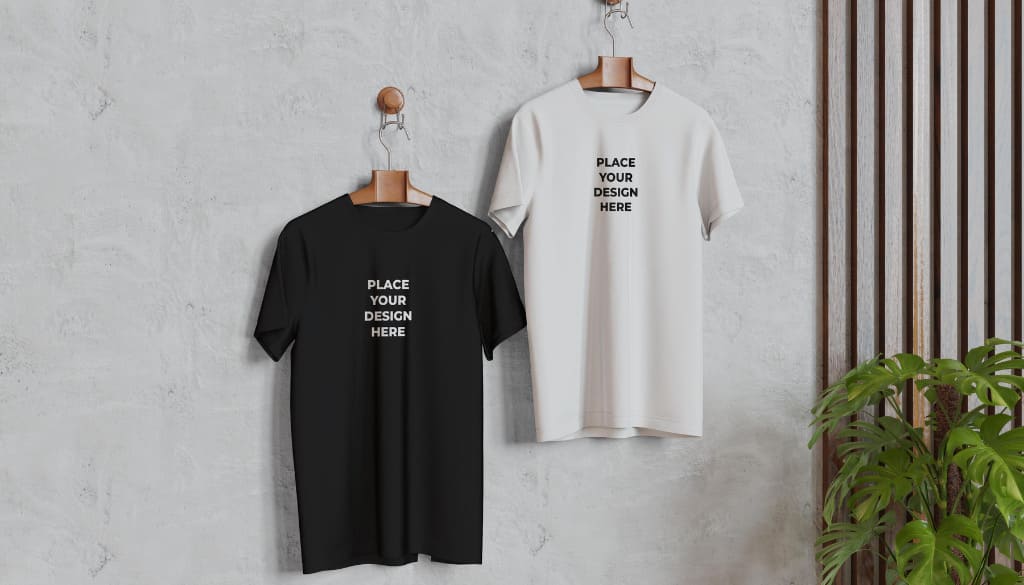
    A mockup is a visual representation of your design on an actual product. Skipping this step is like selling a house without showing any pictures. Without mockups, customers can’t visualize the scale, colors, or placement of your design on the shirt, which significantly lowers your conversion rates.

    Why mockups matter:

    • Build trust: High-quality, realistic mockups make your product look professional and credible.
    • Visualize the product: Help customers imagine what they’ll look like wearing the shirt.
    • Catch design errors: Identify issues such as a design being too large or too small, poorly placed, or having colors that don’t match well with the shirt color.

    Solutions:

    • Always prepare at least 3–5 mockup images for each product, showing different angles and contexts (e.g., flat lay mockups, model wearing mockups).
    • Ensure the mockup colors are accurate and consistent with the actual color options provided by your supplier.
    • Use tools like Placeit or professional PSD mockup files to create attractive and realistic product images.

    Lack of Style Consistency (Brand Identity)

    A store where every product has a completely different style for example, one minimalist design, one cartoon chibi design, and one retro design can confuse customers and fail to establish a recognizable brand identity.

    Why consistency matters:

    Consistency helps build brand recognition, foster a loyal customer base that loves your style, and encourages repeat purchases.

    Solutions:

    • Identify 2–3 core styles that you do best and that align with the niche market you’re targeting.
    • Develop a basic brand identity system, including a consistent color palette, a few signature fonts, and a cohesive illustration style applied across all designs.

    When customers see one of your designs, they should immediately recognize it and think, “Oh, that’s from Shop X!”  and that is the ultimate goal of building a strong brand.

    Tools & Inspiration for T-Shirt Design

    DTF

    Turning ideas into best-selling products requires the right design tools and a constant source of creative inspiration. Whether you’re a beginner or an experienced designer, the following “weapons” will help you streamline your workflow and boost your sales.

    Must-Have Design Tools

    Choosing the right tools directly impacts both the efficiency and quality of your designs.

    • Canva:
      The perfect choice for beginner sellers. With its intuitive drag-and-drop interface and vast resource library, Canva makes it easy to create professional-looking typography designs quickly and effortlessly.
    • Adobe Photoshop & Illustrator:
      The industry-standard duo for those who want full creative control.

      • Illustrator excels at creating sharp vector graphics, ideal for logos and slogans.
      • Photoshop is powerful for photo editing and complex visual effects.
    • Placeit:
      A lifesaver for creating high-quality mockups. This platform offers thousands of realistic t-shirt mockup templates, making your products look professional and attractive without needing photography skills.
    • Procreate (iPad):
      Perfect for those who love hand-drawn illustration. Procreate allows you to create exclusive, custom artwork, helping your brand stand out from competitors with truly unique designs.

    Endless Sources of Design Inspiration

    Powerful tools are most effective when paired with breakthrough ideas. Here are some platforms to help you spark creativity and stay ahead of trends:

    • Pinterest & Etsy:
      Two absolute goldmines for market research and t-shirt design inspiration.

      • Pinterest is perfect for exploring visuals, color palettes, and typography trends.
      • Etsy allows you to see which products are actually selling well within your niche.
    • TikTok & Instagram:
      The birthplace of viral trends.

      • Follow trending videos, memes, and hot topics to capture market demand and create timely, shareable designs with high viral potential.
    • Dribbble & Behance:
      Communities of professional designers where you can level up your design mindset.

      • Learn advanced layout techniques, master color combinations, and draw inspiration to create high-quality, standout products.

    Tailored T-Shirt Design Tips for POD Sellers

    To maximize profits and build a sustainable POD brand, sellers need more than just attractive designs they need a smart strategy. Apply these specialized t-shirt design tips to stand out and thrive in the competitive POD market.

    Always Test Samples Before Selling

    In the POD model, you don’t physically handle the products, so ordering a few samples is a wise investment to ensure quality.

    • Check print quality and fabric feel firsthand.
    • Verify color accuracy compared to the mockup.
    • Assess print placement and durability after washing.

    A high-quality product will help you earn 5-star reviews, build customer trust, and reduce the risk of returns and refunds.

    Plan Your Designs Around Seasonal Sales

    Don’t wait until the last minute! POD sales skyrocket during major holidays, so planning ahead is essential.

    • Prepare your designs 1–2 months in advance for peak seasons like Valentine’s Day, Mother’s Day, Halloween, and especially Christmas.
    • Early preparation gives you time to brainstorm creatively, organize marketing campaigns, and capture market share as soon as demand spikes.

    Use Data to Optimize Your Designs

    Avoid designing based on guesswork.

    • Monitor top-selling products on major platforms to understand current trends.
    • More importantly, analyze FlashPOD data to determine which designs your customers love most and which shirt colors are your current best-sellers.

    Data is your compass for success, guiding you to replicate winning designs while phasing out underperforming products.

    Make the Most of FlashShip’s Support

    FlashShip isn’t just a fulfillment partner it’s a launchpad for your success. Take advantage of the FLASHSTART program and receive $20 FREE to get started with zero risk. Use this credit to:

    • Test fulfillment quality: Order samples to personally experience fast shipping (just 1–2 days) and accurate, platform-ready tracking systems.
    • Send products to influencers: A powerful marketing strategy to get authentic review videos that attract new customers.

    In today’s highly competitive POD world, t-shirt design goes beyond aesthetics  it’s a strategic business tool that can determine your shop’s success. A standout, high-quality design helps you build a strong brand identity, win loyal customers, and skyrocket sales, especially during peak holiday seasons.

    Start today by researching the market, choosing the right design style, optimizing every product detail, and applying the insights shared in this guide. Each design isn’t just a t-shirt  it’s a story and a brand value you deliver to your customers.

    FlashShip is committed to walking alongside you at every step  from providing high-quality blanks and cutting-edge printing technology, to U.S. domestic shipping starting from just 2 days, and an intelligent, easy-to-manage fulfillment system. We’re more than a partner; we’re the launchpad that helps POD sellers conquer the global market.

    For product consultation, design advice, or to create an account and start your POD business, contact us today at (+84) 943 024 337 or visit FlashShip.net for dedicated support.
  • What is Personal Branding? How to Apply It to Succeed with POD

    What is Personal Branding? How to Apply It to Succeed with POD

    In the competitive world of Print on Demand (POD), having great products and competitive prices alone isn’t enough to ensure long-term success for sellers. What truly sets you apart is personal branding. This goes beyond just a shop name or logo it’s the image, values, and story you build that make customers remember and trust you. So, what exactly is personal branding, and how can you apply it effectively to your POD business? This article will help you understand the concept, its importance, and the key steps to developing a strong personal brand that drives revenue growth and builds a sustainable business.

    What is Personal Branding?

    Personal branding is the combination of all your values, skills, experiences, and unique personality, expressed outwardly and imprinted in the minds of customers, partners, and the community.

    Simply put, it’s “what others say about you when you’re not in the room.”

    For a POD seller, personal branding goes far beyond just a logo or shop name. It’s the story behind your designs, the style you pursue, the way you engage with your customers, and the unique value you bring to your community.

    Why is Personal Branding Important in POD?

    In the world of POD, personal branding is what helps you stand out and differentiate yourself from countless other sellers. Here are four key reasons why personal branding plays a crucial role in POD:

    Build Trust and Establish Strong Credibility

    In online business, trust is the most valuable currency. Customers can’t touch or try the product before buying, so they are essentially betting on the seller’s reputation. They’re more likely to purchase from sellers who have a story, personality, and unique style rather than from an anonymous, lifeless store.

    By building your personal brand, you show customers the real person behind the designs. You share your inspiration, creative process, and the values you stand for. This creates a deep emotional connection, helping customers trust both your products and your message.

    That trust becomes the foundation for lasting relationships, turning one-time buyers into loyal, repeat customers who keep coming back.

    Attracting the Right Target Customers

    In reality, personal branding works like a magnet, naturally drawing in the group of customers who share the same “frequency” as you. When you clearly define and position your brand, it becomes much easier to reach people who genuinely love your style and are willing to pay for it.

    Example:

    • A shop that focuses on funny, quirky Halloween designs will naturally attract younger customers who enjoy humor, uniqueness, and are always on the lookout for one-of-a-kind holiday products.
    • On the other hand, a shop specializing in couple and family apparel with meaningful, heartwarming designs will become the go-to destination for customers seeking connection, love, and ways to capture memorable moments.

    Optimize and Reduce Long-Term Advertising Costs

    One of the biggest financial benefits of personal branding is its ability to reduce dependence on paid advertising. A strong brand allows you to generate sales through customer loyalty and community engagement, rather than constantly “burning money” on ads to chase new customers.

    When customers truly love your brand, they will actively follow you on social media, subscribe to your email list, and even recommend your products to friends and family. This natural traffic and word-of-mouth marketing are both highly effective and sustainable.

    Over time, this significantly lowers your marketing expenses, increases your profit margins, and helps you build a more stable and scalable business.

    Building a Sustainable POD Career

    The POD market is constantly evolving. Design trends come and go, and selling platforms like Etsy, Amazon, and TikTok Shop can change their algorithms at any time. If your business relies solely on trends or a single platform, it becomes highly fragile and unstable.

    Your personal brand is the most solid asset you own the foundation for long-term growth. Even when product trends shift, loyal customers will continue to support you because they resonate with your story, style, and the values you represent.

    Personal branding is what enables you to retain customers, navigate market fluctuations, and build a POD business that stands the test of time.

    Key Elements to Build a Personal Brand for POD Sellers

    To create a successful personal brand, POD sellers need to focus on the following core elements:

    Step 1: Self-Discovery and Brand Positioning

    • Self-reflection: Who are you? What are your passions? What are your greatest strengths? How do you want to be perceived by others?
    • Identify your target audience: Who do you want to serve? What are their interests, pain points, and desires?
    • Write a brand statement: Summarize the above into a few short, concise sentences to clearly define your brand identity and positioning.

    Step 2: Build Your Online “Home”

    • Optimize your store: Your store name, logo, banner, and product descriptions should clearly reflect your story and style. Use high-quality, consistent mockup images to create a professional and cohesive brand presence.
    • Choose the right social media channels: You don’t need to be everywhere. Focus on 1–2 platforms where your target customers are most active.
      • Example: Instagram or Pinterest for visual content, Facebook for community building, and TikTok for creative videos.

    Step 3: Create and Share Valuable Content

    • Don’t just sell: Share useful, entertaining, and inspiring content related to your niche to engage your audience.
    • Show behind-the-scenes glimpses of your idea generation and product design process.
    • Write blog posts on topics your customers care about.
    • Create videos showcasing behind-the-scenes moments or styling tips using your products.
    • Host contests or surveys to boost interaction and engagement.
    • Use storytelling: Incorporate your brand’s story into posts and product descriptions to build a deeper emotional connection with your audience.

    Step 4: Engage and Build a Community

    • Be proactive in communication: Respond to every comment and message sincerely and promptly to show customers you value them.
    • Encourage user-generated content (UGC): Ask customers to share photos of themselves using your products and tag your brand. This serves as the most powerful form of social proof.
    • Connect with influencers: Collaborate with KOCs/KOLs in your niche to promote your products and strengthen your brand presence.

    Common Mistakes to Avoid

    • Lack of consistency: Switching between being fun and humorous one moment and serious and professional the next can confuse customers and make it hard for them to understand your brand identity.
    • Copying others: It’s fine to take inspiration, but directly copying someone else’s style or ideas will only make you a forgettable imitation.
    • “Forgetting” your brand after setting it up: Building a brand is an ongoing process. You need to regularly engage, refresh your content, and listen to customer feedback.
    • Talking more than doing: Don’t just talk about your values — show them through your actions, the quality of your products, and your customer service.
    • Being afraid to show personality: Don’t be afraid to let the world know who you are. Your uniqueness and authenticity are what truly make your brand stand out.

    In the world of POD, products can be copied, but your personal brand is one of a kind. By building a strong personal brand, you’re not just selling a t-shirt or a mug you’re selling a story, a lifestyle, and a piece of who you are.

    Start building your personal brand today to create a POD business that’s not only profitable but also meaningful and sustainable.

  • Best Hoodies for Printing – Durable, Stylish, Easy to Sell

    Best Hoodies for Printing – Durable, Stylish, Easy to Sell

    In the Print on Demand (POD) market, hoodies are consistently among the top-selling products year-round, with sales especially booming during the fall and winter seasons. Thanks to their versatility, fashion appeal, and limitless design possibilities, hoodies are a top choice for both consumers and POD sellers. However, to optimize product quality and boost sales potential, selecting the best blank hoodies for printing is a crucial first step.

    This article will guide you through how to choose POD-ready hoodies, introduce top high-quality hoodie options, analyze suitable printing technologies, and provide practical tips to help you build a sustainable, profitable POD shop.

    Discover the best blank hoodies for printing – stylish, durable, easy to sell. Tips to choose POD-ready hoodies to boost sales.

    Criteria for Choosing the Best Blank Hoodie for Printing

    Before selecting a hoodie style to sell, sellers need to carefully consider several key factors. A good hoodie isn’t just about looking great it must also be suitable for printing, provide a comfortable experience for customers, and maximize profits for sellers.

    Fabric Material

    The fabric is the heart of a hoodie. It directly impacts how it feels when worn, its durability, and most importantly, how well it absorbs ink from different printing methods.

    100% Cotton (Ringspun Cotton)

    • Advantages: Soft, smooth surface with excellent breathability and moisture absorption. This is the “king” material for DTG (Direct-to-Garment) printing, allowing ink to deeply penetrate each fiber. The result is vibrant colors, sharp details, and a natural, soft feel.
    • Disadvantages: More prone to wrinkling, slight shrinkage after the first wash, and generally higher cost.
    • Best for: Brands focusing on premium quality and customers who prefer a natural feel, especially designs with complex, multicolor DTG prints.

    50% Cotton / 50% Polyester (Cotton-Poly Blend)

    • Advantages: This is the most popular and versatile combination. Cotton offers softness and breathability, while polyester improves durability, wrinkle resistance, shape retention, and keeps colors vibrant. The smooth surface makes it compatible with various printing methods.
    • Disadvantages: Less moisture-wicking than 100% cotton. With DTG printing, colors may be slightly less vibrant, but it works perfectly with DTF (Direct-to-Film), which has been gaining popularity.
    • Best for: Most POD sellers. It strikes a perfect balance between quality, durability, price, and printing flexibility.
      • Example: Gildan 18500 Heavy Blend™ is a classic choice with this golden ratio.

    80% Cotton / 20% Polyester (High Cotton Ratio)

    • Advantages: Offers a premium, soft feel similar to 100% cotton while maintaining the strength and shrink resistance of polyester. The outer surface is mostly cotton, making it excellent for printing.
    • Disadvantages: Usually priced higher than the 50/50 blend.
    • Best for: Brands positioning themselves at a slightly higher-end market segment, delivering the best customer experience.

    Popular Hoodie Fabrics in Vietnam

    French Terry
    • Features: Smooth on one side, with looped yarns on the other resembling fish scales.
    • Benefits: Moderate thickness, structured form, breathable, ideal for Vietnam’s climate. The smooth surface is excellent for printing.
    Fleece
    • Features: Smooth exterior with a brushed, fluffy interior that provides exceptional warmth and softness.
    • Benefits: Perfect for winter hoodies, offering superior coziness.
    • Note: Choose high-quality fleece to prevent pilling, which can affect the hoodie’s look and feel.

    Summary:

    Selecting the right blank hoodie is a crucial step for POD sellers. The fabric composition determines print quality, customer satisfaction, and long-term brand reputation. Whether you choose 100% cotton, a balanced 50/50 blend, or a premium 80/20 mix, always ensure the material aligns with your target market, printing method, and brand positioning.

    Fabric Weight (GSM)

    GSM (Grams per Square Meter) is the measurement used to determine the weight of the fabric. It directly affects the hoodie’s thickness, warmth, and overall premium feel.

    • Lightweight (Below 250 GSM):
      Thin and lightweight, ideal for summer hoodies or as layering pieces.
      Note: May lack a premium feel and can be prone to puckering when embroidered.
    • Midweight (250 – 340 GSM):
      The most common and ideal weight range.
      Provides a solid, high-quality feel, good warmth, structured fit, and works perfectly for all printing and embroidery techniques.
      Example: The Gildan 18500, with a weight of approximately 271 g/m², is a perfect representation of this category.
    • Heavyweight (Above 340 GSM):
      Thick and warm, offering a luxurious and high-end feel.
      Often favored by premium streetwear brands.
      Note: Higher cost and can feel too warm for the climate in many parts of Vietnam throughout most of the year.

    Style and Fit

    • Classic Fit:
      A standard straight cut, not too tight, not too loose.
      A safe, versatile option that works well for all customer groups.
    • Oversize/Relaxed Fit:
      A leading trend among younger consumers in Vietnam.
      Features dropped shoulders and a loose, roomy silhouette for a comfortable and stylish look, perfect for hiding body imperfections.
      Tip: Provide a clear sizing guide when selling this fit to avoid confusion.
    • Key Hoodie Details
      • Double-Lined Hood:
        Helps the hood maintain its shape and gives a more premium appearance.
      • Color-Matched Drawcord:
        Adds a refined and cohesive look to the design.
      • Kangaroo Pocket:
        A must-have detail that enhances functionality — ensure the seams are sturdy and durable.
      • Ribbed Cuffs and Waistband:
        Ideally blended with Spandex to improve stretch and prevent sagging over time.

    Fabric Surface and Printability

    A great hoodie for printing must have a smooth, even fabric surface made from high-quality yarns. Ring-spun yarns create a softer, finer texture with fewer loose fibers compared to regular yarns, allowing the ink to adhere evenly and produce sharp, vibrant prints. Fabrics made using Air Jet spinning technology also help reduce pilling and deliver a smoother surface for superior print results.

    Colors

    Ao hoodie

    Choose blank hoodie suppliers that offer a wide range of colors, but focus primarily on the core, best-selling shades:

    • Neutral Colors:
      Black, White, Sport Grey/Heather Grey, Navy Blue, Sand/Beige.
      These colors dominate sales because they are easy to style and make designs stand out.
    • Trendy Colors:
      Pastels, earth tones (brown, olive), and seasonal trending shades that change each year.

    Pricing & Base Cost

    Base cost (the original price of the product including printing costs) is a critical factor that directly affects retail pricing and determines your profit margin. An optimized base cost isn’t just a number, it’s a strategic competitive advantage.

    With a strong base cost, you gain flexibility and control over your pricing strategy, allowing you to:

    • Increase profit margins on every successful order.
    • Run promotions and discounts to attract more customers without significantly impacting profitability.
    • Compete effectively with countless other shops on highly competitive platforms like Amazon, Etsy, and especially TikTok Shop.

    For new sellers, selecting products with reasonable base costs and no Minimum Order Quantity (MOQ) should be the top priority. This approach helps reduce financial risk, giving you the confidence to experiment with different designs and products to find the “winning product” for your store.

    Top Blank Hoodies for Printing Today

    Based on the criteria above and our experience working with thousands of sellers, FlashShip recommends the following hoodie styles that have been proven for quality and popularity in the global POD market as well as in Vietnam.

    Gildan 18500 Heavy Blend™ Hooded Sweatshirt

    If there is one “undefeated” hoodie for POD, it’s undoubtedly the Gildan 18500. This hoodie is not only a best-seller but also considered an industry standard.

    • Material: 50% U.S. Cotton / 50% Polyester.
      This perfect blend combines the softness of cotton with the durability and wrinkle resistance of polyester.
      The inner layer features soft, warm fleece for superior comfort.
    • Fabric Weight: 271 g/m² (8.0 oz/yd²) – a midweight sweet spot that feels substantial and worth the price.
    • Fit: Classic unisex fit suitable for both men and women. Includes a double-lined hood, color-matched drawcord, kangaroo pocket, and Spandex-blended ribbed cuffs and waistband for durability and flexibility. Its fit and design are trusted globally, ensuring consistency for all sellers.

    Why POD sellers should choose Gildan 18500:

    • Outstanding print quality: The fabric is treated with Air Jet technology to significantly reduce pilling, providing a smooth canvas for both DTG (Direct-to-Garment) and DTF (Direct-to-Film) printing.
    • Competitive pricing: Gildan is well-known for delivering high-quality products at extremely affordable prices, allowing sellers to maximize profit margins.
    • Reliable supply chain: As one of the most widely used hoodies in the world, Gildan 18500 (especially through large partners like FlashShip) offers stable availability, ensuring your business won’t face disruptions even during peak sale seasons.
    • Trusted brand reputation: Customers in key markets like the U.S. and EU are already familiar with and confident in Gildan’s quality.

    FlashShip is proud to be an official distributor of authentic Gildan 18500 blanks, making it easier for Vietnamese sellers to access internationally recognized products and conquer global markets.

    Bella + Canvas 3719 Unisex Pullover Hoodie

    • Highlight: Fashion-forward with an incredibly soft and luxurious feel. Bella + Canvas is renowned for its Airlume combed and ring-spun cotton, offering unmatched comfort and a modern retail fit that appeals to style-conscious customers.
    • Material: Typically made from premium cotton/poly blends for a smooth, high-quality finish.
    • Best for: Fashion-focused brands targeting younger audiences who appreciate softness, style, and premium feel. Note: The price point is higher compared to Gildan.

    Champion S700 Double Dry Eco® Hooded Sweatshirt

    • Highlight: A heritage brand known for durability and legacy craftsmanship.
      The signature “C” logo on the sleeve adds extra value and appeal.
      The fabric is thick and sturdy, ideal for a premium feel.
    • Material: Commonly a 50/50 cotton-polyester blend, with part of the polyester made from recycled fibers.
    • Best for:
      Sellers who want to leverage Champion’s brand reputation, ideal for sportswear, retro, or streetwear designs.

    Local Manufacturers & Custom Options in Vietnam

    • Advantages:
      • Deep customization of materials (e.g., French terry or brushed fleece).
      • Freedom to choose colors and fit styles, such as oversize or relaxed fit.
      • Competitive pricing when producing in bulk.
    • Disadvantages:
      • Usually requires Minimum Order Quantities (MOQ), which doesn’t align well with the POD model where items are printed on-demand.
      • Quality and sizing inconsistency between batches can be a major risk for online sellers.
      • Quality control is challenging, especially when managing remotely.

    Popular Hoodie Printing Technologies

    Once you’ve chosen the right blank hoodie, the next step is selecting a printing method that brings your designs to life. Each printing technology has its own strengths and limitations, making it better suited for certain fabrics and business goals.

    DTG Printing (Direct-to-Garment)

    How it works:

    Similar to a paper inkjet printer, a DTG printer sprays water-based ink directly onto the fabric’s surface. The ink penetrates the fibers, creating a seamless, soft print.

    Advantages:

    • Can print complex, multicolor, and gradient designs with high detail and accuracy.
    • Soft, breathable print finish since the ink is absorbed into the fabric.
    • Ideal for the POD model because there are no upfront setup costs, and you can print starting from just one item.

    Disadvantages:

    • Works best on 100% cotton; performance decreases on cotton-poly blends.
    • Colors may appear less vibrant on dark fabrics, even with a white underbase layer.
    • Higher ink costs can increase the final product price.

    When to use DTG:

    Perfect for designs that are highly detailed, multicolored, or complex, especially when printing on hoodies with a high cotton content.

    DTF Printing (Direct to Film)

    In DTF

    This rapidly growing technology is considered a “game-changer” in the POD industry.

    How it works:

    The design is first printed onto a special PET film. A layer of heat-melt adhesive powder is then applied to the design. Finally, the film is heat-pressed onto the hoodie, where the adhesive melts and bonds the print securely to the fabric surface.

    Advantages:

    • Prints on almost any fabric type: Cotton, polyester, canvas, leather, and more — a major advantage over DTG.
    • Extremely vibrant and sharp colors, even on dark fabrics.
    • High durability: The print is flexible, resistant to cracking, peeling, or fading even after many washes.
    • No fabric pre-treatment required, making the process faster and more efficient.

    Disadvantages:

    • The print may feel like a thin layer on top of the fabric, which can feel slightly less breathable than DTG for large, solid designs.
    • Requires specialized equipment and precise workflow to maintain consistent quality.

    When to use DTF:

    Ideal for printing on 50/50 Cotton-Poly hoodies like Gildan 18500, when you need vibrant colors or designs with fine, intricate details. This is a highly flexible and efficient printing method for POD sellers.

    Screen Printing (Silk Screen Printing)

    How it works:

    Uses a mesh screen to apply each color of the design separately. Each color requires its own screen.

    Advantages:

    • Produces extremely durable and vibrant colors.
    • Very low cost per unit when printing in bulk (hundreds or thousands of pieces).

    Disadvantages:

    • High initial setup cost for creating screens.
    • Not suitable for multicolor designs or small batch production.
    • Not practical for POD models, which print on-demand, one order at a time.

    When to use Screen Printing:

    Best for mass production (e.g., company merch, event apparel) with simple, limited-color designs.

    Tips for POD Sellers

    Choosing the right blank hoodie and printing technology is just the beginning. To truly succeed, you need a smart business strategy that helps you grow sustainably and stand out in the competitive POD market.

    Find the Right Niche Market

    Don’t try to sell to everyone. Instead, focus on one specific target audience for better marketing and product relevance.

    • Hobby-based niches: Pets (dogs, cats), reading, gardening, yoga, gym, gaming, coding, etc.
    • Profession-based niches: Nurses, engineers, teachers, designers, etc.
    • Culture-based niches: Trending quotes, memes, retro styles, Y2K fashion, and other pop culture influences.
    • Event-based niches: Christmas, Halloween, Lunar New Year, and other special holidays or occasions.

    A clear niche helps you create personalized, appealing designs that connect deeply with your customers.

    Optimize Designs Specifically for Hoodies

    A hoodie is not just a t-shirt, it offers unique design spaces that you can leverage creatively.

    • Prime placements:
      • Left chest area: Perfect for logos or small, minimal designs.
      • Center back area: A classic, safe spot for larger, eye-catching artwork.
    • Avoid problem areas:
      • Don’t place important design elements across the pocket seams.
      • This can distort the design and reduce print quality.
    • Maximize hoodie real estate:
      • Use sleeves for vertical designs or text.
      • Add subtle, unique details to the hood area for a surprise element that helps your hoodie stand out.
    • Simplicity sells:
      • Minimalist designs are especially popular in today’s Vietnamese fashion trends.
      • Simple typography or line-art illustrations on neutral-colored hoodies tend to resonate well with buyers and are easy to pair with different outfits.

    By targeting the right niche and designing specifically for hoodies, POD sellers can create products that stand out, resonate with customers, and increase both sales and brand loyalty.

    Building a Smart Pricing Strategy

    Your profit can be calculated with the following formula:

    Profit = Selling Price – Base Cost (blank hoodie + printing cost) – Other Expenses (marketing, platform fees, etc.)

    • Market Research: Start by researching the current market prices to see how much your competitors are selling their hoodies for.
    • General Pricing Rule: Retail prices should generally be 40–60% higher than your base cost to ensure a healthy profit margin. Example: If your base cost is $20, you should price your hoodie between $33–$38.
    • Perceived Value: If you have a unique design or a strong brand, you can confidently set a higher price. The quality of the blank hoodie, such as Gildan 18500, can also increase perceived value, making customers more willing to pay a premium.

    Effective Marketing

    Focus on High-Quality Visuals

    • Create professional, attractive mockup photos of your hoodies.
    • Use models that reflect the style and preferences of your target audience to make the visuals more relatable.

    Sales Channels

    • Facebook & Instagram:
      • Run targeted ads based on interests and behaviors related to your niche.
      • Collaborate with micro-KOLs/KOCs (Key Opinion Leaders/Consumers) to review and promote your products.
    • TikTok:
      • Create short, trendy videos showcasing your design process or styling ideas for your hoodies.
      • Leverage TikTok trends to boost engagement and reach.
    • E-commerce Platforms:
      • Take advantage of their massive organic traffic.
      • Be prepared for highly competitive pricing.

    Choosing a Reliable Fulfillment Partner

    This is the final and most crucial piece of the puzzle. A fulfillment partner like FlashShip manages the entire process, from inventory, printing, and packaging to shipping the product directly to your customers.

    Why Choose FlashShip?

    • High-Quality Product Catalog:
      • We provide globally trusted hoodie blanks, including the Gildan 18500, a top favorite among sellers worldwide.
    • Advanced Printing Technology:
      • FlashShip uses state-of-the-art printing systems to ensure your designs are sharp, vibrant, and long-lasting.
    • Automated Process:
      • Our system seamlessly integrates with your sales platforms, automatically receiving and processing orders.
      • This saves you time so you can focus on creativity and marketing.
    • Dedicated Support:
      • Our team is always ready to assist sellers, from product selection to resolving any issues that may arise.

    By combining smart pricing, effective marketing, and a trusted fulfillment partner like FlashShip, you can build a strong foundation for sustainable growth and long-term success in your POD business.

    In today’s competitive POD market, choosing the right blank hoodie for printing isn’t just the first step it’s a key factor in ensuring long-term success. A high-quality hoodie serves as the face of your brand, protecting your reputation while helping your products stand out among thousands of competitors.

    Start today: research the market, choose the right hoodie style, and invest in designs that carry your unique brand identity, turning each product into a powerful storytelling piece. Every decision you make now will become the foundation for tomorrow’s strong growth.

    At FlashShip, we are committed to supporting you at every stage — from premium production and advanced printing technology, to fast domestic U.S. shipping starting from just 2 days, all integrated with a smart, seamless fulfillment system for easy management.

    For product consultation or to create an account, contact us today at (+84) 943 024 337 or visit FlashShip.net for dedicated support and start conquering the POD market with confidence!

  • Brand Marketing: A Complete Guide from A to Z

    Brand Marketing: A Complete Guide from A to Z

    In the highly competitive POD environment, having a good product alone isn’t enough for long-term success. What truly sets your brand apart, builds trust, and retains customers is brand marketing. This foundational strategy helps POD sellers not only sell products but also create a strong brand identity, share their story, and establish lasting brand value. This article will guide you through everything from the basic concepts to comprehensive A-Z strategies for building your POD brand, covering core elements, benefits, and effective marketing methods.

    What is Brand Marketing?

    What is Brand Marketing?

    Brand marketing is the process of promoting your entire brand rather than just focusing on selling a few individual products. It involves a series of strategic activities aimed at shaping how customers perceive and feel about your POD store. The ultimate goal is to create a unique identity, a compelling story, and a strong, lasting relationship with your customer community.

    Think about it, why are customers willing to pay a higher price for a t-shirt with a well-known brand logo when there are countless cheaper alternatives? That is the power of branding.

    For POD sellers, brand marketing isn’t optional—it’s essential:

    Stand Out in a Sea of Competitors

    The POD market is extremely crowded. If you only compete on price or design, you’ll be stuck in a never-ending race to the bottom. A strong brand gives you the edge, providing a clear reason for customers to choose you over thousands of other sellers.

    Build Customer Loyalty

    Customers don’t just buy a product, they buy into a brand. When they feel connected to your story, values, and brand personality, they’ll come back again and again, often becoming loyal advocates who promote your business voluntarily.

    Increase Perceived Value & Profit Margins

    A strong brand allows you to price your products based on value, not just production costs.
    Statistics show that brands with strong recognition can increase revenue by up to 23%.

    Foundation for Long-Term Growth

    With a well-established brand, launching new products, expanding into different niches, or even collaborating with other brands becomes much easier and more successful.

    Core Elements of Brand Marketing

    To achieve successful brand marketing, you need to build a solid foundation with the following elements:

    Core Elements of Brand Marketing

    Brand Identity

    These are the tangible factors that form the first impression and leave a lasting mark on customers’ minds. A professional and consistent brand identity instantly builds trust.

    • Logo: Your logo doesn’t need to be complicated. It should be simple, recognizable, and reflect your POD store’s unique style. It will appear everywhere—from your website and product tags to social media profile images.
    • Primary Color Palette: Colors have the power to influence emotions. Choose a palette that aligns with your brand’s personality.
      • Blue evokes trust and professionalism.
      • Orange represents energy and creativity.
      • Black and gold convey a sense of luxury and exclusivity.
    • Typography (Fonts): Consistently using the same fonts across all platforms—from your website and product descriptions to marketing materials—helps create a distinctive and memorable brand personality.
    • Imagery & Tone of Voice: Every element, from mockup images and banner ads to social media posts, should follow a consistent style. The tone you use—whether humorous, inspirational, or professional—must be aligned across all platforms, including TikTok Shop, Amazon Storefront, and customer emails.

    Real-World Example

    FlashShip uses a blue and orange color scheme as its primary palette.

    • Blue represents trust and reliability in fulfillment operations.
    • Orange symbolizes speed and agility.

    This branding approach is consistently applied across all platforms, creating a modern and professional brand image that resonates with customers.

    Brand Positioning

    Brand positioning helps you answer the most important question:
    “Among countless competitors, why should customers choose your products?”

    To find the answer, you need to:

    1. Analyze Competitors

    Understand what they are selling, their pricing strategies, and their Unique Selling Proposition (USP). This helps you identify gaps and opportunities in the market.

    2. Understand Your Customers

    Gain insight into what your customers truly value. Are they looking for:

    • Affordable products?
    • Unique, one-of-a-kind designs?
    • Premium quality fabric and high-end printing techniques?

    3. Choose a Positioning Strategy

    Based on your analysis, you can select or combine the following approaches:

    • Price-Focused Positioning: Offer products at highly competitive prices to attract a large customer base.
    • Quality-Focused Positioning: Highlight advanced printing processes and premium blanks, such as Comfort Colors 1717, to appeal to customers willing to pay more for superior quality.
    • Exclusive Design Positioning: Create artistic, niche-specific products that cannot be found elsewhere.

    Brand Storytelling

    Modern customers don’t just buy a t-shirt; they buy into a story and a set of values they believe in.
    Tell them your story by sharing:

    • History & Passion: How did your brand start? What inspired you to create these designs?
    • Mission: What value do you aim to bring to your customers through your products?
    • Core Values: What does your brand stand for—creativity, sustainability, or supporting a particular community?

    A genuine story builds an invisible bond, turning customers into true fans and loyal advocates.

    Customer Experience

    An exceptional shopping experience can turn one-time buyers into repeat customers and free brand ambassadors. Focus on:

    • Fast Shipping: Speed is critical. A strong fulfillment partner like FlashShip, with the ability to deliver orders in as little as 2 days within the U.S. market, gives you a major competitive advantage.
    • Seamless Buying Process: Ensure your website is user-friendly, loads quickly, and supports multiple convenient payment methods.
    • Outstanding Customer Support: Respond promptly, provide thoughtful assistance, and implement flexible, professional problem-solving policies to maintain customer trust and satisfaction.

    Brand Positioning

    Brand positioning helps you answer the most important question:
    “Among countless competitors, why should customers choose your products?”

    To discover the answer, you need to:

    1. Analyze Competitors

    Understand what they are selling, their pricing strategy, and what their Unique Selling Proposition (USP) is. This will help you identify market gaps and determine how you can stand out.

    2. Understand Your Customers

    Discover customer insights: Are they looking for affordable products, unique, one-of-a-kind designs, or premium fabric quality and high-end printing?

    3. Choose a Positioning Strategy

    Based on your analysis, you can choose one or a combination of the following approaches:

    • Price-Focused Positioning: Offer products at competitive prices to attract a large customer base.
    • Quality-Focused Positioning: Emphasize advanced printing processes and premium blanks, such as Comfort Colors 1717, to appeal to customers who are willing to pay more for superior quality.
    • Exclusive Design Positioning: Create artistic, niche-specific designs that can’t be found anywhere else.

    Diverse Marketing Channels

    To grow your brand, you can’t rely on just one channel. Combine them strategically:

    • Trend-Driven Channels: Leverage the power of viral videos, KOLs, and influencers on TikTok Shop.
    • Major E-commerce Platforms: Conquer Amazon and Etsy by optimizing product SEO, investing in high-quality images, and crafting compelling descriptions.
    • Customer Retention Channels: Use email marketing to nurture existing customers, send exclusive promotions, and share updates on new products.
    • Community-Building Channels: Engage and connect directly with customers through social platforms like Facebook, Instagram, and Pinterest.

    When combined, these five elements form a symphony, harmonizing to create a distinctive and powerful identity for your POD brand. This integrated approach enables you to stand strong and grow sustainably in today’s competitive marketplace.

    The Benefits of Brand Marketing

    Brand marketing provides long-term value for POD sellers, driving sustainable growth and stability in a competitive marketplace.

    The Benefits of Brand Marketing

    Increase Brand Awareness and Credibility

    A strong brand strategy helps you rise above thousands of competitors.
    Instead of being just another anonymous t-shirt store, you become a recognized and trusted name in a specific niche. Customers will remember your brand before they even think of a specific product.

    This is the true power of brand awareness: when your brand becomes the first answer to a customer’s need, you’ve already won half the battle.

    Example:
    When a customer wants a unique, vintage-style t-shirt, your store name should be the first thing that comes to mind.

    Improve Customer Retention

    Acquiring new customers is always far more expensive than keeping existing ones.
    A strong brand builds trust and emotional connections, encouraging customers to return repeatedly.

    According to Statista, up to 65% of a company’s revenue comes from repeat customers.
    When customers love and trust your brand, they’ll buy again—without needing massive ad campaigns, because their loyalty is already established.

    Increase Product Value

    Why are customers willing to pay higher prices for branded products?
    Because they aren’t just buying a physical item—they’re buying a story, a lifestyle, and the values that brand represents.

    A well-positioned brand can sell products at 20–30% higher prices compared to similar unbranded items.
    At this point, you’re not just selling a t-shirt, you’re selling confidence, identity, and emotional value to the customer.

    Reduce Advertising Costs Over Time

    At first, building brand awareness may require significant time and investment.
    However, this investment pays off in the long run.

    Once your brand is established and has a loyal customer community, marketing costs decrease dramatically.
    Happy customers naturally become voluntary brand ambassadors, spreading the word through word-of-mouth marketing—the most effective and trustworthy form of advertising.

    Create a Sustainable Competitive Advantage

    In the POD market, designs and ideas can be easily copied.
    But there’s one thing competitors can never steal: your brand.

    Your brand is your story, reputation, and the relationships you’ve built with customers.
    This is your strongest moat, protecting your business from fierce competition and serving as your most valuable asset, ensuring long-term growth and stability in the market.

    Popular Brand Marketing Strategies

    Popular Brand Marketing Strategies

    Below are practical strategies every POD seller can start applying right away to grow their brand and attract loyal customers.

    Strategy 1: Content Marketing – Tell Your Story Through Content

    Content marketing is the heart of every brand marketing strategy.
    Instead of constantly pushing ads that say “Buy my shirt!”, focus on providing valuable, engaging, and relevant content to your target audience.

    Start a Blog

    • Topic Ideas: Write about topics your customers care about.
      Example: If you sell t-shirts for dog lovers, create blog posts about dog care tips, heartwarming dog stories, or “Top 10 Smartest Dog Breeds.”
    • SEO Optimization: Research niche-related keywords (e.g., “gifts for cat lovers,” “corgi print t-shirts”) and naturally integrate them into your content so potential customers can find you on Google.
    • Real-World Example: A travel-themed POD store could write blogs like “10 Packing Hacks for Light Travelers” or “Safety Tips for Solo Female Travelers.”

    Diversify Content Formats

    • Videos: Create unboxing videos, behind-the-scenes footage of your design process, or short TikTok/Reels videos that showcase your brand’s lifestyle.
    • Infographics: Present information visually, like a guide on “How to Choose the Perfect T-shirt Size.”
    • How-To Guides & Tips: Share styling tips, care instructions for prints, or mix-and-match ideas for your products.

    Strategy 2: Social Media Marketing – Build a Community

    Social media is where you interact directly with customers and build lasting relationships.

    Choose the Right Platforms

    • Instagram & Pinterest: Highly effective for POD due to their visual nature.
      Focus on high-quality mockups, lifestyle photos, and User-Generated Content (UGC) from customers.
    • Facebook: Build communities through groups.
      Create a private group for your customers where they can share product photos, engage in discussions, and receive exclusive offers.
    • TikTok: The ultimate platform for trend creation.
      Creative, trending short videos can make your products go viral quickly.

    Engagement is King

    • Don’t just post sales pitches.
      Ask questions, create polls, and respond to every comment and message.
    • Run contests or giveaways to boost participation.
    • Use Stories to share authentic, behind-the-scenes brand moments.

    Collaborate with Influencers/KOLs
    Find influencers in your niche.
    Tip: Micro-influencers with smaller but highly engaged audiences are often more effective than big names with low interaction rates.

    Strategy 3: Email Marketing – Build a Strong, Direct Connection

    Email marketing remains one of the highest-converting channels because you own it—it’s not affected by social media algorithms.

    Collect Emails:

    • Place signup forms on your website and offer a small incentive like a 10% discount on the first order to encourage subscriptions.

    Create Automated Email Sequences:

    • Welcome Email: Send immediately after signup, introduce your brand, and include a discount code.
    • Abandoned Cart Reminder: Remind customers to complete their purchases.
    • Post-Purchase Care Email: Thank customers, provide product care tips, and encourage them to leave a review.

    Send Weekly or Monthly Newsletters:

    • Share new blog posts, product launches, and special promotions.
    • Include behind-the-scenes stories or team updates to humanize your brand.

    Strategy 4: Search Engine Optimization (SEO) – Let Customers Find You

    SEO helps your online store rank higher on search engines like Google, bringing in organic traffic.

    Keyword Research:
    Use tools like Google Keyword Planner or Ahrefs to find the terms your target audience searches for.
    Focus on long-tail keywords that are more specific, like:

    • “birthday gift t-shirt for dad” instead of just “t-shirt”.

    Optimize Product Pages (On-Page SEO):

    • Product Titles: Include main keywords, be clear and attention-grabbing.
    • Product Descriptions: Write detailed, natural descriptions that tell a story about the design and emphasize customer benefits.
    • Image Alt Tags: Describe product images using keywords (e.g., “black-siamese-cat-graphic-tee”).

    Build Backlinks:
    When other websites link to your store, it increases your credibility with Google.
    You can build backlinks by:

    • Guest posting on niche blogs.
    • Collaborating with bloggers and influencers.
    • Creating valuable content others want to reference.

    By combining these strategies, POD sellers can grow visibility, nurture loyal customers, and build a sustainable brand that stands out in a competitive market.

    Brand marketing is not just a short-term strategy—it’s a long-term foundation that helps POD sellers build a sustainable business, achieve remarkable growth, and deliver real value to customers.

    In today’s fiercely competitive market, your brand serves as both a shield that protects you and a guiding light that helps your products stand out among thousands of choices.

    Start today. Build your story, define your brand positioning, and create products that truly reflect your unique identity. Every step you take now will become the foundation for powerful growth in the future.

    FlashShip is here to accompany you every step of the way—from production and shipping to optimizing your customer experience.

    For product consultation or to create your account, contact us today via hotline: (+84) 943 024 337 or visit FlashShip.net to receive dedicated support and start conquering the POD market right now!

  • Top Best Print on Demand T-Shirts for Sellers

    Top Best Print on Demand T-Shirts for Sellers

    T-shirts have always been a core product and consistently rank among the best-selling items on major e-commerce platforms like Amazon, Etsy, Shopify, TikTok Shop, and Walmart Marketplace. Their popularity comes from their versatility, ease of design, and appeal to a wide range of customer segments. However, to maximize revenue and build a sustainable brand, sellers need to go beyond just creating visually appealing designs. Choosing high-quality print on demand (POD) t-shirt models that meet the preferences and standards of the target market is equally crucial. In this article, FlashShip will share the top best print on demand t-shirts models available today, helping sellers confidently select the most optimal products to enhance customer experience and achieve exceptional profit growth.

    Criteria for Evaluating the Best Print on Demand T-Shirts

    Criteria for Evaluating the Best Print on Demand T-Shirts

    Before choosing a t-shirt model to sell, sellers need to understand the key evaluation criteria to ensure the product meets quality standards and delivers the best experience for customers.

    Fabric Quality

    Fabric is the first and most important factor, influencing everything from comfort and durability to print quality.

    100% Cotton

    This is the classic and most popular choice. However, not all types of cotton are created equal:

    • Ring-Spun Cotton:
      Considered the “gold standard” in the t-shirt printing industry, especially for Direct-to-Garment (DTG) printing. During the ring-spinning process, shorter and coarser cotton fibers are removed, while longer fibers are twisted together. This results in a fabric that is extremely soft, smooth, and durable. Ring-spun cotton provides a perfect surface for DTG inks, resulting in sharper, more vibrant, and detailed prints.
    • Standard Cotton / Open-End Cotton:
      Produced more quickly and cost-effectively without the ring-spinning process. This fabric feels rougher, heavier, and has a less smooth surface. While it’s cheaper, it may not provide the best customer experience, and print quality can be less consistent.
    • Organic Cotton:
      Grown without pesticides or chemical fertilizers, organic cotton is a perfect choice for sustainable and eco-friendly brands. It serves as a powerful marketing advantage, appealing to environmentally conscious customers who are willing to pay a premium for greener products.

    Polyester

    Polyester is a synthetic fiber known for its high durability, wrinkle resistance, shrink resistance, and excellent moisture-wicking properties. It is the top choice for activewear and sports apparel. When it comes to printing, polyester works best with sublimation printing, allowing full-coverage, vibrant, and permanent designs that never fade. However, polyester is not suitable for DTG printing.

    Cotton/Polyester Blends

    Blended fabrics combine the benefits of both worlds:

    • 50/50 Cotton/Poly Blend:
      A classic mix that produces a soft, breathable, and durable shirt with less shrinkage compared to 100% cotton. It offers a slightly retro feel that many customers love.
    • Tri-Blends (Cotton, Polyester, Rayon):
      Known for premium softness and comfort, tri-blends are lightweight, stretchy, and feature rayon—a semi-synthetic fiber that adds drape and a silky-smooth texture. These shirts often have a trendy heathered (speckled) look. However, printing on tri-blend fabrics can be more challenging and requires experienced printers to ensure accurate color results.

    By carefully considering these fabric criteria, sellers can select the most suitable t-shirt models that align with their brand’s quality goals and customer expectations.

    Fabric Weight

    Fabric weight, typically measured in GSM (grams per square meter) or oz/yd², indicates the thickness and density of a t-shirt. Understanding fabric weight helps sellers choose the right shirt for different styles, climates, and customer preferences.

    • Lightweight (Under 150 GSM):
      Offers a very airy and breathable feel, making it ideal for summer apparel or designs that require a soft, flowy texture. Perfect for warm climates and casual, relaxed looks.
    • Midweight (150–180 GSM):
      Considered the “sweet spot” for most POD sellers. It strikes the perfect balance between durability, comfort, and cost. These shirts are thick enough to feel premium and durable, yet light enough for year-round wear.
    • Heavyweight (Over 180 GSM):
      These shirts provide a premium, sturdy, and substantial feel. Highly popular in streetwear, hip-hop fashion, and brands that aim to project a bold, classic image. The heavier fabric gives a high-end look and enhances the perceived value of the product.

    Printability

    A great design can be completely ruined by a poor print surface. The smoother and tighter the fabric weave, the better the ink adhesion and the sharper the printed details. As mentioned earlier, 100% ring-spun cotton is generally the best choice for DTG (Direct-to-Garment) printing because it provides a smooth, even surface.

    The shirt color also plays an important role:

    • Printing on white or light-colored shirts typically produces the most accurate and vibrant colors while being more cost-effective.
    • Dark-colored shirts, on the other hand, require a white underbase layer, which adds complexity and increases production costs.

    Style and Construction

    • Side-Seamed vs. Tubular Construction:
      • Tubular shirts are woven as a single tube and then finished with sleeves and collars. They are quicker and cheaper to produce, but often result in a less flattering fit and may twist or lose shape after several washes.
      • Side-seamed shirts are cut from separate fabric panels and stitched together, providing a more structured, flattering fit. This is a hallmark of higher-quality apparel.
    • Fit Options:
      • Unisex Fit: A versatile and safe choice suitable for both men and women.
      • Men’s Fit: Features broader shoulders and a longer torso, ideal for a masculine silhouette.
      • Women’s Fit: More tailored, with a tapered waist and shorter sleeves to complement the female form.
        Offering multiple fit options can give your brand a competitive edge, especially if you are targeting niche markets.
    • Additional Details to Consider:
      • Neckline Finish: Ensure the neckline is sturdy and retains its shape after washing.
      • Double-Needle Stitching: Reinforced stitching at the collar, sleeves, and hem increases durability and longevity.
      • Tear-Away Labels: A huge plus for branding, as they allow you to easily replace the manufacturer’s tag with your own custom label, giving your product a more professional and branded appearance.

    Top Popular POD T-Shirt Models Most Chosen by Sellers Today

    Top Popular POD T-Shirt Models Most Chosen by Sellers Today

    Below is a list of the most popular POD t-shirt models among sellers, selected based on quality, popularity, and business performance.

    Gildan 5000 – Basic Unisex T-Shirt

    The Gildan 5000 is a basic model, ideal for sellers who are just starting their POD business.

    • Material: 100% Cotton or cotton blend depending on the color, providing durability and comfort.
    • Strengths:
      • Low cost, perfect for market testing or running marketing campaigns.
      • Widely used and easy to sell on major platforms like Amazon and Etsy.
      • Classic unisex fit suitable for both men and women.
    • Best For:
      Simple designs such as typography, logos, or basic graphics.
      A perfect entry-level product for beginners.

    Bella Canvas 3001 – Premium Unisex T-Shirt

    The Bella Canvas 3001 is an excellent choice for the premium customer segment, offering higher quality and a better wearing experience.

    • Material: 100% Airlume Combed & Ring-Spun Cotton for a soft, smooth, and breathable feel.
    • Strengths:
      • Premium, lightweight fabric that is gentle on the skin.
      • Produces sharp, accurate, and long-lasting prints.
      • Suitable for markets that demand high product quality.
    • Best For:
      Modern fashion designs, minimalist styles, and seasonal collections.

    Comfort Colors 1717 – Vintage Garment-Dyed T-Shirt

    The Comfort Colors 1717 stands out for its unique vintage garment-dyed effect, making it a favorite in the streetwear scene.

    • Material: 100% garment-dyed cotton, thick and durable.
    • Strengths:
      • Trendy vintage look with naturally washed, faded colors.
      • Very popular among young streetwear enthusiasts.
    • Best For:
      Retro, streetwear designs or limited-edition collections.

    Colortone 1300 – Tie-Dye T-Shirt

    The Colortone 1300 is perfect for special occasions thanks to its bold and artistic tie-dye patterns.

    • Material: 100% Cotton, soft and comfortable to wear.
    • Strengths:
      • Unique, artistic tie-dye designs that stand out.
      • Highly appealing during festivals or special events.
    • Best For:
      Music festivals, outdoor events, or exclusive promotional campaigns.

    Gildan 5000B – Youth Heavy Cotton T-Shirt

    The Gildan 5000B is specifically designed for kids, helping sellers expand their customer base.

    • Material: 100% Cotton, safe and gentle on children’s skin.
    • Strengths:
      • Classic fit that allows comfort and ease of movement.
      • Meets seasonal family shopping needs, especially during holidays.
    • Best For:
      Fun, family-themed designs for occasions like Halloween and Christmas.

    Gildan 18500 – Unisex Hoodie

    Beyond t-shirts, hoodies are also top-selling POD products, especially in the winter season.

    • Material: 50% Cotton – 50% Polyester, warm and durable.
    • Strengths:
      • Large print area, ideal for detailed and intricate designs.
      • Strong sales during winter and festive periods.
    • Best For:
      Often paired with t-shirts in bundle offers to increase Average Order Value (AOV).

    Comparison of Popular POD T-Shirt Models

    Comparison of Popular POD T-Shirt Models

    Model

    Material

    Base Price (USD)

    Softness

    Target Audience

    Popularity

    Gildan 5000

    100% Cotton

    5.50

    Medium

    Beginners, market testing

    ★★★★★

    Bella Canvas 3001

    100% Ring-Spun Cotton

    7.99

    High

    Premium customers

    ★★★★☆

    Comfort Colors 1717

    100% Garment-Dyed Cotton

    9.09

    High

    Streetwear, vintage style

    ★★★★☆

    Colortone 1300

    100% Cotton Tie-Dye

    8.50

    Medium

    Unique designs, festivals

    ★★★☆☆

    Gildan 5000B

    100% Cotton

    5.00

    Medium

    Kids market

    ★★★★☆

    Gildan 18500

    50/50 Cotton-Polyester

    15.00

    High

    Winter season, bundle sales

    ★★★★★

    Benefits of Choosing the Best Print on Demand T-Shirts

    Investing in a high-quality blank t-shirt isn’t just an expense — it’s a long-term investment that brings sustainable profits to your POD business.

    Enhance Customer Satisfaction and Loyalty

    When customers open their package and feel the softness of the fabric, notice the perfect fit, and see a crisp, vibrant print, they instantly know their purchase was worth it.
    This positive first impression is a key factor in turning one-time buyers into loyal customers who return for future purchases and voluntarily promote your brand through word-of-mouth marketing.

    Reduce Returns and Negative Reviews

    “Too thin,” “stiff fabric,” or “print peeled after one wash” — these are the most common complaints that lead to returns and one-star reviews. By choosing a high-quality t-shirt from the start, you eliminate most of these issues, helping you save on return processing costs and protect your brand reputation.

    Build a Premium Brand Image

    The physical quality of your product speaks volumes about your brand. For instance, a premium Bella + Canvas shirt naturally positions your brand in a higher market segment compared to a basic Gildan shirt. This allows you to confidently set higher prices that match the quality and value you provide to customers.

    Optimize Print Quality

    No matter how great your design is, it will fall flat if printed on a low-quality surface. A good blank shirt ensures superior print results. The smooth surface of a high-quality fabric brings your design to life with vibrant colors, sharp details, and accurate reproduction, truly showcasing the artistic value and effort you put into each product.

    How to Choose a Reliable POD Supplier for T-Shirts

    You’ve selected the perfect t-shirt model, but the game isn’t over yet. Choosing the right production and fulfillment partner is equally important to ensure smooth operations and customer satisfaction.

    How to Choose a Reliable POD Supplier for T-Shirts

    Consistent Print Quality

    This should always be your top priority.

    • Request sample orders so you can personally check the print quality and color durability after washing.
    • Don’t hesitate to read reviews, watch videos, and look at real product photos from other sellers who have used their services.
    • Consistency is key, even one bad batch can hurt your shop’s reputation.

    Diverse Product Catalog

    Does the supplier offer the t-shirt models you plan to sell?

    • A partner with a wide product range, from Gildan and Bella + Canvas to Comfort Colors, gives you the flexibility to experiment with different product lines.
    • This variety allows you to expand your catalog and adapt to future market trends without switching suppliers.

    Turnaround & Shipping Time

    In the world of e-commerce, speed is everything. Customers don’t want to wait too long for their orders.

    • Check the average production time (turnaround time) it takes for the supplier to print and prepare a shirt.
    • Understand their estimated shipping time to ensure realistic delivery expectations.
    • This is where reliable shipping services like FlashShip.net make a difference.
      • Once your POD partner finishes production, a fast and efficient shipping network becomes the final link in the chain, delivering products to customers quickly and seamlessly, enhancing their overall shopping experience.

    Pricing and Cost Structure

    Compare pricing carefully:

    • Blank t-shirt costs,
    • Printing costs (for both light and dark shirts),
    • Shipping fees,
    • And any other additional charges.
      Make sure everything is transparent to avoid hidden fees.
      Some suppliers offer monthly subscription plans with better product pricing, which can be worthwhile if you have high order volumes.

    Customer Service and Support Policies

    Problems will happen, such as misprints, wrong sizes shipped, or lost packages. The real test is how your supplier handles these issues.

    • A responsive support team that communicates clearly and quickly is essential.
    • Look for clear refund or reprint policies to ensure you can resolve problems efficiently, keeping your customers happy and protecting your store’s reputation.

    By carefully evaluating these factors, you can choose a reliable POD supplier who not only meets your production needs but also helps your business scale smoothly and professionally.

    In the Print-on-Demand business, choosing the right t-shirt model not only helps sellers optimize costs but also enhances the customer experience and builds a sustainable brand. Popular models such as Gildan 5000, Bella Canvas 3001, Comfort Colors 1717, and Gildan 18500 have proven effective in increasing conversion rates and reducing return risks. When combined with a well-planned design strategy, sellers can maximize their revenue potential, especially during peak sales seasons.

    However, selecting the right fulfillment partner is equally important. FlashShip provides a comprehensive POD fulfillment solution, specifically designed for the U.S. market. Our end-to-end process covers production, packaging, shipping, and brand customization, ensuring every order is handled with precision. With fast operations, high-quality printing, and dedicated support services, FlashShip helps sellers confidently scale their business and grow sustainably.

    Sign up today at https://seller.flashship.net or contact our hotline at (+84) 943 024 337 for personalized consultation and start building a successful, long-term POD business with FlashShip.

    Read more articles:

  • Halloween Products for Print on Demand 2025

    Halloween Products for Print on Demand 2025

    Halloween is a festive season marked by a surge in shopping demand, especially for unique and personalized products. This is a golden opportunity for Print on Demand (POD) sellers to expand their businesses, attract customers, and boost revenue. However, many sellers have yet to identify their core products or develop the right business strategies, causing them to miss out on the immense potential of this holiday season. In this article, FlashShip will present a list of the hottest Halloween products for print on demand 2025, suggest design ideas tailored to different customer segments, and analyze the business benefits to help sellers get fully prepared to skyrocket their sales.

    Introduction to Halloween and Print on Demand Trends

    Introduction to Halloween and Print on Demand Trends

    Halloween is one of the most anticipated holidays of the year in Western countries, especially in the United States. On October 31st, people typically dress up as spooky, mystical, or humorous characters to join parties, parades, and participate in the traditional “Trick-or-Treat” activity. It’s also a time when families decorate their homes with pumpkins, fake spider webs, and various other themed decorations, creating a lively and festive atmosphere.

    With the rapid growth of e-commerce, Halloween has become more than just a fun holiday it is now a peak shopping season. Consumers start searching for Halloween-related products as early as September, with demand reaching its highest between October 15th and October 31st. This presents a golden opportunity for POD sellers to skyrocket their sales by staying on top of trends and offering the right products.

    Print on Demand Trends for Halloween 2025

    As we enter 2025, the POD industry continues to experience strong growth driven by the increasing demand for product personalization and the rapid expansion of e-commerce platforms. Below are the key trends sellers should pay attention to:

    Product Personalization

    Consumers are increasingly drawn to products that reflect their individuality. Customizable items such as family name T-shirts, commemorative canvas prints, or personalized décor pieces tend to have higher conversion rates. This trend is especially popular on platforms like Etsy and TikTok Shop, where buyers actively seek out unique, one-of-a-kind products.

    Minimalist Yet Distinctive Designs

    Instead of overly complex, traditional Halloween designs, modern consumers prefer clean, simple graphics that still stand out. These designs have a high level of versatility, allowing customers to use them both during and after the Halloween season.

    Rising Demand for Home Decor

    Beyond costumes, there is a significant surge in demand for home decoration during Halloween. From canvas prints and pillows to rugs and ornaments, shoppers are willing to spend more to create a festive atmosphere in their living spaces.

    Rapid Growth of Online Shopping

    More consumers are shopping on major e-commerce platforms such as Amazon, Etsy, TikTok Shop, and Walmart. This creates a massive opportunity for POD sellers to expand their reach without being limited by geographic boundaries.

    Strategic Tip

    Sellers should start preparing products by late August while keeping up with trending designs on platforms like Pinterest, TikTok, and Amazon. Uploading products early gives listings time to be indexed and gain higher search rankings when demand peaks in October.

    List of Print on Demand Products for the Halloween Season

    Choosing the right products to promote is just as important as creating great designs. With FlashShip’s strong production and fulfillment capabilities, you can confidently offer a diverse and high-quality catalog to your customers.

    List of Print on Demand Products for the Halloween Season

    Apparel: The “Backbone” of Every Campaign

    This is the easiest and most in-demand product group during the Halloween season.

    • T-Shirts: The king of the POD industry. Prepare a variety of T-shirt styles, from classic unisex crewnecks to other modern fits. T-shirts serve as the perfect “canvas” for all ideas from funny slogans and intricate illustrations to minimalist designs.
    • Hoodies & Sweatshirts: As the weather gets colder toward the end of October, hoodies and sweatshirts become must-have items. With their large print area, you can showcase impressive and detailed designs. These are high-value products that deliver great profit margins.
    • Kids’ T-Shirts & Baby Bodysuits: Don’t overlook the children’s market. Parents love buying Halloween outfits for their kids. Designs like “My First Halloween” or cute, spooky cartoon characters are guaranteed to attract attention.

    Home Decor: Bringing a Spooky Atmosphere to Every Corner

    Decorating the home is a key part of Halloween and one of the fastest-growing categories in the POD industry.

    • Canvas Prints & Posters: A gothic castle canvas print or an 80s-style horror movie poster can instantly transform a living room. These premium home décor items bring high perceived value and attractive profits.
    • Throw Pillows: The simplest and most cost-effective way to add a Halloween touch to sofas or beds. Designs featuring spider webs, bats, or iconic horror movie quotes are always popular.
    • Blankets: Perfect for cozy horror movie nights. A soft fleece blanket featuring pumpkins or a haunted forest design will be hard for customers to resist.
    • Garden Flags: Help customers impress neighbors and trick-or-treaters with festive yard flags. Whether fun and welcoming or spooky and eerie, these designs have strong selling potential.

    Accessories & Drinkware: Highly Profitable “Side Dishes”

    These lower-priced items are excellent for cross-selling and upselling, boosting average order value with minimal effort.

    • Mugs: A timeless classic. Everyone needs a morning coffee mug, and a unique Halloween design will brighten their day. Heat-changing mugs are especially fun and perfect for this season.
    • Tote Bags: Not just for kids to collect candy tote bags are also trendy fashion accessories, especially popular among younger customers. Simple typography or artistic illustrations work particularly well on this product.
    • Phone Cases: A daily essential. Offering Halloween designs for popular phone models is a reliable way to generate consistent revenue.
    • Stickers: An excellent low-cost, high-volume funnel product. Customers can use them to decorate laptops, water bottles, or notebooks. Selling themed sticker packs is a great way to increase cart value.
    • Keychains: Small, affordable, and irresistible. Halloween-themed keychains featuring characters, funny slogans, or personalized names are often purchased alongside T-shirts or tote bags. They’re an ideal add-on item to boost revenue without significantly increasing ad spend.

    Design Ideas by Target Audience

    A design only truly succeeds when it speaks the language of its target audience. Let’s explore niche markets and the most promising design ideas with FlashShip.

    Design Ideas by Target Audience

    Families & Kids: “Cute & Spooky” is the Key

    This customer group spends generously and loves buying matching outfits for the whole family.

    Design Style:

    • Cuteness Over Creepiness: Turn scary icons like ghosts, skeletons, and vampires into adorable cartoon characters with big, round eyes. Use bright colors like orange, purple, and green alongside the traditional black.
    • Matching Sets: This is a goldmine. Create family sets like “The Boo Crew,” Halloween versions of “Daddy Shark & Baby Shark,” or “Mummy” and “Little Pumpkin.”

    Slogan & Text Ideas:

    • “My First Halloween” (for newborns)
    • “Little Miss Spooky” / “Mr. Steal Your Candy”
    • “Family of Ghouls”

    Key Products: T-shirts in all sizes, Baby Bodysuits, Tote Bags (perfect for trick-or-treating).

    Gen Z & Millennials: Humorous, Bold, and Trendy

    This audience loves uniqueness, pop culture references, and anything viral on social media.

    Design Style:

    • Vintage & Retro Horror: Inspired by 70s and 80s horror movie posters or classic characters like Dracula and Frankenstein in old-school comic styles.
    • Minimalist & Mystical: Witch symbols, astrology themes, tarot cards, line art of constellations, moons, and black cats.
    • Meme Culture: Incorporate trending memes with Halloween themes. (Always double-check copyright and trademark issues.)

    Slogan & Text Ideas:

    • “I’m just here for the boos.” (play on words: “boos” for scares and “booze” for alcohol)
    • “Witch, please.”
    • “Powered by coffee and horror movies.”
    • “Spooky Season is my favorite season.”

    Key Products: Hoodies/Sweatshirts, Phone Cases, Stickers, Canvas Prints.

    Pet Lovers: Even the “Boss” Deserves a Treat

    This niche market is incredibly loyal and highly profitable, as pet owners treat their furry friends like family.

    Design Style:

    • Pet Portraits with Costumes: Draw the customer’s dog or cat and add fun details like a witch’s hat, vampire fangs, or turn them into a little ghost.
    • Breed-Specific Designs: Focus on particular dog and cat breeds.
      • Example: “Dacho-ween” (for Dachshund dogs)
      • Example: “A Purr-fectly Spooky Night” (for cats)

    Slogan & Text Ideas:

    • “My dog is my boo.”
    • “I prefer pets to people.”
    • “Trick or Treat, Smell My Paws.”

    Key Products: T-shirts for pet owners, Ceramic Mugs, Pet-themed Throw Pillows, Blankets.

    Couples: A “Spooktacular” Love Story

    Halloween is the perfect occasion for couples to show their connection in creative ways.

    Design Style:

    • Matching & Complementary Designs:
      • One shirt features a lock, the other a key.
      • Jack Skellington on one shirt, Sally on the other.
      • “His Witch” and “Her Boo.”
    • Subtle & Intimate: Use small symbols or hidden messages that only the couple understands.

    Key Products: Matching T-shirts, Couple Hoodies, Pair Mugs.

    Business Benefits of POD During the Halloween Season

    Halloween POD offers sellers countless opportunities to boost sales and expand into new markets. This period sees a surge in consumer demand, with customers willing to spend more freely. While competition can be fierce, there are still many niche markets waiting to be explored. By preparing early, selecting the right products, and executing effective strategies, sellers can turn Halloween into their most profitable sales season of the year.

    Business Benefits of POD During the Halloween Season

    A Surge in Consumer Demand

    Halloween is one of the biggest festive seasons in the U.S. and many Western countries. From September through the end of October, search volumes for Halloween-related products on e-commerce platforms like Amazon, Etsy, and TikTok Shop increase dramatically compared to regular months.

    Shoppers start making purchases early to prepare for costumes, gifts, and home decorations. This creates an ideal window for sellers to reach potential customers, increase conversion rates, and maximize revenue.

    Products with unique or personalized designs are especially popular, as they help sellers stand out from competitors and capture buyers’ attention quickly.

    Reduced Inventory Risk with the POD Model

    One of the greatest advantages of Print on Demand is that sellers don’t need to stock up on inventory in advance. Instead of investing heavily in bulk products and worrying about unsold stock, items are only produced when an order is placed.

    This approach allows sellers to optimize cash flow, minimize upfront costs, and focus on marketing and brand growth.

    During Halloween, when demand spikes and design trends change rapidly, POD is particularly effective. Sellers can quickly launch new designs without concerns about excess inventory or financial losses.

    Higher Profit Margins with Premium Products

    Halloween is a season when consumers are willing to spend more on special, seasonal items. Products like hoodies, sweatshirts, canvas prints, and home décor bundles often have higher price points, offering better profit margins than standard products.

    Sellers can also use upselling and bundling strategies to increase the Average Order Value (AOV).

    • Example: A customer purchasing a T-shirt could be encouraged to add a hoodie or home décor accessories like pillows, rugs, or ornaments.

    This not only increases overall revenue but also improves ad spend efficiency by maximizing the return on each customer acquisition.

    Building a Long-Term Brand

    Halloween isn’t just a short-term sales opportunity—it’s also a stepping stone for sustainable brand building.

    Launching exclusive, creative, and personalized designs helps sellers create a distinct brand identity in the marketplace.

    When customers have a positive experience, they are more likely to return for future holiday seasons such as Christmas, Black Friday, or Valentine’s Day. This builds a loyal customer base, reduces reliance on paid ads, and drives long-term, organic growth.

    Easy Expansion to Other Holiday Seasons

    Once sellers succeed during Halloween, they can leverage their existing systems—including fulfillment processes, marketing strategies, and customer data—to expand into other peak seasons.

    Major shopping events like Thanksgiving, Black Friday, Cyber Monday, and Christmas all see extremely high consumer demand.

    By applying the lessons and infrastructure built during Halloween, sellers can save time and costs while quickly scaling their business for the next sales surge.

    During the Halloween season, the success of a POD seller doesn’t come solely from impressive designs or unique products it also depends on the fulfillment system you choose. A reliable fulfillment partner that ensures fast processing times, high-quality printing, and dedicated support will help you minimize risks, optimize costs, and meet the surge in demand during the festive period.

    FlashShip offers a comprehensive solution for POD sellers who aim to build a professional business, scale sustainably, and establish a long-term brand. With specialized fulfillment services tailored to the U.S. market, FlashShip provides an end-to-end process—printing, packaging, shipping, and brand customization—allowing sellers to focus entirely on product development and customer care.

    Register your account and receive detailed consultation at: https://seller.flashship.net or contact our hotline at (+84) 943 024 337 for quick support.

    Please see more:

  • The Difference Between Personalization and Customization in POD

    The Difference Between Personalization and Customization in POD

    Nowadays, end consumers not only want their products to be beautiful and high-quality but also to express their personality, emotions, and unique stories. This is where personalization and customization become two key strategies, helping sellers increase product value, enhance customer experience, and drive revenue growth. However, many sellers still confuse personalization with customization, leading to misapplication or underutilization of their full potential. In this article, FlashShip will provide a detailed analysis of these two concepts, highlight their difference between personalized and customization, explain when to apply each strategy, and explore future trends so POD sellers can fully leverage these advantages.

    What is Personalization?

    What is Personalization?

    Definition: Personalization is the process of adding elements that reflect a customer’s unique identity and individuality to an existing design. It transforms a product from something “for everyone” into something “made exclusively for one person.”

    Imagine you have a beautiful t-shirt design ideas for family featuring illustrations of family members and the phrase “Our Loving Family.”

    • If you sell the shirt as it is, it’s considered a standard product.
    • If you allow customers to add the names of each family member beneath their illustrations, that’s personalization.

    The core of personalization lies in using unique information provided by the customer  such as names, dates, locations, or photos to create a truly one-of-a-kind product. Sellers typically create a “frame” or “template”, and customers fill in those special “blanks” to make the design uniquely theirs.

    Classic Examples of Personalization in POD

    • Fashion & Accessories: T-shirts or hoodies with a couple’s names and jersey numbers. Phone cases featuring a pet’s photo and name.
    • Home & Decor: Ceramic mugs printed with the recipient’s name and a personal message. Star map canvas art displaying the night sky on a customer’s special anniversary date. Doormats with a custom message like “Welcome to the Smith Family.”
    • Gifts: Desk calendars marked with important dates and family photos. Photo collage blankets featuring cherished memories. Game character posters personalized with the player’s nickname.

    The “Golden” Benefits of Personalization for POD Sellers

    • Builds strong emotional connections: A product featuring a customer’s name, photo, or special date becomes more than just an item, it turns into a keepsake and a story. This emotional connection drives powerful, impulse-driven purchasing decisions.
    • Higher perceived value: Customers are willing to pay more for a product made exclusively for them.
      • A standard mug at $8 may feel expensive.
      • But a $12 mug with their beloved cat’s photo and name becomes priceless.
    • Unbeatable competitive edge: Competitors can copy your design, but they cannot copy the personal data or stories provided by your customers. Every product sold is entirely unique.
    • Natural word-of-mouth marketing: Personalized products often excite customers so much that they share photos of them on social media, giving you free, organic promotion for your brand.

    Challenges to Anticipate

    • Information collection process: You need a clear system (e.g., input fields on the product page) for customers to provide accurate personalization details.
    • Risk of errors: Typos are the number one enemy. A misspelled name can ruin the entire product and the customer’s experience. A strict double-check process is essential.
    • Mockups and previews: Offering live previews of the personalized product can significantly boost conversion rates but requires advanced technology and integration.

    What is Customization?

    What is Customization?

    Definition: Customization is the process of allowing customers to select and modify attributes or components of a product from a predefined list of options provided by the seller.

    If personalization is like “filling in the blanks,” customization is more like handing your customer a box of LEGO pieces and saying, “Here are all the pieces, now build the version you like best!”

    In customization, customers don’t add their unique personal information. Instead, they mix and match predefined elements to create a product version that suits their preferences. Essentially, they become a “designer”, but only within the boundaries you set.

    Example: Family T-shirt

    Imagine you’re selling a family-themed T-shirt:

    • If customers can choose the shirt color (black, white, blue),
    • Select different hairstyles for each character in the illustration (long hair, short hair, curly hair),
    • And pick the font style for the text “Our Loving Family,”  that’s Customization.

    Common Examples of Customization in POD

    • Fashion:
      A T-shirt design with a fixed quote, where customers can customize:
      • Shirt color (10 options)
      • Print location (left chest, center chest, back)
      • Quote color (5 options)
    • Home Décor:
      A beach canvas print where customers can customize:
      • Daytime or sunset version of the artwork
      • Frame size options
      • Whether to add a beach-themed quote (choose from 3 pre-set quotes)
    • Accessories:
      A phone case design where customers can customize:
      • Material (hard plastic, soft silicone)
      • Background style (solid, gradient, patterned)
      • One of five icons (heart, star, lightning bolt) to be added to a corner

    Why Customization is Appealing

    • Sense of control and creativity: Customers feel like they are part of the product creation process. This creates a unique bond known as the “IKEA Effect” people tend to value products more when they’ve had a hand in creating them.
    • Catering to diverse preferences: With a single base design, you can generate dozens, even hundreds, of product variations to serve different customer segments, without needing separate listings for each variation.
    • Reduced inventory risk (even in POD): Instead of creating five separate listings for five different shirt colors, you can have one listing with five color options, keeping your store cleaner and more streamlined.
    • Easier to standardize production: Since all options are predefined, automation and order processing become simpler compared to handling unique, one-off personalization data.

    Challenges of Customization

    • Technology and user interface: You need a powerful, user-friendly product customizer tool integrated into your website to provide a smooth experience for customers.
    • Paradox of choice: Offering too many options can overwhelm customers, causing indecision and potentially leading to abandoned carts. Limit options smartly to avoid this pitfall.
    • Fulfillment complexity: Ensure your fulfillment system (e.g., FlashShip) can accurately receive and process orders with multiple complex attributes to avoid delays or errors in production.

    The Difference Between Personalization and Customization

    The Difference between Personalized and Customization

    Below is a detailed comparison table to help sellers easily distinguish between the two:

    Factor

    Personalization

    Customization

    Input Data

    Based on the customer’s personal information (e.g., name, photo, special date)

    Based on predefined options provided by the seller

    Level of Uniqueness

    Very high – each product is one-of-a-kind

    Moderate – products can look the same if customers choose identical options

    Production Cost

    Higher – requires more time for processing and quality checks

    Lower – easier to streamline and optimize production

    Customer Experience

    Deeply personal and highly meaningful

    Engaging experience, but within set boundaries

    Common Applications

    Personalized gifts, commemorative items, designs with unique personal touches

    Clothing, accessories, fashion items, and home décor products

    When to Apply Personalization and Customization in POD

    This is the most critical part. Choosing the wrong strategy can lead to wasted time, effort, and money.
    Choose PERSONALIZATION when:

    • Your niche focuses on gifts: This is the golden playground for personalization. Occasions like birthdays, Valentine’s Day, Mother’s Day, anniversaries, and Christmas are perfect opportunities for sales growth. Customers buying gifts always want them to be extra special and meaningful.
    • You want to build an emotionally-driven brand: Personalized products allow you to tell stories and create deep emotional bonds with customers. Ideal for brands related to family, love, pets, or passion-driven communities.
    • You aim to sell at higher prices with better profit margins: As mentioned earlier, personalized products have a higher perceived value, giving you room to set premium prices compared to standard products.
    • Your target audience values memories: These customers cherish moments and milestones, such as couples, families with young children, or pet owners who see their pets as family members.

    When to Apply Personalization and Customization in POD

    Choose CUSTOMIZATION when:

    • Your designs are highly versatile: A simple quote or illustration can feel fresh and new when offered in multiple colors or font styles.
    • You want to serve a broad customer base with diverse tastes: Customization allows each customer to adapt the product to their own aesthetic, appealing to different preferences without needing unique data inputs.
    • Your audience is young, expressive, and trend-focused: These customers love to create unique, one-of-a-kind items that stand out and reflect their personality.
    • You want to optimize your store and production workflow: Instead of creating 100 separate listings, you can have a few “master listings” with multiple options, making store management and marketing more efficient.

    Combining Personalization and Customization: The Ultimate Experience

    The ultimate customer experience comes from offering both personalization and customization

    This approach gives customers freedom to choose while also allowing them to add their unique personal touch.

    Example: A wedding anniversary T-shirt

    • Customization: Customers choose the shirt color (black/white) and design style (romantic script/modern font).
    • Personalization: After customizing, they input the couple’s names and wedding date.

    This combination creates a super-unique product that meets two needs at once:

    • Self-expression through customization.
    • Memory preservation through personalization.

    However, this strategy requires a robust website and fulfillment system to handle the increased complexity and ensure smooth order processing.

    Trends in Personalization and Customization in the POD Industry

    Personalization and customization are not new concepts, but technology is making them smarter and more appealing than ever. As a forward-thinking seller, you can’t afford to miss out on these emerging trends:

    The Rise of AI in Design

    AI tools like Midjourney and DALL·E are no longer just for sellers creating designs. In the near future, they may be integrated directly into the customer experience, allowing buyers to generate unique personalized artwork based on their own descriptions.

    Example: A customer types, “Draw a Golden Retriever wearing an astronaut helmet in a watercolor style,” and the system instantly creates a one-of-a-kind design ready to be printed.

    Live Preview and 3D/AR Mockups

    Customers will no longer settle for static 2D previews. Instead, they’ll be able to:

    • Rotate the product 360° for a complete view.
    • See real-time text rendering of what they type directly on the product.
    • Use augmented reality (AR) via their smartphone camera to virtually “try on” a shirt or visualize how a décor item looks in their space.

    This immersive experience significantly increases conversion rates and customer satisfaction.

    Hyper-Personalization

    Future platforms will leverage customer data, such as browsing history and previous purchases, to automatically suggest relevant personalized designs.

    Example: If a customer previously bought a cat-themed product, the system might recommend a T-shirt design featuring a Persian cat illustration that closely resembles their pet, without them needing to search for it.

    Social Media Integration

    Customers will be able to connect their Instagram or Facebook accounts, making it effortless to select and print their favorite photos directly onto products with just a few clicks. This seamless process taps into user-generated content and deepens customer engagement.

    Personalization on Sustainable Products

    As eco-friendly living becomes increasingly popular, offering personalization on sustainable, recycled, or environmentally-friendly products will be a huge selling point.

    Customers will appreciate the opportunity to express their individuality while also supporting sustainable practices, giving your brand a competitive edge in the growing green marketplace.

    Trends in Personalization and Customization in the POD Industry

    In today’s highly competitive POD market, personalization and customization are not just trends, they are sustainable competitive advantages. When applied correctly, these strategies don’t just create unique product value but also build emotional connections with customers, boost loyalty, and strengthen your brand.

    FlashShip believes that with our modern fulfillment solutions and the comprehensive guidance provided in this article, you are fully equipped to grow your POD business, expand into new markets, and achieve thousands of orders in the future.

    See more articles:


  • What is Influencer Marketing? The Trend Driving POD Revenue Growth

    What is Influencer Marketing? The Trend Driving POD Revenue Growth

    In the digital era, Influencer Marketing has become one of the most effective marketing strategies, especially in the Print on Demand (POD) industry. Collaborating with influencers allows sellers to reach their target audience more precisely, while building trust and boosting conversion rates. In an increasingly competitive market, Influencer Marketing not only drives explosive sales but also serves as a key to sustainable brand growth. This article will help you understand what Influencer Marketing is, its benefits, and how to implement it effectively to skyrocket your POD revenue.

    What is Influencer Marketing?

    What is Influencer Marketing?

    In today’s digital age, consumers tend to trust personal reviews and recommendations more than traditional advertising. This shift has made Influencer Marketing one of the most effective marketing strategies today.

    Influencer Marketing is a strategy where businesses collaborate with influencers to promote their products or brand to a specific target audience. These influencers can be KOLs (Key Opinion Leaders), content creators, or micro-influencers, who have the power to influence purchasing decisions thanks to their credibility and strong presence on social media.

    For the Print on Demand model, where sellers offer custom products such as T-shirts, hoodies, mugs, or posters, Influencer Marketing is especially powerful because:

    • POD products are highly personalized, easily resonating with niche communities.
    • Platforms like TikTok, Instagram, and YouTube are where potential customers actively search for gift ideas and fashion inspiration.
    • Influencers can spread awareness quickly, create a viral effect, and drive explosive sales growth.

    Example: A fashion influencer styles an outfit featuring your exclusive hoodie design and shares a direct purchase link → resulting in a massive spike in traffic and orders within just a few days.

    Types of Influencers Suitable for POD

    Not every influencer is a good fit for your POD products. Choosing the right influencer can determine up to 80% of your campaign’s success. Below are the main types of influencers and how they can help promote your POD products:

    Types of Influencers Suitable for POD

    1. Classification by Follower Count

    Mega Influencer (Over 1 Million Followers)

    These are usually celebrities, stars, or public figures who can create massive brand exposure in a very short period.

    • Pros: Extremely wide reach and strong brand visibility.
    • Cons: High collaboration costs and sometimes lower engagement compared to smaller groups.
    • Best for: Large POD brands looking to build broad brand awareness and run large-scale marketing campaigns.

    Macro Influencer (100,000 – 1 Million Followers)

    This group includes experts in specific fields, popular vloggers, or well-known streamers. They offer a good balance between reach and engagement.

    • Pros: Can reach a broad audience while still maintaining niche relevance.
    • Best for: Product launches and campaigns aimed at reaching larger communities while maintaining some level of connection with the target audience.

    Micro Influencer (10,000 – 100,000 Followers)

    Micro influencers are the most valuable group for most POD sellers. They usually focus on a specific niche market and maintain a close, highly engaged relationship with their followers. Their recommendations are perceived as authentic and trustworthy.

    • Pros: High engagement and strong trust from their audience.
    • Best for: Most POD stores, especially niche markets like gaming, pets, books, movies, or sports.

    Nano Influencer (1,000 – 10,000 Followers)

    Nano influencers are regular consumers who hold influence within a small, close-knit community. Despite having a smaller follower count, they enjoy the highest engagement rates and trust levels. Collaboration costs are usually very affordable and sometimes only require free products as compensation.

    • Best for: New sellers with limited budgets who want to create word-of-mouth marketing and collect genuine product reviews.

    2. Classification by Field/Content

    This is the most crucial factor for the POD industry. You need to find influencers whose content and audience align perfectly with your product niche.

    • Fashion Blogger/Vlogger: The perfect choice for POD fashion products such as T-shirts, hoodies, and caps. They excel at creative styling (mix & match), making your products look trendy and appealing.
    • Gamer/Streamer: If you sell designs related to gaming, this is truly a goldmine. A T-shirt featuring a favorite game character or a unique mousepad used by a streamer during a live session can sell out instantly.
    • Bookstagrammer/Booktuber (Book Reviewers): Ideal for promoting tote bags, bookmarks, mugs, and other items with inspiring quotes or book-related designs.
    • Pet Influencer (Pet-focused Channels): The pet lover community is large and highly loyal. Custom products like pet apparel, feeding bowls, or portraits are easily embraced and shared through these channels.
    • Artist/Designer: They can be directly involved in the design process or simply showcase home decor products such as canvas prints, posters, or printed pillows by incorporating them into their own living or working spaces.

    Benefits of Influencer Marketing for POD Businesses

    Benefits of Influencer Marketing for POD Businesses

    When implemented strategically, Influencer Marketing can deliver benefits that go far beyond pure revenue numbers.

    • Increase Brand Awareness: Your products can instantly reach thousands, or even millions, of people through just one post or video. This is a fast and effective way to put your previously “unknown” brand on the market map.
    • Build Trust and Credibility: As mentioned earlier, customers trust influencers. When an influencer recommends your product, they are indirectly vouching for its quality and your brand’s reputation. This level of trust is difficult to achieve through traditional paid advertising alone.
    • Reach the Right Target Audience: Influencers have already done the hard work of gathering a community of people with shared interests and passions. By collaborating with them, you’re essentially taking a shortcut to reach the most relevant potential customers for your POD products. 
    • Boost Conversion Rates and Drive Sales: A compelling call-to-action (CTA) from an influencer, combined with an exclusive discount code, creates the perfect formula to turn viewers into buyers. These campaigns often generate a sense of urgency and exclusivity, leading to surging sales in a short period of time
    • Generate Valuable User-Generated Content (UGC): The photos and videos influencers create featuring your products are priceless marketing assets. You can repurpose this content across your website, social media pages, email marketing, and other campaigns to increase authenticity and persuasion.
    • Improve SEO: When well-known influencers, especially bloggers with their own websites, mention and link back to your store, they create high-quality backlinks. These backlinks significantly boost your website’s ranking on search engines like Google, making it easier for potential customers to discover your brand.

    How to Execute an Influencer Marketing Campaign for POD

    A successful campaign requires careful preparation and strategic execution. Below is a 7-step process to help you run an effective Influencer Marketing campaign for your POD store.

    How to Execute an Influencer Marketing Campaign for POD

    Step 1: Define Your Campaign Goals

    Start by clearly defining what you want to achieve. The more specific your goals are, the easier they will be to measure.

    Examples:

    • Increase sales by 20% for your “cat-themed” T-shirt line within one month.
    • Collect 50 high-quality customer feedback photos via influencer collaborations.
    • Gain 5,000 new followers on your store’s Instagram account.

    Step 2: Outline the Ideal Influencer Profile

    Based on your product niche and target audience, create a clear picture of your ideal influencer:

    • Which platforms do they use? (Instagram, TikTok, YouTube, etc.)
    • What is their content style? (funny, professional, artistic, educational, etc.)
    • What is their average engagement rate (likes, comments, shares)?
    • Does their follower demographic (age, gender, location) match your target audience?

    Step 3: Find and Select Influencers

    This step requires the most effort and research.

    • Manual Search: Use hashtags related to your niche on Instagram or TikTok.
      Example hashtags: #bookstagramvietnam, #meowstagram, #foodblogger.
    • Use Influencer Platforms: Tools like REVU, 7Saturday, Hiip, and others can help connect brands with influencers.
    • Analyze Thoroughly:
      • Don’t focus only on follower count.
      • Check engagement rate:
        Engagement Rate = (Likes + Comments) ÷ Followers × 100%
        A good rate is usually above 3%.
      • Read comments to evaluate whether their community is genuinely active.
      • Watch out for fake followers or bot-driven accounts.

    Step 4: Reach Out and Negotiate

    • Craft a Professional Message: Send a concise introduction about your brand, why you believe they are a good fit, and an initial collaboration idea.
    • Clarify Terms and Expectations:
      • For the Influencer:
        Fixed payment (booking fee), commission per sale (affiliate model), or free products.
      • From You:
        Required number of posts/videos, publishing platforms, posting timeline, specific hashtags, and product links to include.
    • Always Have a Contract:
      Whether the collaboration is big or small, a clear agreement protects both parties and avoids misunderstandings.

    Step 5: Provide Products and Guidelines

    • Send Products Thoughtfully: Ensure the items are well-packaged and visually appealing. Consider adding a handwritten thank-you note to create a positive impression.
    • Provide a Brief:
      Share a concise document that includes:
      • The main message you want to communicate.
      • Key product highlights and selling points.
      • Information about any promotions or discounts.
    • Tip: Give influencers creative freedom. Authenticity drives better results than overly strict guidelines.

    Step 6: Track and Measure Performance

    • Use Tracking Links/Discount Codes: Assign each influencer a unique UTM tracking link or discount code. This allows you to precisely measure clicks and conversions.
    • Monitor Key Metrics:
      • Reach & Impressions: Total exposure of your campaign.
      • Engagement: Likes, comments, shares, and saves.
      • Click-Through Rate (CTR): Percentage of viewers who clicked the link.
      • Conversion Rate: Percentage of clicks that resulted in purchases.
      • Return on Investment (ROI): (Profit – Cost) ÷ Cost.

    Step 7: Build Long-Term Relationships

    If an influencer delivers strong results, consider establishing a long-term partnership. They can evolve into brand ambassadors, continuously representing your brand and helping maintain consistent and sustainable brand growth.

    In addition, you can explore the print-on-demand vs affiliate marketing model, where you not only sell POD products but also leverage affiliate networks to expand your customer base, increase passive income, and reduce advertising cost risks.

    Popular Types of Influencer Marketing for POD

    Popular Types of Influencer Marketing for POD

    The diversity of social media platforms allows you to implement various creative collaboration strategies for your POD business.

    • Sponsored Posts: The most common form of collaboration. The influencer posts photos or videos featuring your products on their personal account, along with a caption and a direct purchase link.
      Best for platforms like Instagram and Facebook.
    • Unboxing & Review: The influencer records a video of the unboxing process and shares their first impressions, along with a detailed review of the material, print quality, and product design.
      Highly effective on YouTube and TikTok as it creates a sense of authenticity and trust.
    • Giveaway: Organize a mini-game or giveaway on the influencer’s page, with your POD products as prizes.
      This is a great way to increase engagement and attract new followers for both your store and the influencer quickly.
    • Affiliate Marketing: Provide the influencer with a unique link or discount code.
      For each successful order generated through that link or code, the influencer earns a commission.
      This is a win-win model, as you only pay when there are actual results.
    • Takeover: Allow the influencer to “take over” your Instagram account (e.g., through Stories) for a day to share their lifestyle and how they use your products.
      This strategy brings fresh, engaging content and drives the influencer’s audience to visit your page.
    • Co-creation (Product Collaboration): Partner with influencers especially artists and designers to create an exclusive product collection. By associating their name with the product line, you gain access to their loyal fan base who are eager to purchase these exclusive designs.

    Common Mistakes in Influencer Marketing for POD

    While Influencer Marketing holds great potential, many campaigns fail due to avoidable mistakes.

    Mistake 1: Choosing Influencers Based Solely on Follower Count

    • Consequence: Reaching the wrong audience, low engagement rate, high costs with poor results, and even fake followers.
    • Solution: Prioritize engagement rate and how well the influencer’s audience aligns with your product niche.
      A micro-influencer with 15,000 loyal followers in a specific niche can be far more valuable than a macro-influencer with 200,000 disengaged followers.

    Mistake 2: Lack of Clear Goals and KPIs

    • Consequence: You won’t be able to measure whether the campaign was successful or not, making it difficult to improve future efforts.
    • Solution: Set specific goals from the start (e.g., sales, traffic, new followers) and define measurable KPIs. Use tracking links and unique discount codes for each influencer to accurately track performance.

    Mistake 3: Over-controlling the Influencer’s Content

    • Consequence: The content becomes forced and unnatural, reducing authenticity and losing viewer trust.
    • Solution: Provide the core message, but allow the influencer creative freedom. Their unique style and personality are what attract and engage their audience. Trust their creativity and let their voice shine.

    Mistake 4: One-off Collaborations Only

    • Consequence: Missing the chance to build long-term relationships, turning influencers into true brand advocates. Customers need time and repeated exposure to fully absorb your message.
    • Solution: Consider multi-post series or long-term partnerships with high-performing influencers. Repeated, natural messaging builds trust and stronger brand recognition over time.

    Mistake 5: Lack of Transparency About Sponsored Content

    • Consequence: Can damage audience trust and may even violate platform policies.
    • Solution: Encourage influencers to clearly disclose sponsored posts using hashtags like #ad or #sponsored, or by utilizing the platform’s Branded Content feature.
      Transparency fosters long-term trust between the brand, influencer, and audience.

    Common Mistakes in Influencer Marketing for POD

    Influencer Marketing is no longer just an option, it has become an essential part of a smart POD seller’s marketing strategy. By leveraging the power of trust and community connections, you can bring your unique designs to the right audience at the right time.

    This path requires research, patience, and a well-structured strategy. Start by defining clear goals, choosing influencers who truly align with your brand, measuring results, and building strong, long-term partnerships.

    At FlashShip, we believe that with this comprehensive guide, you’re now ready to unlock the full potential of Influencer Marketing, launch breakthrough campaigns, and take your POD revenue to the next level!

    Please see more: