Author: Phuong Hoai

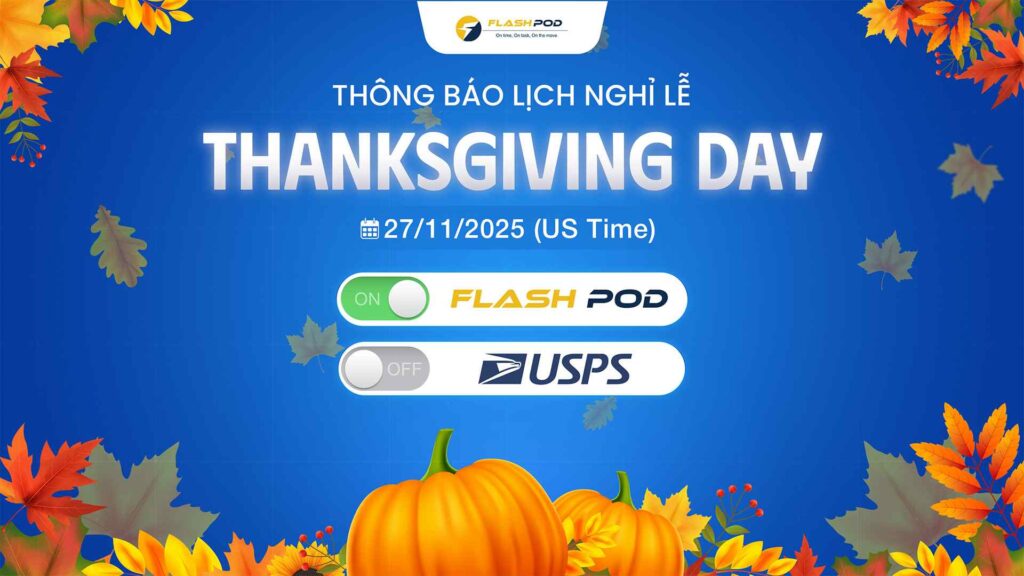
  • NOTICE OF WORK SCHEDULE DURING THANKSGIVING DAY 2025

    NOTICE OF WORK SCHEDULE DURING THANKSGIVING DAY 2025

    Thanks Giving,

    To ensure that the production, processing, and shipment of Seller orders are not disrupted during the holiday period, FlashShip would like to inform all Sellers and Partners of the official work schedule for Thanksgiving Day 2025 (November 27, 2025 – US Time).

    Operating schedules of relevant units

    USPS: Suspends all delivery services on Thanksgiving Day in accordance with federal regulations applicable throughout the United States on national holidays.

    FlashShip: Continues to maintain full production, printing, and order processing operations throughout the holiday. The FlashShip team will keep producing and preparing orders to ensure they are ready for immediate handoff to the carrier as soon as operations resume on November 28, 2025.

    Notes for Sellers

    Orders created or completed on November 27, 2025 will be processed by FlashShip and handed over to the carrier immediately on the day USPS resumes operations. Due to the nationwide holiday shutdown, delivery times may be longer than usual.

    Sellers are encouraged to proactively update customers and adjust business plans accordingly to ensure the best shopping experience, especially as this period aligns closely with Black Friday – Cyber Monday.

    FlashShip always strives to maintain smooth operations, ensuring that all orders are handled quickly, accurately, and efficiently throughout the year-end holiday season.

    If Sellers or Partners have any questions regarding the work schedule or order processing timeline, please contact the FlashShip support team directly via hotline (+84) 943 024 337 or (+84) 852 763 445 for timely assistance.

    Sincerely,

    The FlashShip Team

  • Event-Based Design Trends: The Key to Boosting Sales

    Event-Based Design Trends: The Key to Boosting Sales

    Designing for seasonal events has become one of the most powerful strategies for POD sellers to break through revenue targets during peak periods. From Valentine’s Day, Mother’s Day, and Halloween to Christmas, each event creates a strong “demand surge,” opening opportunities to scale campaigns and boost conversion rates when sellers capture the right trends. This article will help you understand why event-based design is a revenue-driving pillar in the POD industry, the key “golden seasons” of the year, the core elements of a successful design, and the standout trends of this period, so sellers can proactively prepare and optimize their profits.

    Design Trends,

    Why Is “Event-Based Design” a Revenue Driver in the POD Industry?

    Event-based design is one of the most important strategies in POD for three main reasons:

    A Sharp Surge in Demand Within a Short Period 

    Most major holidays and annual events generate explosive, highly concentrated buying demand within a short timeframe. This is when customer behavior shifts from “considering” to “must-buy-now.”

    • A Boom in Specific Niches: From Valentine’s Day boosting demand for couple-themed gifts, to Mother’s Day and Father’s Day driving family-oriented and personalized designs, and Halloween fueling costume tees, memes, and horror characters. The peak of all is Christmas, the highest-selling season of the year with massive gift-buying demand.
    • Optimized Advertising Performance (ROAS): Customers actively search for products tied to specific event themes. This naturally drives key metrics such as Click-Through Rate (CTR), Conversion Rate (CR), and Return on Ad Spend (ROAS) to spike. When customers already have a clear purchase intention (e.g., buying a gift for Mother’s Day), they make buying decisions faster, helping sellers recover ad spend quickly and generate higher profits.

    Layered Competition

    Unlike “evergreen” niches (such as “dog lovers” or “nurse life”) that are often saturated, event-based design creates a multi-layered competitive landscape where new or smaller sellers can more easily find their place.

    • Thousands of Sub-Niches to Tap Into: Major events are not a single niche they are clusters of countless micro-niches. For example, Christmas can be broken down into thousands of segments such as Couple’s First Christmas, Christmas for Pet Lovers, Teacher Christmas Gifts, Nurse Christmas Crew, and more.
    • Faster Trend Capture Advantage: Sellers can quickly catch emerging trends (e.g., a new meme related to Halloween) and turn them into products. As long as you identify the right untapped “micro-niche,” you can easily scale orders without competing in high-priced ad auctions against industry “giants.” This strategy helps sellers avoid direct confrontation and run ad campaigns with significantly more optimized costs.

    Strong Emotional Value

    Emotional appeal is one of the strongest drivers of purchasing behavior in the POD industry and it becomes even more amplified during seasonal events.

    • Emotion-Driven Buying: Shoppers often choose event-themed products as meaningful gifts, to express their unique personality during a holiday, to commemorate special milestones (e.g., “Our First Christmas as Mr. & Mrs.”), or simply to join the festive atmosphere.
    • Higher Conversion Rates: This emotional connection significantly boosts the conversion rate compared to standard evergreen designs. Customers are also more willing to pay a higher price for products that carry sentimental or personalized value.

    The Big Picture: The “Golden Seasons” of Design in the POD Industry

    For POD sellers, understanding the annual Event Cycle is the key to allocating design resources and advertising budgets effectively. Each year includes roughly 8-12 high-potential design seasons that generate clear spikes in revenue from major global holidays to niche micro-events.

    Below is a detailed timeline of the major “Golden Seasons,” categorized by their revenue potential and design characteristics:

    Spring and Summer Seasons

    The early months of the year focus heavily on themes of love, personal expression, and patriotism.

    • Valentine’s Day (February 14): Kicking off the annual holiday cycle, Valentine’s Day centers around love, couple-themed designs, ranking-style designs (e.g., Best Wife Ever), humorous memes, and especially personalization (names, dates, custom messages). The strongest-performing products are hoodies, T-shirts, and personalized gift items.
    • St. Patrick’s Day: A significant niche event featuring themes of luck, shamrocks, beer, and Irish pride. Green is the dominant color. While the demand spike is strong, it lasts only 1–2 weeks, requiring sellers to plan and launch ads early.
    • Mother’s Day / Father’s Day: These emotionally-driven seasons revolve around family themes, professions blended with parental roles (e.g., Teacher Mom, Nurse Dad), and especially the popular pet mom/dad niche. Trending design styles include minimalist, retro, and handwriting fonts to enhance warmth and emotional appeal.
    • Independence Day (July 4): The biggest patriotic holiday, featuring themes such as the USA flag, vintage patriotic aesthetics, and freedom. Best-sellers often include tie-dye shirts or designs using the iconic red–white–blue American color palette.

    Fall and Winter Seasons

    Q4 is the most decisive period of the year, packed with major events and extremely high demand for gift purchases.

    • Back to School: A secondary but steady season focused on teacher, student, and education-related niches. Classroom-themed designs and humorous school-related quotes consistently perform well.
    • Halloween: Often considered the best-selling season of Q4 (before Christmas) thanks to its wide and diverse design range: pumpkins, ghosts, cute spooky characters, witches, black cats, and more. Group shirts and costume-themed apparel see very high demand.
    • Thanksgiving: Centered around themes such as turkey, gratitude, family, and funny Thanksgiving designs. Although the selling window is short, the profit margin is high due to strong sales in hoodies and sweatshirts.
    • Christmas: The “mega season,” accounting for 30–40% of the annual revenue of many POD sellers. Themes include Santa, reindeer, snowflakes, ugly sweater styles, and especially personalized gifts for family and friends. Preparation for this season should begin as early as late summer.

    Design Trends

    Other Important Micro-Events 

    Beyond the major holidays, sellers should also tap into niche micro-events to fill revenue gaps between peak seasons:

    • Events such as Teacher Appreciation, Pet Day, Veterans Day, Pride Month, marathon events, and hobby-based events (like camping, fishing, and gaming).

    These micro-events typically have lower competition, allowing sellers to more easily identify unique niches, maintain steady revenue, and continuously test new design concepts.

    Key Elements of a Successful Event-Based Design

    Event-based design is a powerful business strategy, but not every effort translates into sales. A truly successful design one that can dominate the POD market must bring together five essential elements, from timing and trend selection to the quality of the final product.

    Catching the Trend at the Right Time

    Timing is the first and most critical factor that determines success. In POD, being late means losing the market. Sellers must learn to prepare 30–60 days before the event date. The goal is to give products enough time to be listed, tested through small advertising angles, and to gain organic visibility before demand reaches its peak.

    Closely monitoring Google Trends, Etsy Search insights, and Amazon Trend Reports is essential. Being late by just 1–2 weeks during peak seasons like Christmas or Halloween can cost a seller up to 80% of potential customer reach.

    Season-Appropriate Color Palettes

    Color is more than aesthetics; it is a tool for conveying emotion and seasonal recognition. Each event has its own ingrained “color palette” in customers’ minds:

    • Valentine’s Day: red, pink, white
    • Independence Day: navy, red, pure white
    • Halloween: orange, black, mystical purple
    • Christmas: vibrant red, pine green, gold, and snowy white

    A design aligned with seasonal colors creates a stronger emotional impact and stands out more easily when customers scroll through hundreds of products. The selected blank product color must complement the design to achieve a harmonious overall look.

    Personalization Factor

    In POD, personalization is considered a “superweapon” that boosts both conversion rates and average order value (AOV). Customers naturally want their gifts or purchased items to feel one-of-a-kind.

    High-performing personalization formats during event seasons include: family names, pet names, birth years, professions, and customizable family illustrations (such as Stick Figure Families). Statistics show that over 90% of Christmas gift buyers tend to choose designs with personalized elements because they enhance the emotional value of the product.

    Simple, Readable, and Instantly Understandable Messaging

    In the fast-paced world of e-commerce, buyers spend only a few seconds deciding whether to stop and view your product. A quote that is too complex or lengthy will be ignored.

    Winning designs typically prioritize bold fonts, concise messages of 3–7 words, and immediate emotional or humorous impact. Popular examples like “Mama Claus,” “Spooky Vibes Only,” and “Best Dad Ever” are not only easy to read but also naturally align with common search keywords.

    Timely Illustrations and Proper Print Quality

    Ultimately, print quality is the determining factor in customer satisfaction and in preventing refund rates. A beautiful design will still fail if the printed colors bleed, appear inaccurate, or do not adhere well to the fabric leading to negative feedback.

    This is especially critical for challenging products such as dark-colored hoodies, tie-dye garments, or designs with gradients, color transitions, or complex lighting effects. Sellers should prioritize working with fulfillment partners that use next-generation DTG technology to ensure vibrant colors, strong fabric adhesion, no bleeding, and high color accuracy that matches advertising mockups. Print quality is the seller’s final promise of professionalism.

    Key Event-Based Design Trends in POD (2025–2026)

    To maintain a competitive edge in the constantly evolving POD market, sellers must stay ahead of upcoming design trends. Based on analytical reports from major e-commerce platforms such as Etsy and Amazon, along with consumer trend data from the U.S.  the primary POD market  the following are the standout event-based design trends that sellers should begin preparing for in 2025–2026.

    Minimalist Combined with Handwriting Style

    This trend emphasizes elegance and focuses on conveying the core message. Designs follow a clean, minimal layout with ample negative space, paired with soft, handwritten fonts. This style creates a warm, authentic feel and is especially suitable for highly emotional events such as Valentine’s Day, Mother’s Day, and Christmas where sentiment plays a decisive role.

    Retro – Vintage – Y2K

    Nostalgic aesthetics, particularly those inspired by the ’90s and Y2K (early 2000s), have been strong trends since 2024 and are expected to continue leading into 2025. Elements such as grain textures, distressed effects, and sun-fade effects will be widely used. This style is especially effective for classic-themed events like the 4th of July, Halloween (with old-school spooky vibes), and Thanksgiving.

    Cute Mascots – Kawaii – Chibi Style

    Cuteness is booming, partly thanks to the influence of TikTok Shop and the growing demand for fun, playful designs. The Kawaii (Japanese cute) and Chibi style, featuring big heads and small bodies, will dominate. The combination of pets with holiday themes such as cute pet costumes for Halloween or festive pet characters for Christmas is expected to produce top-selling designs.

    Personalized Family Illustration 2.0

    Demand for family personalization remains high, but the style is evolving. Instead of traditional cartoon aesthetics, the market is shifting toward more modern looks such as flat illustration, minimalist line-art, and AI-rendered drawings with a more natural feel. Color palettes are also moving toward pastels or neutral American tones, creating a more elegant and widely appealing look across different age groups.

    Ugly Sweater 2.0

    The classic “Ugly Sweater” remains a core Christmas product, but it is being modernized. The 2025–2026 version is expected to be less cluttered than previous decades, focusing instead on cleaner color combinations, smart pattern repeats, and a fun yet more refined overall vibe.

    Typographic Layout Trend

    This trend emphasizes large, dominant text that occupies most of the design layout. This bold and straightforward typography style is ideal for highlighting roles or direct messages such as Teacher, Mom, Dad, or humorous Valentine’s Day quotes.

    Pet-Centric Holiday Designs

    Pets remain a massive and ever-growing niche during holiday seasons. Sellers should focus on designs such as pet family Christmas (family shirts featuring pets), pet Halloween cosplay (pets illustrated in Halloween costumes), or anthropomorphic styles (pets drawn with human-like characteristics).

    AI Illustration Trend

    AI technology now makes it possible to create visual effects that were previously difficult or impossible to achieve: atmospheric lighting, realistic fur textures, 3D cartoon styles, and cinematic effects. However, sellers must ensure they use self-generated datasets and avoid copyrighted material. More importantly, AI artwork should always be filtered and retouched to optimize print quality and ensure compatibility with DTG printing.

    Monochrome & Line Art

    This trend focuses on clean, single-tone (monochrome) palettes and fine line-art illustrations. Such designs pair well with challenging products like tie-dye garments or dark-colored blanks. They are particularly suitable for Mother’s Day, cute-spooky Halloween themes, and community events such as Pride Month.

    Important Copyright Considerations When Creating Event-Based Designs

    Copyright and trademark laws are critical legal barriers in the POD industry. POD sellers frequently face the risk of product removals (takedowns), account suspensions, or even lawsuits on platforms like Amazon and Etsy often simply due to a lack of understanding of intellectual property regulations. This risk becomes even greater when creating event-based designs, as the appeal of famous characters, movies, and branded themes tempts many sellers into unintentional violations.

    Below are the essential rules every seller must strictly follow:

    Never Use Branded Characters or Intellectual Property (IP) 

    The first and most important rule is to never use any intellectual property (IP) owned by major corporations.

    • Absolutely prohibited examples include: Disney characters (such as Mickey, Stitch, Elsa), Marvel (Spider-Man, Iron Man), DC Comics, video game characters, Pokémon, Sanrio (Hello Kitty), or Universal characters (Minions).
    • Important note: Even “redrawing” (derivative work), mimicking the style, or referencing the names of these characters is considered a serious copyright violation and will result in a 100% takedown. Always create original characters.

    Avoid Using Logos and National or Institutional Symbols Improperly

    Highly recognizable symbols even if they’re not characters are often strictly protected as trademarks.

    • Symbols to avoid include: Sports team logos (NFL, NBA, FIFA), school and university logos (especially major universities), and symbols of government agencies such as police, military, or fire departments.
    • Safe alternative: Instead of using logos, focus on generic terms or city/state names (as long as they are not trademarked) to avoid violations.

    Be Careful with Quotes and Famous Sayings 

    Not all popular quotes fall under the public domain. Many short phrases are protected by trademarks or copyrights.

    • High-risk categories include: Slogans from well-known brands, quotes associated with movies or TV series, or catchphrases tied to specific characters.
    • Safest approach:  Always perform a trademark search (e.g., using the USPTO database in the U.S.) before using any quote. If you are unsure, paraphrase the phrase change its structure or meaning to create an entirely new quote.

    Using AI, But Maintaining Control Over Original Image Rights

    AI tools are powerful assistants in design, but sellers are fully responsible for the source data that goes into them.

    • What to avoid when using AI prompts: Do not use the names of celebrities, do not rely on datasets containing branded characters, and avoid generating images that mimic 90% of the style of a well-known IP.
    • Core principle: Always ensure you are using an AI generator with a commercial-use license, and invest time in retouching the artwork to increase originality and optimize it for printing.

    Font Copyright Compliance

    A common mistake is using commercially licensed fonts without purchasing the required permission.

    • What you must do: Only use fonts that are free for commercial use, fonts for which you have purchased a license directly from the publisher, or fonts provided through a legally integrated library within your POD platform.

    Avoid Copying Best-Selling Designs 

    Taking ideas from top-selling listings on Etsy or Amazon and merely changing the colors or fonts is still considered derivative work and may result in reports or takedowns. Sellers should create entirely new angles, new quotes, and new layouts to ensure originality and eliminate legal risks.

    Event-based design is not just a way to catch seasonal trends it is a long-term growth strategy that helps POD sellers expand their product catalog, optimize customer targeting, and gain a competitive edge during peak seasons. When sellers understand the yearly “golden seasons,” choose the right design direction, and strictly follow copyright principles, scaling revenue becomes far easier and more sustainable.

    If you need support in optimizing operations, reducing fulfillment time, ensuring fast shipping, or selecting the right products for each peak season, FlashShip is ready to help. Contact FlashShip at (+84) 943 024 337 for consultation on U.S. fulfillment solutions, shipping speed, SLA standards, and operational strategies tailored for POD sellers during the 2025–2026 sales seasons.


  • SLA Fulfillment: The Most Important Performance Metric in POD Operations

    SLA Fulfillment: The Most Important Performance Metric in POD Operations

    In POD, having great designs is not enough to build sustainable profit. What truly determines whether a store can retain customers, reduce refunds, increase 5-star reviews, and scale consistently lies in one core operational factor: Fulfillment SLA. This is the most critical metric that reflects order processing speed, tracking activation time, on-time delivery rate, and the quality of support when issues arise.

    As U.S. customers place increasing importance on fast shipping and transparent experiences, understanding and optimizing SLA is the key for POD sellers to strengthen brand credibility, lower advertising costs, and break through revenue targets in 2025–2026.

    This article will guide you through a comprehensive look at the power of Fulfillment SLA and why it has become the compass for every modern POD operational strategy.

    SLA Fulfillment

    What Is Fulfillment SLA?

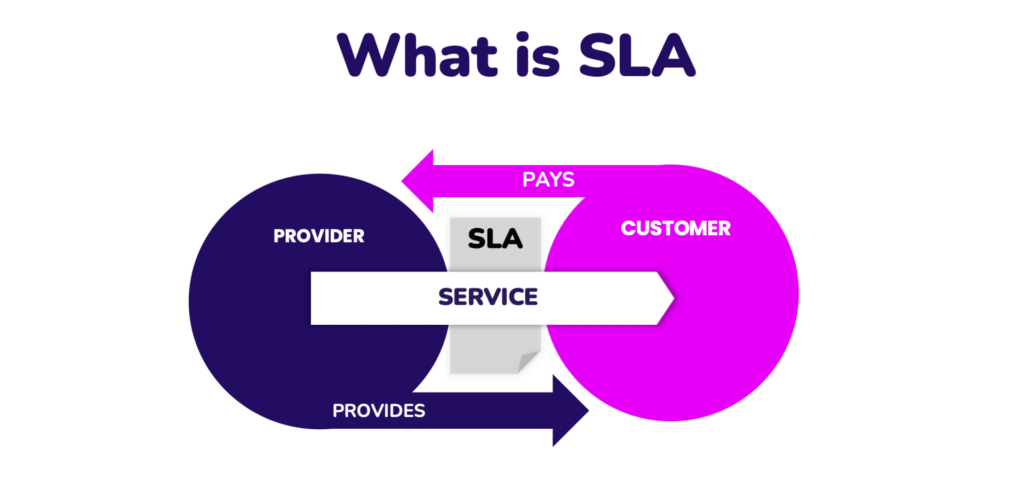
    In the Print-on-Demand (POD) industry, a Fulfillment SLA (Service Level Agreement) is considered the “iron-clad commitment” between the fulfillment provider and the seller. It’s not just a verbal promise, it is a clearly defined set of standards that measure the quality, speed, and stability of the entire fulfillment process, from the moment an order is received until the product reaches the customer’s hands.

    Understanding SLA correctly prevents sellers from being “in the dark” when choosing a fulfillment partner. A proper SLA framework in POD must include five core metrics:

    • Production SLA (Manufacturing Time): This is the speed at which a product is “produced.” Production SLA measures the time from when an order is received to when printing, processing, and packaging are fully completed.
      • Standard: Percentage of orders completed within 24–48 hours (1–2 Business Days).
      • Meaning: This metric helps sellers accurately calculate the Estimated Delivery Date (EDD), schedule their ad campaigns effectively, and prevent production backlogs during peak season.
    • Shipping SLA (Delivery Time): Corresponding to each shipping method selected by the seller:
      • Standard: 3–5 business days
      • Priority: 2–4 business days
      • Expedite/Overnight: 1–2 business days
      • Meaning: Shipping SLA is the factor customers care about most. Fulfilling shipping promises is the key to earning 5-star reviews and increasing customer repeat rate.
    • Tracking SLA (Tracking Update Time: The system must ensure real-time tracking updates at key checkpoints:
      • First Scan (handoff to carrier), transit hub scans, and final delivery confirmation.
      • Meaning: This transparency eliminates the fear of “lost packages” and builds absolute trust with buyers.
    • Error Rate SLA: This measures operational accuracy, including misprints, wrong sizes, wrong colors, or incorrect packaging.
      • Meaning: The lower the error rate (ideally <0.5%), the more sellers save on refunds, remakes, and the better they can maintain their shop ratings.
    • Customer Support SLA: This measures the speed of responding to tickets, handling complaints, and resolving issues.
      • Meaning: A responsive support team helps sellers calm frustrated customers quickly, reduces stress during peak season, and preserves a professional service experience.

    How Fulfillment SLA Works in Real-World Operations

    SLA Fulfillment

    To truly understand the power of Fulfillment SLA, we shouldn’t view it as a set of dry numbers on paper. Instead, we should look at how it breathes life into and tightly controls the entire lifecycle of a POD order through the following seven practical operational steps:

    Step 1: Order Intake & Real-Time Sync

    As soon as the customer completes payment, the SLA ensures the order is instantly received by the system with zero latency. This allows the production team to begin working immediately.

    Step 2 & 3: Production & Quality Control (Production SLA)

    This is the most critical phase. The SLA commits that orders must be printed and fully completed within 24–48 hours. At the same time, the automated Quality Control (QC) process must ensure the error rate remains at a minimum (typically <1%) before the product leaves the facility.

    Step 4: Packaging & Handoff (Cut-off Time)

    The SLA clearly defines the daily “cut-off time.” Sellers will know exactly which orders can be handed off to carriers (USPS, DHL, etc.) the same day and which ones will ship the next day helping optimize shipping time.

    Step 5: Tracking Activation (Tracking SLA)

    The tracking number must become active immediately upon handoff. The SLA prevents tracking from getting “stuck” or staying in a misleading “Label Created” status for 1–2 days, eliminating customer worries like “When will my order be shipped?”

    Step 6: Delivery (Shipping SLA)

    At this stage, performance is measured by the On-time Delivery Rate. A strong SLA minimizes delivery delays and reduces the risk of lost packages.

    Step 7: Post-Sale Support (CS SLA)

    Finally, if any issues arise, the SLA ensures fast customer support response times and a clear, structured Remake/Refund process, protecting the store’s reputation and customer trust.

    Why Is SLA the Most Important Operational Metric in POD?

    In the Print-on-Demand (POD) business, many sellers mistakenly believe that design is everything. But in reality, operations determine how far your business can go. And within operations, the SLA (Service Level Agreement) is the “heartbeat” that keeps the business alive. Below are five reasons why SLA must be your top priority:

    SLA Is the Foundation of Customer Trust

    Customers in the U.S. and Europe are extremely practical. They don’t care whether you print with DTG or DTF. They don’t care whether you use Gildan 5000 or Comfort Colors 1717 blanks. The only questions they care about after paying are: “Where is my order?” and “When will I receive it?” A strong SLA system with fast tracking updates and on-time delivery will naturally generate 5-star feedback. Conversely, delays are the fastest way to destroy customer trust, no matter how beautiful your product may be.

    SLA Directly Determines Your Refund Rate

    Numbers don’t lie: 90% of refund requests during the holiday season do NOT come from product quality issues they come from shipping problems: late delivery, inactive tracking, or orders stuck at “Label Created” for 2–3 days.

    When customers wait too long without updates, they panic and request a refund. A fulfillment partner with a 24-hour Production SLA can help you reduce refund rates by 40–60% compared to providers operating at a sluggish 48–72 hours. A fast SLA means keeping more profit in your pocket.

    SLA Is the “Launchpad” for Stable Ad Scaling

    No seller dares to scale their ad budget to $1,000–$5,000 per day if the backend isn’t solid. You can only scale when orders are processed quickly, tracking is stable, and complaint rates are low.

    Without a reliable SLA, your ad campaigns will quickly get “killed” by a flood of negative shipping comments and angry reactions. Facebook and Google will downgrade your Page quality score, driving CPM up and sending your ad performance straight to the bottom.

    SLA Creates a Complete Customer Experience

    Every customer’s ideal shopping journey looks like this: Place an order → Tracking becomes active within 24 hours → Receive the package in 2–5 days. SLA is the mechanism that makes this experience possible. When this process runs smoothly, customers won’t hesitate to leave reviews like: “Fast shipping! Great quality!” This is the most effective form of zero-cost marketing you can get.

    SLA Is the Foundation of a Sustainable POD Brand

    A brand isn’t built from a logo or slogan alone,  it is built from experience. To bring customers back for a second or third purchase (increasing CLV), you need a strong SLA commitment. Beautiful products may help you win the first sale, but excellent delivery service (a strong SLA) is what keeps customers coming back again and again.

    5 “Golden” Benefits of Fulfillment SLA for POD Sellers

    When you partner with a fulfillment provider that maintains a strict SLA commitment, you’re not just purchasing a printing service,  you’re buying peace of mind and profitability. Below are the five core benefits that a strong, “green” SLA brings to your POD business:

    Significantly Reduce Refunds & Chargebacks (Protect Your Cash Flow)

    In POD, net profit matters more than revenue. A strong SLA system with clear tracking and on-time delivery is the ultimate remedy for the “refund problem.”

    When customers see their order consistently moving through the tracking timeline, their trust increases. They stay patient instead of panicking and opening disputes because they suspect the shop is a scam.

    In reality, a well-maintained SLA dramatically reduces unreasonable refund requests, lowering your overall refund rate. As a result, your cash flow stays protected and your profit remains intact.

    Increase 5-Star Reviews Naturally

    Customers in the U.S. and EU are extremely straightforward. They value speed and transparency. No matter how beautiful your design is, if the order arrives late, you will still receive a 1-star review.

    On the other hand, if shipping is fast on time or even earlier than expected customers will gladly leave 5-star feedback such as: “Shipping was super fast!” These organic reviews carry far more weight than any advertisement, helping boost your store’s Trust Score across all platforms.

    Increase ROAS & Ad Scaling Capability (Scaling Campaigns Confidently)

    Advertising (Ads) and Operations (Ops) have a symbiotic relationship. Ads can only scale effectively when the post-purchase experience is flawless. A product backed by a fast, reliable SLA reduces negative comments on your ads. This lowers CPM, boosts credibility, and improves the conversion rate (CVR). When customers trust the delivery timeline displayed on your website, they are more willing to complete their purchase helping your ROAS (Return on Ad Spend) grow steadily and sustainably.

    Increase Customer Repeat Rate

    The cost of acquiring a new customer (CAC) is becoming more expensive than ever. Sustainable profit comes from returning customers. The first impression especially delivery speed determines whether they will come back.

    When customers receive their orders quickly, they feel satisfied and remember your brand more positively.  A strong SLA significantly increases the repeat rate, turning one-time buyers into loyal customers and generating a much higher Lifetime Value (LTV).

    Complete Control During the Q4 Peak Season

    Q4 is a logistical “nightmare,” but also the biggest “harvest season” for sellers. A clear SLA commitment gives sellers full control:

    • Knowing exactly which days to run major sales
    • Knowing the precise cut-off dates (when to stop accepting orders to ensure Christmas delivery)
    • Eliminating fears of order overload or operational breakdown

    This level of control allows you to predict delivery times accurately, avoid risks of delays, and maintain your shop’s credibility even during the most chaotic, high-volume days of the season.

    Fulfillment SLA is not just an operational metric it is the foundation that determines the growth potential of every POD business. A strong fulfillment system with stable speed, transparent tracking, and a low error rate helps sellers reduce refunds, increase 5-star ratings, and confidently scale revenue during every peak season. If you want to optimize your SLA, enhance customer experience, and build a sustainable operational model for 2025–2026, FlashShip is ready to support you. Contact FlashShip at (+84) 943 024 337 for detailed consultation on U.S. fulfillment, shipping speed, standardized SLA, and tailored operational solutions for POD sellers. You scale your revenue, FlashShip ensures your order speed.

  • Real-Time Tracking: The Key to Building Customer Trust

    Real-Time Tracking: The Key to Building Customer Trust

    In the POD world where competition happens every second, real-time tracking is no longer an optional add-on it is the “heartbeat” of the entire fulfillment journey. According to Shopify, more than 82% of U.S. shoppers say they only feel secure when they can track their order status step by step without having to rely on manual emails or messages.

    As e-commerce accelerates and expectations for fast delivery continue to rise, real-time tracking in 2025–2026 is becoming the new gold standard that every POD seller must keep up with to retain customers and achieve sustainable growth.

    In this article, we will break down why real-time tracking is the foundation of customer trust, how modern tracking systems work, the practical benefits for POD sellers, and the serious consequences of delayed tracking.

    Real-Time Tracking

    What Is Real-Time Tracking? How the System Works

    Many new sellers often confuse a “tracking number” with a real-time tracking system.

    Precise Definition

    A tracking number is merely a sequence of characters. In contrast, real-time tracking is a fully integrated technological process in which data about a package’s location and status is continuously, automatically, and instantly updated from the fulfillment warehouse and the carrier all the way to the seller’s management system and displayed directly to the end buyer.

    This type of tracking eliminates information lag entirely. Instead of waiting 2–3 days for a status update, customers can see changes in real time down to the hour or even the minute.

    Essential Stages in Modern POD Tracking & How the System Works

    To win customer trust in the highly competitive Print-on-Demand (POD) market, transparency in the order journey is crucial. A proper POD tracking system doesn’t just notify buyers when the package has shipped it must clearly display the entire product lifecycle through these eight key stages:

    • Order Received: The fulfillment system has imported the order data from the store.
    • Production Started: The order has entered the printing/production line.
    • Production Completed: Production is finished and the product is moved to QC (Quality Control).
    • Packed & Ready to Ship: Packaging is completed and the shipping label is applied.
    • Picked Up by Carrier: The carrier (USPS, UPS, FedEx, etc.) has collected the package from the warehouse.
    • In Transit: The package is moving through transit hubs.
    • Out for Delivery: The driver is on the way to deliver the package to the recipient.
    • Delivered: The package has been successfully delivered (with Proof of Delivery).

    With just a single tracking link, customers can follow every movement of their order- eliminating anxiety and the uncertainty of waiting.

    How Does a Real-Time Tracking System Work?

    The power of real-time tracking lies in its ability to maintain deep data synchronization (Deep Sync). This is the seamless integration of three technological pillars:

    • Internal Production System: Updates the status of printing, packaging, and QC.
    • Carrier API: Directly connects to the servers of USPS, DHL, FedEx, and other carriers.
    • Sales Platforms: Syncs information back to Shopify, Etsy, TikTok Shop, and more.

    The moment a status changes, the system triggers an automated workflow: sends Email/SMS notifications to the customer, alerts the seller, and updates the real-time “Track My Order” page instantly.

    This is precisely why POD sellers must work with a fulfillment partner equipped with a strong technological foundation. If tracking is only updated at the “Hand-off to Carrier” stage, you leave customers waiting in an information “blackout zone” for 3–5 production days causing anxiety, loss of trust, and unnecessary order cancellations.

    Why Is Real-Time Tracking a Key Factor in Building Customer Trust?

    Real-Time Tracking

    POD customers are very different from regular online shoppers: they cannot see the product in advance or feel the material, so their entire buying experience relies on the seller’s transparency.

    Real-time tracking becomes a trust-building weapon for the following reasons:

    Reducing Customer Anxiety

    Right after making a purchase, the questions that constantly run through a customer’s mind are: “Where is my order?” and “Is this shop actually going to ship my item?” This uncertainty intensifies even more for time-sensitive gift orders (Christmas, Valentine’s Day, Mother’s Day, etc.).

    Without clear tracking information, customers easily fall into anxiety – which often leads to spamming support emails or, worse, canceling the order. Real-time tracking acts like a “calming antidote”, updating every small step (from In Production to In Transit). It reassures buyers that their order is being handled professionally, turning stressful waiting into positive anticipation.

    With just one reliable tracking link, the store’s credibility increases instantly in the eyes of the customer.

    Enhancing Transparency

    Market data from the U.S. shows a clear reality: 78% of customers trust brands that are transparent about their shipping process, and 69% are willing to abandon their cart if delivery information is unclear.

    A real-time tracking system demonstrates that your shop operates with clarity and accountability. Customers greatly appreciate receiving proactive updates rather than having to ask for them.

    Especially during major sale seasons (Q4), when order volume can surge 5–10x, this level of transparency becomes a crucial factor in retaining customers.

    Boosting 5-Star Reviews & Strengthening Store Credibility

    Do you know one of the most common reasons U.S. customers leave a 5-star review? It’s “Fast shipping” and “Great tracking updates.”

    No matter how beautiful your product is, if tracking is delayed or nonexistent, you’re almost guaranteed to receive a 1-star review. On the other hand, a smooth, transparent tracking experience encourages customers to leave positive feedback and improves your store’s Trust Score on major platforms.

    Reducing Disputes & Refund Requests

    Most disputes or chargebacks on PayPal/Stripe originate from one reason: “Item not received.”

    Real-time tracking provides solid evidence to protect sellers. Detailed information such as transit timelines, carrier scan points, and delivery confirmation helps sellers easily win unreasonable claims.

    This not only reduces your refund rate but also protects your account health on platforms like Etsy, Amazon, and TikTok Shop.

    Practical Benefits for POD Sellers

    Real-time tracking doesn’t just give customers peace of mind it also delivers clear financial advantages for POD sellers.

    Reducing Refund & Exchange Rates

    A paradox in POD is that most refund requests don’t come from poor product quality they come from lack of information. Reasons like “I don’t know where my order is” or “I think the shop is a scam and never shipped my item” are often the main factors that quietly destroy revenue.

    When a real-time tracking system updates every hour, customers always know the status of their order. This eliminates uncertainty, helps them stay patient, and prevents impulsive cancellations or dispute filings.

    In fact, stores with transparent tracking systems often reduce their refund rate by 25–40%, keeping the seller’s cash flow protected and stable.

    Increasing Conversion Rates When Running Ads

    In POD, Trust = Conversion. When customers click on an ad and land on the product page, they don’t just look at the design they look for trust signals.

    If your store clearly displays its shipping policy, includes a real-time tracking commitment, and provides specific delivery timelines (especially U.S. fulfillment lines with 2–5 day shipping), psychological barriers are removed. Customers feel more confident to make a purchase.

    Sellers who optimize their tracking experience are able to maintain a stable ROAS (Return on Ad Spend), making it much easier to scale their advertising budget.

    Relieving the Burden of Customer Support

    Every seller’s nightmare during Q4 is an inbox flooded with the same questions: “Where is my order?”, “When will it ship?”. On average, for every 100 orders, you may receive 20–40 shipping-related emails commonly known as WISMO tickets (“Where Is My Order?”).

    Real-time tracking is the most effective automation solution. When customers can check their order journey on their own, customer support messages can drop by 60–70%. This saves you money on hiring virtual assistants, reduces operational stress, and frees up your time to focus on product optimization and sales strategy instead of answering complaint emails all day.

    A Solid Foundation for Scaling Orders in Q4

    Q4 is a “gold rush” season but it’s also the season where sellers break down the most. When order volume spikes suddenly, if your tracking system isn’t running smoothly, you’ll face a chain reaction of disasters: mass customer reports, PayPal holds, and even Facebook ad account bans.

    A stable tracking system acts as the backbone of your business. The more orders you have, the clearer and more reliable your processes must be. Only when the flow of tracking information remains seamless can sellers confidently scale campaigns and explode revenue without worrying about the operational system collapsing behind the scenes.

    Serious Consequences of Delayed Tracking

    Delayed tracking is not just an inconvenience it is a set of risks that POD sellers must avoid at all costs.

    Losing Customer Trust & a Surge of 1-Star Reviews

    Customers in the U.S. and Europe are extremely sensitive to transparency. Nothing scares them more than seeing their order stuck at “Label Created” for 2–4 days with no movement. This silence immediately triggers the worst-case scenario in their minds: “This shop is a scam.”

    The inevitable result? A wave of 1-star reviews on your Facebook page or Trustpilot. Statistics show that a store receiving just 3–5 negative shipping reviews can experience a 40–60% drop in revenue the following month due to new customers losing confidence.

    Sharp Increase in Refunds & a “Red Alert” for Payment Gateways

    When tracking doesn’t update, customers will assume the shop never shipped the order. Their next move is to open a Dispute on PayPal or request a Chargeback from their bank. This immediately pushes the seller’s account into a High-Risk status.

    Payment gateways will then impose strict penalties:

    • 90-day fund holds (Rolling Reserve)
    • Reduced payout limits
    • Or, in the worst case, permanent account termination

    Delayed tracking causes double losses: you lose the product cost and risk losing your entire payment account.

    ROAS “Bottoming Out” When Running Ads

    You can’t scale your ads if your fulfillment foundation is unstable. When potential customers see complaints about shipping in the comments, they won’t even consider clicking “Add to Cart.”

    As a result, your advertising metrics will visibly deteriorate:

    • Higher CPC
    • Lower CTR
    • Falling conversion rates

    Your ROAS (Return on Ad Spend) will drop sharply, turning your marketing campaign into a money-burning machine with no real return.

    Being “Suppressed” by E-Commerce Marketplaces

    Marketplace platforms like Etsy, TikTok Shop, and Amazon use algorithms that evaluate shop performance based on the Shipping Score. If your tracking updates slowly, your shop’s credibility ranking will drop.

    This means:

    • Reduced product visibility (reach)
    • Loss of recommendation placements
    • Difficulty ranking in top search results

    You may end up losing thousands of potential holiday sales simply because of poor operational metrics.

    Losing Loyal Customers Completely (CLV = 0)

    Sustainable profit in POD comes from Customer Lifetime Value (CLV) the long-term value of a returning customer. A satisfied customer can come back 2–6 times a year (Birthdays, Christmas, Mother’s Day, etc.).

    However, if their very first purchasing experience is filled with uncertainty, long waiting times, and little transparency, they will never return, no matter how good your product is.

    Slow tracking is the number one enemy that destroys your chance of building a long-term brand.

    In an era where speed and transparency define the customer experience, real-time tracking is no longer just a feature for following an order it is a core element that builds trust, reduces disputes, and increases repeat purchase rates for every POD seller. When customers feel professionalism from the very first status update, they are far more likely to leave 5-star reviews, recommend your store to others, and return for future purchases.

    This is why all successful POD brands prioritize an operational system built on tracking that is fast, accurate, and fully automated.

    If you are looking for a U.S.-based fulfillment partner with real-time tracking, stable processing speed, and an extremely low error rate, FlashShip is the reliable choice to help you scale with confidence. Contact us at (+84) 943 024 337 or visit FlashShip.net for personalized consultation and the most optimized fulfillment workflow for your business model.

  • POD Strategy 2026: Sellers Need to Start Preparing Now

    POD Strategy 2026: Sellers Need to Start Preparing Now

    The year 2026 is expected to become a major milestone for the Print on Demand industry, as premium products, personalized designs, and U.S.–standard fulfillment speed evolve into mandatory competitive benchmarks. In a market that is shifting rapidly and with an increasing influx of new sellers, early preparation is no longer an advantage but a survival requirement to maintain growth.

    POD sellers who aim to lead in 2026 must begin building their strategy now: from updating trends and understanding American consumer behavior to optimizing product catalogs and fulfillment workflows. This article will walk you through the most crucial directions to help you stay proactive and accelerate your breakthrough in 2026.
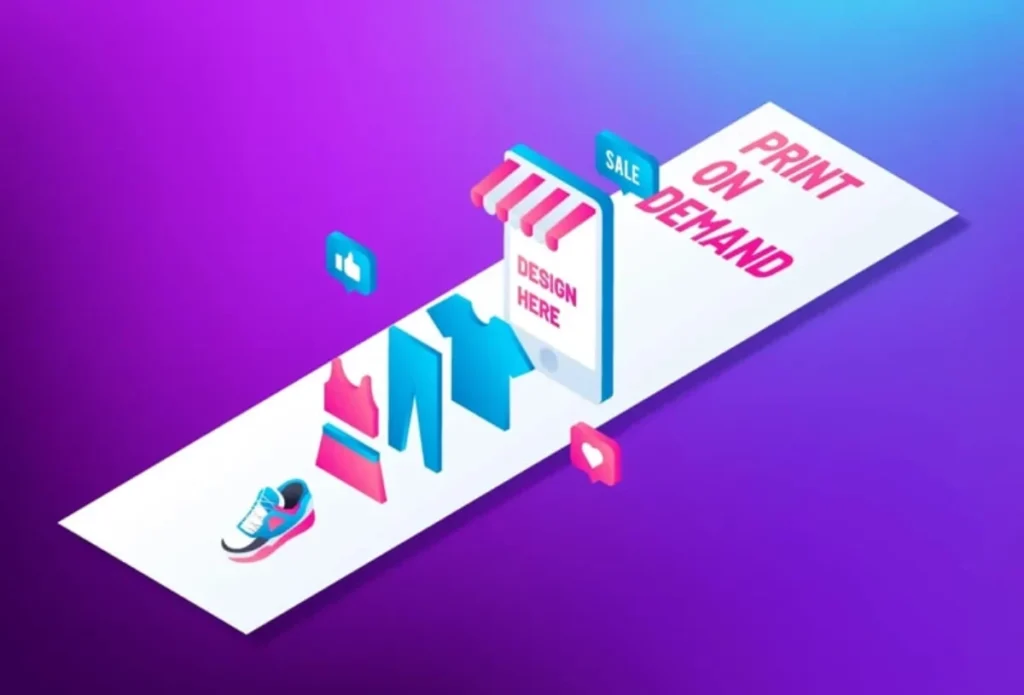
    POD Strategy 2026

    Why Should POD Sellers Start Preparing for 2026 Right Now?

    We’re currently in Q4/2025, but the race for 2026 has already begun. If you feel the market is becoming “harder to breathe,” you’re not imagining it. The POD landscape is changing at a dizzying pace, and those who fail to prepare now will be the ones left behind.

    POD Competition Is No Longer a “Small Pond”

    If you think your only competitors are other Vietnamese sellers, you’re mistaken. The POD market, especially in the U.S. is witnessing a massive influx of new players.

    • Global competition: Sellers from India, Pakistan, Bangladesh, and the Philippines are entering the market at an explosive pace. They bring abundant design resources and highly competitive pricing strategies.
    • Reverse competition: Not only that, many Western sellers (US/EU) have started recognizing the potential of Asian niches (including Vietnamese niches) and are becoming direct competitors right on our own “home turf.”
    • AI lowers all barriers: Artificial Intelligence has made designing, creating mockups, and writing descriptions easier than ever. Now, anyone can launch a POD business in just a single afternoon.

    This creates enormous pressure. If your 2026 strategy is still just selling Bella+Canvas 3001 T-shirts and Gildan 18500 hoodies like you did three years ago, you’re putting yourself directly into a bloody price war, where profit becomes nothing more than a symbolic number.

    Shifting Shopping Trends: Customers Want “Quality” Over Quantity

    As the market becomes increasingly saturated, U.S. customers are growing immune to mass-market products. They are now:

    • Preferring premium items: They’re willing to pay $35 for a stylish Comfort Colors or Colortone tee rather than $20 for a thin Gildan shirt.
    • Seeking unique gifts: The holiday season is the season of gifting. Customers want products with style and personality, not just a basic slogan printed on a plain tee.
    • Prioritizing fast shipping: Amazon Prime has shaped consumer expectations they expect to receive their order within a few days, not weeks.

    If sellers don’t begin adapting now to meet these rising expectations, 2026 will be the year you simply cannot scale, no matter how good your designs are.

    Fulfillment Becomes the Deciding Factor Between Winning and Losing

    In today’s landscape, having great designs is only a necessary condition. High-speed fulfillment is the sufficient condition. A U.S. delivery speed of 2–5 days is becoming the new gold standard.

    A slow fulfillment system will destroy your store:

    • Refund rates will skyrocket.
    • Your shop rating will collapse under a wave of 1-star reviews.
    • Your ads will burn money for nothing (you pay to acquire customers only to disappoint them).

    Standardizing your fulfillment system now and choosing a stable, fast partner (like FlashShip), means you’re building the runway for your 2026 “aircraft” to take off.  You cannot scale a system that is already broken.

    AI and Video Commerce: The Core of POD in 2026

    If 2025 was the year of experimenting with AI, then 2026 will be the year of mastering it. Sellers who can take control of the four elements below will gain a massive competitive advantage:

    • Video Commerce (TikTok Shop, Reels): Selling through video, not static images.
    • Realistic Mockups: Customers want to see real product videos, not flat-lay images.
    • AI Design Concepting: Using AI to generate ideas not to copy.
    • AI Niche Research: Using AI to discover hyper-niches before competitors do.

    Preparing now, learning these skills, and choosing the right partners is the only way for sellers to enter 2026 with a strong foundation and be ready to win.

    POD Trends for 2026 That Sellers Must Grasp Early
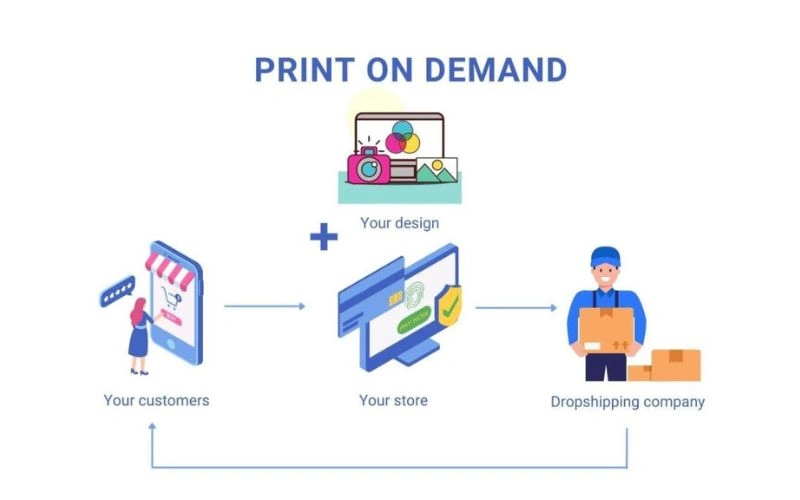
    POD Strategy 2026

    The year 2026 won’t merely be a continuation of 2025 it will be a full-scale upgrade in products, aesthetics, technology, and consumer behavior. Below are 7 key trends that sellers need to understand starting now.

    Premium Products Continue to Rise in Popularity

    The era of “cheap T-shirts” is over. American buyers are becoming increasingly selective. They are tired of low-quality, mass-produced products. Instead, they are willing to pay a higher price for:

    • Better materials: The hand-feel must be premium.
    • A premium appearance: The product must look expensive.
    • Aesthetic-driven designs: The visual “vibe” must be clear and intentional.
    • Uniqueness: The item needs a distinctive character.

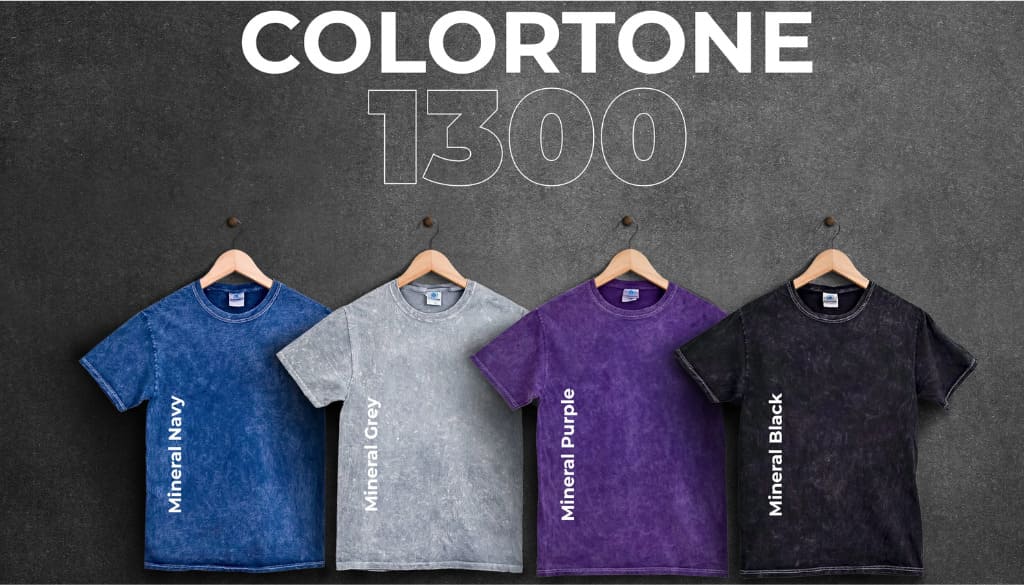
    High-end blank apparel lines such as Colortone 1300 (Mineral Wash), Comfort Colors 1717 (Garment-Dyed), Bella+Canvas 3001CVC (Heather), and Gildan Hammer will become the profit pillars for professional POD shops in 2026.

    Personalization Remains the “Golden Weapon”

    Personalization continues to be the highest-converting “weapon” in POD. Customizable products allow customers to co-create, resulting in deeply personal and meaningful gifts. Demand for items such as personalized ornaments (name/year), family/couple gifts (custom members), pet gifts (pet portraits), and custom coordinates (memory locations) will surge especially during the holiday season.

    Personalization helps you break free from the price war and raise your selling price with ease.

    Micro-Niches Rise to Dominance

    Traditional “niches” have become too broad and saturated. The year 2026 will belong to micro-niches.

    Instead of fighting in overcrowded “red ocean” niches like Hunting or Nurse, focus on smaller but higher-quality segments such as:

    • Reading aesthetic
    • Cottagecore / Dark Academia
    • Western Boho
    • Grunge 90s quotes
    • Outdoor minimal aesthetic
    • Pet niche 2.0 (focused on specific breeds, vibes, or names)

    These audiences face far less competition but show extremely high loyalty and they are willing to pay more for a design that “speaks for them.”

    New Aesthetics Will Dominate 2026

    The design styles of 2023–2024 will become outdated. Customers in 2026 will seek fresh, more refined aesthetics, including:

    • Moody Green / Earthy Tones: Deep earthy palettes and rich moss-green shades.
    • Sunset Warm Tone: Warm, nostalgic sunset-inspired color schemes.
    • Retro Typography 90s: Puffy, outlined, and bold 90s-style lettering.
    • Vintage Washed: Designs featuring worn, faded, or distressed effects.
    • Texture-Based Design: Artwork built around textures and surface patterns—not just flat graphics.

    Sellers must update their aesthetic “library” immediately to stay relevant.

    Video-First Commerce Explodes

    Static photo mockups are dying. TikTok, Instagram Reels, and YouTube Shorts will account for up to 70% of how customers discover and interact with POD products. Image mockups will only play a supporting role in product listings.

    Video mockups showing the product in motion, on real people, in real environments will become the primary sales driver and the key scroll-stopping element in advertising.

    2026 Buyers Prioritize “Fast Shipping” Over Low Prices

    The “Amazon effect” has reshaped customer expectations. Shipping speed has become a decisive buying factor sometimes even more important than price.

    • 2–5 business days (within the U.S.) is the gold standard.
    • Fast delivery → More 5-star reviews and stronger store credibility.
    • Slow delivery → Crushed by 1-star reviews and destroyed ROAS (return on ad spend).

    Sellers need a fulfillment partner with a strong U.S.-based system starting now.

    The Multi-Product Catalog Trend

    You cannot scale big if you only sell T-shirts. Smart sellers will “extend” their winning designs across multiple products:

    • Hoodies & Sweatshirts (always in demand)
    • Mineral Wash Tees (premium products)
    • Ornaments (a holiday goldmine)
    • Blankets
    • Ceramic Mugs & Tumblers
    • Wall Canvas & Home Décor

    A diverse catalog helps you maximize AOV (Average Order Value) and CLV (Customer Lifetime Value). Sellers with a broader product range will break through much faster than the rest.

    Major Shifts in U.S. Consumer Behavior in 2026

    To win in POD, sellers must understand what American buyers are thinking – buying – and expecting.

    They Want “Worth It,” Not “Cheapest”

    The mindset of “buying cheap basic 3001 tees” is long gone. U.S. customers are oversaturated with thin T-shirts, low-effort prints, and garments that lose their shape after one wash. Today, they’re not looking for the cheapest product – they’re looking for the most worthwhile one.

    They’re willing to pay $10, $15, even $20 more for a product if it delivers:

    • Beautiful colors: Garment-dyed or mineral wash tones.
    • High-quality fabric: Thick, soft, durable materials (like Comfort Colors and Colortone).
    • Premium aesthetic: Both the design and the blank must look stylish and expensive.
    • A premium experience: From the mockup and description to the feel of the product in hand.

    This is not a “niche” this is the biggest opportunity for high-end apparel lines. By upgrading your blanks, you’re responding directly to what the market demands, enabling you to increase your selling price and escape the race-to-the-bottom pricing war.

    Real Quality Matters More Than Promises

    Buyers in 2026 are smart “detectives.” They no longer trust your polished mockups at face value. Before making a purchase, they will immediately scroll to the Reviews section to check:

    • Real customer photos
    • Unboxing or try-on videos (if available)
    • Feedback on fabric quality and print quality

    Sellers who focus only on “fast service” (promises) but neglect real product quality will be “killed” by 1-star reviews. Conversely, sellers who invest in authentic content, encourage customers to upload real photos, and maintain true product quality (e.g., premium blanks, sharp printing) will earn stronger customer trust and gain the most powerful form of social proof.

    They Crave Products With a “Personal Story”

    Amid a sea of mass-market designs, customers seek emotional connection. They are not buying a T-shirt they are buying a memory. This is why personalization products will continue to grow explosively.

    An ordinary item becomes a treasured keepsake when it is tied to:

    • Family gifts: Children’s names, parents’ anniversary dates.
    • Memories: Coordinates of a meaningful place, graduation dates.
    • Pets: Portraits of their pets or the pet’s name.
    • Couples: Custom matching shirts based on shared preferences.
    • Vintage Retro Memories: Birth years, personal nostalgic milestones.

    These products carry infinite emotional value, allowing you to price higher with virtually zero competition.

    U.S. Customers Want “Order Today – Receive Immediately”

    The Amazon Effect has completely spoiled American customers. They are now accustomed to 2-day delivery speeds. Today, fast shipping is no longer a “bonus” it is a mandatory expectation.

    Shipping speed directly impacts three critical metrics:

    • Repeat purchase rate: Customers will never return to a shop that delivers in 3 weeks.
    • 5-star feedback rate: “Fast shipping!” is one of the most common reasons for 5-star reviews.
    • Ability to scale ads: You cannot burn $1,000/day on ads if your fulfillment system is broken and orders sit in processing for 7 days.

    Having a U.S.-based fulfillment partner (such as FlashShip) with fast, stable processing is now a core competitive advantage.

    Seasonal and Micro-Event–Driven Purchasing Behavior

    The market is no longer defined only by the four major holidays (Christmas, Valentine’s Day, Halloween, etc.). In 2026, the market is divided into 52 “micro-seasons.” U.S. customers make purchasing decisions based on:

    • Small Holidays: (National Donut Day, Father’s Day, etc.)
    • TikTok Trends: A viral sound, challenge, or meme.
    • Viral Moments: A sports highlight, a celebrity quote, a trending news moment.
    • Local Events: State festivals, a local sports team winning, community celebrations.

    Sellers who can catch trends quickly (within 24–48 hours) from design creation to listing and have a fulfillment partner fast enough to ship the trend while it’s still hot will be the ones who win fast and win big.

    POD Strategy for 2026: What Sellers Must Start Preparing Today

    Below are the strategies sellers should begin building now, instead of waiting until 2026.

    Upgrade Your Product Catalog Toward “Premium”

    The “cheap price war” is over and no one wins it. Profitability in 2026 lies in the premium segment. It’s time to clean up your catalog and add high-quality apparel blanks.

    Must-have products in a 2026 catalog:

    • Mineral Wash Tees (e.g., Colortone 1300)
    • Garment-Dyed Tees (e.g., Comfort Colors 1717)
    • Heavyweight Vintage Tees (e.g., Gildan Hammer, Shaka Wear)
    • Organic Cotton Tees (for the sustainability-focused audience)
    • High-quality Hoodies (with multiple print-area capability)
    • Home Décor Products: Ornaments, pillows, canvas prints, blankets

    How to execute: Do not sell premium products with cheap-looking mockups. Invest in high-quality mockups, real product photos, and a consistent vintage aesthetic. Price them as premium items (e.g., $30–$40) to reinforce perceived value.

    Build a “Sustainable” Niche Portfolio

    The 2026 niche strategy is a combination of defense and offense.

    • Defense (Maintain Evergreen Niches): Continue nurturing strong, steady-revenue niches such as Pets, Family, Professions, and Hobbies. These are the “lifeline” of your shop.
    • Offense (Develop Micro-Niches): Allocate 30% of your resources to developing high-quality, aesthetic-driven micro-niches (e.g., Book Lover Aesthetic, Moody Vintage Floral, Cottagecore Grunge). This is where breakthrough profits happen because competition is low.

    Avoid chasing overly mass-market niches (e.g., “Dog Mom”).  Instead, use AI to quickly research niches within niches (e.g., “Golden Retriever mom who loves hiking”).

    Optimize Your U.S. Fulfillment Operations Starting Now

    This is the most profitable factor your ultimate “trump card.” Designs can be copied, but a superior fulfillment system cannot. And buyers in 2026 will not tolerate slow delivery.

    Sellers need a fulfillment partner that guarantees:

    • Fast shipping: The gold standard of 2–5 business days within the U.S.
    • Real-time tracking: Accurate, automated tracking updates.
    • Low error rates: Consistent print quality and secure packaging.
    • Clear support: Simple refund and remake policies when issues arise.

    For sellers targeting the U.S. market, having a U.S.-based fulfillment partner with a standardized, reliable system such as FlashShip.net is a massive competitive advantage. It allows you to scale your ads with confidence, without worrying that your system will collapse under volume.

    Using AI to “Accelerate” Content Production

    In 2026, AI is no longer a trend  it is a fundamental work tool. Sellers who do not master AI will operate slower than 80% of the market. Use AI as your “assistant” to:

    • Discover niches and generate design concepts.
    • Create contextual mockups.
    • Write SEO-optimized product descriptions.
    • Batch-optimize SEO (titles, tags).
    • Plan seasonal content strategies.

    Focus on “Video-First Content”

    Static mockup images are no longer convincing enough. Video will be the key to scaling ads on TikTok, Reels, and YouTube Shorts in 2026. Start planning to produce:

    • Video mockups: Dynamic mockups, rotating 3D product views.
    • Lifestyle videos: Real-life context clips (models wearing the shirt while walking, having coffee, etc.).
    • Real print sample videos: Close-up shots showing print quality and fabric texture.
    • UGC (User-Generated Content): Encourage customers to film unboxing or try-on videos.

    Standardize Your Branding Completely

    Ultimately, 2026 is the year of Brand. Customers who trust your brand will return for their second, third, and fourth purchases. Upgrade now:

    • Branding: Consistent logo, color palette, and typography.
    • Packaging: Invest in better packaging whenever possible.
    • Thank-you card: Include a thank-you note with a discount code for the next purchase.
    • Shop profile: Optimize your About Us and Policy pages to look professional.
    • Review management: Respond to every review (even 1-star reviews) in a respectful, thoughtful manner.

    Customer trust is your most valuable asset it dramatically boosts your retention rate.

    To lead the POD market in 2026, sellers cannot wait until next year to start preparing. Getting ahead of the trends, upgrading your product catalog, optimizing U.S. fulfillment operations, and mastering AI tools will give you a powerful competitive advantage helping you boost revenue from the very first months of the year.  Those who prepare early will scale faster, more steadily, and more sustainably.

    If you need guidance on U.S. fulfillment, shipping speed, product expansion strategies, or POD workflow optimization, contact FlashShip at (+84) 943 024 337 for fast, accurate, and business-tailored support.

  • Colortone 1300 Review: Worth Selling in Holiday 2025?

    Colortone 1300 Review: Worth Selling in Holiday 2025?

    In recent years, alongside staple T-shirt models like the Gildan 5000, Bella+Canvas 3001, and Comfort Colors 1717, one name that has been rising strongly within the POD community is the Colortone 1300. However, the big question many sellers are asking is: Is this product worth investing in for the 2025 holiday season?

    This article will provide a comprehensive evaluation of the Colortone 1300’s potential and help you determine whether it is the right T-shirt to invest in for the 2025 holiday season.

    Colortone 1300

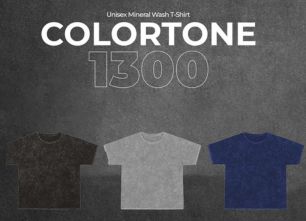
    Overview of the Colortone 1300 – Mineral Wash T-Shirt

    Before evaluating its potential, we first need to understand what the Colortone 1300 is, which segment it belongs to, and why it has become a hot choice among POD shops.

    Who Is the Colortone Brand?

    In the world of POD blank apparel where most brands compete with basic, standard T-shirt, Colortone stands out as something entirely different. Colortone is a well-known U.S. brand specializing in one unique category: hand-dyed garments.

    They don’t produce plain tees. Their philosophy is that each product must be a work of art. From vibrant tie-dye patterns, unique crystal wash effects, to our spotlight item, the mineral wash, Colortone delivers a level of personality and artistry unmatched by typical blank apparel.

    Among their product lineup, the Colortone 1300 is considered one of the best-selling styles because it perfectly combines the elements POD sellers are constantly hunting for to boost revenue:

    • Unisex Fit: Easy to market, suitable for all customers, and reduces buying hesitation.
    • Thick Cotton Fabric: Offers a premium, durable, and “worth the money” feel.
    • Unique Mineral Wash: The core “weapon” that sets it apart. We’ll dive deeper into this shortly.
    • The Perfect Canvas for Design: This fabric finish creates an ideal stage for vintage, retro, grunge, and aesthetic designs some of the most profitable niches right now.

    Decoding the “Premium” Technical Specifications of the Colortone 1300

    To understand why the Colortone 1300 commands a higher price point, we need to interpret its technical specifications through the perspective of a seller:

    • Material: 100% Heavyweight Cotton: This is not the thin, lightweight cotton commonly found in basic T-shirts. It is a dense, weighty fabric that feels substantial in hand, delivering a premium impression and superior durability. It also serves as an excellent canvas for printing methods like DTG, allowing ink to adhere well and colors to appear more vivid.
    • Feature: Pre-Shrunk:  A massive advantage. The pre-shrunk treatment significantly reduces shrinkage and preserves the garment’s shape after washing. For sellers, this means fewer returns, fewer customer complaints, and an increased number of 5-star reviews.
    • Dyeing Technique: Mineral Wash: This process creates natural, random color variations with a “vintage, rugged” look on the fabric surface. Most importantly, no two shirts ever have identical patterns.
    • Fit: Unisex, Relaxed Fit: The relaxed silhouette is a leading trend, making it easy to style as an oversized look one of the most popular preferences among younger customers today.
    • Product Perception: All of these components combine to deliver a garment with exceptionally high emotional value and perceived value. Customers are not just buying a T-shirt, they’re purchasing a unique fashion item.

    Why Is Mineral Wash Especially Appealing to U.S. Customers?

    In the U.S. the world’s largest POD market the vintage, retro, and nostalgia-driven aesthetic has never cooled down. It’s a cultural “gold mine.” With its Mineral Wash technique, the Colortone 1300 taps into this mindset perfectly.

    For American customers, the Mineral Wash effect creates:

    Authentic Uniqueness: In a world of mass production, uniqueness is a form of luxury. Because each shirt has a different wash pattern, customers feel like they’re owning a “custom” piece made just for them.

    Artistic Yet Everyday Appeal: It isn’t as loud or psychedelic as spiral tie-dye. Instead, it carries a naturally rugged, artistic charm. It feels like a vintage band tee you’d discover in a retro thrift shop.

    Strong Aesthetic Appeal: “Aesthetic” is a dominating keyword on social platforms like Instagram, Pinterest, and TikTok. Mineral Wash tees create the perfect backdrop for popular aesthetics such as grunge, streetwear, and dark academia. This makes them extremely attractive to young buyers, creators, and taste-driven shoppers.

    This inherent “uniqueness” also breaks the pricing barrier, allowing POD sellers to confidently price the Colortone 1300 much higher than basic tees, effectively transforming it from just a blank into a true profit-generating machine.

    Why Is the Colortone 1300 Suitable for the 2025 Holiday Season?

    To determine whether it is a worthwhile investment, we need to analyze it through the lens of holiday trends, gifting demand, and customer behavior.

    The Holiday Season Is the Season of “Quality Gifts”

    The end of the yearBlack Friday, Cyber Monday, Christmas, and New Year is considered the “golden period” of the POD industry. But it is also the time when customer purchasing behavior shifts dramatically. They are no longer just looking for something “cheap”; they are searching for gifts that feel special.

    In the U.S. market, customers are willing to pay significantly more for a gift if it meets the following criteria:

    • Uniqueness: They want something that no one else has.
    • Personal Style: The gift should reflect the personality of the receiver.
    • Trend Alignment: It must align with current fashion trends.
    • Good Quality: It should feel premium and durable.
    • Premium Appearance: The item must “look expensive” and carry high perceived value.

    The Colortone 1300 Mineral Wash checks all of these boxes. Its unique wash pattern ensures every shirt is a one-of-a-kind piece, instantly giving it a premium feel. During the holiday season, customers aren’t simply shopping for “a T-shirt”; they’re looking for a meaningful gift. And the mineral wash effect is precisely what makes this product look far more expensive than its actual cost, turning it into a perfect gifting choice.

    The Vintage/Retro Trend Is Rising Strongly

    If you still have doubts about the potential of the Colortone 1300, just look at the data. According to Google Trends analysis in the U.S. market, search keywords related to this aesthetic such as “vintage tee,” “washed T-shirt,” “retro 90s clothing,” and “grunge outfit” have shown strong and consistent growth for three consecutive years.

    This proves that it is not a “short-lived” trend. It represents a significant shift in American consumer preferences. Customers are craving nostalgia-inspired designs, and the Colortone 1300 aligns perfectly with this demand.

    This is even more important during the holiday season, when vintage-style Christmas designs explode in popularity. A basic T-shirt simply cannot convey that true vintage soul. The mineral wash background of the Colortone 1300 provides the perfect aesthetic foundation, giving your nostalgia-themed designs a far stronger appeal easily outperforming competitors using plain blanks.

    Easier to Create High Perceived Value When Running Ads

    For POD sellers, a “winning product” is one that performs well in ads with minimal resistance. The Colortone 1300 offers outstanding advantages when advertising:

    • Instantly eye-catching mockups:  A Colortone 1300 mockup with its rugged, textured wash looks premium, artistic, and scroll-stopping, far more effective than generic plain T-shirt mockups.
    • Attracts high-value customers: You’re not targeting bargain hunters. You’re targeting aesthetic-driven buyers, retro lovers, custom fashion shoppers, who are willing to pay more for items that reflect their personality. This naturally increases your AOV (Average Order Value).
    • More precise ad targeting:  You can directly target high-profit niches like Grunge fashion, 90s aesthetic, or Vintage clothing, instead of competing in the oversaturated “T-shirt” category.
    • Reduced direct competition: Its higher base cost acts as a natural barrier, discouraging lazy or low-effort sellers who rely on price wars. Only serious sellers who invest in design and branding can fully capitalize on this product.

    A Surprisingly Wide Customer Base for the Holiday Season

    Many people assume the Colortone 1300 is “niche” or hard to sell. In reality, it’s an incredibly flexible “stage” for countless holiday niches. Its rugged, textured look doesn’t limit designs it enhances them:

    • Family / Couple: A design like “Our First Christmas” on a mineral wash tee looks far cooler and more stylish than the typical bright red holiday shirt.
    • Pet & Owner: Retro-style pet portraits pop beautifully on this background.
    • Music / Retro 80s–90s: A perfect niche mineral wash gives designs the look of classic band tour merch.
    • Outdoor & Adventure: Mountain, camping, and hiking themes pair amazingly well with the rugged aesthetic.
    • Grunge Quotes / Christian Faith: A simple “Faith” quote on a distressed-looking tee feels deep, meaningful, and authentic.
    • Funny Christmas: Sarcastic holiday jokes become even funnier when placed on a “serious,” vintage-looking background.

    With this level of versatility, sellers can easily build a strong, cohesive, and stylish holiday-themed collection instead of just selling random, disconnected designs.

    The “Golden” Advantages of Investing in the Colortone 1300 for the 2025 Holiday Season

    Below are the key reasons why the Colortone 1300 is a highly worthwhile option to test in your Q4 campaigns this year.

    A Premium Look and Feel That Supports Higher Pricing and Better Profit Margins

    In POD, profitability doesn’t come from “selling cheap”, it comes from selling at a higher price with a justified value. U.S. customers, especially during the gifting season, are always willing to pay more for strong perceived value.

    The Colortone 1300 delivers an instant premium impression from the very first glance. It aligns precisely with what buyers look for:

    • Heavyweight, sturdy cotton, worlds apart from thin basic tees
    • Unique mineral wash coloring with an artistic, rugged aesthetic
    • A trend-friendly unisex relaxed fit

    Here’s the key point: While a basic Gildan 5000 often struggles to exceed the $14.95–$24.95 price range due to market saturation, the Colortone 1300 allows you to confidently price at $24.95–$34.95 (or even higher depending on the niche and design quality).

    This $10+ price difference per item is not just extra revenue, even after accounting for the higher base cost, it still delivers significantly stronger net profit margins, helping you offset ad spend and earn more profit per order.

    Each Shirt Is a “Limited Edition” Piece

    In a world driven by mass production, uniqueness is a form of luxury. The handcrafted mineral wash technique ensures that every Colortone 1300 T-shirt has its own completely distinct wash pattern.

    This becomes an invaluable selling point during the holiday season. Instead of gifting something generic, your customers are giving a truly limited-edition item,  literally unique. This sense of exclusivity taps directly into the psychology of “giving something special,” accelerating purchase decisions and reducing price comparison.

    A Perfect “Stage” for POD – Surprisingly Easy to Match With Designs

    Many sellers worry that a “busy” background might overshadow the artwork. In reality, the mineral wash texture of the Colortone 1300 acts as a stage that enhances your designs. It pairs beautifully with most of today’s top-selling styles:

    • Typography Designs: Extremely compatible. A simple quote in a retro or grunge font instantly looks more stylish.
    • Retro/Vintage Artwork: Perfect for recreating classic 80s–90s band-tee aesthetics.
    • Grunge/Distressed Designs: Cracked, worn, or aged effects blend seamlessly with the mineral wash background.
    • Vintage Christmas: Holiday nostalgia designs look more authentic and visually appealing.
    • Bold Graphics: Large, simple, bold illustrations stand out powerfully.

    Unlike basic blank tees that often make artwork look flat, the mineral wash background adds depth and texture, making your designs appear more tasteful, artistic, and professionally crafted.

    Lower Refund Rates Thanks to Genuine Quality

    One of the biggest “nightmares” for POD sellers during the holiday season is the refund rate. The most common complaints are: “the fabric is too thin,” “it looks cheap,” or “it doesn’t match the description.”

    The Colortone 1300 eliminates these issues almost entirely. If we rank common POD blanks on a quality scale:

    • Gildan 5000: Average (acceptable)
    • Bella+Canvas 3001: Good (soft, lightweight)
    • Comfort Colors 1717: High (thick, durable, soft)
    • Colortone 1300: Premium / Unique (thick, substantial, distinctive)

    The substantial, heavyweight feel of the shirt creates instant satisfaction the moment customers or gift recipients touch the product. This dramatically reduces refund rates and helps protect your store’s reputation.

    A “Weapon” to Elevate Your Brand and Boost AOV

    Stuck in the “cheap product” battle? Want to increase your AOV (Average Order Value)? The Colortone 1300 is the bridge you need.

    By adding the Colortone 1300 to your catalog, you’re signaling to customers that your shop sells quality, tasteful, and premium-feel products not just basic, low-cost T-shirts. This is a strategic move that helps shift your store from the low-price segment into the mid/high-end category, attracting customers who are willing to pay more.

    Limitations to Consider Before Investing in the Colortone 1300

    Not every product is suitable for every business model. Here are the key risks sellers should take into account.

    Significantly Higher Base Cost Compared to Standard Tees

    This is the biggest and most obvious barrier. Compared to a basic Gildan 5000, the base cost of the Colortone 1300 can be 20% to 40% higher (depending on the supplier).

    This is not a “problem” if you have a proper strategy—but it becomes a disaster if you ignore it. A higher base cost requires you to:

    • Set a higher selling price: You cannot sell it for $19.95. You must confidently price it at $30+.
    • Target the right audience:  Aim for style-conscious, higher-spending customers not discount hunters.
    • Invest in premium mockups: Your mockups must look high-end and professional to match the price tag.
    • Use the right design style: Designs must have aesthetic value (vintage, retro). Generic designs won’t work.

    If you target the wrong segment or use low-effort mockups, you will end up burning ad spend without generating sales because the price is high but the perceived value is low.

    Random Variations and Managing Customer Expectations

    The “unique” nature of mineral wash is also a double-edged sword. This dyeing technique creates random wash patterns, meaning no two shirts will ever look 100% identical.

    If a customer sees a mockup with wash patterns in Position A but receives a shirt with patterns in Position B, they may think it’s a defect and request a refund.

    Solution:  You must clearly state in your product description: “Note: Due to the handcrafted mineral wash dyeing technique, each shirt is unique. Wash patterns will vary naturally from the mockup image. This is NORMAL and is part of the artistic character of the garment, not a defect.” This helps minimize disputes and refund risks.

    Not Suitable for “Bargain Hunter” Audiences

    Let’s be honest: if your audience is used to buying T-shirts in the $9.95–$14.95 price range, they will not buy the Colortone 1300. If your customers don’t care about “premium” quality and only want the cheapest basic tee possible, trying to “educate” them with the Colortone 1300 is unrealistic and a waste of resources.

    Higher Requirements for Design Thinking and Color Selection

    The mineral wash background is inherently “busy” and visually textured. You can’t simply throw any design onto it.

    • Avoid light colors: Pastel or light-tone designs, or colors too similar to the shirt’s base tone, will get “lost” and appear messy.
    • Prioritize high-contrast colors: Use colors with strong contrast such as white, black, or neon tones. Bold, clear typography or distressed-style artwork are the safest and most effective choices.

    Comparing the Colortone 1300 With Other Popular POD Blanks

    To understand exactly where the Colortone 1300 stands, let’s compare it directly with the three major players in the POD apparel market.

    Criteria Colortone 1300 (Mineral Wash) Gildan 5000 (The Basic) Bella+Canvas 3001 (The Softie) Comfort Colors 1717 (The Competitor)
    Fabric 100% Heavyweight Cotton 100% Heavyweight Cotton 100% Cotton (soft, lightweight) 100% Heavyweight Cotton, Garment-Dyed
    Feel Sturdy, rugged, vintage Sturdy, basic Soft, smooth, stretchy Soft, “worn-in,” very durable
    Vibe Edgy, Rock-n-Roll, Vintage Mainstream, plain Modern, trendy, youthful Preppy, cozy, beachy, nostalgic
    Base Cost Highest Lowest Medium–High High
    Profit Margin Highest Lowest Medium High
    Best Niches Streetwear, Gothic, Band Tees Events, Group Shirts, Mass Market Fashion, Minimalist, Female Audiences Cozy, Nostalgia, Faith, Nature

    If you’re looking for a product that is both unique and capable of delivering high profit margins for the 2025 holiday season, the Colortone 1300 is definitely worth testing. From its premium feel and standout mineral wash aesthetic to its strong pricing potential and alignment with year-end gifting trends, this T-shirt opens up significant growth opportunities for POD sellers.

    If you need further guidance on the product, U.S. fulfillment processes, or strategies to optimize your holiday sales, feel free to contact FlashShip via hotline (+84) 943 024 337 for fast and accurate support.

  • Hidden Costs in POD Fulfillment and How to Eliminate Them

    Hidden Costs in POD Fulfillment and How to Eliminate Them

    In the Print on Demand (POD) business, many sellers focus only on print prices and shipping fees while overlooking a factor that directly determines profitability: hidden fulfillment costs. These are expenses that don’t appear on the pricing sheet but quietly erode profit margins, increase refund rates, delay deliveries, and negatively impact customer experience.

    Understanding these hidden costs why they occur and how to eliminate them is the key for POD sellers to reduce risks, streamline operations, and protect their profits even during peak seasons.

    This article will help you identify the seven most common hidden costs in fulfillment and provide practical solutions to manage them effectively.

    Hidden Costs

    What Are Hidden Costs? Why Are They Dangerous for POD Sellers?

    The precise definition of “hidden costs”

    To defeat an enemy, you must first be able to identify it.

    Hidden costs (Hidden Fees) in fulfillment are not the obvious expenses like product base costs or standard shipping fees. They are additional charges, service surcharges, or penalty terms that are not clearly stated in the initial quote or are buried deep within a complex, multi-page pricing sheet.

    They often appear under vague labels such as “processing fee,” “special surcharge,” “management fee,” or “minimum service fee.”

    Let’s make a clear distinction:

    • Variable Costs: Expenses that fluctuate based on order volume (e.g., base cost, shipping fees). These are normal and predictable.
    • Hidden Costs: Unexpected and difficult-to-predict charges that show up on your end-of-month invoice disrupting your financial plans and eating into your profit margins.

    The Dangers of Hidden Costs for POD Sellers

    Why are these seemingly small fees so dangerous?

    • Margin Erosion: This is the most obvious impact. Imagine you sell a T-shirt with an expected profit of $8. But a series of hidden fees (receiving fees, second-item pick fees, over-storage fees) quietly consumes $2.5.  Your profit instantly evaporates by 31%. For a scaling business, this multiplied across thousands of orders becomes a financial disaster.
      • Disrupted Pricing Strategy: You set your product price based on estimated costs. When the actual costs turn out to be much higher due to hidden fees, you fall into one of two situations:
      • If you keep the selling price: You’re unknowingly selling at a loss.
      • If you raise the price to cover the loss: You lose competitiveness. Customers will switch to competitors with better prices (because those competitors control their costs more effectively).
    • Uncertainty and Stress: As a seller, you need stability to plan your cash flow, reinvest in ads, and develop new products.  When you cannot accurately predict your monthly fulfillment costs, you are running your business in a fog. This uncertainty is the enemy of growth and a never-ending source of stress.
    • Negative Cash Flow: During peak season, you pour money into ads expecting strong profits at the end of the month. But when the fulfillment invoice arrives loaded with hidden fees, the amount you owe balloons eating up the cash you need to pay Facebook, Google, and maintain operations. This is one of the fastest ways a scaling store can collapse. Hidden costs are not just a minor inconvenience.  They are a systemic problem a form of “cancer” that can silently destroy your POD business from the inside.

    7 Types of Hidden Fulfillment Costs Every POD Seller Should Know

    Hidden Costs

    Below are the seven “silent enemies” that can drain your profits even when your sales are growing.

    Production Error Costs

    This is the most visible and the most painful type of cost. It’s not just a misprinted T-shirt; it triggers an entire domino effect. Production errors include: wrong color, wrong size, wrong design, misalignment, ink stains, and even incorrect shipping addresses.

    Real impact: Your profit doesn’t just disappear because of the $10–$15 base cost lost. You actually lose twice:

    • Resend cost: You must cover the production and shipping of a new replacement order (for free) to the customer.
    • Support time: You spend 10–20 minutes handling the customer’s complaint.
    • Invisible costs: Losing loyal customers, losing your 5-star rating, and losing future upsell opportunities.

    In demanding niches or markets like the U.S., customers are extremely sensitive to errors. A single T-shirt with color bleeding can mean a permanent 1-star review.

    Late Delivery Costs

    In a world where customers expect “instant gratification,” late delivery is the silent killer of conversion rates. When a fulfillment center becomes overloaded during peak seasons or when carriers experience delays, the real costs you pay include:

    • Higher Refund & Chargeback Rates:  If customers don’t receive their orders on time, they will immediately request refunds or worse, file chargebacks through their bank.
    • 1–2 Star Reviews: This is almost guaranteed to happen, directly damaging your store’s reputation and hurting your ad account quality score.
    • Support Costs Doubling: You’ll be flooded with the same question: “Where is my order?”

    Research shows that even a single day of delay compared to the promised delivery window can increase refund rates from 5% to 12%.

    Return & Refund Costs

    Returns are a financial nightmare. The total cost of a refund isn’t just the amount you give back to the customer. It includes:

    • 100% refund of the product price
    • 100% refund of the shipping fee (including outbound shipping)
    • Customer support labor costs
    • Re-shipping costs for a replacement order (if applicable)
    • The biggest cost: All advertising spend wasted on acquiring that order

    For POD sellers, a refund can kill a well-performing campaign, lower your account quality score, and increase the chances of your future ads being rejected.

    Hidden Shipping Costs

    You may think you’ve calculated your shipping fees correctly but be careful. Many fulfillment centers include unclear surcharges, such as:

    • Remote Area Surcharge: Additional fees for deliveries to remote locations.
    • Peak Season Surcharge: Increased shipping costs during Q4.
    • Regional Price Variations: Shipping to the East Coast and West Coast can differ by $2–$3.

    Choosing a non-optimal carrier or working with a fulfillment center whose hub is too far from your customers can cause you to lose $2–$5 per order and extend delivery times by 5–7 days.

    Blank Inventory Risk

    Whether you source your own blanks or rely on a platform, inventory risk is always present.

    • Out of Stock:  What’s worse than a campaign hitting its peak? A campaign hitting its peak… but your blank apparel is out of stock.
    • Best-Seller Colors Running Out: Missing just the three core colors (Black, White, Sand) can immediately wipe out 30–40% of your revenue.
    • Dead Inventory: SKUs, colors, or sizes like 3XL and 4XL that don’t sell will tie up capital and incur ongoing storage costs.

    Manual Handling Costs

    In the 4.0 era, if your fulfillment partner is still manually checking design files, visually inspecting products, or updating tracking slowly, you’re paying the price. Manual processes lead to:

    • More Production Errors: Human mistakes are inevitable.
    • Slower Processing Speeds: Manual workflows easily create bottlenecks during peak seasons.
    • Lack of Transparency: Without camera monitoring on the packing lines, you will never know who is responsible when customers file complaints.

    Customer Service Load

    This is an invisible cost but the one that consumes the most valuable resource: your time. A single faulty order will cost you:

    • 10–20 minutes chatting or emailing with the customer
    • Time spent searching for tracking information and checking the order status
    • Time sending a request to the fulfillment center
    • Time waiting for (and chasing) their response

    If you have 10 problematic orders a day, you’ll waste 2–3 hours just “putting out fires.”  That is precious time that should have been used to find new winning products or optimize your campaigns. Don’t let hidden costs turn you from a Seller into a Customer Support Agent.

    Why Do Sellers Often NOT Notice These Hidden Costs?

    CostsPOD

    If these costs are so obvious, why do thousands of sellers fall into the trap every day? The reason lies in both psychological factors and the supplier’s sophisticated “concealment” tactics.

    Pricing Sheets Designed to Confuse

    No non-transparent supplier will ever label anything as “Hidden Costs” on their price sheet. Instead, they will:

    • Use an “À La Carte” Pricing Model: They break every service into small pieces. The price for picking the first item looks extremely cheap, but there are 20 additional surcharges listed below. They count on you only looking at the first three lines.
    • Use Complicated Terminology:  Instead of saying “Labeling Fee,” they call it “SKU Compliance Labeling Fee.”  Instead of “Box Fee,” they call it “Corrugated Container Fee.” This complexity discourages you from asking deeper questions.

    The “Anchoring” Effect on Low Prices

    This is a classic psychological tactic. A supplier will heavily advertise a single attractive number:  “Fulfillment from only $1.50 per order!”

    That $1.50 becomes an “anchor” in your mind. You compare it to competitors (who may quote $3.50 all-in, fully inclusive). You assume $1.50 is a great bargain. What you don’t realize is that the $1.50 is merely the entry ticket, and your actual total cost may end up reaching $4.50 after all surcharges costs that the $3.50 provider had already included.

    Focusing on Marketing Instead of Operations

    POD sellers (especially beginners) often invest 90% of their energy into creating designs and running ads. They treat fulfillment as a simple “plug-and-play” step.

    They may spend weeks optimizing their landing page, yet only 15 minutes skimming through a fulfillment pricing sheet.

    They only realize the problem when it’s too late  when the invoice arrives.

    Contracts and Service Level Agreements (SLA) “Loaded with Fine Print”

    All these hidden costs are, legally speaking, not hidden. They are “legally concealed” inside a 30-page Service Level Agreement (SLA) that almost no seller actually reads. When you question a certain fee, they simply respond: “It’s in Section 11.4, Subsection C of the contract you signed.”

    Intentional Lack of Transparency from the Supplier

    This is the biggest reason. Some fulfillment providers build their business model on the customer’s lack of understanding. Their profit doesn’t come from the core service it comes from surcharges and penalties. They deliberately make their pricing sheets complicated. They deliberately give vague, unclear answers to your emails. Because your confusion is their profit.

    Solutions to Reduce Hidden Costs in POD Fulfillment

    Based on FlashShip’s U.S.-standard fulfillment experience, here are practical solutions sellers can apply immediately.

    Choose a Fulfillment Partner with a Clear SLA

    Never work with a provider that is vague or unclear. A Service Level Agreement (SLA) is the “contract” that protects you. It should clearly state:

    • Order processing speed (24–48 hours guaranteed?)
    • Maximum allowable late-delivery rate
    • Production error rate (e.g., below 0.5%)
    • Transparent policies for handling errors, resends, and refunds (Who pays when a mistake happens?)

    The more transparent the SLA, the less room there is for hidden costs to appear.

    Prioritize Fulfillment Centers with Automation & Big Data

    The era of manual fulfillment is over.  Automation systems help minimize human errors (the leading cause of resend costs), optimize production lines, and intelligently route orders. Moreover, Big Data–powered platforms like FlashShip can predict which SKUs are about to trend so you can prepare inventory in advance, and automatically select the optimal shipping route based on ZIP code helping reduce 20–35% of hidden costs for sellers.

    Choose High-Quality Blanks to Reduce Print Errors

    You cannot create a 5-star product using a 1-star blank.  “Saving” a few cents by using low-quality blanks will cost you ten times more in refunds. Always prioritize proven, high-quality blanks such as Gildan 64000, Bella + Canvas 3001, Comfort Colors 1717, or AS Colour. High-quality blanks have smoother fabric surfaces, allowing ink to adhere better and reducing print defects such as misprints or cracking. Quality blanks = fewer errors = significantly lower refund rates.

    Use Optimized Shipping Routes Based on Geographic Regions

    The United States is a vast market with multiple time zones and geographic regions (East Coast, Central, West Coast). Shipping an order from New York (East Coast) to California (West Coast) is both expensive and time-consuming. A smart fulfillment partner like FlashShip uses Big Data to route orders so they are shipped from the hub closest to the customer, helping reduce shipping fees and shorten delivery times by 5–7 days, eliminating one of the main causes of late-delivery refunds.

    Reduce Manual Handling with Technology

    Automation is the key to smooth operations, especially during peak seasons.  An ideal workflow includes:

    • Automatic design file checking (auto-file check)
    • Barcode scanners used at every step
    • Camera monitoring on packing lines

    This not only accelerates processing speed but also provides proof (video/photos) when disputes arise, helping you determine responsibility accurately.

    Calculate Total Monthly Costs – Not Just Per-Order Costs

    Don’t look only at the base cost. Many sellers get “tricked” by a low base cost while their total expenses end up being much higher. You should calculate all monthly costs: total refunds, total resend expenses, ad spend wasted on faulty orders, and the time you spend supporting customers. Only when you look at the Big Picture (Total Cost of Ownership) will you know your true profit.

    Choose a Fulfillment Partner, Not Just a Printer

    A printer simply receives orders and prints. A Fulfillment Partner works with you. They proactively manage and route orders when your campaign starts to scale, alert you when SKUs are running low, and most importantly maintain consistent SLA performance even during Q4. Only when the fulfillment team and the seller operate as one unit can hidden costs be fully controlled.

    Hidden fulfillment costs are not just minor extra charges they are silent factors that shape the overall operational efficiency of the Print on Demand model. When sellers understand and effectively control these costs, every stage from printing to packing and shipping becomes more stable, transparent, and optimized.

    In an increasingly competitive global POD market, where every minute of delay or small mistake can turn into a significant expense, eliminating hidden costs becomes the foundation for Vietnamese sellers to increase profit margins, improve customer experience, and scale sustainably in the U.S. market.

    If you need a transparent, cost-optimized, and fast U.S. fulfillment partner, contact FlashShip via hotline: (+84) 943 024 337 for dedicated support.
  • Applying Big Data in Print on Demand Order Managemen

    Applying Big Data in Print on Demand Order Managemen

    Big Data is reshaping the way the Print on Demand (POD) industry operates. From demand forecasting to buyer behavior analysis, Big Data has become the foundation that helps POD sellers enhance performance, reduce costs, and achieve sustainable profits.

    In today’s global competition where every second in order processing makes a difference Big Data is no longer a distant technology but a strategic weapon that empowers sellers to conquer the U.S. market more effectively.

    This article will explore the true meaning of Big Data in POD and uncover five key applications that are transforming order management.

    Big Data,

    What Is Big Data in POD? The “Heart” Behind Every Operational Decision

    In the POD industry, thousands even millions of orders are processed, printed, and shipped to customers around the world every single day. Speed, accuracy, and demand forecasting have become critical survival factors for every seller. That’s why Big Data is gradually becoming the “heart” of modern POD operations, powering smarter, faster, and more efficient decision-making across the entire fulfillment process.

    What exactly is Big Data in POD?

    It’s not just an Excel sheet of past orders. Big Data refers to an enormous collection of information that is continuously gathered and processed in real time from hundreds of different sources. It includes:

    • Transactional Data: Order details, products, SKUs, designs, addresses, and more.
    • Operational Data: Order turnaround time, printer performance, error rates, and blank inventory levels.
    • Behavioral Data: What products customers view, where they abandon carts, and their purchase timing (time-on-site).
    • Logistics Data: Shipping cost and delivery time by carrier (USPS, DHL, etc.) for each ZIP code or region.
    • Feedback Data: Customer support emails, product reviews, and reasons for returns or refunds.

    The true value of Big Data doesn’t lie in its size but in the ability to connect and analyze all these information streams simultaneously, enabling sellers to make smart, real-time decisions that drive efficiency and profit.

    Why Is Big Data the Lifeline of the POD Industry?

    Big Data in POD

    The POD model may seem simple because it operates on a “no inventory” basis but that very advantage also creates tremendous operational pressure. Big Data is the key to managing and overcoming that pressure effectively.

    Optimizing Every Bottleneck in Fulfillment

    In a printing facility, a single delayed order can be caused by dozens of factors a jammed printer, a shortage of blank shirts, or an overloaded QC staff. Manual management can only see one thing: “the order is late.”

    Big Data allows the system to identify the exact bottleneck by analyzing data from tens of thousands of orders. It can pinpoint issues such as: “DTG Printer #5 has a 15% higher error rate during the afternoon,” or  “Orders shipping to Texas are getting stuck at the Dallas post office.”

    With that insight, fulfillment platforms can proactively optimize their workflow, reassign orders, or perform maintenance before problems escalate, reducing both operational costs and processing time.

    Turning Demand Forecasting from Guesswork into Foresight

    For sellers, running out of blank stock during the holiday season can be a disaster. Big Data enables highly accurate demand forecasting by combining historical trends (e.g., “Sand color hoodies sold best in last year’s Q4”) with real-time data (e.g., “5,000 sellers are currently pushing a ‘Christmas for Cats’ design”).

    The system can then automatically predict demand and place bulk orders for blanks weeks in advance, ensuring sellers can confidently run ads without fearing stockouts.

    Enhancing the End-to-End Customer Experience

    Big Data collects and analyzes every piece of customer feedback. If the system detects that a particular shirt model (for example: 100% Cotton Tee from Supplier X) has a customer complaint rate of over 5% for issues like “faded print,” it will automatically trigger a warning flag. This enables fulfillment platforms to quickly improve product quality, adjust print profiles, or even switch blank suppliers ensuring that shipping speed and post-sale service remain at an optimal level.

    For large-scale fulfillment operations, Big Data is more than just a management tool it’s the foundation that powers a smarter, faster, and more precise operation every single day, guaranteeing that when your store goes viral, the system is already fully prepared to handle it.

    5 “Golden” Applications of Big Data in POD Order Management

    Big Data in POD, (2)

    Below are five of the most practical applications that are directly transforming how POD sellers manage their orders.

    Predicting Trends and Product Demand

    Big Data enables us to analyze millions of past orders to forecast which products are likely to sell best in the future. Instead of reacting passively, we help sellers see what’s coming before it happens.

    For example, when the system cross-analyzes data from Google Trends, Etsy, and Amazon, it might detect a sharp spike in the keyword “Christmas Family Matching Shirts” in November. The system will instantly suggest that sellers prepare T-shirt designs for this niche 4–6 weeks earlier.

    Similarly, if historical Q4 sales data shows that sweatshirts account for 35% of total revenue, the system will automatically recommend increasing Gildan 18000 blank inventory at fulfillment hubs.

    As a result, sellers can better optimize their design, advertising, and production plans, avoiding the nightmare of “ads going viral while blanks are out of stock.”

    Optimizing the Fulfillment Workflow

    In the fulfillment process, every order goes through multiple stages, printing, quality check, packing, and dispatch. Big Data helps analyze the processing time at each stage, pinpointing the exact bottleneck that causes delays.

    Improving Accuracy and Reducing Production Errors

    One of the biggest pain points for POD sellers is production mistakes blurred prints, wrong sizes or colors, or incorrect shipping addresses. Big Data addresses these issues by analyzing the entire history of operational errors.

    For example, if the system detects that 80% of faded print errors occur on dark garments during the DTG process, it will automatically issue a warning to switch those designs to DTF printing or recheck the pretreatment solution.

    Similarly, if a packaging line shows a higher-than-normal rate of mixed-up orders, the system will prompt an inspection of the camera tracking and barcode scanner to ensure accuracy.

    Optimizing Shipping and Logistics Costs

    Big Data doesn’t stop at production it acts as the “orchestrator” of U.S. domestic shipping routes. The system analyzes performance data from carriers like USPS, UPS, and FedEx across different ZIP codes to automatically select the fastest and most cost-effective shipping option for each order.

    By combining this with geospatial mapping data, Big Data automatically categorizes orders headed to the East Coast, Central, or West Coast, then assigns them to the nearest fulfillment hub for example, orders from New York will be prioritized for processing at the East Coast Hub.

    As a result, average shipping costs are reduced by 15–25%, and delivery times are shortened to just 2–5 business days  a significant competitive advantage for Vietnamese POD sellers competing in the U.S. market.

    Supporting Sellers in Strategic Business Decision-Making

    Ultimately, Big Data doesn’t just serve fulfillment it acts as your business assistant. The system provides deep analytics on buyer demographics, geographic regions, average spending levels, and peak purchasing times.

    For example, after analyzing U.S. customer behavior, the system may report: “Buyers aged 25–35 in Texas are 40% more likely to purchase tie-dye shirts than average.” This is a golden insight that allows sellers to invest in new designs and run ad campaigns focused on this specific group. Big Data helps transform every business decision from gut feeling to data-driven, the key distinction between a beginner seller and a true professional.

    Benefits of Applying Big Data for POD Sellers

    Big Data in POD, (2)

    Accelerating Fulfillment Speed – The Ultimate Competitive Weapon

    In the U.S. market, customers are accustomed to the lightning-fast pace of Amazon Prime they won’t wait two weeks for a T-shirt. Big Data enables fulfillment systems to instantly identify bottlenecks and automatically reallocate production capacity. The system knows which printer is idle, which packing line is overloaded, and automatically routes orders to the fastest available station. As a result, POD sellers operating on data-driven systems can achieve up to 99% of orders completed within 24 hours. This speed advantage is the key to outperforming competitors and retaining loyal customers.

    Optimizing Operational Costs and Increasing Profit Margins

    Big Data doesn’t just make you faster it makes you more profitable. When every process is optimized by data, hidden costs such as labor inefficiencies, production errors, and especially logistics expenses are significantly reduced.

    For instance, accurate blank demand forecasting allows fulfillment platforms to avoid overstocking slow-moving SKUs, saving 10–20% in material and fulfillment costs. These savings directly lower production costs, giving sellers more competitive pricing and ultimately, higher profit margins per product sold.

    Reducing Refund Risks and Protecting Your Shop’s Reputation

    A single 1-star review can kill a best-selling listing, and Big Data acts as the shield that protects you from that. The system continuously analyzes customer feedback to identify the most common causes of refunds: wrong color, delayed delivery, or poor print quality.

    From there, the fulfillment system can proactively adjust its workflow before issues occur. For example: “Warning: 5% of Dark Chocolate T-shirt orders received complaints about faded prints. Please recheck the ink profile.” As a result, sellers can reduce average refund rates by up to 35% and maintain Etsy or Amazon ratings at 4.8–4.9 stars, preserving both profit and brand credibility.

    Making Faster and Smarter Decisions

    Competition in POD is a race to catch trends early, and Big Data gives sellers the ability to see what’s coming next. It helps identify emerging trends before they go mainstream.

    For instance, instead of waiting until December to start selling Christmas designs, the data system might detect that the keyword “retro Christmas sweatshirt” begins rising steadily as early as October. Sellers using data-driven platforms will receive design and campaign recommendations immediately, allowing them to capture market demand ahead of competitors before the trend peaks.

    Scaling Easily and Sustainably

    This is the greatest advantage: how can you grow from 100 orders a day to 5,000 orders a day during Q4 without your production collapsing? The answer is Big Data.

    When all data from production, sales, to shipping is seamlessly connected, sellers can scale their business effortlessly without facing operational bottlenecks. Big Data enables the creation of a flexible fulfillment model capable of handling thousands of orders per day while maintaining both quality and speed.

    All you need to focus on is marketing  the operational “brain” powered by Big Data will handle the rest.

    Big Data is no longer just a technological trend, it has become the core operational foundation of the modern Print on Demand (POD) industry. Smart utilization of Big Data enables POD sellers to accurately forecast demand, optimize order processing, reduce production errors, and enhance the overall customer experience.

    In a globally competitive environment where speed and precision determine success, Big Data is the key that empowers Vietnamese sellers to scale their businesses sustainably in the U.S. market.

  • T-Shirt Blanks: The Core Product in Print on Demand Business

    T-Shirt Blanks: The Core Product in Print on Demand Business

    In the Print on Demand (POD) industry, T-shirts are considered the “backbone product” that helps sellers start easily, test ideas quickly, and build a sustainable brand. Not only do they account for the largest share of POD revenue, but the T-shirt blanks also determine print quality, customer experience, and repeat purchase rates.

    This article will help you understand why T-shirts are the core product of the POD business, how to choose the right blank for your niche, compare today’s most popular T-shirt brands, and forecast 2025 blank trends so sellers can proactively seize new business opportunities.

    T-Shirt POD

    Why T-Shirt Blanks Are the “Core Product” of POD

    In Print on Demand (POD), the T-shirt blank isn’t just a part of the product  it is the product itself.

    The Absolute Foundation for Print Quality (DTG & DTF)

    This is the most critical technical factor. The two most common printing technologies today are Direct-to-Garment (DTG) and Digital Transfer Film (DTF).

    For DTG printing: This technology sprays water-based ink directly into the fabric fibers. If the shirt surface isn’t smooth, has fibrillation (loose fibers), or isn’t made of 100% cotton, the print will appear patchy, dull in color, and prone to peeling. A high-quality blank (such as 100% Ring-Spun Cotton) allows the ink to penetrate deeply, producing vibrant, sharp, and long-lasting prints.

    For DTF printing: Although DTF can be applied to a wider range of materials, the quality of the shirt blank still affects the final feel. A thin, low-quality shirt may shrink or feel stiff like a “plastic patch” after heat pressing the DTF film. A better blank integrates the printed film more smoothly and naturally, resulting in a softer and more premium finish.

    The “Face” of Your Brand and Its Value Positioning

    Would your customers pay $30 for a Gildan 5000 (a basic line)? Possibly, but they probably wouldn’t come back.

    The T-shirt blank you choose defines your brand positioning:

    • Budget: Uses thick, boxy shirts → Targets the mass market, event shirts, or low-margin products.
    • Premium: Uses soft-style fabrics, modern retail fit, and side seams → Targets niche markets or fashion-forward brands, allows for higher pricing, and helps build a loyal customer base.

    Selling a $15 shirt is completely different from selling a $45 one and 90% of that difference comes from the blank you choose.

    The Decisive Factor in Customer Experience (Feel & Fit)

    This is the emotional factor. When customers open their package, what’s the first thing they do? They touch the shirt.

    Feel: Is the fabric soft or rough? Cool or stuffy? Fit: Does the shirt flatter the body? Or does it hang like a shapeless sack with no side seams (tubular fit)?

    A shirt that feels great and fits well is one customers will wear again and again. And every time they do, it becomes free advertising for your brand.

    Direct Impact on Refund Rate

    Let’s do a simple calculation:

    • Blank A (Low-cost): Profit $10/shirt – Refund rate 10%
    • Blank B (Premium): Costs $3 more – Profit $7/shirt – Refund rate 1%

    If you sell 100 shirts:

    • Shop A: Earns $1,000, but loses $100 to refunds (10 orders), plus the cost of customer support, lost loyal customers, and negative 1-star reviews. The actual profit is much lower.
    • Shop B: Earns $700, keeps nearly all of it, and gains 5-star reviews that build long-term growth momentum.

    Investing in better T-shirt blanks isn’t an expense – it’s an investment that reduces risk and increases Customer Lifetime Value (CLV).

    Technical Factors That Determine T-Shirt Blank Quality

    T-Shirt Blanks

    To choose a good T-shirt blank, you need to “speak” the manufacturer’s language. Here are the four key factors you must understand.

    Fabrication: Not All Cotton Is Created Equal

    This is the most important factor.

    • 100% Cotton (Standard): This is regular cotton, made from Carded Open-End yarn. It’s durable and affordable but has a rougher texture with visible fibers and a slightly stiff feel. Commonly used in basic blanks like the Gildan 5000.
    • 100% Ring-Spun Cotton (Essential for DTG): This is the gold standard for POD. The cotton fibers are continuously twisted and spun to create longer, finer, and stronger threads.
      • Advantages: Extremely smooth surface, minimal fuzz, ideal for DTG ink adhesion. Feels noticeably softer to wear.
      • Examples: Gildan 64000 (Softstyle), Bella + Canvas 3001 (which takes it even further).
    • 100% Combed & Ring-Spun Cotton (Premium): The “VIP” version of Ring-Spun Cotton. Before spinning, the fibers are combed to remove short threads and impurities.
      • Result: The softest, smoothest, cleanest, and most durable cotton fabric available. That’s why Bella + Canvas 3001 (Airlume Cotton) is so highly regarded among sellers.
    • Cotton/Poly Blends (50/50, 60/40…): A mix of cotton and polyester fibers.
      •  Pros: Ultra-soft, lightweight, wrinkle-resistant, and creates a beautiful heather (salt-and-pepper) effect.
      •  Cons: DTG prints on poly blends tend to look faded or “vintage” because DTG ink only adheres to the cotton fibers. To achieve vibrant colors on poly fabrics, you’ll need DTF printing instead.
    • Tri-Blends: A combination of three fibers (usually cotton, polyester, and rayon). This is the softest fabric on the market but also the most delicate. It’s more expensive and requires careful handling and the right printing method to achieve optimal results.

    Fabric Weight (GSM or oz)

    Fabric weight refers to the mass of the fabric per square meter (GSM – Grams per Square Meter). Many people assume that “the heavier, the better,” but that’s not necessarily true.

    • Lightweight: Below 150 GSM (around 4.5 oz)
      •  Pros: Cool, soft, and generally more affordable.
      •  Cons: May be thin or slightly see-through, especially in lighter colors.
      • Best for: Summer wear and lifestyle apparel.
    • Midweight: 160–190 GSM (5.0–5.6 oz)
      • This is the most common and balanced range, offering the perfect combination of durability, comfort, and substance.
      • Examples: Gildan 5000, Comfort Colors 1717 (slightly heavier).
    • Heavyweight: Above 200 GSM (6.0 oz or more)
      • Pros: Extremely durable, structured silhouette, premium hand feel ideal for streetwear and high-end styles.
      • Cons: Can feel hot or stiff (especially if not Ring-Spun cotton).
      • Examples: AS Colour Block Tee, Hanes Beefy-T.

    Construction: Side-Seamed vs. Tubular

    This is a critical detail that 90% of new sellers overlook.

    • Tubular (No Side Seams):
      • How it’s made: The shirt is knitted as a continuous tube of fabric, then cut at the neck and sleeves. This method is faster and cheaper to produce.
      • Result: The shirt lacks structure, has a boxy fit, and tends to twist or lose shape after washing.
      • Example: Most basic Gildan lines.
    • Side-Seamed (With Side Seams):
      • How it’s made: The manufacturer cuts the front and back panels separately, then stitches them together along both sides similar to tailoring a suit.
      • Result: The shirt has a 3D structure that contours to the body, creating a premium and more flattering retail fit.
      • Examples: All Bella + Canvas models, AS Colour.

    Finishing Details

    • Collar: Does the collar have double-needle stitching? Is the ribbed neckline elastic enough to maintain its shape over time?
    • Tag: Does the shirt use a sewn-in tag or a tear-away tag? Tear-away tags are the standard for POD because they allow sellers to easily rebrand (print their own logo) without manually cutting labels.
    • Fabric Treatment: Has the fabric been enzyme-washed for extra softness, or garment-dyed to achieve a unique vintage look and feel?

    Origin & Brand of the Blank

    Sellers should always choose authentic blanks with verified origin certificates and avoid unbranded or uncertified products. Major trusted brands include Gildan, Bella+Canvas, Comfort Colors, and others.

    Comparison of Top Popular POD T-Shirt Blank Brands

    In the POD ecosystem, three “staple” names used by nearly every seller are Gildan, Bella+Canvas, and Comfort Colors. In addition, Colortone is also gaining attention with its 2025 tie-dye trend line.

    Brand Signature Model Fabric Feel Fit Type Construction Best For
    Gildan G5000 Durable, slightly rough Classic / Boxy Tubular Events, Budget Products
    Gildan G64000 Soft, lightweight Modern Classic Tubular Step-up from G5000
    Bella + Canvas 3001 Ultra-soft, lightweight Retail Fit (Slim & Modern) Side-Seamed Fashion & Premium Brands
    Comfort Colors C1717 Soft, heavy, garment-dyed feel Classic / Relaxed Tubular Vintage, Retro, Niche Markets
    AS Colour Staple / Block Tee Smooth, heavy, premium texture Retail / Streetwear Side-Seamed High-End Streetwear & Premium Brands

    T-Shirt Blank Trends 2025: The “Golden Key” to POD Success

    In the world of POD 2025, a great design is only 50% of the game. The other 50% and the factor that truly determines whether customers come back lies in the quality of your T-shirt blanks.

    Today’s customers are more discerning than ever. They’re not just buying a printed design; they’re buying an experience. Understanding and adapting to T-shirt blank trends in 2025 is no longer a choice it’s a must for every seller who wants to survive and scale profitably.

    Below are the four most important T-shirt blank trends of 2025 that every POD seller should update and act on right away.

    “Green Fashion” Trend: Organic & Recycled

    Sustainability is no longer a luxury buzzword it has become a core requirement, especially in demanding markets like the U.S. and Europe. Consumers are increasingly willing to pay a premium for environmentally friendly products. They actively search for keywords such as “Organic Cotton” or “Recycled Materials.”

    Leading brands like Stanley/Stella, Bella+Canvas Eco Line, and AS Colour Organic Series are seeing remarkable growth thanks to this shift.

    Tip for Sellers: Don’t see this as a cost see it as an investment. Start adding organic cotton or recycled polyester blend blanks to your catalog early. Highlight the eco-fashion factor in your product descriptions and marketing campaigns to stay on trend, elevate your brand value, and achieve higher profit margins.

    The Rise of Vintage: Tie-Dye, Washed & Pigment-Dyed

    2025 continues to be the year of nostalgia-inspired fashion. Customers no longer want a stiff, “brand-new” shirt they want one with character, a piece that feels like it’s already been loved for years.

    • Dyeing effects such as pigment-dyed, washed, and tie-dye are surging in popularity and driving strong sales growth.
    • The true “stars” of this trend are Comfort Colors 1717 and Colortone 1300, both creating that highly desired real – worn – retro look. These styles are especially popular on aesthetic-driven platforms like Etsy and TikTok, where authenticity and visual storytelling reign.

    The Rise of Oversized & Streetwear Fits

    Forget the basic “unisex fit” tees the younger generation, especially the 18–30 age group in the U.S., has fully embraced the streetwear aesthetic. They’re looking for oversized and boxy silhouettes made from heavy cotton (dense, weighty fabric typically ranging from 6–7 oz).

    • Lightweight tees instantly feel outdated in this segment.
    • Tip for Sellers: Now is the time to expand your catalog. Consider adding dedicated streetwear blanks such as Gildan Hammer (H000), AS Colour 5005 (Block Tee), or Comfort Colors 1717. These options are key to attracting younger customers and positioning your products at a higher price point.

    The Foundation of Emotion: A Good Blank Delivers a Good Design

    The final and most important trend: POD buyers aren’t just looking for a “nice shirt.” They’re looking for connection. They buy a quote, a meme, a feeling, or a symbol that represents their niche culture and identity.

    Your design might be emotionally powerful, but if it’s printed on a cheap, rough, or poorly fitting blank, the entire message falls apart.

    A high-quality, soft T-shirt blank with a sharp, vibrant print is the only true foundation for conveying your design’s emotion in full.

    Don’t let a $2–3 difference in blank cost cost you a 5-star customer.

    Choosing and implementing eco-friendly printing methods is no longer just a short-term trend it has become a long-term strategy that helps POD sellers enhance product quality, attract environmentally conscious customers, and build a sustainable brand. A green printing process delivers a double benefit: protecting the planet while increasing business profitability.

    If you’re looking for a reliable POD fulfillment partner to accompany you on the path toward sustainable business growth, FlashShip is the top choice. With comprehensive solutions covering eco-friendly printing, quality control, packaging, and fast shipping (from just 2 business days), FlashShip helps sellers optimize costs, shorten order processing time, and scale their business efficiently in the U.S. market.

    For more details or to create a FlashShip account, please contact our hotline at (+84) 943 024 337 or visit seller.FlashShip.net for dedicated support from the FlashShip team.

  • Cyber Monday 2025: The Revenue Boost Every POD Seller Must Seize!

    Cyber Monday 2025: The Revenue Boost Every POD Seller Must Seize!

    The Q4 race is a series of high-stakes events, and Black Friday is merely the opening shot. Immediately after, Cyber Monday emerges as a strategic acceleration point before the final Christmas sprint. According to Adobe Analytics, U.S. Cyber Monday sales in 2024 reached over $12.4 billion, up 9.6% year-over-year, making it the largest online shopping day in history. With the rapid growth of e-commerce and the surging demand for personalized gifts, Cyber Monday 2025 promises to be a goldmine every POD seller can’t afford to miss.

    In this article, we’ll take you through how to leverage Cyber Monday to maximize your year-end revenue from market insights and product trends to design ideas and smart pricing strategies tailored specifically for POD sellers.

    Cyber Monday 2025

    What Is Cyber Monday and Why Is It More “Profitable” Than You Think?

    Understanding the true nature of Cyber Monday is the first key to unlocking its hidden potential. Don’t think of it as merely the “leftover” from Black Friday.

    When Is Cyber Monday 2025?

    Traditionally, Cyber Monday always falls on the first Monday immediately after Thanksgiving and Black Friday in the United States. In 2025, Cyber Monday will officially take place on Monday, December 1, 2025.

    The term “Cyber Monday” was coined in 2005 by the National Retail Federation (NRF) to describe the surge in online sales that occurs on this day. Its origins date back to the time when consumers returned to their offices after the Thanksgiving holiday and continued shopping online from their work computers.

    Today, with the rise of smartphones and mobile shopping, Cyber Monday has evolved into a true e-commerce giant, breaking revenue records year after year.

    The Critical Difference Between Black Friday and Cyber Monday

    Cyber Monday & Black Friday

    Many sellers group “Black Friday” and “Cyber Monday” together as one big event often referred to as BFCM. From a marketing perspective, that’s not entirely wrong. However, from a strategic standpoint, they must be treated separately. For POD sellers, understanding the distinction can be the difference between success and failure.

    Factor Black Friday Cyber Monday
    Nature Focuses on “doorbuster” and “shock” deals. Focuses on curated, intentional online deals.
    Customer Behavior Impulsive, chaotic, and willing to “fight” (both online and offline) for the best bargains. More deliberate and analytical customers compare prices, look for specific items, and shop online via desktop or mobile.
    Sales Platforms Omnichannel: major retailers (Walmart, Target) compete both in stores and online. Almost entirely e-commerce: the playground for online brands and small sellers.
    Main Product Categories Big electronics (TVs, laptops), home appliances. Fashion, small electronics, toys, and especially niche or personalized products.
    Significance for POD Difficult to compete directly with retail giants on price or ad spend. The home turf for POD sellers where customers actively seek uniqueness and personalization that only you can offer.

    Why Should POD Sellers “Go All In” on Cyber Monday?

    If the comparison table above isn’t convincing enough, here are four reasons why you should go all out for December 1, 2025:

    It’s Your Home Turf: Cyber Monday is the holiday of e-commerce. You’re not competing with thousands of people lining up outside Best Buy you’re competing entirely online, where POD products hold a decisive advantage in uniqueness and customization.

    The “Last Train” Psychology: FOMO (Fear of Missing Out) peaks on this day. Customers know Cyber Monday is the last major discount wave before Christmas, so they make faster, more decisive purchase decisions. They don’t want to wait until mid-December to pay full price or risk late delivery.

    Higher-Quality Buyers: Cyber Monday shoppers usually have a clear buying intent. They’re not just browsing for 99-cent deals they’re actively searching for meaningful Christmas gifts for family and friends: a hoodie printed with their dog’s photo, a cozy pillow set with heartfelt messages, or a pair of matching mugs for their parents. That’s exactly what POD sellers offer.

    The “Golden Boost” for AOV (Average Order Value): Since customers are shopping for gifts, they rarely buy just one item. They buy for multiple people. This creates a golden opportunity for bundles and cross-sells. Instead of selling one shirt, sell a 3-piece family set. Instead of one mug, offer a mug-and-blanket combo.

    Cyber Monday isn’t the leftover of Black Friday it’s an entirely different battlefield, and it’s the one POD sellers were born to win.

    POD Product Trends That Will Set Cyber Monday 2025 on Fire

    Cyber Monday POD

    Knowing when to sell is good. Knowing what to sell is everything. Below are the POD product categories projected to explode during Cyber Monday 2025, especially as shoppers go all-in on their Christmas gift hunt.

    Apparel

    Apparel has always been the king of POD. But on Cyber Monday, the focus shifts toward warmth, emotion, and giftability.

    Hoodies & Sweatshirts: These are the official “uniforms” of winter. Expect a sharp rise in cozy, family-themed, nostalgic, and humorous designs.

    Matching Pajamas (Family/Couple PJs): A true goldmine. Designs like “Our First Christmas Together 2025”, “The [Family Name] Family”, or customizable plaid Christmas patterns (with pet names or family photos) will sell like crazy.

    T-Shirts (Niche-Focused): Don’t overlook the classic tee, but focus on specific gifting niches “Dad”, “Mom”, “Grandpa”, or hobby-driven gifts (golf, fishing, reading) paired with clever quotes and witty designs.

    Home Decor

    During the holidays, everyone wants to make their homes feel warmer and more personal.

    Personalized Blankets (Sherpa Fleece, Fuzzy, or Plush): Especially Sherpa fleece blankets. Designs that let customers upload family or pet photos, or print heartfelt messages and handwritten letters, become priceless keepsakes.

    Canvas & Posters: Focus on high-end personalization ideas such as:

    • Star Maps: “The Day We Met”, “The Day You Were Born”.
    • Custom Portraits: Turn family or pet photos into art (watercolor, cartoon, or minimalist styles).
    • Word Art: Family member names beautifully integrated into one cohesive design.

    Christmas Ornaments: Small but mighty. Ornaments consistently drive massive Q4 sales. Target key life milestones such as “Our First Christmas in Our New Home 2025”, “Baby’s First Christmas”, or “Just Married 2025”.

    Drinkware

    Drinkware remains a safe and universally loved gift perfect for colleagues, friends, or as thoughtful stocking stuffers.

    Mugs: Timeless bestsellers. Funny quotes about work, coffee, or subtle Christmas-themed designs always perform well. Consider color-changing (magic) mugs for an extra twist.

    Tumblers: Still one of the hottest categories. Functional and stylish, tumblers appeal to nearly everyone. Laser-engraved personalization and minimalist aesthetics continue to dominate this segment.

    Smart Pricing and Discount Strategies for Cyber Monday

    This is the backbone of your campaign. You can’t simply hang a “20% OFF” sign and expect revenue to explode you need a strategy.

    “Free Shipping” – The Strongest Customer Magnet

    • This is no longer a “perk”; it’s an expectation. Studies show that 70–80% of shoppers abandon their carts due to unexpected shipping fees.
    • Strategy: Don’t offer free shipping on every order. Set a threshold instead. Example: “Free shipping on orders over $75.”
    • Why it works: If your average order value (AOV) is $50, customers are likely to add another item (e.g., a $25 mug) to reach the threshold. You increase AOV and make the customer feel rewarded.

    Tiered Pricing Strategy

    Encourage larger purchases by offering deeper discounts for higher order quantities. How to do it:

    • Buy 2 items → Get 15% off
    • Buy 3 items → Get 20% off
    • Buy 4 or more → Get 25% off + Free Shipping
    •  Psychology: Customers feel they’re getting a better deal the more they buy — a proven way to raise AOV effectively.

    Leverage FOMO (Fear of Missing Out)

    Cyber Monday thrives on urgency – use that to your advantage. Flash Sales: “Special Offer: 40% off Hoodies – For the next 3 hours only!” Divide Cyber Monday into 4–5 flash sale waves across different collections. Countdown Timers: “Offer ends in… 02:45:10.” Display countdowns on banners, emails, and product pages. Stock Counters: “Only 30 left at this price!”  For POD, try: “Only 50 slots available at this price.”

    Gift With Purchase (GWP)

    • Sometimes, a free gift works better than a discount.
    • How to do it: “For every order over $100, receive a free Sticker Set or Christmas Ornament.”
    • Benefit: You use a low-cost item (with high perceived value) to push customers past your target spending threshold.

    Smart Upsell & Cross-Sell

    • Never let customers check out with just one item.
    • Cross-sell (on product pages): “Customers who bought this shirt also purchased this mug.”  “Completing your family PJ set? Add one for Dad/Mom/Kids.”
    •  Upsell (in the cart): “Add this item for just $9.99 (Save 50%)!” “Upgrade to express shipping for only $5!”

    Comprehensive “Lock and Load” Checklist Before G

    Cyber Monday 2025 (2)

    Victory doesn’t come from luck it comes from preparation. Below is FlashShip’s complete checklist to ensure you don’t miss a single detail before Cyber Monday.

    Optimize Your “Battlefield” (Website & Listings)

    • Page Speed: Customers will leave if your website takes more than three seconds to load. Test and optimize immediately.
    • Banners and Pop-ups: Design clear, eye-catching Cyber Monday banners. Use exit-intent pop-ups (which appear when customers are about to leave) to capture attention with a last-minute discount code.
    • Mockups: Ensure you have high-quality, diverse mockups—both studio shots and lifestyle images showing real people wearing or using the product.
    • Product Descriptions: Rewrite your descriptions. Focus on emotion and the value of gifting, not just the material.
    • Don’t write: “Hoodie made from 50% cotton.”
    •  Instead, write: “Imagine your mom’s smile when she unwraps this warm, personalized hoodie. It’s not just a gift it’s a hug.”

    Prepare Your “Ammunition” for Marketing (Email & Ads)

    Email marketing reigns supreme on Cyber Monday. Your email list is your money-maker.

    The “Storm” Email Sequence:

    • Email 1 (3 days before): Teaser. “Cyber Monday’s Biggest Deals Are Coming.” Give subscribers an early glimpse of featured products.
    • Email 2 (Cyber Monday Morning – 6 AM): Deals Are LIVE! Send discount codes and direct shopping links.
    • Email 3 (Midday – 12 PM): Flash Sale Alert! Announce that best-sellers are “selling out fast” to create urgency.
    • Email 4 (Evening – 8 PM): LAST CHANCE! Remind customers that offers end in 4 hours this is your final revenue push.

    Advertising (Ads):

    •  Prepare all ad creatives images, videos, and copy well in advance.
    •  Increase your ad budget by at least 3–5 times on this day.
    •  Focus heavily on retargeting shoppers who added items to their carts during Black Friday but didn’t complete their purchases.

    “Inventory Check” with Your Fulfillment Partner (FlashShip)

    This is a critical step that many sellers overlook. Don’t let Cyber Monday turn into a Cyber Nightmare. A successful marketing campaign means nothing if fulfillment fails.

    Confirm Cut-off Dates:

    • Reach out to your fulfillment partner and ask: “What’s the latest date I can submit orders to ensure delivery before Christmas?”
    • Display this date clearly on your website for example: “Order by December 10 to receive your package before Christmas.” This builds trust and drives conversions.

    Communicate Your “Hero” Products: Inform your fulfillment partner which items you plan to push heavily (e.g., Hoodie X, Mug Y). This helps them prepare blanks, inks, and production schedules in advance  preventing stockouts or production delays.

    Check Processing Capacity: Make sure your partner can handle the surge in order volume.

    Understanding and leveraging the right timing, choosing suitable POD products, and adopting flexible pricing strategies are the three key factors that help sellers boost their revenue during Cyber Monday 2025. As U.S. consumers increasingly prioritize personalized gifts, exclusive designs, and fast delivery, partnering with a trusted U.S.-based fulfillment provider will become a sustainable competitive advantage for every POD store.

    Contact FlashShip today via hotline (+84) 943 024 337 or visit https://flashship.net for detailed consultation and to kickstart your Cyber Monday 2025 campaign where every product not only drives profit but also elevates your POD brand in the U.S. market.