Author: Phuong Hoai

  • How to Run Effective POD Ads to Boost Sales in 2025

    How to Run Effective POD Ads to Boost Sales in 2025

    Understanding the value of your product in the Print on Demand (POD) business is not just a basic preparation step-it’s a strategic factor that determines whether your advertising truly connects with customers. An ad campaign is only effective when the viewer feels the meaning and emotion behind the product, not just its image or price.

    This article will help you discover how to identify the true value of your POD product and turn it into an “emotional weapon” that captivates customers in every marketing campaign.

    POD Ads

    Understanding Your Product and Target Audience

    Before spending a single dollar on advertising, the first thing every POD seller must do is understand their product and target audience. This is the foundation that determines whether any advertising strategy will be effective or not.

    Understanding the True Value of Your POD Product

    The value of a Print on Demand (POD) product doesn’t lie in the T-shirt or ceramic mug itself – it lies in the story and emotion it conveys. To advertise effectively, you must clearly define your USP (Unique Selling Point) – what makes your product truly stand out.

    Ask yourself: What makes my product special?

    • Uniqueness: A design that reflects individuality – something customers can’t find anywhere else.
    • Emotional Value: Tied to a memory or a special occasion such as birthdays, Mother’s Day, or a meaningful gift expressing affection.
    • Personalization: Allows customers to print their names, photos, or messages — transforming an ordinary item into a one-of-a-kind keepsake.

    When you grasp these values, your advertising message will hit the emotional “sweet spot” of your audience, prompting faster buying decisions.

    Defining Your Target Customer Persona

    The biggest mistake is trying to sell to everyone. In the POD industry, your product only becomes appealing when it’s shown to the right audience. Start by researching and categorizing your potential niches:

    • Emotional Niche: Customers searching for meaningful gifts for family, couples, or friends.
    • Professional Niche: Buyers proud of their careers – nurses, teachers, engineers, soldiers, and more.
    • Hobby Niche: Communities passionate about fishing, sports, pets, reading, or travel.
    • Seasonal Niche: Shoppers who increase spending during holidays like Christmas, Halloween, and Valentine’s Day.

    By analyzing each group’s behavior, search keywords, and purchasing habits, you can refine your ad targeting, reduce wasted budget, and achieve exceptional conversion rates.

    Popular Advertising Platforms for POD

    In reality, there’s no universal formula that works for every product. Instead, a smart POD seller must carefully analyze their goals, product characteristics, and budget to determine the most effective marketing channel. Below is a detailed breakdown of the most popular advertising platforms for POD sellers today.

    Facebook Ads

    Facebook ADS

    With its massive user base and advanced targeting capabilities, Facebook Ads remains one of the most powerful tools for the POD industry. The platform allows you to reach customers precisely based on their interests, behaviors, demographics, and even life events.

    Ideal goals: Facebook Ads is best suited for generating quick sales, testing new designs through A/B testing, and is particularly strong in remarketing campaigns aimed at visitors who have already interacted with your store.

    Effective ad formats:

    • Single Image Ads: Simple, fast to set up, and perfect for quickly gauging market interest.
    • Carousel Ads: Showcase a collection of products or tell a visual story through multiple images – ideal for displaying variations of a design.
    • Video Ads: Build strong emotional connections through storytelling. Using mockup videos or user-generated content (UGC) can significantly boost conversion rates.
    • Pro Tip:
      Always use lifestyle mockups – product images placed in real-life contexts – instead of plain blanks. This helps customers better visualize the product, enhances emotional appeal, and naturally increases your click-through rate (CTR).

    Google Ads

    If Facebook Ads helps you create demand, then Google Ads helps you capture existing demand. This platform places your products right in front of users who are actively searching for them.

    • Search Ads: Display text-based ads when users type in high-intent keywords such as “gift t-shirt for dad” or “custom printed mug.”
      Shopping Ads: Show images, prices, and product names directly on search results, linking users straight to your product pages on platforms like Shopify or Etsy.
    • Keyword Strategy: Focus on long-tail keywords to reduce competition and increase accuracy.
      For example, instead of targeting the broad term “t-shirt,” aim for more specific phrases like “t-shirt for Corgi dog lovers.”

    Google ads

    TikTok Ads

    Considered a “goldmine” for 2025, TikTok offers massive opportunities to reach a younger audience (ages 18–35) at a lower CPM (cost per thousand impressions) compared to other platforms. Its strength lies in short, engaging, and highly shareable videos.

    • Effective Content: Unboxing clips, product transformation videos, and trend-based content are the most impactful formats.
    • Recommended Strategy: Collaborate with content creators or micro-influencers (under 50,000 followers) to enhance credibility and authenticity. These partnerships not only build trust but also help your products gain stronger organic visibility.

    Pinterest Ads

    Pinterest isn’t just a social network – it’s a massive visual search engine where users actively seek inspiration and shopping ideas. This platform is a must-have if you sell visually appealing products such as canvas prints, posters, pillows, blankets, or home décor items. Optimize your images in a vertical 2:3 ratio and craft keyword-rich descriptions to attract the right audience. With consistent, eye-catching visuals and proper SEO optimization, Pinterest can become a long-term traffic and conversion channel for your POD business.

    Email Marketing

    Acquiring new customers is always more expensive than retaining existing ones — that’s why email marketing remains one of the most cost-effective strategies for POD sellers. Never overlook your list of past buyers or users who have interacted with your brand. Use automation platforms like Klaviyo or Omnisend to send new product updates, exclusive discount codes, and abandoned cart reminders. This approach helps increase repeat purchase rates, nurture brand loyalty, and build a sustainable community of long-term customers who keep coming back to your store.

    The Process of Running Effective POD Ads

    POD Product

    Below is a step-by-step roadmap to help you launch high-performing and sustainable POD advertising campaigns that drive real results.

    Step 1: Market Research and Strategic Niche Selection

    The foundation of a successful advertising campaign lies in choosing the right market. Before jumping into design, take time to analyze and identify a niche that has strong demand but manageable competition. Use powerful tools such as Google Trends, Insight Factory, or Etsy Rank to track what’s trending. For instance, during the year-end season (October–November), keywords related to “veterans’ gifts,” “Thanksgiving décor,” or “fall home decoration” see a significant surge in search volume. Tapping into the right market trend – or the “gold vein” – will give your campaign a strong head start.

    Step 2: Create Emotionally Engaging Designs and “Speaking” Mockups

    In POD advertising, visuals are your ultimate weapon, the deciding factor in whether users stop scrolling or keep going. A creative design that triggers emotion and is displayed through a professional mockup can reduce your cost per click (CPC) by 30–40%. Prioritize lifestyle mockups, showing real people interacting with your product in natural settings (such as family gatherings, couples, or friends). Ensure that your design text is readable, your colors are vibrant but harmonious (no more than three main tones), and your overall composition creates a strong visual impact that drives clicks and engagement.

    Step 3: Build a High-Converting Landing Page

    Your ads do only half the job – the other half depends on your landing page. A high-converting page must load quickly, have a user-friendly layout, and provide all the details needed for customers to make a purchase decision.

    Essential elements include:

    • An attention-grabbing headline with your main keyword.
    • 3–5 lifestyle mockups showing the product from different angles.
    • A detailed description of materials, printing quality, and delivery time.
    • A clear call-to-action (CTA) button such as “Buy Now” or “Order Today.”

    Don’t forget trust-building elements like customer reviews and ratings, as well as urgency triggers such as a countdown timer or “limited stock” notice to boost conversions.

    Step 4: Set Up Ads and Allocate Budget Strategically

    If you’re new to POD advertising, start small and strategic. Launch your initial campaign with a modest daily budget of $10–$30, testing 3–5 different designs to gauge performance. Closely monitor your key metrics during the first 24–48 hours, focusing on Click-Through Rate (CTR) and Add-to-Cart actions. Keep the ads that maintain a CTR above 2% and have the lowest CPC (Cost per Click). Once you identify the winners, begin scaling gradually – increase the budget by about 20–30% every two days to optimize performance without disrupting algorithm stability.

    Step 5: Analyze Data and Continuously Optimize

    Advertising is a process of constant testing and refinement. Always keep track of your most critical metric, ROAS (Return on Ad Spend), to assess the financial health of your campaign. Regularly perform A/B testing by experimenting with different headlines, visuals, and CTAs to discover what drives the best results. Finally, set up remarketing campaigns to re-engage visitors who viewed your products but didn’t complete their purchase. This strategy helps you convert interest into sales, maximizing your ad efficiency and building long-term profitability.

    Common Mistakes in Running POD Ads

    Print on Demand (POD) advertising holds enormous profit potential, but it can also become a financial trap for inexperienced sellers. Pouring money into ads without seeing results usually stems from fundamental yet critical mistakes. Recognizing and correcting these errors is the first step toward building a sustainable and high-performing advertising strategy.

    Ignoring Niche Research and Customer Behavior

    This is the most common and costly mistake. Many new sellers simply jump on trending designs without ever asking themselves, “Who is actually going to buy this?” They launch ads with vague targeting, resulting in high curiosity clicks but almost zero conversions.

    The solution: Before spending a single dollar, build a detailed buyer persona. Ask key questions:

    • How old are they?
    • Where do they live?
    • What are their interests or professions?
    • Which social media platforms do they spend time on?

    The better you understand your audience, the easier it becomes to craft ad messages that speak directly to their emotions and motivations, driving real engagement and sales.

    Running Ads Without an Optimized Product Page

    You can create an outstanding ad, but if it leads customers to a poorly optimized product listing, all your effort – and ad spend – will go to waste. A sales page with blurry images, vague or missing descriptions (about materials, sizes, or shipping), and no reviews will instantly destroy customer trust. Most visitors will leave within seconds.

    Solution: Treat your product listing as your final salesperson. Invest time in writing compelling descriptions, uploading high-quality lifestyle mockups, and encouraging past buyers to leave reviews. A well-structured, professional landing page is what determines whether your ad spend turns into actual revenue or disappears into thin air.

    Poor Control of Testing Budget

    Another common mindset mistake is believing that “the more you test, the better.” Many new sellers spread their limited budget across 10–20 designs at once, making the data for each one too shallow to draw meaningful conclusions. As a result, they waste money without identifying any clear winning design.

    Solution: Follow the strategy of “test less, but deeper.” Start with 3–5 of your most promising designs and allocate a focused budget to them. This approach gives you sufficient data – impressions, CTR, and CPC – to analyze accurately and identify the true “winning” design worth scaling.

    Forgetting the “Goldmine” of Remarketing

    Statistics show that most visitors leave a website without buying anything. Ignoring this audience means leaving huge profits on the table. Remarketing is the profit engine that brings these potential customers back to complete their purchase.

    Solution: From day one, install tracking tools such as Facebook Pixel or Google Tag Manager. These tools allow you to build custom audiences, such as users who added products to their cart or viewed specific listings, and target them with personalized reminder ads that re-engage interest and drive conversions.

    Focusing Only on Short-Term Revenue

    The mindset of “as long as I get sales, I’m happy” is a dangerous trap. A campaign may generate plenty of orders, yet still be deeply unprofitable if your ad spend is too high. Failing to calculate your profit margin and ROAS (Return on Ad Spend) can quickly drain your budget without you even realizing it.

    Solution: Treat your POD business like a financial equation, not just a creative pursuit.  Regularly track the ratio between revenue and ad costs to ensure healthy margins. And don’t hesitate to pause a campaign – even if it’s generating sales – if it fails to meet your target profit threshold. Long-term growth only comes from profitable scalability, not short-lived wins.

    Secrets to Running Effective POD Ads in 2025

    The Print on Demand (POD) market in 2025 is more crowded and competitive than ever. To not only survive but truly thrive, sellers must adopt a comprehensive strategy – one that combines data-driven decision-making, creative storytelling, and operational excellence. Below are the key principles to help you optimize your advertising campaigns and dominate the POD market.

    Stay Ahead of Trends with Seasonal Advertising

    The POD market experiences explosive growth during major holidays and seasonal events. Occasions such as Valentine’s Day, Mother’s Day, Halloween, Christmas, and Veterans Day are all golden opportunities to drive significant revenue spikes. However, success only comes to those who plan ahead.

    Strategy: Start planning and preparing your seasonal campaigns at least 30–45 days in advance. This window is crucial for researching trending niches, testing new designs, and refining your ad messaging.

    For instance:

    • Valentine’s Day campaigns should kick off by mid-December to capture early gift shoppers.
    • Black Friday preparations should begin in early October to secure ad placement and dominate visibility before competitors enter the field.

    Early preparation ensures your campaigns are optimized, your mockups polished, and your ads ready to convert when the shopping frenzy hits.

    Build Unshakable Trust with UGC

    In an era where consumers have become increasingly “immune” to overly polished ads, User-Generated Content (UGC) has emerged as the ultimate weapon. Authentic product review videos, unboxing photos, and real feedback from customers or small content creators can boost click-through rates (CTR) by 3–5 times compared to traditional advertising.

    Action Step: Don’t hesitate to send sample products to your loyal customers or niche influencers and encourage them to share genuine reviews. This authenticity builds trust, creates social proof, and drives stronger purchase decisions than any scripted ad ever could.

    Make Data-Driven Decisions

    Gut feeling is the enemy of efficiency. Every element in your ad – from visuals to copy – must be validated through data. Continuously run A/B tests to compare 2–3 variations of headlines, images, or call-to-action (CTA) buttons, and identify the combination that performs best.

    At the same time, ensure tracking tools like Meta Pixel and Google Analytics are properly installed. These tools allow you to analyze user behavior in detail, from clicks to add-to-cart actions to completed purchases, giving you the insights needed to optimize performance and maximize ROI.

    Optimize Logistics

    A brilliant ad campaign can collapse entirely if operations and shipping fall behind. A poor post-purchase experience not only kills repeat business but also generates negative reviews that damage your brand long term. A fast, reliable fulfillment partner is essential. Ensuring rapid production and delivery, along with a transparent order-tracking system, allows you to scale your ad budget confidently without worrying about operational bottlenecks.

    Put Emotion at the Center of Design

    Ultimately, in POD, the product itself is your best advertisement. A successful design tells a story and forges an emotional connection. Focus on creating items that make buyers feel, “This was made for me”- whether through a meaningful quote, a symbol tied to a passion, or imagery that evokes family love or gratitude for a profession. Designs that touch the heart generate the strongest, most natural word-of-mouth.

    Start today by analyzing your products carefully, understanding their core value, and precisely defining your target audience before launching any ad campaign. Every POD product carries its own story, and only when you fully grasp that story can your advertising truly resonate with buyers.

    FlashShip is always by your side throughout your POD business journey, from providing premium print blanks and advanced production technology, to delivering within 1 business day, shipping domestically across the U.S. in as fast as 2 days, and offering a smart fulfillment system that makes order management and tracking effortless.

    We are not just a fulfillment provider, but a strategic partner dedicated to helping POD sellers optimize operations, improve advertising performance, and scale sustainably.

    If you need detailed consultation about products, designs, or account registration, contact us via hotline (+84) 943 024 337 or visit FlashShip.net for professional and dedicated support.

  • Top Personalized Gifts for Couples That Everyone Loves

    Top Personalized Gifts for Couples That Everyone Loves

    Every love story deserves to be preserved in its own special way. That’s why personalized gifts have become the new “language” of emotions.

    More than just ordinary presents, the trend of custom gifts is creating a powerful wave, opening up golden opportunities for sellers to boost their revenue.

    This article will serve as your complete guide to understanding the charm of personalized gifts, exploring unique product ideas, and catching up with the hottest design trends that are taking the market by storm.

    Custom Gifts to Couples

    Why Have Personalized Gifts Become a Trend?

    In today’s market, where mass-produced products are everywhere, personalized gifts are gradually taking a special place in consumers’ hearts. These are not just material presents, they carry emotional messages that express care, understanding, and a deep personal connection between the giver and the receiver.

    Standing Out in a Mass-Produced World

    In a world where everything is becoming increasingly similar, personalized gifts serve as a unique highlight. When you add a name, an anniversary date, a photo, or a special message, the gift becomes one of a kind, infused with personal meaning. The recipient feels that it wasn’t chosen in haste, but crafted exclusively for them, filled with thoughtfulness and emotional investment. For POD (Print on Demand) sellers, this “unique” factor is the key to helping their products stand out in an intensely competitive market.

    The Rise of Emotional Needs in the Digital Age

    Today, people live in a digital era, where speed and convenience sometimes diminish emotional depth in communication. That’s why the need to express oneself and feel understood has become more important than ever. A personalized gift shows that the giver has invested time, care, and emotion into creating it. According to Naluda Magazine, personalized gifts foster a much stronger emotional connection than generic presents, because they are not just items, they are memories imprinted in the recipient’s heart.

    Market Trends & Growth Potential

    According to The Business Research Company, the global personalized gift market reached USD 28.47 billion in 2024 and is expected to hit USD 42.25 billion by 2029, growing at a compound annual growth rate (CAGR) of around 8.2%. At the same time, advancements in digital printing, laser engraving, and Print on Demand (POD) platforms have made producing customized products easier, faster, and more cost-efficient than ever (Hanrun Paper).

    With the boom of e-commerce, shoppers are increasingly looking for products that carry a personal touch, not only to give as gifts but also to express their own individuality. For POD sellers, personalization is no longer just an option, it’s a crucial strategy to differentiate their brand, enhance product value, and capture opportunities in this rapidly growing gift market.

    The Special Meaning of Giving Custom Gifts to Couples

    In the world of love, every couple has their own story, filled with memories, milestones, emotions, and unforgettable moments. That’s why custom gifts have become the perfect way to express genuine affection and strengthen emotional bonds between two people.

    More than just a physical present, a custom gift carries a heartfelt message,  a symbol of love, emotional connection, and deep understanding, something that ordinary gifts can never replace.

    Commemorating Shared Memories – Preserving the Journey of Love

    Every relationship has memorable milestones: the first meeting, the first trip, the first confession, or the anniversary of being together. A personalized gift, such as a photo frame engraved with names, matching T-shirts printed with an anniversary date, or a canvas featuring the coordinates of where the couple met, becomes a “witness of love.” When the recipient looks at it, they don’t just see an image; they relive the emotions, memories, and journey the two have shared.

    Deepening Connection – When Gifts Speak the Language of Love

    A personalized gift is a language of understanding. Instead of flowery words, a gift engraved with both names or printed with a meaningful quote between the couple shows that the giver truly understands. That thoughtfulness strengthens intimacy and emotional bonds.

    For many, custom gifts are also a symbol of long-term commitment, a way of saying “I always remember us”, a message far more lasting than any expensive present.

    Keepsakes That Endure – Emotions That Never Fade

    Unlike ordinary gifts that lose value over time, personalized gifts hold deep emotional and sentimental worth. Even as the years go by, recipients continue to cherish them because each piece carries its own story. A mug engraved with names, a pillow printed with a couple’s photo, or a plaque etched with a heartfelt message, all become treasured mementos of love.

    For POD sellers, this is a golden opportunity to create products that truly touch emotions, gifts that customers remember and return for, time and time again.

    Creating Word-of-Mouth Buzz – A Golden Opportunity for POD Sellers

    Personalized gifts don’t just hold meaning for the giver and the receiver, they naturally generate organic reach. Customers often share their unboxing moments or post photos of their gifts on social media platforms like Instagram, TikTok, and Facebook. Each photo and video becomes a form of free marketing for POD sellers.

    A creative design paired with genuine emotion can easily go viral, attracting new customers and building powerful “real people – real products” credibility for your brand.

    The “Goldmine” of Personalized Gift Ideas for Couples

    Personalized Gifts

    The couple’s gift market is incredibly vast. Below are some proven POD product ideas that have shown high demand and strong sales potential, opportunities that no seller should miss.

    Couple Fashion & Accessories

    Matching T-shirts & Hoodies:

    These are timeless bestsellers that always enjoy high demand. You can offer personalization options such as:

    • Printing the couple’s names, nicknames, or initials.
    • Adding important dates (like the proposal date or wedding anniversary).
    • Popular couple designs: “King & Queen,” “His & Hers,” “Mr. Right & Mrs. Always Right.”
    • Funny quotes or cute symbols (like matching hearts, matchstick and lighter illustrations).
    • Chibi or cartoon portraits recreated from real couple photos.

    Engraved Jewelry:

    A sophisticated and elegant gift idea.

    • Necklaces: Engrave names, dates, or coordinates of a meaningful place. Pendants can interlock to form one complete shape (heart, puzzle piece, etc.).
    • Bracelets: Engrave a secret message inside or each other’s initials.

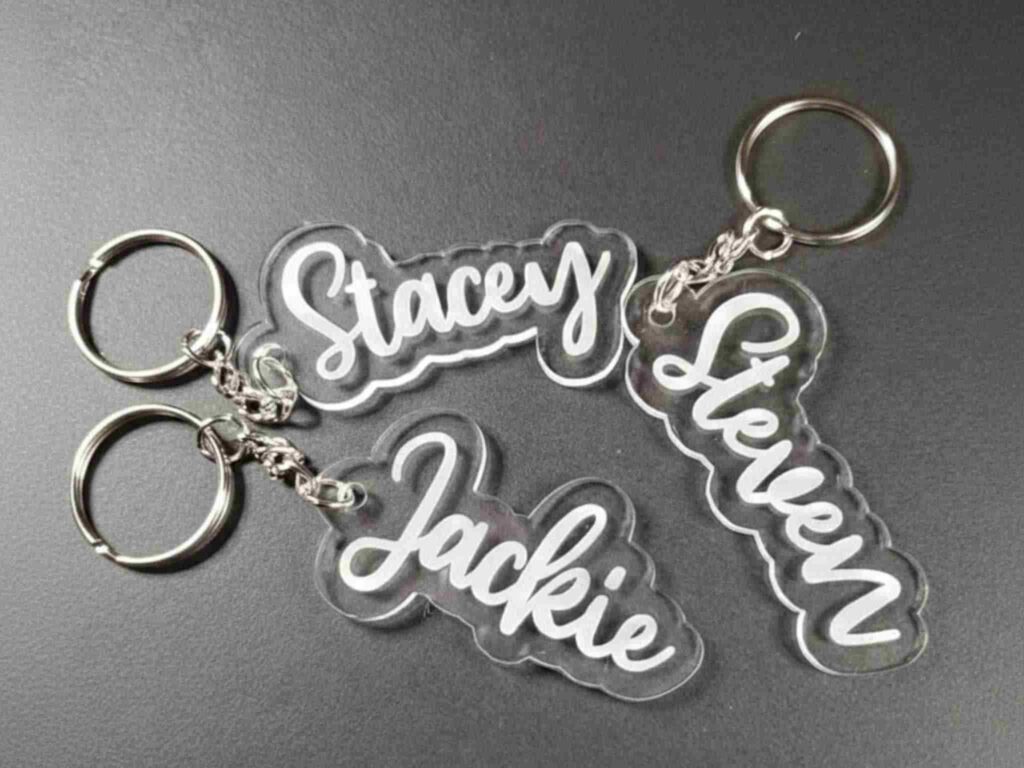
    Matching Keychains:

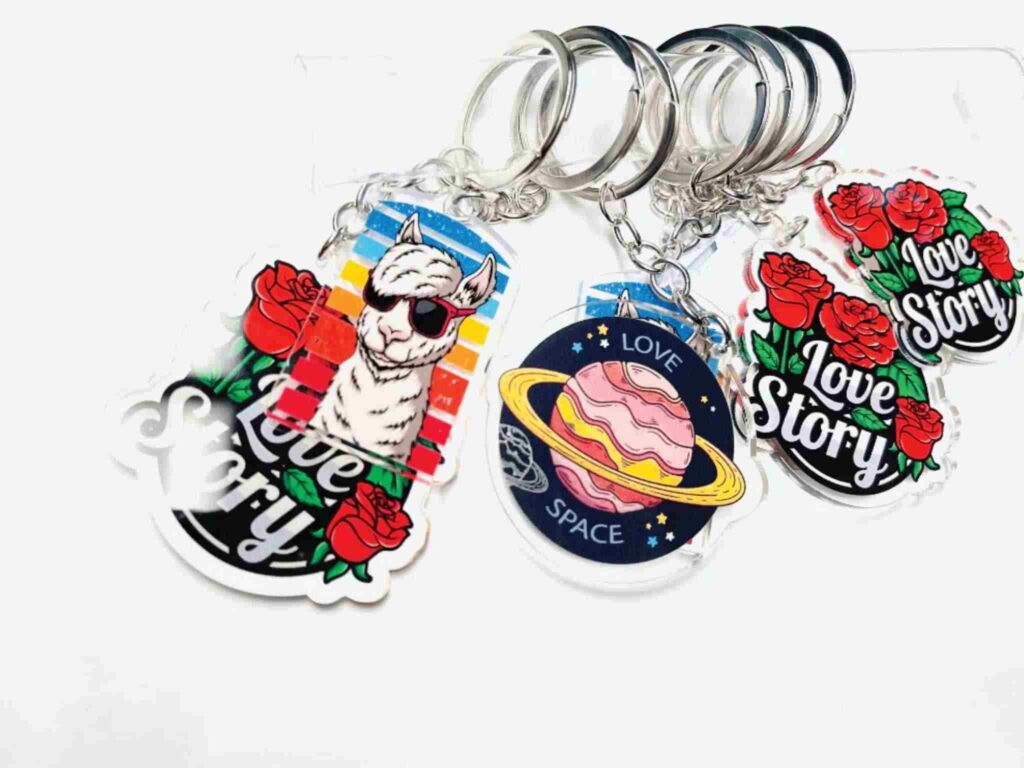
    Simple but meaningful designs, engrave license plates, names, or a shared symbol.

    Couple Phone Cases: A practical product that couples carry with them every day.

    • Print the couple’s photo.
    • Create connecting designs that form one image when both phones are placed side by side.
    • Add a star map or a personalized Spotify song code for a sentimental touch.

    Home Décor & Lifestyle Gifts

    Canvas & Poster Prints:

    Transform empty walls into spaces that tell a love story.

    • Star Map: Recreate the night sky on a specific date, time, and location — such as the day you met or the proposal day.
    • City Map: Highlight meaningful places in the couple’s journey together.
    • Soundwave Art: Turn an audio recording (“I love you,” “Will you marry me?”, or a meaningful song lyric) into a unique artwork.
    • Photo Collage: Combine the most beautiful memories into a heart shape, initials, or a memorable number.
    • Custom Name Art: Incorporate the couple’s names into an artistic design.

    Couple Mugs & Cups:

    A classic gift that never goes out of style.

    • Print images, names, or cute phrases like “You’re my cup of tea.”
    • Use color-changing mugs that reveal hidden messages or images when filled with hot water.
    • Add heart-shaped handles or interlocking illustrations for a creative touch.

    Personalized Blankets & Pillows:

    Bringing warmth in every sense of the word.

    • Print a large couple photo.
    • Create a collage of smaller images.
    • Include names, anniversaries, or a sweet quote.
    • Try designs like Personalized Word Search Blankets featuring keywords related to the couple.

    Acrylic/Wooden Plaques: Elegant, modern, and meaningful.

    • Engrave a Spotify code of a memorable song that can be scanned to play instantly.
    • Print a photo with a heartfelt message.
    • Engrave a calendar of a special month and circle the anniversary date.

    Experience & Memory Keepsake Gifts

    Love Journey Notebook / Journal:

    • Wooden or leather cover engraved with the couple’s names and anniversary date.
    • Inside pages can include printed prompts or fun challenges for the couple to fill in together (e.g., “Our happiest memory,” “5 things I love about you”).

    Keepsake Box:

    • A personalized wooden box engraved with the couple’s names, designed to store small memorable items such as movie tickets, love letters, or photos.

    Design Trends for Custom Couple Gifts

    custom gifts

    In the rapidly growing personalized gift market, design is the key factor that distinguishes an ordinary product from one that’s loved, shared, and best-selling.

    For POD (Print on Demand) sellers, staying updated with and applying custom gift design trends not only increases conversion rates but also helps build a professional, sophisticated, and trend-savvy brand image.

    Below are the hottest design trends for 2025 that you should keep up with, ensuring your couple-focused products truly stand out and emotionally connect with buyers.

    Minimalism – Simple, Elegant, and Sophisticated

    Minimalist design is a leading trend in the personalized gift industry. This style emphasizes refined simplicity, clean lines, balanced white space, soft neutral tones, and delicate typography. When unnecessary details are stripped away, elements like the couple’s names, anniversary dates, or personal messages become even more striking.

    POD sellers can effectively apply this aesthetic to products such as canvas prints, photo frames, matching shirts, couple mugs, or decorative pillows, as it fits seamlessly into any space and appeals to all age groups.

    The Fusion of Imagery and Artistic Typography

    Another rising trend is the combination of portrait images and artistic lettering. Handwritten, brush calligraphy, or signature-style fonts are gaining popularity for their natural, intimate, and deeply personalized feel.

    For example, printing a couple’s travel photo alongside the phrase “Together Since 2020” in elegant, flowing typography creates a design that feels both modern and heartfelt.

    For POD sellers, this is a perfect opportunity to leverage storytelling through design, turning each product into a love story told through words and visuals.

    Pastel Colors

    Pastel tones such as blush pink, cream beige, mint green, lavender, and soft beige are dominating the 2025 design trends. These colors evoke warmth and gentleness while making products perfectly suited for cozy spaces like bedrooms, work desks, or small décor corners.

    For couples, pastel palettes represent tenderness, harmony, and sweetness, making them the ideal choice for products such as matching shirts, pillows, wall art, or ceramic mugs.

    Watercolor / Brush Stroke Effects

    Watercolor and brush stroke effects are increasingly popular among POD designers, as they bring a soft, artistic, and handmade touch to each creation. This style gives products a more personal and painterly feel, perfect for emotional gifts such as canvas prints, greeting cards, or couple photo posters.

    Metallic / Foil Effects

    A rising premium trend is the use of metallic accents or foil stamping, especially in gold, silver, or rose gold tones. Small details such as metallic borders, embossed text, or shiny logos instantly elevate a product’s sophistication and elegance, making this style perfect for wedding anniversaries, Valentine’s Day, or engagement gifts.

    Double Exposure Effect

    The double exposure technique, which overlays two images into one composition, is a popular artistic trend in couple-themed gifts. Two separate photos, often portraits or scenic backgrounds, are blended together to create a “two-in-one” image that feels both artistic and romantic.

    Connected Couple Designs

    A unique concept is creating complementary designs where each person owns one piece, but when placed side by side, they form a complete image. Examples include two mugs forming a heart, keychains that spell out “Love You,” or a pair of wall arts that mirror each other. This “paired design” approach is highly attractive to customers, as it not only increases order value but also beautifully conveys the message of connection.

    Interactive Designs

    A new emerging trend is interactive or transforming designs, products that change appearance under UV light, when viewed at an angle, or reveal a hidden message underneath. These gifts bring surprise and delight, making the recipient’s experience more personal, emotional, and memorable.

    Tips for Choosing the Right Personalized Gift

    With dozens of personalized gift ideas available, selecting the right one for each customer or special occasion requires POD sellers to be both thoughtful and empathetic toward buyer psychology.

    A well-chosen gift not only brings joy to the recipient but also helps increase conversion rates and build a trustworthy, reputable brand image for your shop.

    Understand Your Customers and the Purpose of the Gift

    The first step to choosing the right gift is understanding the recipient. A wedding anniversary, Valentine’s Day, or birthday gift each requires a different design style. Minimalist customers often prefer elegant, clean designs, while artistic or vintage lovers are drawn to unique and meaningful details.

    Also, consider the budget and intended use whether the product is for display (desk or wall décor) or for everyday use (like mugs, shirts, or pillows) to select the most suitable material and printing method.

    Prioritize Products That Are Easy to Produce and Quality-Control

    In the POD business, production consistency is crucial. Choose materials that are easy to print or engrave such as wood, fabric, ceramic, or acrylic to minimize technical errors. Always include a safe printing zone in your design and send a mockup for customer approval before production. Avoid overly intricate details or complex color gradients that may compromise print quality.

    Offer Flexible Levels of Personalization

    To reach different customer segments, you can divide customization options into levels:

    • Basic: Add names, initials, or special dates.
    • Intermediate: Combine photos and personal messages.
    • Premium: Provide fully customized designs with multiple layers of personalization – photos, locations, and custom typography.

    Match the Season and Special Occasions

    During occasions like Valentine’s Day, Women’s Day (October 20th), or wedding anniversaries, designs featuring pink tones, floral patterns, and heart motifs tend to attract more customers. Meanwhile, for Lunar New Year or festive seasons, incorporating traditional cultural elements such as peach blossoms, calligraphy, or short blessing messages can make your products feel more relevant and meaningful.

    Optimize Shipping and the “Unboxing” Experience

    Don’t overlook the importance of packaging and the unboxing experience. A beautifully designed box, paired with a small greeting card or a QR code linking to a personalized video message, can significantly elevate the perceived value of your gift.

    For POD sellers, this is a crucial touchpoint that enhances customer satisfaction, strengthens brand recall, and encourages repeat purchases.

    In the Print on Demand business, every successful product begins with a deep understanding of customers and personalized gifts are the clearest proof of that. When you offer customers not just a product, but a unique emotional experience, you create value that goes beyond the physical gift itself.

    Whether you are just starting out or already running a stable POD business, remember that product quality and fulfillment efficiency are the key factors that build customer trust. A professional, transparent, and fast fulfillment partner like FlashShip helps you streamline operations, optimize costs, and scale your business effectively.

    Visit https://seller.flashship.net or contact our hotline (+84) 943 024 337 for detailed consultation and support from the FlashShip team to help you set up your account and launch an effective sales strategy for your personalized gift line.

  • Maximize Profits: Veterans Day POD Ideas with FlashShip

    Maximize Profits: Veterans Day POD Ideas with FlashShip

    Veterans Day is one of the most influential holidays in the United States, when millions of people express gratitude to those who have served in the military.

    For POD sellers, this day is not only a meaningful occasion of appreciation but also a promising business opportunity within your Q4 revenue growth strategy. Ignoring this holiday means missing out on a large group of customers who are willing to spend on thoughtful, meaningful products.

    Let’s explore the best-selling product ideas and effective market approaches to help you unlock breakthrough profits this Veterans Day.

    Veterans Day

    Introduction to Veterans Day

    Before diving into keyword research and design planning, it is essential to understand the true meaning and significance of Veterans Day. This understanding not only helps you create products that resonate emotionally with customers but also demonstrates respect for their cultural values, a key factor in building lasting brand trust.

    Origin and Meaning

    Veterans Day, also known as the Day of Veterans, is a solemn federal holiday in the United States, observed annually on November 11. It was established to honor and express heartfelt gratitude to all who have served and are still serving, in every branch of the U.S. Armed Forces, including the Army, Marine Corps, Navy, Air Force, Coast Guard, and Space Force.

    • Historical Background: The holiday was originally known as Armistice Day, commemorating the end of World War I, which officially took effect at 11 a.m. on November 11, 1918. In 1954, after the U.S. had endured both World War II and the Korean War, Congress officially changed the name to Veterans Day to broaden its meaning, honoring veterans of all wars.
    • Core Significance: Veterans Day is a time for all Americans to express deep gratitude for the sacrifice, courage, and dedication of those who have served to protect the nation’s freedom and peace. The day carries an atmosphere of pride, appreciation, and respect, especially toward living veterans who continue to embody the spirit of service and resilience.

    Distinguishing Veterans Day vs. Memorial Day

    One of the most common misconceptions, even among Americans, is confusing Veterans Day with Memorial Day. As a professional POD seller, it’s crucial to clearly differentiate between these two holidays to develop accurate content strategies, marketing messages, and product designs, avoiding any cultural misunderstandings.

    • Veterans Day (November 11): Honors all individuals who have served in the U.S. military, both living and deceased. However, the main focus is on expressing gratitude and recognition toward living veterans who continue to be part of the community.
    • Memorial Day (Last Monday of May): Dedicated to honoring and remembering service members who died while performing their duty. This day carries a solemn and reflective atmosphere, centered around remembrance and mourning.

    Understanding this distinction enables you to create products and marketing campaigns that reflect the true spirit of each holiday, demonstrating cultural sensitivity, respect, and professionalism.

    Why Veterans Day Is a “Golden Niche” for POD Sellers

    It’s no coincidence that Veterans Day is considered by marketing experts and experienced POD sellers as an incredibly lucrative niche. Below are the most compelling reasons why you should seriously invest in this holiday season.

    A Vast and Proud Customer Market

    According to the latest data from the U.S. Department of Veterans Affairs, there are approximately 19 million veterans currently living in the United States. This figure doesn’t even account for the enormous extended network of family members (spouses, children, parents, siblings), friends, fellow servicemembers, and supporters of the military community.

    This represents a massive customer base with very distinct psychological traits:

    • Strong national and branch pride: Veterans take great pride in their service and the values they fought to protect.
    • Deep sense of camaraderie and community: The bond between veterans and their former units is remarkably strong.
    • Desire for identity expression: They constantly seek meaningful ways to showcase their pride, commemorate their time in service, and connect with others who share similar experiences.

    Unique and meaningful POD products are the perfect medium to help them express those values.

    Strong Purchasing Power and a Surge in Gift-Giving Motivation

    Veterans Day is not just a commemorative holiday, it’s also a major shopping occasion driven by multiple motivations.

    • Self-Purchase: Many veterans buy products for themselves, such as T-shirts, hats, or decals, to proudly express their identity and service during parades, reunions, or even in everyday life.
    • Gift-Giving: This is an exceptionally powerful buying driver. Family members and friends often look for unique and meaningful gifts to honor the veterans they love. A personalized T-shirt or an impressive canvas print can express gratitude more deeply than words ever could.
    • Promotional Influence: Countless brands and retailers across the U.S. launch special discounts and promotions for veterans and their families during this period, creating a vibrant shopping atmosphere that strongly encourages spending.

    Lower Competition Compared to Major Holidays

    Unlike the highly saturated and competitive markets of Halloween or Christmas, the Veterans Day niche offers significantly less competition. This presents a golden opportunity for new sellers or stores looking to focus on a specific niche to build a strong, sustainable brand. By investing in quality designs, meaningful messages, and a well-planned marketing strategy, you can stand out and capture your share of the market.

    Unlimited Personalization Opportunities

    This is the ultimate advantage of the POD industry and it’s especially powerful in the Veterans Day niche. Customers in this market love products that can be customized to reflect their personal identity and service history.

    Examples include:

    • Adding the veteran’s name, rank, or service number.
    • Printing unit, ship, or squadron logos and emblems.
    • Including service periods (e.g., “OIF Veteran 2003–2004”).
    • Featuring personal or family photos of the veteran.

    Personalization not only makes your products one-of-a-kind but also increases their emotional value, allowing you to set higher price points and improve profit margins.

    Top 7+ Best-Selling POD Product Ideas for Veterans Day

    To successfully capture the Veterans Day niche, choosing the right products to focus on is critical. Below is a list of proven POD product ideas that have shown strong performance and high sales potential must-have items that every seller should include in their store lineup.

    Military-Themed T-Shirts & Hoodies

    These are the “kings” of every POD campaign. T-shirts and hoodies are the most direct way for veterans and their families to show pride in their service. Focus on bold and meaningful designs, stylized U.S. flags, eagle emblems, or powerful messages such as “Proud Veteran,” “Freedom Isn’t Free,” and “Support Our Troops.” Don’t forget to offer multiple color options like army green, black, and gray to give customers more choices.

    Family & Matching Shirts

    Family pride is one of the strongest buying motivations. Create couple or family shirt collections with connecting messages such as “Veteran Dad – Proud Daughter,” “This Is What a Hero Looks Like – And I Call Him Grandpa,” or “Proud Army Family.” These products not only increase average order value but also have high organic viral potential, as customers love sharing family-themed designs online.

    Mugs & Insulated Tumblers

    A perfect, practical, and meaningful gift choice. Mugs and tumblers are daily-use items that keep your message visible in your customer’s everyday life. Designs featuring the U.S. flag, stylized military branch logos (avoiding direct copyrighted insignias), or inspirational quotes make excellent options. These items are low-cost to produce yet offer high-profit margins, making them an essential product line for Veterans Day campaigns.

    Patriotic Canvas & Poster Prints

    For long-lasting keepsake gifts, canvas and poster art are top choices. Patriotic-themed designs, such as a soldier’s silhouette saluting at sunset, a U.S. map blended with the flag, or a majestic eagle illustration, make striking decorations for homes or offices.

    Practical Tote Bags

    Totebag

    Tote bags are fashionable, eco-friendly, and practical products, especially appealing to female customers. A simple yet elegant tote featuring messages like “Proud Veteran Wife” or “Support Our Troops” is a great way to express pride gracefully while spreading patriotic spirit in everyday life.

    Small Accessories (Keychains, Pins, Stickers)

    These are excellent “funnel” products. With their low cost and compact size, accessories such as keychains, lapel pins, or car stickers are ideal choices for customers who want a small yet meaningful gift.

    Personalized Designs

    This is your ultimate weapon to stand out from competitors. Offer customization options that allow customers to add their name, rank, unit, or years of service (for example: “SGT. Miller | 2005–2010”). Personalized products always carry greater emotional value, enabling you to sell at higher price points while creating a deeper connection with customers.

    Top Design Trends for Veterans Day 2025

    Design is the soul of every POD product. To succeed during the 2025 holiday season, you need to stay ahead of the curve by understanding and applying the design trends that resonate most with the veteran community.

    Elegant Minimalism

    You don’t always need “loud” or overly bold designs. The minimalist trend—featuring subtle symbols or a single meaningful phrase placed with care—is becoming increasingly popular. This style is easy to wear, versatile, and appeals to a wide range of customers, including younger audiences and those who prefer a refined aesthetic.

    • Example: A military-green T-shirt with a simple “Veteran” wordmark printed stylishly on the left chest, or a small embroidered branch logo on the sleeve.

    Classic Retro/Vintage Vibe

    The retro style never loses its charm. Designs inspired by 1940s–1950s military posters, or those using grunge/distressed textures, evoke strength, nostalgia, and authenticity.

    • Color palette: Muted tones such as beige, olive green, burgundy, and mustard yellow.
    • Typography: Use classic serif fonts, handwritten scripts, or stencil-style typefaces reminiscent of traditional military markings.

    Honoring Family Values

    This is an incredibly powerful and emotional trend. Instead of focusing solely on soldiers, many designs now celebrate the sacrifice, strength, and support of their families, which deeply resonates with customers.

    • Heartfelt slogans: “Proud Army Dad/Mom/Wife,” “My Hero is a Veteran,” “Behind Every Strong Soldier, There Is an Even Stronger Family.”
    • Symbolic imagery: A soldier embracing their child after returning home, or a rough, calloused hand holding a small child’s hand, powerful visual metaphors for love, protection, and sacrifice.

    Classic Symbols and Iconic Motifs

    Using familiar patriotic symbols helps customers instantly recognize your theme and feel an emotional connection.

    • U.S. Flag: Always the number-one symbol. Get creative by reshaping it into a heart, overlaying it with the U.S. map, or adding a vintage, distressed effect to convey pride and resilience.
    • Bald Eagle: Represents strength, courage, and American freedom.
    • Dog Tags: A signature military image that can be personalized with names, dates, or service details.
    • Saluting Soldier or Kneeling Beside a Comrade’s Grave: Evokes deep respect, gratitude, and brotherhood.
    • Poppy Flower: While more common in Commonwealth countries and Memorial Day designs, the red poppy remains a poignant symbol of remembrance and sacrifice in war.

    The Power of Typography

    Meaningful quotes and impactful sayings, when expressed through unique fonts and creative layouts, always capture customer attention. Typography is one of the most direct and powerful ways to deliver your message visually.

    Examples:

    • “Land of the free because of the brave”
    • “Home of the free, because my Dad is brave”
    • “All gave some, some gave all” (Note: This quote is more appropriate for Memorial Day, but can still be used in the right context to emphasize comradeship and sacrifice.)

    Image and Copyright Guidelines for Military-Themed Designs

    Veterans Day POD

    This is one of the most critical aspects that every POD seller must remember to avoid legal issues that could shut down your store overnight. The military field has very strict regulations regarding copyrights and trademarks, and violating them, even unintentionally, can lead to serious consequences.

    Do Not Use Official Seals, Emblems, or Logos

    • The official seals and emblems of U.S. military branches,  Army, Navy, Marine Corps, Air Force, Space Force, and Coast Guard, are protected under federal law.
    • Using them on commercial products without an official license is a violation that can lead to serious consequences, including product removal, store suspension, frozen payment accounts, and even legal action.
    • Each branch has its own Trademark Licensing Office, and obtaining authorization requires a lengthy, complex, and costly approval process.

    Safe alternatives: Instead of using official logos, rely on legally compliant design elements that evoke the same spirit:

    • Use the branch name in generic fonts (e.g., writing “ARMY” in Impact font).
    • Incorporate non-protected vector icons such as stylized tanks, aircraft, or warships.
    • Apply branch-specific color palettes, such as olive green for the Army or navy blue for the Navy.

    Be Careful When Using Real Military Images

    • Never use photos of specific service members, whether historical or modern, without their explicit written consent or that of their legal heirs. Doing so constitutes a serious violation of privacy and personal image rights.
    • Solution: Always use vector graphics, silhouettes, or licensed stock images from reputable platforms such as Shutterstock or Adobe Stock. Be sure to carefully review the commercial use terms before applying them to your products.

    Verify Copyrighted Phrases and Slogans

    Some slogans or mottos associated with special units or military operations may already be trademarked.

    • Example: The slogan “The Only Easy Day Was Yesterday” is trademarked by the U.S. Navy SEALs.
    • How to check: Always verify your chosen phrases using the U.S. Patent and Trademark Office (USPTO) database before using them as the main design element for your products.

    Maintain Respect and Avoid Misrepresentation

    Above all, always approach this topic with absolute respect.

    • Do not create designs that are mocking, excessively violent, or that distort the image of soldiers.
    • Avoid using military symbols for controversial or divisive political purposes.

    Remember, your customers are deeply sensitive and proud when it comes to this subject. A disrespectful or careless design can provoke strong backlash from the community and seriously damage your brand’s reputation.

    Veterans Day is not only a day to honor those who have served the nation but also a valuable opportunity for POD sellers to strengthen their brand identity through products that carry meaningful messages. By truly understanding the spirit of this holiday and combining it with creative design, the right product selection, and proper copyright compliance, sellers can turn Veterans Day into a highly profitable business campaign. This is the perfect time to build an emotionally connected brand, make your products stand out, and boost end-of-year sales, together with FlashShip.

  • How to Place a Logo on a T-Shirt Properly

    How to Place a Logo on a T-Shirt Properly

    The placement of a logo on a T-shirt is not just a small design detail, it’s a strategic factor that determines whether your product truly stands out and stays memorable in the customer’s mind. A precisely positioned, balanced, and sharp logo reflects the professionalism of the seller while elevating the overall brand value. Conversely, even a slight misalignment or printing error can make the entire design look unbalanced and less appealing. This article will help you master the principles of proper logo placement, choose the right proportions and dimensions, and turn every T-shirt into a product that carries your brand’s unique identity.

    Logo T-Shirts

    Why is placing the logo in the right position on a T-shirt so important?

    Before diving into technical specifications, it’s essential to understand why this matters so much. This isn’t just a random design rule, it’s built on proven principles of design balance and marketing psychology that directly impact how customers perceive and remember your brand.

    • Building Professionalism and Trust: Imagine receiving two T-shirts. One has its logo neatly and evenly placed on the familiar left chest area, while the other has its logo positioned too low near the stomach or too high near the shoulder. Instantly, the second shirt gives off the impression of a defective or carelessly made product. The logo’s position serves as the first visual cue of your brand’s precision and quality.
    • Enhancing Aesthetics and Visual Balance: The human body isn’t a flat surface, which means logo placement must be calculated so it appears natural and balanced when worn. Standard logo positions (like the left chest) have been established over decades because they are “golden spots” for the eye, visually pleasing, easy to notice, and harmonious with the overall garment.
    • Strengthening Brand Recognition: A logo placed in a visible and familiar position helps customers remember your brand more easily. When your customer wears that shirt in public, it becomes a piece of free advertising. Conversely, if the logo is placed in an awkward or hidden spot, you miss out on this valuable marketing opportunity.
    • Influencing the Perceived Value of the Product: A product that shows attention to even the smallest details, such as logo positioning, conveys a sense of quality and craftsmanship. Customers are often willing to pay more for a product that reflects professionalism and genuine care from the seller.

    In short, proper logo placement isn’t optional, it’s a must for any serious POD seller aiming to build a sustainable and respected brand.

    Common Logo Placement Positions on T-Shirts

    Each logo placement creates a different visual impression and serves a distinct purpose. POD sellers need to understand the meaning, advantages, disadvantages, and practical applications of each position to choose the most suitable one for their product.

    Left Chest

    Left Chest

    This is the most classic and safest placement in the world of T-shirt printing. When people think of a logo on a shirt, this is almost always the position that comes to mind. The logo typically measures between 8–10 cm, placed neatly at heart level and slightly shifted to the left of the shirt’s center line.

    Advantages: It creates a refined, professional, and well-balanced look. The left chest position is highly recognizable yet not too flashy, perfect for brand-building (POD branding), company uniforms, or formal event apparel. It conveys trust, professionalism, and credibility both for the wearer and the brand.

    Disadvantages: The limited space makes it challenging to display logos with complex designs, multiple elements, or long taglines. This placement works best for simple, clean icon or wordmark logos that can be easily recognized at a glance.

    Center Chest

    If you want your design to be the focal point of attention, the center chest placement is a must. This area is ideal for text-based logos, bold symbols, or statement slogans. The common print size for this position ranges from 20–28 cm in width.

    Advantages: A centrally placed logo naturally draws the viewer’s attention, making it perfect for fashion-forward T-shirts, promotional items, or expressive designs that showcase personality and attitude.

    Disadvantages: This position requires careful consideration of proportions. A logo that’s too large or features colors with excessive contrast against the shirt can easily disrupt balance, making the overall look heavy and less refined.

    Sleeve

    Printing a logo on the sleeve is an increasingly popular trend, especially for sportswear, streetwear, and team shirts. It’s a great way to add a distinctive brand element without interfering with the main design on the front or back of the shirt.

    Advantages: It creates a unique and subtle highlight, showing the brand’s attention to detail and making the T-shirt more visually interesting. You can even print logos on both sleeves to create a balanced and cohesive look.

    Disadvantages: The print area is quite limited, so the logo should be simple, concise, and sharp to maintain clarity and recognizability.

    Back Neck (Behind the Collar)

    Back Neck

    The back neck area may seem small, but it carries significant branding power. Commonly used to print a logo or brand name instead of a traditional tag, this position adds a premium and polished touch to the garment.

    Advantages: It subtly enhances brand recognition, even when the wearer is seen from behind. This placement is often associated with high-quality fashion brands, helping your T-shirt convey a more elevated and professional image.

    Disadvantages: The position can be easily overlooked — especially if the customer has long hair or wears an outer layer that covers the back of the neck.

    Full Back (Center Back)

    When you need a large area to showcase a message, image, or promotional artwork, the center back placement serves as the perfect canvas.

    Advantages: It creates a powerful visual impact and leaves a lasting impression from behind. This placement is ideal for event shirts, team-building apparel, staff uniforms (where clear information is needed), or POD products designed around a specific theme or campaign.

    Disadvantages: Printing on such a large area generally costs more. Additionally, aligning a big design precisely in the center back requires high printing accuracy to avoid distortion or imbalance that could affect the final product quality.

    Other Creative Placements:

    • Oversized Front Logo: A large design that extends beyond the central chest area, commonly seen in streetwear fashion.
    • Side Print: A logo printed vertically along one side of the shirt, creating a unique and dynamic effect.
    • Hem Tag: A small logo or tag placed at the bottom hem of the shirt, similar to branding details found on premium fashion labels.

    Guide to Placing a Logo on a T-Shirt Using Design Software

    After choosing the right placement, how can you accurately represent it in your design file? The answer lies in creating a mockup. A well-prepared mockup not only helps you visualize the final product but also serves as the reference file your POD provider will use for printing.

    Professional Workflow with Adobe Photoshop:

    This is the most powerful tool for creating realistic and precise mockups.

    • Find or create a high-quality mockup template:Use real T-shirt images with high resolution to ensure clarity and accuracy.
    • Use Rulers and Guides:Go to View > Rulers (Ctrl/Cmd + R) to display the rulers.Drag guides from the rulers to mark the standard logo positions mentioned in section 2 (for example, create a guide 10 cm below the neckline).This ensures consistency across all your designs.
    • Use Smart Objects:Place your logo design file inside a Smart Object.This allows you to resize or adjust the logo without losing quality and to apply realistic effects (such as shadows or fabric textures) naturally.
    • Position the Logo Accurately:Move the Smart Object layer containing your logo to align it precisely with the guides.
    • Save the File with Standard Settings:Export your final design file as a PNG with a transparent background at 300 DPI to ensure print-ready quality.

    Simpler Online Tools (Canva, Placeit):

    Canva

    For those who aren’t familiar with Photoshop, these tools offer an excellent and user-friendly alternative.

    • Placeit: Provides thousands of T-shirt mockup templates featuring real models and backgrounds. Simply upload your logo, and the platform will automatically place it on the shirt. Most placements follow standard positions, but you can still adjust the size and location within the allowed range.
    • Canva: You can upload a T-shirt image, then add your logo and position it where you want. Use Canva’s alignment tools to ensure the logo is perfectly centered or properly aligned to your desired layout.

    How to Ensure Your Printed Logo Isn’t Blurry, Misaligned, or Pixelated

    Placing your logo in the right position means nothing if the final print comes out blurry, distorted, or off-color. Below are the key technical factors every POD seller must master to guarantee professional print quality.

    Resolution

      • Rule #1: Always design and export your files at 300 DPI (Dots Per Inch) — the gold standard in printing to ensure crisp, high-quality images.
      • How to calculate it: Don’t just rely on the DPI value — pay attention to the actual pixel dimensions.
      • For example, if you want to print a logo 10 cm wide (approximately 4 inches) on the left chest:
    • Minimum pixel width = 4 inches × 300 DPI = 1200 pixels.
      • That means your logo file should be at least 1200 pixels wide to maintain sharpness when printed at 10 cm.

    File Formats

    • Raster (Bitmap): These include formats such as PNG, JPG, and GIF. They are made up of individual pixels, which means that when you enlarge a raster image, it can become blurry or pixelated.
      • When to use: Ideal for complex designs, photographs, or images with many colors. Always prefer PNG with a transparent background when using raster files for logos.
    • Vector: These include formats such as AI, EPS, and SVG. Vector files are created using mathematical equations and curves, allowing them to be scaled infinitely without any loss of quality.
      • When to use: This is the best format for logos. Whenever possible, design and store your logo in a vector format to ensure perfect sharpness at any print size.

    Color Space

    • RGB (Red, Green, Blue): This color model is used for digital displays such as computer monitors and smartphones. Colors in RGB mode tend to appear brighter and more vibrant.
    • CMYK (Cyan, Magenta, Yellow, Key/Black): This color model is used for printing.
    • Why it matters: If you design in RGB but print using CMYK, the colors may appear duller or inaccurate in the final product. To achieve the most accurate color results, always set your design software’s color space to CMYK from the very beginning.

    Printing Methods for Logos on T-Shirts

    DTFF

    Understanding different printing technologies helps you choose the right POD provider and know the limitations of each method.

    Direct to Garment (DTG) Printing

    • How it works: Similar to an inkjet printer printing directly on paper, a DTG printer sprays ink directly onto the fabric fibers.
    • Advantages: Can print complex, full-color designs with no color limitations. Perfect for POD models as it allows printing one item at a time. The ink absorbs into the fabric, creating a soft and natural feel.
    • Disadvantages: Higher cost per piece compared to screen printing. Works best on 100% cotton fabrics for optimal color vibrancy.

    Screen Printing

    • How it works: Uses a mesh screen (stencil) to push ink through onto the fabric — one screen per color.
    • Advantages: Very cost-effective for large runs. Produces vivid, durable colors that last through many washes.
    • Disadvantages: Not suitable for POD due to high setup costs for each design. Difficult to print multi-color or gradient designs.

    Direct to Film (DTF) Printing

    • How it works: The design is printed onto a special PET film, then heat-pressed onto the shirt.
    • Advantages: A rapidly growing modern method. Works on multiple fabric types (cotton, polyester, blends). Delivers sharp, vibrant colors with high durability. Suitable for both small and large orders.
    • Disadvantages: The print surface may feel slightly more plastic-like compared to DTG.

    Heat Transfer Vinyl (HTV) Printing

    • How it works: Colored vinyl sheets are cut into shapes and heat-pressed onto the garment.
    • Advantages: Extremely durable, with clean and solid colors. Ideal for simple designs, 1–2 color logos, names, or numbers.
    • Disadvantages: Not suitable for complex or multi-color designs.

    Notes When Printing Logos for Branding or POD Business Purposes

    • Consistency Is Key: Build a clear brand guideline that defines the logo’s placement, size, and color across all products. Consistency creates a professional and easily recognizable brand image.
    • Always Order Samples: This is non-negotiable. Never sell a product you haven’t held in your hands. Samples allow you to verify the position, size, print quality, and actual colors before launching the design.
    • Consider Fabric and Shirt Color: A logo that looks great on a white shirt may “disappear” on black fabric. Prepare different logo variations (for example, a white logo for dark shirts and vice versa). Fabric types, cotton, polyester, or tri-blend, can also affect color accuracy and sharpness.
    • Work With a Reliable POD Provider: A trustworthy partner provides accurate design templates, clear file requirements, and modern printing technology to ensure the final product matches your mockup perfectly.
    • Don’t Overlook the Overall Design: The logo is only one part of the whole. Make sure it complements other design elements on the shirt (if any) and aligns with your brand’s overall aesthetic and identity.

    Placing the logo in the right position not only makes a T-shirt more visually balanced and aesthetically pleasing but also helps reinforce the brand identity of POD sellers. A shirt with a well-positioned, sharp, and properly scaled logo creates a professional impression, making it easier for customers to remember the brand and trust the product’s quality. From the design and mockup stages to selecting the printing method, every step must be executed carefully to ensure the logo remains crisp, vibrant, and long-lasting over time.

    For detailed consultation on logo printing techniques, proper placement, and choosing the right blank T-shirt for each POD product line, please contact (+84) 943 024 337 or visit seller.FlashShip.net. The FlashShip team is always ready to support you on your journey to building a professional and successful POD brand.

  • FBA vs FBM: Which One Is Better for POD Sellers?

    FBA vs FBM: Which One Is Better for POD Sellers?

    When entering Amazon’s massive e-commerce marketplace, one of the most important decisions POD sellers must make is choosing an order-fulfillment method. The two most common options are FBA (Fulfillment by Amazon) and FBM (Fulfillment by Merchant). Each model has its own advantages and drawbacks that directly impact your costs, brand control, customer experience, and ultimately your profit.

    This article takes a deep dive into a detailed, side-by-side comparison of FBA and FBM specifically tailored for POD sellers to help you make the most informed decision for your store.

    FBA & FBM

    What is FBA (Fulfillment by Amazon)?

    Fulfillment by Amazon (FBA) is a service provided by Amazon that allows sellers to store their products in Amazon’s fulfillment centers. When a customer places an order, Amazon handles the entire fulfillment process on the seller’s behalf from picking, packing, and shipping to managing customer service and returns.

    In simple terms, with FBA, you only need to focus on sourcing products, marketing, and sending your inventory to Amazon’s warehouses. The rest will be taken care of by the e-commerce giant.

    How FBA Works with the POD Model

    For POD (Print on Demand) sellers, the FBA process operates a bit differently compared to traditional product sellers. Since POD items are only printed after an order is placed, you can’t send large quantities of unprinted inventory to Amazon’s warehouses. Instead, the process typically goes as follows:

    • 1. Pre-produce a small batch: You’ll need to forecast demand and pre-produce a limited quantity of your best-selling POD products (for example, T-shirts with your top designs) from your supplier (such as FlashPOD).
    • 2. Ship products to Amazon’s fulfillment centers: Once the items are printed and packaged according to Amazon’s standards (with proper labeling and barcodes), you’ll send the batch to Amazon’s fulfillment centers.
    • 3. Amazon stores and fulfills orders: Amazon stores your products, and when a customer places an order from your storefront, the company immediately handles the fulfillment and delivery on your behalf.

    Advantages of FBA for POD Sellers

    What is FBA

    • Prime Badge and Fast Shipping: This is FBA’s biggest competitive edge. Products fulfilled through FBA automatically qualify for the Prime badge, meaning Amazon Prime members enjoy free two-day shipping. This superior delivery speed plays a crucial role in influencing purchase decisions.
    • Higher Chance of Winning the “Buy Box”:  Amazon’s A9 algorithm favors FBA listings when determining which product wins the “Buy Box” (the “Add to Cart” or “Buy Now” button). Winning the Buy Box significantly boosts product visibility, conversion rates, and overall sales.
    • Saves Time and Effort: Amazon takes care of the entire operational process from warehousing, packing, and shipping to 24/7 customer support and return handling. This allows you to free up time and focus on core business activities such as design research, marketing, and business expansion.
    • Access to Amazon’s Massive Customer Base: With Amazon’s reputation and extensive logistics network, your products can easily reach millions of loyal customers around the world.
    • Simplified International Selling: Through the FBA Export program, Amazon enables you to ship products to customers in over 100 countries and regions without the hassle of dealing with complex customs procedures yourself.

    Disadvantages of FBA for POD Sellers

    • Inventory Risk: This is the biggest challenge of FBA for POD sellers. You must produce products in bulk before receiving actual orders, which goes against the “print-on-demand” nature of the POD model. If a design doesn’t sell well, you’ll face inventory buildup and long-term storage costs.
    • High and Complex Fees: FBA’s fee structure can be quite complicated, including storage fees (based on volume and duration), fulfillment fees (based on size and weight), return processing fees, and other additional charges. These costs can significantly eat into your profit margins if not calculated carefully.
    • Strict Product Preparation Requirements: Amazon enforces strict guidelines for how products are packaged, labeled, and shipped to their fulfillment centers. Noncompliance may result in shipment rejection or additional fees.
    • Loss of Brand Control: All products are packaged in Amazon-branded boxes, reducing your ability to create a unique branded unboxing experience for customers.
    • Challenges in Quality Control: Since you don’t directly handle each order, maintaining consistent product quality and ensuring that every item meets your standards becomes more difficult.

    What is FBM (Fulfillment by Merchant)?

    FBA for POD

    Fulfillment by Merchant (FBM), also known as Merchant Fulfilled Network (MFN), is a model in which the seller is fully responsible for the entire order fulfillment process after a product is sold on Amazon. This includes storing inventory, packing, shipping, and handling customer service.

    With FBM, your Amazon storefront functions as a sales channel, while all backend operations are managed by you or a third-party logistics provider (3PL).

    How FBM Works with the POD Model

    The FBM model aligns perfectly with the nature of the Print-on-Demand (POD) business:

    • 1. Upload Products: You create mockups and list your products on your Amazon store.
    • 2. Customer Places an Order: When a customer makes a purchase, the order details are sent directly to you.
    • 3. Forward the Order to Your POD Supplier:
      You then forward the order information (design, product type, and customer details) to your POD partner (such as FlashPOD).
    • 4. Printing and Shipping: Your POD partner prints, packages, and ships the product directly to the customer under your brand name.
    • 5. Customer Updates and Support: You are responsible for updating the tracking information on Amazon and managing all customer inquiries or support requests.

    Advantages of FBM for POD Sellers

    • No Inventory Risk: This is the biggest advantage of FBM for POD businesses. You only produce products after receiving an order, eliminating upfront inventory investment and storage-related risks entirely.
    • Full Brand Control: You have complete control over your product packaging. You can use custom boxes, bags, thank-you cards, or marketing inserts that reflect your brand identity, creating a unique unboxing experience and strengthening customer connection.
    • Higher Profit Margins: By avoiding FBA’s various fees, you can retain a larger portion of your profit per sale. You only need to pay Amazon’s referral fee, along with production and shipping costs to your POD partner.
    • Operational Flexibility: You’re not bound by Amazon’s strict product-preparation requirements. You can work with multiple fulfillment partners and easily switch between them as your business needs evolve.
    • Direct Customer Interaction: Handling customer service yourself allows you to better understand your buyers’ needs and feedback, helping you refine your products and improve your service quality over time.

    Disadvantages of FBM for POD Sellers

    • Operational Burden and Time-Consuming Tasks: You are fully responsible for managing the entire fulfillment process. Although your POD partner handles production and shipping, you still need to monitor orders, update tracking information, and resolve any issues that arise. As your order volume grows, this workload can quickly become overwhelming.
    • Slower Shipping Speed: It’s difficult to offer two-day delivery like Amazon Prime. Longer shipping times can lower your conversion rate, especially among customers accustomed to Amazon’s fast delivery standards.
    • No Prime Badge: Without the Prime badge, your listings may appear less attractive and trustworthy to many shoppers, reducing your competitive edge.
    • Lower Chances of Winning the “Buy Box”: Amazon’s algorithm tends to favor FBA sellers, making it harder for FBM sellers to win the Buy Box and gain top visibility on product pages.
    • Full Responsibility for Customer Service: You must maintain Amazon’s high standards for response times and customer satisfaction. Any delay or mistake could negatively affect your account health and seller performance metrics.

    Detailed Comparison: FBA vs. FBM

    To get a clear picture, let’s place FBA and FBM side by side and compare them across the most important criteria for POD sellers.

    Criteria FBA (Fulfillment by Amazon) FBM (Fulfillment by Merchant)
    Fulfillment Process Automated – Amazon handles everything Managed by the seller or a fulfillment partner
    Shipping Speed Very fast (2–3 days, Prime) Depends on the shipping carrier
    Service Fees High – includes storage, handling, and return fees Lower – only pay for production and shipping
    Brand Control Limited Full control (branding, packaging, inserts)
    Inventory Requires pre-printed stock – risk of unsold inventory No inventory – printed on demand
    Suitability for POD Difficult – conflicts with print-on-demand nature Highly suitable – flexible workflow
    Customer Experience Excellent – trusted Prime service Depends on fulfillment quality
    Profit Margin Lower due to high fees Higher margins per sale
    Scalability Easy to scale with minimal operational effort Requires strong fulfillment systems to scale effectively

    Which service is better for sellers: FBA or FBM?

    POD Sellers

    After a detailed analysis, there isn’t an absolute winner. The right choice isn’t whether FBA or FBM is universally “better,” but which model best fits your current stage and business strategy.

    When Should You Choose FBM?

    FBM is the ideal and safest choice for most POD sellers especially for beginners.

    • Startup Stage: When you’re just starting out with limited capital and little data on best-selling designs, FBM allows you to test the market without the risk of holding inventory. You can upload hundreds or even thousands of designs to gauge customer reactions.
    • Focus on Brand Building: If your goal is to build a strong POD brand with a loyal customer base, FBM gives you the flexibility to create a consistent brand experience from the product and packaging to customer service.
    • Selling Niche Products: For products with modest but steady sales volume, maintaining an FBM model helps you optimize profits while keeping operations simple and efficient.
    • Prioritizing Profit Margins: FBM lets you retain a higher profit per unit sold, which is especially valuable when you’re in the capital-building phase of your business.

    When Should You Consider Using FBA?

    FBA is an advanced strategy, best suited for sellers with experience and reliable sales data.

    • When You Have a “Hero” Product: After a period of selling via FBM, you may identify certain designs or products that consistently perform well. At this stage, you can confidently pre-produce a small quantity of these bestsellers and send them to Amazon’s FBA warehouses.
    • When You Want to Scale Sales for Bestsellers: By switching your “hero” products to FBA, you can leverage the power of the Prime badge and the higher likelihood of winning the Buy Box—both of which can elevate your sales to the next level.
    • During Major Sale Seasons: In peak shopping periods such as Black Friday, Cyber Monday, or Christmas, delivery speed becomes a key factor. Having your products ready in FBA warehouses allows you to meet surging demand and seize golden sales opportunities.
    • When You Want to Scale and Reduce Workload: If you’re overwhelmed by daily order management and wish to focus more on strategy and growth, outsourcing your fulfillment to FBA is a smart and efficient move.

    Hybrid Strategy

    A smart approach adopted by many successful POD sellers is to combine both FBA and FBM.

    • Use FBM for your entire product catalog: This allows you to test new designs and sell niche products without the risk of holding inventory.
    • Use FBA for a few “best-selling” products: Select proven top-selling items, produce a small batch, and send them to Amazon’s fulfillment centers to take advantage of Prime benefits and boost sales.

    By doing so, you maintain the flexibility and low-risk nature of the traditional POD model while leveraging Amazon’s powerful marketing and logistics system to maximize profitability.

    Choosing between FBA and FBM doesn’t just affect your fulfillment process it directly impacts customer experience and your overall profitability as a POD seller. Each model offers distinct advantages: FBA delivers speed, convenience, and customer trust, while FBM provides greater flexibility in production control, cost optimization, and personal brand building.

    Understanding each model’s characteristics, applying them strategically, and partnering with a reliable fulfillment provider are the keys to sustainable growth in the competitive POD market.

    Contact us at (+84) 943 024 337 or visit seller.FlashShip.net for expert consultation, fast quotations, and tailored fulfillment strategies to help your POD brand thrive with FlashShip.

  • NOTICE OF WORKING SCHEDULE DURING COLUMBUS DAY 2025

    NOTICE OF WORKING SCHEDULE DURING COLUMBUS DAY 2025

    COLUMBUS DAY

    To ensure that the production, order processing, and shipping activities of all Sellers remain uninterrupted during the holiday, FlashShip would like to inform our Sellers and Partners of the official working schedule for Columbus Day 2025 (October 13, 2025 – U.S. Time) as follows:

    Operating schedule of related parties:

    • USPS: Services for pickup and delivery will be temporarily suspended on Columbus Day.
    • FlashShip: Will continue normal operations, including production, printing, and order processing throughout the holiday.

    The temporary suspension of USPS services is a standard federal policy applied nationwide across the United States during public holidays. However, the FlashShip team will continue production and prepare all orders in advance, ensuring they are ready for shipment as soon as USPS resumes operation.

    Notes for Sellers

    Orders created or completed on October 13, 2025, will be processed by FlashShip and handed over to USPS immediately once their service resumes. Please note that due to the holiday schedule, shipping times may be slightly longer than usual. Sellers are advised to proactively update their customers and adjust their sales plans accordingly to maintain the best shopping experience.

    FlashShip remains committed to ensuring smooth and uninterrupted operations, guaranteeing that every order is processed quickly, accurately, and efficiently throughout the busy holiday season.

    If you have any questions regarding the working schedule or order processing timelines, please contact the FlashShip support team directly via hotline (+84) 943 024 337 or (+84) 852 763 445 for timely assistance.

    Sincerely,

    The FlashShip Team

  • Eye-Catching T-Shirt and Ink Color Combos for POD Sellers

    Eye-Catching T-Shirt and Ink Color Combos for POD Sellers

    A successful sales season doesn’t just depend on a great design it also comes from the perfect color combination between the T-shirt and the print. A well-balanced print with harmonious and vibrant colors can make your product stand out on e-commerce platforms and leave a strong impression on customers.

    On the other hand, poor color pairing can make even the most beautiful design look dull or lose its visual appeal. This article will help POD sellers master the fundamental principles of color matching, learn how to combine colors effectively, and avoid common mistakes to ensure every product looks striking, professional, and irresistible to buyers.

    Color Matching

    Basic Principles of Color Matching

    Before starting any design, sellers need to understand the fundamental principles of color. A successful POD product isn’t just about composition it’s also about how colors are combined and balanced.

    The Color Wheel and the Relationship Between Colors

    The Color Wheel is one of the most fundamental and powerful tools in graphic design. It’s not just an abstract diagram but a visual map that illustrates the relationships between color hues, helping designers identify harmonious color combinations and contrasting tones to create visual impact.

    The color wheel is composed of:

    • Primary Colors: Red, Yellow, and Blue the three base colors that cannot be created by mixing other colors.
    • Secondary Colors: Orange, Green, and Purple formed by mixing two primary colors (e.g., Yellow + Blue = Green).
    • Tertiary Colors: Created by mixing a primary color with a neighboring secondary color (e.g., Red + Orange = Red-Orange).

    Understanding how colors interact on the color wheel is the key foundation that enables you to confidently choose the right ink and garment colors for each product campaign.

    Common Color Matching Rules

    Based on the color wheel, designers have developed timeless color combination principles that ensure both visual appeal and strong aesthetic balance.

    • Complementary Colors: This method pairs two colors that sit opposite each other on the color wheel (e.g., Blue–Orange, Yellow–Purple). It creates strong contrast and visual energy, making your design vibrant and eye-catching. This approach works especially well for youth-oriented products or energetic niches such as sports and music.
    • Analogous Colors: This scheme uses two to three colors that sit next to each other on the color wheel (e.g., Yellow, Yellow-Orange, Orange). It produces a harmonious, soothing, and natural look — ideal for designs inspired by nature, relaxation themes, or brands that aim to convey warmth and friendliness.
    • Triadic Colors: This rule uses three colors evenly spaced around the color wheel, forming an equilateral triangle. It provides color diversity and balance while maintaining harmony. The result is a lively, cheerful, and dynamic look that attracts attention without overwhelming the viewer.
    • Monochromatic Colors: This technique applies different shades, tints, and tones of the same color. It’s a safe, elegant, and modern choice often used in minimalist or premium designs. Monochromatic palettes highlight design details without creating visual clutter.

    The Psychological Impact of Colors in POD Design

    Colors hold invisible power  they directly influence emotions and buying behavior. Understanding their meanings allows sellers to create products that are not only visually appealing but also communicate the right message.

    • Red: Evokes energy, passion, and a sense of urgency. Perfect for Valentine’s Day designs, sports themes, or discount campaigns.
    • Blue: Represents trust, calmness, and professionalism. Ideal for business, technology, or ocean-inspired niches.
    • Yellow: Conveys happiness, optimism, and warmth. Commonly used in products for children or designs that promote positivity.
    • Green: Symbolizes nature, health, growth, and freshness. A top choice for eco-friendly, yoga, or healthy lifestyle niches.
    • Black: Reflects strength, luxury, and sophistication. Black shirts are always a popular base as they make bright ink colors stand out beautifully.
    • White: Minimalist, pure, and easy to pair. White shirts serve as a perfect canvas to highlight complex or multi-colored designs.

    Popular T-Shirt and Ink Color Combinations

    Color Palette

    Once you understand the basic principles, pairing T-shirt and ink colors becomes much easier. Below are some of the most common and effective combinations that POD sellers should know to create products that are both eye-catching and aesthetically pleasing.

    Light-Colored Shirts – Dark Ink: The Golden Formula for Clarity

    This is one of the safest and most effective rules in T-shirt printing, especially in the POD industry. A light-colored base (white, beige, ash gray, or pastel) acts as a perfect canvas, allowing dark ink designs to appear crisp, legible, and detailed. This formula ensures that your message or artwork is communicated as clearly as possible.

    Timeless combinations include:

    • White / Ash Gray shirts: Perfectly match with black, navy, burgundy, or bottle green ink.
    • Light Beige / Sand shirts: Look exceptionally elegant when paired with dark brown, olive green, or black ink.
    • Pastel shirts (pink, mint, light yellow): Create a soft yet effective contrast with black or charcoal gray ink.

    This color pairing is particularly ideal for typography designs, logos, or intricate line-art graphics, giving your products a professional look that appeals to a wide range of customer tastes.

    Dark-Colored Shirts – Light Ink: A Bold Statement of Contrast

    If you want your design to stand out and capture attention instantly, reverse the previous formula. When using dark-colored shirts such as black, navy, or charcoal, light-colored inks will “pop” dramatically, creating a striking visual effect. This is a fantastic choice for graphic, retro, or bold brand designs that aim to express personality and confidence.

    Highly effective combinations include:

    • Black shirts: The perfect base for white, bright yellow, neon green, or vibrant pastel inks.
    • Navy shirts: Pair beautifully with off-white, gold, or coral ink.
    • Burgundy / Olive shirts: Look unique and sophisticated when printed with cream or light beige ink.

    This color scheme delivers maximum contrast especially effective with modern printing technologies like DTG or DTF, where a white underbase helps bright inks appear vivid and long-lasting.

    Tone-on-Tone: A Minimalist Trend of Subtle Sophistication

    Tone-on-tone (same hue, different shade) is a color-pairing technique highly favored by premium and minimalist fashion brands. Instead of creating contrast, it achieves harmony and refinement by using variations of the same color family. The result is a stylish, elegant, and tastefully understated look.

    Examples:

    • Light Beige shirt: Printed with deep coffee-brown ink.
    • Olive shirt: Paired with a darker moss-green print.
    • Navy shirt: Features a logo or text in sky blue (baby blue).

    This color pairing is ideal for minimalist, lifestyle, or vintage niches, as well as brands that want to project a refined, modern, and effortlessly classy image.

    Complementary Color Pairing: Bold and Full of Energy

    For sellers who love to experiment and want their products to truly stand out, complementary colors (opposite pairs on the color wheel) are your secret weapon. This combination creates a “visual explosion” dynamic, vibrant, and impossible to ignore.

    Striking examples:

    • Mustard Yellow shirt: Printed with deep purple ink.
    • Burnt Orange shirt: Looks stunning with navy blue designs.
    • Green shirt: Made edgy and modern with fuchsia pink details.

    A key tip is to balance proportions to avoid overwhelming the viewer. Let the shirt color serve as the dominant background and use the contrasting ink color as an accent to draw smart, intentional attention.

    Following Seasonal Trends and Special Occasions

    A smart strategy for POD sellers is to align color choices with seasonal trends or major holidays. This helps your products feel timely, relevant, and emotionally connected to buyers’ purchasing moods.

    • Spring: Opt for light and refreshing hues like mint green, peach pink, and lavender purple.
    • Summer: Embrace bright, tropical tones such as coral orange, teal, and lemon yellow.
    • Autumn: Choose warm, cozy colors like earthy brown, terracotta, mustard yellow, and olive green.
    • Holiday Seasons: Stick with signature palettes  red, green, and white for Christmas; orange, black, and purple for Halloween; or red and pink for Valentine’s Day.

    These choices not only keep your catalog trendy but also make it easier for customers to find products that perfectly fit seasonal and festive occasions.

    Common Mistakes When Matching Shirt and Ink Colors

    Colored

    Even experienced sellers can make mistakes when it comes to color selection, especially in large-scale printing. Below are the most common errors and how to fix them.

    Lack of Contrast

    This is one of the most common yet fundamental mistakes. When the ink color and the shirt color are too similar in tone, the design becomes dull, hard to read, and almost invisible- especially when customers only glance at your product for a few seconds.

    • Bad examples: Light gray ink on a heather gray shirt, navy ink on a black shirt, or cream ink on a white shirt.
    • Pro fix: Before sending your file to print, always check the design in grayscale mode. If you can still clearly distinguish details and text, the contrast level is good. Also, remember the golden rule: dark ink on light fabric, and light ink on dark fabric.

    Incorrect Color Mode (RGB vs. CMYK)

    This is a critical technical error often overlooked by beginners. Computer and phone screens display colors in RGB mode (Red, Green, Blue), an additive color system based on light. However, most industrial printers use CMYK (Cyan, Magenta, Yellow, Black) – a subtractive color system based on ink.

    • The result: That bright neon blue on your screen may turn into a dull, lifeless green once printed.
    • How to fix: Always set your workspace color mode to CMYK in your design software (Photoshop, Illustrator, etc.) from the very beginning. Before mass production, request a print sample from your supplier to ensure the final colors match your expectations.

    Printing Light Ink on Dark Fabric Without a White Underbase

    On dark-colored shirts, fabric fibers tend to absorb ink-especially light colors. Without proper preparation, the print colors can appear dull, faded, and far less vibrant than the original design.

    • How to fix: Always ensure that your printing process includes a white underbase beneath the design. This layer acts like a primer on a wall, preventing the fabric color from affecting the printed ink. It helps the final colors appear vivid, accurate, and true to the design. Be sure to discuss this detail carefully with your print provider before production.

    Inconsistent Colors Across Product Lines

    When offering the same design across multiple product types (T-shirts, hoodies, sweatshirts), it’s common to notice slight differences in base fabric colors, even when labeled as the same shade. This happens because different products may be made from different materials (e.g., 100% cotton vs. 50/50 cotton-poly blend) or sourced from different manufacturers.

    • How to fix: To maintain color consistency, try to source all blanks for a given design from the same manufacturer (for example, use only Gildan or only Bella+Canvas for a specific design). Additionally, refer to the official physical color swatches from the manufacturer instead of relying solely on digital images for the most accurate color assessment.

    Following Color Trends That Don’t Match Your Niche

    Jumping on color trends (like neon, tie-dye, or metallic tones) can be a smart move  but it can also backfire if the trend doesn’t align with your target audience.

    • Example: A T-shirt store targeting office workers who prefer minimalist styles will struggle to sell a neon green collection, even if it’s the “color of the year.”
    • How to fix: Always ask yourself, “Would my customers actually wear this color?” Define a core color palette that truly reflects your brand’s style and niche. You can test trendy colors on a few limited-edition products first before making a larger investment.

    Color Matching Tips for POD

    POD Design

    To achieve the best results in color coordination, sellers need to balance theory with practical application. Below are some actionable tips to help you optimize your designs and boost sales performance.

    Use Smart Mockups to “Test Before You Sell”

    A flat design file on your software screen can never fully represent how the final product will look in real life. That’s where mockups come in  they act as the bridge between concept and reality.

    • Why it matters: Mockups help you visualize how colors appear under different lighting conditions, how the print interacts with fabric folds, and how the design looks on an actual model. This is a crucial step to catch issues with contrast, placement, or proportions before launching your product to the market.
    • Effective tools: Platforms like Placeit offer an extensive library of lifestyle mockups, while built-in tools such as Canva Smart Mockup or FlashShip Mockup Tool let you preview designs quickly and conveniently within your workflow.
    • Pro tip: Don’t stop at just one mockup. Create at least 3–5 versions using your best-selling shirt colors (e.g., black, white, sport gray) and one trendy color. This not only helps you find the most optimal combination but also gives customers more attractive options to choose from in your product listings.

    Build a Brand Color Palette to Strengthen Recognition

    As your store grows, selling random, unconnected designs becomes less effective than building a cohesive and recognizable brand identity and your color palette is the heart of that identity.

    • Long-term benefits: A consistent color palette helps customers instantly recognize your products among thousands of competitors. It conveys professionalism, trust, and makes your future design process much simpler and more efficient.
    • How to build it: Start by clearly defining your niche. For example, a pet niche brand can use cheerful pastel tones, while a veteran-focused brand would be better suited to strong, earthy hues like olive green, charcoal gray, black, and white.
    • Pro tip: Create a simple brand style guide that defines 3–5 core colors and how they should be used. This becomes a valuable asset when scaling your business or outsourcing design work, ensuring your brand stays consistent and recognizable.

    Stay Ahead of Market Color Trends

    Fashion is always evolving  and color is the most dynamic element of that change. Keeping up with color trends ensures your products remain fresh, relevant, and aligned with modern customer preferences.

    Reliable references: Major organizations like Pantone and Adobe regularly release their “Color of the Year” and annual trend reports. By following these, sellers can anticipate next year’s aesthetics and plan their designs ahead of key shopping seasons.

    Suggested color trends for 2025–2026:

    • Digital Blue: A vibrant shade of blue symbolizing technology, artificial intelligence, and creative innovation in the digital era.
    • Terra Clay: A warm terracotta tone that evokes a sense of sustainability, authenticity, and connection to nature.
    • Cyber Lime: A bold neon lime color that reflects optimism and the energetic spirit of the younger generation.

    Pro tip: You don’t have to make trendy colors your main shirt base. Instead, try using them as accent ink colors on neutral shirts (black, white, gray) to create designs that are both safe and fashion-forward.

    Respect Cultural and Market Differences

    When selling on international platforms like Etsy or Amazon, color is no longer just a matter of aesthetics, it becomes a cultural language.

    • Meanings can vary greatly: In the United States, the combination of red, white, and blue symbolizes patriotism. In many Asian countries, red represents luck and prosperity, while white is often associated with mourning or funerals.
    • Pro tip: Before launching an ad campaign targeting a specific country, take a few minutes to research “the meaning of [color name] in [country name].” This small step can help you avoid cultural missteps and create products that resonate emotionally with local buyers.

    Understand Printing Technologies and Fabric Materials

    A perfect design can be ruined if produced using the wrong printing method or fabric type. Each printing technology has its own strengths and limitations:

    • DTG (Direct-to-Garment): Delivers vibrant colors and high detail on 100% cotton shirts. However, printing on dark fabrics costs more due to the need for a white underbase.
    • DTF (Direct-to-Film): A rising star in the industry, offering extremely vivid and durable prints that work on various materials cotton, polyester, and blends.
    • Sublimation: Produces permanent, non-peeling colors that fuse directly into the fabric fibers, but is limited to light-colored polyester garments.

    Pro tip: Don’t hesitate to consult your print provider. Ask the key question: “For this design and fabric type, which printing method will produce the most accurate and vibrant result?” The advice you receive from printing experts is invaluable to ensuring your final product looks exactly as you envision.

    Color pairing between T-shirts and inks isn’t merely about visual appeal it’s a strategic element that helps POD sellers create distinctive, recognizable, and better-selling products. An attractive design starts with understanding color principles, choosing the right tones for your niche, and maintaining strict control over the printing process to ensure accurate, vibrant colors.

    Remember, in the POD industry, every small detail can make a big difference. When your color combinations are on point, your products won’t just look great in mockups — they’ll stand out beautifully in real life when they reach your customers.

    Contact us at (+84) 943 024 337 or visit seller.FlashShip.net for detailed consultation, quick quotations, and to start building your sustainable POD brand with FlashShip today.

  • Side-Seamed vs. Tubular T-Shirts: Which One Should You Choose?

    Side-Seamed vs. Tubular T-Shirts: Which One Should You Choose?

    In the Print on Demand (POD) business, choosing the right garment type can significantly impact your product quality and profit margin. Between side-seamed T-shirts and tubular T-shirts, which one is the better option for POD sellers? This article will help you understand the differences, as well as the pros and cons of each type, so you can select the most suitable blank for your business model.

    T-shirtt

    Side-Seamed T-Shirts

    When searching for the perfect blank product, POD sellers often face a trade-off between cost and quality. Side-seamed T-shirts represent the high standard of quality in the apparel industry. This is not just a technical feature – it’s a statement of brand positioning and a reflection of respect for the customer experience.

    Refined Construction That Makes the Difference

    At its core, a side-seamed T-shirt is made by cutting separate fabric panels for the front and back, then skillfully stitching them together with two vertical seams along the sides. This production method closely follows the natural shape of the human body – which is not a straight cylinder. The two-panel construction creates a foundation for a T-shirt that fits more naturally and elegantly, contouring to the body’s curves with precision.

    For manufacturers, this structure allows better control over the garment’s form throughout the cutting, sewing, and printing processes. Each shirt maintains a high level of consistency in size and shape, minimizing production errors and ensuring the final product that reaches the customer meets premium quality standards.

    T-shirt

    Outstanding Advantages for POD Sellers

    • Superior Fit and Durability: The greatest advantage of side-seamed T-shirts lies in their structured form and flattering silhouette. The two side seams act as a sturdy framework, clearly defining the shoulders, waist, and hips. More importantly, this construction prevents twisting or distortion after multiple washes, one of the most common complaints customers have about low-quality T-shirts. A shirt that retains its original shape not only satisfies customers but also reinforces your brand’s reputation for lasting quality.
    • Broader Customer Appeal: Another strategic benefit is that side-seamed T-shirts are often available in separate fits for men and women (unisex retail fit or specific gender fit). Instead of a “one-size-fits-all” approach, these versions are tailored to highlight the natural contours of each gender. This creates a more premium and personalized shopping experience a crucial differentiator on competitive POD marketplaces like Etsy, Amazon, TikTok Shop, and Shopify, where customers increasingly seek the perfect fit.
    • Optimized Printing Surface for POD Techniques: In the POD industry, print quality is everything. Side-seamed T-shirts offer a key technical advantage: a flat, stable printing surface. Because the fabric panels are cut separately before sewing, positioning and aligning the design on the print table becomes highly precise. This is especially critical for Direct-to-Garment (DTG) printing, where even a 1–2 cm misalignment can ruin the entire layout. The stable surface ensures consistent ink absorption, sharper color details, and perfectly aligned designs every time.
    • Enhanced Customer Satisfaction: When customers receive a shirt that fits well and maintains its shape, it immediately elevates their perception of your brand. Choosing side-seamed T-shirts is a strategic way to position your POD products in the premium category. Industry favorites such as Bella+Canvas 3001, Next Level 3600, and AS Colour 5001 all use this construction method. By selecting these high-quality blanks for your store, you align your business with successful global POD brands and establish a professional, trustworthy image.

    Operational Considerations to Keep in Mind

    Naturally, superior quality often comes with a higher cost. Side-seamed T-shirts typically cost about 5–10% more than tubular ones made from the same material, due to their more complex manufacturing process. In addition, production time may also be slightly longer. These are factors that sellers should carefully evaluate when setting prices and managing inventory, especially during high-demand sales seasons.

    However, this price difference can be seen as a worthwhile investment in customer satisfaction and long-term brand reputation.

    Tubular T-Shirts

    In the Print on Demand (POD) industry, balancing production costs with retail pricing is always a key consideration. Tubular T-shirts have emerged as a cost-effective solution, ideal for large-scale production with fast turnaround times. Although they may not offer the same refined fit as side-seamed shirts, tubular T-shirts maintain a strong presence in the market thanks to their operational efficiency and cost advantages.

    High Efficiency Through Simplified Construction

    The key difference of tubular T-shirts lies in their production process. Instead of cutting and sewing separate fabric panels, the entire body of the shirt is knitted as a single continuous tube. From these tubular fabric rolls, manufacturers simply cut sections to the standard length of each size, then attach the collar and sleeves.

    This method eliminates the complex side-seam stitching process, significantly saving materials, reducing labor costs, and shortening production time. Such optimization provides a strong price advantage, making tubular T-shirts the go-to choice for product lines targeting the mass-market segment.

    POD (2)

    Key Operational Advantages

    • Cost Optimization and Higher Profit Margins: The most obvious advantage of tubular T-shirts is their lower blank cost. For POD sellers, this opens up two strategic directions: offering more competitive pricing to attract price-sensitive customers, or maintaining a standard retail price to increase profit margins per unit sold. This makes tubular T-shirts an excellent option for new stores or entry-level product lines looking to balance quality and affordability.
    • High Productivity and Readiness for Peak Seasons: The fast production speed of tubular T-shirts is a major advantage for fulfillment operations. Printing facilities and suppliers can easily handle large-volume orders within short timeframes especially during high-demand seasons such as Q4, Black Friday, or flash sales. A stable and scalable supply chain allows sellers to confidently run marketing campaigns without the risk of product shortages or delays.
    • Comfort from Seamless Design: The absence of side seams provides a smoother, more comfortable wearing experience, particularly during physical activities. The continuous fabric structure eliminates friction and pressure points, making tubular T-shirts ideal for unisex basics, uniforms, or product lines where comfort is the top priority.
    • Trusted by Classic Brands: Many long-established and widely used blank apparel brands in the global POD industry feature tubular construction. Well-known models such as Gildan 5000, Gildan 2000, and Fruit of the Loom Heavy Cotton are staple choices trusted for their consistency, reliability, and availability across multiple fulfillment networks.

    Limitations to Be Aware Of

    • Risk of Shape Distortion After Washing: The biggest drawback of tubular T-shirts is their less stable structure. Without side seams to hold the fabric in place, the material tends to twist slightly after a few washes, causing the shirt to lose its original shape and diminishing the customer’s long-term wearing experience.
    • Less Flexible and Less Flattering Fit: The cylindrical construction results in a relatively straight and “boxy” silhouette that does not contour to the body’s natural curves. This makes tubular T-shirts less suitable for premium fashion brands or product lines that prioritize a fitted, body-flattering look.
    • Challenges in Print Alignment Accuracy: For DTG (Direct-to-Garment) and DTF (Direct-to-Film) printing, achieving perfectly symmetrical alignment on the curved surface of a tubular shirt can be difficult, especially for larger sizes. The risk of slight off-center placement is a production concern that POD sellers should monitor closely to maintain consistent product quality.

    Comparison Between Side-Seamed and Tubular T-Shirts

    Criteria Side-Seamed T-Shirts Tubular T-Shirts
    Construction Made from two fabric panels sewn together with side seams Knitted as a single continuous tube, no side seams
    Fit & Shape Structured, fitted, and retains shape after washing Straight form, may twist slightly after washing
    Cost 5–10% higher More affordable, cost-efficient
    Wearing Comfort Snug, body-contouring, flattering silhouette Loose, roomy, unisex comfort
    Production Time Slightly longer due to sewing process Faster, ideal for large-scale fulfillment
    Suitability for POD Printing Easier to align designs, more accurate prints Slight risk of misalignment on larger prints
    Representative Brands Bella+Canvas 3001, Next Level 3600 Gildan 5000, Fruit of the Loom Heavy Cotton
    Premium Level High-end, professional, suitable for branded collections Basic, budget-friendly, ideal for testing new designs

    Which Type of T-Shirt Should You Choose for POD?

    In the Print on Demand (POD) business, selecting the right type of T-shirt not only affects the customer’s wearing experience but also directly impacts your operational efficiency and profit margins. The two most common types today side-seamed T-shirts and tubular T-shirts each come with their own advantages and limitations, making them suitable for different business goals and strategies.

    When to Choose Side-Seamed T-Shirts

    Side-seamed T-shirts are the ideal choice for sellers looking to build a distinctive POD brand, position their products in the premium segment, and focus on customer experience. The two-panel construction, joined by seams running along both sides, gives the shirt a more structured, form-fitting shape that maintains its silhouette and resists twisting after multiple washes.

    Thanks to their flat and stable fabric surface, these shirts are particularly well-suited for POD printing methods such as DTG (Direct to Garment) and DTF (Direct to Film), where precise print placement is crucial. Buyers on marketplaces like Etsy or Shopify tend to prefer shirts with a tailored, premium look and feel, making side-seamed T-shirts a perfect option for sellers aiming to create a professional impression and build long-term brand value.

    Side-seamed shirts are also great for fashion-forward or lifestyle niche products such as graphic tees, profession-based designs, or art-inspired collections.

    Recommended Blanks:

    • Bella+Canvas 3001 / 3001CVC: Soft fabric, slightly fitted form, excellent for DTG printing.
    • Next Level 3600: Smooth texture, true-to-size fit, delivers sharp and vibrant prints.
    • AS Colour 5001: Premium quality, trusted by many international POD brands.

    When to Choose Tubular T-Shirts

    In contrast, tubular T-shirts are a practical choice for sellers who prioritize fulfillment speed and production cost optimization. With their seamless tubular construction, these shirts eliminate side stitching, streamline the manufacturing process, and boost productivity while reducing overall costs.

    This type of T-shirt is especially suitable for sellers handling high-volume sales on platforms like Amazon, eBay, or TikTok Shop, where customers tend to value affordability and fast shipping over a highly structured fit. Tubular T-shirts are also an effective option for market testing, launching new designs, or running short-term promotional campaigns with competitive pricing.

    They work best with simple designs front, back, or sleeve prints that do not require precise form alignment.

    Recommended Blanks:

    • Gildan 5000: Thick, durable fabric, ideal for mass-market sales.
    • Gildan 2000: Softer texture, unisex fit.
    • Fruit of the Loom Heavy Cotton: Easy to print on and consistently available during peak seasons.

    In summary, side-seamed T-shirts deliver greater brand value and a premium feel, while tubular T-shirts excel in cost efficiency and production speed. Sellers should consider combining both types strategically to suit different customer segments, product lines, and business goals. This balanced approach helps maximize profit while maintaining harmony between quality, pricing, and user experience in today’s competitive POD market.

    Choosing the right type of T-shirt is a crucial step for POD sellers to optimize product quality, control costs, and enhance the overall buying experience. Once you understand the differences between side-seamed T-shirts and tubular T-shirts, it becomes much easier to select the blank that best fits your brand’s identity and target market.

    If your goal is to develop a premium product line, elevate your brand image, and focus on customer experience, side-seamed T-shirts are a worthwhile investment. On the other hand, if you aim to scale production, speed up fulfillment, and compete on price during peak seasons, tubular T-shirts will help you achieve higher operational efficiency and profitability.

    For detailed consultation on blank selection, fulfillment strategies, and cost optimization solutions for your Print on Demand business, please contact FlashShip at (+84) 943 024 337 or visit seller.FlashShip.net.

  • The Ultimate Guide to Basic T-Shirt Fits Every Seller Should Know

    The Ultimate Guide to Basic T-Shirt Fits Every Seller Should Know

    For POD sellers, choosing the right garment fit not only enhances the look of the design but also ensures comfort, flatters the wearer’s body shape, and helps build long-term customer loyalty. This article provides a comprehensive overview of basic T-shirt, hoodie, and sweater fits, along with guidance on how to select the most suitable form and practical styling tips to help POD sellers optimize the customer experience and achieve sustainable sales growth.

    Basic T-Shirt Fits: The Foundation of Every POD Wardrobe

    Shirt,

    T-shirts are the “king” of the POD industry an essential item in every store. The variety of T-shirt fits allows you to reach a wide range of customers with different styles and preferences.

    Classic Fit

    • Features: The Classic Fit is the earliest and most traditional T-shirt silhouette, offering a relaxed and comfortable feel for the wearer. It features straight cuts along the shoulders, chest, and sleeves, running evenly from top to bottom without any tapering or shaping at the waist. This fit is universally flattering, suitable for all body types and ages especially those who appreciate simplicity, tradition, and comfort.
    • Target customers: Middle-aged buyers, individuals with fuller body shapes, or anyone who prefers a classic, unfussy style.
    • POD seller tip: With the Classic Fit, focus on simple and refined designs such as logos, slogans, or small graphics placed on the left chest area. Vintage or retro-inspired designs are also an excellent choice. Avoid large, full-coverage prints, as they can make the shirt appear bulky and less flattering.

    Regular Fit

    • Features: The Regular Fit is an upgraded version of the Classic Fit, tailored to provide a more fitted silhouette while still ensuring comfort. The waist is slightly tapered, and the sleeves and shoulders are cut more neatly, creating a well-balanced overall look. This is the most common T-shirt fit today, suitable for the majority of consumers.
    • Target customers: Almost all customer groups from young adults to working professionals especially those with an average or slightly slim build.
    • POD seller tip: The Regular Fit is a “safe playground” for any design idea. You can freely experiment with large front prints, bold typography designs, or even all-over prints. Just make sure your design maintains good visual balance across the shirt.

    Slim Fit

    • Features: The Slim Fit is designed to contour closely to the body, especially around the chest, waist, and sleeves. This fit accentuates the wearer’s physique, offering a sleek, dynamic, and modern appearance. The fabric often includes good stretchability to maintain comfort and ease of movement.
    • Target customers: Individuals with a balanced or athletic build particularly young customers and those who favor sporty, fashion-forward styles.
    • POD seller tip: For Slim Fit shirts, place your designs strategically to draw attention to key body areas such as the chest and shoulders. Subtle, minimalist graphics or vertical stripes can help elongate the body and create a slimmer look. Avoid overly complex or cluttered designs that may disrupt the clean aesthetic.

    Oversized

    • Features: The Oversized fit is designed to be significantly larger than the wearer’s actual size, with broad shoulders, loose sleeves, and a baggy torso. This style embodies a strong streetwear and hip-hop influence, expressing freedom, individuality, and confidence.
    • Target customers: Young people, streetwear and hip-hop enthusiasts, or anyone who wants to stylishly conceal body imperfections.
    • POD seller tip: The Oversized fit is a perfect “canvas” for bold, eye-catching designs. Large graffiti prints, oversized typography, and abstract art graphics stand out beautifully on this style. You can also experiment with unconventional print placements, such as on the back or sleeves, to enhance the street-style aesthetic.

    Basic Hoodie and Sweater Fits

    Basic-Hoodie

    As the weather gets colder, hoodies and sweaters become must-have items in every customer’s shopping cart. Understanding the different fit types will help you cater to the diverse needs of the market.

    Classic/Regular Fit Hoodie/Sweater

    • Features: Similar to T-shirts, the Classic/Regular Fit for hoodies and sweaters offers comfort and a balanced fit. The garment has a moderate width and hip-length cut, making it ideal for everyday wear.
    • Target customers: A wide range of customers anyone looking for a warm, practical, and easy-to-style hoodie or sweater.
    • POD seller tip: This fit is highly versatile and works well with almost any design from college logos and inspirational slogans to fun and playful graphics.

    Oversized Hoodie/Sweater

    • Features: The Oversized fit delivers a trendy, bold, and ultra-comfortable look. It has become a favorite among young consumers, especially in recent years as streetwear fashion continues to rise in popularity.
    • Target customers: Young people, those who embrace an active and modern lifestyle, and couples who enjoy matching outfits.
    • POD seller tip: Take advantage of the generous space this fit offers to showcase creative, standout designs. Anime artwork, gaming characters, or bold statement quotes are perfect choices. You can also experiment with unique print placements for added visual impact.

    Zip-up Hoodie

    • Features: The Zip-up hoodie is a versatile variation of the traditional hoodie, featuring a front zipper closure. It allows the wearer to easily adjust the level of openness, making it suitable for various weather conditions.
    • Target customers: Individuals who value convenience, flexibility, and often engage in outdoor activities.
    • POD seller tip: When designing for Zip-up hoodies, pay attention to the center zipper line. Opt for small prints on the left chest or larger designs on the back. Some sellers get creative with symmetrical designs on both sides of the zipper for a unique visual effect.

    Cropped Hoodie/Sweater

    • Features: The Cropped hoodie or sweater has a shorter length—typically reaching the waist or just above it. This fit offers a youthful, stylish, and flattering look, especially when paired with high-waisted bottoms.
    • Target customers: Young women with a slim waist who enjoy trendy and fashion-forward styles.
    • POD seller tip: Keep designs minimal and refined for this form. Small text, floral motifs, or cute icons work perfectly to complement the chic, playful aesthetic of cropped fits.

    How to Choose the Right Shirt Fit for Each Body Type – A Must-Know for POD Sellers

    Body Type

    Advising customers on the most suitable shirt fit not only helps increase conversion rates but also builds trust and enhances your brand’s credibility.

    Pear-Shaped Body (Wider hips, narrower shoulders)

    • Recommended: T-shirts, hoodies, and sweaters in Regular Fit or Oversized styles. These fits help balance the upper body. Shirts with shoulder details such as epaulets or designs that draw attention to the chest area can help emphasize the upper part of the body.
      Avoid: Tight Slim Fit styles that accentuate the difference between shoulders and hips.

    Inverted Triangle Body Shape

    • Recommended: Regular Fit T-shirts, hoodies, or sweaters with simple designs around the shoulders and chest. Darker colors on the upper body can also help create a slimmer shoulder appearance.
      Avoid: Padded shoulders, horizontal stripes across the shoulders, or Oversized fits that may make the upper body appear bulkier.

    Rectangle Body Shape

    • Recommended: Slim Fit or Regular Fit styles to create more body definition. Cropped tops are also a great choice to highlight the waistline.
      Avoid: Loose Classic Fit shirts that may make the body appear flat and lacking in curves.

    Apple-Shaped Body

    • Recommended: T-shirts, hoodies, and sweaters in Regular Fit or Oversized styles made from soft, drapey fabrics. V-neck tops can help create a more elongated and refined look for the upper body.
      Avoid: Slim Fit or Cropped styles, as well as designs with excessive detailing around the midsection.

    Hourglass Body Shape

    • Recommended: This is the most versatile body type, suitable for nearly all shirt fits. However, Slim Fit or Regular Fit styles are ideal for accentuating the natural curves of the body.
      Avoid: Overly loose Oversized fits that may conceal the well-defined waistline.

    Styling Tips for Each Shirt Fit: Golden Insights for POD Sellers

    TIPS

    Offering styling suggestions helps customers visualize the final look more easily and make faster purchase decisions. You can also use these tips to create engaging blog posts or social media marketing content.

    For T-Shirts

    • Classic Fit / Regular Fit: Pair with jeans, chinos, or shorts — a timeless combination that never goes out of style. For women, tucking it into an A-line or midi skirt adds a feminine touch.
    • Slim Fit: Combine with skinny jeans, joggers, or tapered trousers for a sleek, active, and polished look.
    • Oversized: The “no-pants” look with short shorts is a favorite among women, while men can pair it with joggers or cargo pants to create a bold streetwear outfit.

    For Hoodies / Sweaters

    • Classic Fit / Regular Fit: Layer over a shirt and pair with jeans or chinos for a preppy, polished style perfect for school or casual office settings.
    • Oversized: Match with leggings or skinny jeans to balance the proportions. Women can also pair it with a tennis skirt or pleated skirt for a trendy twist.
    • Zip-up Hoodie: Wear over a basic T-shirt with track pants and sneakers for a sporty, casual vibe.
    • Cropped: Pair with high-waisted jeans, wide-leg pants, or high-waisted skirts a combination that subtly shows off the waist and elongates the legs for a flattering silhouette.

    With the wide variety of apparel fits in the POD fashion industry, understanding each type of silhouette not only helps sellers create better-fitting and more aesthetic products but also enhances the wearer’s experience, builds a professional brand image, and strengthens customer loyalty. A design is only truly perfect when placed on the right shirt fit—one that accurately reflects the wearer’s style and personality.

    Whether you’re selling on Etsy, Amazon, TikTok Shop, or Shopify, choosing the right fit—from T-shirts and hoodies to sweaters—will help you develop an effective product strategy, reduce return rates, and achieve consistent, sustainable sales growth.

    If you’re looking for a reliable POD fulfillment partner that provides high-quality blanks, true American-standard fits, and comprehensive operational services, FlashShip is your ideal choice. With a professional team and a complete ecosystem that covers printing, order processing, and fast U.S. shipping, we’re ready to accompany you on your journey to building a sustainable POD brand.

    Contact us at (+84) 943 024 337 or visit seller.FlashShip.net for detailed consultation, quick quotations, and to start growing your own brand with FlashShip today.

  • How to Choose the Right Printing Technology for POD Success

    How to Choose the Right Printing Technology for POD Success

    In Print on Demand (POD) business, printing technology is the very ‘soul’ of the product. A beautiful design becomes meaningless if the wrong printing method is chosen, leading to inaccurate colors, peeling, or poor durability. Therefore, understanding and selecting the right printing technology not only helps sellers optimize costs but also improves product quality, builds customer loyalty, and drives sales growth. This article will share the key factors to consider, introduce popular printing technologies, and guide you in choosing the most suitable option for each POD business need.

    DTF

    Factors to Consider When Choosing a Printing Technology

    Before diving into the details of each method, it’s important to equip yourself with a framework for evaluation. There is no single technology that is ‘the absolute best’- only the one that is ‘most suitable’ for your specific needs. Ask yourself the following questions:

    Product Type

    There is no single printing technology that is the “king” of all. Each method is designed to shine on specific materials and product types. Choosing the wrong one can result in poor print quality, peeling, or inaccurate colors.

    • Cotton Apparel (T-shirts, Hoodies, Sweatshirts): With its natural, breathable fibers, cotton is the “home ground” of Direct-to-Garment (DTG) printing. Water-based inks penetrate deep into the fabric, producing prints that are soft, sharp, and breathable. In addition, Digital Transfer Film (DTF) printing is also a highly flexible and effective option, delivering vibrant colors even on dark fabrics.
    • Polyester Products (Sportswear, Mugs, Phone Cases): This is the exclusive domain of Sublimation printing. Under high heat, the ink transforms into gas and bonds permanently with the polyester fibers or the polymer coating of the product. The result is vivid, permanent colors that cannot peel off, with a completely natural surface feel.
    • Accessories and Other Materials (Tote Bags, Caps, Canvas): With such material diversity, DTF proves superior thanks to its ability to “handle” almost any fabric, from coarse canvas to blended textiles. For large-volume orders with simple designs, Screen Printing remains an economical solution.

    Order Quantity

    Your business model will determine which printing technology delivers the highest cost efficiency.

    • Small or Single Orders (Typical POD Model): Digital printing methods such as DTG and DTF are the perfect choices. They require no upfront setup costs, allowing you to print each product with a unique design without increasing the overall cost. This is the true essence of Print on Demand.
    • Bulk Orders: When dealing with hundreds or even thousands of units using the same design (e.g., company uniforms, event shirts), Screen Printing becomes highly effective. Although the initial setup cost for creating screens is relatively high, the cost per product decreases significantly afterward, maximizing profit for large-scale orders.

    Colors and Design Details

    How complex is your design? The printing technology must be capable of faithfully reproducing your creative vision.

    • Multicolor, Complex Images, Gradient Effects: DTG and DTF are the true champions. Similar to a high-end inkjet printer, they can reproduce millions of colors and photographic details with vibrant accuracy.
    • Simple, Few-Color, Vector Designs: Screen Printing delivers exceptionally sharp, durable color blocks with excellent coverage. However, since each color requires a separate screen, this method is less suitable for highly multicolored designs.
    • Designs Requiring Absolute Sharpness: Sublimation and DTG generally produce the most detailed and crisp results, making them ideal for high-quality graphic designs.

    Durability and User Experience

    A beautiful design that fades after just a few washes can ruin your brand. Durability and the hand-feel of the print are key factors in creating a premium customer experience.

    • Top Durability: Sublimation leads the way in durability since the ink becomes a permanent part of the product. High-quality Screen Printing and DTF also offer strong durability, excellent stretch resistance, and minimal cracking.
    • User Experience: Customers love the soft, breathable feel of DTG prints (on light fabrics) and Sublimation. In contrast, Screen Printing and DTF create a thin film layer on the fabric’s surface, but modern advancements have made these layers thinner and more comfortable.

    Cost and Profitability

    Ultimately, every decision comes down to economics. You need to balance production costs with the perceived value for customers.

    • Modern Technologies (DTG/DTF): The cost per product may be higher due to equipment and material expenses, but they allow you to sell at higher prices thanks to superior quality and the ability to fulfill single-item orders.
    • Traditional Technology (Screen Printing): Extremely low cost per unit when printing in bulk, making it ideal for highly price-competitive markets. However, for small orders, the cost per product is often higher compared to other printing methods.
    • Pricing Strategy: Don’t just chase the lowest production cost. Ask yourself: How much are your customers willing to pay for a product with excellent, long-lasting print quality? Investing in better printing technology is ultimately an investment in brand value and customer loyalty.

    Popular Printing Technologies in POD

    Printing

    Direct to Garment (DTG) Printing

    This is considered the “backbone” technology of the POD apparel industry, especially for cotton T-shirts.

    How it Works: Similar to an inkjet printer for paper, a DTG printer sprays water-based ink directly onto the fabric surface. The ink penetrates into each fiber and is then cured with a heat press. For dark-colored fabrics, a layer of white underbase ink is applied first so that the design colors appear more vibrant.

    Advantages

    • Exceptional image quality: Perfectly reproduces complex, multicolor, and photo-realistic designs.
    • Unlimited colors: Print millions of colors without additional costs.
    • Soft hand-feel: Ink penetrates the fabric, giving a natural, breathable, non-bulky finish.
    • Ideal for single orders: No setup costs, making it perfect for the POD model.

    Disadvantages

    • Best only on cotton fabrics: Works optimally on fabrics with high cotton content (at least 80%).
    • High ink cost: Especially the white underbase layer for dark garments, which increases production cost.
    • Limited print areas: Difficult to print on complex areas like sleeves or collars.

    Best Suited For

    • T-shirts, hoodies, and sweatshirts made of 100% cotton or cotton blends.
    • Designs involving photographs, artworks, or detailed graphics with gradients.
    • Fashion brands focusing on premium print quality and a soft, natural feel.

    Digital Heat Transfer Printing (DTF – Direct to Film)

    DTF is a rising star, often called a “game-changer” in the POD industry thanks to its incredible versatility.

    How it Works: The design is first printed onto a special PET film (known as DTF film) using DTF inks. A layer of hot-melt adhesive powder is then applied to the back of the wet print and cured. Finally, the film is placed onto the garment and heat-pressed, transferring the design from the film to the fabric.

    Advantages

    • Prints on any fabric: Cotton, polyester, fleece, leather, canvas—you name it, DTF works! This is a major advantage over DTG.
    • Vivid, sharp colors: The white adhesive underbase makes colors pop on any fabric, even dark ones.
    • High durability: Prints are stretchable, resistant to cracking, and remain vibrant after multiple washes.
    • Competitive cost: Often cheaper than DTG when printing on dark fabrics.
    • Flexible placement: Easily applies to small logos or detailed areas like sleeves and collars.

    Disadvantages

    • Less natural hand-feel than DTG: Creates a thin film layer on the fabric surface, which can feel slightly “plastic” and less breathable compared to DTG.

    Best Suited For

    • All types of apparel (T-shirts, windbreakers, polyester sportswear, hats, tote bags, etc.).
    • Logos, slogans, and vector graphics requiring sharpness and vibrant colors.
    • Sellers looking to expand their product range beyond cotton T-shirts.

    Sublimation Printing (Dye-Sublimation)

    This technology dominates the field of printing on polyester fabrics and hard-surface materials with a polymer coating.

    How it Works: The design is first printed onto special sublimation transfer paper using sublimation inks. The paper is then placed on the product and pressed under high heat and pressure. The heat transforms the ink from a solid directly into a gas, allowing it to bond deeply with the molecular structure of the material. Once cooled, the ink solidifies and becomes a permanent part of the product.

    Advantages

    • Permanent durability: Prints never fade, peel, or crack because they become part of the fibers.
    • Extremely vibrant colors: Produces sharp, vivid images with a wide color gamut.
    • Completely natural feel: The product surface feels untouched by printing, remaining fully breathable.
    • Edge-to-edge printing (All-Over Print): Easily enables designs that cover the entire surface.

    Disadvantages

    • Material limitations: Only works on polyester (or high-polyester blends) and hard surfaces with a polymer coating.
    • Color limitations: Works best on white or light-colored substrates. Since sublimation inks are translucent, they will not show well on dark backgrounds.

    Best Suited For

    • Sportswear and jerseys (polyester fabrics).
    • Mugs, tumblers, ceramic tiles, phone cases (with sublimation coating).
    • All-over-print products such as leggings, blankets, and towels.

    Digital Embroidery (Embroidery)

    Embroidery

    Embroidery is not “printing,” but it is an essential premium decoration method in POD.

    How it Works: A computerized embroidery machine reads a digitized design file and uses needles and threads to recreate the design directly on the fabric surface.

    Advantages

    • Premium, professional look: Adds a luxurious and high-value appeal to products.
    • Extremely durable: Embroidered threads last longer than most printing inks.
    • Unique 3D effect: Creates depth and texture unmatched by any printing technology.

    Disadvantages

    • Detail limitations: Cannot reproduce very fine details, gradients, or photographic images.
    • Higher cost: Requires more time and materials compared to printing.
    • Size restrictions: Best suited for medium-to-small designs such as logos or text.

    Best Suited For

    • Caps, beanies, polo shirts, jackets, and backpacks.
    • Simple logos, icons, and text-based designs.
    • Premium branding and corporate uniforms.

    Other Technologies

    • UV Printing: Uses ultraviolet (UV) light to instantly cure ink during printing. Ideal for hard surfaces such as phone cases, wood, metal, and acrylic.
    • Screen Printing: A traditional method that uses stencils (screens) to push ink through a mesh. Extremely cost-effective for large orders but less suitable for POD due to high setup costs.

    Guide to Choosing the Right Printing Technology

    At this point, you have all the essential information. Now it’s time to put it together and make your final decision

    Quick Comparison of POD Printing Technologies

    Criteria DTG (Direct to Garment) DTF (Direct to Film Transfer) Sublimation Printing Embroidery
    Fabric Type Best on cotton Works on all fabrics Polyester, polymer-coated materials Most fabric types
    Fabric Color Any color (best on light fabrics) Any color White / Light colors Any color
    Design Complexity Very high (photos, gradients) High (vivid colors) Very high (photo-quality) Low (logos, text)
    Surface Feel Soft, absorbed into fabric Slightly raised, flexible Completely natural Raised, 3D textured
    Durability Good (requires proper care) Very good, stretch-resistant Permanent, never fades Extremely durable
    Cost / Single Orders Medium – High (dark garments) Medium Medium High
    Best Products Cotton T-shirts, hoodies T-shirts, jackets, sportswear, hats Sportswear, mugs, phone cases, all-over prints Caps, polo shirts, jackets

    Guidelines for Choosing by Product Type

    • If you sell cotton T-shirts for young customers with artistic, complex designs: Top Choice: DTG. It will perfectly reproduce your artwork with the soft hand-feel that customers love.
    • If you want to offer a wide range of products-T-shirts, hoodies, polyester windbreakers, tote bags:  Top Choice: DTF. This “all-in-one” technology allows you to expand your product catalog flexibly without switching suppliers.
    • If you focus on sportswear, gym apparel, or personalized products such as mugs and phone cases: Top Choice: Sublimation. Its durability and vibrant colors on polyester are unmatched.
    • If you aim to build a premium, minimalist fashion brand focusing on logos and durability: Top Choice: Embroidery. An embroidered logo on a cap or the chest of a polo shirt instantly elevates the product’s value.

    Choosing the right printing technology is the key for POD sellers to create high-quality products, optimize costs, and enhance the customer experience. By understanding the essential factors and mastering the strengths and limitations of each method, you can easily select the most suitable printing solution for your business model.

    For more detailed consultation on printing technologies, fulfillment strategies, and how to optimize POD sales performance, please contact FlashShip via hotline (+84) 943 024 337 or visit seller.FlashShip.net. Our team is always ready to provide fast, professional support and accompany you on the journey of building and growing a sustainable POD brand.