Author: Phuong Hoai

  • 7 Common Mistakes When Choosing a Fulfillment Partner

    7 Common Mistakes When Choosing a Fulfillment Partner

    In 2025, “Made in USA” Fulfillment is becoming an inevitable trend in the Print on Demand (POD) industry, opening up tremendous opportunities for sellers to conquer the U.S. market with faster delivery, more consistent quality, and sustainable profit growth.

    This article highlights the seven most common mistakes POD sellers make when choosing a fulfillment partner and provides practical guidance on how to select the right one helping you operate more efficiently and build a stronger, long-term presence in the U.S. market.

    Fulfillment Partner

    Choosing a Fulfillment Partner Based Solely on Low Price While Ignoring Service Quality

    One of the most common mistakes sellers make is prioritizing cheap prices over quality. Many new sellers are easily attracted by offers like “T-shirt printing for $3” or “U.S. shipping for only $5” without taking the time to thoroughly evaluate the service behind those claims.

    Low prices aren’t necessarily bad but if the cost seems unreasonably low, it often means the provider has cut corners somewhere: skipping quality control steps, using cheap printing materials, or outsourcing to third parties they can’t fully supervise.

    The Serious Consequences

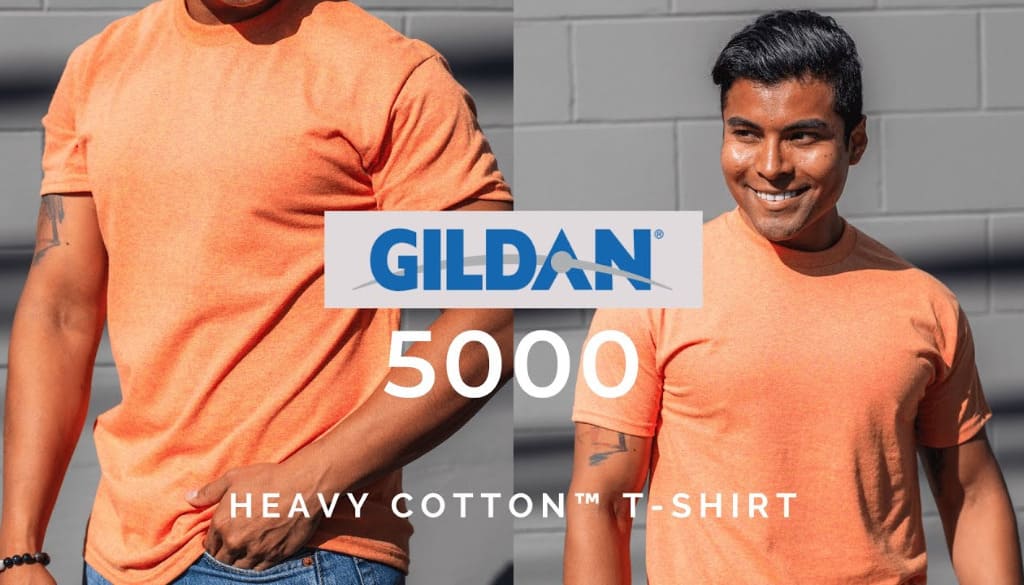
    Poor-quality blanks: “Cheap” often comes with second- or third-grade T-shirt blanks. The fabric is thin, stitching is sloppy, and the shirts shrink or fade after just one wash. You might think you’re using a Gildan 5000, but is it an authentic product or a low-grade imitation?

    Disastrous print quality: To cut costs, low-priced print shops often:

    • Skip pre-treatment: They omit the crucial pre-coating layer, causing DTG/DTF ink to fail to bond properly with the fabric, resulting in faded or “washed-out” prints.
    • Use cheap inks: Unverified or low-quality inks that crack, peel, or emit an unpleasant chemical odor.
    • Rely on outdated equipment: Old printers with clogged nozzles lead to streaks, color inaccuracies, and poor resolution.

    In the end, the “savings” you thought you made quickly turn into massive costs, refund processing, lost customer trust, and even reduced visibility or ranking on major marketplaces.

    Failing to Verify Production Capacity and Order Processing Time

    Many sellers focus solely on the price list and overlook production time a crucial factor that directly determines delivery speed.

    An average fulfillment provider may take 4–7 days to print and pack orders, while modern facilities can complete production within just one day, allowing U.S. customers to receive their packages in 2–5 days.

    If you don’t clarify a partner’s production capacity, you may face serious problems when order volumes spike during peak seasons from delays and backlogs to complete operational breakdowns.

    Consequences:

    • Mass order cancellations: Customers cancel before their orders even ship.
    • Lost competitive edge: Your competitor, working with a 2–3 day production partner, has already delivered their orders and earned 5-star reviews while you’re still explaining to buyers that their orders are “in process.”
    • Q4 chaos: During peak seasons (Black Friday, Christmas), a 7–10 day production time can balloon to 15–20 days, meaning your “Christmas orders” might arrive after New Year’s.

    Solution: Always request a clear Service Level Agreement (SLA) outlining production, packaging, shipping timelines, and defective-order handling. A U.S.-standard fulfillment provider like FlashShip guarantees 1-day production and 2–5 day domestic delivery, helping sellers maintain both speed and credibility.

    Lack of Transparency in Costs and Operational Processes

    One of the most costly mistakes sellers often make is focusing only on the base cost (blank + print) and the basic shipping fee, while neglecting to examine hidden charges and the transparency of their fulfillment partner’s operations.

    Many low-cost fulfillment providers attract sellers with appealing advertised rates, but hide numerous surcharges in the fine print of contracts or service-level agreements (SLAs) that few people take the time to read carefully.

    The Consequence: The “Iceberg Effect” of Hidden Fees Eating Away Your Profit

    The price you see upfront is just the tip of the iceberg, the hidden costs beneath the surface are what truly erode your profit margins. Common examples include:

    • Storage fees: Many POD sellers overlook this. If a design doesn’t sell well, or if returned products remain in the warehouse without immediate action, you may be charged storage fees per day, week, or cubic meter.
    • Return handling fees: When customers send back items, the fulfillment provider incurs labor costs to receive, inspect (QC), restock, or dispose of them. Many partners quietly deduct these fees from your account.
    • Special packaging fees: Want to use custom-branded boxes instead of standard poly mailers? Want to include thank-you inserts or cards? These extras often come with additional per-order charges.
    • Brand labeling fees: Costs for removing original tags and printing, sewing, or applying your own branded labels.

    If you don’t review these terms carefully, your actual cost per order can end up 20–30% higher than your original estimates, completely disrupting your profit calculations.

    Solution: Request Detailed Quotations and Full Transparency

    To protect your business, you need to take a proactive approach from the very beginning:

    • Request a detailed quotation: Never accept a vague or lump-sum quote. Ask your fulfillment partner to break down every cost item, including blank product fees, printing fees, handling fees, shipping costs, and any other potential surcharges.
    • Prioritize partners with public pricing: A reputable provider (like FlashShip) will openly display its pricing tables and fee policies on its website. This transparency reflects both credibility and confidence in their service quality.
    • Ask specific process questions: For example, “How are returns handled, and what are the associated costs?” or “Does the shipping fee include tracking and insurance coverage?”

    Remember, a great fulfillment partner is not necessarily the cheapest one, it’s the one that helps you clearly control your costs and maximize profits sustainably in the long run.

    Ignoring the Location of the Fulfillment Facility

    Fulfillment Facility

    A major strategic mistake many POD sellers make is focusing solely on print pricing without asking the crucial question: “Where is your facility located?” The warehouse location directly impacts two vital factors delivery speed and shipping cost every single day.

    The Consequences of a Poorly Located Facility

    Imagine your fulfillment partner’s warehouse is in California (West Coast), but your order needs to be shipped to New York (East Coast). The delivery time could take 2–3 extra days compared to estimates. Conversely, if the warehouse is on the East Coast, your West Coast customers will experience the same delays.

    These geographical mismatches don’t just reduce customer satisfaction they also increase shipping costs due to longer distances.

    The Solution: Prioritize a Central “Logistics Gold Zone”

    Fulfillment hubs located in central states like Texas hold a significant strategic advantage. Often called the “heart of U.S. logistics,” a warehouse in Texas offers:

    • Balanced shipping distances: Orders to both East and West Coasts have nearly equal delivery times.
    • Consistent delivery speed: Enables you to confidently maintain uniform shipping commitments across the entire U.S.
    • Optimized shipping costs: Centralized routes typically reduce shipping expenses by 15%–25% compared to coast-to-coast shipping.

    Lesson: Always check your fulfillment partner’s shipping coverage map and prioritize those with centrally located warehouses. This is precisely why experienced POD sellers regard FlashShip as a true “logistics gold zone” the ideal hub for anyone aiming to dominate the U.S. market.

    Overlooking System Integration and Automation

    Overlooking System Integration and Automation

    In the era of multichannel selling, professional POD sellers often manage orders across multiple platforms such as Etsy, Shopify, Amazon, or TikTok Shop. A fatal mistake is choosing a fulfillment partner that lacks a strong automated API integration system.

    Without automation, you’ll be forced to handle every order manually, downloading files, sending emails, and entering data by hand. This process isn’t just time-consuming; it’s also extremely prone to errors.

    The Consequences of Manual Operations

    Common problems caused by the lack of system integration include:

    • Order mistakes: Duplicated orders, incorrect SKUs, mismatched designs, wrong sizes, or colors.
    • Wasted time on updates: You’ll need to manually upload tracking numbers for each order on every platform. Any delay can severely damage your store’s reputation on Etsy or Amazon.
    • Information blind spots: Without real-time tracking, you can’t monitor inventory or production status (pending, printing, shipped), making customer support and operations harder to manage.

    The Solution: Choose an All-in-One Management Platform

    The answer is to prioritize fulfillment partners with strong technological infrastructure. You need an All-in-One management system capable of:

    • Automatically syncing data across all your sales channels.
    • Updating order status in real time.
    • Providing clear, detailed operational reports.

    A robust automation system saves time, reduces human error, and helps your POD business scale efficiently, something a manual workflow simply can’t achieve.

    Failing to Review Customer Support and Service Policies

    A critical mistake many POD sellers make is focusing solely on production speed and pricing, while completely overlooking the human element, customer support when issues arise.

    The Consequences of “Disappearing Support”

    The POD world isn’t always perfect. There will be times when orders are misprinted, lost, or customers request returns. Now imagine this: in an urgent situation, you submit a support ticket and wait 3–5 days just to receive a generic response.

    Such delays not only waste precious time during a crisis but can also result in losing the customer permanently, often accompanied by a 1-star review.

    The Solution: Choose a “Partner,” Not Just a “Printer”

    Before committing to any fulfillment provider, make sure to:

    • Carefully review policies: Read the terms related to refunds, reprints, and returns. Is their error-handling process clear and transparent?
    • Prioritize multilingual support: For Vietnamese sellers targeting international markets, a bilingual (Vietnamese–English) support team is invaluable, ensuring clear communication and faster problem resolution.
    • Check response time: A professional partner should guarantee support response within 24 hours  ideally via live chat.

    A trustworthy fulfillment provider doesn’t just deliver fast; it stands by your side when problems occur. That’s the key difference between a basic print factory and a true fulfillment partner.

    Failing to Evaluate Credibility and Community Feedback

    Another costly mistake many POD sellers make is choosing a fulfillment partner blindly  without taking the time to assess their reputation and real feedback from the seller community. You don’t want to be the next person to “test and fail.”

    Many sellers have found themselves in frustrating situations: partners failing to meet promised production times, printing errors across entire winning campaigns, or worse  disappearing completely when issues arise.

    The Solution: Be a Smart “Detective” Before You Partner Up

    Before entrusting your business to any fulfillment provider, take the initiative to verify their credibility:

    • Read cross-platform reviews: Don’t rely solely on their website. Check discussions and feedback from large POD communities on Facebook, Reddit, or reputable review sites like Trustpilot.
    • Verify legal and operational information: When were they founded? Is their website professional and transparent? Ask for real photos or videos of their facilities and printing equipment.
    • Prioritize transparency: Choose a partner with clear policies, well-documented procedures (such as reprint/refund terms), and a professional seller support team.

    A reputable fulfillment provider isn’t defined by low prices or flashy marketing, but by consistency in quality, speed, and genuine positive experiences from the seller community they serve.

    How to Choose the Right Fulfillment Partner for POD Sellers

    Fulfillment Partner

    After understanding the seven common mistakes, here are the key criteria to help you choose the right fulfillment partner:

    Production and Shipping Speed

    In the e-commerce world, speed is king. Customers have become accustomed to Amazon Prime’s two-day delivery and will not tolerate waiting two to three weeks for a T-shirt. You need a partner who can guarantee exceptional turnaround times.

    • Ideal production time: The golden standard is 1–2 business days. This means that once an order is pushed to the system, your partner should be able to produce and ship it within 24–48 hours.
    • U.S. domestic shipping time: Must be 2–5 business days.
    • Total fulfillment time: From the moment the customer clicks “Buy” until the package arrives at their doorstep, keeping it under 7 days provides a powerful competitive edge, reducing cancellation rates and significantly increasing 5-star reviews.

    Print Quality and Quality Control (QC) Process

    Fast speed means nothing if the product you deliver is poor quality. The product represents your brand, never compromise on it.

    • U.S.-standard printing technology: Your partner should use modern machinery and certified inks for core printing methods such as DTG (Direct-to-Garment), DTF (Direct-to-Film), and 2D/3D printing (for mugs, phone cases, etc.). This ensures sharp prints, accurate colors, and long-lasting vibrancy even after multiple washes.
    • QC process: Require your partner to have a strict multi-step quality control procedure (at least two stages, before and after printing) to eliminate defective, misprinted, dirty, or damaged products before they are packed and shipped.

    Transparent Costs and Operational Reporting

    Profit lies in the details and hidden fees are the number one enemy of POD sellers. A reliable partner must offer 100% financial transparency.

    • Clear pricing, no hidden fees: Request a detailed cost breakdown for everything — blank product price, printing fee, shipping fee, return handling fee, storage fee (if applicable), labeling fee, and more.
    • Tracking dashboard: Choose a partner that provides a dashboard system allowing you to monitor costs and profits per order. This helps you make business decisions based on real data, not guesswork.

    Technology Integration and API Connectivity

    This is the factor that determines whether your business can truly scale or not. If you have to handle orders manually, you’ll never be able to process 1,000 orders a day.

    • Automatic synchronization: Your partner must have a robust API system that enables seamless integration and automatic order syncing across platforms.
    • Real-time status updates: As soon as an order is produced and shipped, the tracking information should automatically sync to your store and be sent to your customers. This eliminates manual errors and frees up your time for growth-focused tasks.

    Professional and Friendly Customer Support

    When problems arise (and they inevitably will), you need an ally, not a soulless call center.

    • Fast and responsive support: Look for a fulfillment partner with a dedicated seller support team ideally bilingual (Vietnamese–English) that can resolve issues quickly and commit to responding within 24 hours.
    • Transparent reprint/refund policy: Their policy should be clear, fair, and focused on protecting the seller’s reputation when errors are caused by the manufacturer. A fair, seller-friendly policy reflects a provider’s confidence in the quality of its service.

    FlashShip – The U.S.-Standard Fulfillment Solution Designed for Vietnamese POD Sellers

    FlashShip

    FlashShip is a fulfillment provider built specifically for the Vietnamese POD seller community targeting the U.S. market, featuring a fully domestic production system and a smart management platform.

    Texas – The “Golden Hub” for 2–5 Day Nationwide Delivery

    Say goodbye to slow and expensive cross-country shipping. FlashShip’s central hub is strategically located in Texas, the heart of America’s logistics network.

    • Superior speed: This strategic location allows balanced delivery to both the East and West Coasts, ensuring stable U.S. domestic delivery times of just 2–5 business days.
    • Optimized costs: Shipping from the center of the country significantly reduces transportation costs compared to coastal warehouses, helping you maximize profit margins on every order.

    Fast Production (From 1 Day) – Sharp, U.S.-Standard Print Quality

    Don’t let long production times hold back your Q4 revenue.

    • Production starting from 1 day: Our automated system allows orders to enter production almost instantly after being placed.
    • Premium print quality: We use U.S.-standard printing technologies (DTG, DTF) and certified inks to ensure every print is vivid, sharp, and colorfast.
    • Double-layer QC: Every product undergoes a strict two-step quality control process before packaging, minimizing return rates and ensuring customer satisfaction.

    Seller V2 Platform – The All-in-One “Brain” of Your Business

    Forget manual order processing – FlashShip Seller V2 is the intelligent control center that powers your entire POD business.

    • Powerful API Integration: 100% of your orders are automatically synced in real time.
    • Real-Time Management: A unified dashboard gives you full visibility into every stage from production and shipping to revenue and profit tracking.
    • Smart Reporting: Access visual, data-driven insights that help you make informed decisions, forecast trends, and optimize costs effectively.

    Breaking Barriers with Professional Bilingual (Vietnamese–English) Support

    We speak your language literally. Don’t let language barriers or time zone differences slow down your business.

    • 24/7 Vietnamese–English Support: Our professional bilingual support team, deeply experienced in POD operations, is ready to resolve your issues quickly and efficiently.
    • End-to-End Assistance: We accompany you through every step from account setup and store integration to operational optimization.
    • Market Updates: Receive continuous access to resources, guides, and U.S. POD market insights, helping you stay one step ahead of the competition.

    “Made in USA” Fulfillment is not just a new trend it is a strategic breakthrough that empowers Vietnamese POD sellers to gain a stronger competitive edge in the U.S. market. When your products are printed and shipped domestically, you significantly reduce logistics costs, shorten delivery times, and build a professional, trustworthy brand image with the “Printed in the USA” label.

    If you’re looking for a U.S.-standard fulfillment partner, contact our hotline at (+84) 943 024 337 or visit https://flashship.net for detailed consultation, quick quotations, and to develop an effective “Made in USA” fulfillment strategy for your POD brand.

  • Fulfillment “Made in USA” – The Competitive Advantage for POD Sellers

    Fulfillment “Made in USA” – The Competitive Advantage for POD Sellers

    In the rapidly growing Print on Demand (POD) industry, speed and quality have become the key factors that determine a seller’s ability to win over U.S. customers, one of the largest and most competitive markets in the world. Amid globalization and shifting trade policies, the “Made in USA” Fulfillment model is emerging as an optimal strategy for international sellers, especially those from Vietnam, to shorten delivery times, reduce customs risks, and increase profit margins.

    In this article, FlashShip will analyze why U.S. domestic fulfillment has become an inevitable trend, highlight the key advantages of the “Made in USA” model, share strategies for an effective transition, and explain why FlashShip is recognized as a trusted U.S.-standard fulfillment partner for the Vietnamese POD seller community.

    Fulfillment “Made in USA”

    What Is “Made in USA” Fulfillment and Why Is It Becoming a Trend?

    Before diving into the benefits of Made in USA Fulfillment, it’s important to understand what this term truly means.

    Core Definition: What Is “Made in USA” Fulfillment?

    Many people assume that “Made in USA” is simply a label printed on a clothing tag. However, in today’s POD and eCommerce landscape, “Made in USA” Fulfillment refers to the entire order processing workflow being conducted within the United States.

    This process includes:

    • Warehousing: Blank products such as T-shirts, mugs, and hats are stored in U.S.-based warehouses.
    • Printing: Once an order is placed, the product is retrieved and printed using technologies like DTG or sublimation directly at U.S. print facilities.
    • Quality Control: Each printed item is carefully inspected for color accuracy, print placement, and technical defects.
    • Packing: Products are securely packed, often with custom branding inserts if requested by the seller.
    • Shipping: Orders are handed over to domestic U.S. carriers such as USPS, UPS, FedEx, or DHL for final delivery to the customer.

    This model stands in stark contrast to traditional approaches, where products might be printed in another country (for example, China or Vietnam) and then shipped internationally to customers in the United States.

    Why Is “Made in USA” Experiencing a Comeback in eCommerce and POD?

    POD Sellers

    This trend is not a coincidence, it is the result of a convergence of economic, social, and technological factors.

    The Aftermath of the Pandemic & Global Supply Chain Disruptions

    The COVID-19 pandemic served as a true “stress test” for global supply chains. Sellers who relied heavily on Asian manufacturing sources faced unprecedented challenges:

    • Factory shutdowns: Extended lockdowns caused massive production delays.
    • Shipping crisis: Container shipping costs skyrocketed by 5–10 times their usual rates.
    • Port congestion: Major ports like Long Beach and Los Angeles became severely jammed, with goods waiting for weeks, even months, before clearance.

    The outcome? Sellers ran out of stock or received shipments far too late (for instance, Christmas shirts arriving in January). Customers became frustrated, refund and chargeback rates soared, and businesses suffered losses.

    This painful experience made many sellers realize the risks of “putting all their eggs in one distant basket.” As a result, “Made in USA” Fulfillment emerged as a safe haven, a more stable, predictable, and resilient solution for long-term eCommerce success.

    The Rise of Economic Patriotism

    American consumers especially Millennials and Gen Z are increasingly conscious of the origin of the products they purchase. A survey by the Reshoring Institute found that over 70% of Americans prefer to buy products manufactured domestically.

    • Supporting local jobs: They want their money to support local businesses and American workers.
    • Higher quality perception: The “Made in USA” label is often associated with superior quality, durability, and craftsmanship.
    • Ethics and sustainability: U.S. manufacturing is bound by strict labor laws (no child labor, fair working hours) and environmental regulations, standards that factories in some other countries may not always uphold.

    When sellers can confidently promote that their products are “Printed and shipped from [City, USA],” they tap directly into this powerful emotional current of economic patriotism among U.S. buyers.

    The Urgent Demand for Speed: The “Amazon Prime Effect”

    Amazon has permanently reshaped consumer expectations for shipping speed. Free 2-day (or even same-day) delivery is now the norm.

    A study by Invesp revealed that:

    • 54% of online shoppers consider delivery speed one of the most important factors when making a purchase.
    • 25% of customers abandon their carts if shipping takes too long.

    When your competitors and Amazon itself are delivering within 3–5 days, asking customers to wait 3–4 weeks is essentially business suicide.

    For independent POD sellers, “Made in USA” Fulfillment is the only way to compete on equal footing in the world’s most lucrative eCommerce market.

    The Greatest Advantages for Sellers Using “Made in USA” Fulfillment

    Switching to the “Made in USA” fulfillment model is not just a temporary fix — it’s a strategic investment that delivers long-term, double-layered benefits. Here are the most significant advantages sellers can leverage from this model.

    Fast Shipping Speed

    Fast Shipping

    This is the most immediate and tangible advantage.

    From 3 weeks down to 3 days: Instead of waiting 14–30 days for international shipping, “Made in USA” orders typically reach customers within 3–7 business days, including 1–3 days for production and 2–5 days for domestic shipping.

    • Reduced cart abandonment: When customers see “Estimated delivery: 3–5 business days” instead of “15–30 business days,” the likelihood of completing checkout rises sharply.
    • Higher conversion rate: Fast delivery is one of the strongest purchasing motivators, right after price and product quality.
    • Holiday season advantage (Q4): During major holidays like Black Friday, Cyber Monday, or Christmas, no customer wants to buy a gift that might not arrive on time. A promise like “Guaranteed delivery before Christmas” is a powerful marketing edge, possible only with domestic fulfillment.

    Superior Product and Print Quality

    When your production facility is halfway across the globe, you’re essentially gambling your brand reputation on a quality control process you can’t directly oversee.

    With U.S.-based fulfillment, partners like FlashShip adhere to strict quality standards:

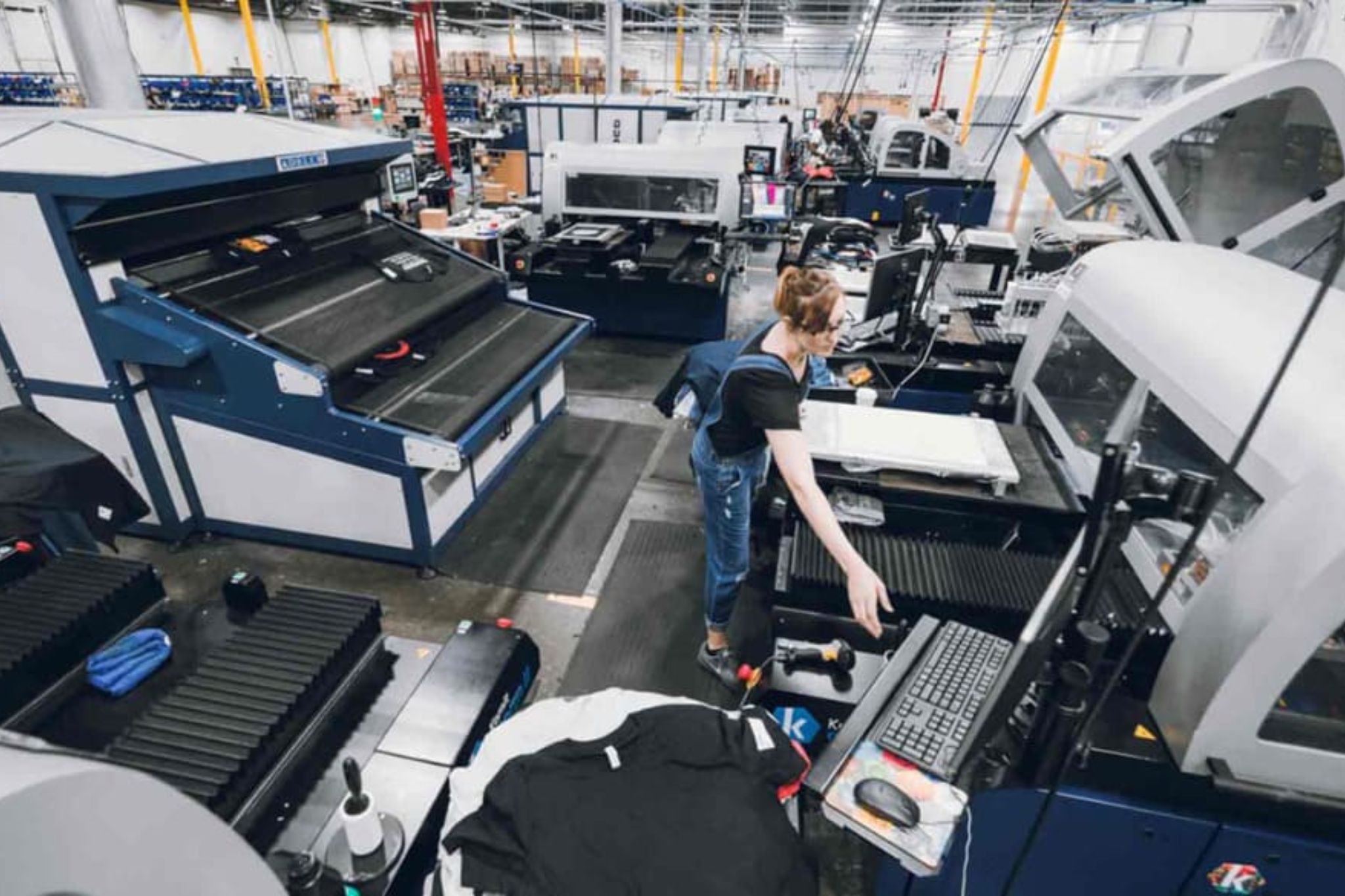
    • Premium inks and equipment: U.S. print facilities often invest in top-tier DTG printers (e.g., Kornit) and certified safe inks (e.g., Oeko-Tex), ensuring vibrant, durable, and color-accurate prints.
    • Reliable blank product sourcing: Most U.S. print hubs use trusted, American-preferred blank brands such as Bella+Canvas (renowned for soft, lightweight fabric), Gildan (durable and cost-effective), and Next Level.
    • Multi-step quality control: After printing, each item goes through several inspection checkpoints (color accuracy, placement, print or fabric defects) before packaging. This significantly reduces defective and returned orders.

    Consistent product quality means fewer complaints, fewer refund requests, and most importantly more 5-star customer reviews.

    Building Brand Trust and Customer Loyalty

    Trust is the most valuable asset of any brand.

    • Transparency: Customers know exactly where their money goes and where their products are made. This level of openness fosters a strong emotional connection between your brand and your buyers.
    • Shared values: As mentioned earlier, supporting the local economy generates positive sentiment. Your brand isn’t just selling T-shirts it’s selling values and pride.
    • Reliable experience: Fast delivery, high-quality products, and clear tracking build confidence. The next time customers want to make a purchase, they’ll remember your store first not a random seller on Etsy or Amazon.

    Reducing Supply Chain Risks and Hidden Costs

    Stability is the foundation of profitability. “Made in USA” Fulfillment eliminates a wide range of unpredictable variables:

    • No more port congestion: All logistics take place within U.S. territory.
    • No trade wars or tariff anxiety: You’ll no longer have to hold your breath over news of new U.S. sanctions or import tariffs that could raise your base cost by 25% overnight.
    • Predictable costs: Both base production costs and domestic shipping rates remain relatively stable, allowing sellers to calculate profit margins more accurately and plan finances with confidence.

    Consistent and Efficient Customer Support

    When issues arise such as wrong color, incorrect size, or misdelivered packages response speed becomes a matter of survival.

    • Time zone differences: If the seller is in Vietnam, the customer is in the U.S., and the print facility is in China, a simple support request can take up to three days just to exchange basic information.
    • Domestic support: With a U.S.-based print facility, the support team operates within nearly the same time zone as customers, allowing for quick order checks, reprint requests, or returns processing.
    • Returns management: Having a U.S. return address makes the process far easier and significantly cheaper than returning products overseas to China.

    Marketing Advantage and Premium Brand Positioning

    The “Made in USA” (or “Printed & Shipped in the USA”) label is an exceptionally powerful marketing tool.

    • Targeted advertising: You can run campaigns (Facebook Ads, Google Ads) aimed specifically at audiences interested in “Made in USA” or “Support Local” products.
    • Higher perceived value: A T-shirt printed in the U.S. is instantly perceived as more premium than one “shipped from China.” This perception enables you to:
      • Increase selling prices: You can charge slightly higher prices while maintaining strong customer satisfaction.
      • Escape the price war: Instead of competing on who sells cheaper, you compete on who delivers greater value, in quality, speed, and brand storytelling.

    Simplifying Tax and Import Procedures

    For POD sellers, especially international ones selling to the U.S. market, handling taxes and customs can often feel like navigating a maze.

    When both production and fulfillment are conducted entirely within the United States for U.S. customers, the process becomes dramatically simpler. You no longer need to worry about import duties or complex customs declarations for each individual order.

    Everything stays domestic,  saving time, reducing paperwork, and eliminating the uncertainties tied to international shipping and taxation.

    How to Transition to “Made in USA” Fulfillment

    Fulfillment

    The transition may sound complicated, but when done methodically, it can be smooth and efficient. Below is a five-step practical roadmap for POD sellers.

    Step 1: Reevaluate Your Product Catalog (Product Catalog Audit)

    Not every product you’re currently selling is readily available or competitively priced from U.S.-based print providers.

    • Identify your “stars” (best-sellers): Review your sales data — typically, 80% of your revenue comes from 20% of your products. Prioritize migrating this top-performing 20% first.
    • Check compatibility: List the blanks you’re currently using (e.g., Gildan 5000, Bella+Canvas 3001, 11oz Ceramic Mug). Then verify whether potential “Made in USA” partners (such as FlashShip) offer the same or equivalent blanks in terms of quality and price.
    • Be ready to trim: Accept that you may need to remove some niche products (e.g., outdated phone case models) if you can’t find suitable U.S. suppliers for them.

    Step 2: Research and Select a “Made in USA” Fulfillment Partner

    This is the most critical step choose the wrong partner, and all the advantages above can quickly disappear. Evaluate your options carefully using the following criteria:

    • Product Catalog: Do they offer all your key products (T-shirts, hoodies, mugs, posters, etc.)?
    • Print Quality: Ask to see real product photos and read reviews from other sellers.
    • Pricing (Base Cost & Shipping): Don’t look only at the base cost. Calculate the Total Cost = Base Cost + Shipping Fee. Some partners may offer a low base cost but extremely high shipping fees, or vice versa. Seek transparency and balance.
    • Production Time: How long does it take on average to print and dispatch an order? Ideally 1–3 business days. Confirm whether this timeframe increases during peak seasons (like Q4).
    • Technology Platform:
      • Do they integrate smoothly with your sales platforms?
      • Is their order management dashboard easy to use?
      • Is product syncing and design uploading automated and fast?
    • Policies: What are their reprint and refund policies for misprints or lost packages? Do they offer seller protection?

    Step 3: Technical Integration and Synchronization

    Once you’ve chosen a partner: Create your POD account, set up your product listings, and connect your store via API integration. This ensures your orders flow automatically into the fulfillment system for faster processing and tracking.

    Step 4: Order Samples (CRITICAL: Do Not Skip This Step)

    Never skip this step. Before your first customer places an order, you must be your own first customer.

    Order 5–10 of your best-selling products and have them shipped to your own address or to a friend/relative in the U.S. Once received, carefully evaluate:

    • Print quality: Are the colors accurate to your design? Is the print sharp and consistent? Any signs of peeling or smudging?
    • Blank quality: Is the fabric the correct type? Are there any defects, stains, or damage?
    • Packaging: Does it look professional? Is the product well-protected?
    • Actual delivery time: How many days did it take from order placement to delivery? Was the tracking information consistently updated?

    Only when you are 100% satisfied with your sample products should you move on to the next step.

    Step 5: Update Your Storefront and Marketing Strategy

    Now it’s time to show off your upgrade to the world:

    • Update your Shipping Policy page: Clearly state, “We proudly print and ship from the USA! Orders are typically processed within 1–3 business days and delivered within 3–5 business days.”
    • Add to product descriptions: Include a line or icon on every product page “Printed in the USA.”
    • Create a banner or popup: Display a prominent banner on your homepage, for example:
      “Good News! We now offer Fast US Shipping (3–7 Days) on all orders!”
    • Email marketing: Send a newsletter to your existing customer list announcing this positive changem, it’s the perfect reason to bring them back to your store.
    • Optimize for SEO: Add keywords like “fast shipping apparel” or “[your niche] shirts made in USA” to your product and category pages to improve search visibility.

    FlashShip – The “Made in USA” Fulfillment Partner for POD Sellers

    FlashShip

    Choosing the right fulfillment partner determines 50% of your success and FlashShip is proud to be the solution tailor-made for POD sellers, especially those from Vietnam, who aim to conquer the U.S. market.

    Understanding the pain points sellers face when working with international partners, FlashShip focuses on solving these challenges through a 100% U.S.-based fulfillment system.

    Why POD Sellers Trust FlashShip on Their “Made in USA” Journey

    100% U.S. Fulfillment Centers in Strategic Locations

    FlashShip owns fulfillment facilities strategically placed across the United States. What does that mean for you?

    • Optimized speed: Whether your customer is on the East Coast (New York) or the West Coast (California), orders are delivered faster.
    • Lower shipping costs: Shorter shipping distances translate to more affordable domestic rates.

    High-Quality, Trend-Driven Product Catalog

    We don’t offer thousands of random products, we focus on the best-selling, high-quality items that actually convert. FlashShip’s catalog is always updated with top-trending POD products, from essential T-shirts (Gildan), premium lines (Bella+Canvas), to hoodies and sweatshirts, ensuring sellers always have the right products to match the market trend.

    Industry-Leading DTF/DTG Printing Technology

    Print quality is FlashShip’s reputation. We invest in state-of-the-art DTF and DTG printing systems, combined with strict color-management workflows, ensuring every design, no matter how complex, is reproduced with vivid color, sharp detail, and lasting durability.

    Intelligent, Seamless Technology Platform

    FlashShip’s system is built with a “seller-first” mindset:

    • Automatic order syncing: Orders from your store flow directly into FlashShip’s system, no manual input needed.
    • Real-time tracking: Tracking updates are automatically shared with your customers, reducing your support workload.
    • Intuitive dashboard: Easily push products, manage orders, and monitor performance all in one place.

    A Professional Support Team That Understands Sellers

    We understand that POD sellers, especially those from Vietnam, need a responsive, empathetic, and time-aligned support team. FlashShip’s dedicated support team is always ready to assist, answer inquiries, and handle issues such as reprints or refunds quickly and fairly, allowing you to focus on what truly matters: marketing and design.

    In the POD business, choosing a “Made in USA” fulfillment model not only helps sellers optimize delivery speed but also elevates brand credibility and ensures sustainable profit growth. When your products are printed and shipped directly from the U.S., you provide customers with a superior shopping experience while minimizing risks related to customs, logistics costs, and return rates.

    If you’re looking for a trusted U.S.-standard fulfillment partner with production starting from just one day and domestic U.S. delivery within two to five days, FlashShip is your reliable choice.

    Contact us today via hotline (+84) 943 024 337 or visit FlashShip.net / seller.FlashShip.net for detailed consultation and to build an effective “Made in USA” fulfillment strategy for your POD brand.

  • ANNOUNCEMENT: FLASHSHIP OFFICIALLY ENDS SUPPORT FOR THE SELLER VERSION 1 SYSTEM

    ANNOUNCEMENT: FLASHSHIP OFFICIALLY ENDS SUPPORT FOR THE SELLER VERSION 1 SYSTEM

    After the official launch of Seller Version 2 on October 1, 2025, and the many positive responses received from the seller community, FlashShip is pleased to announce: Starting from 00:00 on October 31, 2025 (VN time), the Seller Version 1 system will officially be discontinued and no longer supported.

    This marks an important milestone in FlashShip’s development journey, a complete transition to the Seller V2 platform, designed to deliver a faster, more stable, and optimized Fulfillment experience for POD sellers in Vietnam and around the world.

    The discontinuation of Seller V1 allows FlashShip to focus all resources on upgrading its technical infrastructure, enhancing order processing workflows, and ensuring the best operational performance for our growing seller community.

    Seller Version

    Reasons for the Transition to Seller Version 2

    Throughout its operation, FlashShip has continuously listened to feedback from thousands of sellers to improve its platform. Seller Version 2 was developed based on real, practical feedback — aiming to create a more optimized experience, streamline workflows, enhance speed, and minimize operational errors.

    Seller V2 introduces key improvements:

    • All-in-One Interface: Manage all orders, production statuses, and shipping progress on a single dashboard.
    • Smart Reporting System: Analyze sales performance, track fulfillment progress, and support accurate, data-driven decisions.
    • Real-Time Updates: Policies, promotions, and announcements are displayed instantly as they go live.
    • Smoother Experience: Optimized loading speed, reduced order creation time, and eliminated common issues found in the previous version.

    Seller V2 is not just a visual upgrade it represents a technological and operational leap forward, empowering FlashShip to better serve the tens of thousands of sellers currently active on the platform.

    Benefits of Upgrading to Seller Version 2

    By switching to Seller V2, sellers gain a wide range of advantages compared to the previous system:

    • Faster processing speed: Every step, from order creation to production and shipping is significantly accelerated.
    • Consistent user experience: All operations are integrated into one unified system, eliminating the need to switch between multiple tabs or tools.
    • Reduced technical errors: The entire system has been redesigned for higher stability, especially during peak sales seasons.
    • Scalability support: Sellers can easily monitor multiple stores and manage large volumes of orders simultaneously.
    • Enhanced sales performance: Detailed reports and intuitive data visuals help you optimize products, predict market demand, and make more informed business decisions.

    Seller Version 2 is a U.S.-standard fulfillment platform offering production times as fast as 1 business day and domestic U.S. shipping within 2–5 days, empowering Vietnamese sellers to boost sales, strengthen brand credibility, and compete effectively on major e-commerce platforms such as Amazon, Etsy, Shopify, Walmart, and TikTok Shop US.

    Support & Contact

    If you need technical assistance or detailed guidance while using Seller V2, please reach out to the FlashShip Support Team:

    • Fanpage: FlashShip Official
    • Hotline: (+84) 943 024 337
    • Email: business.support@flashpod.us

    The FlashShip team is always ready to accompany you through every stage, from account setup and onboarding guidance to hands-on support during real operations on the new platform.

  • USPS Holiday Surcharge – What Should c Sellers Be Aware Of?

    USPS Holiday Surcharge – What Should c Sellers Be Aware Of?

    In the Print on Demand (POD) business, understanding the structure of shipping costs is a key factor in maintaining stable profit margins especially during the year-end sales season. When USPS applies its Holiday Surcharge, many sellers risk “profit leakage” if they fail to adjust their pricing and fulfillment plans in time. So, what exactly is the holiday surcharge, why does USPS implement it, and what should POD sellers do to avoid losses during this peak period? This article will help you understand the reasons behind the surcharge, its effective period, and practical strategies to optimize your costs effectively.

    USPS

    What Is the Holiday Surcharge and Why Does USPS Apply It?

    If you’re a POD seller who has experienced the Q4 sales season (from Halloween to Christmas), you probably know the “bittersweet” feeling: orders skyrocket, but so do shipping costs. Among those costs, the Holiday Surcharge is often the hidden factor that silently eats away at many sellers’ profit margins.

    What Is the Holiday Surcharge?

    The Holiday Surcharge (also known as the Peak Season Surcharge) is a temporary fee that shipping carriers such as USPS, FedEx, and UPS add to their standard shipping rates during the busiest months of the year typically in Q4.

    This is not a hidden fee; it’s publicly announced and applies to everyone from major e-commerce corporations like Amazon, to fulfillment partners like FlashShip, and ultimately, to you as the seller.

    Think of it as a kind of “entry ticket” to the peak season. When shipping demand surges, the operational cost of maintaining the logistics network also rises, and this surcharge is implemented to help carriers offset those additional expenses.

    Why Does USPS Apply the Holiday Surcharge?

    USPS Holiday Surcharge

    Many sellers mistakenly believe that this is simply a way for shipping carriers to “make extra money.” In reality, the explanation is far more complex and reasonable.

    The USPS logistics network is designed to handle an average daily shipping volume. When the holiday season arrives, that volume can easily double, triple, or even more.

    Imagine a restaurant that normally serves 500 customers a day suddenly having 1,500 walk in at once. To keep things running, the restaurant would have to:

    • Hire seasonal workers: USPS must recruit tens of thousands of temporary employees to sort, process, and deliver packages.
    • Increase transportation capacity: They need to lease additional trucks, airplanes, and expand sorting facilities.
    • Pay overtime wages: Existing staff have to work longer hours, including weekends and holidays, at higher pay rates.
    • Cover rising fuel costs: More trucks and more delivery routes mean significantly higher fuel consumption.

    The Holiday Surcharge exists to cover these skyrocketing operational expenses. Without it, the USPS system would collapse under the pressure your packages would be stuck in warehouses for weeks, and shipping delays would become far worse.

    Duration and Rate of the 2025 Holiday Surcharge

    Each year, the United States Postal Service (USPS) announces its plan to implement the Holiday Surcharge during the year-end shopping peak the period when e-commerce orders surge to their highest levels.

    For 2025, the USPS Holiday Surcharge will officially take effect on Sunday, October 5, 2025, and remain in place throughout the peak season, ending on January 18, 2026 (US Time).

    The application of this surcharge comes as no surprise, as this is when the U.S. logistics system operates at full capacity. USPS must recruit additional staff, expand delivery routes, and strengthen parcel-handling infrastructure to accommodate shipment volumes many times higher than normal. The surcharge helps offset these operational costs and stabilize the strain on the supply chain.

    For POD sellers, understanding the surcharge period and its pricing mechanism is essential to maintaining a healthy profit margin during the Q4 sales season. Typically, USPS categorizes surcharges based on shipping service (Ground, Priority, Express), package size and weight, and delivery zone. Shipments traveling long distances or weighing more tend to incur higher surcharges than lighter, in-state, or short-haul packages.

    Importantly, the Holiday Surcharge is not a fixed rate USPS updates its rate chart each year based on transportation conditions and market costs. Therefore, sellers should monitor USPS’s official announcements as early as Q3 2025 to stay informed and adjust product pricing, fulfillment schedules, and marketing campaigns accordingly.

    How Does the Holiday Surcharge Affect POD Sellers?

    USPS Holiday

    The Holiday Surcharge isn’t just a few extra cents for POD sellers, it’s a “hidden cost” that can completely disrupt your Q4 financial plan.

    Increased Shipping Costs

    This is the most obvious and painful impact. In the POD model, shipping costs are a fixed part of your Cost of Goods Sold (COGS).

    Typically, a POD apparel order in the U.S. has a base shipping cost ranging from $4.50 to $7.50, depending on the fulfillment partner and the shipping service used. Once the Holiday Surcharge takes effect, that same order can instantly rise to $6–$8.20, even with identical product weight and service level.

    If a seller keeps the same retail price without making adjustments, that entire increase is directly deducted from their profit margin. In such a competitive market, this surcharge alone can reduce your profit by 10–15%. The situation becomes even worse if you’re also running ads, as CPC/CPM costs surge sharply during Q4.

    Let’s do a quick calculation:  A store that sells 500 orders per week with an average net profit of $3 per order will lose $250 per week if shipping costs rise by just $0.50 per order. That’s roughly $1,000 per month a significant amount of profit that “vanishes” simply because of a surcharge you might have overlooked.

    Delivery Delays

    The Holiday Surcharge exists because the USPS system becomes overloaded and when that happens, not only do costs rise, but delivery times inevitably slow down. During the holiday season, it’s completely normal for packages to be delayed by 1–3 days beyond the estimated delivery date.

    However, U.S. customers during the holidays are extremely time-sensitive. They’re ordering gifts for Christmas or Thanksgiving, and a delayed package often means a gift that doesn’t arrive on time. This immediately leads to:

    • A flood of “Where is my order?” (WISMO) messages.
    • Impatient customers leaving 1-star reviews and negative feedback.
    • A spike in refund requests and disputes.

    For POD sellers on highly competitive platforms like Etsy, Amazon, or TikTok Shop US, shipping delays can directly impact key store metrics. You could lose credibility scores, badges (like Etsy’s Star Seller), or even face reduced product visibility all of which can choke your revenue flow.

    Increased Return and Reprint Costs

    The holiday season also means more gift purchases, which naturally drives up return rates (often due to incorrect sizing). Combine that with delayed deliveries, and your risks multiply.

    If an order arrives after Christmas, the customer may no longer want it and request a return. If the package is lost or damaged during the rush, you bear the cost. In the POD model, this doesn’t just mean losing the shipping fee you’ll also absorb a second fulfillment cost, including both reprinting and reshipping the product.

    The loss per failed order in these cases can be substantial, especially when multiplied across dozens or hundreds of delayed shipments.

    Disrupted Pricing and Advertising Strategies

    This is the most silent yet the most dangerous  trap. Many sellers focus heavily on running ads, see sales spike, and celebrate a “sales storm.” However, they often forget to recalculate their COGS (which now includes the holiday surcharge) when evaluating their campaign profitability.

    As a result, many only realize they’ve been losing money after the sales season is over, when all expenses are tallied up. They’ve spent thousands of dollars on advertising to drive orders that actually carried negative profit margins.

    High revenue but zero or even negative net profit is a common nightmare for sellers who fail to account for the Holiday Surcharge in advance.

    What Should POD Sellers Do to Avoid “Losing Profit” During the Holiday Season?

    Shipping

    Knowing the risks is one thing but taking action to protect your profit is another. So how can you navigate this challenging period of holiday surcharges while still maintaining healthy Q4 margins?

    The answer lies in proactive preparation and a smart, data-driven strategy.

    Below are four practical and urgent strategies that every POD seller should start implementing right now.

    Recalculate Your Product Pricing Structure

    The first and most crucial strategy: never absorb the loss. Many sellers make the mistake of thinking they can “swallow” a few extra cents in shipping costs to stay competitive. But when multiplied by thousands of orders, those “few cents” can quickly turn into thousands of dollars in lost profit.

    You must accept that the Holiday Surcharge is a temporary part of your Cost of Goods Sold (COGS) and pass it on to your final retail price.

    Don’t wait until Black Friday to act. Update your shipping rate tables at least one to two months before the peak season begins. This gives you enough time to test and ensure that all your shipping profiles on Etsy, Shopify, or Amazon are accurate and up to date.

    The best approach is to slightly increase your retail prices. A 5–10% adjustment is usually acceptable to customers during the holiday season or you can simply add the estimated surcharge directly into your product price. For instance, instead of keeping your price at $24.95, adjust it to $25.95 or $26.45. It’s a small difference for the buyer, but it allows you to maintain a stable profit margin across all orders.

    To preserve customer trust, transparency is key. Clearly include a short note such as “Holiday Shipping Update” or “Seasonal Rates Apply” on your product page or store announcement section. Most customers will understand that this is a normal and temporary adjustment during the high-demand holiday period.

    Prioritize U.S. Domestic Fulfillment

    Finally, this may be the most effective and safest strategy, especially for Vietnamese sellers targeting the U.S. market: prioritize domestic U.S. fulfillment.

    When your products are fulfilled from a facility located within the United States, you immediately eliminate many operational risks. You’re no longer subject to import duties or the high cost of cross-border shipping. Instead, you benefit from much lower domestic shipping rates and far less exposure to international logistics disruptions.

    Most importantly, you significantly shorten delivery times. Instead of customers waiting 2–3 weeks, your orders can be delivered in just 2–5 days. This speed is a crucial factor in retaining customers and earning 5-star reviews during the holiday season.

    FlashShip is a U.S.-based fulfillment partner specifically designed to help Vietnamese sellers overcome these challenges. With an optimized production process that can complete orders in as little as one business day, and domestic U.S. shipping within 2–5 days, FlashShip helps you maintain both profit and reputation, even as USPS increases its surcharges turning Q4 into a truly profitable season.

    Understanding and proactively responding to the USPS Holiday Surcharge allows POD sellers not only to preserve profit margins but also to ensure operational stability throughout the busiest sales season of the year.

    Don’t let hidden fees eat into your earnings — prepare early, optimize your costs, and partner with a reliable U.S. fulfillment provider.

    Contact: (+84) 943 024 337

    Visit: FlashShip.net for detailed consultation and product pricing.

  • How to Leverage U.S. Holidays to Boost Your POD Sales

    How to Leverage U.S. Holidays to Boost Your POD Sales

    U.S. holidays are always peak revenue periods for the Print on Demand (POD) industry. Within just a few weeks, the demand for gifts and personalized products surges dramatically, creating huge opportunities for sellers to increase orders and strengthen their brand. However, not everyone knows how to plan at the right time or choose the right products.

    This article will share five practical strategies to help POD sellers conquer the U.S. market, from product preparation and design trend updates to selecting a reliable U.S.-based fulfillment partner.

    Holidays

    Why U.S. Holidays Are a “Goldmine” for POD Sellers

    In the world of eCommerce, especially within the Print on Demand (POD) model, timing is everything. For the U.S. market, one of the largest and most mature consumer markets in the world, holidays are truly a “goldmine” for sellers who know how to seize the opportunity. Here are three key reasons why you can’t afford to miss out:

    Holiday Spending Skyrockets

    Numbers don’t lie. According to the latest survey from the National Retail Federation (NRF), U.S. consumers are expected to spend an average of $890.49 per person on gifts, food, decorations, and other items during the 2025 holiday season.

    Meanwhile, data from Adobe for Business predicts that U.S. online spending alone, from November to December, could exceed $250 billion.

    These aren’t just statistics; they reflect a deep-rooted gift-giving culture. Americans don’t just shop for family, they buy for friends, coworkers, and even pets. More importantly, they actively seek unique, personalized gifts, not mass-produced ones.

    This massive flow of consumer spending enters the market every quarter, and if you have the right products, you can absolutely claim your share of the profit pie.

    POD Perfectly Matches the Demand for Personalization

    Buyers today aren’t just looking for “a product”, they’re looking for “a product with meaning.” That’s where POD shines.

    On Mother’s Day, customers don’t want a regular mug; they want one printed with their children’s names and photos. During Christmas, demand surges for Matching Family T-shirts and “Our First Christmas” ornaments, meaningful keepsakes that capture memories.

    With key POD products such as themed T-shirts, ornaments, canvas prints, mugs, and tote bags, sellers can offer exactly that, without holding any inventory. The advantage of POD lies in its flexibility: fast design turnaround, instant trend adaptation, and the ability to target ultra-specific micro-niches with higher profit margins than traditional mass-produced goods.

    The U.S. Market and the Advantage for Vietnamese Sellers

    Vietnamese POD sellers hold several key advantages, creativity, agility in design, and the ability to quickly adapt to global trends. However, the biggest barrier has always been logistics.

    During the holiday season, U.S. customers are extremely sensitive to delivery time. A Christmas gift that arrives after December 25th is a disaster, it can easily result in a 1-star review or even a chargeback.

    This is where partnering with a U.S.-based fulfillment provider like FlashShip becomes a strategic weapon. When your orders are produced and shipped domestically within the U.S., you eliminate critical barriers such as long delivery times, high shipping costs, and complex customs procedures.

    With local fulfillment, you can confidently compete head-to-head with native sellers, deliver an outstanding customer experience, and turn the holiday season into a true sales storm.

    Overview of Major U.S. Holidays & Shopping Behavior by Season

    Calendar

    To maximize your results, you need to understand the key holiday periods in the U.S. and how buyer behavior changes throughout the year. Below is a quarterly breakdown to help you visualize and plan your product lineup and marketing strategy effectively.

    Quarter Key Holidays / Occasions Shopping Behavior & POD Opportunities
    Q1 (Jan – Mar) Valentine’s Day (Feb 14), St. Patrick’s Day (Mar 17), New Year Sales Americans start the new year with personal and romantic gifts for couples and friends. POD opportunities include Valentine’s couple T-shirts, personalized mugs, and St. Patrick’s themed tote bags.
    Q2 (Apr – Jun) Easter (Mar/Apr), Mother’s Day, Father’s Day, Memorial Day A season for family-oriented gifting. Perfect POD products include T-shirts, pillows, and doormats featuring “Mom”, “Dad”, or family designs.
    Q3 (Jul – Sep) Independence Day (Jul 4), Back-to-School (Aug), Labor Day (Sep) Summer is filled with patriotic and outdoor themes, U.S. flag shirts, beach totes, and travel items. Back-to-school season brings opportunities for personalized class shirts and custom backpacks.
    Q4 (Oct – Dec) Halloween (Oct 31), Thanksgiving (late Nov), Black Friday / Cyber Monday, Christmas (Dec 25) The ultimate peak season for gift-giving and online shopping. Top POD products include Christmas T-shirts, ornaments, holiday tote bags, and “Matching Family” Christmas apparel.

    Notable Shopping Behaviors

    • Omnichannel Shopping: According to eMarketer, more than 70% of U.S. consumers plan to shop online but still browse or compare in physical stores. This means your POD store must appear professional, trustworthy, and seamless across platforms.
    • Holiday Spending Remains a Priority: Despite economic fluctuations, an NRF survey shows that 91% of U.S. adults still celebrate the winter holiday season, and gift-giving for loved ones remains a top priority.
    • Early Shopping Trend: Consumers are starting their holiday shopping earlier each year to avoid stockouts and late deliveries. This gives a strong advantage to sellers who launch marketing campaigns ahead of time.

    Clear segmentation of these holiday seasons forms the foundation of a successful POD strategy. It allows you to stay ahead of the market, allocate ad budgets effectively, and most importantly optimize fulfillment operations to get ready for the upcoming sales surge.

    Why POD Sellers Should Focus on U.S. Holidays

    Christmas

    After understanding why the U.S. holiday market is a “goldmine” and when the key sales periods occur, we come to a more strategic question: Why should POD sellers concentrate their resources on holidays instead of selling spontaneously throughout the year?

    The answer lies in five core competitive advantages that only the POD model can fully leverage during holiday seasons.

    Stay Ahead of Peak Demand

    Selling spontaneously is like casting a net into a vast ocean without knowing where the fish are. Holidays, on the other hand, create predictable “currents” of customers, massive waves of demand that you can anticipate and prepare for.

    During these periods, shoppers aren’t just browsing aimlessly; they’re actively searching for specific products: “Christmas gift for Dad,” “Valentine’s couple shirts,” “Mother’s Day canvas print.” This demand is clear, urgent, and backed by a set budget.  When you prepare your products and marketing campaigns around these demand peaks, you don’t have to create demand, you simply harvest it. You’ll sell faster and more efficiently than those who enter the market too late.

    Boost Profit & Escape the Price War with Niche Products

    Mass-market products are always trapped in the “lowest price wins” battle. But POD products are different. You won’t find a shirt that says “Best Corgi Dad Ever” or a personalized family blanket at Walmart.

    POD thrives on personalization, emotion, and niche design. When holidays come, buyers are willing to pay more for meaningful, one-of-a-kind gifts. This allows you to price based on emotional value rather than production cost, giving you far higher margins than generic products ever could.

    Rapid Testing, Low Risk & Lightning-Fast Scaling

    This is POD’s unbeatable advantage. A traditional business might spend tens of thousands of dollars and three months producing 1,000 sample T-shirts and if the design fails, the loss is total.

    With POD, you can create 20 different Father’s Day designs in one afternoon. Run small-budget test ads, gather real-time data, and identify your winning design within days. Then, instantly shut off the 19 underperforming designs (with zero waste) and scale your budget behind the winner. Holiday seasons provide the perfect environment for this approach, low-risk testing, high-return scaling, and massive profit potential.

    The “Home-Field Advantage” with U.S.-Based Fulfillment

    Shipping speed is the decisive factor in closing sales during the holiday season. A Christmas gift that arrives after December 25th is a disaster. If you’re shipping from Vietnam, the 2–4 week delivery window becomes a critical barrier.

    By partnering with a U.S.-based fulfillment provider like FlashShip, you gain a home-field advantage. Orders are produced and shipped domestically within just a few days, providing customers with a superior delivery experience. This allows you to compete head-to-head with local sellers, eliminate the “long shipping time” objection, and reduce cart abandonment rates significantly.

    Build Brand Loyalty and Increase Customer Lifetime Value (CLV)

    A successful holiday season isn’t just about making one sale, it’s about building trust. When you deliver high-quality products on time during the busiest season of the year, you become a hero in your customer’s eyes.

    They’ll leave 5-star reviews, remember your brand, and most importantly, come back, for the next holiday, for birthdays, or even refer friends and family. That means you’re not just gaining a single order; you’re cultivating loyal customers who continuously increase your Customer Lifetime Value (CLV) over time.

    5 Strategies to Maximize POD Sales During the Holiday Season

    POD Sellers US

    Major U.S. holidays are not only the peak shopping periods of the year but also a golden opportunity for sellers to achieve breakthrough revenue, if they plan their products wisely, build effective marketing campaigns, and choose the right fulfillment partner.

    Below are five practical strategies to help you make the most of the U.S. holiday seasons and boost your POD business performance.

    Plan Products Around the U.S. Sales Calendar

    The first step is to build your own Holiday Calendar for the year, listing all major holidays such as Valentine’s Day, Independence Day, Halloween, Thanksgiving, and Christmas, along with secondary events like Mother’s Day, Father’s Day, or Back to School. Sellers should prepare 45–60 days in advance to allow enough time for design, sample creation, product uploads, and ad planning.

    For example, if you’re targeting Christmas (Dec 25), start launching designs in early November and run ads by mid-November. Early preparation helps you stay proactive in production, avoid late deliveries, and capture the “golden time” for sales.

    Focus on Giftable Products and Emotion-Driven Designs

    Americans have a strong gift-giving culture, so emotional design is the key for POD products to connect with buyers. Designs featuring heartfelt messages like “Best Mom Ever,” “First Christmas as Husband and Wife,” or “#1 Dad” often have higher conversion rates. Your product lineup should focus on easily printable, gift-ready items such as couple T-shirts, family matching shirts, personalized mugs, canvas prints, tote bags, and Christmas ornaments.

    Always align designs with the holiday theme, pumpkins and humor for Halloween, red-white-blue for Independence Day, and turkey and warm slogans for Thanksgiving.

    Stay Updated on Holiday Design Trends

    To stay on trend, regularly monitor tools like Google Trends, Pinterest, and Etsy Trending Items for inspiration and emerging ideas. For example, during Halloween, searches for “family matching Halloween shirts” spike sharply; while in the Christmas season, “ugly Christmas sweater POD” becomes a hot keyword. Keep designs simple, eye-catching, and easy to recognize, orange and black for Halloween, red and green for Christmas. Before mass production, test 2–3 sample designs to measure engagement and identify the highest-converting option.

    Optimize Ads and Sales Channels

    U.S. shoppers typically start looking for gifts 2–3 weeks before each holiday, making this the ideal time to ramp up ad budgets. Segment your ads by theme (Valentine’s, Mother’s Day, Christmas) and audience (families, friends, couples) to personalize messaging.

    Don’t overlook platforms like Shopify, Etsy, Facebook, TikTok, and Instagram, where consumers often discover gift ideas. Use remarketing ads to remind potential buyers with time-sensitive messages like “Last day to order for Christmas delivery” or “Limited edition for Halloween.” At the same time, run email campaigns with themes such as “Gift Ideas for Mother’s Day” or “Back to School Shirts for Kids” to keep your brand top of mind throughout the season.

    Choose a U.S.-Based Fulfillment Partner for Faster Shipping

    During the holiday season, shipping speed is the key factor that defines customer experience. Partnering with a fulfillment provider that operates warehouses in the U.S. allows you to shorten delivery times, minimize late-order risks, and increase buyer satisfaction.

    For example, FlashShip offers 1-day production (1BD) and 2–5-day U.S. domestic shipping, helping Vietnamese sellers ensure their orders arrive on time, even during peak season. Always monitor production timelines and clearly communicate order deadlines to your customers, because during the holidays, even a one-day delay can cost you both revenue and reputation.

    Common Mistakes Sellers Make During Holiday Campaigns

    Even with a solid strategy, many sellers still struggle or fail because they fall into these common traps:

    • Launching Products Too Late: If you start designing and advertising right before the holiday, you’ve already lost your advantage. U.S. shoppers typically start searching 2–3 weeks in advance, if you’re late, your products might arrive after the holiday, or customers will simply buy from someone else.
    • Outdated or Off-Theme Designs: Generic or irrelevant designs that don’t match the holiday theme or follow trends that are no longer popular will easily get lost among thousands of listings. Sellers must stay ahead of trends and create unique, on-theme designs. Relying solely on generic templates makes it hard to stand out from the competition.
    • Poor Control of Shipping & Fulfillment Times: During holidays, logistics systems are heavily strained, slower shipping, overloaded warehouses, and limited carrier capacity. If you can’t ensure fast delivery, customers may cancel orders or leave negative reviews, damaging your brand reputation long-term.
    • Not Leveraging Advertising & Marketing: Simply uploading products to your store and waiting for organic traffic is a mistake. You need to run active ads, remarketing campaigns, emails, and social media promotions. Otherwise, your products will be buried among thousands of other listings.
    • Lack of Testing and Data Analysis: Many sellers skip testing or fail to analyze feedback before scaling. They launch too many designs at once without tracking which ones perform best, leading to high ad costs and poor results. Analyzing ad data, clicks, conversions, and return rates, is essential for long-term optimization and profitability.

    Effectively leveraging U.S. holidays not only helps POD sellers boost short-term sales, but also serves as a strategic step toward long-term brand building. When you prepare early, choose trend-driven products, and maintain a stable fulfillment process, each holiday season can become a powerful growth accelerator for sustainable success.

    At FlashShip, we provide U.S.-standard fulfillment solutions tailored specifically for the Vietnamese POD seller community, featuring 1-day production, 2–5-day U.S. domestic shipping, and an automated order management system that allows you to easily oversee the entire process from production to delivery.

    FlashShip is more than just a fulfillment provider,  we are your strategic partner throughout your POD business journey, from design and production to performance optimization and market expansion.

    If you need detailed consultation on fulfillment strategy, holiday operations, or seller account setup, contact us via hotline (+84) 943 024 337 or visit FlashShip.net, our dedicated team is always ready to support you quickly and professionally.

  • What is De Minimis Removal? How Does It Affect POD Sellers?

    What is De Minimis Removal? How Does It Affect POD Sellers?

    In recent months, the term “De Minimis Removal” has become a hot topic in the global e-commerce community especially among those running Print on Demand (POD) businesses targeting the U.S. market. The potential elimination of the De Minimis Rule, which currently exempts imported goods under $800 USD from customs duties, could mark a major turning point, directly impacting the operational models of tens of thousands of international sellers including the Vietnamese POD community.

    From logistics costs and import taxes to sample testing and product scaling, every link in the POD supply chain could be affected. This article will help you understand what De Minimis Removal is, why it has been proposed, how it specifically impacts sellers and the global POD market, and provide strategic solutions to help you adapt effectively in this changing landscape.

    Print on Demand US

    What Is De Minimis Removal?

    If you’re an e-commerce seller, especially in the Print on Demand (POD) or dropshipping sectors targeting the U.S. market, “De Minimis Removal” is one of the most critical terms you need to understand right now. This is not just a minor policy tweak; it’s a potential regulatory shift that could reshape the entire supply chain and profit margins across the industry.

    What Does “De Minimis” Mean?

    Before understanding the term “Removal,” we first need to define “De Minimis.”

    “De minimis” is a Latin phrase meaning “about things too small to be considered.” In the context of international trade, it refers to a threshold value below which imported goods are considered “too minor to warrant attention.”

    In the United States, this concept is most clearly defined under Section 321 of the U.S. Customs law (19 U.S.C. §1321(a)(2)(C)). For many years, this rule has allowed shipments with a retail value under $800 (per person, per day) to be imported duty-free, with only minimal customs clearance procedures.

    This provision has essentially served as the “golden ticket” behind the boom of cross-border e-commerce, enabling millions of small parcels to be shipped directly from countries like China and Vietnam to U.S. consumers at extremely low costs.

    So, What Is De Minimis Removal?

    Simply put, De Minimis Removal refers to the legal action of eliminating or significantly restricting the $800 duty-free privilege for imported goods.

    It encompasses a series of legislative and executive measures by the U.S. government aimed at ending tax exemptions for low-value shipments. Under recent policy changes for instance, an executive order effective from August 29, 2025 the duty-free benefit for goods under the de minimis threshold has been officially revoked.

    In short, “De Minimis Removal” means that whether your shipment is worth $25 or $250, it will no longer be tax-exempt when entering the U.S. Every package will now be subject to import duties and full customs inspections, just like large commercial shipments.

    This shift transforms what were once “lightweight” and low-cost parcels into shipments burdened by higher taxes, fees, and more complex clearance procedures.

    Why Did the De Minimis Removal Proposal Emerge?

    POD Market

    The $800 duty-free rule (De Minimis) was once the “fast lane” for global e-commerce and POD businesses entering the U.S. market. It allowed goods to be shipped quickly and cheaply without the burden of customs duties. However, that “golden era” is now coming to an end.

    The U.S. government’s decision to take action culminating in the Executive Order issued on July 30, 2025, which declared the “suspension of low-value de minimis exemptions” was not a random move. It was the result of a “perfect storm” created by four major pressures.

    The “Tsunami” of Packages and Customs Overload

    The most obvious reason is the uncontrolled explosion of low-value imports. The scale of this issue is staggering: According to official data, the number of de minimis shipments imported into the U.S. in 2024 reached approximately 1.36 billion parcels, compared to just 134 million in 2015.

    This exponential surge has placed immense pressure on the U.S. Customs and Border Protection (CBP). With billions of small parcels entering the country, it has become virtually impossible to inspect or screen each one for violations. The customs system simply wasn’t built to handle this flood of goods, creating significant oversight and enforcement gaps.

    Security Risks and Tax Evasion

    When control is lost, loopholes are inevitably exploited. The $800 de minimis threshold has unintentionally become a convenient channel for smuggling prohibited goods, counterfeit products, and evading import taxes.

    U.S. government agencies have raised serious national security concerns. According to the Department of Homeland Security (DHS), up to 98% of narcotics (particularly fentanyl) seized from shipments originated from de minimis parcels. Moreover, counterfeit, unsafe, and substandard goods have easily slipped through customs by being split into multiple small-value shipments.

    Unfair Competition and Domestic Industry Protection

    This is the core economic reason behind the policy change. While U.S. manufacturers and retailers are required to comply with labor laws, safety standards, and pay full import duties on raw materials, foreign competitors have enjoyed complete tax exemptions on identical products thanks to the de minimis rule.

    This has created an uneven playing field. Domestic producers simply cannot compete on price with tax-free imported goods. Therefore, the removal of the de minimis exemption is viewed as a strategic measure to protect U.S. manufacturing and restore fair market competition.

    Decisive Political Action

    Given these three factors, political intervention was inevitable. The Executive Order issued on July 30, 2025, which suspended the de minimis exemption, marked the first decisive move.

    In addition, proposed legislation such as the “One Big Beautiful Bill Act” is now being advanced, aiming to permanently eliminate the de minimis privilege starting July 1, 2027.

    In Summary

    De Minimis Removal represents an irreversible strategic shift, driven by system overload, serious security risks, and domestic economic protection pressures.

    Specific Impacts on the Print on Demand (POD) Model

    De Minimis Removal

    For sellers operating under the Print on Demand (POD) model, where products are printed or produced per order, usually lightweight, compact, and shipped directly to customers the elimination or tightening of the de minimis threshold could have significant consequences. However, the extent of the impact will vary greatly depending on the fulfillment model that Vietnamese sellers are currently using.

    For Vietnamese Sellers Using International Fulfillment (from China, Vietnam, etc.)

    If your POD business depends on platforms or suppliers with production facilities located outside the U.S. such as in China, Vietnam, Spain, or any other country to ship directly to American customers, you are among the most directly, heavily, and negatively affected groups by the De Minimis Removal policy.

    The cross-border model, which has long relied on the $800 duty-free advantage, is now coming to an end. Let’s analyze the worst-case scenario when this exemption is completely removed.

    Cost Explosion – Profit Margins Vanish

    This is a direct financial blow. Consider a simple example:

    • Before: A hoodie costs $25 (base + shipping) this is your total cost.
    • After De Minimis Removal: New total cost = $25 (base cost) + $X (import duty) + $Y (customs handling fee)

    Import duties for apparel entering the U.S. are typically 16.5% to 32%. Assuming an average rate of 20%, your cost immediately increases by $5 in taxes ($25 × 20%).

    In addition, each parcel will incur fixed customs handling fees of around $3–$5.

    As a result, your total cost rises from $25 to $33–$35, meaning your profit margin is almost completely wiped out.

    Massive Shipping Delays

    The “fast lane” customs clearance has disappeared. Now, every parcel must be held at the border for inspection and tax processing. The previous 7–12 day delivery time will become a thing of the past.

    Instead, sellers will face 15–25+ day delivery times. U.S. customers, who are accustomed to Amazon’s speed, will not accept this delay. Consequently, sellers will face a sharp increase in order cancellations, refund requests (chargebacks), and negative reviews.

    Customer Experience (CX) Collapse

    The worst-case scenario and a potential death blow for any e-commerce store is DDU (Delivery Duty Unpaid). In this case, the parcel is held at customs, and the customer receives a notice requiring them to pay additional taxes to receive their order.

    This creates the worst possible customer experience, where buyers feel deceived, frustrated, and unlikely to ever return to your store.

    For Sellers Using U.S. Domestic Fulfillment

    In complete contrast to the international fulfillment model, De Minimis Removal is actually a highly positive development for Vietnamese sellers who are already using U.S.-based fulfillment services.

    If you belong to this group the professional sellers partnering with fulfillment providers (such as FlashShip) that operate warehouses and print facilities within the United States you are holding a “golden position.” This is not a crisis; for you, it is a once-in-a-lifetime opportunity to grow and dominate the market.

    A Level Playing Field: The Price War Is Over

    The core, and almost the only, competitive advantage of China-based fulfillment has been low prices made possible by completely bypassing the $800 import tax threshold. Once this tax exemption disappears, the rules of the game change entirely.

    Print facilities in China shipping to the U.S. must now add 20–30% in extra costs (including import duties and customs handling fees) to their base price. Instantly, their previously lower base cost becomes equal to or even higher than that of U.S.-based fulfillment.

    As a result, the price war that domestic sellers have long struggled to endure has officially come to an end.

    Speed Becomes the Ultimate Weapon

    U.S. domestic fulfillment has always held a clear advantage in speed, with shipping times of just 2–5 days. But in this new landscape, that advantage reaches an entirely new level.

    As international fulfillment faces 15–25+ day customs delays, your 2–5 day delivery speed is no longer just an advantage it becomes the ultimate weapon to win customers. In an era when U.S. consumers are accustomed to Amazon Prime-level delivery, they will naturally prioritize stores that guarantee “Fast U.S. Shipping.”

    The Power of Trust: “Shipped from USA”

    American customers are increasingly frustrated with slow deliveries, unclear origins, and the risk of low-quality goods. The De Minimis Removal is the final trigger that pushes them to seek more reliable options.

    Now, the ability to advertise “Shipped from USA” or “Printed in the USA” has become an extremely powerful selling point. It’s not just a promise of speed it’s a symbol of quality, reliability, and transparency. This helps you build stronger customer trust, reduce order cancellations and returns, and enhance your brand value significantly.

    Full Immunity from Policy Changes

    Most importantly, because your products are produced and shipped entirely within the U.S., your business is 100% immune to any changes in import tax policies or future adjustments related to De Minimis thresholds or tariffs.

    For the Overall POD Market

    Market Consolidation

    A major market shakeout is inevitable. Small or amateur sellers those who rely solely on the cheapest Chinese suppliers and short-term “hit-and-run” selling tactics will be the first to be eliminated.

    The market will consolidate in favor of professional sellers with clear strategies, sustainable operations, and partnerships with reputable fulfillment platforms.

    Supply Chain Shift

    A massive migration wave within the industry is expected, as sellers begin shifting from China-based fulfillment platforms to U.S. domestic fulfillment providers.

    Domestic fulfillment platforms will experience rapid expansion, while those dependent solely on Chinese manufacturing will face a severe downturn or potential crisis.

    Increase in Average Retail Prices

    With the duty-free advantage removed, the overall price floor for POD products in the U.S. market will rise.

    However, this is not necessarily a negative outcome. It allows professional sellers to maintain healthier profit margins, reinvest in design, branding, and marketing, and move away from the destructive price war that has long plagued the POD industry.

    Solutions and Adaptation Strategies for POD Sellers

    POD US (2)

    Recognizing the risks is only the first step taking action is what truly matters. Below are five survival strategies every POD seller should implement immediately.

    Don’t Panic – Conduct an Immediate Audit

    First, don’t panic. Major policy changes in the U.S. often take time to debate and fully implement. However, this is not the moment to be complacent either.

    The very first step is to audit your supply chain:

    • Open your list of suppliers or platforms.
    • Ask yourself: “Where are my orders being fulfilled from?” (The U.S., China, the EU, or Vietnam?)
    • If the answer is “China” or “International,” ask the next question: “Am I 100% dependent on this supplier?”
    • Contact their support team and ask directly: “What is your contingency plan for the De Minimis Removal?”

    If they cannot provide a clear and confident answer, that is a major red flag – a warning sign that you may need to diversify your fulfillment sources immediately.

    Core Strategy: Diversify into U.S. Domestic Fulfillment

    This is the most important, safest, and most sustainable solution. Never put all your eggs in one basket.

    • Start now even if it’s just a test:  Even if your current China-based fulfillment is still profitable, you should immediately start partnering with a U.S. domestic fulfillment provider (for example, services offered or recommended by FlashShip).
    • Migrate your best-sellers first: Begin by moving one or two of your top-performing products (winning campaigns) to a domestic fulfillment partner.
    • Accept the initial cost difference: It’s true that U.S. base costs may currently be $1–$2 higher than those from China. But think of that extra cost as insurance for your business  protection against the risk of your entire operation collapsing once the De Minimis rule is removed.
    • Once you become familiar with the workflow and operations, you’ll be ready to flip the switch and move 100% of your orders to domestic fulfillment whenever necessary.

    Level Up the Game: Build a Brand, Not Just Sell T-Shirts

    The era of “hit and run” selling relying on low prices and exploiting loopholes is coming to an end. The future of POD belongs to brands.

    Why does branding matter?

    When everyone’s base cost becomes equal (as China-based fulfillment loses its advantage), the competition will no longer be about price. It will be about:

    • Whose designs are more unique?
    • Whose community is stronger?
    • Whose customer service is better?
    • Whose brand story is more compelling?

    Action steps:

    • Invest in high-quality, niche-focused designs.
    • Build and nurture your email list and customer relationships.
    • Create a professional Shopify or WooCommerce store instead of relying solely on marketplaces.
    • Focus on perceived value, so you can sell at a higher price, not the cheapest one.

    Diversify Your Markets (Don’t Sell Only in the U.S.)

    The U.S. is the largest market, but it is also one of the most politically volatile. If your business depends 100% on U.S. sales, you are taking a high-risk bet.

    Explore other markets such as the EU, United Kingdom (UK), Australia (AU), and Canada. Keep in mind that each market has its own tax regulations. For example, the EU has already removed the De Minimis threshold and requires sellers to register for IOSS to collect VAT on all orders. This means you need a fulfillment partner experienced with IOSS compliance in the EU.

    Look for fulfillment providers with global networks and print facilities in key markets (U.S., EU, AU, etc.). This allows you to localize your operations wherever you sell.

    Optimize Costs and Operational Efficiency

    As profit margins tighten (due to the loss of De Minimis advantages or higher base costs), cost control becomes critical.

    • Track key metrics closely: Know your profit per order, ad spend, and conversion rate (CR) with precision.
    • Work with reliable partners: A good fulfillment provider is not just a printing facility. They should be a technology-driven partner that helps you automate orders, reduce errors, and speed up fulfillment.
    • Use stable payment gateways: Ensure your cash flow remains healthy so you can maintain liquidity and quickly adapt to changing cost structures.

    The implementation of De Minimis Removal is not merely a change in trade policy it is also a wake-up call for the Vietnamese POD seller community about the importance of proactive adaptation and business restructuring. From recalculating costs and optimizing operational chains to partnering with U.S.-based fulfillment providers, every strategic move in the right direction will help you maintain profitability and ensure a steady order flow.

    In this new landscape, agility and responsiveness will determine who survives and who leads.

    If you are looking for a U.S-standard fulfillment partner with production starting from just 1 business day and domestic shipping within 2–5 days, let FlashShip be your trusted companion.

    Contact us today at (+84) 943 024 337 or visit FlashShip.net for detailed consultation, instant quotations, and tailored fulfillment strategies that empower Vietnamese sellers to confidently conquer the U.S. POD market in this new era.

  • 2D Christmas T-Shirt Design Trends 2025

    2D Christmas T-Shirt Design Trends 2025

    Christmas 2025 promises to be a record-breaking sales season for the POD community, as the demand for shopping, gifting, and product personalization continues to surge across the U.S. market. Among all product categories, 2D printed Christmas-themed shirts are expected to remain at the forefront of the trend thanks to their creativity, affordability, and flexible customization options.

    This article will help you explore the Christmas 2025 2D shirt design trends, from color palettes and fonts to marketing strategies that maximize profits and ensure U.S.-standard fulfillment efficiency.

    Christmas

    Why Christmas Is the Prime Season for POD Sellers

    When talking about the “golden season” of the Print on Demand (POD) industry, Christmas undoubtedly tops the list, it’s the busiest and most profitable time of the year. According to the National Retail Federation (NRF), U.S. consumers spend an average of over $870 per person on gifts and holiday decorations each year, and that number continues to rise annually.

    For POD sellers, this is the ideal playing field. Why? Because Christmas demand perfectly aligns with the core strengths of POD. Shoppers are no longer looking for mass-produced, generic gifts, they want meaningful, personalized items that capture the warmth and emotional spirit of the season.

    This is where 2D POD products shine. T-shirts, hoodies, sweatshirts, and tote bags with Christmas designs consistently rank among the top sellers because they offer all the right advantages:

    • Easy to design, fast to produce: With 2D print files, sellers can create hundreds of SKUs in a short time to test the market, without any upfront inventory risk.
    • Highly practical and giftable: These are easy-to-wear, easy-to-gift products. Buyers can wear them to office parties, family gatherings, or use them as photo props for festive memories.
    • Attractive profit margins: Compared to more complex handcrafted gifts, the base cost of 2D apparel is low, allowing sellers to price based on emotional and design value rather than production cost, resulting in higher margins.

    Moreover, Christmas 2025 is expected to highlight two major consumer trends: personalization and sustainability. Shoppers are drawn to designs that evoke emotion and nostalgia, family moments, warm memories with color palettes shifting toward beige, earthy brown, and olive green tones that convey comfort and serenity, rather than the traditional bright red-and-green.

    The Q4 race isn’t for the slow movers. Sellers who catch the trend early, launching 2D shirt collections that match the taste and insight of Christmas shoppers will dominate the market and turn the holiday season into their most profitable quarter of the year.

    Overview of Customer Preferences for Christmas 2025

    Christmas

    To truly tap into the Christmas goldmine, POD sellers can’t rely on beautiful designs alone you must deeply understand your customers’ psychology and preferences. A successful design is one that captures the buyer’s intent and resonates emotionally. Below is an overview of what customers are really looking for during the 2025 holiday season.

    What Are Customers Looking for in a Christmas Shirt?

    Understanding this is the key to creating winning designs.

    First, it’s about emotion. A Christmas shirt isn’t just a piece of clothing, it’s a gift, a symbol of connection, and a warm holiday message. Your design should tell a story or evoke feelings of togetherness, nostalgia, or humor.

    Second, it’s about personalization, the ultimate advantage of POD. Shirts that can include family names, special years, or specific roles such as “Mommy Bear,” “Grandpa’s Little Reindeer,” or “Our First Christmas Together 2025” consistently achieve higher conversion rates. Customers are willing to pay more for products that feel tailor-made just for them.

    Finally, it’s about shareability. Americans, especially young families, love sharing photos of their matching family shirts on social media platforms like Instagram and Facebook. When your design is impressive enough, every customer becomes a natural brand ambassador, generating free organic marketing for your store.

    What Do Search Data Reveal About the Trend?

    Data doesn’t lie. Analysis from Google Trends and Etsy Insight shows a clear pattern of rising interest in keywords such as “Christmas shirts for family,” “cute Christmas 2D design,” “funny Xmas T-shirt,” and especially “ugly Christmas sweater print” (2D designs mimicking knitted sweaters). These keywords consistently peak throughout November and December.

    This indicates two things:

    • 1. The demand for family and humorous Christmas shirts remains exceptionally high.
    • 2. 2D apparel (T-shirts, sweatshirts) continues to be the unrivaled star of the POD gift market, even when competing with 3D items or home décor products.

    The 3 Dominant “Tones & Moods” of Christmas 2025

    Each year, aesthetic preferences shift slightly. For Christmas 2025, three key emotional themes are expected to dominate:

    • Back to Warmth: In a world full of uncertainty, consumers are drawn to comfort and reassurance. Deep red, earthy brown, beige, and warm golden tones will be favored over bright neon colors.
    • Joyful Minimalism: Not everyone prefers loud or busy designs. Clean, minimalist layouts featuring subtle icons, like mistletoe branches or snowflakes, combined with elegant typography will define this year’s aesthetic.
    • Nostalgia Revival: The love for retro styles continues. Vintage patterns from the 1970s–1980s and classic typefaces will make a strong comeback, evoking the warmth and sentimentality of old-fashioned Christmases.

    Top 7 Christmas 2025 2D Shirt Design Trends

    The Prime Season

    Understanding general customer preferences is just the first step, but to truly win Q4, sellers need to know the specific design trends that will resonate with buyers. The market constantly evolves, and what worked last year may already be saturated.

    Below are the 7 key design trends predicted to dominate the Christmas 2025 2D shirt market, helping you stay one step ahead of the competition.

    Family Matching Set – The Holiday Family Outfit

    This isn’t a new trend, but it remains one of the most reliable and profitable niches for POD sellers. Matching family shirts aren’t just clothing, they’re symbols of togetherness and essential props for memorable family photos shared across social media.

    • 2025 Trend: Go beyond the classic “The [Name] Family” text. Focus on emotion-driven concepts such as “Warm Hug Christmas,” “The Cozy Family,” or “Together We Shine.” Use simple yet heartwarming 2D illustrations, bear families, reindeer, or snowmen gathered around the Christmas tree.
    • Strategy: Sell in combo sets of 3–5 shirts (Dad, Mom, Kids, Baby, and don’t forget Pets!) to significantly boost your Average Order Value (AOV).
    • FlashShip Tip: Don’t limit yourself to T-shirts. It’s winter in the U.S. upsell your designs onto sweatshirts and hoodies. These warmer items account for up to 65% of family wear demand and offer notably higher profit margins.

    Vintage Christmas – The Power of Nostalgia

    The year 2025 continues to mark the golden era of retro aesthetics. Customers, especially Millennials, love the nostalgia of warm Christmas memories from the 1980s and 1990s. This nostalgic sentiment evokes comfort, authenticity, and emotional security, which directly drives purchase decisions.

    • Key Characteristics: The color palette should look intentionally aged: burgundy red, forest green, wood brown, and vintage beige. Use serif or retro script fonts with classic slogans like “Merry & Bright” or “Holly Jolly Christmas.” 2D illustrations should imitate the traditional screen-print style, featuring solid color blocks and minimal gradient effects.
    • Tip:  Add a subtle grain texture effect to your design files to create an authentic old-school feel, even on modern 2D prints.

    Funny Christmas & Meme Art – Humor That Sells

    This niche is extremely profitable, targeting younger audiences (18–30) and those with a playful sense of humor. These customers love witty puns and meme-inspired Christmas designs. “Funny shirts” consistently perform well on platforms like Etsy and Redbubble.

    • Hot Examples: “Dear Santa, I Can Explain,” “This Is My Official Ugly Christmas Shirt,” “Santa’s Favorite Employee.”
    • Golden Rule:  Never use copyrighted movie quotes or images (e.g., Grinch, Home Alone). The risk of account suspension during peak season is high. Instead, use humorous typography paired with simple Christmas icons like Santa hats or candy canes.
    • Pro Tip: For 2D printing, clarity is crucial. Use bold sans-serif fonts and clean cartoon-style illustrations, they stand out better and are easier to read when printed.

    Minimal & Elegant – Simplicity with Sophistication

    This rising trend appeals to the “aesthetic” audience, those who appreciate subtlety, elegance, and understated beauty. They want a shirt they can wear throughout the entire month of December, not just on Christmas Day.

    • Key Features: Usually, the design includes a small, delicate element, such as a snowflake, a mini Christmas tree, or a mistletoe branch, placed on the left chest, or a simple, refined quote like “Peace. Love. Christmas.” or “Silent Night.”  Shirts often come in solid, elegant colors such as cream, beige, black, or dark green.
    • POD Advantage: These designs are easy to print, require minimal ink, and help reduce base costs while speeding up fulfillment time, perfect for efficient production during peak season.

    Kawaii & Cute Christmas – When Cuteness Takes Over

    Strongly influenced by Korean and Japanese pop culture, “kawaii”-style designs (pastel colors, chibi characters) are taking over a significant share of the market, especially among young female shoppers.

    • 2025 Trend: Classic Christmas icons reimagined in baby or chibi style, think mini reindeer, Santa cats, and smiling gingerbread cookies. Dominant color palette: pastel pink, mint green, and baby blue. Designs are typically flat vector art with rounded lines and handwritten fonts that enhance the cute, friendly aesthetic.
    • Strategy: This trend performs exceptionally well on visually-driven platforms like Etsy and especially TikTok Shop, where young audiences value charm and visual appeal.

    Christian & Faith-Based Design – The True Spirit of Christmas

    While many trends center on Santa and reindeer, faith-inspired designs maintain a loyal and stable audience in the U.S. market. These customers look for products that reflect the true meaning of the holiday.

    • Ideas: Focus on short Bible verses such as “Joy to the World” or “Born is the King”, along with elegant imagery like the Nativity scene, the Star of Bethlehem, or a stylized cross. The color palette should be reverent and timeless, gold, pure white, and midnight blue.
    • Note: Designs should convey respect and grace, avoiding controversial or overly literal religious imagery.

    Personalized 2D Print – The Ultimate Conversion Booster

    This isn’t just a trend it’s a mandatory strategy. Personalization is the primary reason customers choose POD over mass-produced products. U.S. buyers especially love designs that allow them to customize names, years, or pet-inspired characters.

    • Classic Examples: “Smith Family Christmas 2025,” “Our First Christmas as Mr. & Mrs.,” or “Dog Mom’s Christmas Crew.”
    • Sales Tip: Prioritize selling on platforms like Shopify or Etsy, which allow customers to input names or select characters directly on the product page. This interactive feature can increase conversion rates by 200–300% compared to static designs.

    5 “Golden Tips” for POD Sellers This Christmas 2025

    Success during the Christmas 2025 season doesn’t come from great designs alone, it depends on smart execution. Here are five essential tips every POD seller should keep in mind to maximize profit and stand out in the busiest quarter of the year.

    • Start Early – It’s Never Too Soon: Christmas is the most competitive sales period of the year. Launch your campaigns at least 45–60 days before the holiday. This gives you enough time to run test ads, identify your winning designs, and allow your product listings to gain organic visibility in search rankings.
    • Prioritize Print Quality Above All: A single 1-star review about poor print quality can destroy a great design. Make sure your fulfillment partner uses U.S.-standard DTG or DTF printing technology that ensures vivid colors, sharp details, and durability after washing. Quality is what keeps your customers coming back.
    • Run Multi-Channel Marketing Campaigns: Don’t put all your eggs in one basket. Combine Meta Ads targeting “family gift” or “holiday shopper” audiences with short-form product videos on TikTok and Instagram Reels to ride seasonal trends. Re-engage past buyers through email marketing campaigns featuring “Christmas Gift Ideas” to boost repeat sales.
    • Use U.S.-Based Fulfillment to Beat Shipping Delays: This is a game changer. Partnering with a U.S.-based fulfillment provider like FlashShip gives you 2–5 day domestic delivery, ensuring every order reaches the customer before December 25th. This eliminates international shipping delays, increases customer satisfaction, and drives a wave of 5-star reviews.
    • Diversify Products, Unify Concepts: Don’t just sell T-shirts. Apply your winning design concepts across multiple product lines, hoodies, sweatshirts, tote bags, and mugs. This not only enables effective cross-selling but also strengthens your brand identity as a consistent, professional POD seller.

    Understanding Christmas 2D shirt design trends for 2025 not only helps POD sellers create standout products but also directly determines business performance and customer satisfaction during the biggest sales season of the year. From selecting color palettes and fonts to choosing the right design style, every detail is an opportunity to boost sales and strengthen your brand identity.

    To turn your creative ideas into high-quality, fast-shipping products for the U.S. market, choosing a reliable fulfillment partner is crucial.

    Contact us today at (+84) 943 024 337 or visit FlashShip.net to receive expert consultation, quick quotations, and build your own U.S.-standard fulfillment strategy, ready to help you skyrocket your Christmas 2025 revenue.

  • 5 Criteria to Evaluate a High-Quality Fulfillment Service

    5 Criteria to Evaluate a High-Quality Fulfillment Service

    In the Print on Demand (POD) business, fulfillment is the key factor that determines customer experience and brand credibility. In fact, many sellers lose hundreds of orders simply because they chose the wrong production partner. If you’re looking for a “benchmark” to evaluate a fulfillment provider, this article will outline five essential criteria to help you identify which service is truly reliable and which one can become the foundation for stable operations and sustainable POD growth.

    5 Criteria

    Why Choosing a High-Quality Fulfillment Service Matters

    Many new sellers especially those just starting out tend to choose a fulfillment service based on a single criterion: low cost. “As long as it prints and ships, and I make a profit.” That mindset, however, can destroy your business before it even takes off.

    Here are the direct impacts that fulfillment quality has on POD sellers:

    It Defines the Customer Experience

    In the POD model, you never actually “touch” your products your fulfillment partner does. They are the last ones to handle your item before it reaches the customer.

    • Product quality: A faded print, misaligned design, wrong color, or a shirt with stains can instantly destroy customer trust.
    • Unboxing experience: A carelessly packed or damaged parcel versus a neat, well-branded package creates two completely different impressions.
    • Speed: In the age of the “Amazon effect,” customers expect fast delivery. Any delay in production or shipping leads to impatience and the inevitable question: “Where’s my order?”

    Remember: customers neither know nor care about your fulfillment partner. When problems arise, they’ll hold your brand accountable not your supplier.

    Direct Impact on Your Profit

    What seems “cheap” at first can end up being extremely costly.

    • Error-handling costs: A single wrong order (wrong size, wrong design) doesn’t just mean reproducing that product. It also means paying for a second round of shipping and more importantly, the “cost” of a disappointed customer who leaves a bad review and never comes back.
    • Support costs: A fulfillment partner that lacks transparency, has system issues, or delivers late will generate countless support tickets. The time you should be spending on marketing or creating new designs ends up being wasted chasing tracking numbers and calming frustrated buyers. And in business, time is money.

    A Key Factor in Your Ability to Scale

    Fulfillment Service

    Imagine one of your designs suddenly goes viral 1,000 orders in a single day. That’s every POD seller’s dream. But if your fulfillment partner can’t handle that sudden surge, the dream quickly turns into a nightmare.

    A high-quality fulfillment service is built to scale. It has the equipment, workforce, and automation processes to handle from 10 orders a day to 10,000 orders a day, especially during peak seasons like Q4. If your partner “breaks down” the moment you succeed, they’re not supporting your growth they’re holding you back.

    5 Criteria to Evaluate a High-Quality Fulfillment Service

    So, what are the most accurate benchmarks to measure and evaluate a fulfillment partner? Below are five core criteria, analyzed in depth and tailored specifically for POD sellers.

    Production and Shipping Speed

    Production and Shipping Speed

    In the POD business, “speed” has two components: production time and shipping time. Many sellers focus only on delivery speed while overlooking the production stage, a critical mistake that can cost both sales and customer trust.

    Production Time

    This refers to the period between when an order is sent to the fulfillment provider and when the product is printed, quality-checked, packaged, and ready for shipping.

      • Why it matters: A fulfillment partner may promise “domestic shipping in 2–3 days,” but if they spend 7–10 days just producing the item, your customer ends up waiting 9–13 days in total. In today’s fast-paced eCommerce environment, that’s simply unacceptable.
      • What’s considered good?  For common POD products like T-shirts or ceramic mugs, a high-quality fulfillment service should have an average production time of 2–5 business days. During peak seasons, this timeline may extend slightly, but a professional partner will always communicate transparently about such delays.
    • Questions to ask your provider:
      • What is the average production time for product [X]?
      • How does this timeline change during peak seasons (Q4)?
      • Do you have an automated notification system if production is delayed?

    Shipping Time

    Shipping time is the actual period a package takes to move from the fulfillment center to the customer’s doorstep.

    • Warehouse location: This is a key factor. If your primary market is in the U.S. but your fulfillment partner only prints in Europe or China, your customers might wait weeks or even months to receive their orders, not to mention customs and import tax risks. A reliable fulfillment service will have multiple hubs in major markets (e.g., the U.S., EU, Australia, Canada) to ensure the fastest possible local shipping.
    • Variety of shipping options: Does the partner offer multiple shipping tiers (Standard, Expedited, Overnight)? Modern customers value control many are willing to pay extra for faster delivery, especially for special occasions or gift orders.
    • Tracking transparency: Does the partner provide tracking numbers immediately after shipment? Are these tracking details automatically synced back to your store (Shopify, Etsy, etc.) and sent to your customers? Transparency builds trust and reduces support workload.

    Red Flags to Watch For:

    • Vague production timelines such as “5–10 days” without a clear commitment.
    • Only one production site in a single country while you’re targeting a global audience.
    • Suspiciously cheap international shipping options (often “economy” services without tracking and with 30–60 day delivery times).

    Accuracy and Product Quality

    This is the most overlooked criterion when sellers focus solely on the dashboard, yet it directly impacts customer reviews. No matter how fast an order is delivered, if it’s incorrect or defective, it’s still a failure.

    Quality Control

    Print quality is the soul of every POD product.

    • Print quality: Are the ink details sharp and clean? Do the colors accurately match the design file or mockup? (Note: There will always be slight differences between RGB (on-screen) and CMYK (DTG/DTF on fabric), but blurry prints, pixelation, or severe color mismatches are unacceptable.)
    • Blank product quality: What type of blanks are used? Are they premium brands like Gildan or Bella+Canvas, or low-quality noname shirts with thin, uneven fabric? For mugs and ceramics, are there any cracks, chips, or defects?
    • QC process: What quality control steps are implemented? Do they inspect each item after printing and before packing? Some modern fulfillment providers use barcode scanning and even AI-powered systems to verify print accuracy and placement before shipment.

    Order Accuracy

    What could possibly go wrong? A lot.

    • Wrong design: The customer orders design A but receives design B.
    • Wrong SKU: The customer orders a black T-shirt in size L but receives a white one in size M.
    • Missing or extra items: The customer orders two shirts but only receives one.
    • Wrong address: An order meant for Customer A gets shipped to Customer B.

    These errors can create customer service disasters. A high-quality fulfillment service must maintain an exceptionally high order accuracy rate, ideally above 99.5%.

    How to verify

    Always place sample orders, it’s non-negotiable. Before selling any product, order samples for yourself in multiple variants: different products, colors, and sizes.

    What you’ll learn: Actual print quality, fabric quality, production time, delivery time, and packaging experience. Never sell something you haven’t personally held and inspected.

    Red Flags to Watch For:

    • The provider discourages or makes it difficult to place sample orders.
    • Sample order prices are unreasonably high (even though some providers offer discounts for samples).
    • Reviews in POD seller communities consistently complain about poor print quality and frequent order mistakes.

    Technology Platform and Integration Capability

    The essence of POD lies in automation. You don’t want to spend time manually copy-pasting customer information from your store into your fulfillment provider’s system this is where technology makes all the difference.

    Seamless Integration

    Your fulfillment service must be able to “communicate” directly with your sales platform.

    • Popular platforms: Does the provider offer a direct and easy API integration with your store? Is the setup process simple and user-friendly?
    • Order flow automation: When a customer places an order on your store, is it automatically and fully pushed to the fulfillment system, or do you have to handle it manually?
    • Reverse synchronization: Once an order is produced and shipped, does the tracking number and “Fulfilled” status automatically sync back to your store? This is essential for your automated shipping confirmation emails to function properly and keep customers updated in real time.

    User Interface

    What’s your experience like when you log into your fulfillment provider’s dashboard?

    • Ease of use: Is the interface intuitive and user-friendly? Can you easily create new products, check order statuses, or review financial reports? A cluttered or slow platform can waste hours of your time each week just managing routine tasks.
    • Product management: Is it simple to create and push products (with mockups and details) to your store? Does their mockup generator produce realistic, high-quality previews?
    • Order management: Can you clearly see which orders are in production, shipped, or flagged for issues? Are you able to intervene such as editing an address or canceling an order before it enters production?

    What to Look For

    • Do they offer a public API? This is crucial if you need deeper customization or want to integrate with less common systems.
    • Is their platform stable and reliable, or does it frequently experience downtime during peak seasons?

    Red Flags

    • They require you to submit orders manually via email or CSV files (except for special or bulk cases).
    • The dashboard interface looks outdated, as if it hasn’t been updated since the early 2000s.
    • API integrations frequently fail or do not properly sync order statuses.

    Customer Support and Transparency

    Customer Support

    When everything runs smoothly, you might not think much about customer support. But when a $500 order goes missing or your VIP customer receives the wrong product, you’ll quickly realize the true value of a responsive and reliable support team.

    Remember this: you support your customers, and your fulfillment partner supports you.

    Speed and Quality of Support

    • Support channels: What types of support channels do they offer? Only email, or do they also provide live chat, a hotline, or even a dedicated Account Manager for high-volume sellers?
    • Response time: When you submit a ticket, how long does it take to receive a real answer (not just an automated response)? 24 hours? 48 hours? Or just 5 minutes via live chat? When a customer is frustrated, 48 hours can feel like forever.
    • Problem-solving ability: Do they actually resolve issues, or do they simply give generic responses and blame the shipping carrier?  A high-quality fulfillment partner takes ownership and provides clear, actionable solutions not excuses.

    Clear Policies

    Ambiguity is the enemy of business. A trustworthy fulfillment partner will make all of their policies transparent and easy to understand.

    • Refund/Reprint Policy: This is the most important one. If the error is on their side (wrong print, incorrect item, defective product), how do they handle it? Will they reprint and resend the item free of charge, or issue a refund? What is the claims process, and what evidence (such as photos) do you need to submit?
    • Lost-in-Transit Policy:  If an order gets lost in transit, who takes responsibility? After how many days is an order officially considered lost and eligible for a reprint or refund? A reliable fulfillment service will define these terms clearly, so sellers know exactly what to expect in every situation.

    Operational Transparency

    A great fulfillment partner will proactively inform you about any issues that could affect your business.

    • For example: “Notice: Gildan Black T-shirt, size L, is currently out of stock. Restock expected in 3 days. Orders containing this SKU may experience delays.”
    • This level of transparency allows you to take action in advance  such as temporarily hiding that product on your store or notifying customers ahead of time  instead of leaving them waiting without answers.

    Red Flags:

    • No refund or reprint policy available on their website.
    • Only a single contact form with no information about response times.
    • When issues arise, the support team constantly blames third parties (shipping carriers, blank suppliers) instead of providing solutions.

    Cost and Scalability

    Cost and Scalability

    Last but not least-cost. However, “cost” isn’t just the number you see on a pricing sheet.

    Cost Structure

    The price of a POD product typically includes three main components:

    • Base Cost: The cost of the blank item (T-shirt, mug, hat, etc.) before printing.
    • Print Cost: The cost of applying your design (some providers combine this with the base cost).
    • Shipping Cost: The cost of delivering the product to your customer.

    Your total cost = Base Cost + Print Cost + Shipping Cost. Your profit = Retail Price – Total Cost.

    Transparency: Is the pricing structure easy to understand? How is shipping cost calculated – by weight, flat rate, or by region?

    No Hidden Fees: Be cautious of “hidden” charges such as:

    • Subscription fees: Monthly platform or account maintenance fees.
    • Receiving fees: Common in warehousing services, but not typical for POD.
    • Digitization fees: Often applied to embroidery products.
    • Extra print charges: For second-side printing, sleeve prints, or specialty placements.

    A high-quality fulfillment service will always be 100% transparent about all these costs from the very beginning.

    Scalability

    Can your fulfillment partner grow with you?

    • High-volume order handling: As mentioned earlier, can they process 1,000 orders per day during Q4 peak season? Do they have a history of system meltdowns or production bottlenecks during high-demand periods?
    • Product catalog: Do they offer a wide range of products? Today you might sell T-shirts, but tomorrow you may want to expand to hoodies, blankets, phone cases, or canvas prints. If your fulfillment partner only provides T-shirts, you’ll eventually need to find another supplier  making your operations more complex.
    • Volume-based discounts: Do they offer tiered pricing or discounts (on base or print costs) once you reach a certain order volume or revenue milestone? A good fulfillment partner rewards your success – because when you grow, they grow too.
    • Global expansion: If you plan to expand to the EU market, do they have production facilities there? Otherwise, you’ll have to deal with expensive international shipping and long delivery times, which could hurt your competitiveness.

    Red Flags

    • The pricing table is overly complicated and filled with extra surcharges.
    • There’s no clear policy or discount structure for high-volume sellers.
    • The product catalog is extremely limited in variety.

    Frequently Asked Questions (FAQ)

    How is Fulfillment different from Dropshipping?

    Fulfillment is a model in which the seller owns the product or design file, while the Fulfillment provider is responsible for producing, packaging, and shipping the orders to customers. In contrast, Dropshipping often relies on third-party suppliers, which means sellers have little to no control over product quality or delivery time. Therefore, Fulfillment is a more professional, stable model that helps sellers build a long-term, sustainable brand.

    Should I choose Fulfillment in Vietnam or in the U.S.?

    If your target market is the United States, Fulfillment in the U.S. is always the optimal choice because:

    • It offers fast domestic delivery within 2–5 business days and avoids customs risks.
    • It reduces international shipping costs and order processing time.
    • It enhances reliability and customer experience for U.S. buyers.

    FlashShip operates under a U.S.-based Fulfillment model, helping Vietnamese sellers run their POD businesses in the U.S. more efficiently than ever before.

    How long should I evaluate a new Fulfillment partner?

    You should start by testing 20–30 initial orders to evaluate overall performance – including processing time, print quality, accuracy, customer support, and error rate. Then, continue monitoring key KPIs such as processing time, on-time rate, and defect rate to make an informed long-term partnership decision.

    Can Fulfillment support sellers during major sales seasons?

    Absolutely. A reliable Fulfillment service always has a plan to scale up production capacity before peak seasons to handle increased order volume. For example, FlashShip operates an Expedite Line (1BD) – a production line that fulfills orders within just one business day, ensuring everything ships on time even during the intense Q4 “sales storm.”

    Choosing the right Fulfillment partner is the first solid step for POD sellers to build a sustainable brand. A high-quality Fulfillment service not only ensures fast production time, optimized costs, and consistent customer satisfaction but also provides the foundation for scalable and long-term growth.

    At FlashShip, we are committed to delivering U.S.-standard Fulfillment solutions – with production time starting from just one day, domestic U.S. shipping within 2–5 days, and an automated order management system that allows you to control your entire operation with just a few clicks.

    FlashShip is more than a Fulfillment provider – we are your strategic partner, accompanying you throughout your POD journey, from production and operations to performance optimization and revenue growth.

    For detailed consultation on Fulfillment services, operational processes, or to register a seller account, contact us at (+84) 943 024 337 or visit FlashShip.net to get professional and timely support from the FlashShip team.

  • Why POD Sellers Should Fulfill in the USA?

    Why POD Sellers Should Fulfill in the USA?

    The U.S. POD market is growing rapidly, driving higher pressure for faster shipping and flawless customer experiences. Many sellers are now asking: should they move their fulfillment operations to the U.S. to stay competitive?

    This article gets straight to the point – breaking down the key benefits, costs, and considerations to help you determine whether U.S.-based fulfillment is truly essential for your business model.

    Fulfill in the USA

    Fulfillment in the U.S. – The Inevitable Trend for Vietnamese Sellers

    In the race to conquer the global Print on Demand (POD) market, choosing the right fulfillment strategy plays a decisive role. For Vietnamese sellers, “Fulfill in the U.S.” is quickly shifting from a competitive advantage to an essential requirement for survival and growth. Two key factors driving this inevitable trend are market scale and the shift in consumer behavior.

    The U.S. Market – The Goldmine of Global POD

    It’s no coincidence that the United States is often called the “heaven” or “goldmine” of the global POD industry. This market holds enormous potential for any Vietnamese seller aiming to succeed with an inventory-free business model, thanks to several standout characteristics:

    • Scale and purchasing power: With over 330 million people and high per capita income, American consumers have tremendous spending capacity on personalized products.
    • Consumer culture: The deep-rooted desire for personalization in U.S. culture has made POD (Print-on-Demand) products incredibly popular.
    • Year-round holiday seasons: The U.S. market is constantly active with a series of major holidays, creating continuous “sales seasons” such as Valentine’s Day, Mother’s Day, Independence Day (4th of July), Halloween, Thanksgiving, and especially the year-end festive period (Christmas and New Year).

    Numbers don’t lie. According to Statista, the U.S. POD industry generated over $9 billion in revenue in 2024 and is expected to maintain an explosive annual growth rate of 25% through 2030. Notably, leading e-commerce platforms such as Etsy, Amazon, Shopify, and eBay have all witnessed a surge in POD orders labeled “Made in USA.” Consumers increasingly prefer and trust locally produced products that can be delivered within just 2–3 days.

    Changing Shopping Habits

    Amazon’s dominance with its “Prime Delivery 2-day” service has permanently reshaped U.S. consumer expectations – speed has become the deciding factor. In today’s “Fast or Die” landscape, even a shipping delay of 5–7 days can cause the order cancellation rate to skyrocket by up to 35%.

    This poses a serious challenge for Vietnamese sellers still using Vietnam-based or other Asia-based (cross-border) fulfillment models. They face major disadvantages:

    • Long shipping times, typically ranging from 10–20 days.
    • High and unstable logistics and customs costs.
    • Constant risks of order cancellations, negative feedback, or refund requests.

    Therefore, U.S.-based fulfillment is no longer a luxury – it’s a strategic necessity. It is the only way for Vietnamese sellers to compete on equal footing, meet expectations for speed, build trustworthy brands, and deliver optimized customer experiences in the world’s largest POD market.

    What Is U.S.-Based Fulfillment and How Does It Differ from Vietnam-Based Fulfillment?

    Understanding the differences between these two fulfillment models is the first step for Vietnamese POD sellers to build an effective business strategy in the U.S. market.

    What Is U.S.-Based Fulfillment?

    “Fulfill in the U.S.” is a simple yet revolutionary concept: the entire order fulfillment process – from production, printing, and packaging to delivery – takes place 100% within the United States.

    Instead of printing products in Vietnam and shipping them overseas, once an order is placed, your system automatically sends the order to a partner production facility located in the U.S. (for example, FlashShip’s fulfillment center in Texas). The U.S.-based facility immediately prints the design, packages the product, and ships it directly to your customer using trusted domestic carriers such as USPS.

    Vietnam-Based Fulfillment

    In contrast, Fulfill in Vietnam (also known as the cross-border model) remains a common choice, especially for new sellers. Its biggest advantage lies in lower production costs (base cost) compared to those in the U.S. Additionally, having a local production base allows sellers to manage their printing teams more easily, directly oversee product quality, and stay flexible when testing new products or designs.

    However, Vietnam-based fulfillment carries a major drawback – international shipping. This process is not only time-consuming and expensive but also comes with multiple risks such as customs delays, border congestion, and severe backlogs during peak seasons (Q4 and major holidays).

    Comparison: Vietnam-Based Fulfillment vs. U.S.-Based Fulfillment

    Criteria Vietnam-Based Fulfillment U.S.-Based Fulfillment
    Shipping Time 10–20 days 2–5 days
    Shipping Cost High (International USPS) Low (Domestic USPS)
    Scalability Limited by logistics Easily scalable across the U.S.
    Customer Experience Average – long waiting time Excellent – fast delivery
    “Made in USA” Branding Not available Possible – can include U.S. logo and address
    Return / Cancellation Rate Higher Significantly lower
    Net Profit Lower due to high shipping costs More stable and sustainable

    Fulfillment in the U.S. – Exceptional Advantages for Vietnamese Sellers

    Fulfill

    Switching to a U.S.-based fulfillment model is not just a temporary fix for shipping challenges – it is a strategic decision that delivers a range of superior benefits, empowering Vietnamese sellers to elevate their business and maximize profits in the U.S. market.

    Fast Domestic Shipping

    The most immediate and tangible benefit is speed. In a market where customers are accustomed to Amazon Prime-level delivery, U.S.-based fulfillment enables you to meet those expectations. With fulfillment partners located right in the United States – such as FlashShip’s processing center in Texas – the entire process is optimized for efficiency.

    Orders can often be produced within just 1 business day (for expedite lines) and shipped domestically within 2–5 days.

    The impact of this “lightning-fast” speed includes:

    • Reduced cancellation rates: When customers see local tracking and fast delivery, cancellation rates can drop by up to 40%.
    • Enhanced buyer experience: Quick delivery encourages customers to leave positive 5-star feedback – a critical factor for maintaining your store’s credibility.
    • Algorithmic advantage: Major e-commerce platforms like Amazon, TikTok Shop, and Etsy prioritize stores with fast-shipping badges and U.S. addresses, giving your listings greater visibility and competitiveness.

    Reducing Operating Costs

    Many sellers hesitate to fulfill in the U.S. because they assume the printing cost (base cost) is higher. However, when looking at the bigger picture, sellers can actually save significantly on total operating expenses.

    The reason is simple – you eliminate a range of hidden costs associated with the cross-border model:

    • No more expensive international shipping fees.
    • No import taxes or complex customs handling costs.
    • Lower refund and resend rates due to fewer lost or delayed packages, which directly reduces compensation expenses.

    By optimizing the supply chain, sellers can save 15–20% of total logistics costs per month when fully switching to U.S.-based fulfillment.

    Building a “Made in USA” Brand

    Trust is the cornerstone of e-commerce. American consumers naturally prefer and trust domestically produced products (“Made in USA”) over imported goods.

    By fulfilling in the U.S., you’re selling a local product – which opens up strong branding opportunities:

    • You can ask your fulfillment partner to print your brand logo or U.S. warehouse address on neck tags or shipping labels.
    • Having a U.S. address and operation makes it easier to register your brand with Amazon Brand Registry and protect your designs.
    • Most importantly, brand credibility allows you to break free from price wars and confidently raise your average selling price by 15–25% compared to similar products labeled “Made in Vietnam.”

    Faster Response and Processing Speed

    Fulfilling in the U.S. means automation. Sellers can directly connect their stores to U.S. production facilities via API integrations – for example, through the FlashShip Fulfillment API.

    This system enables instant order synchronization: orders from platforms like Etsy or Shopify are automatically pushed to the production facility without any manual intervention. As soon as an order ships, a real-time domestic tracking number is generated and automatically updated to the store, notifying the customer immediately.

    This streamlined process minimizes handling delays and maximizes on-time delivery rates – a key metric for maintaining strong account health on major e-commerce platforms.

    Gaining a Competitive Edge During Peak Seasons

    During major holidays such as Black Friday and Christmas, time is money. This is when the cross-border model often collapses under pressure due to customs congestion and overloaded international shipping.

    In contrast, U.S.-based fulfillment sellers rarely face backlogs since all shipments are handled domestically. This allows you to maintain credibility, keep orders flowing smoothly, and maximize revenue during the most critical sales seasons – outperforming competitors still struggling with logistics delays.

    Key Factors to Consider Before Fulfilling in the U.S.

    Switching to U.S.-based fulfillment is a strategic move, but success requires careful preparation and a clear understanding of potential challenges. Below are the core factors every seller should evaluate.

    POD Sellers

    The “Base Cost” Challenge

    This is often the biggest psychological barrier. It’s undeniable that production costs – including blanks and printing – are higher in the U.S. than in Vietnam, due to differences in labor, facility rent, and raw material costs.

    • The challenge:  If you maintain the same old pricing mindset and try to compete solely on price with cross-border sellers, your profit margins will shrink dramatically – or even turn negative.
    • The solution & right mindset:You must completely rethink your pricing strategy. You’re no longer selling a low-cost product shipped from Asia – you’re selling a high-quality, U.S.-made product with lightning-fast delivery. This is an entirely different value package. Be confident in pricing your products higher to reflect that value. Focus on brand building, storytelling around “Made in USA”, and emphasizing superior customer experience. American consumers are willing to pay more for peace of mind, reliability, and speed.

    Choosing a Fulfillment Partner

    This is a crucial decision that can determine up to 80% of your success. A weak fulfillment partner can destroy your reputation and business in just one sales season. Evaluate your partner carefully based on the following strict criteria:

    • Printing Quality: Requesting a sample order is a must. Personally inspect whether the print quality (DTG, DTF) is consistent, whether the colors accurately match your design files, and how well the print holds up after washing.
    • Production Speed: Does the partner commit to a clear production timeline (e.g., 1–3 business days)? More importantly, can they maintain that speed during peak seasons such as Q4?
    • System & Technology: Is their platform user-friendly and easy to navigate? Is the API integration smooth and fully automated? Are order tracking and updates transparent and in real time?
    • Customer Support: When issues arise (misprints, wrong addresses, lost packages), how do they respond and handle the situation? This is where the real difference between fulfillment partners becomes most evident.

    Time Zone Differences and Language Barriers

    Working with a 100% U.S.-based partner means dealing with a significant time zone gap. When your workday starts in Vietnam, it’s already nighttime in the U.S. – meaning urgent support requests might not be addressed until the next day. Additionally, all communication is conducted in English, which can be challenging if you’re not fully confident in the language.

    Understanding these barriers, Vietnamese-focused fulfillment platforms like FlashShip have emerged as the ideal solution. We provide a Vietnamese support team available nearly 24/7, ensuring that all your issues are handled quickly and efficiently – in your native language. This helps bridge communication gaps and eliminate the stress caused by time zone differences, allowing you to operate with complete peace of mind.

    Tax and Legal Compliance

    Once you start fulfilling and selling products in the U.S., you begin to interact with the American legal and tax systems. Although your fulfillment partner handles production, you – as the seller – are still responsible for Sales Tax obligations.

    In the U.S., Sales Tax is regulated at the state level. You are required to collect and remit this tax in states where you have an economic nexus (a significant business presence). This is a complex and ever-evolving topic. As your sales grow, it’s crucial to research applicable regulations carefully or hire a professional tax advisory service to ensure your business remains fully compliant with U.S. laws.

    Fulfilling in the U.S. is not just an option – it’s a strategic shift that helps Vietnamese sellers upgrade their entire Print-on-Demand (POD) business model. When every step – from production and packaging to delivery – takes place within the U.S., you not only shorten operational time and optimize logistics costs but also deliver the best possible experience to American customers – the most demanding yet valuable market in the world.

    In today’s increasingly competitive POD industry, speed and quality are the two key factors in retaining customers. U.S.-based fulfillment enables Vietnamese sellers to achieve domestic delivery within 2–5 days, reduce cancellation rates, strengthen the “Made in USA” brand reputation, and open the door to global scalability.

    If you are looking for a reliable partner to begin this journey, FlashShip is your ideal choice. Contact FlashShip at (+84) 943 024 337 for detailed consultation on U.S. Fulfillment solutions.

  • Thanksgiving – The Golden Start of the Holiday Sales

    Thanksgiving – The Golden Start of the Holiday Sales

    The year-end holiday season is always the prime time for Print on Demand (POD) sellers to boost their revenue. Among these holidays, Thanksgiving, one of the most important traditional celebrations in the U.S. – marks the beginning of the biggest shopping period of the year, leading into Black Friday, Cyber Monday, and Christmas. If you know how to seize this opportunity, the “goldmine” of Thanksgiving can be the perfect kickoff to a record-breaking sales season.

    This article explores the POD market potential during Thanksgiving 2025, explaining why this holiday is a golden opportunity for sellers, outlining a campaign preparation roadmap, and showcasing the top 5 best-selling POD niches for the season. Let’s dive in to learn how to maximize your advantage, boost revenue, and build a strong POD brand throughout the festive period.

    Happy Thanksgiving

    POD Market Potential for Thanksgiving 2025

    To understand the full potential of this market, let’s take a look at the forecasts and statistics for the upcoming 2025 holiday season. These figures provide a solid foundation for sellers to confidently invest time, creativity, and resources into their Thanksgiving campaigns.

    Explosive Growth of the Global POD Industry

    The Print on Demand (POD) industry is experiencing rapid and unprecedented growth. According to reputable market research firms such as Mordor Intelligence and Future Market Insights, the global POD market is valued at approximately USD 11–12 billion in 2025 and is expected to grow at an impressive CAGR (Compound Annual Growth Rate) of around 23–25% in the coming years.

    This surge is driven by the rising demand for personalized products, the flexibility of the inventory-free business model, and the booming expansion of e-commerce platforms. With its strong focus on gift-giving and unique decorative items, Thanksgiving represents a particularly fertile ground for POD products.

    Holiday Spending Trends 2025

    Despite ongoing economic concerns, consumers remain willing to spend generously during the festive season.

    • Explosive growth in online spending: According to Adobe Analytics, holiday shopping (from November to December 2025) is projected to surpass $250 billion in the U.S. for the first time, a 5.3% increase compared to the previous year. Thanksgiving will be among the peak days for online purchases during this period.
    • The dominance of mobile shopping: More than half of total online holiday revenue (about 56.1%) is expected to come from mobile devices. This highlights the importance of optimizing your store and shopping experience for mobile users.
    • Early shopping behavior: According to Salesforce, consumers are starting to look for deals earlier than ever, as soon as October, to spread out their spending and avoid last-minute stress.

    Thanksgiving: More Than Just Turkey and Pumpkin Pie

    • A major shopping event:  According to Deloitte, total retail sales during the 2025 holiday season are expected to reach $1.61 trillion. Thanksgiving is not only a holiday but also one of the biggest shopping events of the year, serving as a direct gateway to Black Friday.
    • Increased gift spending: A report by Amra & Elma reveals that 69% of consumers purchase gifts during the Thanksgiving weekend, making it a golden opportunity for personalized POD products.
    • The rise of “Friendsgiving”: An increasing number of people, especially younger generations, are celebrating Friendsgiving, a more casual version of Thanksgiving spent with friends. This trend opens up a new market for creative, humorous, and less formal gifts, décor, and apparel.

    These numbers paint a picture of tremendous potential. Thanksgiving 2025 isn’t just an opportunity – it’s an opportunity you can’t afford to miss.

    Why Thanksgiving Is a Golden Opportunity for POD Sellers

    Beyond the impressive numbers, the very nature of Thanksgiving makes it a uniquely perfect time for POD businesses to thrive.

    Emotional Buying Power

    Thanksgiving is a holiday of family, gratitude, and togetherness. Everything revolves around connection, tradition, and nostalgia. When customers see a cute family T-shirt or a decorative pillow with a warm message, they’re more likely to make emotion-driven purchases, often without worrying much about price.

    The Perfect Kickoff to the Biggest Sales Season

    Thanksgiving marks the official start of Cyber Week, which includes Black Friday and Cyber Monday, the most intense shopping week of the year. Many customers are already in “deal-hunting mode” starting on Thanksgiving Day. Having your products and marketing campaigns ready in advance allows you to ride the wave of this massive spending surge.

    Wide Range of Product Demand

    Unlike other holidays that focus mainly on gifts, Thanksgiving opens up opportunities across multiple POD product categories:

    • Apparel: Family T-shirts, hoodies, and sweatshirts for adults and kids.
    • Home Decor: Pillows, blankets, canvases, wall flags, doormats.
    • Kitchenware: Aprons, dish towels, pot holders, mugs.
    • Host Gifts: Small, unique presents to bring to a Thanksgiving dinner.

    Seasonal Urgency Drives Action

    Thanksgiving-themed products have a short life cycle, creating a sense of urgency that pushes customers to buy immediately, the classic “buy it before it’s gone” mentality. This psychological trigger is one of the most powerful revenue drivers for sellers.

    Maximum Personalization Potential

    Thanksgiving is the perfect occasion for personalized POD products. Examples include:

    • “Baby [Name]’s First Thanksgiving 2025”
    • “The [Family Name] Family – Thankful for All We Have”
    • “Chef [Name] – King of the Kitchen”

    Each personalized detail adds emotional value, transforming simple products into meaningful keepsakes that customers can’t resist.

    Golden Roadmap: Thanksgiving Campaign Preparation Timeline

    To run an effective Thanksgiving campaign, you need a detailed timeline. Below is a suggested week-by-week roadmap for POD sellers:

    Phase Main Tasks Notes
    August – Early September Research holiday trends; choose your niche and hero products Review prior years’ sales data; identify hot niches, graphic styles/fonts, and fresh concepts
    Mid-September Create designs, mockups, and test samples Optimize for the season: warm palettes, fall themes, gratitude messaging
    Late September – Early October Plan marketing and ad budget; optimize listings Prepare ad creatives, blog posts, and email marketing assets
    Mid-October Launch teasers and pre-launch; collect emails; build a landing page Post teasers; run a livestream to showcase seasonal products
    Early November Ramp up ads; audit logistics and fulfillment Check inventory, shipping partners, and forecast order volume
    Thanksgiving Week (Late November) Accelerate ads; run flash sales; upsell/cross-sell Schedule “golden hour” deals; bundle seasonal products
    Cyber Week & Post-Thanksgiving Run a retrospective; retarget visitors; remarket Keep ads running; send reminder emails plus a second-wave promo

    Explore 5 “High-Profit” POD Niches for Thanksgiving

    To make your Thanksgiving campaign a success, choosing the right product niche is crucial. Below are five POD niches with the highest potential for explosive growth that every seller should focus on.

    Home Decor

    As the Thanksgiving atmosphere fills every home, demand for decorations skyrockets. This is the golden opportunity for products like canvas wall art, throw pillows, table runners, and posters featuring cozy fall aesthetics. Designs in rustic “farmhouse” style, with maple leaves, pumpkins, and warm quotes like “Gather & Give Thanks” are always top sellers, helping customers create a cozy and festive space for family gatherings.

    Family & Gratitude Gifts

    At its core, Thanksgiving is about gratitude, so meaningful gifts are always in high demand. Mugs with heartfelt messages, decorative plates engraved with “Thankful”, or pillows featuring notes of appreciation make perfect presents. These items allow buyers to express love and gratitude toward family, friends, or hosts during the holiday.

    Themed Apparel

    This is a classic yet ever-profitable niche. Family T-shirts, sweaters, and hoodies with cute turkey graphics, humorous quotes like “I’m just here for the pie”, or simple words like “Grateful” sell extremely well. With easy design execution and fast production, apparel remains a core product category to reach a wide range of customers.

    Personalized Products

    In a competitive market, personalization is the key differentiator. Think of pillows printed with the family name and year, canvas art with family photos, or aprons with fun titles like “Chef [Name] – Kitchen King.” These custom products carry strong emotional value, making them more meaningful and higher priced in the eyes of buyers.

    Accessories & Small Gifts

    Never underestimate the power of small products. Keychains, water bottles, tote bags, and notebooks with Thanksgiving patterns are perfect upsell items or budget-friendly gifts. They help increase average order value while appealing to customers looking for simple yet thoughtful presents.

    POD Business & Marketing Strategy for Thanksgiving Season

    POD

    Having great products is not enough – you need a smart strategy to get them into your customers’ hands.

    Store Optimization

    • Create Themed Banners: Design a homepage banner that captures the autumn and Thanksgiving vibe to immediately set the mood for shoppers.
    • Build a Dedicated Collection: Group all your Thanksgiving-related products into a special category, such as “Thanksgiving Collection” or “Fall Favorites,” making it easy for customers to browse and shop.
    • Feature Bestsellers: Showcase your top-performing and most relevant products on your homepage to draw attention and drive conversions.

    Pricing & Promotion Strategy

    • Competitive Pricing: Research competitors’ pricing, but don’t start a price war. Instead, price based on the value of your design and product quality.
    • Bundles & Combos: Encourage higher order values by creating product bundles – for example, a family T-shirt set for four, or a living room décor pack including a pillow and a blanket.
    • Limited-Time Offers: Use countdown timers to create urgency. For instance: “20% OFF – Only for 48 Hours!” This tactic effectively drives impulse purchases and boosts conversion rates.

    Multi-Channel Marketing

    Pinterest: This is a crucial platform for home décor and gift products. Create visually appealing Pins, optimize descriptions with targeted keywords, and include direct product links to drive traffic.

    Instagram / Facebook:

    • Post lifestyle mockups and short product videos to showcase your designs in real-life settings.
    • Run targeted ads focused on interests like “Thanksgiving,” “baking,” “family gatherings,” and “farmhouse decor.”
    • Use retargeting campaigns to reach users who have already shown interest in your products.

    TikTok:

    Create short, fun, on-trend videos that highlight your unique designs, for example, a transformation clip showing a family switching from casual wear to matching Thanksgiving outfits.

    Email Marketing:

    • Segment your email list (past customers, abandoned carts, etc.) to send personalized and relevant messages.
    • Send a “last chance reminder” email series before promotions end to boost conversions.

    Excellent Customer Service

    During the peak season, both order volume and customer inquiries increase dramatically.

    • Update shipping times: Be transparent about production and delivery schedules so customers know if their orders will arrive before Thanksgiving.
    • Respond quickly: Aim to reply to customer messages and emails within 24 hours.
    • Clear policies: Ensure your return and refund policies are easy to find, clearly stated, and simple to understand.

    Thanksgiving is more than just a holiday, it’s a golden season and a massive opportunity for POD sellers to skyrocket revenue and build momentum for the entire year-end shopping period. The 2025 market is wide open, filled with promising consumer trends and buying potential. By understanding the market opportunities, following a well-structured preparation roadmap, focusing on high-performing product niches, and executing an effective multi-channel marketing strategy, you can turn Thanksgiving into your own success story.

    Start preparing today and may FlashShip help you achieve a profitable and memorable Thanksgiving sales season!